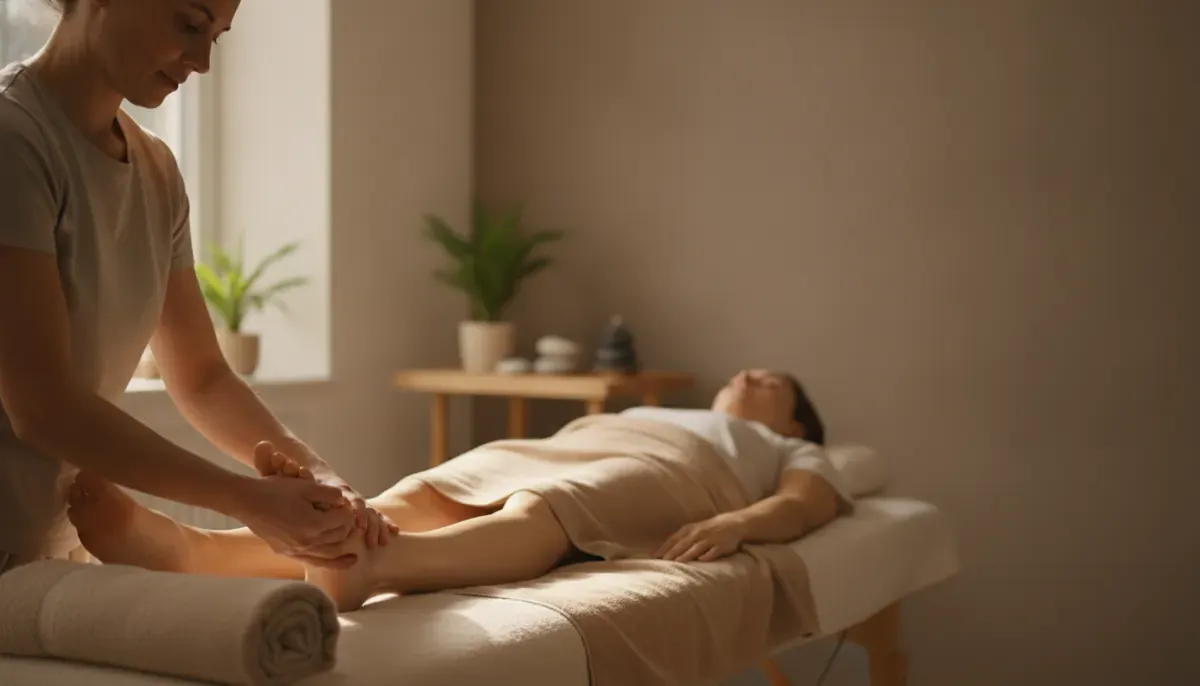

Ever left a massage wishing it was just a little stronger? The secret isn’t always asking for “deep tissue.” While many use the terms interchangeably, firm pressure and deep tissue are very different. Knowing the distinction is your key to getting the massage you really want. Deep tissue is a specific technique for deep knots, while firm pressure is about the amount of force used everywhere. This guide explains the unique benefits of a firm pressure massage, helping you communicate clearly so you get a perfect, customized session every time.
Key Takeaways
- Firm pressure is not the same as deep tissue: Firm pressure refers to the amount of force used for overall tension relief, while deep tissue is a specific technique for targeting knots. You can ask for firm pressure during any massage to get that stronger, more satisfying feel.
- Speak up to get the best results: A massage should feel productive, not painful. Always tell your therapist if you need more or less pressure, as your feedback is essential for releasing tension and making the session effective.
- It’s a reset for both body and mind: This approach is excellent for easing chronic pain and general tightness, but it also helps reduce stress and anxiety. It’s a great option for anyone, from athletes to office workers, who needs a complete physical and mental refresh.
What Is a Firm Pressure Massage?
If you’ve ever left a massage feeling like you needed just a little more, firm pressure might be exactly what you’re looking for. Think of it as a step up from a classic relaxation massage. It’s characterized by sustained, strong pressure applied throughout the session. Unlike some other massage types, firm pressure doesn’t necessarily have to focus on a single problem area. Instead, its goal is to provide a deep sense of release across your entire body.
This style is perfect for when you feel like your muscles are holding onto a lot of general tension from stress, workouts, or just daily life. A therapist delivering a firm pressure massage uses steady, consistent force to help your muscles let go. It’s a deeply restorative experience that can feel like hitting the reset button. At Nola Bliss, our therapists are experts at customizing the pressure to your comfort level, ensuring the entire massage is both effective and enjoyable. You can request firm pressure for many of our massage services, making it a versatile option for achieving the relief you need.
Firm vs. Light Pressure: What’s the Difference?
The main difference between firm pressure and lighter touches comes down to force and intent. While a light or medium pressure massage focuses on surface-level muscles for general relaxation, firm pressure uses a deeper, stronger force. This approach is designed to release significant tension and address long-lasting pain or tightness. It’s the kind of pressure that helps you feel a real shift in your muscles.
This technique is often a key component in therapeutic modalities like deep tissue massage and trigger point therapy because it effectively works on deeper layers of muscle and connective tissue. If you find that a standard Swedish massage doesn’t quite get the job done, asking your therapist for firm pressure can make all the difference.
How Pressure Affects Your Nervous System
The amount of pressure used during a massage does more than just work out knots; it sends a direct message to your nervous system. While lighter pressure can be soothing, firm, consistent pressure often provides a deeper sense of security and release. This steady force helps calm your body’s fight-or-flight response, allowing your muscles to relax on a neurological level. When your body feels that confident, grounded touch, it signals to your brain that it’s safe to let go of tension. This process can help lower stress hormones like cortisol and encourage the release of endorphins, leaving you feeling both physically looser and mentally clearer after your session.
Why Pressure is Subjective
What feels like the perfect amount of pressure for one person might be too much or too little for another. Your ideal pressure depends on your muscle density, sensitivity to pain, and what your body has been through that week. An athlete training for a marathon will have a very different definition of “firm” than someone who spends their days at a desk. This is why communication with your massage therapist is so important. A great massage should never be a “grin and bear it” experience. At Nola Bliss, our dedicated team is trained to listen to your body and your feedback, adjusting the pressure to ensure your session is both productive and comfortable from start to finish.
Is Firm Pressure the Same as Deep Tissue?
It’s easy to confuse firm pressure with deep tissue massage, but they aren’t the same thing. The simplest way to think about it is that firm pressure is about the amount of pressure used, while deep tissue massage is a specific technique. You can have a full-body massage with firm pressure, where the goal is overall tension relief.
Deep tissue massage, on the other hand, targets specific knots and adhesions in the deeper layers of your muscles and fascia. It involves more focused, intense work on problem spots. While deep tissue massage certainly uses firm pressure, the application is much more targeted. You can let your therapist know which you prefer: overall strong pressure for relaxation or focused work on a nagging injury.
Deep Tissue Works in Layers
A true deep tissue massage is a methodical process. Your therapist doesn’t just start pressing hard right away. Instead, they work through the body in layers. Think of it like this: to get to the deep-seated knots causing your chronic backache, a therapist first needs to warm up and release the superficial muscles on top. This careful, layer-by-layer approach is what makes the technique so effective. It allows the therapist to address the source of your pain without causing unnecessary discomfort. It requires patience and a deep understanding of anatomy, which is why an experienced therapist makes all the difference.
Deep Tissue is a Category of Techniques
Another common misconception is that deep tissue is just one specific move. In reality, “deep tissue” is a category of advanced massage techniques. It’s not simply about pushing as hard as possible; it’s about applying slow, specific strokes to target problem areas. Your therapist might use friction, stripping, or trigger point therapy to release tension. The key is that the work is intentional and focused on breaking up adhesions in your muscles and connective tissues. This is why communication is so important—it helps your therapist choose the right technique for your needs, ensuring the pressure is productive, not just painful.
The Pace and Focus of Deep Tissue
If you’re used to a Swedish massage, you might be surprised by the slower pace of a deep tissue session. This isn’t an accident. The goal of deep tissue massage is to relieve chronic pain and improve muscle function, and that requires a deliberate approach. The slow, sustained pressure gives your muscles time to release and allows the therapist to work deeper into the tissue without forcing it. This careful process helps break down adhesions and scar tissue that can cause pain and limit your range of motion. It’s a focused, therapeutic treatment designed to create lasting change rather than just temporary relaxation.
What Techniques Will Your Therapist Use?
During a firm pressure massage, your therapist will use steady, strong strokes to ease muscle tension across large areas of your body. They will use their hands, knuckles, forearms, and even elbows to apply consistent force that encourages your muscles to relax and release. The movements are often slow and deliberate, allowing the pressure to sink in effectively.
One of the most effective ways to receive consistent, deep pressure is through Ashiatsu Deepfeet Bar Therapy, a specialty here at Nola Bliss. In this technique, the therapist uses their feet and body weight to deliver broad, flowing strokes. This allows for a deep, comfortable pressure that’s hard to achieve with hands alone, making it a fantastic option for a full-body reset.
What Can a Firm Pressure Massage Do for You?
A firm pressure massage does more than just feel good; it offers a wide range of benefits that support both your physical and mental well-being. By applying sustained, strong pressure, your therapist can work through layers of muscle and tissue to release built-up tension. This approach is incredibly effective for addressing everything from general stress to specific aches and pains. Whether you’re looking for a full-body reset or targeted relief, understanding the advantages can help you decide if this is the right treatment for you. Let’s explore the key benefits you can expect from a firm pressure massage.
Ease Physical Tension and Soreness
One of the most immediate benefits of firm pressure is profound physical relief. When your muscles are tight and knotted from stress, poor posture, or daily activities, that tension can cause discomfort and stiffness throughout your body. A firm pressure massage uses steady, strong force to work through that tightness, encouraging your muscles to relax and let go. This process helps ease general muscle tension, leaving you feeling more loose and comfortable in your own skin. Many people describe the feeling as a full-body reset that feels deeply restorative and calming. It’s an excellent choice when you feel like you need to hit the refresh button on your body.
Calm Your Mind and Improve Your Mood
The connection between your mind and body is powerful, and a firm pressure massage is a perfect example of how tending to one can help the other. Physical tension is often where we store our stress and anxiety. By releasing tight muscles, you can also release the emotional weight they carry. Therapeutic massage is known to help lower stress and anxiety levels, creating a sense of peace that lasts long after you leave the table. The focused pressure can also help interrupt pain signals being sent to your brain, providing a welcome distraction from discomfort and allowing your mind to settle into a state of deep relaxation.
Benefits of Lighter Pressure for Relaxation
While firm pressure is fantastic for working through deep-seated tension, it’s not the only path to feeling renewed. Sometimes, a lighter touch is exactly what your body and mind need. Lighter pressure, characteristic of a classic Swedish massage, focuses on the surface-level muscles to promote general relaxation. This approach uses gentle, flowing strokes to soothe your nervous system and quiet a busy mind. It’s an ideal choice if you’re new to massage, sensitive to pressure, or simply seeking a tranquil escape from daily stress. This gentler method proves that profound relaxation doesn’t always require intense force; it can come from a calming experience that allows you to fully let go and recharge.
Improve Circulation and Range of Motion
If you feel stiff or find your range of motion is limited, firm pressure can make a significant difference. Over time, adhesions, or “knots,” can form in your muscles and connective tissues, restricting movement and blood flow. Firm pressure is designed to break up these adhesions, which helps restore mobility and flexibility to your joints. Techniques used in a deep tissue massage access those deeper layers of muscle, encouraging better circulation. Improved blood flow delivers more oxygen and nutrients to your tissues, which helps them stay healthy and function properly, allowing you to move more freely and with less discomfort.
Find Pain Relief and Speed Up Muscle Recovery
For those dealing with chronic pain or muscle soreness after a workout, firm pressure massage can be a game-changer. This technique is highly effective for pain relief because it targets the deeper sources of discomfort. By applying firm, consistent pressure, a therapist can reach the underlying muscle layers to break down painful knots and release tension that contributes to chronic aches. This process not only alleviates current pain but also supports faster muscle recovery by flushing out lactic acid and reducing inflammation. It’s an ideal therapy for athletes, weekend warriors, or anyone seeking lasting relief from persistent muscle pain.
Is a Firm Pressure Massage Right for You?
Deciding on the right massage pressure can feel like a big choice, but it really comes down to what your body needs and what you prefer. If you’ve ever had a massage and felt like the therapist wasn’t quite getting deep enough to relieve your tension, a firm pressure massage might be exactly what you’re looking for. It’s designed for those who want a strong, consistent touch to work through widespread muscle tightness and stress. Let’s explore who benefits most from this approach and see if it aligns with your wellness goals.
Who Should Try a Firm Pressure Massage?
If you’re someone who carries a lot of general tension or simply enjoys a more intense, satisfying touch, firm pressure is an excellent choice. This style uses steady, strong force across broader areas of the body to ease muscle tightness. Unlike deep tissue massage, which focuses on specific knots and deeper layers of connective tissue, firm pressure provides a consistently strong touch throughout your session. It’s perfect for individuals who are accustomed to massage and know they need more than a light or medium touch to feel fully relaxed and rejuvenated. Our massage services can always be customized to your preferred pressure level.
Health Issues That Respond Well to Firm Pressure
Firm pressure is more than just a preference; it’s a powerful therapeutic tool. This type of massage can be incredibly effective for managing chronic pain, reducing stress, and easing anxiety. By applying sustained pressure, your therapist can relax tight muscles, tendons, and joints that contribute to discomfort. This process not only addresses physical symptoms but also helps calm the nervous system. If you struggle with persistent backaches, shoulder tension from stress, or generalized muscle soreness, a deep tissue or Swedish massage with firm pressure can provide significant relief and a welcome sense of calm.
When to Choose a Lighter Pressure Massage
While firm pressure is fantastic for working through deep-seated tension, it’s not always the right fit. A lighter pressure massage can be a much better choice if you’re new to massage, highly sensitive to touch, or dealing with acute pain from a recent injury where a strong touch might be too much. It’s also the recommended approach for specific situations, like pregnancy, where safety and comfort are the top priorities. Our prenatal massages, for example, use gentle techniques to provide relief. Lighter pressure is incredibly effective for calming the nervous system and promoting deep relaxation without the intensity of a firmer touch. Remember, the goal is always to feel good, so if your body is calling for a softer approach, listen to it. A lighter touch can be just as therapeutic and restorative.
Why Athletes Rely on Firm Pressure Massage
Athletes and physically active individuals often find firm pressure massage essential for performance and recovery. Intense training can lead to extremely tight, overworked muscles, and a lighter touch may not be enough to address the resulting tension. A firm massage helps loosen these dense muscle groups, releasing built-up stress and improving flexibility. It’s a fantastic way to prepare your body for a big event or help it recover afterward. For those seeking the ultimate deep pressure experience, our Ashiatsu Deepfeet Bar Therapy uses gravity and the therapist’s body weight to deliver consistent, deep compression.
Finding Relief for ‘Desk Job’ Aches and Pains
Spending hours hunched over a computer can take a serious toll on your body, leading to chronic neck, shoulder, and back pain. Firm pressure massage is a perfect antidote to the desk-bound lifestyle. It directly targets the tension that builds up from poor posture and repetitive strain, using strong, gliding strokes to release tightness in the upper back and shoulders. This helps reduce stress and leaves you feeling more open and relaxed. Think of it as hitting the reset button for your body, counteracting the daily grind and helping you feel more comfortable and focused at work.
Are There Any Risks to Consider?
Firm pressure massage feels incredible, but it isn’t the right choice for every person or situation. Your safety and comfort are always the top priority. A great massage is tailored specifically to you, which means understanding when to apply firm pressure and when a lighter touch is needed. This helps you and your therapist make the best decisions for your body, ensuring your session is both effective and safe.
When You Should Avoid a Firm Pressure Massage
Firm pressure isn’t a universal solution for muscle tension. Certain types of massage and specific health situations call for a much gentler approach. For example, lymphatic drainage massage relies on very light strokes to be effective. For expecting mothers, a prenatal massage should use only light to medium pressure, avoiding firm work on the lower back and pelvis. Similarly, clients undergoing cancer treatment may require a specialized oncology massage, as their bodies can be more sensitive. In these cases, firm pressure should only be applied with a doctor’s explicit approval. Always let your therapist know about your circumstances so they can adjust the technique accordingly.
Acute Injuries and Flare-Ups
If you’ve recently hurt yourself—think within the last day or two—it’s best to hold off on a firm pressure massage. When an injury is new, your body’s natural response is inflammation, which often comes with pain, heat, and swelling. Applying deep, firm pressure to a fresh injury can interfere with this initial healing phase and potentially make the damage worse. It’s much safer to give your body time to calm down first. Once the initial, acute stage has passed, a therapeutic massage can be incredibly helpful for recovery. Always let your therapist know about any recent injuries so they can tailor the session to your body’s needs and avoid causing further harm.
Contagious Illnesses
As much as you might be craving a massage, if you’re sick with something contagious, please stay home and rest. Getting a massage with a cold, the flu, a stomach bug, or a contagious skin condition like poison ivy is a bad idea for two key reasons. First, a massage can sometimes make you feel worse by accelerating your body’s processes. Second, and most importantly, you risk spreading your illness to your massage therapist and other clients in the studio. We want to keep our space a healthy and relaxing environment for everyone, so please reschedule your appointment for when you’re feeling 100% again. Your therapist (and fellow clients) will thank you.
Post-Surgery Precautions
Your body is in a major state of healing right after an operation, and it’s crucial to give it the time and space it needs to recover. A firm pressure massage can be too intense for a system that’s already working overtime to repair itself. This applies whether you’ve just had surgery or have one coming up. Before surgery, your therapist needs to be careful not to affect the area. Afterward, your body needs to mend without interference. It’s essential to get clearance from your doctor before booking a massage post-op. Once you’re cleared, massage can be a wonderful tool for recovery, but timing is everything.
Special Considerations for Prenatal Massage
Pregnancy is a beautiful journey, but it also brings unique changes to the body that require a specialized approach to massage. While massage can provide incredible relief for the aches and pains of pregnancy, firm pressure is generally not recommended. A proper prenatal massage uses light to medium pressure and avoids deep work on sensitive areas like the lower back and pelvis to ensure the safety and comfort of both mother and baby. Our therapists are professionally trained in these specific modifications, using supportive positioning and gentle techniques to help you relax and find relief. Always choose a therapist who is certified in prenatal massage to ensure you’re in good hands.
Health Concerns to Share With Your Therapist
Open communication with your massage therapist is key to a safe and beneficial session. Before you get on the table, it’s crucial to share your health history. Massage should be avoided on any skin that is inflamed, red, swollen, or hot, as it can worsen the condition. The American Massage Therapy Association also advises that people with certain health issues, such as heart problems, infectious diseases, or phlebitis (a type of blood clot), should avoid massage. By discussing your health concerns, you allow our team of professionals to customize the treatment to your specific needs, ensuring you get the most out of your experience without any risk.
Specific Medical Conditions to Discuss
Your well-being is our top priority, so please don’t hesitate to share any specific health conditions with your therapist. Certain situations require a modified approach to ensure your massage is both safe and beneficial. For example, if you have a history of heart problems or blood clots, or if you’re pregnant, we’ll adjust the technique accordingly. Expecting mothers receive a specialized prenatal massage that uses gentle pressure and avoids certain areas. Likewise, if you’re undergoing cancer treatment, a doctor’s guidance is key to creating the right session for you. Being open about your health allows our experienced therapists to create a truly personalized and effective experience just for you.
Myth vs. Fact: Does a Good Massage Have to Hurt?
Let’s clear up a few common misconceptions. The biggest one is the “no pain, no gain” theory. A firm pressure or deep tissue massage should not be a painful ordeal. While you might feel some intensity on tight knots, it should always be a “good hurt” that feels productive, not sharp. It’s also a myth that firm pressure and deep tissue massage are the same thing. Firm pressure refers to the amount of force applied, while deep tissue is a specific technique. The most effective massage is one where you can relax and breathe, so always speak up if the pressure is too much.
Why Pain Can Be Counterproductive
It’s a common belief that for a massage to work, it has to hurt. But the truth is, pain can actually get in the way of your relief. When you experience pain, your body’s natural reaction is to tense up and guard itself. This is a protective reflex, but during a massage, it’s counterproductive. If you’re gritting your teeth or holding your breath, your muscles are contracting, not relaxing. This makes it much harder for your therapist to work through the tension and release those deep knots. A truly effective massage is a partnership between you and your therapist. It’s essential to communicate how the pressure feels so they can adjust it to a level that’s productive, not painful. The goal is to encourage your muscles to let go, and that can only happen when your body feels safe enough to relax.
Your First Session: What to Expect
Knowing what to expect can help you relax and get the most out of your firm pressure massage. Your session is your time, and our goal is to make it as comfortable and effective as possible. From the moment you lie down on the table, your only job is to breathe and communicate. We’ll handle the rest. A great massage is a partnership between you and your therapist, so we’ll cover how to talk to them, what techniques you might experience, and how to care for yourself after your appointment to keep that blissful feeling going.
How to Communicate Your Needs to Your Therapist
Your feedback is the most important tool we have. Always tell your massage therapist how the pressure feels during your session. There’s a big difference between helpful discomfort and actual pain. If you find yourself holding your breath, tensing up, or pulling away from your therapist’s touch, the pressure is likely too much. When your muscles are tense, they can’t relax, which makes the massage less effective. Our licensed massage therapists are trained to listen to both your words and your body’s responses, but you are always the expert on what you’re feeling. Don’t hesitate to ask for more or less pressure to make sure the session is perfect for you.
Clarify Your Goals and Past Experiences
Before your session begins, take a moment to talk with your therapist about what you’re hoping to achieve. This is your chance to set the stage for a great experience. Mention any specific areas of tension, past injuries, or your general goals for the massage. If you’ve had massages before, share what you liked or didn’t like. For instance, if you’ve ever felt a therapist wasn’t getting deep enough, let them know a firm pressure massage is what you have in mind. The more information you provide, the better your therapist can tailor the session to your body’s unique needs, ensuring you walk away feeling completely satisfied.
Using a Pain Scale for Real-Time Feedback
Always tell your massage therapist how the pressure feels during your session. There’s a big difference between helpful discomfort and actual pain. If you find yourself holding your breath, tensing up, or pulling away from your therapist’s touch, the pressure is likely too much. A simple way to communicate is by using a pain scale from 1 to 10. A “7” might feel like a productive, “good hurt” on a tight knot, but anything higher is probably counterproductive. Your body can’t relax if it’s fighting against the pressure. Your feedback is essential for making the massage effective, so never hesitate to speak up and guide your therapist toward that perfect pressure level.
What the Techniques and Pressure Feel Like
Firm pressure massage is defined by the use of deep, consistent pressure. Unlike deep tissue massage, which targets specific knots in deeper muscle layers, firm pressure can be applied more broadly across the body. It’s a fantastic way to customize other types of massage, like a relaxing Swedish massage, to give it a stronger feel. Your therapist will use deeper, more intentional force with their hands and forearms to release built-up tension and address long-lasting tightness. This approach is often used in our Deep Tissue or Swedish Massage services to work on deeper muscles and connective tissues, helping you feel thoroughly relaxed and renewed.
What to Do After Your Session for the Best Results
What you do after your massage is just as important as the massage itself. To extend the benefits of your session, make sure to drink plenty of water. This helps your body flush out any metabolic waste that was released from your muscle tissues during the massage. Gentle stretching later in the day can also help you maintain that newfound flexibility and prevent soreness. If you feel a little tender, which can be normal after a firm session, a warm bath can do wonders. Most importantly, give yourself time to rest and let your body integrate the work that was done.
How to Find the Right Massage Therapist
Finding the right massage therapist is the most important step in getting the results you want. The connection and trust you have with your therapist can make all the difference, especially when you’re seeking firm pressure for pain relief or deep relaxation. It’s about finding a professional whose skills and style match your body’s specific needs.
What Qualifications Should Your Therapist Have?
Not all massage therapists have the same skill set, and that’s especially true when it comes to firm pressure. Applying deep, therapeutic pressure effectively requires advanced training and a sophisticated understanding of anatomy. It’s a specific skill, not just about pushing harder. Look for therapists who have dedicated their careers to the practice and have certifications in specialized modalities. For example, our team is highly experienced in techniques ranging from traditional deep tissue massage to Ashiatsu, ensuring you’re in knowledgeable and capable hands.
The Importance of Experience and Specialization
When you’re looking for a massage that delivers real therapeutic benefits, experience is everything. An experienced therapist does more than just apply pressure; they understand how to listen to your body’s feedback. They can tell the difference between a muscle that’s ready to release and one that’s resisting, adjusting their technique in real-time for the most effective results. This is especially true for firm pressure, where skill and intuition prevent the experience from becoming painful. Specialization is just as crucial. A therapist who has dedicated their career to modalities like deep tissue or Ashiatsu has a level of expertise that a generalist simply can’t match. At Nola Bliss, we’ve built our reputation on our team of highly trained and dedicated therapists who are passionate about the art of healing. Their deep knowledge ensures you receive a massage that is not only powerful but also safe and precisely tailored to you.
Questions to Ask Before You Book an Appointment
Don’t be shy about asking questions before you commit to an appointment. A great studio will be happy to guide you to the right person. When you call or book online, feel free to ask about the therapists’ specializations. You can ask things like, “Which therapist has the most experience with lower back pain?” or “Who do you recommend for someone who likes very firm, consistent pressure?” This simple conversation helps ensure the therapist you see is the best fit for your goals, whether you need targeted muscle work or an hour of pure stress relief.
Where to Find a Licensed Professional
Always make sure your massage therapist is a licensed professional. A license is your assurance that the therapist has completed the required education and adheres to professional and ethical standards. Reputable studios will only hire licensed therapists and often feature their team’s credentials on their website. You can learn more about our dedicated team and their extensive training online. Reading recent reviews is also a great way to get a feel for a therapist’s style and find someone who clients trust and recommend for their specific needs.
Related Articles
Frequently Asked Questions
Is firm pressure the same as deep tissue massage? Not exactly. Think of firm pressure as the amount of force your therapist uses throughout the session. Deep tissue, on the other hand, is a specific technique used to target knots and adhesions in the deeper layers of your muscles. While a deep tissue massage always uses firm pressure, you can also have a full-body Swedish massage with firm pressure for overall tension relief.
Should a firm pressure massage be painful? Absolutely not. While you might feel some intensity when the therapist works on a particularly tight spot, it should always feel productive, like a “good hurt.” You should never experience sharp pain or feel the need to tense up. A great massage is one where you can breathe and relax, so always speak up if the pressure feels like too much.
What if I’m not sure if I want firm pressure for my whole massage? That’s perfectly fine. Your massage is completely customizable. You can absolutely ask your therapist to use firm pressure on areas that need it most, like your shoulders or lower back, while using a more medium pressure on other areas. The entire session is a conversation between you and your therapist to ensure you get exactly what your body needs.
How will I feel the day after a firm pressure massage? It’s common to feel a little bit of muscle soreness the day after a firm pressure session, similar to how you might feel after a good workout. This is completely normal and a sign that your muscles are releasing long-held tension. Drinking plenty of water and taking a warm bath can help ease any tenderness, leaving you feeling looser and more relaxed.
Can I request firm pressure for any type of massage? You can request firm pressure for many of our services, including our Swedish and couples massages. It’s a great way to tailor a classic relaxation session to your preference for a stronger touch. However, some specialized treatments, like prenatal massage, require a lighter touch for safety. Just let us know what you’re looking for when you book, and we can guide you to the perfect session.