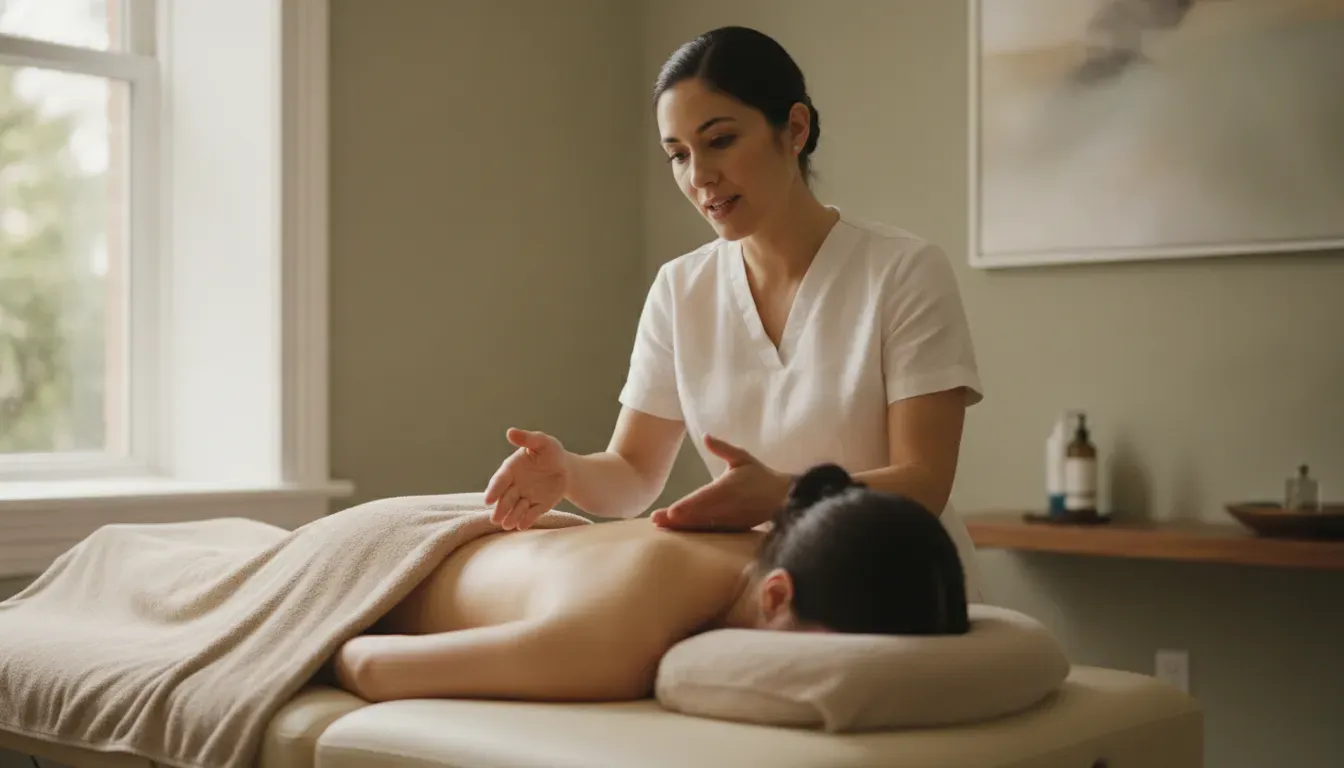

It’s easy to dismiss self-care as a luxury when you have a new baby, but some practices are a vital part of your recovery. A postnatal massage falls firmly into that category. This isn’t about simple pampering—it’s a therapeutic tool that addresses the huge physical and emotional shifts you’re going through. From helping to rebalance hormones and reduce swelling to easing the new aches from constantly lifting your little one, this treatment is focused entirely on your healing. It’s dedicated time to honor what your body has accomplished and help it feel strong again.
Key Takeaways
- Treat it as targeted recovery, not just relaxation: Postnatal massage is a therapeutic practice designed to support your physical and emotional healing after childbirth by easing muscle strain, helping to balance hormones, and reducing stress.
- Prioritize safety and timing: Always get clearance from your doctor before booking, especially after a C-section, and listen to your body’s signals to determine when you are truly ready for a massage.
- Seek out specialized expertise: Choose a massage therapist with specific certifications in perinatal or postnatal care to ensure they use safe, appropriate techniques that are tailored to your healing body.
What Is a Postnatal Massage?
After nine months of incredible changes, your body deserves dedicated care as it heals and adjusts to life after childbirth. That’s where postnatal massage comes in. Think of it as a massage designed specifically for new moms. It’s a full-body treatment that focuses on helping you recover both physically and mentally from pregnancy and delivery.
According to the American Pregnancy Association, this type of massage is a natural way to support your body’s transition. It’s more than just a moment of relaxation—it’s a therapeutic practice that addresses the unique aches, pains, and hormonal shifts that come with the postpartum period. From easing sore muscles to providing a much-needed emotional release, a postnatal massage is a powerful tool for self-care during a demanding and beautiful new chapter of your life. It’s an opportunity to reconnect with your body and give it the attention it needs to heal properly.
How Postnatal Massage Supports Your Recovery
Your body has just accomplished something amazing, and now it’s time for recovery. Postnatal massage directly supports this process by helping to relax tight muscles, improve circulation, and lower stress hormones. This can be especially helpful in managing the “postpartum blues,” which many new moms experience due to hormonal fluctuations and the new responsibilities of motherhood.
Beyond the emotional benefits, it provides real physical relief. Caring for a newborn often leads to new aches in your arms, shoulders, and back from constant lifting and feeding. A targeted massage can ease this discomfort without you having to reach for medication. It’s a gentle, effective way to address the physical demands of being a new parent and help your body feel strong and comfortable again.
Support After Pregnancy Loss
The healing benefits of postnatal massage also extend to those navigating the profound grief of pregnancy loss. This is a time when your body and heart both need gentle support, and massage can offer a quiet space for healing. The physical touch can help your body recover, while the act of being cared for provides emotional comfort during a difficult period. As noted by health experts, massage can help with the sadness and anxiety that often follow major hormonal shifts. It’s a way to honor your body and give yourself permission to receive care. At Nola Bliss, our compassionate and experienced therapists understand the need for a safe, supportive environment, allowing you to process and heal at your own pace.
How Is Postnatal Massage Different?
While they all involve therapeutic touch, postnatal, prenatal, and regular massages have very different goals. A prenatal massage is all about providing comfort and relief from the strains of pregnancy, like back pain and swollen ankles. A regular Swedish or deep tissue massage is great for general relaxation or working on chronic muscle tension, but it isn’t tailored to the specific needs of a postpartum body.
Postnatal massage, on the other hand, is entirely focused on healing and recovery after birth. Your therapist will use techniques suited for your postpartum body, addressing issues like abdominal muscle recovery, C-section scar tissue, and the specific muscle strain that comes from caring for a baby. It’s a specialized approach that understands exactly what your body has been through and what it needs to recover well.
Why Every New Mom Deserves a Postnatal Massage
Bringing a new life into the world is a monumental effort, and your body has gone through incredible changes to make it happen. Postnatal massage isn’t just a luxury; it’s a powerful tool for recovery that honors everything you’ve just accomplished. It’s a dedicated time to focus on your own healing, both physically and emotionally. The postpartum period comes with a unique set of challenges, from sore muscles and hormonal shifts to sleepless nights and the stress of caring for a newborn.
A therapeutic massage can address these issues directly, helping your body recover more efficiently. It works by relaxing tense muscles, improving circulation, and encouraging the release of feel-good hormones. Think of it as a way to reset your system and give yourself the support you need to be the best mom you can be. According to the American Pregnancy Association, the benefits are wide-ranging, touching on everything from physical pain to emotional well-being. Our experienced therapists can tailor your session to your specific postpartum needs, creating a safe and restorative experience.
Ease Postpartum Aches and Pains
After childbirth, your body is working hard to heal. Add to that the new physical demands of motherhood—lifting, carrying, and feeding a baby around the clock—and it’s no wonder you’re feeling sore. Postnatal massage is fantastic for easing those common aches in your back, shoulders, and hips. It can also help reduce fluid retention and swelling. By targeting specific muscle groups, a gentle Swedish or deep tissue massage can relieve the tension that builds up from holding your baby and hunching over during feedings. This focused work helps improve blood flow to your tissues, which delivers oxygen and nutrients that are essential for speeding up your body’s natural healing process.
Address Swelling and Circulation
It’s very common to experience swelling in your legs, feet, and hands after giving birth as your body works to shed the extra fluid retained during pregnancy. Postnatal massage is an excellent way to support this natural process. The gentle, rhythmic pressure helps stimulate your lymphatic system, encouraging your body to drain excess fluids and reduce uncomfortable puffiness. According to the American Pregnancy Association, this type of massage also helps your body flush out waste products more efficiently. By improving overall circulation, it ensures that oxygen-rich blood reaches your tissues, which is essential for healing and restoring your energy levels after delivery.
Improve the Appearance of Stretch Marks and Varicose Veins
Stretch marks and varicose veins are a testament to the incredible work your body has done, but it’s also okay to want to support your skin as it recovers. While massage can’t make them disappear, it can help improve their appearance. As WebMD points out, the techniques used in postnatal massage boost circulation, which is key to skin health. This increased blood flow delivers vital nutrients to the skin, promoting elasticity and helping to repair connective tissues. Over time, this can soften the texture of stretch marks and may reduce the prominence of varicose veins, helping your skin feel healthier and more toned.
Calm Your Mind and Reduce New Mom Stress
The emotional journey of new motherhood can be a rollercoaster. The “postpartum blues” are very real, often fueled by hormonal fluctuations, sleep deprivation, and the immense responsibility of your new role. Taking time for a massage provides a quiet, nurturing space just for you. The simple act of being cared for can be incredibly grounding. Massage is known to lower levels of stress hormones like cortisol while increasing serotonin and dopamine, which helps improve your mood. It gives your mind a much-needed break, helping you feel more relaxed, centered, and emotionally resilient as you adapt to your new life.
Understanding Postpartum Mood Changes
The emotional landscape after birth can feel overwhelming. Many new moms experience what’s known as the “baby blues”—mood swings, anxiety, and sadness—while some face the more persistent challenge of postpartum depression. Therapeutic massage is an effective tool for navigating these feelings. It’s known to lower stress hormones like cortisol, which have a huge impact on your mood. At the same time, it helps increase levels of serotonin and dopamine, your body’s natural mood-lifters, contributing to a feeling of calm and balance. Even a simple back massage can make a difference; one small study found that new mothers who received one felt significantly less anxious afterward. It’s a gentle, effective way to find emotional support during this transformative time.
Regulate Hormones and Finally Get Some Rest
Your hormones go through a massive shift after you give birth. Massage can play a supportive role in helping your body find its new equilibrium. Therapeutic touch helps regulate the hormones that are in flux during the postpartum period, including estrogen, progesterone, and prolactin. By lowering stress hormones, massage also paves the way for better sleep. And let’s be honest, even an extra hour of quality rest can feel like a miracle for a new mom. When your body is relaxed and your mind is calm, it’s much easier to drift off and get the restorative sleep you desperately need to recover and function at your best.
Support Your Breastfeeding Journey
If you choose to breastfeed, you might find that it comes with its own set of physical strains, like tight shoulders and upper back pain. A postnatal massage can work wonders on these specific areas, releasing tension and making feeding sessions more comfortable for you. Beyond just soothing sore muscles, the relaxation from a massage can also support lactation. When you’re relaxed, your body can more easily produce prolactin, the hormone responsible for milk production. Some massage techniques can also improve circulation in the chest, which may help with issues like engorgement and plugged ducts, making your entire breastfeeding experience a little smoother.
How Massage Can Improve Latching
A successful latch is often about finding a comfortable, sustainable position, which is nearly impossible when you’re stiff and sore. If your shoulders, neck, and back are tight from holding and feeding your baby, you’ll naturally struggle to get into the right posture. This is where a targeted massage makes a direct impact. By releasing that built-up tension, you can sit more comfortably and hold your baby in a way that encourages a deep, effective latch. But it’s not just about physical comfort. Stress can inhibit the hormones needed for milk let-down, making breastfeeding more difficult. According to the American Pregnancy Association, massage helps balance these hormones by lowering cortisol. When you’re more relaxed, your body’s natural processes work better, creating a calmer, more patient environment for both you and your baby to master breastfeeding together.
Strengthen Your Bond with Partner Massage
The postpartum period is a time of huge adjustment for both you and your partner. While you’re healing, your partner is also adapting to a new role. A couples massage can be a beautiful way to reconnect and support each other through this transition. It creates a shared experience of relaxation and care, allowing you both to de-stress together. It’s a chance to step away from the new demands of parenthood, even for just an hour, and focus on each other. This shared quiet time can be incredibly restorative, helping to ease the “baby blues” that many new moms feel and reinforcing that you’re a team in this new chapter. When a partner is involved in the massage process, it can also deepen the emotional bond and help you both feel more connected.
When Is It Safe to Get a Postnatal Massage?
After bringing a new baby into the world, it’s completely normal to feel an urgent need to reconnect with your own body. You’ve been through a monumental physical and emotional experience, and a postnatal massage can feel like a welcome step toward healing and feeling like yourself again. But when is the right time to book that first appointment? The answer isn’t one-size-fits-all. The ideal timing depends on your unique birth experience, your recovery progress, and, most importantly, how you feel.
The key is to approach your postpartum recovery with patience and care. While you might be eager to address the new aches and pains that come with caring for an infant, jumping in too soon can do more harm than good. Your body needs time to heal. Generally, the timeline differs depending on whether you had a vaginal delivery or a C-section. It’s also essential to get clearance from your doctor, especially if you had any complications. Ultimately, you are the foremost expert on your own body. Learning to listen to its signals is one of the most important parts of the postpartum journey. We’ll walk through these considerations to help you decide when it’s safe to enjoy a therapeutic postpartum massage.
When to Book After a Vaginal or C-Section Birth
Your delivery method is the biggest factor in determining when you can safely get a massage. If you had an uncomplicated vaginal birth, you can often receive a massage as soon as you feel comfortable and ready. For many new moms, this could be within the first few weeks. However, if you had a C-section, you need to be more patient. A C-section is major abdominal surgery, and your incision needs time to heal completely before a therapist can safely work on your body, especially your core. Most experts recommend waiting at least six weeks, or until your doctor has confirmed the incision is fully closed and healed, before scheduling a massage.
Why You Need Your Doctor’s Go-Ahead
Before you book any massage, it’s always a smart move to check in with your doctor or midwife. This is especially true if you experienced any health concerns during your pregnancy or delivery, such as high blood pressure, preeclampsia, or significant blood loss. A professional massage can have a powerful effect on your body, including increasing your circulation. While this is usually a benefit, it can pose risks for certain medical conditions. Getting the green light from your healthcare provider ensures that a massage will be a safe and beneficial part of your recovery. Think of it as a team effort—your doctor, your massage therapist, and you are all working together for your well-being.
Listen to Your Body: Signs You’re Ready
Beyond any specific timeline or doctor’s note, the most important guide is your own body. No one knows how you feel better than you do. Are you still experiencing significant pain or discomfort? Do you feel physically and emotionally ready to be on a massage table for an hour? There is no prize for getting a massage sooner rather than later. The American Pregnancy Association notes that you can start as soon as you feel comfortable. If the thought of someone applying pressure to your body makes you wince, it’s a clear sign to wait a little longer. True healing happens on your body’s schedule, so honor its pace and give yourself the grace to wait until you’re truly ready to relax and receive care.
Your First Postnatal Massage: What to Expect
Booking your first massage after having a baby can feel like a huge step, and you might have a lot of questions. What will it be like? Will I be comfortable? It’s completely normal to wonder about the details. The goal of a postnatal massage is to help you heal and feel more at home in your body again. Your massage therapist understands the physical and emotional changes you’re going through and will create a safe, relaxing space just for you. From finding the perfect position on the table to addressing any concerns you have about breastfeeding, every part of the experience is designed to support your recovery.
How You’ll Be Positioned for Comfort
One of the first things new moms look forward to is finally being able to lie face-down again, and you can absolutely do that during your postnatal massage if it feels good to you. After months of side-sleeping, it can be a huge relief. However, every postpartum body is different. If your chest is tender from breastfeeding or you have any discomfort, your therapist will help you find the perfect position. This might mean lying on your side with supportive pillows, just like during a prenatal massage, or using extra cushions for support. The most important thing is your comfort, so don’t hesitate to speak up. Our therapists are here to listen and will adjust the setup to make sure you can fully relax.
How Long and How Often to Book
You can schedule a postpartum massage as soon as you feel up to it, but it’s always a good idea to get clearance from your doctor first, especially if you had a C-section or any complications during delivery. Most people receive postnatal massage within the first 12 weeks after giving birth, as this is a critical time for recovery. How often you come in is entirely up to you and your body’s needs. Some new moms find that one session is enough to ease immediate aches and reconnect with their bodies. Others benefit from a series of massage services to address ongoing tension in the back, shoulders, and hips. Listen to your body and let that be your guide.
A Note on Breastfeeding and Leaking
Please don’t let worries about leaking milk keep you from getting the care you deserve. It’s a natural part of being a new, breastfeeding mom, and our professional therapists are completely unfazed by it. We’ve seen it all, and your comfort is our top priority. To help you feel more at ease, you might want to nurse or pump right before your appointment. If you’re concerned about tenderness, let your therapist know. They can use different positions or extra cushioning to make you comfortable. Massage can even support your breastfeeding journey by relieving tightness in your chest and shoulders, which can sometimes help with milk flow and make nursing more comfortable.
Practical Matters: Bringing Your Newborn
We get it—finding childcare for a newborn can feel like an impossible task. You might be wondering if you can just bring your little one along to your appointment. The short answer is: it depends. Some massage studios are happy to accommodate a sleeping baby in the room, but it’s essential to ask when you book. This gives the therapist a heads-up and ensures the environment remains peaceful for everyone. The American Pregnancy Association suggests checking with your therapist, as they can often adjust the session if your baby needs you. At Nola Bliss, we strive to be as accommodating as possible, so please call us to discuss your needs. We want to make sure you can get the care you need with the least amount of stress.
Embracing an Emotional Release
Don’t be surprised if your massage brings up some emotions. The postpartum period is a time of immense hormonal and emotional shifts, and it’s completely normal to experience everything from joy to anxiety. Massage provides a safe, quiet space for you to process these feelings without judgment. In fact, research shows that massage can be a powerful tool for managing the “baby blues” and can significantly reduce feelings of anxiety in new mothers. If you feel tears welling up on the table, let them flow. Our therapists understand that physical release is often tied to emotional release, and they are here to hold a supportive space for whatever comes up for you during your session.
Post-Massage Care: The Importance of Hydration
The benefits of your massage don’t stop when you leave the table. To make the most of your session, focus on gentle self-care for the rest of the day. The most important thing you can do is drink plenty of water. Massage helps release metabolic waste from your muscles, and staying hydrated helps your body flush it all out. This is especially crucial during the postpartum period, as proper hydration supports your body’s overall healing and is essential if you are breastfeeding. Even if you’re still dealing with some swelling, it’s important to keep drinking fluids. Try to take it easy and allow your body to integrate the therapeutic work it just received.
What Techniques Will Your Therapist Use?
A postnatal massage isn’t just a standard massage with a different name. It’s a session completely tailored to the unique needs of your postpartum body. Your therapist will draw from a variety of specialized techniques to address the aches, pains, and changes that come after childbirth. They’ll talk with you about your specific experience—from how you’re feeling physically to the new demands of caring for your baby—to create a treatment plan that helps you heal and feel more like yourself again. The goal is to use a combination of methods that support your recovery, relieve tension, and give you a much-needed moment of peace.
Swedish Massage for Deep Relaxation
One of the most common and effective techniques used in postnatal massage is a gentle form of Swedish massage. This method uses long, flowing strokes, light kneading, and circular movements to help calm your nervous system and ease overall muscle tension. It’s fantastic for promoting relaxation and reducing the stress hormones that can run high during the postpartum period.
Your therapist will always customize the pressure to your comfort level. While some new moms prefer a lighter, more pampering touch, others find that deeper, focused work is exactly what they need to work out the stubborn knots that have built up during pregnancy and labor. It’s all about what feels right for your body on that particular day.
Reducing Postpartum Swelling with Lymphatic Drainage
Many women experience swelling (edema) in their legs, feet, and hands after giving birth as the body works to rebalance fluids. Lymphatic drainage is a very gentle technique designed to help with this. It involves light, rhythmic strokes that encourage the movement of lymph fluids throughout your body.
This process helps your system naturally flush out excess fluids and metabolic waste, which can significantly reduce swelling and discomfort. According to the American Pregnancy Association, this type of massage can also help with hormone regulation. It’s a subtle but powerful way to support your body’s natural healing process and help you feel lighter and more comfortable.
Gentle Abdominal Massage to Support Your Core
After carrying a baby for nine months, your abdominal area has gone through incredible changes. Gentle abdominal massage can be a key part of your recovery. This technique is designed to help your uterus return to its pre-pregnancy size and position, a process known as involution.
This isn’t about deep pressure or “fixing” your stomach; it’s a careful and supportive method that can also help improve circulation, aid digestion, and assist in healing the abdominal wall. A trained therapist will use gentle, specific strokes to support your core as it regains its strength. This work is always done with the utmost care and only when you and your body are ready for it.
Special Care for C-Section Scars
Your C-section scar is a testament to your journey, and it deserves thoughtful care. Since a C-section is major abdominal surgery, the incision site needs to be treated with patience and expertise. Before any direct massage on the scar itself, it’s essential to wait until it’s fully closed and healed—usually around six to eight weeks postpartum—and to get clearance from your doctor. Once you’re cleared, gentle scar massage can be incredibly helpful. A trained therapist can use specific techniques to help reduce adhesions, which can improve flexibility and lessen any pulling sensations. According to the Cleveland Clinic, this can also help decrease scar tissue buildup and restore sensation to the area. It’s crucial to work with a therapist experienced in postnatal recovery who can apply the right amount of gentle pressure to support your healing without causing irritation.
Relieving Neck, Shoulder, and Back Pain
The physical demands of being a new mom are no joke. Constantly holding, feeding, and carrying your baby can lead to significant strain in your upper body. It’s common to develop deep aches in your neck, shoulders, and upper back from these new, repetitive motions.
A skilled postnatal massage therapist will pay special attention to these high-tension areas. They’ll use targeted techniques to release tight muscles, ease soreness, and correct the posture that often comes with caring for a newborn. Addressing this strain not only provides immediate relief but also helps prevent chronic pain from setting in, allowing you to care for your baby with greater comfort and ease.
Aromatherapy for Enhanced Relaxation
Adding aromatherapy to your postnatal massage can transform your session into a deeply restorative experience for both body and mind. This practice uses essential oils, which are concentrated plant extracts, to create a calming atmosphere that helps quiet the mental chatter that often accompanies new motherhood. The simple act of inhaling a soothing scent can trigger a powerful emotional response, helping to ease anxiety and promote a profound sense of well-being. It’s a wonderful way to deepen the benefits of your massage, creating a holistic treatment that addresses not just your sore muscles but also your emotional state, leaving you feeling more centered and peaceful.
Safe Essential Oils for New Mothers
When it comes to aromatherapy postpartum, safety is key, especially if you are breastfeeding. It’s essential to use oils that are known to be gentle and non-toxic. Some excellent choices for new mothers include lavender, which is famous for its ability to calm the nervous system and encourage restful sleep, and chamomile, which can help soothe feelings of stress and irritability. According to health experts, certain oils can be beneficial, but they must be used correctly. Always talk to your massage therapist before your session. A knowledgeable professional can guide you on which oils are appropriate for your specific needs and ensure they are properly diluted and applied for a safe, relaxing experience.
How to Find the Right Postnatal Massage Therapist
Your body has done an incredible thing, and finding the right support for your recovery is so important. When it comes to postnatal massage, the person you choose matters. Not every massage therapist has the specific knowledge needed to work with a postpartum body, which is still healing and changing. Taking a few extra minutes to find a qualified professional ensures your experience will be safe, comfortable, and truly beneficial.
Think of it like finding any other trusted specialist. You want someone who understands the unique physical and emotional landscape of the postpartum period. A great therapist will know how to address everything from a sore back from nursing to the tenderness of a C-section scar, all while creating a relaxing space for you to finally catch your breath. At Nola Bliss, our team is made up of highly trained and experienced therapists who are dedicated to therapeutic healing, and we believe every new mom deserves that level of expert care.
What Certifications and Training to Look For
First things first, you’ll want to find a massage therapist who is specifically trained and certified in prenatal and perinatal (the period during and after pregnancy) massage. This specialized training goes far beyond a standard massage curriculum. Therapists learn about the physiological changes that occur after birth, how to position you safely and comfortably, and which techniques are most effective for postpartum recovery. Don’t hesitate to ask about their qualifications when you call to book. A true professional will be proud to share their credentials and will understand why you’re asking. This simple step helps you find a therapist you can trust completely.
Using Professional Directories like AMTA
A reliable place to start your search is with professional massage therapy organizations. For example, you can find a massage therapist through the American Massage Therapy Association (AMTA) directory, which is an excellent resource because it allows you to filter for specialists in prenatal and postnatal care. This takes the guesswork out of the process, giving you confidence that you’re choosing a licensed professional who meets high standards. While this is a great way to find independent practitioners in your area, you can also choose a studio like ours that has already done the vetting for you, ensuring every therapist on staff has the specialized training needed for safe and effective postnatal care.
Key Questions to Ask Before You Book
Once you’ve confirmed a therapist has the right certifications, a few key questions can help you feel confident in your choice. Before you even book, it’s always a good idea to get clearance from your doctor, especially if you had a C-section or any delivery complications. When you speak with the studio, ask about the therapist’s direct experience with postpartum clients. You can ask, “How do you tailor your massage services for new mothers?” Their answer will tell you a lot. They should mention asking about your birth experience, any areas of discomfort, and your goals for the session, ensuring the massage is customized just for you.
Ensuring a Clean and Professional Environment
When you’re looking for a postnatal massage, the environment is just as important as the therapist’s hands. It’s essential to choose a studio that prioritizes cleanliness and professionalism. As WebMD points out, “Make sure the office is clean. Choose a therapist who is certified in postpartum massage.” This isn’t just about feeling comfortable; it’s about ensuring you’re in a safe and hygienic space, which is especially important when your body is still in a vulnerable healing state.
Beyond cleanliness, look for a therapist who has the right equipment designed for postpartum care. Your body has unique needs right now, and a standard flat table might not cut it. WebMD also notes that a good therapist “should have good equipment, like massage tables with pillows and cut-outs for your belly.” This kind of specialized setup isn’t just a nice-to-have; it dramatically enhances your comfort and provides the proper support your body needs to fully relax and benefit from the treatment.
Taking the time to find a qualified professional in a clean, well-equipped studio makes all the difference. It ensures your massage experience will be safe, comfortable, and genuinely restorative. As we believe at Nola Bliss, a great therapist will know how to address everything from a sore back from nursing to the tenderness of a C-section scar, all while creating a relaxing space for you to finally catch your breath. By prioritizing these factors, you create the perfect nurturing atmosphere to support your healing journey.
Common Myths About Postnatal Massage, Debunked
When you’re a new mom, you get a lot of advice—some of it helpful, some of it… not so much. Postpartum care is surrounded by old wives’ tales, and postnatal massage is no exception. It’s easy to feel unsure about what’s best for your recovering body. Let’s clear up some of the confusion by tackling the most common myths we hear from new mothers. Understanding the facts can help you make confident, informed decisions about your own healing and well-being.
Myth: It’s Not Safe or It’s Too Soon
One of the biggest worries is that getting a massage soon after giving birth is unsafe. The truth is, when performed by a therapist trained in postpartum care, a postnatal massage is incredibly safe and beneficial. The key is getting clearance from your doctor and finding an experienced professional. Another part of this myth is that you have a tiny window to get a massage. In reality, the benefits aren’t limited to the first week. Your body is recovering for months, and a therapeutic postnatal massage can support you at any stage of your postpartum journey, whether it’s six weeks or six months after delivery.
Myth: It’s a Luxury, Not a Necessity
It’s easy to dismiss massage as a self-indulgent treat, especially when your time and energy are focused on a newborn. But postnatal massage is much more than simple relaxation. Think of it as a vital part of your recovery toolkit. It plays a crucial role in your physical and emotional healing by relieving muscle tension from childbirth and childcare, reducing swelling, and helping to balance your hormones. Prioritizing your own well-being isn’t a luxury; it’s a necessary step in recovering your strength and being the best parent you can be. Our massage services are designed to provide real therapeutic relief.
Myth: It Has to Hurt to Be Effective
Many people believe in the “no pain, no gain” philosophy when it comes to massage, but this couldn’t be further from the truth for postpartum care. Your body has been through a major event and needs gentle, restorative work, not aggressive pressure. An effective postnatal massage should never be painful. Techniques like a gentle Swedish massage can work wonders for circulation and muscle soreness without causing discomfort. Always communicate with your therapist about the pressure. A good massage therapist will listen and adjust their technique to meet your body’s specific needs, ensuring the experience is both comfortable and deeply effective.
Are There Any Risks? What to Watch For
Postnatal massage is a safe and wonderful way to support your recovery, but like any therapeutic treatment, it’s smart to be informed. Your well-being is the top priority, and a key part of that is knowing when to seek medical advice and how to listen to your body’s signals. A professional massage therapist will always put your health first, but being your own best advocate is empowering. Think of these guidelines not as restrictions, but as tools to help you have the safest, most beneficial experience possible as you heal.
When to Talk to Your Doctor First
Before you book your first postnatal massage, it’s essential to have a quick chat with your doctor or midwife. This is especially true if you had a C-section or experienced any health complications during or after birth, such as high blood pressure, preeclampsia, or significant bleeding. Your healthcare provider can give you the official green light and confirm that massage is appropriate for your specific situation. Because massage can increase circulation, they’ll want to ensure it’s safe for you. Getting their approval ensures that your postpartum massage experience is purely positive and supportive of your unique recovery journey.
Specific Health Conditions Requiring Caution
While massage is generally safe, there are a few specific health conditions where you’ll need to be extra cautious. If you’re managing issues like high blood pressure, heart problems, or had preeclampsia during your pregnancy, it’s crucial to talk to your doctor first. Massage can affect your blood flow, and your doctor will know if it’s safe for your circulatory system. This also applies to anyone who has had a recent surgery—including a C-section—or an organ transplant. Your therapist needs to know about your full health picture to provide the safest care, and that starts with getting clearance from your primary healthcare provider for any of these conditions.
Red Flags During or After Your Massage
Your body is the ultimate authority, so pay close attention to how you feel during and after your session. Open communication with your massage therapist is key. If you feel any sharp pain, dizziness, or sudden discomfort, speak up immediately. A professional therapist will adjust the pressure or technique right away. After the massage, be mindful of any new or unusual symptoms. For those with a C-section scar, you should stop any direct massage to the area if you notice redness, irritation, or swelling. A little soreness is normal, but excessive pain or increased bleeding are signs to call your doctor.
Safe Massage for Calves and Legs
It’s very common to have swelling in your legs and calves after delivery as your body works to rebalance fluids. While massage is a great way to find relief, this area requires special attention. During the postpartum period, the risk of blood clots (deep vein thrombosis or DVT) is higher, which is why a trained therapist will never use deep pressure on your calves. Instead, they will use very light, rhythmic, upward strokes—a technique similar to lymphatic drainage—to gently encourage fluid movement. This helps your system flush out excess fluid, reducing swelling and discomfort without posing any risk. This careful technique is a hallmark of a truly safe and effective postnatal massage, giving you the relief you need while prioritizing your health.
Reasons to Reschedule Your Appointment
Sometimes, the best act of self-care is knowing when to rest. If you wake up on the day of your appointment feeling unwell, it’s best to reschedule. You should postpone your massage if you have a fever, a cold or flu, a skin infection, or any other acute illness. Your body needs to direct its energy toward fighting off the illness, and a massage can sometimes be too taxing on your system in that state. If you experience a sudden change in your postpartum recovery, like a new area of pain or a return of heavy bleeding, call your doctor first and reschedule your massage for when you’re feeling better.
At-Home Postnatal Massage Techniques
While a professional postnatal massage is an invaluable part of recovery, we know that getting out of the house with a newborn isn’t always simple. For the days in between your appointments, at-home massage can be a wonderful way to find relief and feel supported. These simple techniques can be easily taught to a partner, giving them a tangible way to help you relax and heal. Even a few minutes of focused touch can work wonders. According to the American Pregnancy Association, massage helps lower stress hormones and improve your mood. It’s a beautiful way to connect and share a quiet moment during this new, busy chapter of your life.
These methods are designed to be gentle, safe, and easy to perform without any special equipment. They can help ease the immediate aches that come with new motherhood and provide a much-needed mental break. While these techniques are a fantastic tool for your self-care arsenal, they are a supplement to, not a replacement for, professional care. For deeper therapeutic work on issues like core recovery or persistent pain, the skilled hands of a certified therapist are essential. Our team is experienced in providing targeted postnatal massage services to support your body’s unique healing journey.
Simple Techniques for a Partner
For a partner, watching a new mom navigate the physical and emotional demands of the postpartum period can leave them feeling like they want to help but aren’t sure how. These simple massage techniques are a perfect way to offer hands-on support. The most important part of this process is communication. Before you begin, create a calm and comfortable space. As you perform the massage, check in about pressure and what feels good. Remember, the goal is relaxation and relief, not a deep-tissue workout. This shared experience can be a powerful way to foster connection and provide meaningful care when it’s needed most.
Head and Scalp Massage
This is one of the easiest and most effective ways to provide instant relaxation. It requires no oil and can be done almost anywhere. In fact, it’s a perfect technique to use while the new mom is sitting comfortably feeding or holding her baby. Using just your fingertips, apply gentle but firm pressure to her scalp, moving in slow, circular motions. Cover the entire head, from the hairline to the base of the skull. This simple act can help melt away tension from her head, face, and neck, providing a quick and powerful reset button for a stressed-out mind. It’s a small gesture that delivers a huge dose of calm.
Neck and Shoulder Relief
Caring for a newborn is hard work for the upper body. As one midwife expert notes, the neck and shoulders “often get tight from caring for a baby and lack of sleep.” The constant cycle of lifting, carrying, and hunching over to feed can create deep knots and soreness in this area. To help, have her sit in a comfortable chair. Standing behind her, use your thumbs to apply steady, circular pressure to the muscles on either side of her spine at the base of her neck. You can also gently knead the tops of her shoulders. This targeted relief can make a world of difference, and it’s a key area our therapists focus on in a professional Swedish or deep tissue massage.
Hand and Arm Massage
The hands and arms of a new mother are constantly in motion and often get forgotten when it comes to massage. From holding a baby to pushing a stroller, these muscles are working overtime. A hand and arm massage is a wonderful way to acknowledge that hard work. Start by using open-handed, gliding strokes from her wrist all the way up to her shoulder, covering both the inside and outside of her arm. Then, gently massage her palm with your thumbs and give each finger a gentle pull. This helps release the tension that accumulates from gripping and holding, providing a soothing sense of relief that extends through her entire arm.
Related Articles
Frequently Asked Questions
I had a C-section. How long do I really need to wait for a massage? Since a C-section is major abdominal surgery, it’s essential to give your body ample time to heal. We recommend waiting at least six weeks, and most importantly, getting the official all-clear from your doctor. This ensures your incision is fully closed and your internal tissues are recovering well. When you are ready, your therapist will know exactly how to position you for comfort and will avoid working directly on or around your scar until it’s no longer tender.
What if I’m breastfeeding? Is it okay to get a massage? Absolutely. Please don’t let concerns about breastfeeding stop you from getting the care you need. Our therapists are professionals who understand the realities of being a new mom, including leaking milk. For your own comfort, you might want to feed your baby or pump right before your session. We can also use extra pillows and adjust your position to relieve any tenderness in your chest, and the massage itself can help ease the back and shoulder tension that often comes with nursing.
Can a postnatal massage help with my stomach muscles or C-section scar? Yes, it can be very supportive for core recovery. A trained therapist can use gentle, specific techniques on your abdomen to help your uterus and muscles heal. Once your C-section incision is fully healed and no longer sensitive, specialized massage can help soften the scar tissue. This can improve mobility and reduce that tight, pulling sensation many women experience, helping your core feel more integrated and comfortable again.
I’m feeling overwhelmed and emotional. Can a massage actually help with postpartum blues? It truly can. Taking an hour for yourself in a quiet, nurturing space is powerful on its own. Beyond that, therapeutic massage helps calm your entire nervous system. It works to lower your body’s stress hormones while encouraging the release of mood-improving ones like serotonin and dopamine. This provides a much-needed emotional release and can help you feel more grounded and resilient as you adjust to motherhood.
How is a postnatal massage different from the deep tissue massage I used to get? While both can feel great, their goals are very different. A standard deep tissue massage focuses on releasing chronic muscle knots. A postnatal massage is a specialized session focused entirely on your postpartum recovery. Your therapist uses techniques specifically designed to address the unique physical and hormonal changes after childbirth, such as reducing swelling, supporting your core, and relieving the specific aches that come from holding and feeding a newborn. The focus is always on safe, restorative healing for your recovering body.