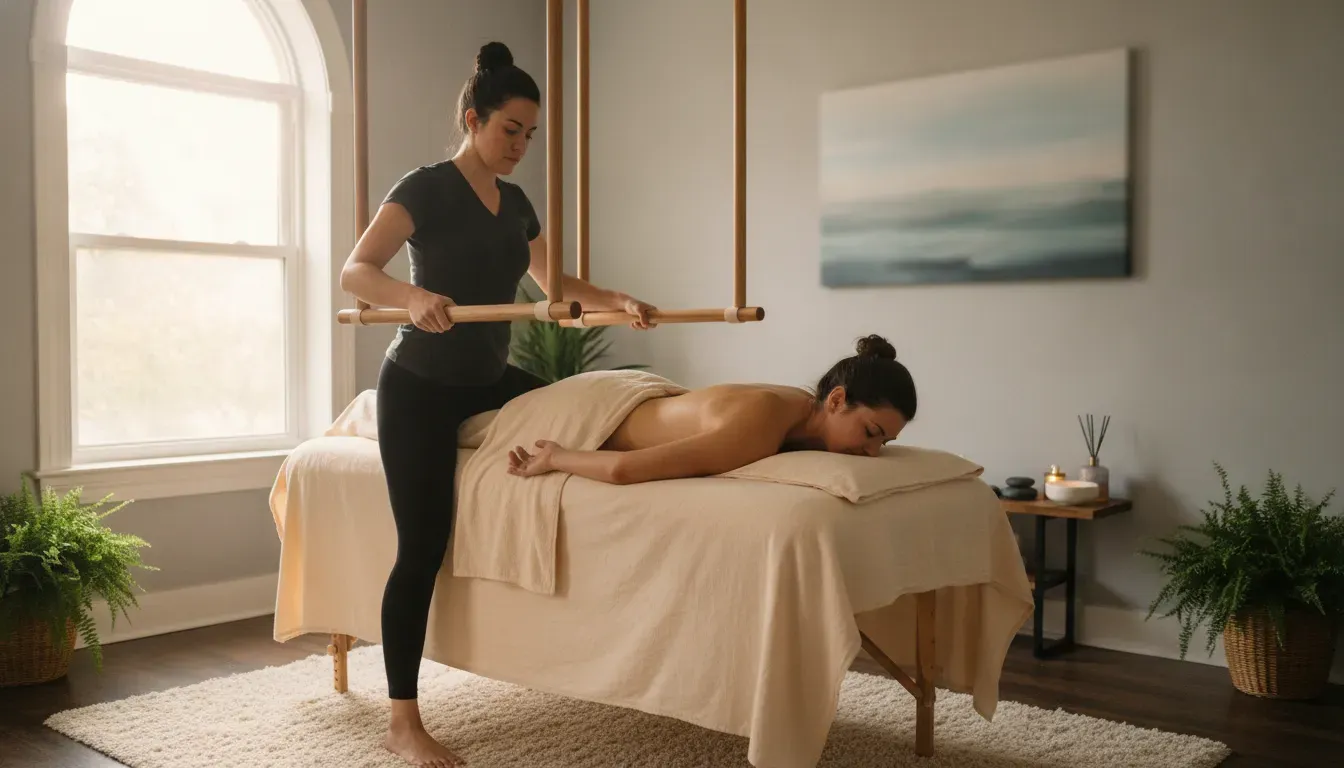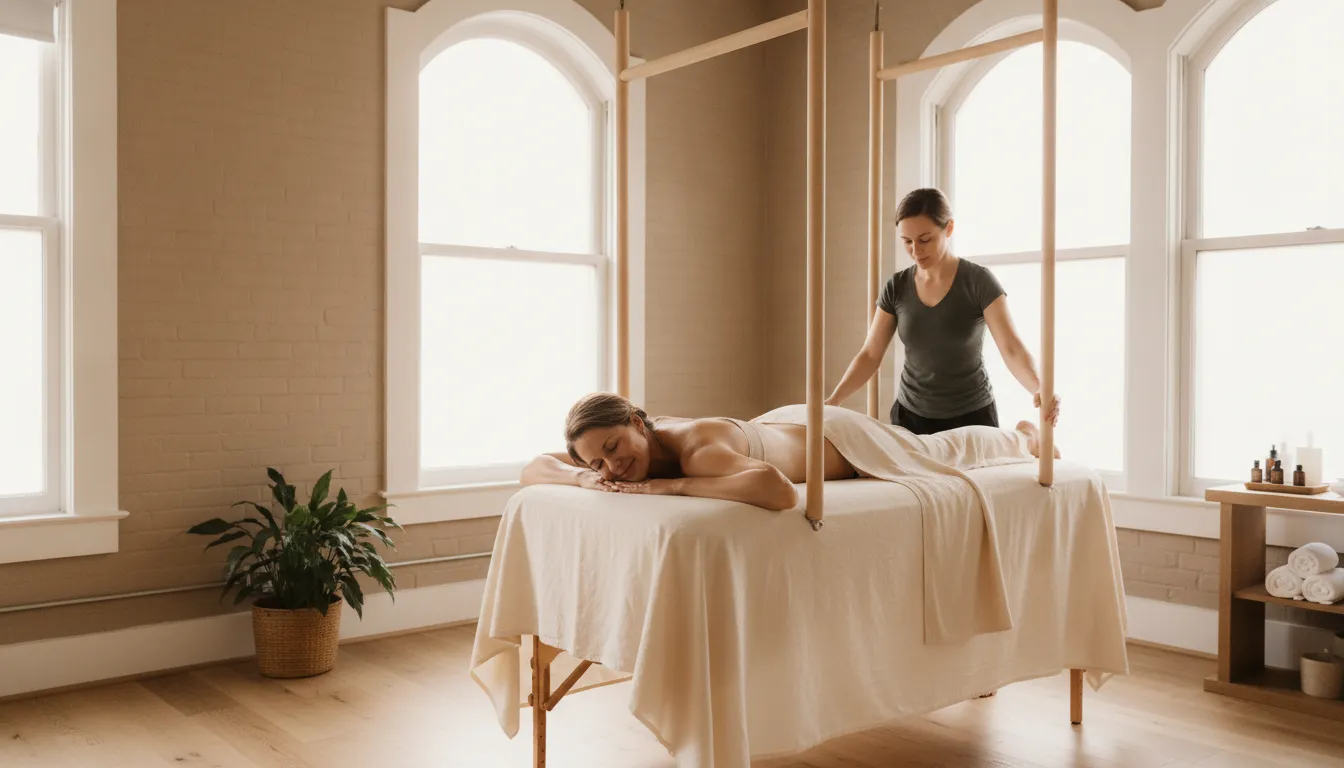

Life has a way of tying us into knots, both physically and mentally. Between long hours at a desk, a demanding schedule, and the constant mental load, your shoulders might feel permanently attached to your ears. This is where a Swedish massage for relaxation becomes an essential tool for your well-being. It’s designed specifically to counteract the effects of stress by calming your nervous system and promoting a deep sense of tranquility. The gentle, flowing strokes help your body release its “feel-good” hormones while lowering the stress hormone cortisol. It’s a powerful reset button that allows you to step away from the noise and reconnect with a feeling of peace.
Key Takeaways
- The Classic Choice for Total Relaxation: Swedish massage uses five core techniques, like long strokes and gentle kneading, to ease general muscle tension and calm your nervous system. It’s the perfect starting point for anyone new to massage or seeking pure stress relief.
- Address Both Physical and Mental Stress: This technique improves circulation to relieve common aches and stiffness while also helping your body lower cortisol levels. This dual benefit leaves you feeling physically refreshed and mentally clear.
- Partner with Your Therapist for the Best Results: You can enhance your massage by hydrating beforehand and speaking openly about your needs and pressure preferences during the session. Making it a regular habit is a powerful way to manage chronic stress and maintain your well-being.
What is Swedish Massage?
If you’ve ever pictured a classic, full-body massage, you’re probably thinking of a Swedish massage. It’s one of the most popular and widely practiced massage techniques in the world, and for good reason. This is the go-to treatment for anyone looking to unwind, de-stress, and give their body a gentle reset. A Swedish massage uses a combination of long, flowing strokes, kneading, and gentle tapping to soothe tired muscles and calm your nervous system.
The primary goal is pure relaxation. While other massage styles focus on working out deep, painful knots, Swedish massage therapy is designed to ease surface-level tension and promote an overall sense of well-being. It’s a fantastic choice for your first massage or for regular maintenance to keep stress at bay. As experts at WebMD explain, this technique “targets muscles to promote relaxation and short-term pain relief.” It’s less about intense, targeted pressure and more about creating a soothing experience that leaves you feeling refreshed from head to toe.
The Philosophy Behind the Technique
At its core, Swedish massage is built on the idea of improving your body’s circulation. The specific strokes are designed to move blood flow toward the heart, which helps deliver more oxygen and nutrients to your muscles. This process not only helps your muscles relax but also supports your body’s natural ability to heal and rejuvenate itself. It’s a holistic approach that benefits both body and mind. According to Australia’s Healthdirect, “Swedish massage is a very common type of massage therapy. It helps you relax, reduces stress, and can ease pain.” It’s a simple yet powerful way to support your overall health.
How It Differs From Other Massages
One of the most common questions we get is, “What’s the difference between Swedish and deep tissue massage?” The main distinction comes down to pressure and purpose. Swedish massage uses a lighter touch to focus on relaxation and relieving general tension. In contrast, a deep tissue massage uses more intense pressure to target chronic knots and tension in the deeper layers of muscle and connective tissue. As Healthline puts it, “Swedish massage is for people who want to relax and relieve everyday tension, like from sitting at a computer or exercising.” If you’re looking for a gentle escape rather than intensive muscle work, Swedish is the perfect fit.
The 5 Core Techniques of Swedish Massage
A great Swedish massage isn’t just one long, relaxing stroke. It’s a carefully choreographed sequence of five core techniques, each with a specific purpose. Your massage therapist will blend these movements seamlessly to warm up your muscles, release tension, and leave you feeling completely refreshed. Think of it as a conversation between your therapist’s hands and your muscles, with each technique building on the last to create a deeply therapeutic experience.
Effleurage: Long, Calming Strokes
This is likely the first and last touch you’ll feel in your massage. Effleurage consists of smooth, gliding strokes that your therapist uses to apply oil and warm up your body. As Healthline explains, this technique involves “long, gliding strokes, usually towards the heart.” It serves as an introduction, allowing the therapist to assess muscle tension and prepare your body for deeper work. These strokes are incredibly soothing and help calm your nervous system, setting the stage for total relaxation. It’s the classic, flowing movement that most people associate with a relaxing Swedish massage and the foundation of the entire treatment.
Petrissage: Kneading Away Tension
After your muscles are warmed up with effleurage, your therapist will move into petrissage. This technique involves kneading, squeezing, and rolling the muscles to work on deeper layers of tension. According to WebMD, petrissage is a form of “deeper kneading, squeezing, lifting, and rolling of soft tissues” that helps stretch muscles and improve circulation. This is where your therapist really gets to work on tight spots, lifting the muscle away from the bone to release built-up knots. It feels like a gentle but firm kneading, similar to working dough. This movement is fantastic for flushing out toxins and bringing fresh, oxygenated blood to the area.
Tapotement: Rhythmic Tapping to Energize
Don’t be surprised if your therapist starts using a series of light, rhythmic taps on your back or shoulders. This is tapotement, and it’s designed to be stimulating and invigorating. The movements can range from quick, percussive tapping with the fingertips to gentle cupping with the hands. While it might sound intense, it’s performed with precision to awaken the muscles and nerves without causing discomfort. This technique is excellent for improving circulation and can leave you feeling both relaxed and energized at the same time. It’s a fantastic way to finish working on a specific muscle group before moving on to the next.
Friction: Targeting Knots and Sore Spots
If you have specific areas of chronic tension, like stubborn knots in your shoulders or lower back, friction is the technique that targets them directly. Your therapist will use their thumbs or fingertips to apply deep, circular, or linear pressure to the affected area. The goal is to break down adhesions—those tiny, painful knots in your muscle fibers—and realign the tissue. As experts note, “friction is rubbing a specific area with thumbs or fingers in circles or straight lines” to help release these tight spots. This technique is highly focused and can feel intense, so clear communication with your therapist is key to ensure the pressure is just right for you.
Vibration: Gentle Shaking to Loosen Muscles
To round out the massage, your therapist may use vibration. This technique involves using the hands or fingertips to create a rapid, gentle shaking or trembling motion on a specific muscle. It might feel a little funny at first, but this movement is incredibly effective at loosening the underlying muscles and soothing the nerves. It’s a deeply relaxing technique that can help release any lingering tension, especially in the arms and legs. Vibration is often used at the end of the massage to provide a final layer of calm, helping your body fully integrate the work that’s been done and sink into a state of complete bliss.
The Real Benefits of Swedish Massage
A Swedish massage is often seen as the classic, go-to massage—and for good reason. It’s more than just a relaxing hour on the table; it’s a powerful tool for your overall well-being. Think of it as a reset button for both your body and mind. The techniques are designed not only to feel good in the moment but to create lasting positive effects that ripple through your daily life. By using specific strokes that calm the nervous system and improve blood flow, this massage addresses health from a holistic perspective.
The true strength of Swedish massage lies in its versatility. It can be a gentle, soothing experience for someone simply looking to unwind, or it can be adapted with firmer pressure to work on specific areas of muscle tightness. From easing persistent aches that come from sitting at a desk all day to clearing away the mental fog of a busy week, the benefits are comprehensive. It’s a foundational practice for anyone looking to feel more comfortable and at ease in their own skin. Whether you’re dealing with physical strain, mental load, or simply want to invest in your long-term health, this classic style has something to offer everyone.
Physical Perks: Easing Pain and Tension
If you’re carrying tension in your shoulders or dealing with a nagging ache in your lower back, a Swedish massage can provide incredible relief. The combination of long, gliding strokes and targeted kneading works directly on the muscles, helping to release tightness and reduce pain. This makes it a fantastic option for common issues like headaches, muscle soreness, and even the discomfort from chronic conditions like arthritis. By improving circulation, this technique helps deliver more oxygen-rich blood to tired muscles, which speeds up recovery and eases stiffness. It’s a gentle yet effective way to address physical discomfort and leave you feeling more mobile and free from pain.
Mental Clarity and Emotional Calm
The connection between our minds and bodies is powerful, and Swedish massage is a perfect example of how tending to one can soothe the other. The relaxing experience of a massage can actually change your brain chemistry for the better. It helps your body release its natural “feel-good” chemicals like serotonin and dopamine, which can improve your mood and create a sense of happiness. At the same time, it helps lower cortisol, the hormone associated with stress. This chemical shift is why you feel so clear-headed and emotionally light after a session. It’s a chance to quiet the mental chatter and find a peaceful, centered state.
Long-Term Wellness with Regular Massages
While a single massage feels amazing, incorporating it into your routine creates even more profound, long-term benefits. Regular Swedish massages can support your body’s ability to stay healthy. Some studies suggest that it can even help your immune system by increasing the cells that fight off germs. Think of it as proactive self-care. By consistently managing stress and muscle tension, you’re helping your body function at its best. Making our massage services a regular part of your wellness plan is an investment in your future health, helping you maintain balance and prevent minor issues from becoming chronic problems.
Your First Swedish Massage: What to Expect
Walking into your first massage appointment shouldn’t be stressful. A Swedish massage is designed for pure relaxation, and knowing what to expect helps you sink into the experience. From the moment you arrive, every step is focused on your comfort. Here’s a quick guide to your session so you can feel completely at ease and ready to unwind.
Before You Get on the Table: The Consultation
Your session starts with a brief, private chat with your massage therapist. This is your chance to share your goals, whether it’s general relaxation or relief from a stiff neck. They’ll ask about your health history to ensure the treatment is safe and tailored to you. Our highly trained and experienced therapists listen carefully to your needs, so feel free to be open about what you want from your massage. This conversation is key to a personalized and effective experience that truly meets your expectations.
Setting the Scene for Relaxation
After your chat, the therapist will leave so you can undress to your comfort level and get settled on the massage table under a sheet and blanket. Your privacy is paramount; you will be securely draped the entire time, with only the area being worked on exposed. The room is a calm sanctuary with soft lighting and quiet music. This peaceful environment is designed to help you relax completely, which improves circulation and allows your muscles to release tension during your massage experience.
During Your Treatment
Once you’re comfortable, your Swedish massage begins. Your therapist will use a variety of techniques, including long, gliding strokes and gentle kneading, to soothe your muscles. The pressure is typically light to medium, but it’s always adjustable to your preference. Don’t hesitate to speak up if you’d like the pressure changed at any point. This is your time, and the therapist’s goal is to make it as beneficial as possible. You’ll feel your muscles begin to loosen as they work to ease tension throughout your body.
Aftercare: How to Extend the Bliss
The feeling of bliss doesn’t have to stop when your massage ends. After your session, take your time getting up. Your therapist will likely suggest drinking plenty of water to help hydrate your muscles and flush out toxins. If possible, plan for a low-key rest of your day—a warm bath or quiet evening can prolong the benefits. Letting the massage oils absorb into your skin offers extra nourishment. These simple aftercare steps help you get the most value from your treatment and prepare for your next session.
Swedish vs. Other Popular Massages
With so many types of massage available, it can be tricky to know which one is right for you. Swedish massage is a wonderful all-rounder, but understanding how it compares to other popular options can help you choose the perfect treatment for your specific needs. Think of Swedish as the classic foundation, with other modalities offering unique twists for different goals, from targeting deep-seated knots to adding a touch of warmth.
Swedish vs. Deep Tissue: Which Is for You?
This is one of the most common questions we get! While Swedish and deep tissue massage use similar strokes, the main difference is pressure. A Swedish massage uses gentle, flowing techniques to promote relaxation, reduce stress, and ease general muscle tension across the body. In contrast, a deep tissue massage applies much more intense pressure to target the deeper layers of muscle and connective tissue. It’s incredibly effective for chronic pain and stubborn knots, but as Healthline explains, that focused pressure can sometimes feel more intense. If you’re looking to unwind and de-stress, stick with Swedish. If you have specific, persistent pain points, deep tissue is your friend.
Swedish vs. Hot Stone: A Touch of Warmth
Imagine your favorite Swedish massage, but with the added comfort of soothing heat. That’s essentially a hot stone massage. In this treatment, smooth, heated stones are placed on key points of your body to warm and loosen tight muscles. The therapist may also use the stones to perform some of the massage strokes. The heat helps to improve circulation and allows the therapist to work more deeply without necessarily adding more pressure. It’s a wonderfully grounding and comforting experience, making it a fantastic choice if you tend to feel cold or just love the idea of warmth melting your tension away. At Nola Bliss, you can add Hot Himalayan Salt Stones to any massage for a similar warming, mineral-rich benefit.
Swedish vs. Aromatherapy: Scent and Sensation
An aromatherapy massage takes the physical benefits of a Swedish massage and combines them with the therapeutic properties of essential oils. It’s a truly holistic experience that engages your sense of smell to enhance your mood and deepen your relaxation. While the therapist uses traditional Swedish techniques to work on your muscles, the specific scents incorporated into the massage oil are chosen to help with everything from calming your mind to energizing your spirit. This approach adds a powerful emotional and mental wellness component to your treatment. If you’re looking for a massage that soothes both your body and your mind, adding a sensory element like aromatherapy is a beautiful choice.
Is Swedish Massage Right for You?
Thinking about booking a Swedish massage but not sure if it’s the right fit? This classic technique is incredibly versatile, but knowing what it’s best for can help you get the most out of your session. Let’s walk through who benefits most from this style, what conditions it can help with, and when you might want to consider a different option. This will help you feel confident and prepared for your appointment, ensuring you get the exact relief and relaxation you’re looking for.
Who Benefits Most from This Technique
If you’re new to massage or simply want to melt away stress, a Swedish massage is a fantastic choice. It’s one of the most popular massage types for a reason. The technique uses gentle, long strokes, kneading, and light tapping to relax the entire body. It’s perfect for anyone looking to ease general muscle tension, reduce stress, and improve their overall sense of well-being. Because it’s so gentle, it’s an ideal entry point into therapeutic bodywork. It’s all about calming your nervous system and giving you a moment of pure tranquility.
Health Conditions It Can Help With
Beyond general relaxation, Swedish massage can provide real relief for a number of common health issues. It’s often recommended for managing chronic pain from conditions like arthritis and fibromyalgia, as well as easing persistent back pain, headaches, and muscle tightness. The gentle, circulation-improving strokes can also be helpful for those dealing with anxiety or depression. It’s even a safe and effective way to address the aches that come with pregnancy. Many techniques used in our specialized prenatal massage are rooted in the Swedish style, tailored for expectant mothers.
When to Be Cautious: Safety First
While Swedish massage is known for being gentle and safe, your health always comes first. It’s a good idea to chat with your doctor before your appointment if you have a specific medical condition or injury. You should avoid this type of massage if you have issues like blood clots, heart or kidney failure, infectious skin conditions, or severe osteoporosis. Don’t worry—you’re in good hands with us. Our licensed therapists always start with a conversation about your health history to make sure the treatment is perfectly suited and safe for you. Open communication ensures you can relax completely.
Get the Most Out of Your Swedish Massage
A truly great massage is a partnership between you and your therapist. While our team is dedicated to providing an exceptional experience, there are a few simple things you can do to help us tailor the session perfectly to your needs. Think of it as setting the stage for pure relaxation. By preparing a little beforehand and communicating openly, you can turn a good massage into an unforgettable one. Here’s how you can play your part to ensure your Swedish massage is everything you hope for and more.
How to Prepare for Your Appointment
Your relaxation can begin even before you walk through our doors. On the day of your appointment, focus on staying hydrated by drinking plenty of water. This helps your muscles respond better to the massage and aids your body in flushing out any toxins released during the session. It’s also a good idea to have a light meal an hour or two beforehand so you’re not uncomfortably full or hungry. Arriving a few minutes early allows you to transition from the hustle of your day, take a few deep breaths, and start to unwind. This small buffer ensures you’re not rushed and can begin your massage service with a calm and centered mind.
Talk to Your Therapist: Communication is Key
You are the leading expert on your own body, and your feedback is the most valuable tool your therapist has. Before the session begins, take a moment to talk about your goals. Are you looking to de-stress after a long week, or do you have specific knots in your shoulders that need attention? Be sure to mention any injuries, sensitive areas, or health conditions. During the massage, don’t hesitate to speak up. Let your therapist know if the pressure is too light, too firm, or just right. Our team of highly trained therapists is here to listen and wants to make your experience as comfortable and effective as possible. Your open communication is always welcome.
Make It a Habit for Lasting Relief
While a single massage can work wonders, the benefits truly multiply when you make it a regular part of your wellness routine. Consistent sessions can help manage chronic stress, reduce muscle tension before it becomes a bigger problem, and improve your overall sense of well-being. Think of it as an investment in your long-term health, like eating well or getting regular exercise. By scheduling a recurring Swedish massage, you give your body a consistent opportunity to release tension, calm your nervous system, and reset. This ongoing care can lead to lasting relief from issues like back pain, headaches, and stiffness, helping you feel your best day in and day out.
Related Articles
Frequently Asked Questions
How is a Swedish massage different from a deep tissue massage? Think of it this way: Swedish massage is all about relaxation, while deep tissue is focused on rehabilitation. A Swedish massage uses long, flowing strokes with light to medium pressure to soothe your nervous system and ease general muscle tension. A deep tissue massage uses more intense, focused pressure to work out chronic knots and tightness in the deeper layers of your muscles. If you’re looking to unwind and de-stress, Swedish is your best bet.
Will a Swedish massage hurt? No, a Swedish massage should not be painful. The entire purpose of this technique is to calm your body and mind, so the pressure is typically gentle and soothing. While the therapist works on areas with tension, it should feel like a relieving “good ache,” not sharp pain. You are always in control, and your therapist will check in with you to ensure the pressure feels just right.
What should I wear during the massage? You should undress to whatever level you are comfortable with. Most people undress completely, but you can choose to leave your underwear on if you prefer. Your privacy and comfort are the top priority. You will be covered by a sheet and blanket on the massage table the entire time, and the therapist will only uncover the specific part of your body they are working on.
Is it okay to speak up during my session? Absolutely! In fact, we encourage it. This is your time, and your feedback helps your therapist give you the best experience possible. Please let them know if you’d like more or less pressure, if the room temperature is comfortable, or if you have a specific area that needs a little extra attention. Open communication ensures you get exactly what you need from your massage.
How often should I get a massage to feel the benefits? While a single massage feels wonderful, consistency is where you’ll see the most significant results. For general wellness and stress management, getting a massage once a month is a great routine. If you’re dealing with a specific issue like chronic back tension or headaches, you might find that coming in every one or two weeks is more effective at first. Your therapist can help you create a plan that works for your body and your goals.