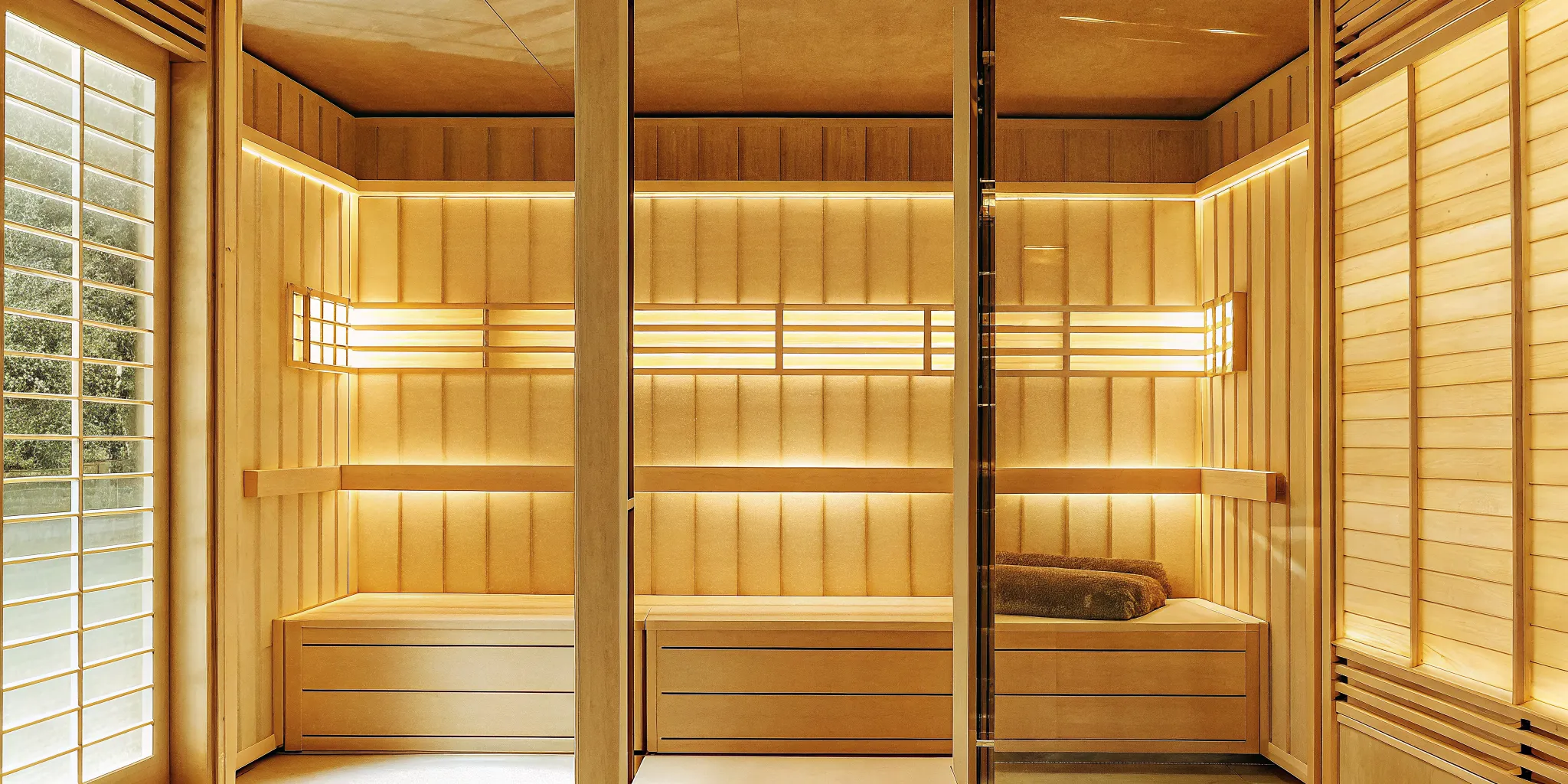

A therapeutic massage is one of the best things you can do for your body, helping to release tension and soothe sore muscles. But what if you could amplify those benefits and make them last even longer? Think of whole body red light therapy as the perfect partner to your massage session. By using it beforehand, you can warm up your muscles, increase circulation, and reduce inflammation, allowing your therapist to work more effectively. This powerful combination creates a more profound healing experience. In this post, we’ll explain how this pairing works and what to expect from your whole body red light therapy results when combined with expert massage.
Key Takeaways
- It’s a Cellular Tune-Up for Your Body: Red light therapy uses specific wavelengths of light to energize your cells, helping them repair damage, reduce inflammation, and produce more collagen. This supports everything from smoother skin and faster muscle recovery to pain relief.
- Patience and Consistency Are Essential: Think of red light therapy like a fitness routine—results build over time. While you might feel relaxed right away, visible changes for skin often take 4-8 weeks, and deeper benefits like pain reduction can take 8-12 weeks of regular sessions.
- Pair It with Massage for Better Results: Get the most from your sessions by choosing a professional provider with quality equipment. For an even greater effect, use red light therapy right before a massage to warm up your muscles and make the hands-on work more effective.
What Is Whole Body Red Light Therapy?
So, what exactly is whole body red light therapy? You might have heard it called photobiomodulation, but let’s stick with the simpler term. At its core, red light therapy is a non-invasive treatment that uses specific, low-level wavelengths of red and near-infrared light to support your body’s natural healing capabilities. Imagine soaking in a warm, gentle light that works beneath the surface of your skin. It’s not the same as the damaging UV light from the sun or a tanning bed; this is a specific, therapeutic light designed to work with your body’s processes, not against them.
The treatment is painless and relaxing. You simply expose your body to a device equipped with powerful LED lights. As experts at Stanford Medicine explain, red light therapy uses light waves to change how the body works on a cellular level. This process has gained a lot of attention for its wide range of potential benefits, from improving skin tone and reducing fine lines to easing joint pain and speeding up muscle recovery. It’s a fantastic partner to therapeutic massage, helping to prepare your muscles for deep work or extend the benefits of your session by reducing inflammation afterward. It’s all about giving your body the tools it needs to repair and rejuvenate itself.
How It Works at a Cellular Level
This might sound a bit like science fiction, but the way red light therapy works is surprisingly straightforward. It all happens inside your cells, specifically in the mitochondria. You can think of mitochondria as the tiny batteries or powerhouses that fuel every single function in your body. As noted by WebMD, red light essentially gives these batteries a supercharge, helping your cells’ energy sources produce more energy. When your cells have more energy, they can do their jobs better and faster. This includes repairing damage, regenerating new tissue, and reducing inflammation. It’s a foundational approach to healing that starts from the inside out, supporting your body’s overall wellness.
Understanding Wavelengths and Their Effects
Not all light is created equal, and the magic of red light therapy lies in its specific wavelengths. The length of a light wave determines how deeply it can penetrate your skin and what effect it has on your cells. As researchers at Stanford Medicine point out, while shorter light waves can be damaging, longer waves can actually help cells heal or grow. Red light therapy uses these longer, beneficial wavelengths (typically in the mid-600 nanometer range for red light and mid-800 for near-infrared). This allows the light to pass through the skin and reach deeper tissues, muscles, and even joints, where it can stimulate collagen production, reduce inflammation, and kickstart the healing process.
What Results Can You Expect?
So, what can you actually get out of a whole body red light therapy session? The benefits are surprisingly broad, touching everything from the surface of your skin to deep within your muscle tissue. It’s not just about a single outcome; it’s about supporting your body’s natural healing and rejuvenation processes from multiple angles. Whether you’re looking to smooth fine lines, soothe persistent aches, speed up your post-workout recovery, or even encourage healthier hair, red light therapy has something to offer. It works by delivering safe, concentrated wavelengths of natural light to your cells, without the heat or UV rays. Think of it as a jumpstart for your body’s internal repair crew. Let’s look at some of the most common and well-researched results you can anticipate.
Skin Health and Anti-Aging
If you’re hoping for a more radiant complexion, red light therapy is a fantastic, non-invasive option. It works by using low levels of red light to gently rejuvenate your skin. Research shows it can be quite effective at reducing wrinkles, redness, and even acne. The secret is its ability to stimulate collagen production—the protein that gives your skin its plumpness and elasticity. By encouraging your body to create more collagen and widening blood vessels for better circulation, RLT helps your skin repair itself from the inside out, leading to a smoother, more even-toned appearance over time. It’s a gentle way to support your skin’s long-term health.
Pain Relief and Reduced Inflammation
For those dealing with chronic aches or inflammation, red light therapy can be a game-changer. It works at a cellular level to help your body heal. Essentially, the light energizes your cells’ powerhouses, called mitochondria, giving them the fuel they need to repair themselves more efficiently. This process also helps to reduce inflammation, which is often the root cause of pain. It’s an excellent complementary therapy for anyone seeking relief from sore joints or muscle tension. Pairing it with a therapeutic massage, like a deep tissue or Swedish massage, can help your body release tension and manage discomfort more effectively, providing a more holistic approach to pain management.
Muscle Recovery and Athletic Performance
Whether you’re a dedicated athlete or just feeling the effects of a tough workout, red light therapy can help you bounce back faster. By increasing circulation, it delivers more oxygen and nutrients to your muscles, which is crucial for repair. It also helps reduce oxidative stress, a key factor in muscle fatigue and soreness. Using red light therapy before one of our massage services can actually make the treatment more effective, as your muscles will be prepped and more receptive to deep work. While you might feel some immediate relief, more significant changes in muscle recovery and performance often become noticeable after about 8 to 12 weeks of consistent sessions, so patience is key.
Hair Growth and Scalp Health
Thinning hair can be a frustrating issue, but red light therapy offers a promising, science-backed solution. There’s strong evidence that RLT can help encourage hair regrowth by improving the health of your scalp. It works by widening the blood vessels around your hair follicles, which increases blood flow to the area. This enhanced circulation delivers more oxygen and vital nutrients directly to the follicles, creating a better environment for hair to grow. It’s a gentle, non-chemical approach that supports your body’s natural ability to produce healthier, fuller-looking hair. Think of it as tending to the soil to help the garden thrive.
How Long Until You See Results?
It’s the question on everyone’s mind: when will I see a change? With whole body red light therapy, the answer is that it depends. Think of it less like a quick fix and more like a fitness routine for your cells. The results are cumulative, building over time with consistent sessions. While many people report feeling more relaxed and refreshed after just one session, the more significant, visible changes you’re looking for require a bit more patience and commitment.
The timeline for results is influenced by what you’re hoping to achieve. Are you seeking relief from chronic pain, looking to improve your skin’s texture, or hoping to speed up muscle recovery after a tough workout? Each of these goals involves different biological processes, and some take longer than others to show on the surface. Your body’s unique response, your overall health, and your lifestyle also play a big part in how quickly you’ll notice a difference. The key is consistency. Sticking to a regular schedule of treatments is the best way to support your body’s healing process and achieve the lasting results you want. In the following sections, we’ll break down what you can generally expect.
A Timeline for Different Conditions
While everyone’s body responds differently, we can look at clinical studies and user reports to get a general idea of the timeline. For skin-related goals, like reducing fine lines or improving overall complexion, many people start to see visible changes within four to eight weeks of consistent treatments. For deeper goals, such as pain reduction, inflammation management, or changes to body shape, you might be looking at a slightly longer timeframe. It often takes between eight and 12 weeks to notice significant shifts in these areas. Remember, these are gradual improvements, so you may notice subtle changes along the way before the full effect becomes apparent.
Factors That Influence Your Results
Not all red light therapy is created equal, and several factors can influence your outcome. The effectiveness of your sessions depends heavily on the device itself—its power, the specific wavelengths of light it uses, and how consistently you use it. According to researchers, the science says that treatments performed in a clinical setting with professional-grade equipment are typically more powerful and effective than the devices you can buy for at-home use. The frequency and duration of your sessions are also critical. Following a recommended treatment plan designed by a professional ensures you’re getting the right dose of light therapy to achieve your goals without overdoing it.
Setting Realistic Expectations
It’s important to go into red light therapy with a clear and realistic mindset. While the experience itself is often described as peaceful and relaxing, the physical results can vary from person to person. The changes are typically gradual and subtle at first. For instance, studies looking at fat loss have found that most people see modest results after six or more treatments. The goal is to support your body’s natural functions, not to force an overnight transformation. By staying consistent with your sessions and pairing them with a healthy lifestyle, you give yourself the best chance to see meaningful, long-term benefits.
What Does the Science Say?
Reviewing the Clinical Research
So, what does the science actually say about red light therapy? Researchers often call it photobiomodulation, a term for using light waves to influence how your body’s cells function. The evidence is quite promising in several areas. For instance, there is strong clinical support showing it can help with thinning hair by widening blood vessels to bring more nutrients to the follicles. Some studies also show modest fat loss after six or more treatments, with visible changes to body shape sometimes appearing after 8 to 12 weeks of consistent therapy. It’s a fascinating field where the research continues to grow and reveal more potential benefits for wellness.
Understanding Study Limitations
It’s also important to look at the full picture. While the research is exciting, it’s not a magic wand. Many of the grander claims you might see online—like treating cancer or completely removing cellulite—are not supported by scientific evidence. Scientists point out that many studies have been small or were done on animals or cells, meaning more thorough human trials are needed to confirm all its benefits. The key takeaway is that while red light therapy can influence your biology, it’s best viewed as a powerful supportive therapy, not a cure-all for every health problem. This realistic perspective helps you make the most of your sessions.
Are There Any Risks or Side Effects?
It’s always smart to ask about the safety of any new wellness treatment before you try it. When it comes to whole body red light therapy, the process is non-invasive and has a strong safety profile. Unlike tanning beds or sun exposure, it doesn’t use harmful UV light. Still, understanding the full picture helps you make the best decision for your body.
Safety and Contraindications
The great news is that red light therapy is generally considered safe and well-tolerated by most people. Side effects are rare and typically mild. At very high intensities, the light could cause temporary skin redness or irritation, but this is uncommon in a professional setting where protocols are carefully followed. The most important safety measure is protecting your eyes. The LED lights are very bright, and direct exposure can be harmful, which is why wearing professional-grade protective goggles during your session is non-negotiable. If you have specific health conditions or are taking medications that cause photosensitivity, it’s always a good idea to chat with your doctor before scheduling an appointment.
Guidelines for Safe Use
To ensure your experience is both effective and safe, your best bet is to work with a trained professional who uses high-quality equipment. If you’re considering an at-home device, it’s important to do your research. Look for a product that has been cleared by the FDA for safety and always follow the manufacturer’s instructions to the letter. Before you begin any red light therapy regimen, we recommend talking with your doctor or dermatologist. They can help you determine if it’s the right choice for your specific health goals and advise you on how to proceed safely. This conversation is especially important if you have any underlying health concerns or are pregnant.
How to Maximize Your Results
So, you’re ready to get the most out of your red light therapy sessions? That’s fantastic. While the therapy itself is powerful, a few simple strategies can make a world of difference in your results. It’s all about creating the right conditions for your body to heal and rejuvenate. Think of it as a partnership between you and the therapy. By focusing on consistency, pairing it with other wellness practices, and making supportive lifestyle choices, you can truly amplify the benefits.
Finding the Right Frequency and Duration
When it comes to red light therapy, consistency is your best friend. Think of it like starting a new fitness routine—you won’t see changes overnight, but with regular commitment, the results will come. Research suggests that visible changes often begin to appear after about 8 to 12 weeks of consistent use. For many people, the sweet spot for noticing the first signs of improvement, like better skin tone or reduced aches, is around the four- to eight-week mark. The key is to stick with a regular schedule. We can help you figure out a plan that works for your goals and your life.
Combining Red Light Therapy with Massage
Here’s a pro-tip: pairing red light therapy with massage is a game-changer. Using red light therapy right before your massage session can help warm up your muscles, reduce oxidative stress, and increase circulation. This means your therapist can work more deeply and effectively, and you get even more out of your time on the table. Imagine adding this gentle, warming therapy before a relaxing Swedish massage or a targeted deep tissue session. It prepares your body to fully receive the healing benefits of touch, making the entire experience more profound and effective. It’s a perfect addition to any of our individual or couples massages.
Lifestyle Choices That Support Your Results
What you do outside of our studio matters, too. To really support the work you’re doing with red light therapy, it helps to maintain a healthy lifestyle. Simple things like eating a balanced diet, staying hydrated, and getting regular exercise create the best possible internal environment for cellular repair and rejuvenation. Many clients find the red light therapy sessions to be incredibly peaceful and restorative, which is a great way to manage stress. By embracing these healthy habits, you’re not just helping the therapy work better—you’re investing in your overall well-being from the inside out.
How to Choose the Right Provider
Finding the right place to get whole body red light therapy is just as important as the treatment itself. You want to feel confident that you’re in a safe, clean, and professional environment with knowledgeable staff who can guide you. Just like finding a great massage therapist, doing a little research before you book can make a huge difference in your experience and your results. When you find a provider you trust, you can relax and focus on the benefits you’re there to receive. Let’s walk through exactly what to look for and the key questions to ask, so you can choose a provider with total peace of mind.
Evaluating a Provider’s Credentials and Equipment
When you’re checking out a potential provider, take a close look at their team and their tools. The people administering the therapy should be trained professionals who can answer your questions clearly and make you feel comfortable. It’s also smart to ask about the equipment they use. You’ll want to ensure their device is FDA-cleared, which indicates it has been reviewed for safety. While the science is still developing on all of its potential uses, this clearance is a fundamental safety standard. Professional-grade light beds and panels are also significantly more powerful than at-home devices, which often translates to better and more efficient results.
Questions to Ask Before Your First Session
Before you commit to a session, have a short list of questions ready. This is a great way to get a feel for the provider’s expertise and approach. Be cautious of any place that promises dramatic, overnight transformations. A reputable provider will be transparent and help you set realistic expectations for your specific goals. You should also ask about their safety protocols. For example, do they provide certified eye protection? They absolutely should. It’s also your responsibility to share your health history, as certain conditions may require caution, especially if you have a history of skin cancer or eye disease.
Related Articles
- Red Light Therapy | Nola Bliss Massage Therapy
- Ashiatsu | Nola Bliss Massage Therapy
- Massage Services | Nola Bliss Massage Therapy
Frequently Asked Questions
What does a red light therapy session actually feel like? Most people find the experience incredibly relaxing. You’ll feel a gentle, soothing warmth on your skin, but it’s not hot like a sauna. The light itself is bright, which is why you’ll wear protective goggles, but the overall sensation is peaceful. It’s a quiet, non-invasive treatment, making it a great time to simply rest and let your body absorb the therapeutic light.
Is this the same thing as a tanning bed or an infrared sauna? Not at all. Tanning beds use harmful UV light, which damages the skin. Red light therapy uses specific, non-UV wavelengths of red and near-infrared light that are clinically shown to support your body’s natural healing processes. While an infrared sauna uses heat to warm your body from the inside out, red light therapy works by stimulating your cells with light, not heat, to improve their function.
How often should I come in to see the best results? The ideal frequency really depends on what you’re hoping to achieve. For general wellness or skin rejuvenation, starting with two to three sessions per week for the first month is a great approach. For more specific goals, like addressing chronic pain or muscle recovery, we can help you create a more tailored plan. The key is consistency, as the benefits build on each other over time.
Can I get a massage and red light therapy in the same visit? Absolutely, and we highly recommend it. Doing a red light therapy session right before your massage is a fantastic way to prepare your body. The light helps warm up your muscles and increase circulation, which allows your massage therapist to work more effectively. It’s the perfect pairing to deepen your relaxation and enhance the therapeutic benefits of your massage.
Do I need to do anything special to prepare for my appointment? Preparation is very simple. For the best results, you should arrive with clean, dry skin that is free of any lotions, oils, or makeup, as these can block the light from being fully absorbed. We also suggest wearing comfortable clothing that is easy to change out of. Other than that, just come ready to relax.