Adding Ashiatsu to your practice is one of the smartest moves you can make for your career, but the first big hurdle is always the equipment. You’ve seen the incredible benefits, you’re excited about saving your hands and wrists, and now you’re ready to set up your room. That’s when the search begins, and typing ‘ashiatsu bars for sale near me’ into your browser can feel like opening a can of worms. Suddenly you’re flooded with options, from DIY plans to professional systems, and it’s hard to know who to trust. This guide is here to cut through the noise. We’ll walk you through everything you need to know, from understanding how the bars work to choosing a safe, reliable system that fits your space and budget.
Key Takeaways
- Verify Your Setup for Unwavering Safety: Your bars are only as good as their installation, so confirm the weight capacity, use high-quality hardware, and consider hiring a professional. This non-negotiable step protects you, your clients, and your career.
- Invest in the Right Bars for Your Goals: Whether you choose a permanent ceiling-mounted system or a portable one, your equipment should match your space, budget, and business plans. Selecting the right bars is a strategic decision for your practice.
- Master the Skill, Not Just the Tool: Owning Ashiatsu bars is only half the equation; professional certification is what teaches you to use them safely and effectively. Proper training is the key to delivering exceptional results and building a sustainable practice.
What Are Ashiatsu Bars and Why Should You Use Them?
If you’ve ever experienced an Ashiatsu massage, you know it’s unlike any other. The secret to that deep, consistent, and flowing pressure isn’t just the therapist’s skill; it’s also their equipment. Ashiatsu bars are the sturdy, reliable overhead support system that allows a therapist to use their feet to deliver an incredible massage. For therapists, these bars are a career-saving tool, and for clients, they are the gateway to profound relaxation and muscle relief. Think of them less as a piece of gym equipment and more as a dance partner, enabling a seamless and powerful therapeutic experience.
For the client, the bars facilitate a massage that can achieve remarkable depth without the sharp discomfort that can sometimes accompany traditional deep tissue work. The therapist’s feet provide a broader surface, allowing for long, gliding, and luxurious strokes that cover the entire length of a muscle group. This is especially effective for the back, hips, and legs. For therapists, incorporating Ashiatsu into your practice is a powerful business decision. It’s a specialized skill that sets you apart from the competition, allowing you to attract clients specifically seeking this unique and effective modality. It’s an investment not only in your physical health but also in your professional growth, giving you a sought-after service that can become the cornerstone of your practice. Understanding what these bars are and how they function is the first step for any therapist looking to add this modality to their practice.
How do Ashiatsu bars work?
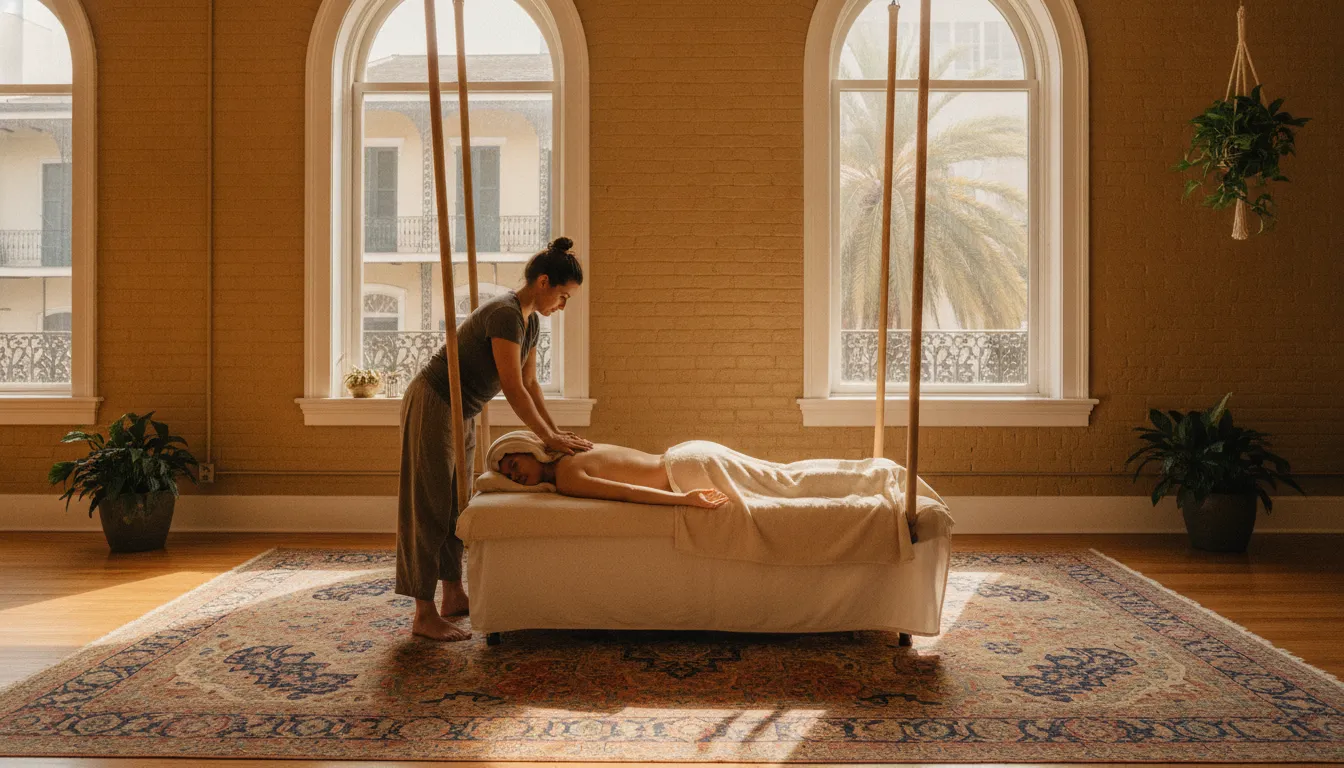
Ashiatsu bars are typically a set of parallel bars mounted to the ceiling directly above the massage table. The therapist holds onto these bars for balance and support, which allows them to control their weight and leverage gravity as they use their feet to apply pressure. This setup is the key to the entire modality. It gives the therapist the freedom to move gracefully and apply broad, consistent strokes that would be impossible to replicate with hands or elbows. This technique, known as Ashiatsu Deepfeet Bar Therapy, allows the therapist to sink deep into muscle tissue without causing the sharp, pointed discomfort that can sometimes accompany deep tissue work.
Protect your body: Benefits for therapists
For massage therapists, Ashiatsu is a game-changer for career longevity. Traditional deep tissue massage can take a serious toll on a therapist’s hands, wrists, and shoulders, often leading to chronic pain or burnout. Ashiatsu bars transfer the workload from these smaller, more vulnerable joints to the therapist’s entire body. By using their feet and body weight, therapists can deliver deep pressure for an entire day of sessions without fatigue or strain. This not only protects their body from wear and tear but also allows them to provide better, more consistent massages for their clients. It’s an investment in your own physical well-being and the future of your practice.
Why your bar setup matters
When it comes to Ashiatsu bars, safety is everything. A proper, professional installation is non-negotiable. These bars need to be securely anchored to a reinforced ceiling structure to safely support the full weight and dynamic movements of the therapist. This is not the place to cut corners or guess your way through the process. An improperly installed bar system poses a serious risk to both the therapist and the client. Following a certified installation guide or hiring a professional is essential. When you learn from a certified training center, you learn the correct safety protocols from day one, ensuring your practice is built on a foundation of security and trust.
Explore the Types of Ashiatsu Bars
When you start looking at Ashiatsu bars, you’ll find a few different styles. The right one for you really depends on your practice, your space, and how you plan to work. Each type has its own advantages, so let’s walk through the main options to help you figure out what fits your needs.
Ceiling-mounted bars
Ceiling-mounted bars are the gold standard for a dedicated Ashiatsu practice. These are permanently installed directly into the ceiling joists of your treatment room, creating an incredibly stable and secure structure. This setup gives you the confidence to fully utilize your body weight, providing the balance and leverage needed for deep, consistent pressure. Because they are a permanent fixture, they are perfect for therapists who have a dedicated studio space and plan to make Ashiatsu Deepfeet Bar Therapy a core part of their services. The unwavering support allows you to move fluidly and focus completely on your client, without worrying about the stability of your equipment. It’s the setup we use and trust in our own studio.
Portable and freestanding bars
If you need more flexibility, portable or freestanding bars are a fantastic alternative. These systems are designed for therapists on the go or those who work in a multi-use space. You can set them up for your Ashiatsu appointments and then pack them away, making them ideal for a mobile massage practice or for therapists who rent a room part-time. While they offer great versatility, it’s essential to prioritize safety. Always make sure any portable system is well-constructed, stable, and can safely support your weight during a full treatment. They give you the freedom to bring Ashiatsu to clients wherever they are, without the need for permanent installation.
Choosing your material: Wood vs. metal
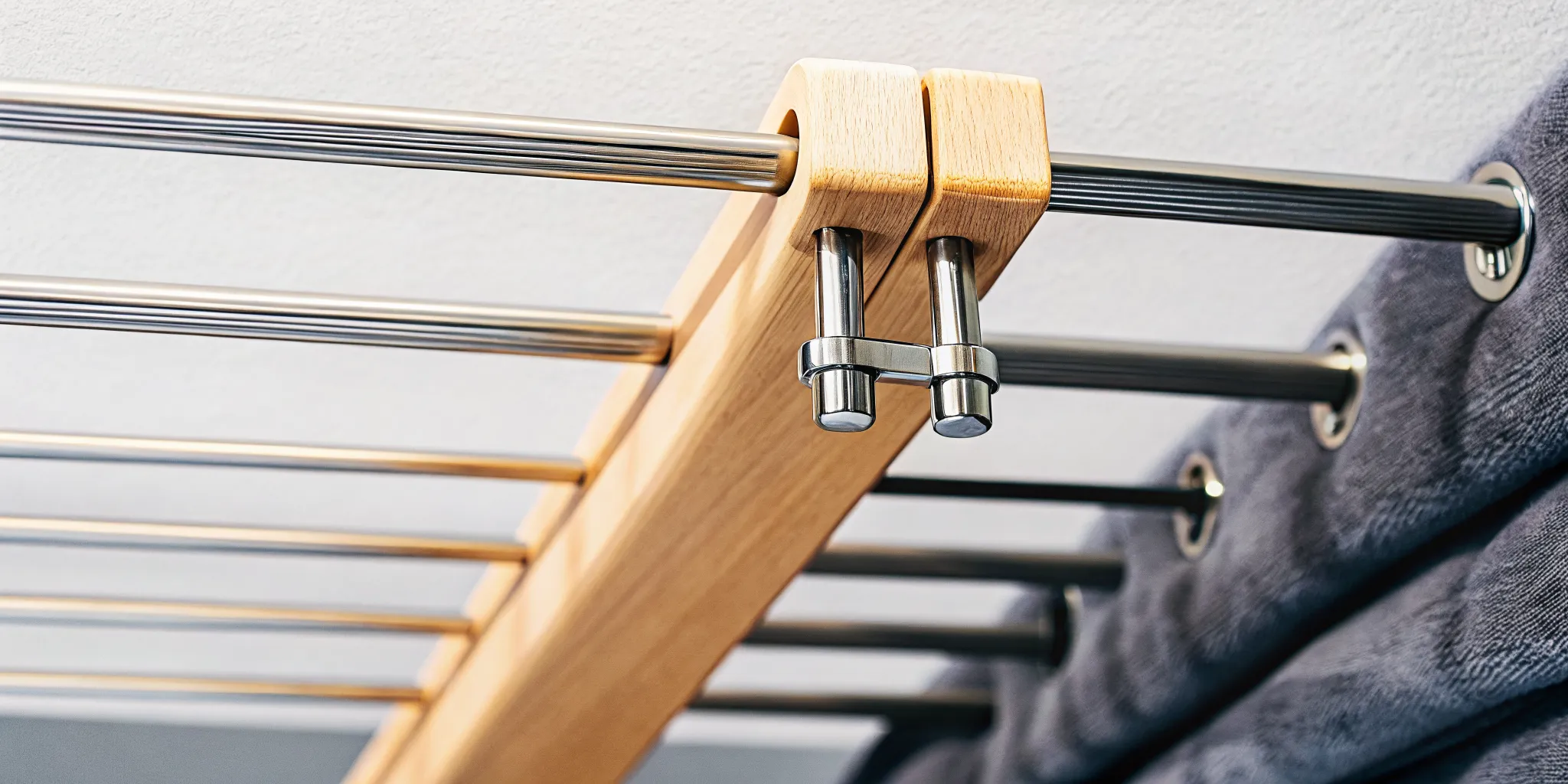
The material of your bars affects both the look and feel of your practice. Wooden bars, often made from smooth, sturdy dowels, offer a warm, natural aesthetic that fits well in many spa environments. They provide a comfortable and familiar grip. Metal bars, typically made from galvanized steel pipes, have a more industrial, modern look and are known for their exceptional durability and strength. Many systems actually combine the two, using strong metal hardware to support smooth wooden dowels. Ultimately, the choice between wood, metal, or a combination comes down to your personal preference, the design of your treatment room, and your budget. Your setup should reflect the professional and healing atmosphere you want to create for your clients.
Your Ashiatsu Bar Buying Checklist
Choosing your Ashiatsu bars is a major step for your practice. It’s an investment in your career, your body’s longevity, and the safety of your clients. Making the right choice from the start will set you up for success and give you the confidence to perform your best work. To help you find the perfect fit, I’ve put together a checklist of the most important factors to consider. Let’s walk through what you need to look for to find a system that is safe, effective, and perfectly suited for your treatment room.
Weight capacity and load rating
This is your number one safety check. The bars need to securely hold your entire body weight as you move, so this is not the place to compromise. Always check the manufacturer’s specified load rating before you buy. A professional-grade system is engineered to handle the dynamic forces of a full Ashiatsu session. Think of it as the foundation of your practice; a strong, reliable system gives you the confidence to deliver the best possible Ashiatsu Deepfeet Bar Therapy for your clients while keeping everyone in the room safe. Don’t just assume it’s strong enough; look for the official numbers and certifications.
Bar length, sizing, and adjustability
The right bar dimensions are key for your posture and leverage. Your bars should allow you to stand tall and move freely without straining your back or shoulders. Some systems come in fixed lengths, while others are adjustable. When looking at options like metal pipes, you’ll find they come in different sizes. For example, you can often find industrial hardware in various lengths to suit your specific needs and room dimensions. Consider your height and the width you need to comfortably work over the massage table. A well-sized bar setup makes the work feel more natural and less physically demanding.
Ceiling height requirements
Before you fall in love with a particular bar system, grab a tape measure. Your ceiling height is a critical factor that will determine what you can safely install. A room with a standard 8-foot ceiling has different requirements than one with a 10-foot or vaulted ceiling. For instance, therapists using a room with a lower ceiling might need shorter connecting pipes to ensure the bars hang at the correct ergonomic height. Always check the manufacturer’s recommendations for ceiling height to make sure the system you want is a good fit for your treatment space. This simple step can save you a lot of headaches later.
Hardware and mounting quality
The bars themselves are only as strong as the hardware holding them up. Pay close attention to the quality of the mounting brackets, flanges, and screws included with your kit. These components are what anchor the entire system to your ceiling’s structural joists. Look for heavy-duty, industrial-grade materials that won’t bend or warp under pressure. If you’re sourcing parts yourself, don’t skimp on quality. A secure installation is absolutely essential for safety, so ensuring your hardware is top-notch provides peace of mind for both you and your clients during every session.
Grip and surface finish
How the bar feels in your hands matters more than you might think. The surface finish affects your grip, control, and comfort throughout a session. A bar that is too slick could be a safety hazard, while a finish that’s too rough could be hard on your hands over time. Common options include smooth, powder-coated metal or finely sanded wood. Some therapists prefer the raw feel of metal, while others like the warmth of wood. If possible, try to feel different types of bars to see what you prefer. Your comfort and control are directly linked, so choose a finish that helps you feel secure.
Key safety features
When you’re evaluating different systems, keep a safety-first mindset. Beyond weight capacity and secure hardware, look for thoughtful design details. This includes smooth, rounded edges and end caps that prevent clothing from snagging. The overall design should promote good posture and body mechanics, reducing the risk of strain or injury for you as the therapist. Remember, the bars are a tool to make your work safer and more sustainable. A well-designed system prioritizes your well-being, allowing you to have a long and healthy career in massage therapy.
How Much Do Ashiatsu Bars Cost?
The investment for Ashiatsu bars can range from a modest starting point to a more significant professional commitment. The right price for you really depends on your career goals and how you plan to incorporate barefoot massage into your practice. Are you just testing the waters, or are you ready to make Ashiatsu a cornerstone of your services? Thinking about this first will help you find the right balance between cost and quality for your studio.
Budget-friendly and entry-level bars
If you’re just starting your Ashiatsu journey, you don’t need to break the bank. There are plenty of affordable options that allow you to get a feel for the modality without a huge upfront cost. For example, you can find basic sets of industrial hardware for your setup starting around $129. This is a great entry point for therapists who are curious about barefoot techniques and want to practice their foundational skills. These simpler setups provide the essential support you need to begin safely, making them a practical first step into the world of Ashiatsu.
Investing in professional-grade systems
For therapists ready to fully commit to Ashiatsu, investing in a professional-grade system is the way to go. These often come as part of a package that includes more than just the bars. For instance, some companies offer comprehensive courses that bundle equipment with in-depth instruction. A complete Ashiatsu Basic & Advanced Online training and bar package might cost around $497. This kind of investment is perfect for practitioners who want to master the technique and offer a premium service to their clients. It ensures you have high-quality, durable equipment and the certified knowledge to use it effectively.
What determines the price?
Several factors influence the cost of Ashiatsu bars. The quality of the materials, whether it’s industrial-grade steel or custom-finished wood, plays a big role. The design and engineering also matter, as well-designed bars can make the massage easier and safer for you to perform. Portability and adjustability features can also add to the price. Ultimately, a higher price often reflects superior durability, better ergonomics, and a more stable, secure setup. Think of it as an investment in your own body mechanics and the safety of your practice for years to come.
How to find deals and discounts
If you’re looking to get the best price on your equipment, a little patience can pay off. Many suppliers run promotions, especially around industry events or holidays. Following your favorite equipment brands on social media is a great way to stay in the loop. As one supplier noted, a key reason to buy at a certain time might be a special deal, like a sale or free shipping for a limited time. Signing up for company newsletters is another smart move, as you’ll often get first access to discounts and new product announcements directly in your inbox.
Where to Buy Ashiatsu Bars Locally
While buying online offers convenience, sometimes you just want to see and feel the equipment before you commit. Shopping locally lets you inspect the quality firsthand, ask questions, and potentially save on shipping. If you prefer to shop in person, here are a few types of places to start your search for the perfect Ashiatsu bars.
Local massage supply stores
These shops are designed for us, so they’re a natural first stop. The staff usually understands the needs of massage therapists and can offer helpful advice. While Ashiatsu is a specialty, many stores carry a range of equipment beyond basic tables and lotions. Some companies even create bars specifically crafted to help therapists deliver effective Ashiatsu massages. Since not every store will have them in stock, I recommend calling ahead to ask about their inventory. This saves you a trip and gives you a chance to speak with someone knowledgeable about their specific offerings.
Chiropractic and physical therapy suppliers
Think durability and function. Chiropractors and physical therapists rely on sturdy, professional-grade equipment, and the suppliers who cater to them are another great resource. They might not have a pre-packaged “Ashiatsu kit,” but they often carry the high-quality components you need to build a reliable system. For instance, some suppliers provide industrial-grade hardware, like the galvanized metal pipes that you can customize for a barefoot massage setup. When you shop here, you can be confident that the materials are built to handle the demands of daily, professional bodywork. Just be sure to verify the weight capacity and specifications for any hardware you consider.
Wellness and spa equipment retailers
If there’s a large retailer in your area that outfits entire spas, it’s worth checking out. These businesses stock a wide variety of professional wellness equipment and understand the importance of quality and safety. They know that for a modality like Ashiatsu, the bars are not just an accessory; they provide the support, balance, and leverage you need to work effectively and without strain. Investing in quality equipment is a core part of a successful practice, and these retailers often carry products that meet high standards. Proper Ashiatsu bar massage training combined with the right equipment will set you up for a long and healthy career.
The Best Places to Buy Ashiatsu Bars Online
Shopping for Ashiatsu bars online opens up a world of options that you might not find locally. You can compare professional-grade systems from the comfort of your home and have them shipped directly to your studio. While the convenience is a huge plus, it’s important to buy from trusted sources to ensure you get safe, high-quality equipment. Here are some of the most reputable places to start your search online.
DeepFeet Bar Therapy
If you’ve been in the Ashiatsu world for a little while, you’ve likely heard of DeepFeet. They are pioneers in the industry, and their equipment is a direct reflection of their expertise. They offer sets of durable, galvanized metal pipes that are specifically designed for barefoot massage. You can get a complete set of six bars, with options to customize the lengths to perfectly fit your treatment room. As the only certified Ashiatsu Deepfeet Bar Therapy training center on the Gulf Coast, we know and trust the quality of their products. Their straightforward pricing and reliable shipping make them a go-to choice for therapists investing in professional equipment.
Barefoot Masters
Barefoot Masters is another excellent supplier that provides specialized bars for Ashiatsu massage. Their equipment is designed to be versatile, making it a solid choice whether you’re setting up a permanent space in your office or need a system that works for mobile massage appointments. It’s always a good idea to check their website for deals, as they sometimes offer sales or free shipping, which can be a great incentive. Their focus on creating functional tools for practicing therapists makes them a name worth considering as you compare your options.
Other reputable suppliers
Beyond the main Ashiatsu-focused brands, don’t forget to check out general massage and spa equipment retailers. Sometimes you can find compatible bar systems or discover new brands. Many of these suppliers also offer more than just equipment. For example, some provide valuable online courses in related modalities like Fijian Barefoot Massage or Ashiatsu floor techniques. Investing in a supplier that also supports your professional development can be a smart move for your career. It’s a great way to expand your skills while you equip your treatment room.
Tips for buying online
Ordering a large piece of equipment online can feel a little daunting, but a few simple steps can make the process smooth and worry-free. First, as soon as your bars arrive, inspect them carefully for any damage that may have occurred during shipping. If you spot any issues, take photos right away and contact the supplier. Most reputable companies have a clear policy for sending a free replacement. Before you buy, also make sure you understand the installation process. If you have any questions after your training, your manual and your instructor are your best resources for getting the help you need.
Can You Build Your Own Ashiatsu Bars?
For the handy massage therapist, the idea of building your own Ashiatsu bars can be very appealing. It seems like a great way to save money and customize a setup perfectly for your space. While a DIY project is possible, it’s a path that requires careful planning, the right skills, and an unwavering focus on safety. This isn’t a simple weekend project; it’s an engineering task where the well-being of both you and your client is on the line. An unstable or poorly constructed bar system can lead to serious injury and damage your professional reputation.
Before you head to the hardware store, it’s important to honestly assess your building capabilities and your willingness to take on the liability. This section will walk you through the common DIY options, the materials you would need, and the essential safety standards you cannot ignore. Understanding what it truly takes to build your own bars will help you make an informed decision about whether this is the right path for you or if investing in a professionally manufactured system is the smarter, safer choice for your practice.
Required materials and tools
To get started on a DIY bar setup, you’ll need a specific set of materials and tools. The exact items depend on your chosen design, but most setups require sturdy wood beams or metal pipes, strong mounting brackets, and all the necessary screws and bolts. Your toolkit should include a reliable drill, a saw, a level, and a measuring tape. The choice of materials is the most important part of this process. Opting for high-quality, durable wood or industrial-grade metal isn’t just about looks; it’s about ensuring the structure is stable and can safely support your body weight while you work.
DIY option: Wooden beam setups
A wooden beam setup is a classic and popular choice for DIY bars. This design usually involves one or two solid wooden beams anchored securely to your ceiling joists. For this to be safe, you need to use a dense hardwood like oak or maple, as softer woods like pine won’t provide the necessary strength and can fail under pressure. You also have to be certain that you are mounting the beams directly into the structural joists of your ceiling. Proper anchoring is everything; without it, the entire setup is a major safety hazard for both you and your client.
DIY option: Metal pipe setups
If you prefer a more industrial aesthetic, a metal pipe setup might be the right fit. These are often built using galvanized steel pipes and fittings, which you can find at most home improvement stores. The assembly can feel a bit like putting together a life-sized erector set, which some people find more straightforward than woodworking. The key here is using the correct pipe diameter and fittings to create a rigid, unbending structure. You must ensure every connection is tightened securely and that the pipes can handle the dynamic load of a therapist in motion.
DIY option: Portable PVC setups
For therapists who need a portable solution for outcalls or events, PVC pipes can seem like a good option because they are lightweight and easy to transport. However, this is the riskiest DIY approach. Standard PVC is not designed to bear human weight and can become brittle over time, especially with repeated use. If you attempt this, you must use the thickest schedule PVC available and heavily reinforce all joints to prevent them from buckling. Even then, these setups lack the stability of permanent installations and should be used with extreme caution, if at all.
Essential DIY safety standards
When you build your own equipment, you become solely responsible for its safety. This is not a place to cut corners. Your finished bars must be able to support at least twice your body weight to account for movement and pressure. Before ever using them with a client, test the bars thoroughly. Pull on them, hang from them, and check for any signs of instability, bending, or loose connections. You should also plan to inspect your setup regularly for wear and tear. The professionalism of Ashiatsu relies on a foundation of trust and safety, which starts with your equipment.
Should you DIY? Pros and cons
So, should you build your own bars? The main pro is cost savings, followed by the ability to create a custom fit for your room. However, the cons are significant. It requires time, a good amount of building skill, and carries a huge liability risk if something goes wrong. An equipment failure could lead to serious injury for you or your client and potentially end your career. For many therapists, purchasing a professionally engineered and tested bar system is a much wiser investment. It provides peace of mind and reflects a commitment to the kind of expertise and quality that defines a successful practice.
Common Myths About Ashiatsu Bars
When you’re thinking about bringing a new modality into your practice, it’s easy to get tangled up in misinformation. Ashiatsu is an incredible skill to add to your toolkit, but a few common myths about the equipment can hold therapists back. Let’s clear the air on some of the biggest misconceptions about Ashiatsu bars so you can make your decision with confidence. From cost and space to installation, getting started is often more straightforward than you might think. The key is separating fact from fiction.
Myth: “The most expensive bar is the best”
It’s easy to assume that a higher price tag equals higher quality, but that’s not always the case with Ashiatsu bars. Your top priorities should be safety, stability, and functionality, not the brand name or price. You can find perfectly functional, safe bars that are quite affordable, with some sets starting around $129. Instead of focusing on finding the most expensive option, concentrate on whether the bars meet professional safety standards and fit your specific needs. A well-made, correctly installed bar system at a reasonable price will serve you and your clients just as well as a pricier one.
Myth: “You need a huge treatment room”
Another common worry is that you need a massive, dedicated room to install Ashiatsu bars. While you certainly need to meet clearance and safety requirements, you don’t need a cavernous space. Many bar systems are designed to fit comfortably in standard-sized treatment rooms. There are even portable options available that are great for therapists who do mobile massage or work in smaller offices. The focus should be on creating a safe, functional workspace, which is achievable in more spaces than you might imagine. Don’t let the fear of not having enough room stop you from exploring this modality.
Myth: “Installation is too complicated”
The idea of installing bars into the ceiling can feel intimidating, but it doesn’t have to be a deal-breaker. Reputable bar manufacturers provide detailed manuals to guide you through the process. The most important thing is to install them correctly to ensure your safety and your client’s. If you feel unsure, you can always hire a professional contractor to handle it for you. And remember, proper Ashiatsu training covers more than just technique; it also includes equipment knowledge. If you have questions after your training, you can always contact your instructor for help, ensuring you have the support you need.
Myth: “The bars are all you need”
This is one of the most important myths to bust. The bars are simply a tool; they don’t make the therapist. While Ashiatsu bars allow you to use your body weight and gravity effectively, they are not a substitute for proper training and a deep understanding of anatomy and technique. The bars are designed to help you stand tall, strengthen your body, and improve your posture while delivering a deep, consistent massage. But the real magic comes from your skill, knowledge, and intuition. Investing in quality certification is just as crucial as investing in quality equipment.
Beyond the Bars: Why Training Is Essential
Getting your Ashiatsu bars installed is an exciting step, but it’s only the beginning. To truly master this modality, proper training isn’t just recommended; it’s essential. Ashiatsu is a sophisticated and powerful form of bodywork that requires a deep understanding of anatomy, pressure application, and safety protocols. Simply owning the equipment without the knowledge to use it effectively can lead to poor results for your clients and even put you or them at risk of injury. Investing in professional training is the most important part of your Ashiatsu journey. It protects your clients, your career, and the integrity of this incredible practice.
Why equipment isn’t enough
The overhead bars are brilliant tools. They provide the support, balance, and leverage you need to use your body weight and gravity to deliver consistent, deep pressure through your feet. But the bars themselves don’t teach you where or how to apply that pressure. Without formal training, you won’t understand the nuanced foot strokes required for an effective Ashiatsu Deepfeet Bar Therapy session or how to adapt your technique for different body types and client needs. Professional instruction teaches you how to use the bars to facilitate movement, control your depth, and maintain proper body mechanics to protect your own body from strain. Think of the bars as your vehicle; training is what gives you the map and teaches you how to drive.
The value of Ashiatsu certification
Pursuing a formal Ashiatsu certification is one of the best investments you can make in your massage career. Reputable training programs are typically structured in levels, starting with foundational techniques before moving on to more advanced applications. This ensures you build a solid base of knowledge and skill. Certification not only gives you the confidence to practice safely but also builds immense trust with your clients. It signals that you have committed to a high standard of education and are dedicated to your craft. Beyond the techniques, certification connects you to a professional community, providing ongoing support and learning opportunities that are vital for long-term success.
Find Ashiatsu training on the Gulf Coast
If you’re a therapist located in the southern U.S., you don’t have to travel across the country to get world-class instruction. Here in New Orleans, we are proud that Nola Bliss Massage is the only certified training center for Ashiatsu Deepfeet Bar Therapy on the entire Gulf Coast. Learning from instructors who are also active practitioners gives you a unique advantage. You get more than just the curriculum; you get real-world insights from a dedicated team of therapists who are passionate about this transformative modality. We are committed to helping other therapists build fulfilling, sustainable careers by equipping them with the skills needed to provide exceptional care.
Related Articles
Frequently Asked Questions
I’m interested in Ashiatsu, but installing bars in my ceiling sounds scary. What’s the most important first step? I completely understand that feeling. The most important first step is to prioritize safety above all else. Before you buy anything, measure your room, especially the ceiling height, and check the structural support. Reputable training programs, like the one we offer, cover installation safety in detail. If you have any doubt about your ability to install the bars securely into your ceiling joists, hiring a professional contractor is a wise and necessary investment for your peace of mind.
Is the investment in bars and training really worth it for my practice? That’s a great question. From a career perspective, absolutely. Traditional massage can be hard on your hands, wrists, and back. Ashiatsu allows you to use your body weight and gravity, which saves your smaller joints from strain and can significantly extend your career. From a business perspective, offering a specialized service like Ashiatsu Deepfeet Bar Therapy helps you stand out and attract clients who are specifically looking for that deep, consistent pressure that only barefoot massage can provide.
My treatment room isn’t very big. Can I still practice Ashiatsu? You might be surprised. While you do need adequate space to move safely, you don’t need a massive room to get started. Many professional bar systems are designed to work within the footprint of a standard treatment room. The key is ensuring you have enough clearance around the table and proper ceiling height. The myth section of the post touches on this, but it’s worth repeating: measure your space and check the specifications on any bar system you consider before ruling it out.
Can I really just build my own bars to save money? While the DIY route can seem tempting to cut costs, it comes with significant risks. You become completely responsible for the safety and structural integrity of your setup. A failure could cause serious injury to you or a client. Unless you have professional construction experience and are willing to accept that liability, purchasing a professionally engineered and tested system is the much safer path. It ensures your equipment meets industry standards and lets you focus on the massage itself.
Okay, I’m convinced! What’s the best way to get started with Ashiatsu? That’s fantastic! The absolute best way to begin is by enrolling in a certified training program. Proper instruction is not just about learning the strokes; it’s about understanding the body mechanics, safety protocols, and how to use the bars as an extension of your body. This foundational knowledge is what separates a great therapist from someone who just owns the equipment. Finding a quality certification course is the true first step to building a successful and sustainable Ashiatsu practice.