Long hours at a desk, repeated workouts, driving, or the ordinary demands of daily life can leave muscles feeling tight, guarded, and difficult to move. When that tension persists, a therapeutic approach may offer more useful relief than a light relaxation massage.
Deep tissue massage New Orleans guests choose focuses on deeper layers of muscle and connective tissue to address chronic pain, muscle tension, and stubborn tight spots. It is designed for therapeutic results, with pressure adjusted to your body’s needs, not a one-size-fits-all experience.
At NOLA Bliss Massage, an award-winning therapeutic massage studio in Downtown New Orleans, each session is tailored to the guest and the areas that need attention. The Cleveland Clinic describes deep tissue massage as a technique that works into muscles and tendons to release tightness. Particularly for injuries, general muscle tightness, and chronic muscle pain. Before deciding whether it is right for you, it helps to understand what the pressure is actually doing beneath the surface.
Deep Tissue Massage New Orleans: What Is Deep Tissue Massage? Understanding the Science
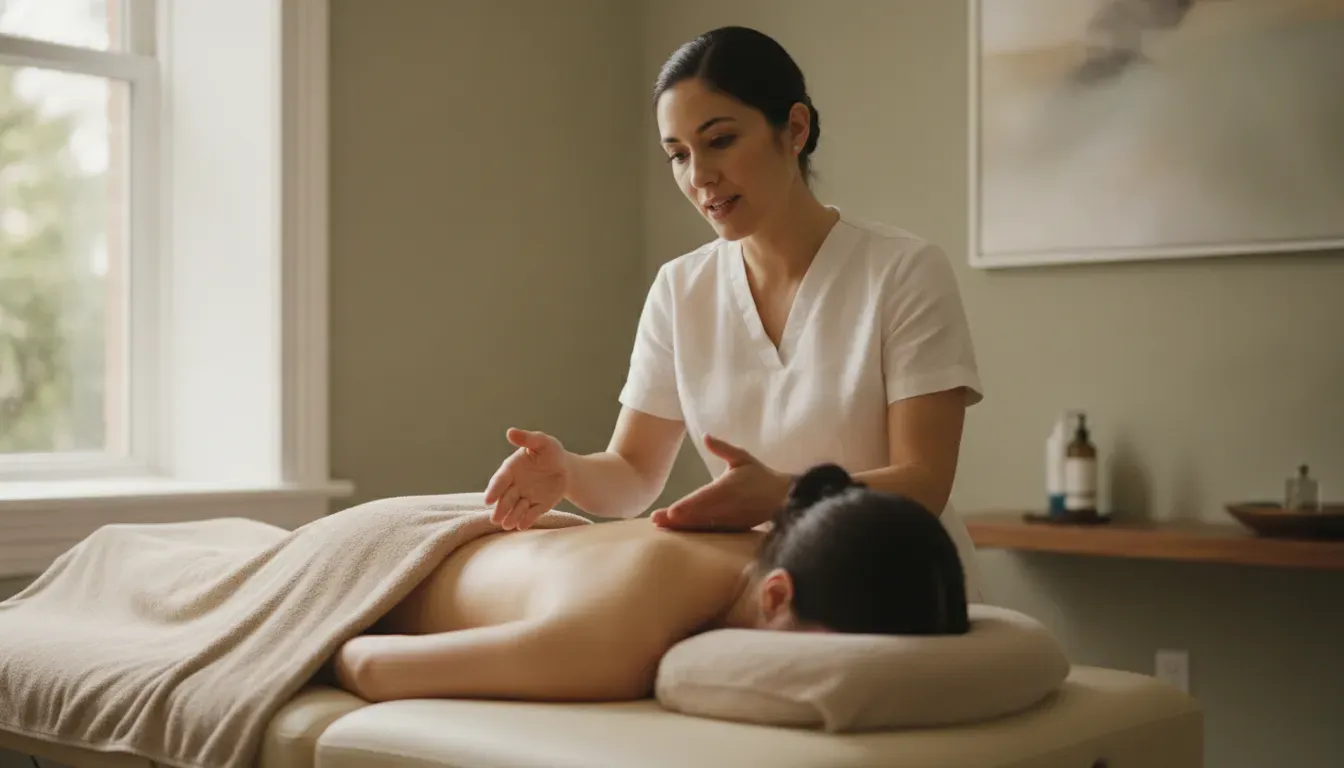
Deep tissue massage is a therapeutic technique that focuses on deeper layers of muscle and connective tissue, including fascia. Rather than using only light, flowing strokes, a trained therapist works gradually into areas of persistent tension with deliberate pressure and slower movements. The goal is not to make a session uncomfortable. It is to address restricted tissue and muscular patterns that may not respond to surface-level work.
Muscles and fascia can become less mobile after repetitive use, injury, or prolonged postures. Sitting for long periods, driving, or hunching over a laptop can create tightness even when the activity does not feel strenuous. Over time, that tension may affect how freely you move and how comfortably you perform everyday tasks. Focused bodywork can help bring awareness and mobility back to those areas.
How deeper pressure reaches areas of tension
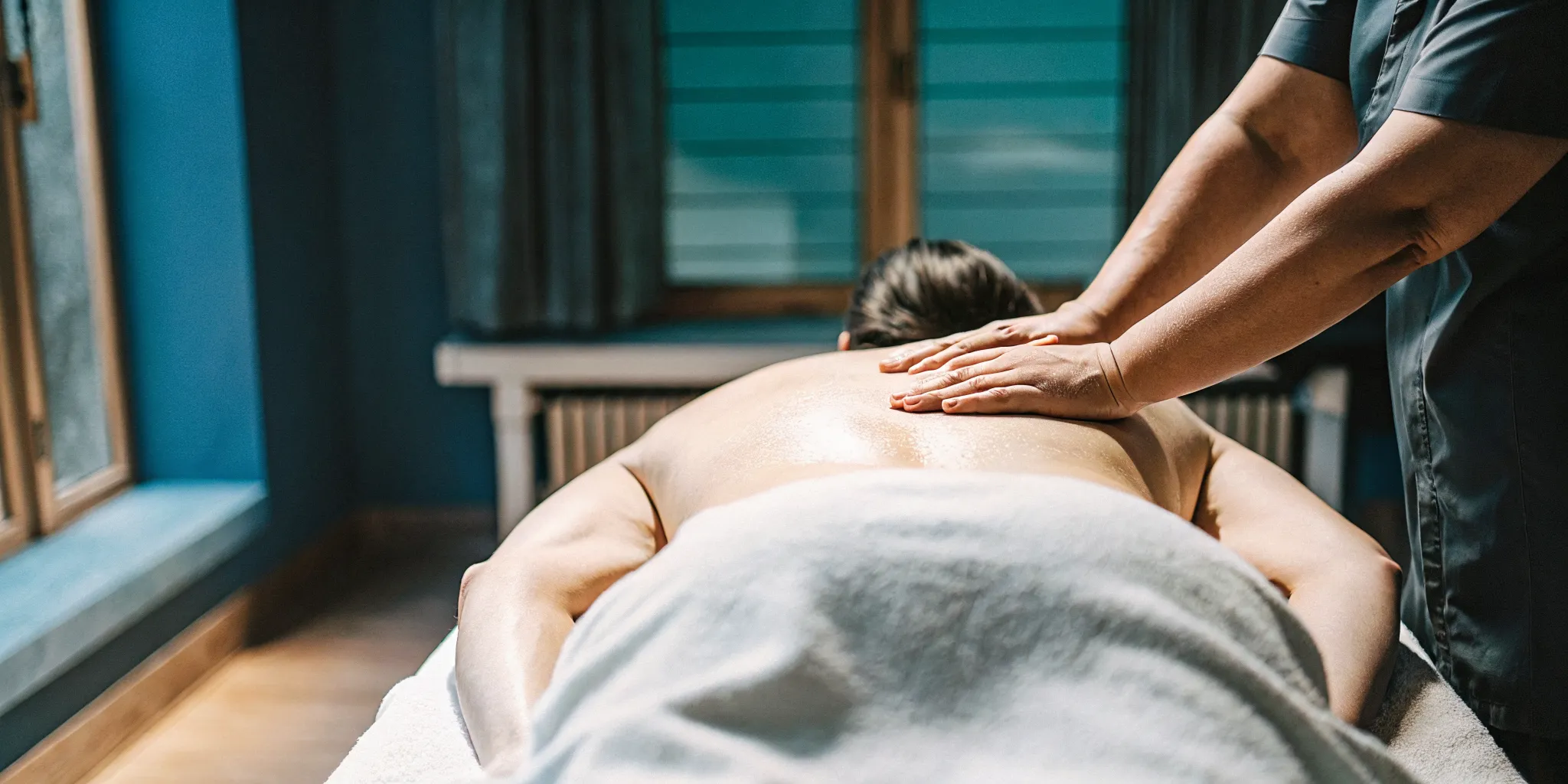
During a session, the therapist uses the hands, forearms, or other appropriate techniques to follow the direction of the muscle fibers and connective tissue. Pressure is increased gradually, allowing the tissue time to respond. This approach can help soften restrictions and improve the glide between tissue layers. When old injuries or repeated strain have contributed to adhesions or areas of thicker scar tissue. Careful therapeutic pressure may help reduce the sense of fixation around those tissues. It should be applied with communication and control, never forced through sharp pain.
Understanding trigger points
A trigger point is a tiny muscle spasm or tight spot in the tissue. These points are often described as knots and may feel tender when pressed. They can also contribute to discomfort in a nearby area, which is why the source of tension is not always located exactly where you feel symptoms. Deep tissue work can identify these concentrated areas and apply focused pressure to encourage the muscle to release. A licensed massage therapist adjusts the technique based on your response, health history, and therapeutic goals. Cleveland Clinic explains trigger points and deep tissue massage in more detail.
Because every body responds differently, a useful session is tailored rather than performed from a fixed routine. Guests seeking targeted support can explore NOLA Bliss Massage’s massage services in New Orleans to find an approach suited to their current needs, whether tension is related to work, travel, exercise, or an old injury.
The Major Therapeutic Benefits of Deep Tissue Therapy
Relief for Chronic Pain and Muscle Tension
Deep tissue work is designed for more than a temporary feeling of relaxation. By addressing deeper layers of muscle and connective tissue, it can help release persistent tightness, knots, and tension that affect how you move each day. Cleveland Clinic notes that this approach may be useful for people with injuries, general muscle tightness, and chronic muscle pain. Read the Cleveland Clinic’s overview of massage benefits.
For guests managing ongoing low back pain. Research published through the National Institutes of Health found that deep tissue massage may be comparable to standard therapy approaches in some cases. It is not a substitute for medical evaluation, but it can be a valuable part of a broader pain-management plan. Especially when sessions are tailored to the source and pattern of the discomfort. A licensed therapist can adjust pressure and technique rather than treating every painful area the same way.
Greater Mobility for Everyday Movement
When tense muscles and trigger points limit comfortable movement, therapeutic bodywork can make it easier to turn, reach, walk, or exercise with less restriction. Trigger points are small muscle spasms or tight spots in tissue. Addressing them may help the surrounding area move more freely, though results vary by the underlying condition and how long the restriction has been present.
At NOLA Bliss, guests can explore massage services in New Orleans based on their goals, activity level, and current needs. The most appropriate pressure is the pressure that supports useful progress, not simply the deepest pressure possible.
Stress Reduction and Deeper Relaxation
Deep tissue massage can be therapeutic while still helping the body settle. Massage therapy may calm the nervous system, ease muscle tension, and reduce symptoms associated with stress and anxiety, according to Cleveland Clinic. Slower breathing and a quieter mind are often welcome benefits when physical tension and mental strain reinforce one another. Guests should communicate throughout the session so the work remains productive and comfortable.
Postural Support After Desk Work
Sitting, driving, and hunching over a laptop can create repeated strain in the neck, shoulders, chest, hips, and back. Over time, that tension may contribute to a rounded posture or discomfort when you try to stand upright. Deep tissue work can help release some of the tightness created by these repetitive daily positions. Pairing massage with movement breaks, ergonomic adjustments, and strengthening is more useful than relying on any single session to correct posture.
Every guest brings a different history and pattern of tension. At NOLA Bliss, our team of expert therapists can use your consultation to shape a session around your priorities, whether that means easing chronic discomfort. Restoring mobility, or helping your body recover from long hours at a desk.
Deep Tissue vs. Swedish Massage: What’s the Difference?
Both deep tissue and Swedish massage can be valuable therapeutic choices, but they serve different purposes. The right modality depends on what your body needs that day: focused work for persistent tension or a gentler full-body approach that helps you unwind. Cleveland Clinic describes Swedish massage as a typically full-body treatment using gentle touch, while deep tissue massage is suited to injuries, general muscle tightness, and chronic muscle pain. Read the Cleveland Clinic comparison.
| Consideration | Deep tissue massage | Swedish massage |
|---|---|---|
| Pressure level | Moderate to firm, with focused pressure adjusted to areas of chronic tightness or discomfort. | Light to moderate pressure designed to feel soothing and comfortable across the body. |
| Techniques | Slower, more deliberate work into deeper muscle and connective tissue, including areas affected by knots or trigger points. | Flowing strokes and rhythmic movements that work broadly across the muscles and soft tissues. |
| Therapeutic goal | Address persistent muscle tension, restricted movement, and chronic pain patterns. | Support general relaxation, circulation, and whole-body ease. |
| Ideal candidate | A guest managing recurring tightness, overuse, muscular discomfort, or a specific area that needs focused attention. | A guest seeking a calming full-body session, especially when relaxation is the primary goal. |
Which massage should you choose?
Deep tissue may be the better fit if sitting, driving, repetitive activity, or extended computer work has left your muscles feeling restricted. It is not defined by how much discomfort you can tolerate. Effective pressure should be purposeful, responsive, and communicated throughout the session. A licensed massage therapist can adjust pressure and techniques to support safe manipulation of muscles and soft tissues.
Swedish massage can be a strong choice when you want broad, steady work without concentrating on one persistent problem. It may also be appropriate when your body feels sensitive or when you want to begin with a gentler approach. Neither modality is universally better. Your goals, comfort, health history, and current muscle condition should guide the decision.
At NOLA Bliss Massage, guests can discuss both options with the therapist and receive a session tailored to their needs. Explore our therapeutic massage options to compare available services before booking.
What to Expect During Your Deep Tissue Massage Session
A therapeutic session should feel collaborative from the moment you arrive. At NOLA Bliss Massage, your therapist uses the intake conversation, your feedback. And your treatment goals to tailor the work rather than applying the same routine to every guest. Here is how a typical visit unfolds.
- Start with an intake and consultation. You will discuss your health history, current discomfort, past injuries, activities, and what you want to address. Be open about medications, recent procedures, pregnancy, or any condition that could affect treatment. Massage therapy should be performed by a licensed professional who understands how to safely manipulate muscles and soft tissues. Learn more about licensed massage therapy and safe soft-tissue work.
- Take a few private minutes to prepare. After the consultation, your therapist leaves the room so you can undress only to your comfort level and get under the draping. You remain covered throughout the session, with only the area being treated uncovered. If you have questions about positioning or clothing, ask before the work begins.
- Communicate throughout the massage. Deep tissue massage uses focused pressure to address deeper muscle tension and connective tissue. The goal is therapeutic work, not simply tolerating intense pressure. Tell your therapist if the pressure feels too light, too strong, sharp, or otherwise uncomfortable. Feedback helps your therapist adjust pace, technique, and positioning while working toward the areas that matter most to you.
- Consider an optional CBD oil enhancement. NOLA Bliss offers CBD oil as an add-on to a massage session, not as a standalone service. Guests who choose it may use the enhancement to complement the session’s therapeutic and relaxation goals. Discuss whether it is appropriate for you during the intake, especially if you have sensitivities or health considerations.
- Give your body time to recover afterward. Move gently after treatment, drink water, and notice how your body responds over the next day. Mild tenderness can occur after focused therapeutic work, but significant or persistent discomfort is a reason to contact a healthcare professional. Your therapist can also suggest practical ways to support your progress between visits.
Getting here is straightforward: NOLA Bliss offers free validated two-hour parking at 330 Exchange Alley. When you are ready to plan your visit, book your session and share your treatment goals in advance.
Why Choose NOLA Bliss Massage for Deep Tissue Work in New Orleans
Choosing a therapeutic massage studio is about more than finding a convenient appointment. You want skilled hands, thoughtful communication, and a treatment plan that respects how your body feels that day. NOLA Bliss Massage brings those priorities together in Downtown New Orleans, with every session tailored to each guest’s individual needs rather than delivered as a one-size-fits-all routine.
The studio has been named Gambit’s Best Massage Therapist for four consecutive years. It was founded by Sara Albee, whose 20+ years of experience helped shape NOLA Bliss as an award-winning therapeutic massage studio. That experience informs a practical, outcome-focused approach for guests managing persistent muscle tension, demanding physical activity, or the effects of long hours at a desk.
Specialized pressure for stubborn tension
NOLA Bliss also offers Ashiatsu barefoot deep tissue, a signature specialty that uses the therapist’s feet to create sustained, controlled pressure. It can deliver up to three times deeper pressure than traditional massage, making it an option for guests who need more focused work on dense muscle tension. Your therapist can adjust pressure and technique throughout the appointment so the session remains therapeutic, responsive, and within your comfort level.
Care that includes the whole guest experience
Expertise is only useful when it is paired with an environment where people feel welcome. NOLA Bliss is LGBTQ+ friendly, inclusive, and committed to welcoming all bodies. The team takes time to understand your goals and adapts the session accordingly. To learn more about the people and values behind the studio, read our story.
Convenience matters, too. Same-day availability can make it easier to address discomfort before it disrupts your plans. The studio is located at 322 Lafayette St. Suite 300, New Orleans, LA 70130, with free validated two-hour parking at 330 Exchange Alley. Session costs vary by duration and location, with deep tissue appointments commonly ranging from $80 to $150 per hour. This combination of specialized care, clear access, and personal attention makes NOLA Bliss a strong choice when you are seeking deep tissue work in New Orleans.
Frequently Asked Questions
How is deep tissue massage different from Swedish massage?
Deep tissue massage uses focused, sustained pressure to address deeper muscle and connective tissue tension. Swedish massage generally uses lighter, flowing techniques for broad, full-body relaxation. Neither is automatically better. The right choice depends on whether your priority is targeted therapeutic work or a gentler relaxation-focused session. Cleveland Clinic explains the distinction.
Is deep tissue massage supposed to hurt?
Some focused pressure or temporary tenderness can be normal, especially around areas of significant tension, but sharp or overwhelming pain is not the goal. Tell your therapist if the pressure feels too intense, and keep communicating throughout the session. A licensed professional can adjust pressure, positioning, and technique to keep the work therapeutic and appropriate for your body.
Who is deep tissue massage best for?
It may suit guests dealing with persistent muscle tightness, chronic tension, knots, or discomfort related to repetitive activities such as sitting, driving, or working at a computer. It can also be useful when a guest wants focused work rather than a general relaxation massage. Your therapist should discuss your goals and health history first, then tailor the session to your needs.
How often should I get a deep tissue massage?
There is no single schedule that fits every guest. Frequency depends on your symptoms, activity level, recovery, stress, and how your body responds after treatment. Some guests benefit from occasional sessions during periods of increased tension, while others choose a consistent maintenance schedule. Discuss timing with your therapist instead of booking more pressure than your body can comfortably recover from.
Does NOLA Bliss offer deep tissue massage in New Orleans?
Yes. NOLA Bliss Massage is an award-winning therapeutic massage studio in downtown New Orleans offering personalized massage services. At your appointment, the team can help determine whether deep tissue work fits your goals and adjust the session accordingly. You can book your session online and speak with the team about your needs before treatment.
Ready to book your deep tissue massage?
A tailored session can help address persistent tension and support easier movement with guidance from an experienced therapeutic team. Schedule your visit at NOLA Bliss Massage in Downtown New Orleans, located at 322 Lafayette St. Suite 300. Guests can also use free two-hour parking at 330 Exchange Alley. Book a deep tissue massage session online when you are ready to take the next step.