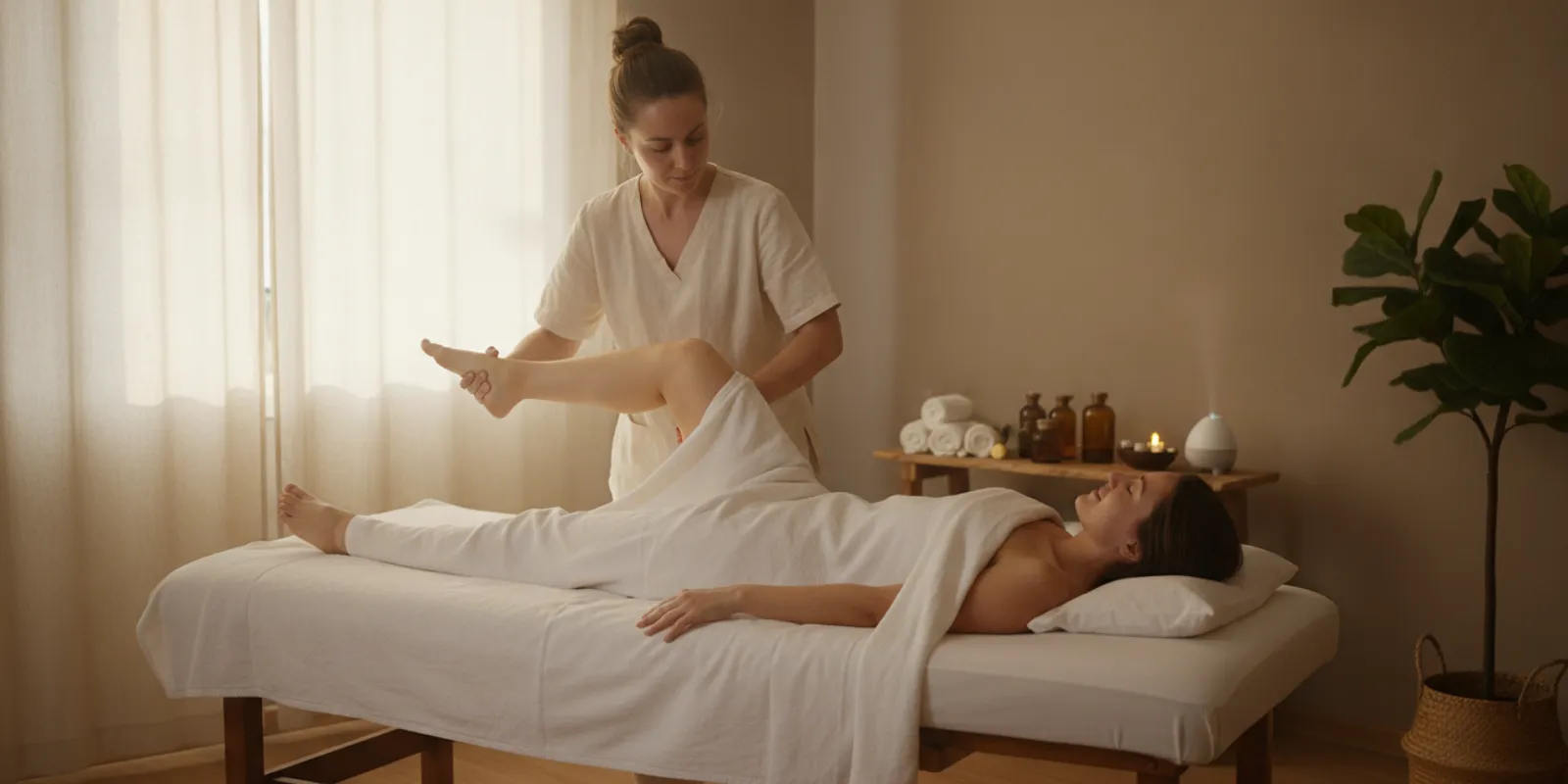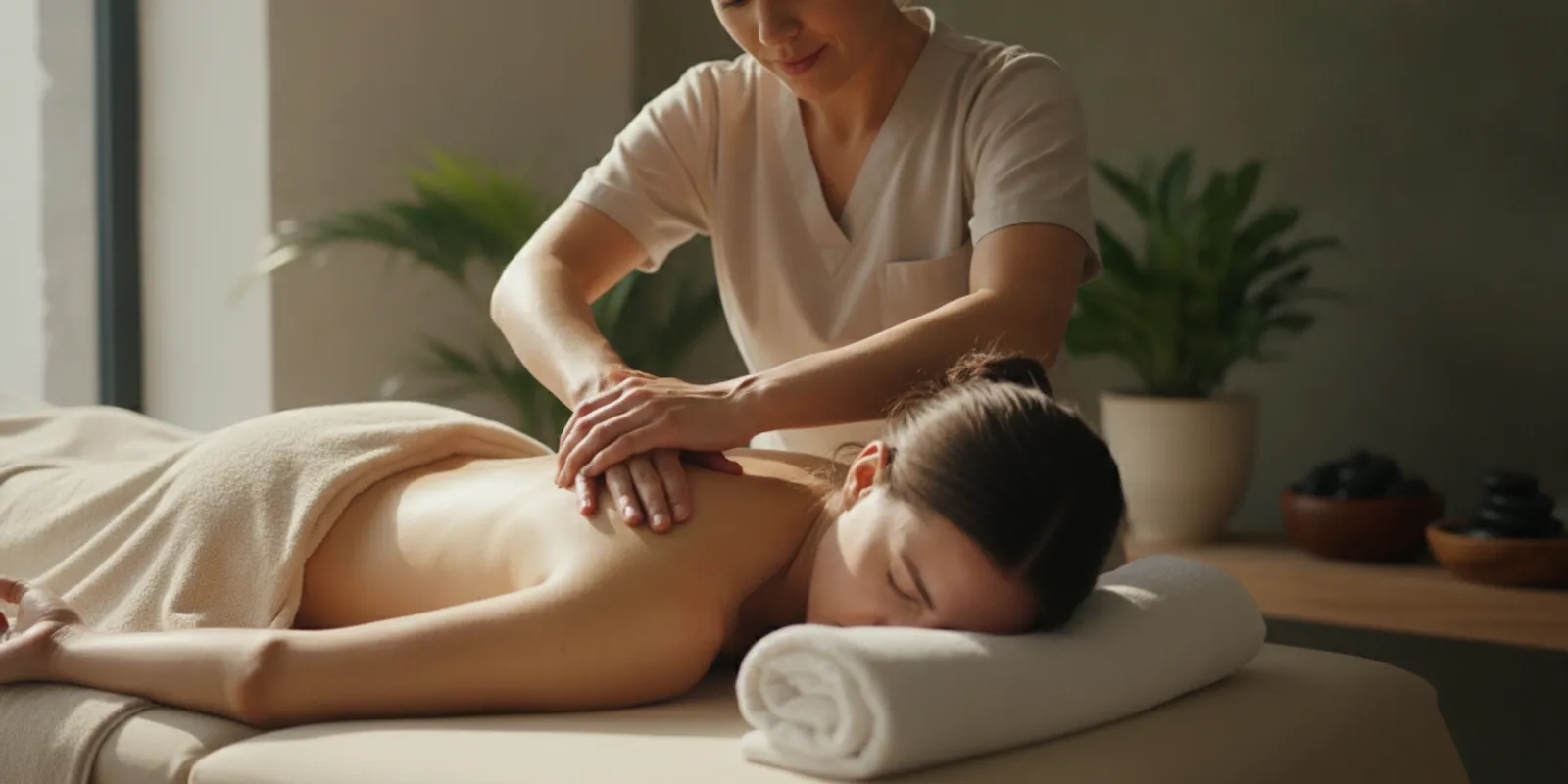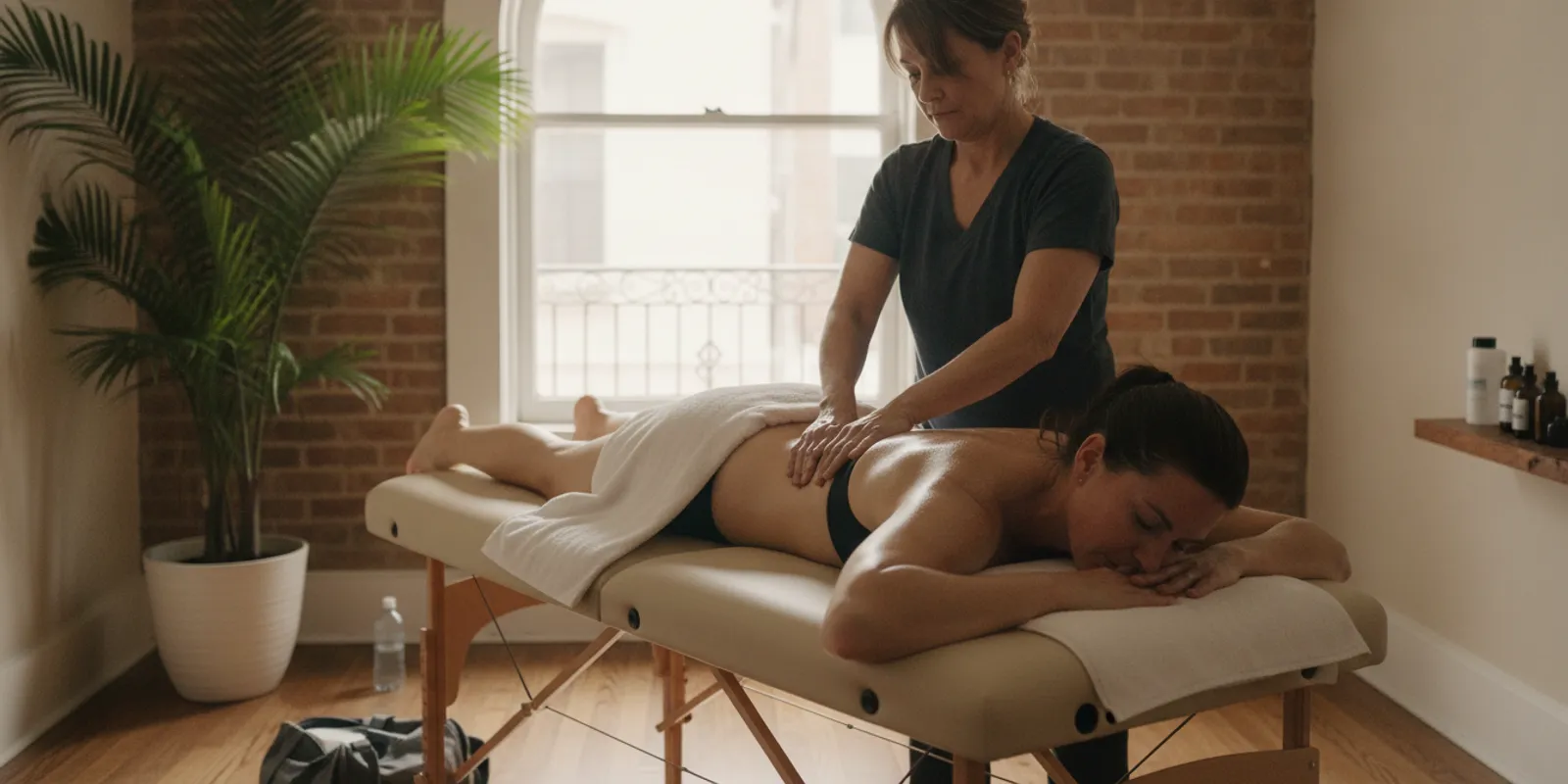

Teaching asks the body to shift constantly: standing at the board, leaning over student work, sitting at a computer, and projecting your voice across a room. If you are considering massage for teachers, it helps to look beyond one sore spot and notice how your workday shapes your comfort. Small movement breaks and a well-communicated therapeutic session may support relaxation and ease everyday muscle tension, though massage cannot promise a specific result.
How can teaching routines affect how your body feels?
A school day rarely keeps you in one position. You may stand while instructing, sit to grade, reach toward a board, carry supplies, or look down at a screen. Repeating one posture for a long stretch can leave muscles feeling tired or tight. The goal is not to hold a perfect posture all day. It is to vary positions, take brief movement breaks when possible, and notice which tasks tend to leave you uncomfortable.
Track patterns for a few days. Note whether discomfort follows a long stretch at the computer, a day of moving around the classroom, or a schedule packed with speaking. Add practical details: how long you were in one position, what you were doing just before you noticed tension, and whether a brief change helped. For example, if your shoulders feel more tired after grading at the kitchen table, the setup and uninterrupted sitting may be more useful clues than simply labeling the problem “shoulder tension.” A short record can help you choose adjustments and explain your preferences to a massage therapist without needing a diagnosis.
Separate a comfort goal from a medical question. Relaxation, a calmer transition after work, or having time to focus on an area are reasonable preferences to discuss. Massage is not a substitute for assessment or treatment of an injury. If pain is severe, persistent, worsening, or accompanied by concerning symptoms, seek advice from a qualified healthcare professional rather than relying on massage alone. If symptoms change suddenly, pause strenuous self-care and get appropriate guidance.
What can help with tension from standing and moving?
Standing is part of teaching, but you can often change how long you stay still. When a lesson allows, alternate between standing, sitting, and moving around the room. Shift your weight periodically instead of locking your knees, and use a stable stool or chair for activities that do not require you to stand. Keep frequently used materials within easy reach to reduce repeated twisting and stretching.
- Between classes, take a short walk or gently move your ankles and shoulders.
- When supervising from one spot, switch stance or position if it feels comfortable.
- Arrange teaching materials at a height that lets you work without prolonged bending.
- Choose supportive footwear that feels comfortable for your own needs.
- Use a cart or make fewer, planned trips when moving books and supplies, if your classroom setup permits.
Think through a typical transition. If you finish a lesson at the board, collect papers, and immediately sit to grade, build in a brief walk or stand-and-reach pause before settling in. If you spend a long block circulating among desks, use the next natural pause to sit for a few minutes rather than remaining on your feet simply from habit. The point is variety, not an exact routine or a demand to move constantly.
These are general comfort ideas, not treatment for an injury. Make adjustments gradually, and stop any movement that causes pain or feels unsafe. When you can, build a brief change of position into transitions rather than waiting until the end of a demanding day. For a teacher with little control over lesson timing, even a small change—placing frequently used materials closer or alternating which side of the room you teach from—may be more realistic than trying to add a long exercise break.
How can desk work feel less tiring?
Grading and lesson planning can turn a short task into hours of sitting or leaning forward. Set up the work area so the materials you use most are easy to reach. Bring the screen to a comfortable viewing height, keep your shoulders relaxed, and use a chair that supports a comfortable seated position. There is no single arrangement that suits everyone, so adjust based on what feels sustainable.
Try a timer or a natural cue, such as finishing a stack of papers, to remind you to change position. Stand, walk briefly, or roll your shoulders gently. If you work on a laptop, consider alternating between sitting and standing only if you can do so comfortably and safely. A short break can interrupt a long static posture even when you cannot take a full walk.
Make the change easy to repeat. Put water or the next set of papers a short distance away, so completing a task naturally gives you a reason to stand. Keep the mouse, keyboard, and notebook close enough that you are not repeatedly reaching across the desk. If you use a laptop for a long session, take a moment to adjust its height and your seating rather than leaning toward the screen. These are small choices, not a test you must pass; choose the one that makes the next work block feel more comfortable.
Notice whether your neck or upper back feels strained after looking down at papers or a device. Raising reading material on a stand or propping it at a more comfortable angle may reduce how long you look downward. A practical comparison can help: if paper grading leaves you looking down while digital grading leads you to lean toward a low screen, alternate tasks or change the viewing angle and observe which arrangement feels easier. For more service information, review massage services and techniques and consider which questions you want to ask before scheduling.
What about voice use and shoulder tension?
Teachers often speak for long stretches, sometimes over classroom noise. Voice fatigue is not the same as muscle tension, and massage does not treat voice disorders. Still, the effort of projecting, holding a phone between shoulder and ear, or keeping the shoulders lifted during a busy lesson may contribute to a feeling of tightness around the neck and shoulders.
Where practical, use classroom routines that help students hear directions without repeated shouting. Face the group when speaking, pause for attention, and use a microphone if one is available and appropriate. Let your shoulders drop between activities, and avoid cradling a phone while doing another task. If hoarseness or voice discomfort persists, consult an appropriate healthcare professional.
Notice whether the strain shows up during specific moments: projecting across a room, turning to write while speaking, or holding a device during a call. A small change might be turning your whole body toward the class before giving directions or setting the phone down for a conversation. These adjustments do not treat a voice problem, but they can reduce avoidable effort and make it easier to observe what is contributing to discomfort.
When discussing massage, describe where you feel tension and which movements or positions tend to aggravate it. You can ask the therapist to avoid sensitive areas or use a lighter touch. You remain in control of the session and can request changes at any time. NOLA Bliss offers Ashiatsu massage as one distinct technique; ask whether its pressure and approach fit your preferences rather than assuming it is right for everyone.
How can you respond to stress-related body tension?
Stress can make it harder to notice that you are clenching your jaw, lifting your shoulders, or holding your breath. A brief reset can create a pause in a crowded schedule. Try taking a few comfortable breaths, unclenching your hands, or stepping outside during a break. These small practices do not remove the causes of work stress, but they may help you notice how your body is responding in the moment.
Choose a reset that fits the school day. If you have only a minute between classes, release your grip on papers, lower your shoulders, and take a comfortable breath before greeting the next group. If lunch is your only longer break, step away from the desk for a few minutes rather than grading through the entire meal. After work, a short walk or quiet transition can help mark the boundary between school tasks and home routines. None of these actions has to become another obligation on an already full checklist.
Self-care can be practical rather than elaborate. The Purdue Global guide to self-care for educators discusses strategies for educator wellness. You might select one action that fits your day, such as protecting a lunch break, preparing classroom materials ahead, or taking a short walk after work. A massage session can be one part of a broader approach to well-being, not a substitute for rest, healthcare, or workplace support.
It may help to distinguish a personal reset from a workload problem. A breathing pause can offer a moment of awareness, but it cannot resolve inadequate staffing or an unrealistic schedule. If a particular routine repeatedly leaves you tense, consider whether you can adjust the task, ask for practical support, or change the timing. Keep the plan modest: one change you can actually repeat is more useful than an elaborate routine that adds pressure.
How do you choose a massage approach?
Think first about your comfort goal. Are you hoping to relax, address a feeling of muscle tightness, or simply have dedicated time to unwind? Tell the therapist what kind of pressure you prefer and whether there are areas you do not want touched. You do not need to arrive with a perfect explanation or a diagnosis.
A helpful way to choose is to begin with the experience you want, not with the name of a technique. Someone who wants a calm, general session may prioritize relaxation and comfortable pressure. Someone curious about firmer, focused work can explain that preference while also naming tender areas and agreeing to speak up if the pressure is too much. If you are unsure, ask what the technique involves before deciding. You can decline an approach that does not sound comfortable.
| Option | May suit a goal of | What to discuss |
|---|---|---|
| Swedish massage | A more relaxing, general session | Preferred pressure and areas to focus on or avoid |
| Deep tissue massage | Focused work with firmer pressure, if comfortable | Pressure tolerance, tender areas, and how you will signal a change |
| Ashiatsu | Exploring a distinctive barefoot massage technique | Whether the technique and pressure fit your preferences |
| Couples massage | Sharing a session experience with another person | Scheduling, preferred services, and individual needs |
These descriptions are broad, and a technique is not automatically better because a particular muscle feels tight. A session should be adapted to your comfort, and you can ask for lighter pressure or a pause. Learn more about couples massage in New Orleans if you would like to plan a visit with a partner or friend.
Use a simple decision process: name the goal, describe the areas you would like addressed, and identify anything to avoid. If your main goal is to relax after a demanding week, say that plainly. If a particular area feels sensitive, mention that without asking for aggressive pressure. A technique is only an option to discuss; your comfort, consent, and current circumstances should shape the session.
How should teachers prepare for a therapeutic massage?
A little preparation can make the visit more comfortable and useful. When booking, mention that your work involves standing, desk tasks, or frequent speaking, and share any specific areas you would like to discuss. You can ask about the available techniques and session options. If you have a health concern, recent injury, or uncertainty about whether massage is appropriate, check with a healthcare professional and let the therapist know relevant information before the session.
- Identify your priorities. Choose one or two goals, such as relaxing or spending time on a particular area, without expecting a guaranteed outcome.
- Share useful context. Describe your typical work positions, areas of discomfort, and any movement or pressure that feels uncomfortable.
- Set preferences. Tell the therapist your preferred pressure, areas to avoid, and whether you want quiet or conversation.
- Speak up during the session. Ask for an adjustment, a pause, or a different position whenever you need one.
- Plan a comfortable visit. Check the studio’s free parking and access information and allow time to arrive without rushing.
Before an appointment, it can help to write down a few notes rather than trying to remember everything after a long workday. You might note, “upper shoulders feel tired after writing on the board,” or “lower back feels uncomfortable after sitting to grade.” Include what you have already tried and what felt comfortable or not. This gives the therapist practical context while keeping the conversation focused on your experience rather than a self-diagnosis.
For a first visit, clear communication matters more than knowing technical terms. The therapist can explain the options, but your comfort and consent guide the session. If anything changes during the appointment, say so promptly. You can also ask what to expect before getting started, including how to communicate pressure preferences and how to request a pause.
How can you fit a visit into a school schedule?
Teachers may have limited flexibility during the school week. Consider whether an appointment before or after work, during a school break, or on a day off fits your routine. NOLA Bliss Massage is an appointment-only therapeutic massage studio in Downtown New Orleans. Its about page provides more information about the studio, while the contact page is the place to ask about booking and availability.
Make the plan easy to keep: check travel time, allow a buffer, and avoid scheduling a demanding obligation immediately afterward if you would prefer a quieter transition. There is no required schedule for massage. Decide based on your own comfort, availability, and any advice from your healthcare provider.
Compare the appointment with the shape of your week, not an idealized calendar. A teacher who stays late for conferences may prefer a day off; someone who has a predictable end time may find an after-work visit easier. If you are deciding between a rushed appointment and waiting for a less hectic day, choose the plan that leaves enough time to arrive and communicate without feeling pressed. Check current details directly when planning rather than assuming availability.
Frequently asked questions about massage for teachers
Can massage undo a whole week of teaching?
No session can promise to undo work-related tension or prevent it from returning. Massage may offer a period of relaxation and focused hands-on care. Everyday movement, comfortable work habits, rest, and appropriate healthcare remain important parts of managing well-being.
Should I ask for deep pressure on a tight area?
Not necessarily. Tightness does not mean that stronger pressure is the right choice. Explain what you feel, start with a pressure level that feels comfortable, and ask for a change if it becomes unpleasant or painful.
What if I am uncomfortable during the session?
Tell the therapist right away. You can request lighter pressure, a different position, a pause, or an end to the session. You are entitled to communicate boundaries throughout the appointment.
Can I book a massage if I have an injury or health condition?
Ask your healthcare professional whether massage is appropriate for your situation, particularly if symptoms are new, severe, or changing. Share relevant information with the therapist before the session so the plan can be discussed safely.
What is a useful next step?
Start by noticing which parts of your teaching day leave you feeling most strained. Try one realistic change in how you move or arrange your work, and communicate your preferences if you decide to book a massage. A thoughtful plan should respect your comfort, time, and individual needs.
Contact NOLA Bliss to ask about an appointment
With a little observation and clear communication, you can make choices that better fit the demands of your teaching day.