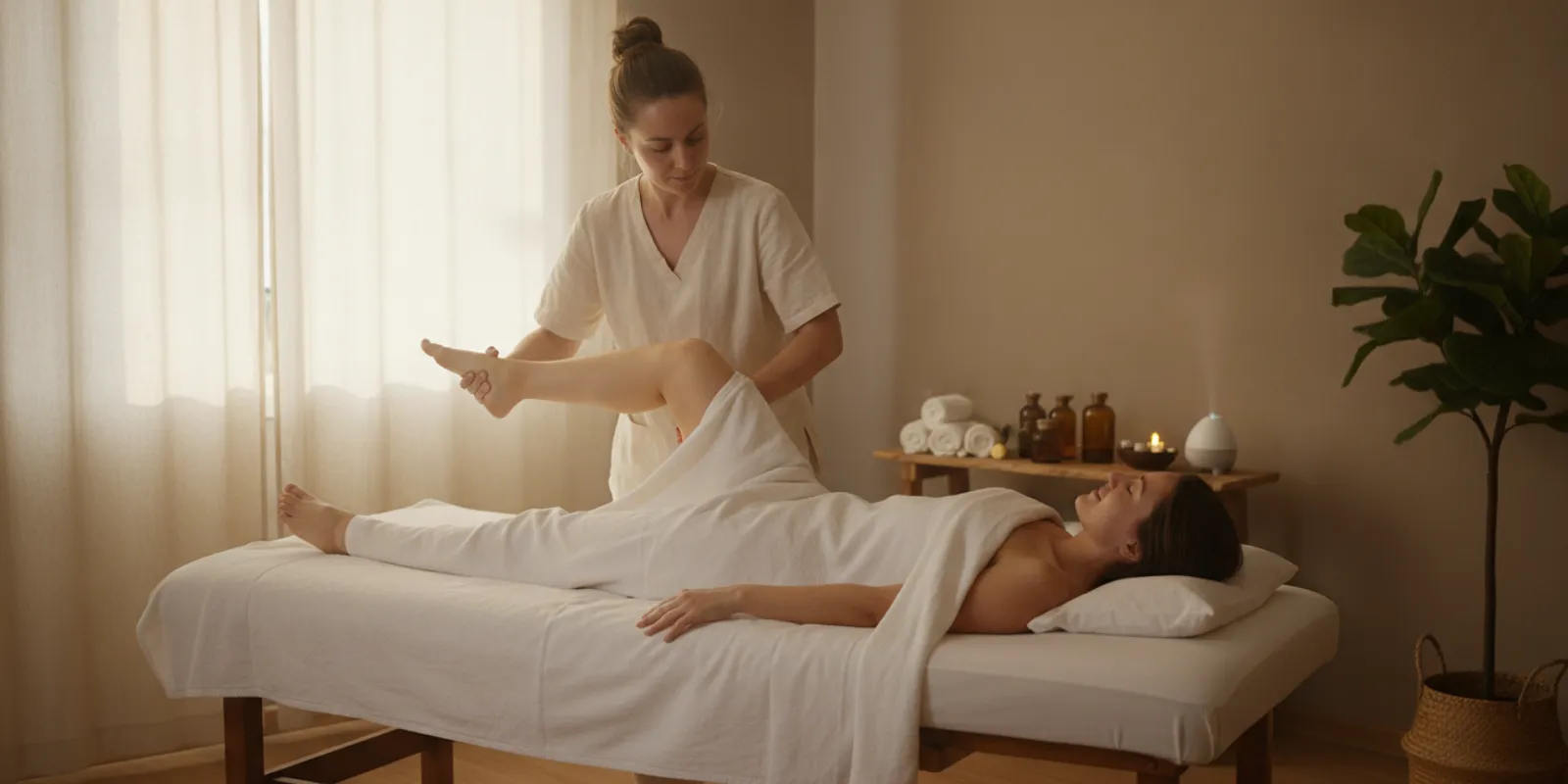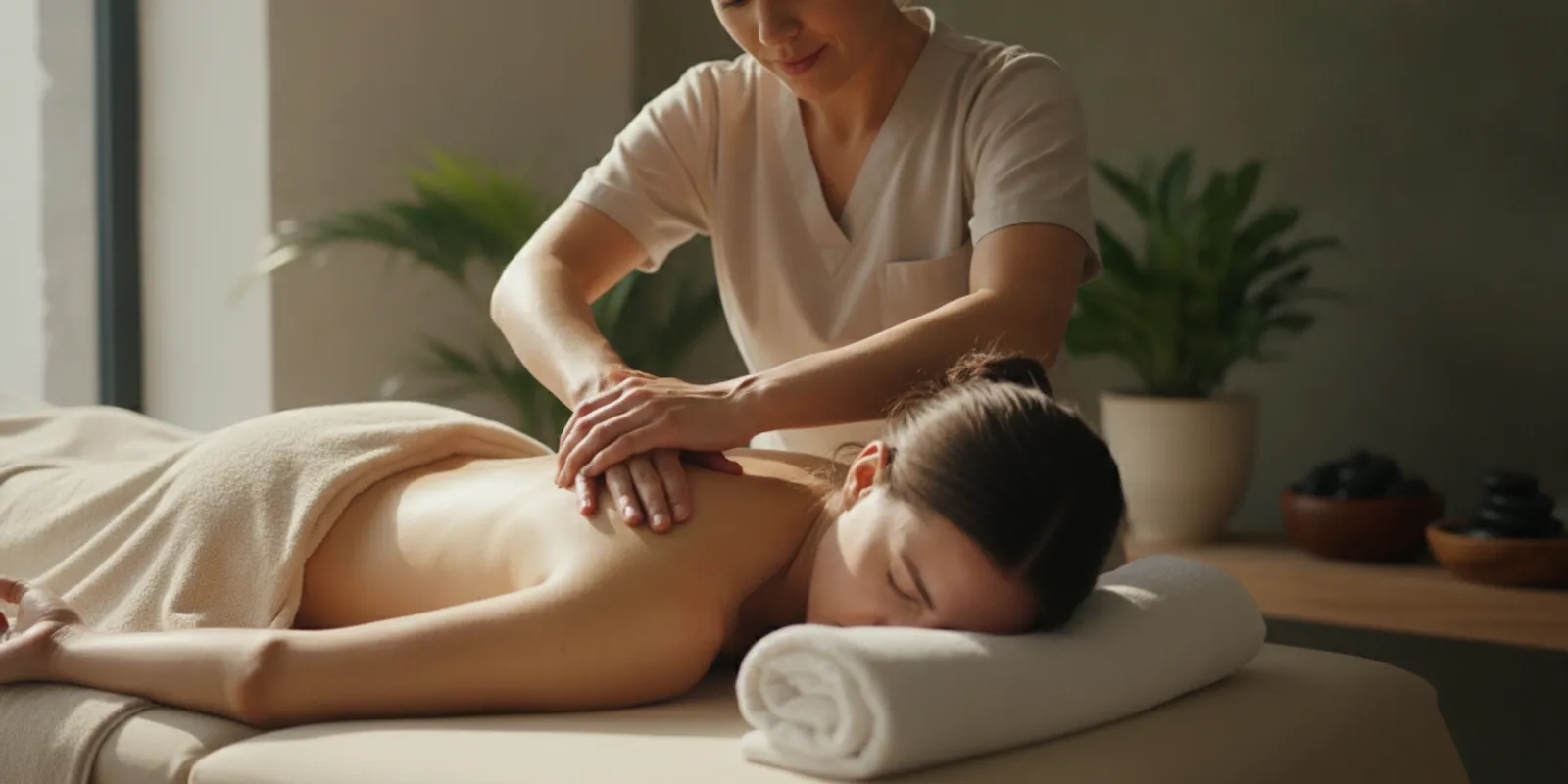
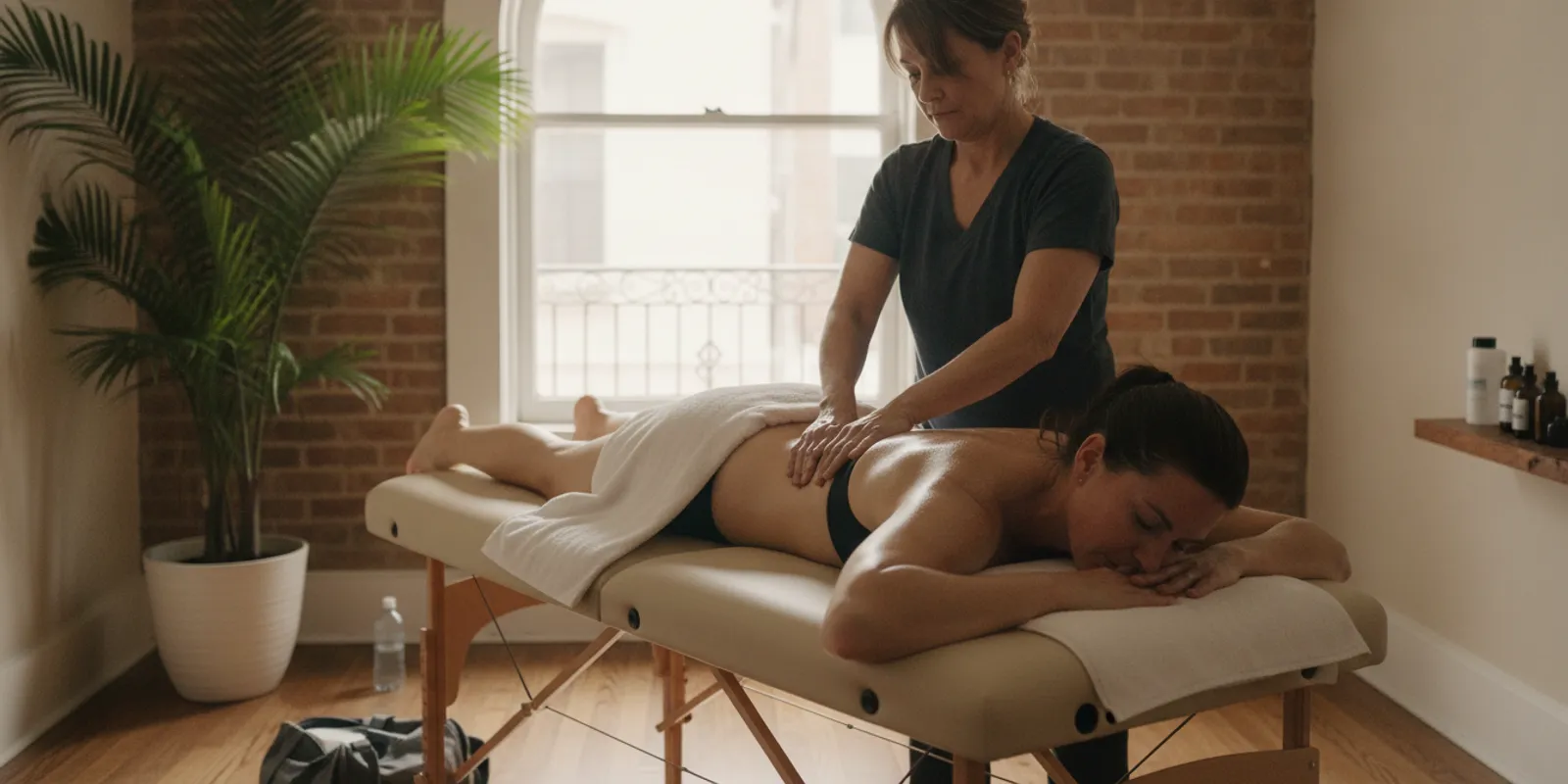
Massage for muscle recovery can be a useful part of a broader routine when exercise leaves you feeling stiff, tense, or generally sore. The most helpful timing and pressure depend on the activity you completed, the next demand on your body, and how your symptoms are changing. Massage may support comfort and relaxation, but it does not replace sleep, appropriate training adjustments, rest, or medical assessment when something feels wrong.
Ask about scheduling a recovery-focused session
What can massage realistically offer after exercise?
A hard workout can leave muscles feeling tired, stiff, or tender. A massage gives you time to slow down and communicate about those sensations. Depending on the session and your response, you may notice easier relaxation, less perceived tension, or a temporary improvement in how comfortable movement feels. Those are reasonable goals, especially when you view bodywork as one part of recovery rather than the entire plan.
It is important to separate feeling better from being fully recovered. Massage does not instantly repair a strain, erase fatigue, or prove that you are ready for maximal effort. A review of post-exercise massage found that it may reduce the severity of perceived soreness but does not remove muscle functional loss (review of massage mechanisms and performance effects). Another review found no significant improvement in performance measures such as sprinting, jumping, strength, or endurance (review of sports massage and recovery).
That evidence does not make a comfortable session pointless. Comfort can help you move through an ordinary training week, relax after a demanding event, or pay closer attention to your body. It does mean you should not use a temporary reduction in soreness as permission to ignore weakness, swelling, altered movement, or a pain that keeps getting worse.
Massage should also not be presented as a way to flush harmful substances from the body. You do not need to force large amounts of water after a session for that purpose. Instead, drink according to thirst and your normal needs, eat appropriately for your activity, and allow your body enough time to settle.
How should you time massage around training?
There is no universal appointment time that works for every person. Start with the next activity you need to complete and work backward. If you have an important workout, race, long hike, or physically demanding day ahead, avoid experimenting with a new technique or unusually firm pressure immediately beforehand. A session that feels fine in theory may leave you relaxed, tender, or unfamiliar with your normal movement.
| Situation | Practical timing choice | Questions to consider |
|---|---|---|
| Before a workout or event | Use a familiar, gentle approach and leave enough time to notice your response. | Have you tried this pressure before? Will you have time to change plans if you feel tender? |
| After a demanding session | Cool down first, then describe the areas that feel tired or sore. | Is the sensation familiar, or is there sharp pain, swelling, bruising, or loss of function? |
| During a regular training week | Consider a rest day or lighter day so you can assess the response before your next hard effort. | Does the appointment support your schedule, sleep, and planned recovery time? |
| Before a rest period | A session may fit well when you do not need to test peak performance soon afterward. | Can you keep the next several hours easy if you feel relaxed or mildly tender? |
| With new or severe pain | Pause and seek appropriate clinical guidance before booking massage. | Could the symptom require examination rather than comfort-focused bodywork? |
For a first session, conservative timing is usually easier to evaluate. Do not schedule unfamiliar deep pressure right before a personal-best attempt. If you are visiting New Orleans for a race, convention, or active trip, build in flexibility rather than making massage the only recovery measure. The free parking information may help you plan extra time around a downtown appointment.
What is the difference between soreness and a possible injury?
Ordinary post-exercise soreness often develops after an unfamiliar or intense activity and may be felt across the worked muscles. It can make movement uncomfortable without causing a clear loss of function. The pattern should gradually settle rather than steadily escalate. Even when soreness seems familiar, tell your therapist exactly when it began, what activity preceded it, and whether movement changes it.
A possible injury deserves a different response. Sharp or pinpoint pain, significant swelling, substantial bruising, a sudden pop, new weakness, numbness, inability to bear weight, or an obvious change in how you move should not be treated as a routine recovery issue. Massage cannot diagnose a torn tissue, fracture, neurological problem, or other medical condition. When symptoms are severe, rapidly worsening, or connected to a substantial impact, seek prompt medical attention.
If you are unsure, postponing a session is not a failure to recover. A qualified healthcare professional can assess the symptom and explain whether massage, exercise, or rest is appropriate. If you receive a diagnosis or activity restriction, share that information before any bodywork. A massage therapist can adapt a session to information you provide, but cannot replace an examination.
How do common massage approaches compare?
Technique names describe a general approach, not a promise about the result. The right choice depends on your comfort, goals, history, and current condition. More pressure is not automatically more effective, and a session should never require you to brace, hold your breath, or tolerate sharp pain.
| Approach | What it may involve | What to discuss before the session |
|---|---|---|
| Swedish massage | Flowing strokes with light to moderate pressure and a relaxation-oriented pace. | Tell the therapist if you want a gentler session or broad work after general stiffness. |
| Deep tissue massage | More focused, sustained pressure in selected areas. | Identify specific goals, request gradual pressure, and agree that you can ask for adjustments. |
| Ashiatsu | Foot-based techniques delivered with support from overhead bars. | Ask how the method works and explain pressure preferences, position concerns, or areas to avoid. |
| Couples massage | Two people receive massage during the same appointment. | Each person should communicate individual goals rather than assuming one pressure level fits both. |
You can review the available massage services in New Orleans before choosing. If you are curious about foot-based work, read about Ashiatsu massage and bring questions to the booking conversation. If you prefer to share the appointment with someone else, the couples massage option may be relevant. The modality name matters less than whether the session is comfortable, clearly communicated, and appropriate for your current symptoms.
What should you tell your massage therapist?
Useful information does not need to be complicated. Before the session, make a short account of what happened and what you want from the visit. Include:
- The activity you completed, its duration, and when it ended.
- The location of stiffness or soreness and whether it is on one side or both sides.
- Whether the sensation feels familiar and whether it is improving, unchanged, or worsening.
- Any recent fall, collision, unusual load, or change in training.
- Relevant medical concerns, injury history, medication considerations, or limits on position and pressure.
- Your next demanding activity and the amount of recovery time available afterward.
- A realistic goal, such as relaxation, easier comfort, or help managing familiar tension.
During the session, feedback is part of the process. Say if pressure is too light, too intense, too broad, or directed at an area you would rather avoid. Ask for a position change if something feels strained. You can request that work stop at any time. A good session is collaborative, not a test of how much discomfort you can endure.
For more background about the studio and its therapeutic approach, you can visit the NOLA Bliss Massage about page. If you are considering a shared visit, discuss whether both people want the same pace and pressure before arriving.
How can you prepare for massage for muscle recovery?
Preparation starts with realistic scheduling. Avoid arriving immediately after a frantic workout if you can allow time to cool down, change, and notice what you are feeling. Wear or bring what makes you comfortable and plan enough time that you do not need to rush away. If your activity involved a new movement, explain it even if the soreness seems minor; that context can be more useful than simply naming a body part.
Consider your recovery plan as a whole. Sleep supports the ability to handle training. Food provides energy for the work you are asking your body to do. A gradual return to activity gives you a chance to observe symptoms rather than repeatedly challenging them. Hydration supports ordinary daily needs, but forcing extra water is not a substitute for any of these factors.
Do not assume that the most intense option is best because you are seeking a “recovery” session. A gentle session may be more suitable close to an event or when you are new to massage. Firm work may be something to discuss when you are familiar with it and have time to respond afterward. The therapist should know if you have not had massage before, because your preferences and tolerance may be different from those of a regular client.
What should you do after a massage?
Get up slowly and notice how your body feels before leaving. Mild relaxation or temporary tenderness can occur, particularly after unfamiliar work. Keep the rest of the day proportional to your response. If you feel sleepy or tender, choose an easier activity instead of treating the appointment as preparation for an immediate maximal effort.
There is no universal rule requiring every person to avoid exercise for a fixed number of hours. If the session was comfortable and you feel normal, a gradual return may be reasonable. If you feel sore, unusually tired, less coordinated, or uncertain about a planned workout, reduce the intensity or postpone it. Do not push through pain simply because an appointment has already happened.
Track what you notice over the next day or two without assuming every change came from massage. A brief note can help you compare pressure, timing, activity, and sleep. For example, you might record that a moderate session on a rest day left you comfortable before an easy walk, while a firm session before intervals felt like too much. That kind of observation is more useful than trying to copy someone else’s schedule.
For questions about booking, location, or appointment details, use the contact page. Planning ahead is especially helpful when your schedule includes travel, an event, or a demanding training block.
When should you skip massage and seek clinical care?
Do not use massage to investigate symptoms that could represent a serious problem. Seek prompt medical attention for severe or rapidly worsening pain, major swelling, significant bruising, inability to use or bear weight on a limb, numbness, new weakness, or symptoms after a substantial impact. Chest pain, shortness of breath, fainting, or other urgent symptoms require emergency care.
Less urgent symptoms can still deserve an assessment. Speak with a qualified healthcare professional when pain is new and persistent, keeps returning, interferes with everyday tasks, or comes with fever or feeling unwell. Also seek guidance if you have a condition or treatment that affects whether massage is appropriate. A massage appointment is not the right first step simply because the symptom is located in a muscle.
If a clinician clears you for massage, tell the therapist about relevant instructions and areas to avoid. The session can then focus on comfort within those boundaries. Stop and reassess if your symptoms change during or after treatment.
How can you build a practical recovery plan?
Think of massage as a support, not a reset button. A simple plan can keep expectations realistic:
- Identify the demand. Note what activity created the soreness and whether it was familiar.
- Screen the symptom. Look for warning signs, loss of function, swelling, bruising, or pain that is worsening rather than settling.
- Choose the timing. Place bodywork where you have time to respond, ideally away from an unfamiliar high-pressure session before a key effort.
- Set the session goal. Decide whether you want relaxation, general comfort, or focused work on familiar tension; do not promise yourself a performance result.
- Communicate clearly. Share your activity, history, pressure preferences, and next workout before treatment begins.
- Evaluate afterward. Return to activity gradually and use your actual response to guide future timing.
For a recreational athlete, this might mean an easy workout on Monday, a moderate massage on Tuesday, a rest or light movement day on Wednesday, and a harder session only if symptoms have settled. For a traveler who has spent a day walking, it might mean choosing comfortable pressure in the evening and keeping the next morning flexible. For someone with a sudden painful symptom, the plan may begin with clinical evaluation rather than massage. The useful choice depends on the circumstances, not on a fixed rule.
Frequently asked questions about massage for muscle recovery
Should I get a massage immediately after exercise?
Not necessarily. Cool down, notice whether the sensation is ordinary soreness or a possible injury, and choose timing that leaves room to respond. There is no requirement to book a session immediately after a workout.
Can massage prevent delayed-onset muscle soreness?
It cannot guarantee prevention. Research suggests massage may reduce how severe soreness feels for some people, but it does not reliably restore lost function or ensure readiness for another hard effort.
Should a recovery massage hurt?
No. Firm pressure can feel noticeable, but sharp pain, breath holding, bracing, or a worsening sensation is a reason to ask for a change or stop. More pressure is not automatically more effective.
Can I exercise after a massage?
It depends on the session and your response. If you feel normal, a gradual return may be reasonable. If you feel tired, tender, weak, or uncertain, choose lighter activity or rest and do not train through warning signs.
What if I am not sure whether massage is appropriate?
Describe the symptom to a qualified healthcare professional, especially when it is new, severe, persistent, or connected to an impact. Once you understand any limits, share them with the massage therapist before treatment.
Contact NOLA Bliss Massage to plan your session
Massage can be a thoughtful way to support comfort and relaxation after familiar activity when it is planned conservatively, communicated clearly, and kept within a broader recovery routine.