Deep pressure should ease stubborn tension, not leave you bracing against a sharp elbow. Ashiatsu and deep tissue can both work deeply, but they deliver pressure in very different ways.
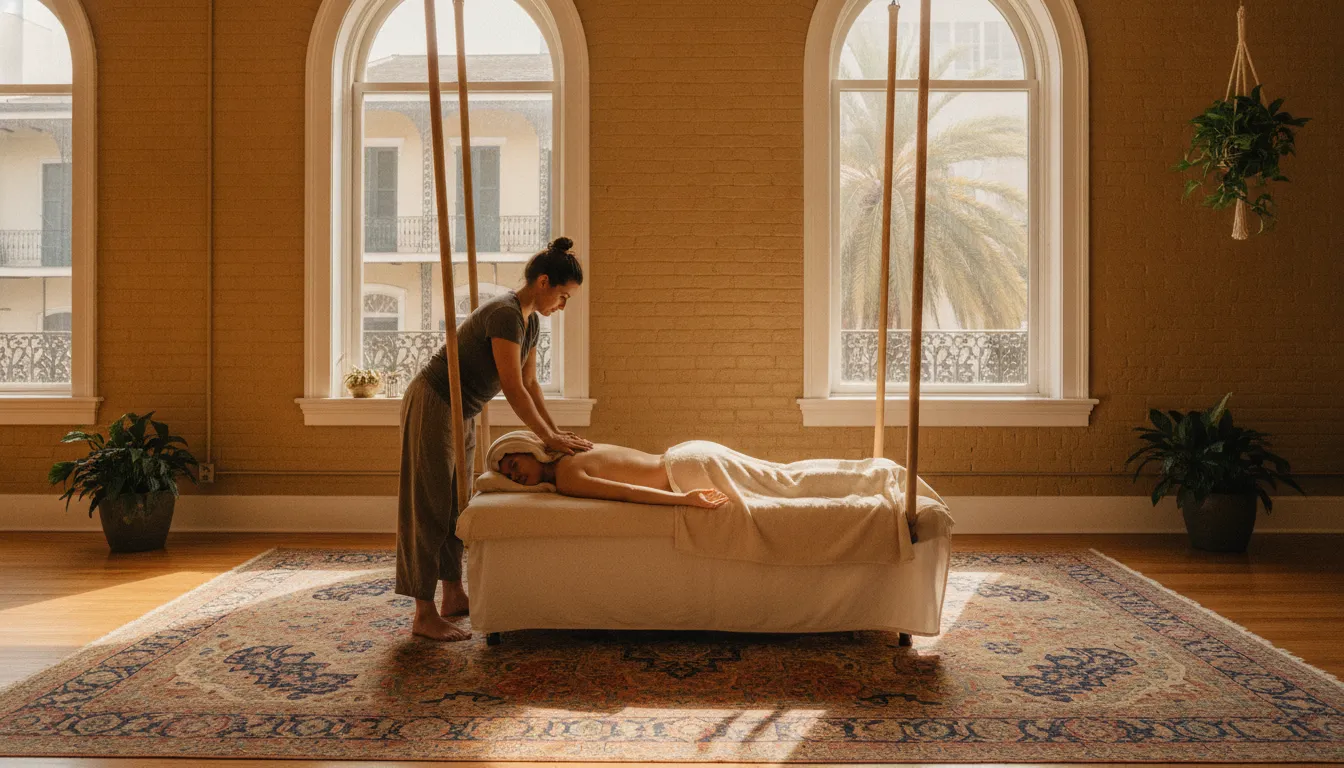
Ashiatsu massage uses the therapist’s bare feet and overhead bars to deliver broad, steady compression across larger muscle groups. Compared with hands-on deep tissue massage, it can reach deep tension without the sharper feeling that thumbs or elbows may create. At NOLA Bliss Massage, Ashiatsu is the signature specialty for consistent, high-pressure therapeutic work, while deep tissue provides targeted attention to specific trouble spots. Neither method is automatically better because the right choice depends on pressure preference, the location of tension, sensitivity to pointed pressure, and treatment goals. Ashiatsu often suits chronic tension spread across the back, hips, or glutes; deep tissue suits clients who prefer focused hands-on work around specific knots.
The question is not which massage works harder, but which kind of pressure your body responds to best. Start with the core difference in feel, technique, and best-fit use before you book.
Ashiatsu massage vs deep tissue massage: the quick answer
Both Ashiatsu and deep tissue massage can meet a need for firm, therapeutic pressure. The main difference is how the massage therapist applies that pressure. Ashiatsu uses the therapist’s bare feet and body weight. Deep tissue massage relies more on hands, knuckles, forearms, and elbows.
Ashiatsu often feels broad, steady, and compressive because a foot covers more area than an elbow or thumb. Deep tissue work can feel more focused since the therapist can target a smaller spot. Neither method is always better. The right choice depends on your pressure preference, treatment goals, and comfort with each technique.
How Ashiatsu massage works
During Ashiatsu massage, the therapist uses overhead bars for balance and control while working with clean, bare feet. The bars help the therapist adjust depth and keep pressure steady across larger muscle groups. For more detail on the method, read this comprehensive Ashiatsu massage guide.
This approach may suit people who want deep pressure without the sharper feel that an elbow or thumb can create. The broad contact can work well across the back, legs, and other large areas. Pressure is still adjustable, so Ashiatsu does not need to feel extreme.
How deep tissue massage works
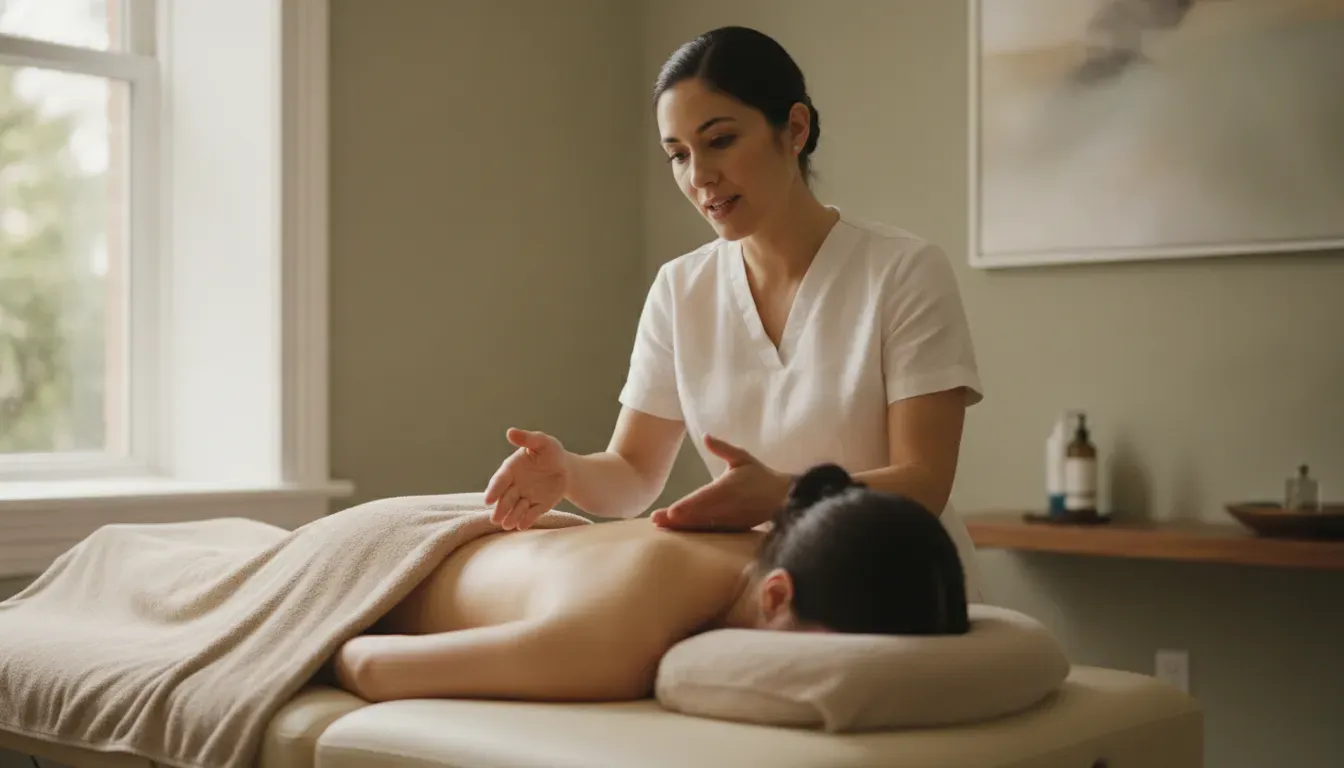
Deep tissue massage is hands-on work that focuses on areas of muscle tension. A therapist may use slow strokes and focused pressure with hands, forearms, knuckles, or elbows. This range of tools makes it easier to shift between broad work and precise attention.
Deep tissue may be the clearer choice when one small area needs focused work. It may also suit you when barefoot pressure does not appeal. Massage research has shown promise for pain, including lower back pain. Still, evidence quality varies. A review of massage research calls for more strong studies.
Key differences at a glance
| Point. | Ashiatsu massage. | Deep tissue massage. |
|---|---|---|
| Main tools. | Bare feet. Body weight. Overhead bars. | Hands. Knuckles. Forearms. Elbows. |
| Pressure feel. | Broad. Steady. Compressive. | Focused. Firm. More precise. |
| Best fit. | Large areas. Broad deep pressure. | Smaller areas. Targeted work. |
| Pressure control. | Adjusted through body weight and foot position. | Adjusted through the chosen hand or arm tool. |
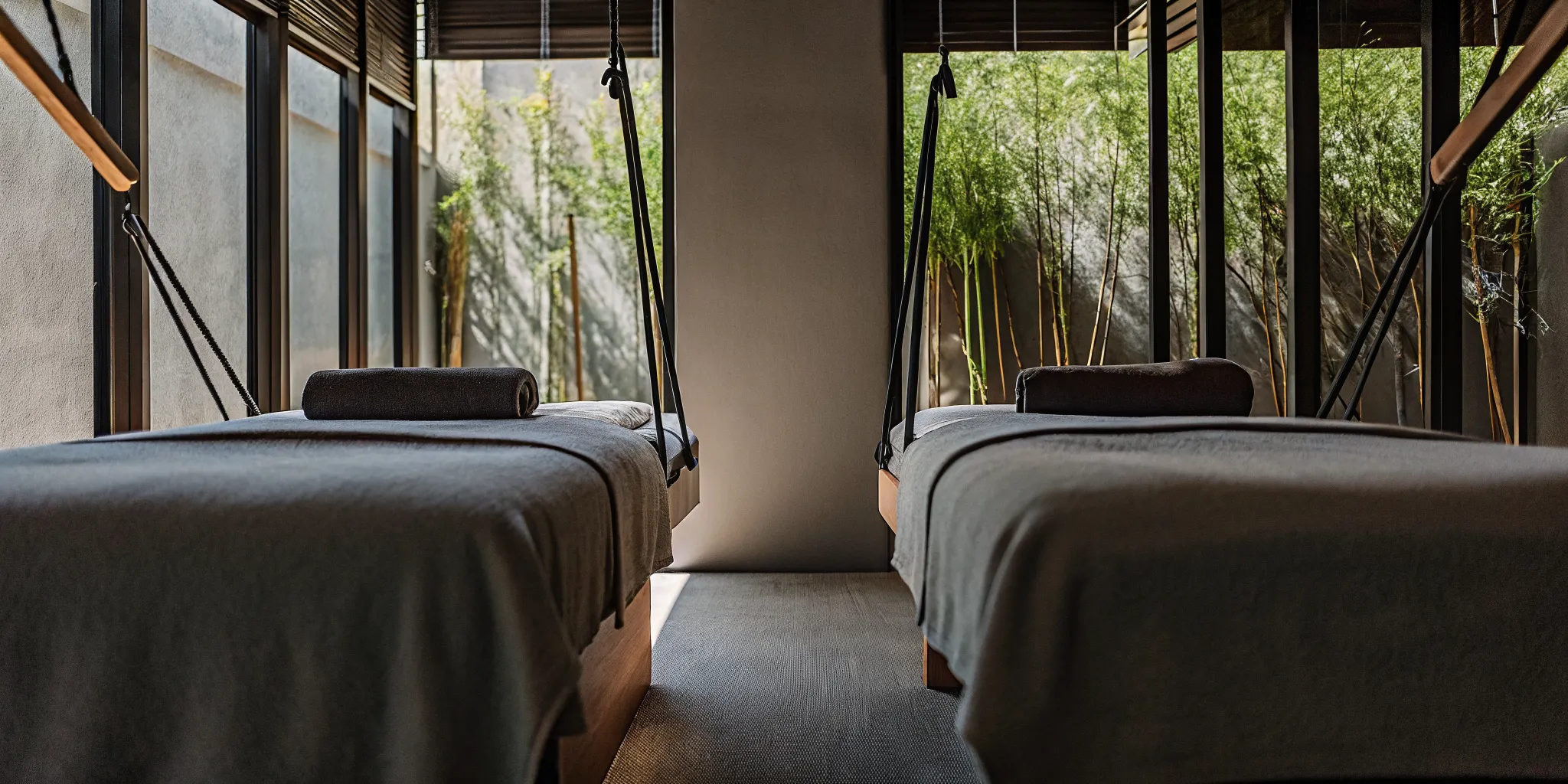
| Session setup. | Therapist uses overhead bars for support. | Standard massage table setup. |
The quick answer is simple: choose Ashiatsu when you prefer broad, even pressure across larger areas. Choose deep tissue when you want more targeted work. A therapist can also help match the method and pressure level to your needs before the session begins.
What does Ashiatsu massage feel like?
Broad, even pressure
Ashiatsu massage feels deep, smooth, and broad rather than sharp or poking. The therapist uses clean bare feet to apply flowing pressure across larger areas of muscle. Because a foot has a wide surface, the pressure can feel full and even without the pointed feel of an elbow.
The technique is often called barefoot massage, but it is controlled work rather than simple standing or walking. At NOLA Bliss, the therapist uses overhead bars for balance and steady control. That support helps the therapist guide each slow stroke and adjust how much weight reaches the massage table.
People who want firm pressure may enjoy the steady compression described in this guide to Ashiatsu barefoot bar massage techniques. The pressure may feel intense, yet its broad shape can make it less sharp than hand or elbow work.
A flowing barefoot massage rhythm
An Ashiatsu massage often has a slow, connected rhythm. A therapist may glide along the back or use still compression on a tense area. These movements can create a rolling sense of pressure that changes with the shape and size of each muscle group.
The therapist does not use the same force throughout the session. Pressure can shift from moderate to deep based on your comfort, goals, and feedback. Speak up if a stroke feels too strong, too light, or too close to a sensitive area.
Ashiatsu also feels different from focused deep tissue work done with fingers, knuckles, or elbows. Those tools can target a small spot, while a foot spreads force across more tissue. The comprehensive Ashiatsu massage guide explains more about how this method works.
Skilled control and clear feedback
The overhead bars help with balance, but training guides how the therapist uses that support. NOLA Bliss is a certified Ashiatsu DeepFeet Bar Therapy training center on the Gulf Coast. This training-center role reflects the studio’s focus on controlled technique, clean foot contact, and thoughtful pressure choices.
Before the session, the therapist should ask about your pressure preference and any areas that need care. During the massage, short check-ins help keep the pressure useful and comfortable. Deep does not need to mean painful, and a strong session should still feel measured.
Research on manual massage covers many methods, not Ashiatsu alone. One review of massage evidence found promising results in some areas, while also noting gaps in study quality. That is why the clearest expectation is the experience itself: broad pressure, a steady flow, and pressure shaped around your feedback.
How deep tissue massage works differently
Deep tissue massage is focused, hands-on work for tight or sore areas. The therapist may use hands, knuckles, forearms, or elbows to reach a specific spot. Pressure is adjusted throughout the session based on the tissue and the client’s response.
This approach is not simply a full-body massage with more force. Its main strength is precision. A therapist can change the tool, angle, pace, and pressure while working around one tense area.
Focused work for specific areas
A deep tissue session may spend more time on one part of the back, shoulder, hip, or leg. The therapist can use a knuckle or elbow for a small point. A forearm or palm can cover a wider strip of muscle.
This range gives the therapist several ways to address tension without using the same pressure everywhere. It also supports a more careful session when nearby areas feel tender. Research reviews suggest manual therapies may help with pain, especially lower back pain, though the quality of the evidence varies.
Pressure shaped around your response
Deep tissue pressure should be firm enough to do useful work, but it does not need to feel sharp. Client feedback helps the therapist adjust depth, speed, and contact area. More force is not always the right choice.
The therapist may ease in with broad contact, then use a smaller tool on a stubborn spot. They can also shift away from an area that feels too sensitive. This back-and-forth makes traditional deep tissue useful when the session needs close, local control.
Specific pressure versus broad pressure
The key contrast with ashiatsu massage is not whether either method can feel deep. It is how that depth reaches the body. Traditional deep tissue can use small, focused contact, while Ashiatsu uses the foot to spread pressure across a larger area.
Broader contact may make deep pressure feel less pointed across large muscle groups. Readers who want more detail can review our comprehensive Ashiatsu massage guide. The better fit depends on whether the session calls for precise spot work, broad compression, or a mix of both.
Who should choose Ashiatsu instead of deep tissue?
The better choice depends less on how much pressure you can tolerate and more on how you want that pressure delivered. Ashiatsu massage often suits people who want steady, broad compression across larger muscle groups. Traditional deep tissue may suit people who want focused work on a few precise areas. Neither method is automatically better for every body.
Pressure style and body comfort
Choose Ashiatsu when you like firm pressure but dislike the sharp feel of an elbow, thumb, or knuckle. Barefoot contact spreads force across a wider area, which can make deep pressure feel less pointed. That broad contact may feel especially comfortable across the back and other large muscle groups. It can also suit people who carry ongoing, widespread tension rather than one small trouble spot.
Body size alone should not decide the method. A smaller or pressure-sensitive person may enjoy Ashiatsu when the therapist uses lighter, controlled pressure. A larger or muscular person may prefer it because broad compression can cover more tissue with a steady feel. In either case, comfort depends on clear feedback and careful pressure changes during the session.
Broad compression or focused work
Ashiatsu often fits people who want consistent compression across broad areas, such as the back, glutes, or legs. It can make deep work feel smooth instead of stop-and-start. Our comprehensive Ashiatsu massage guide explains how overhead bars help the therapist control that barefoot pressure.
Deep tissue is often the clearer choice when you want detailed attention around a specific knot or tight band. Hands, thumbs, and elbows let the therapist work in smaller zones and change angles with ease. This focused style may suit clients who can point to one exact area that needs careful attention.
Massage should not be sold as a sure medical fix. A research review of massage therapies found promising evidence for some outcomes. It also found that the amount and quality of evidence varied. Your pressure preference and response during the session remain key parts of a practical choice.
A clear choice for your first visit
First-time massage clients do not need to start with the lightest option. They do need a method that feels easy to discuss and adjust. Ashiatsu may be a good first choice if broad pressure sounds calming and less sharp. Deep tissue may feel more familiar if you prefer hands-on work in exact areas.
- Choose Ashiatsu if you want broad, steady pressure across several large areas.
- Choose deep tissue if you want focused work around one or two specific spots.
- Tell the therapist if you are pressure-sensitive, new to massage, or unsure about barefoot compression.
- Ask for a pressure change as soon as the work feels too sharp, heavy, or uncomfortable.
When you remain unsure, describe the pressure you enjoy and where you hold tension. A trained therapist can help match the session style to those preferences without making medical promises.
Is Ashiatsu massage safe and comfortable?
Ashiatsu massage can feel both deep and comfortable when the pressure matches your needs. The therapist uses overhead bars for balance while applying broad pressure with clean, bare feet. That broad contact may feel less sharp than an elbow, even during focused work.
Pressure that stays within your comfort range
Deep pressure should feel useful, not like something you must endure. Before the session, tell your therapist what pressure usually feels good and which areas need care. During the massage, speak up if pressure feels sharp, causes tingling, or makes you tense.
A simple pressure scale can help both people stay clear. For example, you might call comfortable pressure a six out of ten and ask the therapist to stay there. The pressure can be changed at any time. This responsive approach is also central to our comprehensive Ashiatsu massage guide.
Health details to share first
A safe session starts with an honest intake. Tell the therapist about pregnancy, recent surgery, fractures, acute injuries, skin infections, or a history of blood clots. Also share medicines that affect bleeding and any limits set by your health care provider.
- Point out numb, tender, swollen, or painful areas.
- Share recent changes in your health, even if they seem minor.
- Ask whether another massage method would suit you better.
Your massage therapist can adjust the plan, avoid an area, or pause the session. They may also suggest that you ask a health care provider before booking. Massage is not a diagnosis or a replacement for medical care. A review of massage evidence found promising results for pain, but it also noted gaps in research quality.
What comfort feels like afterward
Some clients notice mild soreness the next day after deep work. It should not be the goal of Ashiatsu massage, and more soreness does not mean a better result. Tell your therapist how you felt after the prior session so the next plan can be adjusted.
Stop the session if you feel sudden pain, numbness, dizziness, or any other troubling change. Clear feedback gives the therapist the best chance to keep the work steady and comfortable. You never need to tolerate pain to receive therapeutic massage.
How to book the right massage at NOLA Bliss
Start with your pressure goal
Choose your service based on the kind of pressure and attention you want. Book Ashiatsu massage when you prefer deep, broad, and steady pressure across larger muscle areas. The therapist uses overhead bars for balance while applying barefoot compression.
Choose a deep tissue massage when you want hands-on work focused on specific areas of muscle tension. This option can suit clients who prefer targeted pressure from hands, fingers, or elbows. Neither service is right for every person, so use your comfort and goals as the guide.
What to share when booking
Tell the booking team where you feel tension, how much pressure you usually enjoy, and whether you have had Ashiatsu before. Mention any recent injury, health concern, or area that should not receive pressure. These details help the team match you with a suitable therapist and service.
If pain relief is your main goal, keep expectations clear and practical. A review of manual massage research found promising evidence for pain, especially lower back pain, but study quality varied. Massage can support a care plan, but it does not replace medical advice or treatment.
First-time Ashiatsu clients can also ask how the session works before selecting a time. Share whether you want firm pressure throughout or a session that changes by area. The therapist can adjust the approach within the service and discuss comfort during the appointment.
Planning your Downtown visit
NOLA Bliss is in the Warehouse District of Downtown New Orleans. The location works well for local residents, nearby professionals, convention guests, and French Quarter visitors. Free downtown parking can make arrival easier, especially when street parking is limited.
If you hope to book on the day of your visit, ask about same-day availability. Openings may be available when the schedule allows, but booking ahead gives you more choice of times and therapists. Couples or visitors with fixed plans should share their timing needs when they contact the studio.
Before confirming, review the service name, session length, appointment time, and parking details. If you remain unsure between Ashiatsu and deep tissue, describe the pressure you want rather than guessing. The booking team can help point you toward the better fit.
Frequently Asked Questions
Is Ashiatsu better than deep tissue massage?
Neither option is better for every person. Ashiatsu often suits clients who want deep, broad, consistent pressure across larger muscle groups. Traditional deep tissue massage may be preferable when a therapist needs to target smaller areas with hands, fingers, or elbows. The right choice depends on your comfort, goals, health history, and preferred pressure style.
Who benefits most from barefoot massage?
Barefoot Ashiatsu massage often appeals to people with chronic muscle tension who enjoy firm pressure but dislike the sharper feeling of elbows or fingertips. Its broad contact can work well across large, dense areas such as the back and glutes. Because individual needs vary, discuss injuries, health conditions, and pressure preferences with a qualified massage therapist before the session.
What is an Ashiatsu massage routine like?
An Ashiatsu session begins with a discussion of your needs, comfort, and pressure preferences. The therapist then uses overhead bars for balance while applying controlled pressure with clean bare feet. Strokes are often slow, broad, and consistent across larger muscle groups. Pressure can be adjusted throughout the session, so clients should speak up whenever the sensation feels too intense.
Does Ashiatsu massage use feet instead of hands?
Yes. Ashiatsu centers on barefoot pressure, while the therapist uses overhead bars for balance and control. The feet provide a broader contact area than hands, fingertips, or elbows, which can make deep pressure feel less sharp. According to NOLA Bliss Massage, the technique supports consistent, deep compressive pressure that traditional hands-on methods may not replicate.
Ready to Choose the Right Massage for Your Body?
Waiting can let stubborn tension keep disrupting your comfort, movement, and daily routine. Starting now gives you a clear path toward care that matches your pressure preferences and goals. Whether you choose Ashiatsu or deep tissue massage, booking promptly helps you move from comparing options to addressing the tension that brought you here.
Ready to make your choice with guidance from an experienced massage therapist? Book your massage at NOLA Bliss Massage to reserve your visit and discuss which approach fits you. Schedule now so your therapist can learn what feels tight, understand the pressure you prefer, and tailor the session around your comfort. If you are still unsure, request guidance when booking and arrive ready to share what you want from your massage.