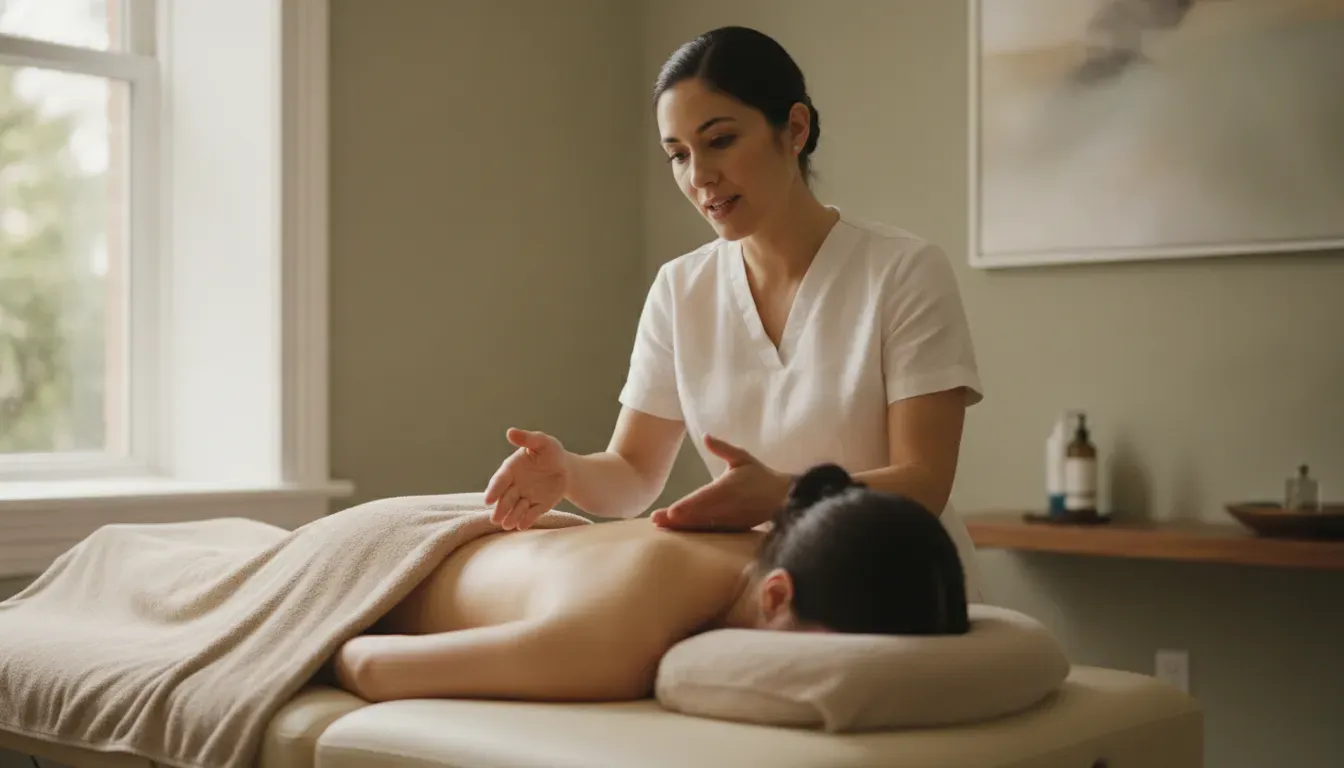

The world of massage has a language of its own. Terms like “Ashiatsu,” “trigger point,” and “myofascial release” can sound intimidating when all you want is relief from your back pain. Don’t let confusing jargon stop you from feeling better. I’m here to translate. This guide breaks down the most effective massage types in simple, straightforward terms. You’ll learn what each one is, how it feels, and which approach is right for your body. My goal is to give you the clarity you need to book massage back relief with total confidence.
Key Takeaways
- Choose the right tool for the job: Your type of back pain determines the best massage. A deep tissue massage targets chronic, stubborn knots, while a Swedish massage is perfect for soothing general stress and tension. For deep relief without pointed pressure, consider Ashiatsu.
- Do your homework on the therapist: The right therapist makes all the difference. Look for a licensed professional with experience in the specific techniques you need, and read client reviews to get a real sense of their skill and professionalism.
- Speak up to get the best results: Your massage is a partnership, so your input is essential. Always share your health history, point out specific pain areas, and give feedback on pressure during the session to ensure the treatment is perfectly tailored to you.
Finding the Right Massage for Your Back Pain
Figuring out which massage is right for your back pain can feel a little overwhelming, especially when you just want relief. The truth is, the “best” massage really depends on what’s causing your discomfort. Is it a dull, constant ache you’ve had for months? Or is it tension from a stressful week at work? Maybe it’s a sharp pain in one specific spot. Each type of back pain responds differently to various massage techniques.
Let’s walk through some of the most effective options so you can feel confident choosing the right treatment for you. Understanding the differences will help you and your therapist create a session that targets your pain precisely where it hurts.
The Science Behind How Massage Heals Back Pain
Massage as a Form of Mechanotherapy
Massage isn’t just a way to relax; it’s a scientifically recognized form of therapy. Researchers refer to it as “mechanotherapy,” which simply means using physical force—like the pressure from a therapist’s hands, forearms, or even feet—to create positive biological changes in your muscles. When you’re dealing with back pain, this is incredibly important. The targeted pressure helps to break up adhesions, release chronic tension, and improve flexibility in the muscle tissue. It’s not just a temporary fix that feels good in the moment. This process sends signals to your cells to reduce inflammation and start repairing themselves, which is the foundation of true healing for your back.
How Massage Speeds Up Muscle Recovery
If you’ve ever felt sore for days after a tough workout or a long day of physical labor, you know what muscle damage feels like. Chronic back pain can feel similar, like your muscles are constantly strained and struggling to recover. This is where massage can make a huge difference. Studies show that massage significantly speeds up muscle recovery by reducing inflammation and helping damaged muscles regain their strength. A skilled therapist can use techniques like those in a deep tissue massage to flush out metabolic waste and increase blood flow, delivering the oxygen and nutrients your tired back muscles are crying out for, helping you feel better, faster.
The “Crossover Effect” for Treating Injuries
Here’s a fascinating aspect of massage that highlights how interconnected our bodies are: the “crossover effect.” Research has found that massaging one limb can actually create positive effects in the opposite, untouched limb. This is great news if you have a back injury that is too acute or sensitive for direct pressure. Your therapist can work on a related area, or even the opposite side of your back, and your nervous system will still transmit some of those healing benefits to the injured spot. It’s a testament to how a knowledgeable therapist can work with your body’s own systems to promote healing, even when the primary area of pain is off-limits.
Try Deep Tissue for Stubborn, Chronic Pain
If you’re dealing with chronic aches and stubborn knots that just won’t go away, a deep tissue massage is likely what you need. This technique isn’t about causing pain; it’s about relieving it. Your therapist uses slow, deliberate strokes and firm pressure to reach the deeper layers of your muscles and connective tissues. This process helps break down scar tissue and muscle adhesions (the “knots”) that can disrupt circulation and cause pain. It’s an incredibly effective way to address long-term tension, especially in the lower back, and restore movement.
Choose Swedish for All-Over Relaxation
Sometimes, back pain is less about deep, chronic knots and more about overall tension and stress. If that sounds like you, a Swedish massage could be the perfect fit. This style uses long, flowing strokes, kneading, and gentle circular movements to relax your entire body. The primary goals are to ease muscle tension and improve circulation. While it’s gentler than a deep tissue massage, don’t underestimate its power. By promoting relaxation and increasing blood flow, a Swedish massage can effectively soothe a tired, aching back and help you de-stress.
Craving Deep Pressure? Try Ashiatsu
For those who love deep pressure but find the pointed sensation of elbows and thumbs too intense, I have to tell you about Ashiatsu. This is a game-changer. During an Ashiatsu Deepfeet Bar Therapy session, the therapist uses their feet to deliver deep, broad, and consistent pressure. With the help of overhead bars for balance, they can apply a level of pressure that’s both incredibly deep and wonderfully soothing. This technique is fantastic for lengthening the spine, releasing tight muscles along the back, and providing profound relief without the sharp discomfort some people feel with traditional deep tissue work.
Target Specific Knots with Trigger Point Therapy
Have you ever had a tight spot in your shoulder that sends a jolt of pain down your arm? That’s likely a trigger point. Trigger point therapy is a highly focused technique designed to locate and release these specific, tight knots within your muscle fibers. These points can cause pain both at the site of the knot and in other areas of the body, which is known as referred pain. A therapist will apply direct pressure to these points to release the tension. This approach is often integrated into other massage services to address the root cause of localized, nagging back pain.
How to Find the Right Therapist for Your Back Massage
Finding the right massage therapist is just as important as choosing the right type of massage. The connection you have with your therapist and their specific skill set can make all the difference in your experience and results. A great therapist does more than just go through the motions; they listen to your concerns, assess your needs, and adapt their techniques to provide the most effective relief. When you find a great match, you’re not just getting a massage; you’re getting a personalized treatment plan from a professional who understands your body’s needs. Think of it as building a partnership for your well-being. A therapist you trust can help you manage chronic pain, recover from an injury, or simply keep stress at bay. So, how do you find this perfect match? It comes down to a few key factors: their qualifications, what other clients have to say, and whether their approach fits what you’re looking for. Taking a little time to research your options will pay off in the long run, leading to better results and a more relaxing experience. Here’s what to look for to ensure you’re in the best hands.
Look for Credentials and Specialties
First things first, always make sure your therapist is a licensed professional. This ensures they have the proper training and adhere to professional standards. Beyond that, look into their specialties. If you have intense, deep-seated pain, you’ll want a therapist experienced in deep tissue massage. Expecting a baby? A certified prenatal massage therapist is a must. A great therapist is not only knowledgeable but also a fantastic communicator who listens to your needs. Don’t hesitate to check out a studio’s website to learn about their team’s background and areas of expertise.
Read Reviews from Past Clients
Client reviews are your best friend when vetting a massage therapist. They offer honest, real-world insight into what you can expect. As you read, look for comments about the therapist’s professionalism, their ability to relieve tension, and whether they use the right amount of pressure. Do clients mention feeling heard and respected? Consistent positive feedback is a strong indicator of a skilled and experienced therapist. A long track record of happy clients shows that a therapist has dedicated their career to their craft and knows how to deliver effective, healing treatments.
Consider Location and Convenience
This might seem obvious, but convenience is key, especially if you plan on making massage a regular part of your wellness routine. If getting to your appointment is stressful, it defeats the purpose. For New Orleans locals, finding a studio near your home or office makes it easier to fit appointments into your schedule. If you’re visiting, look for a place that’s a short walk or ride from your hotel or the convention center. A centrally located studio in an area like the Warehouse District can be a perfect urban oasis for both residents and tourists.
Ask How They Treat Back Pain Specifically
Every therapist has a unique approach, so it’s important to find one whose style aligns with your needs. Before you book, ask about the techniques they use for back pain. Do they focus on trigger point therapy for specific knots, or do they prefer a broader approach like Ashiatsu for deep, consistent pressure? A great therapist will be happy to explain their methods. For example, they might describe how they use deep tissue techniques to target the deeper layers of muscle and connective tissue to relieve chronic pain. This conversation helps set expectations and ensures you’re comfortable with their treatment plan.
Your First Back Massage: What to Expect
If you’ve never had a professional massage for back pain, the idea might feel a little intimidating. But knowing what’s in store can help you relax and get the most from your appointment. A therapeutic massage is a collaborative process between you and your therapist, designed entirely around your comfort and your body’s needs. From the moment you walk in, the focus is on creating a personalized experience that addresses your specific sources of pain and tension. Here’s a simple breakdown of what your session will look like, from the initial chat to how you’ll feel when you walk out the door.
What You’ll Discuss First
Your massage session begins with a conversation. Before you even get on the table, your therapist will take a few minutes to chat with you about what brought you in. This is your time to point out exactly where it hurts, describe the type of back pain you’re feeling, and share your goals for the session. Are you looking for deep relief from a chronic knot, or are you hoping for overall relaxation to ease tension? Your therapist will want to know about your problem areas and any relevant health history to ensure the treatment is both safe and effective. This initial consultation is crucial because it helps our team of experienced therapists design a session just for you.
How to Ask for the Perfect Pressure
During the massage, communication is key. Your massage therapist is skilled at reading muscle tension, but they aren’t a mind reader. It’s important to provide feedback throughout the session to make sure the pressure is just right for you. What feels therapeutic to one person might feel too intense for another. If the pressure is ever too much or not quite enough, please speak up. A simple “a little lighter, please” or “you can go deeper there” helps your therapist adjust their technique. Whether you’re receiving a broad, compressive Ashiatsu massage or a more targeted treatment, your feedback ensures the session is productive and comfortable from start to finish.
Settling In for Your Custom Session
Once the massage begins, you’ll notice your therapist applying the information you shared during the consultation. Instead of following a generic routine, they will focus on the specific muscle groups causing your back pain. For example, if you mentioned tightness in your lower back and shoulders, they will dedicate more time and use specific techniques to release tension in those areas. This customized approach is what makes a therapeutic massage so effective for pain relief. Every part of your session, from the techniques used to the areas of focus, is tailored to your body’s unique needs, ensuring you receive the most beneficial massage service possible.
What to Expect After Your Session
After your massage, you can expect to feel a significant sense of relaxation and relief. Many people notice increased flexibility and a reduction in pain right away. It’s also completely normal to feel a little sore for a day or two, especially after a deep tissue massage. This happens because your muscles have been thoroughly worked to release deep-seated tension. Think of it like the feeling after a good workout. Drinking plenty of water after your session will help flush out metabolic waste and rehydrate your muscles. Most importantly, you should leave feeling cared for, listened to, and on the path to feeling better.
Safety First: Is a Massage Right for You?
Massage is a wonderfully safe and effective way to manage back pain for most people. But just like any form of therapeutic care, it’s smart to go in with your eyes open. Your safety and comfort are the top priorities, and a great massage experience starts with clear communication. A professional massage therapist is trained to adapt their techniques to your specific needs, but they need the right information from you to do that. Thinking about your health history beforehand and knowing when to chat with your doctor will help you and your therapist create the perfect session for your body, ensuring you walk out feeling better, not worse.
Certain Conditions Require a Lighter Touch
While a firm, deep tissue massage can feel incredible for chronic pain, it isn’t the right fit for everyone. Certain health conditions call for a lighter touch or a different approach altogether. If you have a history of blood clots, severe osteoporosis, varicose veins, or have had recent surgery, your therapist needs to know. They can adjust the pressure or avoid certain areas to keep you safe. For instance, instead of an intense deep tissue session, a relaxing Swedish massage might be a much better option to soothe tension without putting undue stress on your body. It’s all about finding the right therapy for your current health status.
When to Get Your Doctor’s OK
For some health situations, getting a quick “okay” from your doctor is the best first step. If you are pregnant, undergoing cancer treatment, have a heart condition, or are being treated for a serious injury, it’s wise to consult your physician before booking a massage. They can give you specific recommendations or precautions to share with your therapist. This is especially true for specialized services like prenatal massage, which requires specific training and positioning to ensure the safety of both mom and baby. Think of it as teamwork: your doctor provides the medical guidance, and your massage therapist uses that information to provide safe, effective relief.
Be Open About Your Health History
This is the golden rule of getting a great massage. Be completely open on your intake form and during the initial chat with your therapist. Mention everything, from old injuries and allergies to medications you’re taking. This information isn’t just paperwork; it’s the roadmap your therapist uses to design a session just for you. Our team of licensed massage therapists is made up of dedicated professionals who use your health history to avoid contraindications, focus on the areas that truly need help, and apply the techniques that will benefit you most. Your information is always confidential and is the key to a safe, personalized, and truly therapeutic experience.
Budgeting for Your Back Massage
Investing in massage for back pain is an investment in your well-being, and it’s helpful to know what to expect financially. The cost can vary quite a bit, but understanding the factors at play will help you find the right fit for your needs and budget. A quality massage is more than just a luxury; it’s a therapeutic service performed by a licensed professional, and the price reflects that expertise.
What Determines the Price?
The price of a massage session depends on a few key things. Your location is a big one, as rates in a major city like New Orleans will differ from those in a smaller town. The type of massage also matters; a specialized service like Ashiatsu Deepfeet Bar Therapy often costs more than a classic Swedish massage due to the advanced training required. Session length is another factor, with 90-minute sessions costing more than 60-minute ones. Finally, the venue plays a role. An independent studio focused on therapeutic results will have different pricing than a large spa chain or a luxury hotel.
Session Length
As you might expect, the length of your session is a primary factor in the cost. While a 60-minute massage is fantastic for targeting a specific area or for general relaxation, a 90-minute session can be a much better investment for chronic back pain. The extra time allows your therapist to thoroughly warm up the muscle tissue before moving into deeper, more focused work on your problem areas. This longer duration ensures they don’t have to rush and can address your back, neck, and shoulders comprehensively. When you’re deciding, think about your goals. If you need focused, lasting relief, the extended time in a 90-minute massage service is often worth it.
Location and Setting
Where you get your massage plays a significant role in the price. As a general rule, you can expect to pay more in major cities and tourist destinations. But beyond geography, the type of establishment matters. A luxury hotel spa often has the highest prices, factoring in lavish amenities and high overhead. On the other end, a large massage chain might offer lower prices but a more standardized, less personal experience. An independent studio like Nola Bliss is often the sweet spot, offering a price that reflects the high level of training and professional dedication of its therapists, who are focused on delivering therapeutic results rather than just superficial relaxation.
Type of Massage
Different massage styles often come with different price tags. A classic Swedish or deep tissue massage typically sets the baseline price. More specialized modalities often cost more because they require the therapist to have advanced training and certification. For example, a service like Ashiatsu Deepfeet Bar Therapy involves a unique skill set and equipment, so its price reflects that specialized expertise. The same goes for prenatal massage, which requires specific knowledge to ensure the client’s safety and comfort. Think of it as paying for a higher level of skill to address your specific needs. Enhancements like Hot Himalayan Salt Stones can also be added for an additional fee to customize your session.
How to Save with Packages or Memberships
If you plan on making massage a regular part of your back pain management, look into packages or memberships. Many studios offer a discount when you buy a series of massages upfront. This is a great way to lower the per-session cost and commit to consistent care, which is often the key to long-term relief. Regular sessions allow your therapist to get to know your body and track your progress over time. It’s a smart approach for anyone who sees massage as an essential part of their wellness routine rather than a one-time treat.
Will Insurance Cover It?
Sometimes, yes. While massage isn’t always covered by insurance, some plans will reimburse you if the treatment is medically necessary. The first step is to talk to your doctor or chiropractor about your back pain. If they determine massage therapy is a valid treatment for your condition, they can write you a prescription. You’ll need to check the specifics of your health insurance plan to see what’s covered. Even if your plan doesn’t cover it, a prescription for massage can sometimes make the expense tax-deductible.
Keep an Eye Out for New Client Deals
Many massage studios offer promotions, especially for first-time clients. It’s a wonderful way to try out a new place and see if the therapist and environment are a good match for you before committing to a full-priced session or package. Check the studio’s website or give them a call to ask about any introductory offers. This can be a budget-friendly way to experience different massage services and find the perfect one to address your specific back pain needs. Don’t be shy about asking; most studios are happy to welcome new clients.
A Note on Tipping Your Therapist
After a great massage, it’s natural to want to show your appreciation, but figuring out the right way to do it can sometimes feel awkward. When it comes to tipping your massage therapist, a good rule of thumb is to follow the same etiquette you would at a restaurant. A tip of 15% to 20% of the service cost is the standard way to acknowledge the skill, effort, and personalized care your therapist provided. Of course, this is always at your discretion and should reflect your satisfaction with the service. Your therapist is a trained professional dedicated to your well-being, and a tip is a wonderful way to express your gratitude for their hard work. If you had an exceptional experience, a positive online review is another fantastic way to show your support.
Ready to Book Your Back Massage? Here’s How
Once you’ve decided that a massage is the right next step for your back pain, the booking process is simple. A great massage experience starts with clear communication and a little preparation. Knowing what to share with your therapist and how to get ready for your appointment will help you get the most out of every minute on the table. Whether you’re planning a relaxing couples massage weeks in advance or need immediate relief from a nagging knot, here’s how to make your booking experience smooth and successful.
Key Info to Share When Booking
When you call or book online, be ready to share a little about what’s going on with your body. You don’t need a medical diagnosis, but telling the scheduler where you’re feeling pain or tension is key. Mention your goals for the session. Are you looking for deep relaxation to de-stress, or do you need focused work on a specific area of chronic pain? It’s also the time to mention any health conditions, injuries, or if you are pregnant. This information helps us match you with the right therapist and recommend the best type of massage, whether it’s a gentle Swedish session or our signature Ashiatsu Deepfeet Bar Therapy.
How to Get Ready for Your Appointment
Your main job is to relax, but a few simple steps beforehand can make your session even better. On the day of your massage, try to stay hydrated by drinking plenty of water and have a light meal an hour or two before you arrive. Rushing straight from a stressful meeting or a heavy workout can make it harder to unwind, so give yourself a little buffer time if you can. Arrive wearing comfortable clothes that are easy to change out of. Most importantly, come with an open mind. Your therapist will guide you through the process, so all you need to do is breathe and be ready to let go of tension.
A Note on Pre-Massage Hygiene
Let’s quickly touch on something that makes a big difference for both you and your therapist: hygiene. Taking a quick shower before you arrive is a simple act of courtesy that helps create a comfortable, professional setting. It’s not about being pristine, but feeling fresh allows you to relax more deeply on the table. For your therapist, it removes any potential distractions, allowing them to focus completely on their work of releasing your muscle tension. Think of it as another part of preparing for your session, just like filling out your health history form. It’s a small step that shows respect for the process and helps ensure you get the most effective and enjoyable massage possible.
Need Relief Now? How to Get a Last-Minute Spot
While we always recommend booking in advance to secure your ideal time, we understand that pain doesn’t always follow a schedule. At Nola Bliss, we are by appointment only, but same-day appointments are often available. The best way to find a last-minute opening is to call us directly. Being flexible with your time or the specific therapist you see can also increase your chances of getting in. Whether you’re a local who woke up with a stiff neck or a visitor looking to unwind after a long flight, don’t hesitate to reach out to our team. We’ll do our best to fit you in for the relief you need.
Related Articles
Frequently Asked Questions
I’ve never had a professional massage before. Which one is best for a beginner with back pain? If you’re new to massage, a Swedish massage is a wonderful starting point. It uses gentle, flowing strokes to promote relaxation and ease general muscle tension, which can be a great way to introduce your body to therapeutic touch. That said, the most important thing is to talk with your therapist during your initial consultation. You can describe your pain, and they can create a customized session that might blend the relaxing elements of Swedish with more focused work on your back, ensuring you feel comfortable the entire time.
Should a therapeutic massage for back pain be painful? You should not feel sharp or unbearable pain during your massage. There can be moments of discomfort, especially during a deep tissue or trigger point session, as the therapist works on stubborn knots. Many people describe this as a “good hurt,” a sensation that feels productive and releases tension. However, you are always in control. Clear communication with your therapist is essential, so please speak up immediately if the pressure ever feels too intense or painful.
How often do I need to get a massage to see results for my chronic back pain? The ideal frequency really depends on your specific condition and goals. For chronic pain, you might see the best results by starting with more frequent sessions, perhaps once a week or every two weeks, to begin releasing long-held tension. As you start to feel better, you can transition to a maintenance schedule, like once a month. Your therapist can recommend a treatment plan based on how your body responds after the first session.
What’s the real difference between Ashiatsu and a regular deep tissue massage? Think of it in terms of the pressure’s application. In a traditional deep tissue massage, the therapist uses their hands, thumbs, and elbows to apply very specific, targeted pressure. For some, this can feel a bit sharp or poky. With Ashiatsu, the therapist uses their feet, which allows for a much broader, deeper, and more consistent pressure that glides across the muscles. It’s a way to get incredible depth and release without the pointed intensity, which many people find more relaxing.
Can I request a focus on other areas, like my neck and shoulders, during a back pain massage? Absolutely. Back pain is often connected to tension in other parts of your body, like the neck, shoulders, and even your hips. Your session is completely customized to you. Be sure to mention all your problem areas during the initial consultation. A skilled therapist will understand how these muscle groups are related and can dedicate time to all the areas that need attention to provide you with the most comprehensive relief.
Making Your Relief Last
That incredible feeling of relief you have walking out of the studio doesn’t have to be fleeting. The goal of a therapeutic massage isn’t just to feel good for an hour; it’s to create lasting change in your body. By taking a few simple steps after your appointment, you can extend the benefits of your session and help your body continue to heal. Think of your massage as the starting point. What you do in the hours and days that follow can make a huge difference in how long that pain-free, relaxed feeling sticks around. Here’s how to make your relief last.
Professional Massage vs. At-Home Remedies
While at-home remedies like heat packs and foam rollers can provide temporary comfort, they often act as a band-aid for a deeper issue. A professional massage is different. It’s a targeted treatment where a trained therapist uses their extensive knowledge of anatomy to address the root cause of your discomfort. They can identify and release specific muscle adhesions and trigger points that you simply can’t reach on your own. While a hot bath feels nice, a professional massage gets to the source of the pain, helping to prevent it from returning and creating long-term improvement in your muscle health.
How Often Should You Get a Massage for Back Pain?
There isn’t a magic number for how often you should get a massage, as it really depends on your personal goals and the nature of your back pain. If you’re dealing with an acute injury or chronic pain, you might benefit from weekly sessions at first to get ahead of the tension. For general wellness and maintenance, a monthly massage is a fantastic goal. The best approach is to have a conversation with your therapist. They can assess how your body responds to the treatment and help you create a schedule that supports your recovery and fits your lifestyle, ensuring you get consistent, effective care.
Lifestyle Tips to Support Your Recovery
To get the most out of your massage, think of it as a team effort between you and your therapist. After your session, be sure to drink plenty of water to help flush out any metabolic waste released from your muscles. You can also support your recovery by making small adjustments to your daily routine. Pay attention to your posture when sitting or standing, and try to incorporate some light stretching or gentle movement like walking into your day. These simple habits help maintain the muscle length and flexibility gained during your massage, preventing tension from building back up and keeping you feeling good for longer.