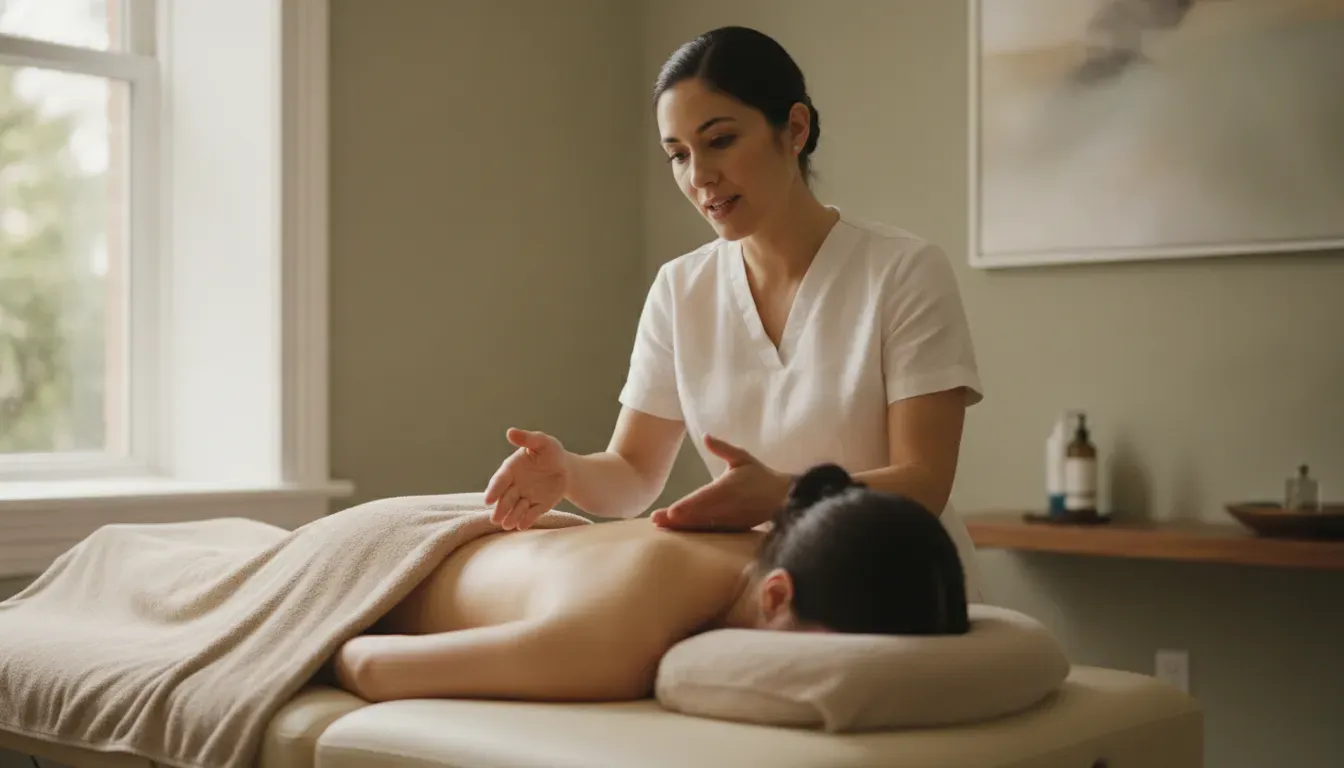
Think of your body as a team. Your skeleton provides the structure, while your muscles are the support system holding everything in place. Chiropractic care focuses on aligning the skeleton, but if the muscular support system is tight and full of knots, it will constantly pull that structure out of place. A skilled massage therapist addresses the muscles, making them a better teammate. This powerful combination is the foundation of chiropractor massage therapy. It’s a holistic approach that treats both parts of the system for more complete and lasting results. Here, we’ll explore the benefits of this synergistic partnership.
Key Takeaways
- Address the Whole Problem: Chiropractic adjustments align your skeleton, but therapeutic massage releases the tight muscles that pull it out of place. Using both together helps you achieve more complete and longer-lasting relief.
- Choose the Right Path for Your Pain: If you have a structural issue, pairing massage with chiropractic care can be very effective. For pain caused mainly by muscle tension, stress, or overuse, a specialized massage therapist can often provide all the relief you need.
- Prioritize Skill and Specialization: The effectiveness of your massage comes down to the therapist’s expertise. Seek out licensed professionals with advanced training in therapeutic techniques, not just general relaxation, to get real, functional results for your pain and mobility goals.
What is Chiropractic Massage?
You may have heard the term “chiropractic massage” and wondered if it’s just another name for a deep tissue session. While it involves similar techniques, chiropractic massage is a specific approach to bodywork that focuses on the muscles and soft tissues supporting the spine. Think of it as a therapeutic massage with a clear goal: to prepare your body for, and maintain the results of, chiropractic adjustments. It’s designed to address the muscular side of structural issues, helping to release tension that could be pulling your joints and spine out of alignment.
While a chiropractor focuses on the hard tissues (your vertebrae and joints), a massage therapist trained in this approach works on the soft tissues (your muscles, ligaments, and tendons). At Nola Bliss, our licensed therapists are experts in the kind of therapeutic bodywork that perfectly complements chiropractic care. We specialize in understanding how muscular tension affects your entire body, and our massage services are designed to provide targeted relief that supports your overall structural health and wellness goals.
How It’s Different from Traditional Massage
The main difference between a chiropractic massage and a traditional massage comes down to focus and intent. A traditional relaxation massage, like a Swedish massage, aims to reduce overall stress and soothe tired muscles across your entire body. It’s a wonderful way to unwind and reset.
A chiropractic massage, on the other hand, is more targeted. The therapist concentrates on specific problem areas that influence your spinal health. For example, if you have lower back pain, the session will focus on releasing the tight muscles in your glutes, hips, and back that are contributing to the issue. It’s less about general relaxation and more about functional outcomes, working in tandem with a chiropractor’s adjustments to create lasting change. Our Deep Tissue massage is an excellent example of this focused work.
The Role of Soft Tissue Work in Chiropractic Care
Soft tissue work is a critical partner to chiropractic care. Imagine your muscles are like tight rubber bands pulling on your skeleton. A chiropractor can adjust the skeleton, but if those rubber bands remain tense, they’ll eventually pull everything back out of place. Massage therapy works to loosen those rubber bands.
By releasing muscle tension, massage makes chiropractic adjustments more effective and helps the results last longer. It prepares your body for an adjustment by making the muscles more pliable, allowing for a smoother and more comfortable experience. Afterward, massage can help reduce any soreness and prevent the muscles from immediately tensing up again. Techniques like our signature Ashiatsu Deepfeet Bar Therapy are especially effective at providing the deep, consistent pressure needed to release chronic tension.
Why Combine Chiropractic Care and Massage?
Think of your body as a house. Your skeleton is the frame, and your muscles are the drywall, wiring, and support systems holding everything in place. Chiropractic care focuses on making sure the frame is properly aligned. Massage therapy ensures the internal systems are functioning smoothly and not putting undue stress on that frame. When you combine the two, you’re not just patching up a problem; you’re addressing the entire structure for a more stable, comfortable home. This powerful combination works in harmony to provide more complete and lasting relief than either practice can offer on its own.
Many people find that getting a massage before a chiropractic adjustment makes the entire process more effective. The muscles are relaxed and pliable, allowing the chiropractor to perform adjustments more easily and with less discomfort for you. Following up with massage can also soothe any soreness and help your body adapt to its new, healthier alignment. By treating both the muscles and the skeleton, you get a holistic treatment that supports your body’s natural healing process. Our massage services are designed to complement your wellness journey, whether you’re seeing a chiropractor or simply seeking relief.
Relieve Pain in Your Back, Neck, and More
Chronic pain often involves a frustrating cycle: tight muscles pull your joints out of alignment, and misaligned joints cause your muscles to tense up in protest. A chiropractic adjustment can realign your spine, but if the surrounding muscles are still tight, they can quickly pull everything back out of place. This is where massage makes a huge difference. It directly addresses the muscular tension that contributes to pain in your back, neck, shoulders, and hips.
A therapeutic massage, like a deep tissue massage, targets the specific muscle groups that are causing trouble. By releasing knots and loosening tight fascia, the massage prepares your body for a chiropractic adjustment, making it more effective and its results more durable.
Improve Your Mobility and Flexibility
Feeling stiff and restricted in your movements? It’s likely a combination of tight muscles and joint issues. While a chiropractor can adjust a joint to improve its function, the surrounding soft tissues need attention too. If your muscles are short and tight, your range of motion will remain limited, even after a perfect adjustment. Massage therapy works on the muscles and connective tissues, lengthening them and restoring their natural suppleness.
When your muscles are relaxed and flexible, your joints can move more freely. Combining massage with chiropractic care helps your body heal by releasing muscle tension and correcting joint problems at the same time. This integrated approach helps you regain mobility and flexibility far more effectively than addressing just one piece of the puzzle.
Speed Up Recovery and Healing
If you’re recovering from an injury or dealing with chronic pain, you want to feel better as quickly as possible. Pairing massage with chiropractic care can help accelerate your body’s healing process. Getting a massage before your adjustment warms up the muscles, making them more receptive to the chiropractor’s work. This can lead to a smoother, more comfortable adjustment.
Afterward, a massage can help reduce any inflammation or soreness and increase blood flow to the treated area. This improved circulation delivers vital oxygen and nutrients that are essential for tissue repair. The broad, consistent pressure of an Ashiatsu massage, for example, is excellent for flushing the system and encouraging recovery, helping your body hold its new alignment and heal faster.
Reduce Stress for Full-Body Wellness
Pain is stressful, and stress creates more pain by causing your muscles to tighten. This cycle can take a toll on both your physical and mental health. While a chiropractic adjustment is a powerful tool for correcting structural issues, the process itself isn’t always inherently relaxing. Massage therapy, on the other hand, is renowned for its ability to calm the nervous system and melt away stress.
By incorporating massage into your treatment plan, you address both the physical source of your pain and the emotional stress that comes with it. This helps your body relax on a deeper level, making you more receptive to healing. Adding Hot Himalayan Salt Stones to your session can further enhance this effect, providing a profound sense of calm and well-being.
Achieve Longer-Lasting Results
Are you tired of feeling great right after an adjustment, only to have the pain and stiffness creep back in a few days later? This often happens because the underlying muscle tension was never fully addressed. Your tight muscles continue their old patterns, eventually pulling your spine and joints back into misalignment. This is why combining massage and chiropractic care is key for achieving lasting change.
By relaxing the muscles first, massage allows the chiropractic adjustment to settle in more effectively. Your body isn’t fighting itself, so the alignment holds for longer. This synergistic approach helps retrain your muscles and joints to stay in a healthier position, leading to more durable results, fewer recurring issues, and a more sustainable path to feeling your best.
What Can Chiropractic Massage Help With?
Chiropractic massage isn’t just a general wellness treatment; it’s a targeted approach that can address a wide range of specific physical complaints. By focusing on the soft tissues that support your skeletal structure, this type of therapeutic massage can provide significant relief from both acute injuries and chronic conditions. It works by releasing muscle tension, improving circulation, and restoring flexibility, which helps your body heal and function correctly. Whether you’re dealing with persistent pain from an old injury, the daily strain of a desk job, or the unique discomforts of pregnancy, a skilled massage therapist can develop a plan to help you feel better. Let’s look at some of the most common conditions that benefit from this powerful combination of care.
Sciatica and Lower Back Pain
If you’ve ever felt the sharp, radiating pain of sciatica or the dull, constant ache of lower back pain, you know how much it can disrupt your life. These issues often stem from tight muscles in your lower back and hips that compress nerves, like the sciatic nerve. A therapeutic massage helps by directly targeting and relaxing these tense muscles. This release of tension can provide immediate relief and also makes any chiropractic adjustments more effective by preparing the body. A skilled therapist can use techniques like Ashiatsu Deepfeet Bar Therapy to apply deep, consistent pressure that eases muscle spasms and helps your body maintain proper alignment long after your session is over.
Sports Injuries and Joint Pain
Athletes and active individuals often deal with injuries like sprains, strains, and persistent joint pain. Chiropractic massage is a fantastic tool for recovery, helping to treat common problems from plantar fasciitis to carpal tunnel. By focusing on the affected area, massage increases blood flow, which delivers oxygen and nutrients essential for healing while flushing out metabolic waste. This process can reduce inflammation, break down scar tissue, and restore your range of motion more quickly. Regular therapeutic massage can also play a key role in injury prevention by keeping your muscles flexible and responsive, so you can stay active and perform at your best.
Chronic Pain and Tension Headaches
Chronic pain and recurring tension headaches are often caused by knots and tightness in the muscles of your neck, shoulders, and upper back. Hours spent hunched over a desk or phone can create trigger points, which are small, contracted areas of muscle that refer pain to other parts of the body, including your head. A targeted deep tissue or Swedish massage works to release these specific trigger points. By manually applying pressure and stretching the affected fibers, your therapist can relieve the underlying muscle tension, which in turn can significantly reduce the frequency and intensity of your headaches and neck pain.
Pregnancy-Related Discomfort
Pregnancy is a beautiful journey, but it comes with its own set of physical challenges, including lower back pain, swollen ankles, and hip discomfort. As your body changes to accommodate your growing baby, your posture shifts, putting extra strain on your muscles and joints. A specialized prenatal massage is a safe and wonderful way to find relief. Therapists trained in prenatal techniques use supportive pillows and gentle, effective strokes to ease aches and reduce stress. It’s a nurturing experience that supports both your physical and emotional well-being during this transformative time, helping you feel more comfortable in your changing body.
Should You Combine Massage and Chiropractic Care?
It’s a question we hear a lot: should you see a massage therapist and a chiropractor at the same time? The short answer is that these two therapies can work together beautifully. Think of it this way: your muscles and your skeleton are a team. Chiropractic care focuses on the alignment of your spine and joints, while massage therapy addresses the muscles, tendons, and other soft tissues that support that structure.
When your muscles are tight and full of knots, they can pull your spine and joints out of alignment. A good massage can help relax those muscles, which can make a chiropractic adjustment more effective and help the results last longer. Some chiropractors even offer massage in their offices for this reason. However, the type of massage offered there is often specifically focused on a small problem area to prepare for an adjustment. This is different from the comprehensive, full-body therapeutic experience you’d get from a dedicated massage therapist. Understanding your own goals will help you decide which path, or combination of paths, is right for you.
Who Benefits Most from This Approach?
A combined approach is often ideal for individuals working through specific structural issues. If you’re recovering from an injury, dealing with chronic back pain, or have a condition like sciatica that involves both the nerves and surrounding muscles, coordinating massage with chiropractic care can be incredibly effective. The chiropractor works on the skeletal alignment, while the massage therapist releases the muscle tension that may be causing or worsening the problem. This synergy can lead to faster, more complete healing. People who find that their chiropractic adjustments don’t hold for very long often discover that adding regular therapeutic massage to their routine is the missing piece of the puzzle.
When to See a Specialized Massage Therapist Instead
While a combined approach is powerful, there are many times when seeing a specialized massage therapist is the best, and perhaps only, step you need to take. If your pain is primarily muscular, caused by stress, overuse, or poor posture, a highly trained massage therapist can provide immense relief. Studios like ours are dedicated to the art and science of massage. Our therapists have devoted their careers to mastering techniques that go far beyond a quick pre-adjustment rubdown. If you’re looking for a holistic treatment to address complex muscle pain, reduce stress, or experience advanced modalities like Ashiatsu Deepfeet Bar Therapy, a specialized studio is your best bet. We focus on long-term muscular health and overall wellness.
Common Myths About Chiropractic Massage
When you hear “chiropractic massage,” a few common misconceptions might come to mind. It’s easy to get confused with so much conflicting information out there. Is it just a fancy spa treatment? Is it only for your back? Let’s clear the air and look at what therapeutic massage, especially when paired with chiropractic care, is really about. By separating fact from fiction, you can make a more informed decision about your health and find the relief you’ve been looking for. Understanding the purpose and science behind this approach is the first step toward feeling your best.
Myth: “It’s just for relaxation.”
While a great massage will certainly leave you feeling relaxed, that’s often a happy side effect rather than the main goal. Therapeutic massage, especially in a clinical context, is a science-based treatment designed to address specific muscular issues. A skilled therapist works to identify the source of your pain or stiffness, using targeted techniques to release tension, break down knots, and restore proper muscle function. This approach provides more than just temporary relief; it creates lasting change in your body. Think of it less as a luxury and more as a vital part of your wellness toolkit for long-term health.
Myth: “It’s only about the spine.”
This is a common point of confusion. While chiropractic adjustments focus on the alignment of your spine and joints, massage therapy targets the body’s soft tissues: your muscles, ligaments, and tendons. The two work together as a team. Your muscles are responsible for holding your skeletal structure in place, so if they are chronically tight, they can pull your spine right back out of alignment. A therapeutic massage helps to relax and release these muscles, making chiropractic adjustments more effective and helping the results last longer. It’s a comprehensive approach that addresses both the structure and the tissues that support it.
Myth: “All massage therapists are the same.”
This couldn’t be further from the truth. The training, experience, and focus of a massage therapist can vary widely. A therapist at a day spa might be excellent at providing a relaxing Swedish massage, but a therapist at a specialized studio is trained to view the body through a therapeutic lens. These professionals often have advanced certifications in techniques like deep tissue massage or Ashiatsu and a deep understanding of anatomy and kinesiology. They are skilled at assessment and creating a treatment plan tailored to your specific goals, whether it’s pain relief or improved mobility. The dedicated team at a therapeutic studio is focused on healing, not just pampering.
Myth: “It isn’t backed by science.”
Therapeutic massage is grounded in well-established principles of anatomy and physiology. Techniques like trigger point therapy and myofascial release are designed to manually release adhesions in the muscles and connective tissues. This process increases blood flow to the area, which delivers oxygen and nutrients that aid in healing while flushing out inflammatory byproducts. When your muscles are relaxed and pliable, your joints can move more freely, and your body is better prepared to receive and hold a chiropractic adjustment. Combining these treatments is a logical, evidence-based strategy for addressing musculoskeletal pain and dysfunction from all angles.
Your First Session: What to Expect
Walking into a new massage studio for the first time can feel a little mysterious, but it doesn’t have to be. Knowing what happens during your appointment helps you relax and get the most from your experience. From the moment you arrive, our focus is entirely on you and your well-being. We’ve designed every step of the process to be clear, comfortable, and centered around your therapeutic goals. Here’s a simple breakdown of what your first session with us will look like.
The Initial Consultation and Assessment
Your massage experience begins with a conversation. Before any hands-on work starts, your therapist will sit down with you for a brief but important consultation. This is your time to share what’s going on with your body. You can talk about any aches, pains, stress points, or injuries you’re dealing with. We want to understand your goals, whether you’re seeking deep relaxation, relief from chronic pain, or help with pregnancy discomfort. Our dedicated therapists are here to listen and use this information to create a treatment plan just for you. Don’t be shy; the more you share, the better we can tailor the session to your needs.
The Hands-On Treatment Process
Once you’re settled on the table, your therapist will begin the hands-on portion of your session. This isn’t a generic, one-size-fits-all routine. Instead, it’s a therapeutic treatment that directly addresses the concerns you discussed during your consultation. Your therapist will focus on the specific muscles and soft tissues that need attention, using their expertise to release tension and promote healing. Depending on your needs, they may incorporate techniques from a Deep Tissue or Swedish Massage or another modality. Throughout the session, feel free to communicate. If the pressure is too much or not enough, just say the word. This is your time, and your comfort is our top priority.
Session Length and Frequency
Our massage sessions are typically available in 60, 90, or 120-minute increments. The length you choose often depends on your goals. A 60-minute session is great for targeted work on one or two problem areas or for general relaxation. If you have multiple areas of concern or want a full-body treatment with focused attention, a 90 or 120-minute session is ideal. After your first massage, your therapist can recommend a frequency that aligns with your wellness plan. Some clients come weekly to manage chronic pain, while others visit monthly for maintenance. You can explore all of our massage services to find the perfect fit.
Post-Treatment Advice and Self-Care
The benefits of your massage don’t have to end when you walk out the door. After your session, your therapist will offer personalized self-care advice to help you extend the positive effects of your treatment. This might include simple suggestions like drinking plenty of water to help flush toxins, doing some gentle stretches to maintain flexibility, or using a heating pad on a sore muscle. This advice is designed to support your body’s healing process and prevent future issues from developing. It’s also a great time to ask any final questions and book your next appointment to continue your wellness journey, perhaps even adding an enhancement like Hot Himalayan Salt Stones.
Key Techniques in Chiropractic Massage
When you hear “chiropractic massage,” it’s easy to picture a single, specific style of treatment. In reality, it’s more of a goal-oriented approach. A therapeutic massage designed to support chiropractic goals doesn’t rely on just one method. Instead, a skilled therapist draws from a wide range of techniques to address your unique needs, whether that’s chronic back pain, a stiff neck, or limited mobility. The focus is always on facilitating healing and achieving lasting results.
This is where the expertise of a dedicated massage therapist truly shines. They assess your body’s condition and select the right tools for the job. One session might involve long, flowing strokes to warm up your muscles, while another might require deep, specific pressure to release a stubborn knot. This customized approach ensures that the work is both effective and efficient, targeting the root cause of your discomfort. It’s a collaborative process between you, your therapist, and your body, all working together to restore balance and function. At Nola Bliss, our team of therapists specializes in this kind of personalized, results-driven care.
Swedish and Deep Tissue Massage
Swedish and deep tissue are two of the most fundamental techniques in massage therapy, and they work beautifully together. A session often begins with Swedish massage, which uses gentle, gliding strokes to warm up your muscles, improve blood flow, and promote overall relaxation. Think of it as preparing the canvas. This initial step helps calm your nervous system and makes your muscles more receptive to deeper work.
Once your body is warmed up, the therapist can transition to deep tissue massage. This technique uses more intense, focused pressure to target the deeper layers of muscle and connective tissue. It’s incredibly effective for breaking down chronic knots and adhesions that cause pain and restrict movement. By combining these two methods, your therapist can provide comprehensive relief that addresses both surface tension and deep-seated issues.
Trigger Point Therapy
Have you ever had a persistent knot in your shoulder that sends a jolt of pain up your neck? That’s likely a trigger point. These are tight, sensitive spots in your muscle tissue that can cause pain not only at the site of the knot but also in other parts of your body, which is known as referred pain. Trigger point therapy is a specialized technique designed to locate and release these specific points.
During the massage, your therapist will use firm, direct pressure on the trigger point until the tension begins to melt away. It can feel intense for a moment, but the relief that follows is significant. Releasing these points can dramatically reduce pain, improve your range of motion, and help restore normal muscle function.
Myofascial Release
Your muscles don’t exist in isolation. They are wrapped in a thin, strong web of connective tissue called fascia. When you experience physical trauma, inflammation, or even emotional stress, this fascia can become tight and restricted, pulling on your muscles and causing pain and stiffness. Myofascial release is a technique that focuses on stretching and loosening this connective tissue.
Unlike other massage techniques, myofascial release involves applying gentle, sustained pressure to the restricted areas. This slow, steady approach allows the fascia to elongate and release its grip. The result is improved flexibility, better posture, and a greater sense of ease throughout your body. It’s a powerful way to address pain that feels widespread or doesn’t seem to respond to traditional muscle work alone.
Specialty Techniques like Ashiatsu and Hot Stones
To take therapeutic massage to the next level, therapists often incorporate specialty techniques. One of the most effective is Ashiatsu Deepfeet Bar Therapy, a unique modality where the therapist uses their feet to deliver deep, broad, and consistent pressure. This allows for an incredibly deep massage without the discomfort that can sometimes come from pointed elbows or thumbs, making it perfect for releasing tension in large muscle groups like the back and legs.
Another popular and beneficial addition is the use of Hot Himalayan Salt Stones. The heat from the stones helps to relax muscles, allowing the therapist to work more deeply and effectively. The warm stones soothe the nervous system and provide a comforting sensation, making the entire experience both therapeutic and deeply relaxing.
How to Choose the Right Massage Therapist
Finding the right massage therapist is about more than just booking an appointment; it’s about finding a trusted partner for your health and wellness. When you’re seeking relief from pain or recovering from an injury, the skill and experience of your therapist can make all the difference. Taking the time to find a great match ensures you get the effective, healing results you deserve. Here’s what to look for to make sure you’re in the best possible hands.
Look for Qualifications, Licensing, and Experience
First things first, always check for proper credentials. A professional massage therapist must be licensed by the state where they practice, which ensures they have met rigorous training and ethical requirements. According to the American Massage Therapy Association, a therapist should have completed a minimum of 500 hours of training from an accredited program. Don’t hesitate to ask about a therapist’s background, how long they’ve been practicing, and what specific modalities they specialize in. At a studio focused on healing, you’ll find highly trained and experienced therapists who are passionate about their craft and happy to share their qualifications with you.
Why Client Reviews and Ratings Matter
Client reviews are your window into what an experience with a therapist is really like. Go beyond the star rating and read what people are saying. Do they mention relief from a specific issue you’re also facing? Do they talk about feeling heard and cared for? Research shows that patient satisfaction is closely tied to the quality of the therapeutic relationship, and reviews give you a glimpse into how a therapist builds that connection. Look for patterns in the feedback. Consistent praise for professionalism, skill, and positive results is a strong signal that you’ve found a therapist who truly delivers.
The Value of Specialized, Independent Studios
While large chains and hotel spas can be convenient, a specialized, independent studio often provides a higher level of care. These studios are typically founded and run by passionate therapists who focus on specific techniques rather than a one-size-fits-all menu. Research suggests that independent practitioners often achieve better therapeutic outcomes because they have the flexibility to tailor each session to your unique needs. When you choose a studio that specializes in therapeutic work like Ashiatsu Deepfeet Bar Therapy, you’re not just getting a massage; you’re getting dedicated expertise from a specialist committed to their practice.
Get the Most from Your Massage with Packages and Memberships
Think of massage therapy less like a rare indulgence and more like a consistent practice for your well-being, similar to a fitness routine. While a single massage can certainly feel amazing, the real, lasting benefits come from consistency. Regular sessions allow your therapist to truly understand your body’s unique patterns of tension and pain. This ongoing relationship leads to more effective and personalized treatment over time, helping to address the root causes of discomfort for long-term relief, rather than just a temporary fix. It’s about making progress with each visit, helping your body heal and maintain its alignment.
This is where packages and memberships really shine. Committing to a series of massages not only makes it more affordable but also helps you prioritize your self-care. When you have sessions already planned, you’re more likely to stick with it and experience the cumulative benefits. It simplifies the process, making it easier to build therapeutic work into your regular schedule. Investing in a package of our massage services is an investment in your long-term health, helping you feel better, move more freely, and keep stress at bay.
Related Articles
Frequently Asked Questions
Should I schedule my massage for before or after my chiropractic adjustment? That’s a great question, and honestly, there’s no single right answer because both have benefits. Many people prefer getting a massage before their adjustment. It helps relax your muscles, making them more pliable so the chiropractor can perform the adjustment more easily and effectively. However, a massage after an adjustment can also be wonderful, as it can soothe any soreness and help your body settle into its new alignment. You can experiment to see what feels best for you.
Do I need to be seeing a chiropractor to benefit from this type of massage? Not at all. While this therapeutic style is a perfect partner to chiropractic care, it’s incredibly effective all on its own. If your pain or stiffness comes from muscular issues like stress, overuse, or poor posture, a targeted massage from a skilled therapist can provide significant relief. Think of it as addressing the muscular side of the equation, which is often the primary source of discomfort for many people.
How is this different from the deep tissue massage I already get? The main difference is the specific goal. A general deep tissue massage might focus on overall tension, while a massage designed to complement chiropractic care is more strategic. The therapist concentrates on the specific muscle groups that are impacting your spinal alignment and contributing to your structural issues. It’s a highly focused approach designed to support the work of a chiropractor or to solve a specific functional problem on its own.
I’m worried that a massage focused on my problem areas will be painful. What should I expect? It’s completely normal to feel some intensity when a therapist works on a tight knot, but it should always feel productive, not painful. We sometimes call this a “good hurt.” A professional therapist is trained to work within your comfort level, and communication is key. Never hesitate to speak up if the pressure is too much. The goal is to release tension and promote healing, not to cause you discomfort.
How often should I get a massage if I’m also seeing a chiropractor? The ideal frequency really depends on your specific condition and goals. When you’re first starting to address a chronic issue, you might find that weekly sessions are most effective for making progress. As you start to feel better and your body holds its alignment longer, you might transition to bi-weekly or monthly massages for maintenance. Your therapist can help you create a schedule that supports your healing and fits your life.