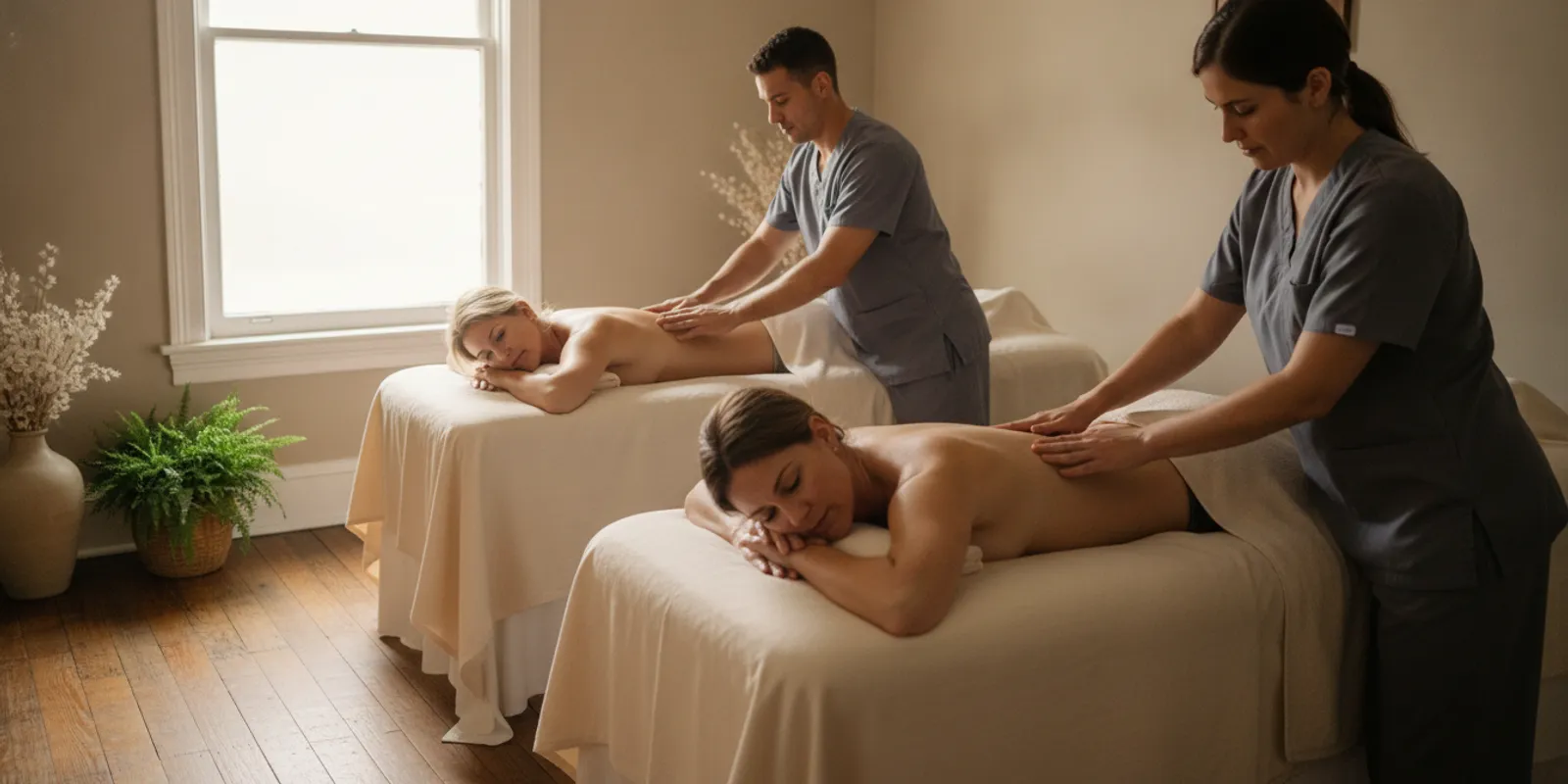
A couples massage can give you and a travel companion a quiet pause during a full New Orleans itinerary. For couples massage New Orleans hotel guests should plan beyond the treatment itself: check where the appointment takes place, choose services that suit each person, leave time for the trip from your hotel, and communicate comfort needs. A few clear decisions before booking can make the visit easier to coordinate.
Ask about arranging your visit
What should hotel guests know about a couples massage?
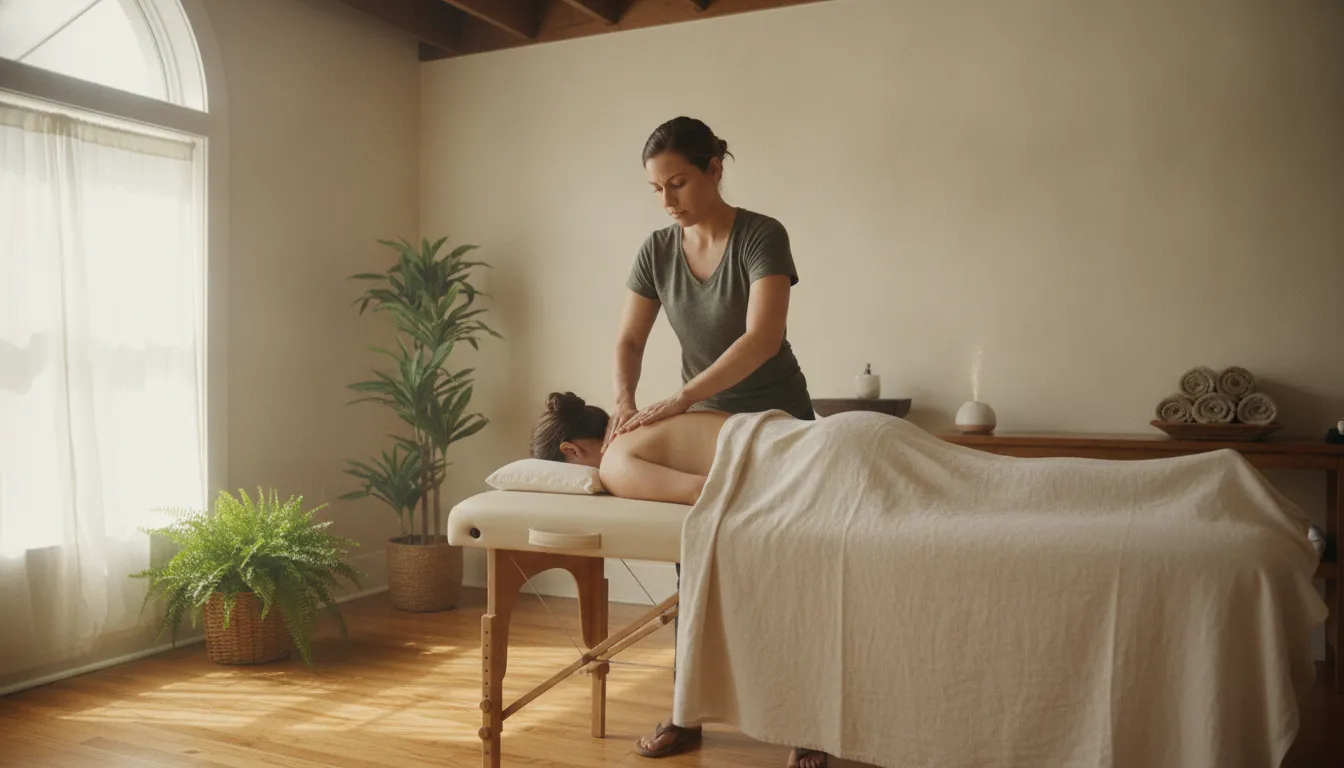
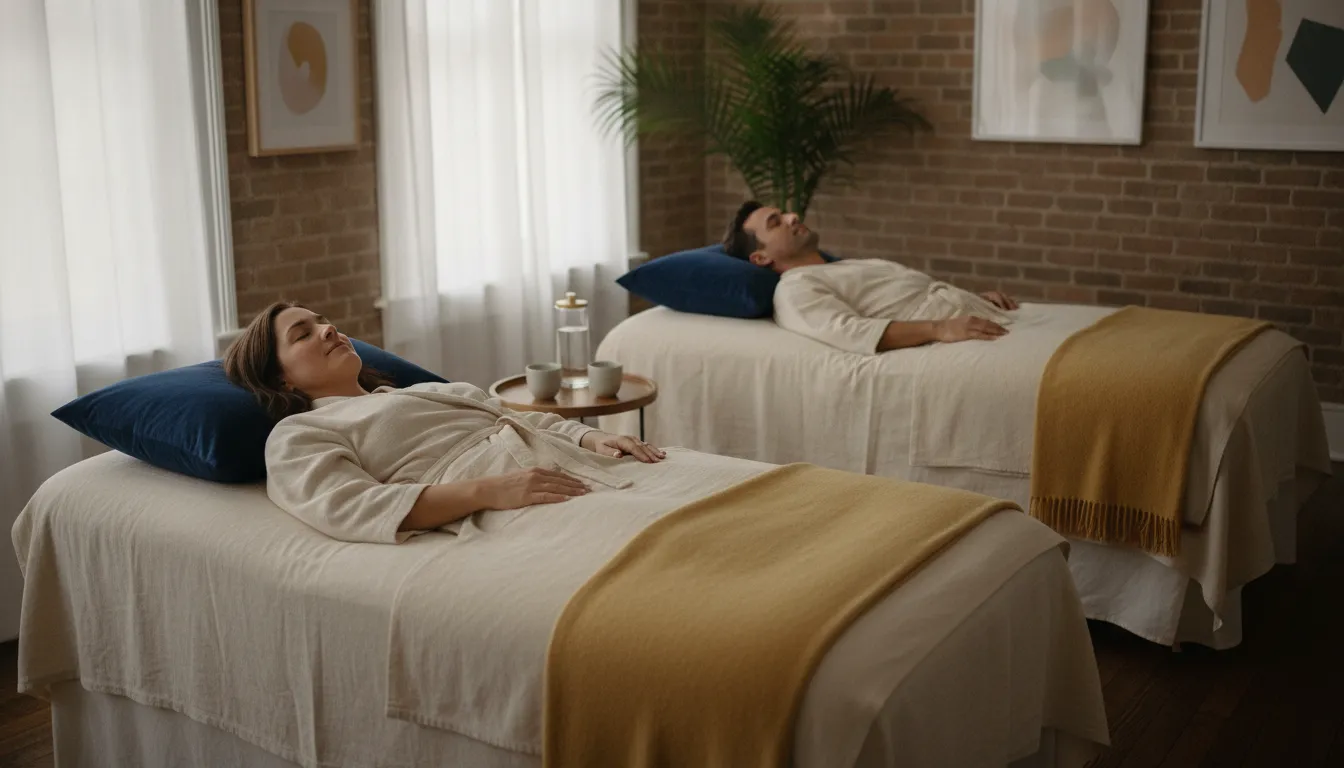
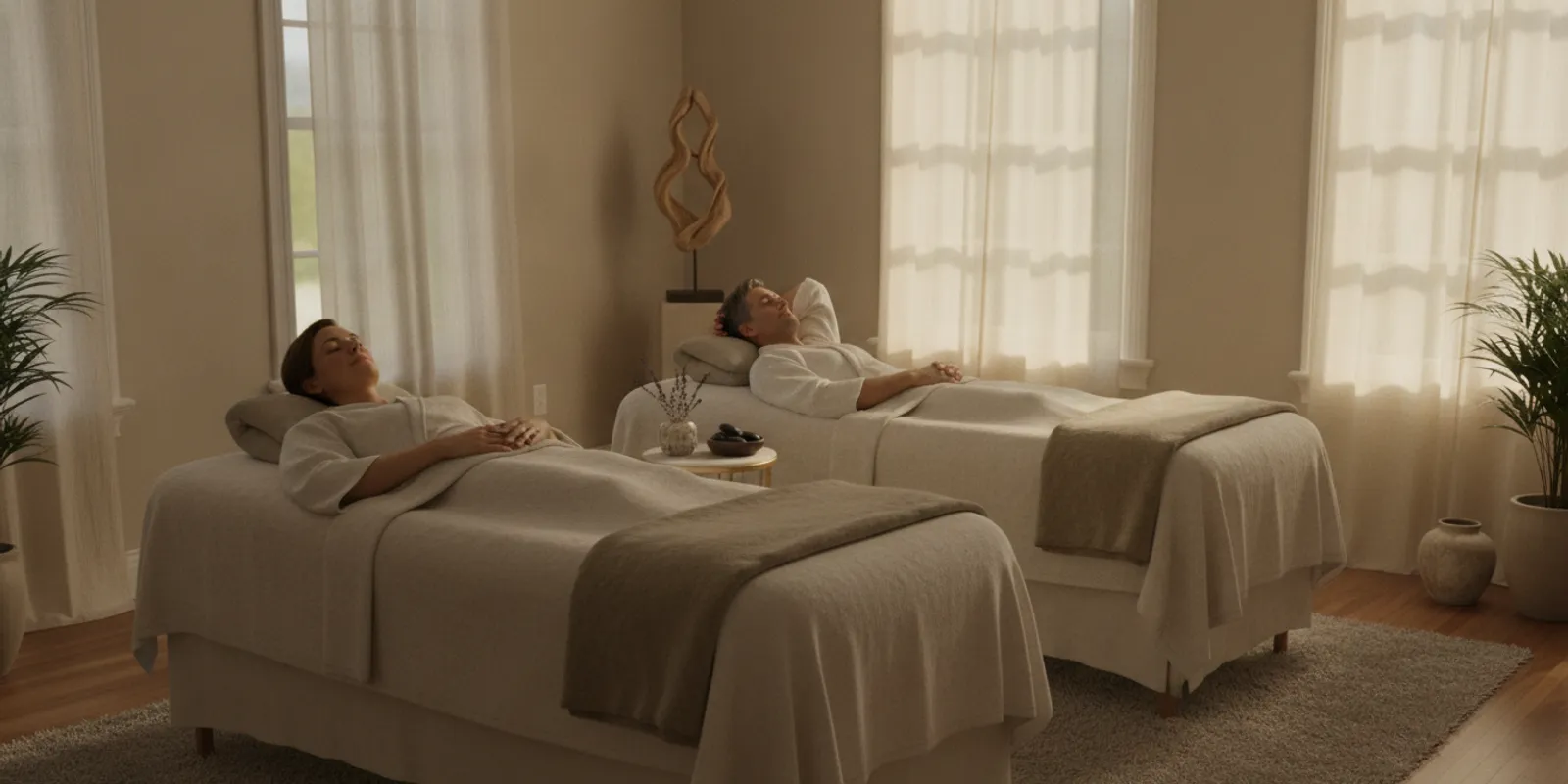
A couples massage is an appointment for two people to receive massage at the same time, often in a shared room. The word “couples” describes the shared appointment; it does not mean both guests need the same technique, pressure, or areas of focus. One person might prefer a lighter, general massage while the other asks for focused work. Each guest should discuss preferences with their own therapist.
NOLA Bliss Massage is an appointment-based therapeutic massage studio in the Warehouse District of Downtown New Orleans. The studio is within walking distance of the French Quarter and near the Convention Center and major downtown hotels. Its listed location is the studio, so do not assume that a couples appointment means therapists will come to your hotel room. Check the location and contact information and confirm the appointment details directly.
It also helps to distinguish a massage appointment from a hotel spa visit. A studio appointment may have a different setting and service menu from a hotel spa, so compare what matters to you: where you want to go, which type of massage you are considering, and how much time you have. NOLA Bliss offers therapeutic massage services, including Swedish and deep tissue massage, Ashiatsu Deepfeet Bar Therapy, prenatal massage, and couples appointments. Review the current massage service descriptions rather than assuming every option is available for every appointment.
How can you choose a session that suits both guests?
Start with a short conversation between the two of you. Ask what each person wants from the appointment, and let each answer independently. One may be looking for a calm break after travel; the other may want attention to a particular area that feels tight after walking or sitting. Neither preference needs to determine the other person’s choice.
Next, describe those goals to the studio when you inquire. Ask which service options can be paired during a couples appointment and whether both guests can be accommodated at the same time. Availability and scheduling can affect the answer, so confirm rather than relying on a general service description. If one guest is curious about Ashiatsu, read the separate Ashiatsu information page and ask about the method, pressure, and suitability before selecting it.
Keep the discussion concrete. “I want a relaxing session” is a useful start, but it does not tell a therapist how much pressure you prefer or which areas to avoid. Each person can prepare a few notes: pressure preference, areas of interest, sensitive areas, and any relevant health concern. You can revise those preferences during the session. A request for firmer pressure is not a promise that it will be appropriate everywhere, and discomfort is not a goal.
What should you ask before booking?
When two people are coordinating around a hotel stay, convention, meal, or sightseeing plan, a few questions can prevent avoidable surprises. Contact the studio with both guests’ service interests and your preferred date or time. Then make sure the practical details are clear before you build the rest of the day around the appointment.
- Can both guests receive massage at the same time, and will they be in the same room?
- Which service choices can be combined for a couples appointment?
- How long should you allow for the appointment, and when should you arrive?
- What are the current booking, cancellation, rescheduling, and payment policies?
- What should each guest share about health concerns or comfort preferences?
- Where is the studio, and what arrival or parking instructions should you follow?
Ask one person to keep the answers in a shared note or message. Include the confirmed date and time, location, services, arrival instructions, and the studio’s policy details. This small step is especially useful when one guest is arranging the booking and the other is managing travel or dinner plans. Use the studio’s contact page for questions that are specific to your visit; policies and availability should be checked directly rather than guessed.
How do common massage options compare?
The descriptions below can help you frame questions, not diagnose a concern or dictate which massage you should choose. Technique names do not guarantee a particular result. What feels suitable depends on personal preference, health circumstances, and a conversation with the practitioner. Confirm which options can be booked as part of a couples appointment.
| Option | May interest a guest who wants | Questions to clarify |
|---|---|---|
| Swedish massage | A general massage experience with pressure adjusted to preference | Which pressure feels comfortable? Are there areas to focus on or avoid? |
| Deep tissue massage | More focused work and firmer pressure where appropriate | How should sensitivity, an injury, or a pressure limit be discussed? |
| Ashiatsu | To learn about a specialized massage method offered by the studio | What does the method involve, and does it fit my comfort and circumstances? |
| Prenatal massage | A massage option to ask about during pregnancy | What information is needed, and should I consult my healthcare professional first? |
For example, imagine one guest wants a quiet, general session and the other has a specific preference for firmer pressure. They can ask whether different services are possible at the same appointment, then explain their individual limits to their therapists. If the studio cannot pair the choices at the requested time, they can decide whether to choose a shared option, adjust the time, or make another plan. That is more useful than assuming both guests must select the same technique.
Session lengths, prices, and availability may change and are not inferred from the table. Check the service list and ask the studio for current booking details. If one guest is unsure which description fits, explain the goal in everyday words and ask what options might be appropriate instead of choosing from a name alone.
How should you plan travel from your hotel?
Check the exact route between your hotel and the studio rather than relying on a broad description such as “near downtown.” Walking distance depends on your hotel’s location, pace, mobility needs, weather, and the route available that day. If you are staying in the French Quarter or by the Convention Center, look at the address and route before setting a departure time. Visitors attending a conference can also review information about massage near the New Orleans Convention Center.
If you plan to drive, check the studio’s parking and access information and confirm any instructions that matter for your arrival. Do not assume that a hotel shuttle, valet, or parking arrangement is included. If you need an accessible route or have a mobility question, ask the studio directly before booking and plan the route that works for you.
Leave a buffer on both sides of the session. For instance, a couple with a dinner reservation should account for the trip to the studio, arrival instructions, the appointment itself, and getting back to the hotel or restaurant. Avoid making the massage the tight middle link between a convention session ending at one time and a reservation beginning immediately afterward. If an event runs late or traffic changes your plans, contact the studio and follow its policies.
How can you prepare for a comfortable appointment?
Preparation does not need to be complicated. The goal is to arrive with enough time, understand what you have booked, and give each guest a chance to share relevant preferences privately. Try this sequence:
- Confirm the plan together. Make sure each person knows the date, start time, service choice, studio location, and arrival instructions.
- Choose personal preferences. Each guest can decide what pressure they usually enjoy, which areas they want addressed, and which areas should be avoided.
- Share health information before treatment. Tell the therapist about relevant conditions, recent injuries, surgery, symptoms, pregnancy, or other circumstances that could affect the session.
- Ask about the practical details. Clarify clothing, draping, room arrangements, and any arrival questions before the massage begins.
- Protect the time around the appointment. Leave room for travel and for your next activity so neither person has to rush through the visit.
If it is your first massage, say so. Ask the therapist to explain what to expect, including how to communicate during the appointment. You can request a change in pressure, ask to skip an area, or speak up if something does not feel comfortable. You do not have to tolerate pain to make a session worthwhile. Consent and comfort are ongoing; a preference you shared at the start can change.
Professional massage uses appropriate draping and attention to privacy. If you have questions about what will be covered or how draping works, ask before the session. If you would rather not discuss a concern in front of your companion, ask how to share it privately with the therapist. A shared appointment does not remove either guest’s right to set boundaries or decline a service.
What if one guest has a health concern?
Do not wait until the massage is underway to mention an important concern. Each guest should provide relevant information to the therapist and ask whether a particular service or technique is suitable. Recent surgery, an acute injury, unexplained symptoms, pregnancy-related questions, or a condition that affects pressure or positioning may call for individualized guidance. If you are uncertain, speak with a qualified healthcare professional before booking or proceeding.
Massage is not a substitute for medical evaluation or treatment, and a therapist does not replace a clinician. The National Center for Complementary and Integrative Health is a government resource for information about complementary health approaches; its official site is a starting point for reviewing general information and locating relevant resources. For a new, severe, worsening, or unexplained symptom, seek appropriate medical advice rather than expecting a massage to identify its cause.
A couples appointment also does not mean both people must proceed. If one person becomes uncomfortable or decides a service is not right for them, they can tell the therapist and pause. The other guest’s choice does not change that. Make plans that leave both people comfortable changing course.
How can you fit the visit into a New Orleans itinerary?
Consider what your body and schedule will be like on the day of the appointment. A day of sightseeing, conference sessions, or a long trip can leave you ready for a quiet break, but it can also make a packed itinerary feel more stressful. Choose a time when you can arrive without rushing and do not need to sprint straight to the next activity. Leave room for meals, travel, weather, and the pace of the people in your party.
For a convention attendee, one workable approach is to check the session schedule first, identify a window that does not overlap with required events, and then confirm the massage time and route. For a vacationing couple, decide whether the visit fits better before a busy evening or during a lighter part of the day. Neither timing is right for everyone; ask the studio about the appointment length and use that confirmed information to plan around it.
If you are visiting with a companion who has different mobility or energy needs, include those when choosing the time and route. Ask about any access details you need to know, and do not rely on a general neighborhood description to answer a specific accessibility question. The studio’s about page offers more background on the business, while the contact page is the right place to confirm visit-specific logistics.
Frequently asked questions
Can we request different pressure levels?
Yes. Each guest should explain their own preference to their therapist and speak up if the pressure needs to change. Tell the therapist about sensitive areas or areas you want avoided.
Do we need to choose the same kind of massage?
No, but the options that can be paired depend on the studio’s scheduling and availability. Ask when arranging the appointment rather than assuming both guests can choose any combination.
Does a couples massage take place in our hotel?
Confirm the location directly. NOLA Bliss Massage lists its studio in Downtown New Orleans; a studio appointment should not be assumed to be an in-room hotel service.
What should we do if one person is pregnant?
Tell the studio when you inquire and ask about its prenatal massage option. The pregnant guest should consult a healthcare professional if they have questions about whether massage is appropriate for their circumstances.
Can massage address pain after a day of walking?
Do not count on massage to diagnose or resolve a medical problem. Share relevant symptoms with the therapist, and seek medical advice for pain that is severe, new, worsening, or unexplained.
What is a sensible next step?
Talk through what each guest wants, ask which services can be paired, and confirm the location, appointment details, and policies directly with the studio. Then plan a route and schedule with enough breathing room on both sides. Clear expectations let you make a considered choice and enjoy a shared pause during your New Orleans stay.