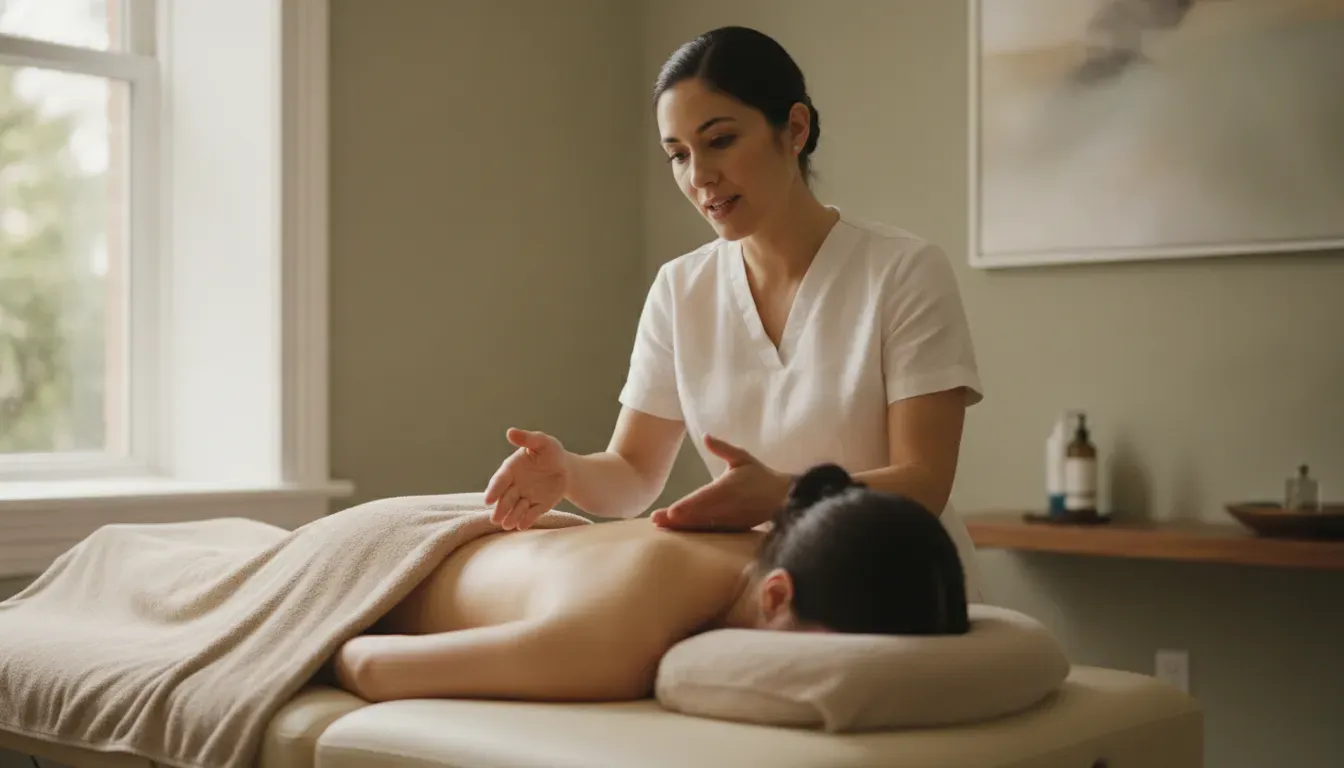

You know that one stubborn spot in your lower back that just won’t quit? The real culprit is often hiding somewhere else entirely—like in your tight hips, restricted glutes, or even old scar tissue. This is where a great deep tissue massage comes in. It’s less about just pushing on a sore muscle and more like skilled detective work. Your therapist uses techniques like myofascial release and trigger point therapy to trace the pain back to its source. We’ll explain how this comprehensive approach works to release the entire pattern of tension, giving you lasting relief.
Key Takeaways
- Target the source of your pain, not just the symptoms: Deep tissue massage is a therapeutic treatment that uses specialized techniques to release the deep muscle knots and adhesions responsible for chronic lower back pain, offering more than just temporary relief.
- You are in control of the pressure: An effective session should feel like a “good hurt,” not an ordeal. Open communication with your therapist is crucial to finding the right pressure that releases tension without causing unnecessary pain.
- A skilled therapist is key to effective results: The success of your massage depends on the practitioner’s expertise. Choose a licensed therapist with specific experience in treating back pain to ensure they can customize the session to your unique needs.
What Is Deep Tissue Massage?
If you’re dealing with persistent lower back pain, you’ve probably heard about deep tissue massage. It’s often mistaken for just a massage with very firm pressure, but it’s much more specific than that. Deep tissue massage is a therapeutic technique designed to address chronic pain and tension held in the deepest layers of your muscles and connective tissues. Unlike a general relaxation massage, the primary goal here is to work through muscle knots and stiffness to restore mobility and provide lasting relief. It’s a focused and methodical approach to help your body heal and feel its best.
The Core Techniques Explained
The magic of deep tissue massage lies in its deliberate approach. Your therapist will use slow, firm strokes and sustained pressure to target the inner layers of your muscles and fascia—the connective tissue that surrounds them. This technique is incredibly effective for relieving lower back pain because it works to break up adhesions, which are those painful, rigid knots in your muscles. By releasing this chronic tension, the massage improves circulation and mobility in the affected area. These therapeutic techniques are what set deep tissue apart as a powerful tool for managing long-term pain and discomfort.
Deep Tissue vs. Swedish: What’s the Difference?
It’s easy to confuse deep tissue with Swedish massage, but their goals and methods are quite different. Think of a Swedish massage as your go-to for relaxation; it uses gentle, long strokes and kneading to ease surface tension and calm your nervous system. Deep tissue, on the other hand, is the treatment you seek for chronic, nagging pain. It employs slow, forceful pressure to reach those deep-seated muscles and tissues that are causing you trouble. While both are beneficial, deep tissue is specifically the best massage for back pain relief when the issue is severe or long-lasting.
The Real Benefits of Deep Tissue Massage
The benefits of deep tissue massage go far beyond simply feeling good for an hour. This type of massage can actually help your brain recognize that an old injury has healed, allowing your back muscles to finally relax and stop “splinting” or guarding the area. It’s a natural and gentle way to find relief, as it helps loosen painfully tight muscles and can even stop muscle spasms in their tracks. By targeting deeper muscle layers, a deep tissue massage can effectively reduce pain by releasing tension, improving blood flow, and easing the discomfort that comes with inflammation. It’s a holistic approach to making massage for lower back pain a truly effective solution.
Beyond Back Pain: Other Conditions It Helps
While deep tissue massage is a fantastic solution for lower back pain, its benefits reach much further. This therapeutic technique is incredibly versatile, making it a go-to for other areas of chronic tension, like the neck and shoulders, and even for headaches caused by stress. It’s also highly effective for injury recovery, helping to break up scar tissue from falls or sports-related incidents and addressing repetitive strain issues like carpal tunnel syndrome. For those managing long-term conditions, deep tissue massage can offer significant relief from the pain associated with osteoarthritis and fibromyalgia. It’s a holistic treatment that can help with a variety of ailments by improving movement, reducing inflammation, and easing the stress that often accompanies chronic pain.
How Does Deep Tissue Massage Relieve Lower Back Pain?
If you’re dealing with persistent lower back pain, you know it can affect everything you do. Deep tissue massage offers more than just temporary relief; it’s a therapeutic approach that targets the underlying sources of your discomfort. By working on the deeper layers of muscle and connective tissue, a skilled therapist can address the root causes of pain in several ways. This process involves releasing chronic muscle tension, improving blood flow to promote healing, breaking down restrictive scar tissue from old injuries, and helping to reduce inflammation. Let’s look at exactly how these techniques come together to bring you lasting relief.
Targeting Deep Muscle Tension and Knots
Chronic lower back pain is often caused by tight, knotted muscles and specific “trigger points”—small, irritable spots in the muscle that can cause pain both locally and in other parts of your body. A deep tissue massage directly addresses these issues. Using slow, deliberate strokes and sustained pressure, your therapist works to reach the deep layers of muscle and fascia. This technique effectively breaks up the adhesions, or “knots,” that cause muscles to feel tight and painful. By releasing this built-up tension, the massage helps restore flexibility and provides significant relief from the stiffness and aching that hold you back.
Increasing Blood Flow to Heal Faster
When your muscles are constantly tense, they can constrict blood flow. This reduces the amount of oxygen and vital nutrients reaching the tissue, which slows down your body’s natural ability to heal. Deep tissue massage helps solve this problem by stimulating circulation. The pressure from the massage encourages fresh, oxygenated blood to flow into the sore, deprived areas of your lower back. This improved circulation not only helps repair damaged muscle fibers faster but also works to flush out metabolic waste products, like lactic acid, that can accumulate and contribute to pain and soreness.
How It Breaks Down Painful Scar Tissue
Past injuries, whether from an accident or repetitive strain, can leave behind scar tissue in your muscles. Unlike healthy muscle, scar tissue is rigid and less flexible, which can restrict your range of motion and cause persistent pain long after the initial injury has healed. Deep tissue massage is particularly effective at breaking down these old adhesions. Therapists often use a technique called cross-fiber friction, applying pressure across the grain of the muscle to help realign tissue fibers. This process helps restore mobility, improves flexibility, and can finally relieve the chronic pain tied to old injuries.
Calming Inflammation for Lasting Relief
Inflammation is a common companion to chronic muscle tension and injury. The targeted pressure of a deep tissue massage helps reduce this inflammation by improving circulation and easing the strain on your muscles. Beyond the physical benefits, the massage also prompts a helpful chemical response in your body. The firm pressure can trigger the release of endorphins, which are your body’s natural pain-relieving chemicals. This is why you often feel a profound sense of relief and well-being after a session—it’s your body’s own pain-fighting system getting a helping hand.
What the Research Says
You don’t just have to take our word for it; the science backs up the benefits of deep tissue massage for lower back pain. Research has shown just how effective this approach can be. For instance, a 2014 study found that deep tissue massage significantly reduced chronic low back pain, proving to be as helpful as common anti-inflammatory medications. The reason it works so well is that the technique uses slow, deliberate pressure to target and break down painful adhesions, or knots, deep within the muscle tissue. This process not only eases pain and helps you move more freely but also improves blood flow to the area, which is essential for healing. It’s a targeted, therapeutic treatment grounded in real results.
What Techniques Will Your Therapist Use?
A deep tissue massage isn’t a one-size-fits-all routine. Instead, think of it as a collection of specialized tools your therapist can use to address your specific lower back pain. A truly effective session involves more than just deep pressure; it requires a strategic approach from a skilled professional who understands the intricate network of muscles, fascia, and nerves in your back. Our highly trained therapists will listen to your concerns during your intake, assess your posture, and use their hands to feel for the specific areas of restriction that are causing your discomfort. This isn’t about simply pressing hard everywhere. It’s about identifying the root cause of your pain—which might be in your hips, glutes, or even your legs—and applying the right technique to the right spot.
This customized approach is what sets a therapeutic massage apart. Your therapist will draw from a wide range of methods, often blending them together within a single session for the most effective results. They might start with broader, warming strokes to prepare the tissue before moving into more specific work on a stubborn knot. They might incorporate stretching to lengthen tight muscles after releasing them with friction techniques. The goal is to create a comprehensive treatment plan that addresses your unique pattern of tension. By tailoring the massage to your body’s needs, they can provide targeted relief that lasts. Below are some of the key techniques you might experience during your session.
Tools of the Trade: More Than Just Hands
To reach the deeper layers of muscle where chronic tension is stored, your therapist needs to apply precise and sustained pressure. While hands and thumbs are essential, they are just part of a larger toolkit. A skilled therapist will often use their forearms, knuckles, and even elbows to work through stubborn knots and adhesions. According to the American Massage Therapy Association, these different “tools” allow them to vary the pressure and target muscles from different angles. For an even deeper and more consistent pressure, some therapists are trained in highly specialized techniques like Ashiatsu Deepfeet Bar Therapy. This unique modality uses the therapist’s feet to deliver broad, gliding strokes, which can be incredibly effective for releasing tension across the large muscle groups of the back without the discomfort of pointed pressure.
Myofascial Release: Freeing Your Connective Tissue
Imagine a thin, strong web of tissue called fascia that wraps around and connects every single muscle in your body. When you experience injury or chronic tension, this web can become tight and restricted, pulling on your muscles and causing pain and stiffness. Myofascial release uses slow, sustained strokes that work on this fascial layer to gently stretch and open it up. By freeing the fascia, your therapist can reduce pain, relieve that feeling of being “stuck,” and significantly improve your range of motion. It’s a subtle but powerful technique for creating space and ease in the body, allowing your muscles to function properly without being constricted by the tissue surrounding them.
Trigger Point Therapy to Erase Stubborn Knots
If you’ve ever had a stubborn “knot” in your back, you’ve experienced a trigger point. These are tight, tender spots in the muscle tissue that can be a major source of pain. What’s tricky is that they often cause “referred pain,” meaning a knot in your hip or glute could be the real culprit behind your lower back ache. Trigger point therapy involves applying direct, specific pressure to these knots and holding it until the muscle releases. This process helps to deactivate the trigger point, which can immediately reduce pain, release deep-seated tension, and restore normal muscle function. It’s a highly targeted approach for those specific spots that just won’t seem to go away.
Realigning Muscle Fibers with Friction
When muscles heal from an injury, scar tissue can form. While this is a normal part of the healing process, this tissue can be rigid and disorganized, leading to chronic tightness and restricted movement. Cross-fiber friction is a technique where your therapist applies pressure across the direction of the muscle fibers, essentially rubbing against the grain. This motion helps to break down the adhesions and realign the tissue fibers into a healthier, more flexible pattern. It’s especially effective for older injuries that contribute to ongoing lower back pain, as it improves blood flow to the area and helps calm persistent muscle spasms, encouraging better healing.
Using Active Stretching to Lengthen Muscles
Sometimes, the best way to release a tight muscle is to stretch it. During your deep tissue massage, your therapist may use a technique often called “pin and stretch.” They will hold down one end of a muscle while carefully moving your body to lengthen the other end, creating a deep and effective stretch. This can be done passively, where the therapist moves your limb for you, or actively, where you participate by moving with their guidance. This technique is fantastic for lengthening the tight hip flexors and hamstrings that so often pull on the lower back and contribute to pain and poor posture.
What to Expect During Your Deep Tissue Session
A little bit of preparation can go a long way in making your deep tissue massage a truly restorative experience. Knowing what to expect helps you relax and get the most out of your session, from the moment you lie down on the table to the hours after you leave. It’s all about working with your therapist to find what feels right for your body. Here’s a look at what your session will involve, so you can feel confident and prepared for your appointment.
Finding the Right Pressure: The “Good” Hurt
Let’s clear up a common myth: deep tissue massage doesn’t have to be a painful ordeal. While the pressure is certainly firm, the goal is a therapeutic release, not an endurance test. We often call this feeling a “good hurt”—that satisfying sensation when a therapist hits a tight spot just right. It can be intense, but it shouldn’t be sharp or unbearable. You are always in control of the session. Our licensed massage therapists are trained to work within your comfort level, and it’s important to remember that you don’t have to handle more pressure than you want to get the desired results.
Why Communication with Your Therapist Is Key
Think of your massage as a team effort. Your therapist is an expert in their craft, but you are the expert on your body. Open communication is the single most important factor in a successful deep tissue session. Before you begin, your therapist will ask about your symptoms and health history to create a treatment plan just for you. During the massage, they’ll check in on the pressure, but please don’t wait to be asked! If a stroke is too intense or not deep enough, speak up. Your feedback allows the therapist to make real-time adjustments, ensuring the treatment is both effective and comfortable for you.
Your Session: Positioning, Timing, and Flow
When you arrive for your deep tissue massage, your therapist will first chat with you about your lower back pain and any other areas of concern. Then, they’ll leave the room so you can undress to your comfort level and lie on the massage table under a sheet. Throughout the session, only the area being worked on will be uncovered. Your therapist will use high-quality oils or lotions to ensure the strokes are smooth and effective. A typical session lasts 60 to 90 minutes, giving your therapist ample time to warm up the muscles and focus on the deeper layers of tissue in your back and other tight areas.
Feeling Sore After? Here’s What to Do
It’s completely normal to feel some soreness for a day or two after a deep tissue massage, much like you would after a workout. This happens because the massage has worked on deep-seated knots and adhesions, encouraging your muscles to release and heal. This feeling is temporary and a sign that the therapy is working. To help ease any discomfort, be sure to drink plenty of water after your session to help flush out metabolic waste. A warm bath with Epsom salts can also work wonders for soothing tired muscles. Gentle stretching can also help maintain the newfound flexibility in your lower back.
Normal Side Effects vs. Warning Signs
It’s important to know the difference between the normal, therapeutic soreness that signals your body is healing and the kind of pain that indicates a problem. Feeling a bit tender for a day or two after your session is completely normal—think of it like the muscle soreness you’d feel after a really good workout. This happens because your therapist has worked to release deep-seated knots and adhesions, and your muscles are responding to that work. This temporary feeling is a positive sign that the massage was effective. However, you should be concerned if you feel any sharp or stabbing pain, if the soreness gets worse instead of better, or if you notice significant bruising. Pain that makes it hard to move normally is also a red flag. These symptoms could mean the pressure was too intense for your body, which is why communicating with a skilled, experienced therapist is so crucial.
Aftercare Tips for Quick Recovery
To get the most out of your deep tissue massage and ease any post-session tenderness, a little aftercare goes a long way. First, make hydration your top priority. Drinking plenty of water helps your body flush out the metabolic waste that was released from your muscle tissues during the massage. A warm bath with Epsom salts is another fantastic way to soothe any soreness and relax your muscles even further. Also, consider some gentle stretching to help maintain the new flexibility in your lower back and prevent stiffness from setting in. Finally, listen to your body. Avoid any strenuous exercise for at least 24 hours to give your muscles time to recover and integrate the work that was done. By following these simple steps, you can help your body heal and extend the wonderful benefits of your deep tissue massage.
Is Deep Tissue Massage Safe for Your Back Pain?
Deep tissue massage can be a fantastic tool for managing lower back pain, but it’s important to know when it’s the right choice for you. While it offers incredible benefits for chronic tension, its intensity means it isn’t suitable for every person or every situation. Safety and open communication are key to a successful therapeutic experience. Let’s walk through the essential considerations to ensure your deep tissue massage is both effective and safe.
Red Flags: When to Be Cautious
Feeling a bit tender after a deep tissue session is completely normal. Think of it like the soreness you feel after a good workout. As one expert notes, “It’s common to feel a little sore after a deep tissue massage, especially if it targets tight muscles, but this should ease within a day or two.” This is a sign that your muscles have been worked and are beginning to release long-held tension. However, if you’re dealing with an acute injury, like a recent muscle strain or sprain, it’s best to wait. Applying deep pressure to an inflamed area can interfere with the natural healing process. Always let your therapist know about any recent injuries before your session begins.
Potential Risks and When to Stop
While deep tissue massage is safe for most people, it’s important to be aware of potential risks, especially if you have certain health conditions. If you have issues with blood clotting or are at a high risk for bone fractures, you should talk with your doctor before booking an appointment. During the massage, your voice is the most important tool. If the pressure ever feels sharp, burning, or simply too intense, speak up immediately. An effective massage should never be excruciating, as excessive force can lead to bruising or minor tissue damage. Your therapist is there to help, not hurt, and clear communication is vital to ensure a safe session that remains therapeutic from start to finish.
Health Conditions to Discuss with Your Therapist
Your overall health plays a big role in determining if deep tissue massage is right for you. Because this technique affects your circulatory system, it’s not recommended for individuals with blood clots or a history of deep vein thrombosis (DVT). People with certain heart conditions, severe osteoporosis, or infectious skin diseases should also avoid this type of massage. It’s crucial to provide a complete health history to your therapist. Our team of licensed professionals is trained to adjust their techniques based on your individual needs, ensuring your session is tailored for your well-being.
Blood Clots and Blood-Thinning Medication
If you are taking blood-thinning medication or have a history of blood clots, such as deep vein thrombosis (DVT), it is essential to speak with your doctor before scheduling a deep tissue massage. The firm, targeted pressure used in this technique is designed to affect deep layers of muscle, which also influences your circulatory system. For individuals with blood clotting problems, there is a risk that the pressure could dislodge a clot. Similarly, if you are on blood thinners, you may be more susceptible to bruising. While some light bruising can occasionally occur after deep tissue work, these medications can make it more significant. Your safety is the top priority, so always disclose this information to your therapist.
Cancer and Other Serious Illnesses
While massage can be a wonderful complementary therapy for individuals living with cancer, deep tissue massage specifically requires careful consideration. The intensity of the pressure may be too much for a body undergoing strenuous treatments like chemotherapy or radiation. According to health experts, you should avoid deep tissue massage if you have cancer or are getting cancer treatment. This is because of potential risks, such as discomfort at treatment sites or placing additional stress on the body. It is absolutely crucial to consult with your oncologist before booking a session. They can help you determine if massage is appropriate for you and may recommend a gentler style, like a Swedish or relaxation massage, instead.
Skin Conditions, Wounds, and Hernias
Deep tissue massage should never be performed directly over areas of compromised skin. This includes open wounds, infections, burns, or rashes from conditions like eczema or psoriasis. Applying deep pressure to these areas can be painful, aggravate the condition, and potentially spread infection. As one source clearly states, people with certain skin conditions should avoid this type of massage. Additionally, if you have a hernia, it is vital to inform your therapist. A hernia is a weak spot in the muscle or tissue wall, and direct pressure over this area must be avoided. A skilled therapist can easily work around these spots, but they need you to communicate openly about them to ensure your session is both safe and effective.
Why You Should Consult Your Doctor First
If your back pain is severe, chronic, or the result of a specific medical condition, it’s always a good idea to chat with your doctor before booking a massage. While research shows that “massage therapy can be a powerful tool” for back pain, your doctor can help confirm that it’s a safe addition to your treatment plan. Think of your massage therapist as part of your wellness team, working alongside your doctor to help you feel your best. This collaborative approach ensures you get the most effective and appropriate care for your specific situation, whether that’s a deep tissue massage or a gentler alternative.
A Note on Pregnancy and Deep Tissue Massage
Pregnancy brings a host of new aches and pains, and while massage can be a fantastic source of relief, it’s crucial to choose the right kind. Standard deep tissue massage is generally not recommended for expectant mothers. The intense pressure, especially on the lower back, abdomen, and legs, can be risky and is best avoided. Instead, the safest and most beneficial approach is a dedicated prenatal massage. This specialized service is performed by therapists trained to understand the unique needs of the pregnant body. They use comfortable side-lying positions with supportive pillows and modified techniques to safely ease tension in your back, hips, and shoulders. Studies confirm that a safe, professional prenatal massage can effectively manage lower back pain and improve mobility during pregnancy. Always consult with your doctor first, and then seek out a certified therapist to ensure you and your baby are in good hands.
Deep Tissue Myths: Busted!
Let’s clear up a common misconception: deep tissue massage should not be an agonizing experience. There’s a myth that for the massage to work, it has to hurt. The truth is, “deep tissue massages do not have to be painful throughout the process.” An effective session is about applying slow, deliberate pressure to reach deeper muscle layers, not about causing pain. A skilled therapist knows the difference between therapeutic discomfort and actual pain. Constant communication is your best tool. If the pressure ever feels too intense, speak up immediately. A great massage is one where you feel worked on, but also respected and in control.
How to Choose the Right Therapist for Your Back
Finding the right massage therapist is just as important as choosing the right type of massage. The effectiveness of your deep tissue session hinges on the skill, knowledge, and intuition of the person you’re trusting with your care. A great therapist does more than just go through the motions; they listen to your body, understand the mechanics of your pain, and adapt their approach to meet your specific needs. They become a partner in your wellness journey, helping you understand the source of your discomfort and working with you to find lasting relief.
When you’re dealing with persistent lower back pain, you want a professional who is not only technically proficient but also someone you can communicate with openly. This means looking for someone with solid qualifications, relevant experience, and a communication style that makes you feel comfortable and heard. A therapist’s ability to create a safe and trusting environment is crucial, especially when working on sensitive and painful areas. Taking the time to find the right fit ensures you get the most relief and value from every session, turning your massage from a simple treatment into a truly therapeutic experience. The following steps will help you identify a therapist who can truly make a difference.
What Qualifications Should Your Therapist Have?
First things first, always make sure your therapist is licensed and certified. This is the baseline for safety and professionalism. But for targeted relief from back pain, you’ll want to look for someone who goes beyond the basics. The best therapists are committed to lifelong learning and regularly train to refine their skills and add new techniques to their toolkit. A therapist who has invested in advanced training for deep tissue, myofascial release, or specialized modalities like Ashiatsu Deepfeet Bar Therapy will have a deeper understanding of how to address complex muscle issues. When you find a therapist dedicated to their craft, you know you’re in good hands.
Checking for Licensing and Certifications
Before you book an appointment, take a moment to confirm your therapist is a Licensed Massage Therapist (LMT). This credential is your assurance of quality and safety, confirming the therapist has completed rigorous training in anatomy and technique and has passed a state-regulated exam. Think of it as the foundation for a truly therapeutic experience. You can typically verify a license on your state’s official database. Another sign of a dedicated professional is membership in an organization like the American Massage Therapy Association, which indicates a commitment to high ethical standards. A professional studio will always be transparent about their team’s qualifications, so you can lie on the table with complete peace of mind, knowing you’re in expert hands.
Find a Therapist Who Specializes in Back Pain
Not all massage therapists specialize in pain management. While a general relaxation massage is wonderful, treating chronic lower back pain requires a specific skill set. Don’t be shy about asking a potential therapist about their experience with clients who have similar issues to yours. A good therapist will be able to speak confidently about their approach. They should be able to assess your symptoms, listen to your health history, and use that information to create a treatment plan tailored just for you. The team at Nola Bliss is composed of career therapists who have dedicated years to helping clients find relief from persistent pain, so they’re always ready to have this conversation.
Questions to Ask Before You Book
To find the best match, you should feel empowered to ask a few questions before committing to an appointment. This initial conversation can tell you a lot about a therapist’s approach and whether they’re a good fit for you.
Consider asking things like:
- What techniques do you typically use for lower back pain?
- How do you determine the right amount of pressure?
- How will our session be customized to my specific needs?
- What can I expect to feel during and after the massage?
A professional therapist will welcome your questions and provide clear, thoughtful answers. This dialogue sets the stage for a successful session where you feel comfortable, informed, and confident in the care you’re receiving.
Working with Your Therapist on a Treatment Plan
One deep tissue massage can provide significant relief, but for chronic lower back pain, consistency is often key. A single session can release immediate tension, but lasting results usually come from a more structured approach. A great therapist will not only focus on the session at hand but will also help you think about the bigger picture. Based on your body’s response, they can recommend a treatment frequency that makes sense for your goals and budget. If your pain is severe, you might start with weekly sessions and gradually space them out as you improve. Talk with your therapist to create a sustainable plan that keeps you feeling your best.
Related Articles
Frequently Asked Questions
Will a deep tissue massage be painful? This is the most common question, and the answer is that it shouldn’t be. You’ll likely feel a satisfying, therapeutic intensity—what we often call a “good hurt”—as the therapist works on tight knots. However, you should never feel sharp or unbearable pain. You are always in control, and communicating with your therapist about the pressure is essential to ensure the session is both effective and comfortable for you.
How is this different from just asking for firm pressure during a Swedish massage? While both involve firm pressure, their goals are entirely different. A Swedish massage aims for overall relaxation, using long, gliding strokes. A deep tissue massage is a targeted treatment designed to address chronic pain and restriction. Your therapist will use specific techniques like trigger point therapy and cross-fiber friction to release deep-seated muscle adhesions and scar tissue, which is a much more focused approach than simply applying heavy pressure everywhere.
How often will I need a massage to get relief from my back pain? There isn’t a one-size-fits-all answer, as it really depends on your specific situation—how long you’ve had the pain and what’s causing it. Many people feel significant relief after just one session. For chronic issues, you might start with more frequent appointments, perhaps weekly or bi-weekly, and then space them out as you start to feel better. Your therapist will work with you to recommend a treatment plan that makes sense for your body and your goals.
What should I do to take care of myself after the massage? It’s normal to feel a bit sore for a day or two, similar to how you might feel after a good workout. The best thing you can do is drink plenty of water to help your body flush out any metabolic waste that was released from your muscles. A warm bath with Epsom salts can also be incredibly soothing. Try to take it easy and allow your body time to rest and integrate the work that was done.
Can a deep tissue massage help even if my back pain is from an old injury? Absolutely. In fact, this is one of the primary benefits of deep tissue work. Old injuries often leave behind scar tissue, which is less flexible than healthy muscle and can restrict movement and cause persistent pain. Your therapist can use specific techniques to help break down these old adhesions, which improves circulation, restores flexibility, and can finally bring relief to pain you’ve been dealing with for years.