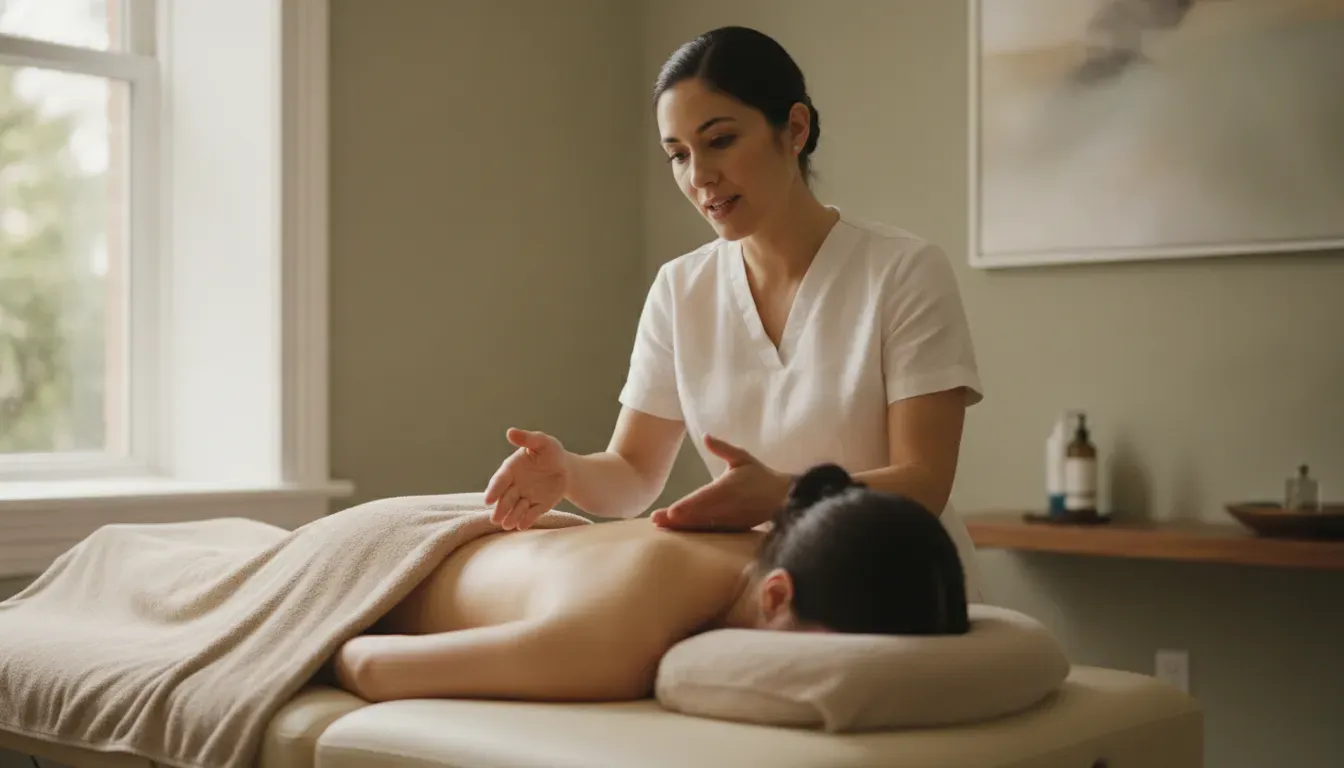
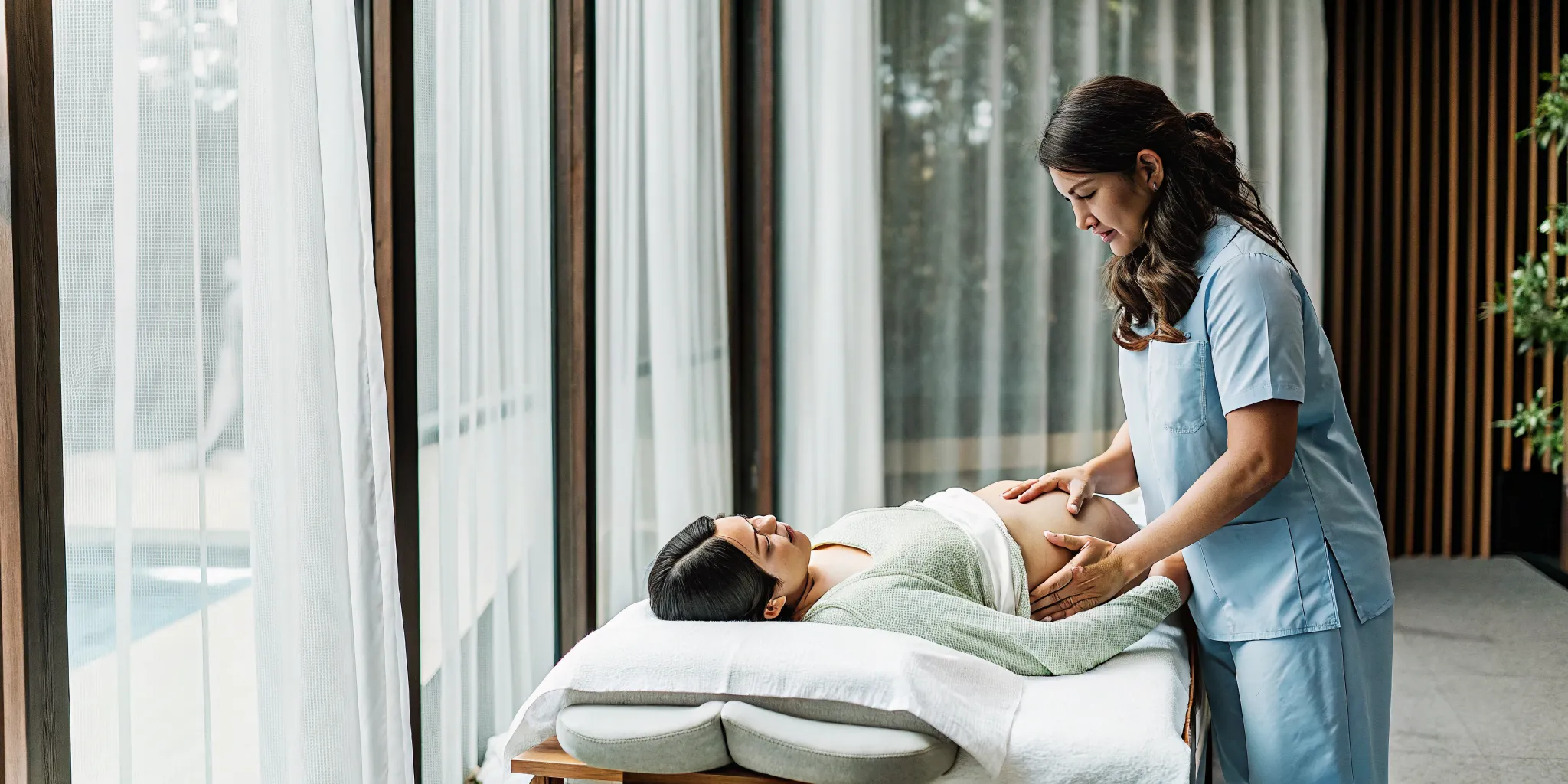
When you think about C-section recovery, your focus naturally goes to the incision. But the effects of surgery and new motherhood are felt all over. Your back might ache from new feeding postures, your hips may feel tight, and swelling can linger. A postpartum massage that includes a professional C-section scar massage is a holistic therapy that addresses all of it. While it provides targeted care to help your scar heal with flexibility, it also offers full-body relief. This guide explores how this comprehensive approach supports your whole body’s return to balance and comfort.
Key Takeaways
- Get your doctor’s approval first: Your body needs time to heal after major surgery, so always wait for the official all-clear from your doctor, usually after your six-week checkup, before beginning any massage.
- Support your whole self, not just the scar: C-section massage helps with physical recovery by reducing pain and softening scar tissue, and it also offers a quiet moment to process your birth experience and reconnect with your body emotionally.
- Use a team approach to healing: Gentle at-home massage is a great daily practice, but partnering with a licensed postpartum therapist provides expert care for more complex issues and ensures you’re on the right track for long-term recovery.
C-Section Massage: What It Is and Why Your Body Needs It
A C-section massage is a specialized form of postpartum bodywork designed to support your recovery after a cesarean birth. It’s a gentle, therapeutic approach that focuses on healing the abdominal area, addressing scar tissue, and relieving the aches and pains that come with caring for a newborn. Think of it as a dedicated tool to help your body mend from major surgery while you adjust to motherhood.
This type of massage isn’t just about the incision site. It also helps reduce swelling, improve circulation, and release tension in your back, shoulders, and hips, which have all been working overtime. Beyond the physical benefits, it offers a quiet moment to reconnect with your body, process your birth experience, and support your emotional well-being during a transformative time. Understanding how massage can aid your recovery is a powerful first step toward feeling more comfortable and confident in your postpartum body.
Why C-Section Recovery Feels So Different
Recovering from a C-section is a unique journey. You’re not just healing from major abdominal surgery; you’re doing it while caring for a newborn, navigating hormonal shifts, and likely feeling exhausted. Guidance for C-section recovery can sometimes feel limited, leaving many new mothers unsure of how to best support their bodies. It’s a physically and emotionally demanding period, and it’s important to acknowledge the scale of what you’re going through.
You are far from alone in this experience. Cesarean births are incredibly common, accounting for over 32% of all births in the United States. Because it’s such a frequent procedure, there are established ways to support your healing. Gentle, informed massage is one of the most effective methods for addressing the specific challenges of C-section recovery, helping you feel more like yourself again.
Understanding C-Section Scar Tissue
A C-section scar is much more complex than the line you see on your skin. It’s a multi-layered healing process that happens deep within your body. Understanding what’s going on beneath the surface is the first step in giving your body the support it needs to recover fully and comfortably.
The Seven Layers of Healing
When surgeons perform a C-section, they carefully move through seven distinct layers of tissue to reach your baby. As your body heals, scar tissue forms in each of these layers, from the skin all the way down to the uterus. This internal scarring can sometimes cause layers to stick together in what are called adhesions. These adhesions can create a pulling sensation, numbness, or even contribute to issues like back pain or bladder urgency. A skilled therapist can use targeted massage techniques to help keep these layers mobile and flexible, preventing restrictions and promoting better long-term function and comfort.
The Rebuilding Stage: When to Intervene
The best time to begin addressing this scar tissue is during the “rebuilding” phase of healing, which typically starts a few weeks after surgery. You’ll know you’re in this stage when your scar still looks reddish and might feel itchy, tingly, or sensitive to the touch. This is the period when your body is actively laying down new collagen fibers to repair the area. It’s crucial to wait until you get the green light from your doctor, usually at your six-week postpartum checkup, before starting any massage. Once cleared, a gentle therapeutic massage can influence how these new fibers organize, encouraging them to be flexible rather than stiff and helping you reconnect with an area of your body that may feel foreign after surgery.
How Massage Helps Your Scar and Body Heal
Therapeutic postpartum massage provides critical support during this intense time. One of its primary benefits is reducing the swelling and water retention that often follows surgery. By encouraging lymphatic drainage, massage helps your body process and eliminate excess fluids. It also improves blood flow to the abdominal area, delivering oxygen and nutrients that are essential for tissue repair and healing. This can help ease the general muscle aches that come from pregnancy, birth, and new parenting tasks like feeding and carrying your baby.
When it comes to your scar, massage is a game-changer. A skilled therapist can use specific techniques to help prevent restrictive scar tissue from forming, which can cause tightness and pulling. Gentle manipulation helps break up adhesions, smooths out thick or lumpy scars, and can make your scar less painful and sensitive over time. The right massage services can help you heal better and feel more connected to your body after surgery.
What Happens If You Don’t Massage Your Scar?
Internal Adhesions and Restrictions
It’s easy to think of your C-section scar as just what you see on the surface, but the healing process goes much deeper. During the surgery, seven layers of tissue are cut, and as they heal, scar tissue forms in each one. Sometimes, this healing tissue can stick to itself or to nearby organs and structures inside your body. These internal sticky spots are called adhesions. When adhesions form, they can create a feeling of tightness or a constant pulling sensation around your scar. You might also experience soreness or itchiness that doesn’t seem to go away. Without intervention, this internal scar tissue can become stiff and limit your body’s natural movement.
Potential Long-Term Complications
If left unaddressed, these internal adhesions can lead to more significant issues down the road. The pulling and tightness can affect the function of your core and pelvic floor muscles, sometimes contributing to lower back pain, a persistent belly pooch, or even problems with bladder control. Because the scar tissue can become stiff and less mobile, it can restrict your range of motion and cause discomfort during exercise or daily activities. Gentle massage helps to prevent these problems by breaking up restrictive tissue before it becomes a long-term issue. Working with a therapist experienced in postpartum care ensures the techniques used are safe and effective for your body’s needs.
When Can You Safely Start C-Section Scar Massage?
After a C-section, you’re likely eager to feel like yourself again, and massage can be a wonderful part of that process. But timing is everything. A C-section is major abdominal surgery, and your body needs adequate time to heal before you begin any kind of massage, especially around your abdomen and scar. Rushing into it can interfere with the healing process, so it’s important to be patient and listen to your body and your doctor. The key is to wait until you get the official all-clear from your healthcare provider. Once you have it, you can start to gently reconnect with your body and support your recovery journey.
A Simple Timeline for Starting Your Massage
The most common recommendation is to wait until after your six-week postpartum check-up to begin gentle massage. At this appointment, your doctor or midwife will assess how your incision is healing both internally and externally. If they confirm that everything is healing well, you can typically start with light touch around the area. For more direct C-section scar massage, you may need to wait a bit longer, often until about eight to ten weeks postpartum. This ensures all layers of tissue have had sufficient time to mend. Every recovery is unique, so this timeline is a general guide, not a strict rule.
Why It’s Crucial to Get Your Doctor’s Go-Ahead
Getting clearance from your doctor before starting any postpartum massage is not just a suggestion, it’s a crucial safety step. Your provider is the only one who can properly evaluate your healing and rule out any complications, like infection or issues with your incision. They understand the full picture of your health and can give you personalized advice based on your specific surgery and recovery. At Nola Bliss, our professional therapists always require a doctor’s note for postpartum massage to ensure we are providing the safest, most effective care. Think of it as a partnership between you, your doctor, and your massage therapist, all working together for your well-being.
Signs Your Incision Is Ready for Massage
Once your doctor gives you the go-ahead, you should also know what a healed scar looks and feels like. Before you begin any hands-on massage, your incision should be fully closed. This means there are absolutely no open spots, stitches, or scabs remaining on the surface. The scar should no longer be tender to a light touch, and there should be no signs of infection, such as redness, swelling, warmth, or oozing. A well-healed scar typically looks pale or pink and feels flat. If you notice any of these warning signs, hold off on massage and contact your doctor for guidance.
What About Older Scars? It’s Never Too Late
If months or even years have passed since your C-section, you might wonder if you’ve missed the window for scar care. The great news is that you haven’t. It’s never too late to start scar massage. Your body is in a long-term healing process, and scar tissue can continue to develop for up to two years after your surgery. This means that even an older scar can benefit from targeted massage. The goal is to gently break down adhesions and dense tissue, which can help soften the scar, reduce lingering tightness or pulling sensations, and even improve its appearance. Many women express that they wish they had known about this sooner, so taking action now is a wonderful way to give your body the care it deserves.
If you notice your scar is still very thick, raised, or discolored, or if you experience ongoing pain in the area, it’s a good idea to talk to a healthcare provider. Sometimes, unresolved scar tissue can contribute to other issues that began after your C-section. A professional massage therapist, especially one experienced in postpartum care, can work alongside your doctor’s advice to create a plan. They can apply specific techniques to address stubborn scar tissue and help you find relief, no matter how long it’s been since your surgery. It’s a proactive step toward feeling more comfortable in your body.
How C-Section Massage Helps You Heal—Physically and Emotionally
A C-section is major abdominal surgery, and the recovery process is about so much more than just letting the incision heal. It’s a journey of reconnecting with your body, managing discomfort, and adjusting to the physical demands of motherhood. While rest is essential, incorporating gentle, therapeutic massage into your routine can be a powerful way to support this healing. It’s not an indulgence; it’s a practical tool that addresses both the physical and emotional challenges of your postpartum recovery.
Massage therapy helps your body mend from the inside out. By improving circulation, it delivers oxygen-rich blood to your tissues, which is crucial for repairing muscles and skin. It also helps manage the swelling and fluid retention that are common after surgery and childbirth. Beyond the scar itself, massage can soothe the new aches and pains you might feel in your back, shoulders, and neck from holding and feeding your baby. Just as importantly, it offers a quiet moment to focus on yourself. This dedicated time for self-care can help you process your birth experience and ease the stress that comes with a new baby. A skilled therapist can draw from a range of massage services to create a session that’s perfectly suited to your postpartum needs.
Ease Pain and Support Faster Healing
After a C-section, it’s normal to experience pain and soreness around your incision and in your abdomen. Massage therapy can be a game-changer for managing this discomfort without relying solely on medication. Gentle massage around the area encourages blood flow, which speeds up the healing of underlying tissues and can significantly reduce pain levels. It also helps release tension in the surrounding muscles that may have tightened up in response to the surgery and your limited mobility. As one health group notes, “Massage therapy can help new mothers recover after a C-section. It can reduce pain, swelling, and improve how well you can move.” This improved mobility is key to getting back to your daily activities with greater comfort and confidence.
Reduce Post-Op Swelling and Improve Circulation
Many new moms notice swelling in their abdomen, legs, and feet after giving birth, and a C-section can sometimes intensify this. This postpartum swelling, or edema, is caused by excess fluid in your tissues. Massage is incredibly effective at addressing this. A specific, gentle technique called manual lymphatic drainage is designed to improve the flow of lymph fluid throughout the body. This helps your system naturally process and eliminate the excess fluid, reducing puffiness and that heavy, uncomfortable feeling. It’s a light touch that works with your body’s own processes to restore balance and comfort. This focus on circulation is a cornerstone of effective postpartum massage.
Reconnect With Your Body and Ease Your Mind
Your C-section recovery is not just a physical process; it’s an emotional one, too. The experience of major surgery combined with the hormonal shifts of childbirth can be overwhelming. Many women feel a sense of disconnection from their bodies, especially their abdomen, after a C-section. Massage provides a safe and nurturing way to reconnect. As one expert puts it, “Many mothers feel disconnected or sad about their birth experience, and massage can help them reconnect with their bodies.” The gentle, therapeutic touch can help you feel more at home in your own skin again. It also stimulates the release of oxytocin, a hormone that promotes bonding and feelings of well-being, which can be a wonderful antidote to stress and postpartum blues. Our dedicated team understands this connection and provides compassionate care to support you fully.
Get Back to Moving Comfortably
As your incision heals, your body will form scar tissue. This is a normal and necessary part of the process, but sometimes this tissue can become tight or stick to the underlying layers of muscle and fascia. This is known as an adhesion, and it can cause a pulling sensation, restrict your movement, and contribute to pelvic pain or tightness. C-section scar massage is designed to prevent this. By gently mobilizing the scar and the surrounding tissues, you can ensure the area remains flexible and functional. This “helps prevent too much scar tissue from forming and stops it from sticking to other parts inside your body.” Ultimately, this work can help you heal better, ease pain, and feel more comfortable in your body long after the surgery.
How to Do C-Section Scar Massage at Home
Once you have your doctor’s approval, you can take an active role in your recovery by performing gentle scar massage at home. This practice is a simple yet powerful way to support your body’s healing process. You don’t need any special equipment, just a few minutes each day and a willingness to listen to your body. These techniques can help soften scar tissue, improve sensation, and restore movement in your abdomen. Think of it as a quiet moment to reconnect with your body after the incredible work it has done.
First, Start with Gentle Touch (Desensitization)
Before you begin massaging the scar itself, the first step is to reacquaint your body with touch in that area. After surgery, the skin around your incision can feel overly sensitive, numb, or just strange. Desensitization helps your nerves recalibrate. Once your incision is fully closed and healed (usually after your 6-week checkup), start by gently touching the skin around your scar with your fingertips. You can also try stroking the area with different soft textures, like a cotton ball or a silk scarf. The goal is to help your brain and body reconnect, reducing hypersensitivity and preparing the tissue for direct massage. This gentle introduction to touch is a crucial foundation for the work to come.
Managing Hypersensitivity
If the area around your scar feels uncomfortably sensitive to touch, your nerves are sending super-strong signals to your brain. Your job is to gently retrain them. Start by brushing very soft materials, like a silk scarf or a cotton ball, over the skin around the scar. Do this for a few minutes each day until it feels less intense. As you get more comfortable, you can gradually introduce slightly rougher textures, like a soft washcloth or a terry cloth towel. This process takes patience and consistency—it could be weeks or months—but it helps your nervous system relearn that touch is safe, not a threat.
Addressing Numbness
On the flip side, you might experience numbness, which can feel just as strange. If your scar area feels disconnected or dull, the goal is to provide a variety of sensory inputs to help wake up the nerves. You can use the same texture-based approach as with hypersensitivity, but you can also introduce temperature changes. Try applying a warm compress (never hot) and then a cool one to the area. Gentle tapping with your fingertips can also help stimulate the nerves and encourage them to start firing again. This variety of sensations helps remind your brain that this part of your body is still there, encouraging the pathways to reconnect.
A Step-by-Step Guide to Your First Scar Massage
When you feel ready to work on the scar directly, find a comfortable position, like lying on your back with your knees bent. You can use a small amount of unscented lotion or oil to help your fingers glide smoothly.
- Warm up the area: Begin by gently rubbing the skin around your scar to increase circulation.
- Use gentle pressure: With your fingertips, apply light pressure directly on the scar.
- Vary your movements: Massage the scar and the surrounding tissue in three main directions. Move your fingers up and down along the scar, then side to side across it, and finally in small circles on top of it.
This routine helps encourage tissue flexibility in all directions, promoting more complete healing.
The Three Stages of C-Section Scar Massage
As you become more comfortable with the basic massage movements, you can begin to work more intentionally through the different layers of tissue. Think of this process in three stages, moving from the surface of your skin to the deeper muscle layers. Each stage helps to release different restrictions and promote comprehensive healing. Always listen to your body and never push through sharp pain. The goal is to gently encourage movement and flexibility, not to force it. This gradual approach ensures you are working safely and effectively to restore function and comfort to your abdomen.
Stage 1: Skin Mobilization
The first stage focuses on the most superficial layer: your skin. The goal here is to ensure the skin moves freely over the tissues beneath it. Start by placing your fingertips lightly on the skin just above and around your scar. Without pressing hard, gently move the skin up and down, then side to side. You can also make small, slow circles. You’re not trying to slide your fingers over the skin, but rather move the skin itself. This helps to break up any surface-level stickiness and is a great way to ease into your massage practice, especially if the area is still a bit sensitive.
Stage 2: Muscle Layer
Once the skin is moving well, you can progress to the next layer. In this stage, you’ll apply slightly more pressure to engage the fatty tissue and the top of the muscle layer. Let your fingers sink a little deeper into your belly, just enough to feel a firmer layer beneath the skin. Repeat the same movements as before: gently push the tissue up and down, side to side, and in circles. It’s completely normal to notice that one side feels tighter or more restricted than the other. Just be mindful of these areas and continue with gentle, consistent pressure to encourage them to release over time.
Stage 3: Deep Tissue Release
The final stage targets the deepest layers of tissue near the scar. To do this effectively, lie on your back and bend your knees to relax your abdominal muscles. Now, allow your fingers to sink even deeper into the tissues around your scar, working your way down toward your pubic bone. This is where you can address more significant adhesions. This deeper work requires a sensitive touch, and it’s where a professional therapist’s expertise is invaluable. A skilled practitioner can adapt deep tissue techniques to safely release these restrictions and ensure your long-term comfort and mobility.
Choosing the Right Oil for Your Massage
Using a massage oil or lotion is a key part of an effective scar massage. It doesn’t just feel nice; it serves a practical purpose. A good oil reduces friction, allowing your fingers to glide smoothly over your skin without pulling or causing irritation. This makes the massage more comfortable and effective. Furthermore, the right oil can help nourish and hydrate your skin, which is especially important for healing tissue. Choosing a simple, gentle product ensures you get all the benefits without any unwanted reactions, helping your skin become softer and more pliable with each session.
Recommended Oils for Scar Healing
When it comes to your scar, simple is always better. You’ll want to use a gentle, unscented oil or lotion to avoid irritating the sensitive, healing skin. A small amount is all you need to help your fingers move smoothly. Excellent choices include natural oils known for their skin-nourishing properties, such as jojoba oil, almond oil, or vitamin E oil. These oils are generally well-tolerated and can help improve skin hydration and elasticity. Be sure to avoid products with heavy fragrances, dyes, or complex chemical ingredients, as these can sometimes cause redness or sensitivity on delicate scar tissue.
Essential Techniques: Cross-Fiber Friction and Skin Rolling
As your scar heals, you can introduce techniques that specifically target adhesions, which are bands of scar tissue that can stick to underlying layers of muscle and fascia. Preventing these can reduce feelings of tightness and improve your overall mobility.
- Cross-Fiber Massage: Place your fingers on the scar and gently move the tissue back and forth, perpendicular to the direction of the incision. You aren’t sliding your fingers over the skin, but rather moving the skin and underlying tissue together.
- Skin Rolling: Gently pinch the skin just above or below your scar and try to lift it and roll it between your thumb and fingers.
These methods help to break up restrictive tissue, and they are similar to techniques used in a professional deep tissue massage.
How Much Pressure to Apply (and How to Move)
The most important rule of scar massage is to listen to your body. The pressure should be firm enough to engage the tissue, but it should never be painful. A good guideline is to work to the point of mild tenderness, but stop if you feel any sharp or significant pain. Start with just five minutes a day, focusing on consistency rather than intensity. As you massage, remember to take slow, deep breaths. This helps relax your abdominal muscles and makes the massage more effective. Over time, you’ll notice the tissue becoming more pliable and less tender, which is a great sign of progress.
Safety Precautions for Your C-Section Massage
Your body has done an incredible thing, and recovery is a personal process that deserves patience and care. While massage is a wonderful tool for healing, it’s essential to listen to your body and prioritize safety. Knowing when to pause, when to be extra cautious, and when to call a professional is key to a smooth and healthy recovery. Think of these guidelines not as restrictions, but as a way to support your body’s healing journey with confidence. Before you begin any massage routine, make sure you’re aware of the signs that tell you to slow down or seek advice.
Warning Signs: When You Should Stop Massaging
Your body is your best guide, and it will send you signals if something isn’t right. If you experience any pain during massage, stop immediately. Gentle tenderness is one thing, but sharp or increasing pain is a clear sign to back off. You should also avoid massage if you have any signs of infection, like a fever, or if your incision is red, swollen, oozing, or still open. Other serious symptoms that require you to stop and contact your doctor include shortness of breath, dizziness, weakness, or signs of blood clots, such as a swollen, painful area on your leg. These are non-negotiable red flags that need medical attention, not massage.
Visual Cues to Watch For
Your eyes are one of your best tools for gauging your recovery. Before you begin any massage, take a close look at your incision area. A scar that is healing well and ready for gentle touch will be completely closed, with no scabs, stitches, or open spots remaining. It typically appears pale or pink and lies flat against your skin. In contrast, you should be on the lookout for visual warning signs. If you notice spreading redness, new or increasing swelling, warmth around the incision, or any fluid weeping from the area, these are clear indicators of a potential issue. These signs mean you should pause any massage plans and monitor your incision closely, while also contacting your doctor for advice.
Proceed with Caution: Health Conditions to Consider
Every postpartum journey is unique, and certain health conditions require a more cautious approach. It’s absolutely critical to get your doctor’s approval before starting any C-section massage, especially if you have a history of complications. Conditions like high blood pressure, preeclampsia, or blood clotting disorders mean you’ll need specific guidance from your healthcare provider. They can tell you when it’s safe to begin and what techniques are appropriate for you. Our therapists are experienced in providing specialized care like prenatal massage, so we understand the importance of working alongside your medical team to ensure your complete safety and well-being.
Special Considerations for Raised or Keloid Scars
Some bodies are naturally more inclined to produce thicker, raised scars, known as hypertrophic or keloid scars. If you notice your scar becoming thick, ropey, or growing beyond the original incision line, don’t be discouraged. Massage is still incredibly beneficial. In fact, for these types of scars, it’s even more crucial. A skilled therapist can use specific techniques to help soften and flatten the tissue, improving its flexibility and appearance over time. Gentle, consistent manipulation helps break down the dense collagen bundles, making the scar less restrictive and sensitive. The right massage services can make a significant difference in how these tougher scars heal, helping you feel more comfortable in your skin.
Finding the Right Amount of Pressure
When it comes to scar massage, the golden rule is to always listen to your body. It can be tempting to think that more pressure will lead to faster results, but that’s not the case. The goal is to apply firm but gentle pressure—enough to feel like you’re making a change in the tissue, but never enough to cause pain. A good guideline is to work to the point of mild tenderness, but stop immediately if you feel any sharp or significant pain. This is your body’s way of saying “too much.” A professional therapist is an expert at finding this sweet spot, applying just the right amount of force you’d expect in a therapeutic deep tissue massage but adapted for delicate scar tissue. When you’re at home, let comfort be your guide.
When to Call Your Doctor or a Physical Therapist
While at-home massage is beneficial, some situations are best handled by a professional. If your scar remains painful, numb, or overly sensitive weeks after you’ve been cleared for massage, it’s a good idea to check in with your doctor or a pelvic floor physical therapist. They can rule out any underlying issues and provide targeted treatment. Similarly, if you’re unsure about your technique or just don’t feel comfortable performing the massage yourself, a licensed massage therapist with postpartum experience can be an incredible resource. Our team of licensed therapists can help you heal correctly and give you the peace of mind that you’re in expert hands.
When to See a Professional for C-Section Scar Massage
While at-home massage is a fantastic tool for your recovery, there are times when calling in a professional is the best next step. A licensed massage therapist brings a deep understanding of anatomy and postpartum healing that can make a significant difference. They can assess your scar and the surrounding tissues in ways you might not be able to on your own, identifying specific issues like deep adhesions or nerve entrapment that require a more skilled touch. Think of it as bringing in an expert to guide your healing journey. If you feel unsure about massaging the area yourself, or if you’re just not seeing the results you’d hoped for, a professional session can provide both physical relief and peace of mind.
Why a Professional Therapist Can Make All the Difference
A licensed massage therapist does more than just work on your scar. They have specialized training in how the body heals after major surgery like a C-section. They understand the layers of muscle and connective tissue that were affected and know how to work with them to promote optimal healing. C-section scar massage can help moms heal better, ease pain, and feel more connected to their bodies after surgery. A professional can tailor the session to your specific needs, using techniques that release restrictions and improve tissue mobility safely and effectively. Our team of therapists is dedicated to providing this kind of specialized, therapeutic care to support you through every stage of recovery.
What to Expect During a Professional Massage Session
Your first professional session will start with a conversation. Your therapist will talk with you about your birth and recovery to make sure the massage fits your needs. They’ll ask about your pain levels, any numbness or pulling sensations you’re experiencing, and what your recovery goals are. After assessing your scar and the surrounding abdominal area, they will use gentle, targeted techniques to begin releasing tension and softening scar tissue. They can also work on other areas of your body that might be feeling the strain of new motherhood, like your back, neck, and shoulders. Sessions usually last 60 or 90 minutes, giving you ample time to relax while receiving focused, therapeutic care.
How to Find a Qualified Postpartum Therapist
When looking for a therapist, seek out someone with experience and certification in prenatal and postpartum massage. These professionals have the specific knowledge needed to support a recovering mother’s body. Don’t hesitate to ask about their experience working with C-section scars. It’s also a great idea to read reviews and find a therapist who creates a comfortable and trusting environment. Most importantly, always check with your doctor or midwife before starting any postpartum massage, especially after a C-section or if you had complications. They can give you the green light and ensure professional massage is a safe choice for you. At Nola Bliss, we have extensive experience with prenatal massage and postpartum care.
Making C-Section Massage a Part of Your Long-Term Recovery
Your C-section recovery journey doesn’t end when your incision closes. True healing is a long-term process that involves reconnecting with your body and building new habits that support your well-being. Creating a sustainable recovery plan with massage at its core can make all the difference, helping you feel stronger and more comfortable in your body for years to come. Think of it not as a single appointment, but as an ongoing practice of self-care that adapts as you heal.
Creating a Consistent Massage Routine
While a single massage can provide immediate relief, making it a consistent part of your routine is where you’ll see lasting benefits. Regular sessions allow your therapist to address healing in stages, adapting the pressure and techniques as your body recovers. Your needs will change from one month to the next, and a consistent massage plan allows your therapist to adjust to what your body needs most at that moment. A typical session lasts 60 to 90 minutes, giving you dedicated time to focus solely on your healing. Committing to this routine helps your muscles release tension gradually and allows your nervous system to fully embrace a state of relaxation and repair.
How Often and For How Long?
Consistency is more important than intensity when it comes to scar massage. The goal is to create a gentle, daily habit. Plan to massage your scar for about five to ten minutes each day. Some experts suggest aiming for at least four times a week to see the best results. As your scar tissue softens and you notice it moving more freely, you can gradually reduce the frequency. This short, daily ritual is a simple and effective way to support your body’s healing process. It’s a small investment of time that can make a big difference in how your scar feels and functions long-term.
The Best Time to Massage
The golden rule is to wait until your scar is fully healed and you have your doctor’s approval, which typically happens around your six-week postpartum checkup. This ensures all the layers of tissue have properly mended. While the first year after surgery is when scar tissue is most responsive to massage, it’s truly never too late to start. Even if your C-section was years ago, massage can still help improve tissue flexibility, reduce tightness, and address discomfort. A professional therapist can assess older scars and apply specific techniques to release long-held restrictions. If you’re dealing with an older scar, exploring professional massage services can be a powerful step toward renewed comfort and mobility.
Combine Massage with Other Healing Practices
Massage is incredibly powerful, but it works even better when combined with other gentle healing practices. Think of it as one essential tool in your recovery toolkit. You can support your body’s progress between sessions with activities like gentle stretching, mindful breathing, and short walks, once you have your doctor’s approval. Practices like these help maintain the flexibility and circulation you gain from massage. Massage also has profound effects on your mental health by reducing stress hormones and improving sleep quality, which is vital for any new parent. Combining these approaches creates a holistic plan that supports both your physical and emotional recovery.
Maintaining Your Progress for Long-Term Relief
Continuing with scar massage long after your incision has healed is crucial for preventing future issues. As your scar matures, the underlying tissue can sometimes adhere to deeper layers, which may lead to feelings of tightness, pulling, or even pain during daily activities. Consistently massaging the area helps keep the scar tissue pliable and prevents these adhesions from forming. This proactive care ensures your scar integrates smoothly with the surrounding tissue, supporting your long-term comfort and mobility. Maintaining this practice helps you avoid potential complications down the road, making it a worthwhile investment in your future health.
Frequently Asked Questions
Will C-section massage hurt? This is a very common concern, and the short answer is no, it shouldn’t hurt. The goal is to heal tissue, not cause pain. You should feel gentle pressure and perhaps a mild stretching sensation, but never sharp or significant pain. If you do feel pain, it’s a signal from your body to stop or ease up. A professional therapist is trained to work within your comfort level, and when you’re massaging at home, listening to your body is the most important rule.
What if my scar area feels numb? Should I still massage it? Numbness around the incision is completely normal. The surgical process can affect superficial nerves, and it takes time for them to regenerate. Massage is actually one of the best things you can do for a numb scar. The gentle stimulation helps wake up the nerves and improve circulation, which can gradually help restore sensation to the area over time. Just be sure to start with a very light touch and pay close attention to how the tissue responds.
How is a professional C-section massage different from a standard deep tissue massage? While both are therapeutic, their focus is quite different. A deep tissue massage targets chronic tension deep within your muscles, often using firm, intense pressure. A professional C-section massage is much more specific and nuanced. It involves gentle, precise techniques designed to release scar tissue, improve lymphatic drainage to reduce swelling, and help the abdominal layers heal correctly. The therapist works carefully with your body’s postpartum state, making it a specialized form of restorative care.
How long do I need to keep doing scar massage? Think of scar massage as a long-term practice rather than a short-term fix. The most critical period for influencing how your scar heals is within the first year postpartum. During this time, consistent massage can make a huge difference in the tissue’s flexibility and appearance. However, continuing to massage the area occasionally even years later is beneficial for preventing adhesions and maintaining mobility as your body changes.
Can I get a C-section massage if I’m also dealing with other postpartum aches, like back pain? Absolutely. A postpartum massage session is designed to address your body as a whole. Your therapist understands that recovery isn’t just about the incision. They can incorporate scar work into a full-body session that also relieves the back, shoulder, and hip pain that often comes from carrying, feeding, and caring for a new baby. It’s a comprehensive approach to help you feel more comfortable all over.