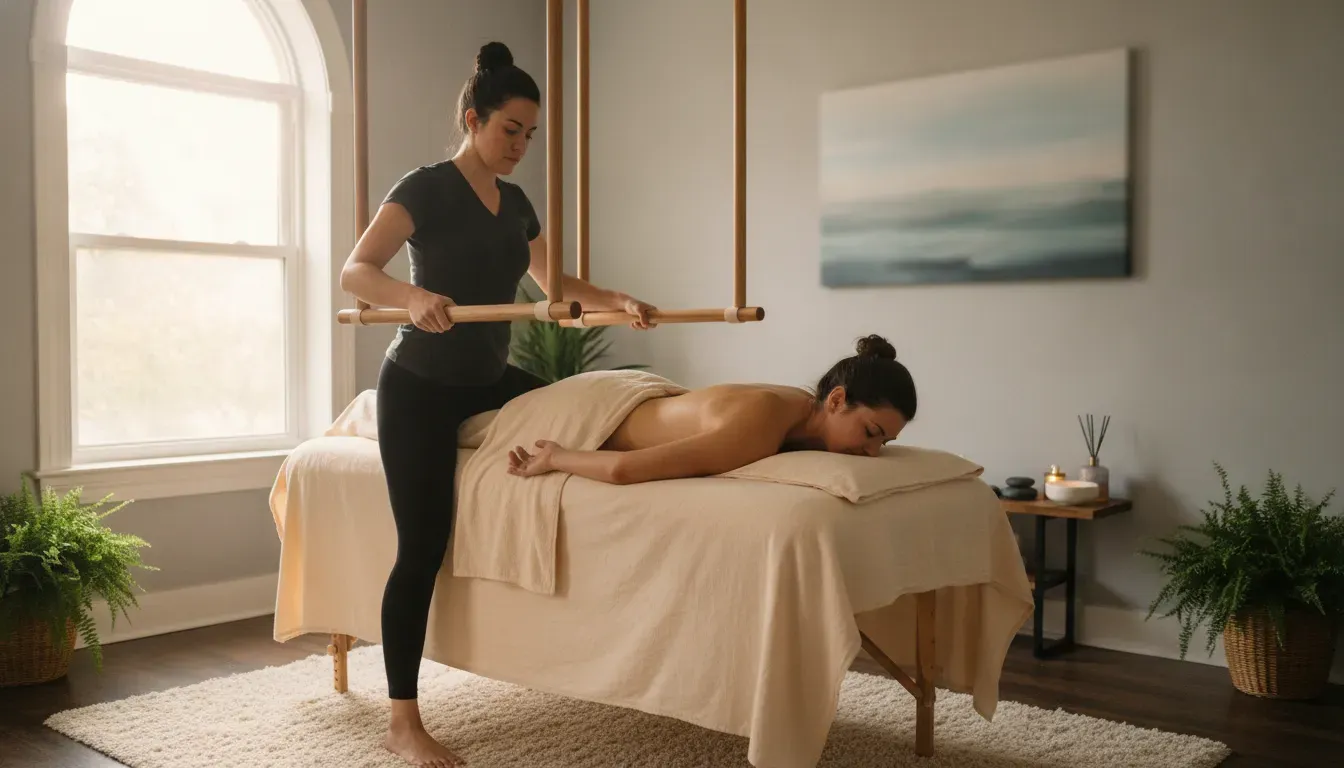

If you are wondering how often should you use red light therapy, a practical starting point for many general wellness routines is several short sessions per week, followed by a reassessment. The exact schedule should come from the equipment instructions and your provider because session time, light intensity, distance, treatment area, and personal goals all change the effective dose. More exposure is not automatically better.
Book a guided red light therapy session at NOLA Bliss Massage.
Think of red light therapy as a routine rather than a one-time event. A repeatable plan gives you a fair chance to notice gradual changes while helping you avoid the temptation to add extra-long sessions. This guide explains how to choose a frequency, what to track, and when to ask a qualified health professional for guidance.
How often should you use red light therapy?
A practical general-wellness starting point is often three to five short sessions per week. Your correct frequency still depends on the specific equipment, provider guidance, distance, intensity, and personal response. More frequent or longer exposure is not automatically better, so begin with the stated protocol and reassess before changing it.
Begin with the recommended duration and distance rather than trying to maximize every variable at once. Keep the setup consistent for a few weeks, record how you feel, and reassess. If the provider or manufacturer recommends fewer sessions, follow that direction. If you are receiving care for a health condition, use a clinician-guided plan instead of a general wellness schedule.
Start with a defined introductory period
Choose a manageable schedule and keep it stable long enough to evaluate. For example, a person may plan sessions on Monday, Wednesday, and Friday rather than using the light randomly. Defined days make consistency easier and create natural breaks between sessions. The goal is not to chase a sensation immediately after treatment. It is to create a reliable pattern that can be reviewed.
Reassess instead of automatically increasing
At the end of the introductory period, look at your notes. Consider whether your original goal has changed, whether the routine is convenient, and whether you have noticed any unwanted response. If everything feels appropriate, you may continue or move to a maintenance plan consistent with professional guidance. Do not assume that doubling session time will double benefits.
A practical red light therapy schedule
A useful schedule keeps session days, duration, distance, and equipment settings consistent. That stability makes your experience easier to evaluate and helps you avoid changing several dose-related factors at once. The phases below are planning references, not medical prescriptions, and the applicable provider or device instructions should always guide your routine.
| Phase | Planning focus | What to review |
|---|---|---|
| Getting started | Use the recommended session length on repeatable days | Comfort, instructions, distance, and consistency |
| Consistent routine | Keep frequency and setup stable | Progress toward one clearly defined goal |
| Maintenance | Use the lowest practical frequency that supports the routine | Whether results and habits remain steady |
| Reassessment | Pause changes and review the full plan | New medications, health concerns, irritation, or a changed goal |
A stable schedule is easier to evaluate than a plan that changes every few days. If you change duration, distance, and frequency simultaneously, you may not know which factor affected your experience. Adjust one variable only after checking the relevant instructions or speaking with the provider.
Professional sessions can also remove some guesswork. The provider can explain the setup, expected session length, and a realistic cadence. If you are in New Orleans, review the red light therapy service at NOLA Bliss Massage before booking so you know what to expect.

What factors change your ideal frequency?
Your ideal frequency depends on the total light exposure created by the setup, not session count alone. Light output, distance, session duration, treatment area, and the specific protocol all influence dose. A routine copied from a different device or studio may therefore be inappropriate for your equipment or goals.
Your purpose for using red light therapy
Someone building a general wellness ritual may approach scheduling differently from someone working with a licensed clinician on a specific concern. Define one primary reason for the routine. A clear goal helps you choose what to track and prevents vague expectations from driving unnecessary sessions.
Device output, distance, and session duration
Moving closer to a light source or extending the session may change exposure. Follow the stated distance and time. Do not combine a longer session with a closer distance simply because the light feels comfortable. Photobiomodulation research discusses a biphasic dose response, meaning higher exposure is not always associated with a better effect. For background on this dose-response concept, see the review available through the National Library of Medicine.
Your personal response and routine
Convenience matters because an ambitious schedule that you cannot maintain is not useful. Choose days that fit your week. Track whether sessions interfere with sleep, cause temporary discomfort, or feel difficult to sustain. A provider can help you decide whether the plan should change.
Changes in health or medications
Some medicines and health circumstances may affect whether light therapy is appropriate. Ask a qualified clinician before beginning if you take photosensitizing medication, have a light-sensitive condition, are pregnant, have active cancer, or have another concern. This article offers general educational guidance and is not a diagnosis or individualized treatment plan.
How long does red light therapy take to work?
There is no universal red light therapy timeline. Published research uses varied light sources, doses, schedules, and outcome measures, so results from one protocol cannot automatically be applied to another. Set a reasonable review date, track the same outcome consistently, and use clinician-recommended measurements for any clinician-guided goal.
Rather than evaluating every session, choose a reasonable review date and track the same outcome consistently. If your goal is relaxation and routine, note how easy it is to keep the schedule. If you are pursuing a clinician-guided goal, use the measurements and timeline that clinician recommends. Photobiomodulation is a broad term covering multiple light-based approaches, which is another reason not to treat every study or device as interchangeable. A scientific overview is available from the National Library of Medicine.
Track one or two useful signals
A simple log is enough. Record the date, session duration, distance or equipment setting, and the outcome you care about. Use the same conditions when possible. Photos may help with appearance-related goals if lighting, angle, and timing stay consistent. For comfort or recovery goals, use the same rating scale each time.
Give consistency a fair test
Changing the routine after every session makes it hard to learn anything. Follow the approved plan for its intended period unless you experience an unwanted response. Then compare your notes with the original goal. If nothing meaningful changes, ask the provider whether the schedule, expectations, or approach should be reconsidered.
Review the guided red light therapy experience and choose a session time.
Can you use red light therapy too often?
Yes, you can use red light therapy more often or for longer than the recommended protocol. Exceeding the directions may add inconvenience or discomfort without improving the outcome. Follow the timer, distance, eye-protection guidance, and frequency specified for your equipment or professional service instead of assuming more exposure is better.
Signs that should prompt a pause
Stop the session and seek appropriate guidance if you experience concerning discomfort, persistent redness, eye symptoms, headache, or another unexpected reaction. If symptoms are severe or urgent, seek medical care. Do not use general online advice to override a clinician’s instructions.
Protect your eyes as directed
Follow the eye-protection instructions for the specific setup. Do not stare into a bright light source. Professional equipment and consumer devices can differ, so use the protection and positioning recommended by the manufacturer or provider.
Know when to ask a clinician
Ask before starting if you have a medical condition, use medication that can increase light sensitivity, or are uncertain whether red light therapy is appropriate. The FDA advises consumers to speak with a health care provider about concerns involving medical devices. A clinician can evaluate your circumstances in a way a general schedule cannot.
How to build a consistent red light therapy routine
A sustainable routine is simple enough to follow and specific enough to evaluate. Use these steps to create one without turning frequency into a competition.
- Define one goal. Decide what you want to observe and how you will recognize a useful change.
- Confirm the protocol. Review the provider or manufacturer guidance for duration, distance, frequency, and eye protection.
- Pick repeatable days. Choose a cadence that fits your calendar and includes any recommended breaks.
- Keep the setup consistent. Avoid changing multiple variables at the same time.
- Record each session. Note the date, settings, duration, and any meaningful response.
- Review on a set date. Decide in advance when you will reassess rather than judging impulsively.
If you prefer a guided experience, a professional session can make the routine easier to understand. NOLA Bliss Massage offers red light therapy in New Orleans, with a convenient service page where you can review details and book.
Why spacing and recovery days matter
A routine does not need to fill every day on the calendar to be consistent. Planned days off make the schedule easier to sustain and give you a clean way to compare session days with non-session days. They also reduce the urge to keep adding exposure simply because a session felt easy. Use the breaks in the recommended protocol rather than treating them as missed opportunities.
Spacing can be especially helpful when you are new to the experience. You can note how you feel later that day and the next morning before completing another session. If your provider gives you a specific cadence, keep that cadence stable until the planned review. If you miss a day, return to the schedule instead of doubling the next session.
Do not stack unfamiliar wellness services at first
When you begin several new wellness routines at the same time, it becomes difficult to understand what affected your experience. Consider introducing one change at a time. Once the red light therapy schedule feels familiar, you can discuss how it may fit alongside therapeutic massage services or other recovery services. Keep hydration, sleep, exercise, and normal daily habits as steady as practical while you evaluate.
Bring useful questions to your provider
Ask what duration, distance, and frequency apply to the specific equipment. Ask whether eye protection is recommended and when the plan should be reviewed. Tell the provider about relevant medications, light sensitivity, and health concerns. Clear questions produce a safer and more useful routine than guessing from a schedule designed for a different system.
Frequently asked questions
Is it okay to use red light therapy every day?
Daily use may be included in some protocols, but it is not automatically appropriate for every device, goal, or person. Follow the specific directions for the setup. If the instructions call for fewer sessions, adding daily exposure is not an upgrade.
How long should a red light therapy session last?
Use the recommended session length for the equipment and distance. Minutes alone do not describe the full dose because light intensity and positioning matter. Avoid extending sessions without guidance.
Should you take days off from red light therapy?
Follow the protocol provided. Many routines include non-session days because they are easier to sustain and evaluate. A scheduled break can also discourage unnecessary increases in exposure.
When should you reduce to a maintenance schedule?
Consider maintenance only after reviewing your initial goal and response with the provider or relevant instructions. The aim is a practical, repeatable cadence, not the highest possible frequency.
Can red light therapy replace medical care?
No. Red light therapy should not replace evaluation or treatment from a qualified health professional. Seek medical care for concerning symptoms, and discuss health conditions or medication-related questions before starting.
Ready to book red light therapy in New Orleans?
A good schedule begins with clear guidance, consistent sessions, and realistic expectations. NOLA Bliss Massage can help you experience red light therapy in a welcoming Downtown New Orleans setting. Book your red light therapy session and start building a routine that fits your week.