
What’s the difference between a good massage and a great one? It’s not just about the skill of your massage therapist. A huge part of it is you. When you show up with a quiet mind, you give your body permission to fully let go. This means you sink into relaxation faster, and your therapist can get right to the deep, therapeutic work you came for. Knowing how to prepare for a massage is your secret weapon. It’s about simple mental steps that turn your session from a simple treat into a truly restorative experience.
Key Takeaways
- A great massage starts before you arrive: Prepare your body for relaxation by hydrating well, wearing comfortable clothes, and eating a light meal an hour or two before your appointment.
- Your feedback creates the perfect session: Open communication is key. Be specific about your goals, give honest feedback on pressure, and share any health concerns to help your therapist tailor the experience just for you.
- Make the benefits last with smart aftercare: Help your body integrate the therapeutic work by drinking plenty of water and resting after your session. For long-term wellness, think of massage as a consistent part of your self-care routine.
The Health Benefits of Massage Therapy
Many people think of massage as a luxury—a special treat reserved for vacations or spa days. While it’s certainly a wonderful way to pamper yourself, consistent massage therapy is a powerful tool for managing your health and wellness. It’s a proactive way to care for your body, addressing issues from chronic pain to daily stress before they become bigger problems. Regular sessions can help you maintain flexibility, manage pain, and keep your body functioning at its best. Think of it less as an indulgence and more as an essential part of your self-care routine, just like eating well or getting enough sleep. The physical and mental benefits build over time, creating a lasting sense of well-being.
More Than Just Relaxation
While the deep relaxation you feel during a massage is one of its most immediate rewards, the benefits go much deeper, impacting your body’s core systems in profoundly positive ways. From the way you carry yourself to the efficiency of your circulatory system, therapeutic touch sets off a chain reaction of healthy responses. It’s a holistic practice that helps your body find balance and function more effectively. These physiological changes contribute to better overall health, proving that what happens on the massage table can have a lasting impact long after your session ends.
Improves Posture and Circulation
If you spend your days hunched over a desk or a phone, you know the toll it takes on your posture. Massage therapy can be a game-changer by loosening tight muscles that pull your body out of alignment. By releasing tension in your back, neck, and shoulders, it helps your body return to its natural, healthier posture. At the same time, the pressure from a massage enhances blood flow throughout your body. This improved circulation delivers more oxygen and nutrients to your muscles and organs, which helps them function better and promotes healing from within.
Reduces Stress and Lowers Blood Pressure
In our busy lives, stress can feel unavoidable, but massage offers a direct and effective way to counteract its effects. The simple act of therapeutic touch helps lower cortisol, your body’s primary stress hormone, while increasing levels of serotonin and dopamine, which are neurotransmitters that promote feelings of calm and happiness. This hormonal shift has a real, measurable impact on your physical health. In fact, studies show that regular massage can be an effective way to help control blood pressure, making it a valuable addition to a heart-healthy lifestyle.
Conditions Massage Can Help With
Massage therapy is a versatile treatment that can provide significant relief for a wide range of specific health conditions. It’s not just about general aches and pains; skilled therapists can target the root causes of chronic issues, helping to alleviate symptoms and improve your quality of life. Whether you’re dealing with persistent headaches, nerve pain, or a chronic condition like fibromyalgia, a tailored massage session can be a crucial part of your pain management plan. By working directly with the muscles and connective tissues, massage helps release tension, reduce inflammation, and restore function.
Neck and Back Pain Relief
Neck and back pain are among the most common complaints that lead people to seek massage therapy, and for good reason. Whether your pain stems from a sedentary job, a tough workout, or chronic stress, massage can provide targeted relief. A skilled therapist can identify and release the specific muscles and trigger points causing your discomfort. By focusing on these problem areas, massage helps to alleviate pain, reduce muscle spasms, and improve your range of motion, allowing you to move more freely and with less discomfort in your daily life.
Headaches and Migraines
For those who suffer from frequent headaches or migraines, massage therapy can be a source of profound relief. Many tension headaches originate from tight muscles in the neck, shoulders, and upper back. A focused massage can release this tension, often stopping a headache in its tracks. For migraine sufferers, regular massage can help reduce the frequency and intensity of attacks by promoting relaxation and easing the muscle tension that can act as a trigger. It’s a natural, non-medicinal approach to managing a debilitating condition.
Carpal Tunnel Syndrome and Fibromyalgia
Massage can also offer significant relief for complex conditions like carpal tunnel syndrome and fibromyalgia. For carpal tunnel, therapists can work on the muscles of the hand, wrist, and forearm to reduce pressure on the median nerve, which helps to alleviate pain, numbness, and tingling. For those living with fibromyalgia, a condition characterized by widespread pain, massage can be a gentle yet effective way to soothe tender points and reduce overall pain levels. It provides a comforting touch that can help manage the chronic discomfort associated with these conditions.
Exploring Different Types of Massage
The world of massage is incredibly diverse, with different techniques designed to achieve specific goals. Finding the right type of massage for your needs can make all the difference in your experience and results. Some styles focus on gentle, flowing strokes for pure relaxation, while others use intense, focused pressure to work out deep-seated knots. Understanding the basics of a few popular modalities can help you communicate your needs to your therapist and choose the session that’s perfect for you. Whether you’re looking for stress relief, pain management, or something in between, there’s a massage style that fits.
Swedish Massage
When you picture a classic massage, you’re probably thinking of Swedish massage. It’s one of the most popular and well-known massage types, characterized by long, gliding strokes, kneading, and gentle circular movements. The primary goal of a Swedish massage is to relax the entire body. It’s an excellent choice if you’re new to massage, feeling particularly stressed, or just want to unwind. The pressure is typically light to firm, depending on your preference, making it a soothing and rejuvenating experience that calms the nervous system and promotes a sense of tranquility.
Deep Tissue Massage
If you suffer from chronic muscle tension or knots, a deep tissue massage might be what you need. This technique focuses on the deeper layers of muscle and connective tissue. The therapist uses slower strokes and more direct, deep pressure to target specific areas of tightness and pain. While it can be more intense than a Swedish massage, it shouldn’t be painful. A deep tissue massage is highly effective for relieving chronic aches and pains, addressing stiff necks, sore shoulders, and lower back pain, and helping to break up scar tissue.
Ashiatsu Deepfeet Bar Therapy
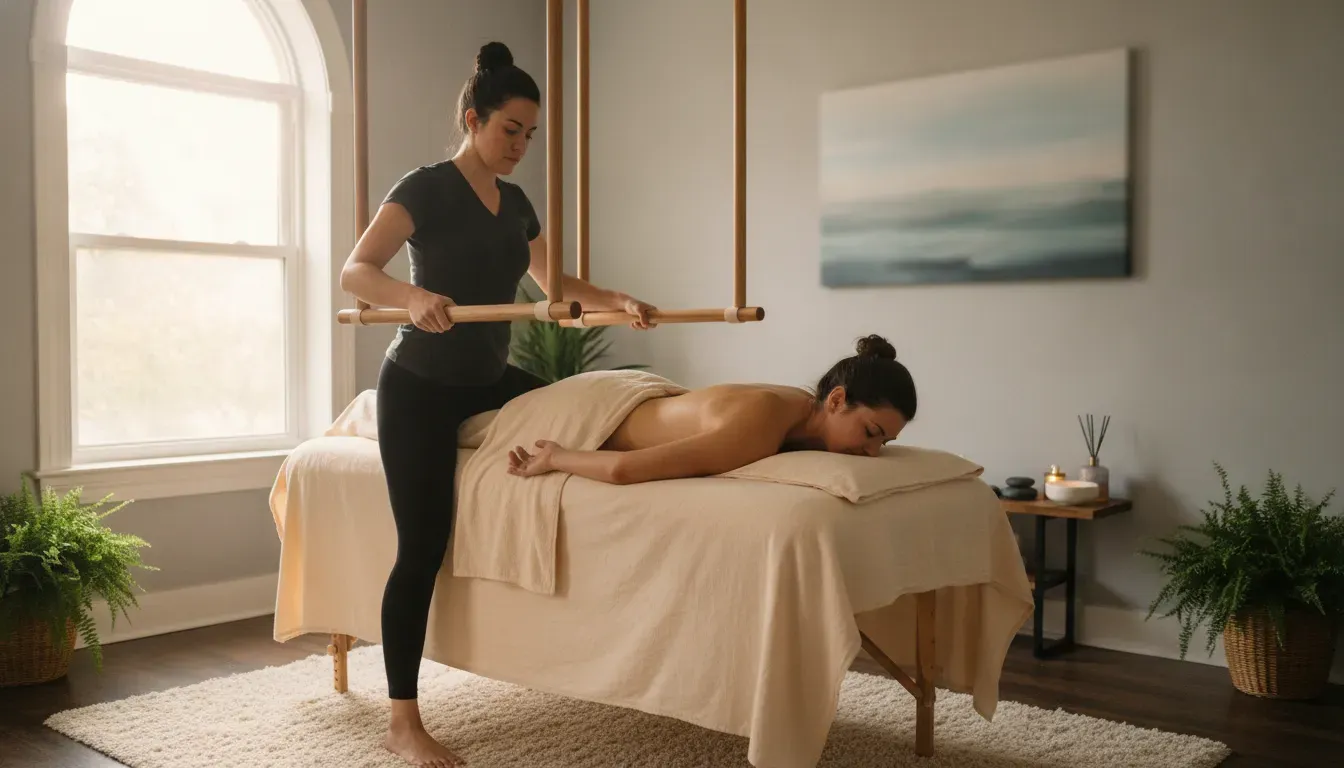
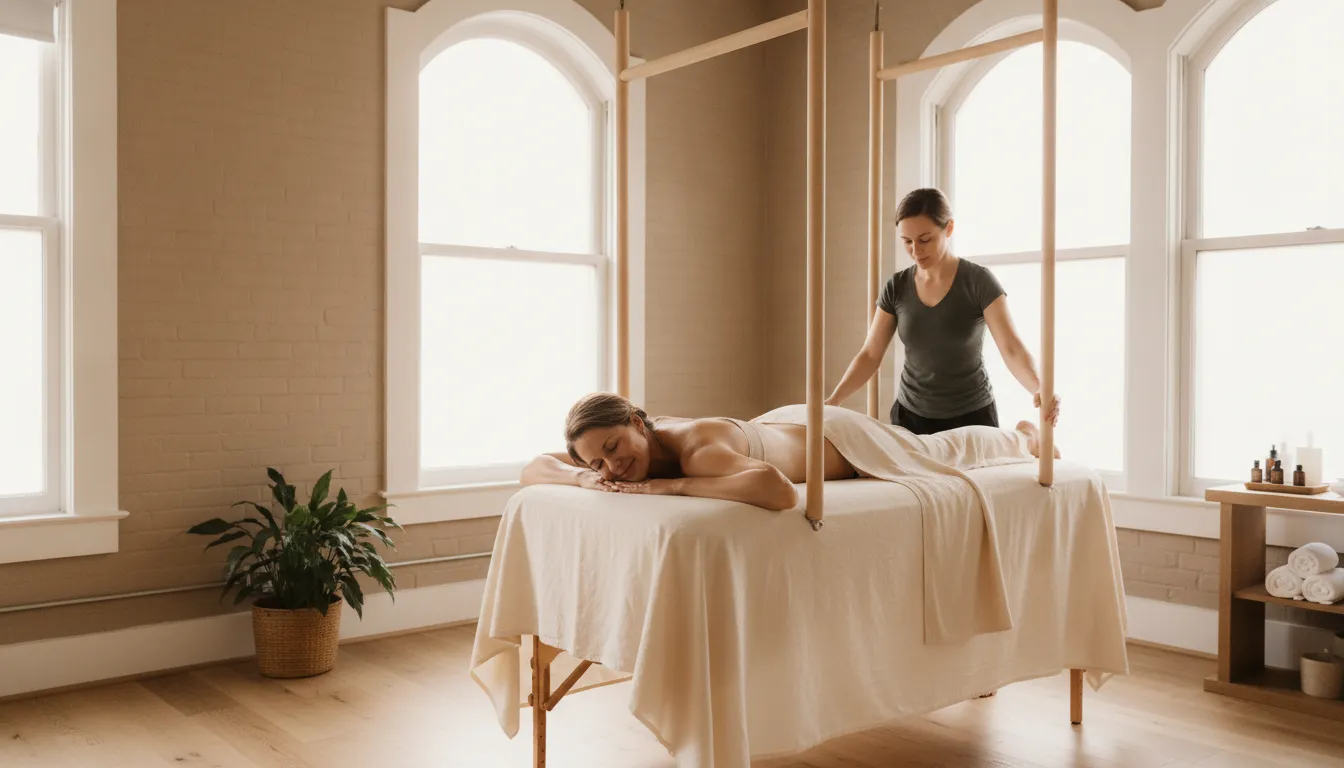
For a truly unique and deeply effective experience, Ashiatsu offers an incredible alternative to traditional massage. In this technique, the therapist uses their feet to deliver long, gliding, deep strokes. By using overhead bars for balance and support, the therapist can apply consistent, broad pressure that feels luxurious and deeply therapeutic. Ashiatsu allows for a level of depth that is difficult to achieve with hands alone, making it perfect for those who love deep tissue work but want a more comfortable, less “pokey” sensation. It’s a powerful modality for releasing tight muscles and promoting profound relaxation.
A Specialty at Nola Bliss Massage
Here at Nola Bliss, we are proud to specialize in Ashiatsu Deepfeet Bar Therapy. Our therapists are not only highly skilled in this advanced technique, but we are also the only certified Ashiatsu training center on the Gulf Coast. This means you are receiving care from true experts who are passionate about this powerful form of massage. We believe in its ability to provide unparalleled relief from chronic pain and tension. If you’re looking for the deepest, most luxurious massage you’ve ever had, we invite you to experience the unique benefits of Ashiatsu with us.
Trigger Point Massage
Trigger points are those tight, sensitive knots in your muscles that can cause pain in other parts of your body—a phenomenon known as referred pain. For example, a trigger point in your neck might be the source of your recurring headaches. Trigger point massage focuses on identifying and deactivating these specific points. The therapist applies direct, sustained pressure to the knot until it releases. This technique can be highly effective for resolving chronic pain patterns and restoring normal muscle function, providing targeted relief where you need it most.
Sports Massage
Designed with athletes in mind, sports massage is focused on preventing and treating injuries related to physical activity. The techniques can vary depending on the sport and whether the massage is for pre-event preparation or post-event recovery. It often involves a combination of deep tissue work, stretching, and other modalities to address areas of the body that are overused and stressed from repetitive movements. A sports massage can help improve flexibility, reduce muscle soreness, and enhance athletic performance, making it an essential tool for anyone with an active lifestyle.
Getting Ready for Your Massage: A Simple Checklist
A great massage is more than just what happens on the table; a little prep work beforehand can transform your experience from good to truly blissful. Think of it as setting the stage for deep relaxation. By taking a few simple steps before you arrive, you help your body and mind get the most out of every minute of your session. It’s all about making sure you’re comfortable, relaxed, and ready to let go of tension. These tips will help you walk into your appointment feeling prepared and open to the healing benefits of your massage.
Start by Drinking Plenty of Water
Hydration is key to a great massage. When your muscles are well-hydrated, they are more pliable and easier for your therapist to work on. Drinking water before your session helps prepare your muscle tissue for the deep work it’s about to receive. It also helps your body process and flush out the metabolic waste that gets released from your muscles during the massage. Try to increase your water intake the day before your appointment, not just an hour beforehand. This ensures your body is properly prepared to receive the full benefits of the treatment and helps you feel your best afterward.
When to Eat Before Your Appointment
Showing up for a massage feeling uncomfortably full is a recipe for distraction. Lying face down with a full stomach can be unpleasant and take away from your ability to relax. On the other hand, you don’t want your stomach growling with hunger, either. The best approach is to have a light meal or snack about an hour or two before your appointment. This gives your body time to digest while ensuring you have enough energy to feel comfortable. Avoid heavy, rich foods right before you come in, and you’ll be able to sink into the table without a second thought.
Mentally Prepare to Relax and Unwind
Your massage is your time to disconnect from the outside world. Try to arrive 10-15 minutes early to give yourself a moment to breathe, use the restroom, and transition out of a busy day. If you’re feeling nervous, especially if it’s your first massage, please let us know. It’s completely normal, and our dedicated team is here to make you feel completely at ease. We’ll walk you through the process and answer any questions you have. The more relaxed you are mentally, the more your body will be able to physically let go and accept the therapeutic work.
What Should I Wear to My Massage?
One of the most common questions we hear from new clients is, “What should I wear?” It’s a great question, and the simple answer is: whatever makes you feel most comfortable. Your massage is your time to relax and let go of stress, and that starts before you even get on the table. There are no strict rules, but a few simple guidelines can help you feel prepared and at ease from the moment you walk through our doors.
The main goal is to transition smoothly from your day into a state of relaxation. Thinking about your attire beforehand just means one less thing to worry about later. Whether you’re coming straight from work, a workout, or home, we’ve got you covered—literally. Let’s walk through what to expect and how to dress for maximum comfort.
Prioritize Comfort Above All Else
When choosing your outfit for the day of your massage, think soft and simple. We recommend wearing loose, comfortable clothes to your appointment. Think yoga pants, sweatpants, t-shirts, or anything that’s easy to slip on and off. This makes the process of changing before and after your session seamless.
After your massage, your body will be in a deep state of relaxation, and the last thing you’ll want to do is squeeze into tight jeans or restrictive clothing. Wearing something comfortable helps you extend that blissful, post-massage feeling for as long as possible. It’s all about making your entire experience, from start to finish, as stress-free as possible.
It’s Okay to Come As You Are
Here’s the most important thing to remember: you should only undress to your personal comfort level. Your massage therapist will leave the room to give you privacy to disrobe and get settled under the sheet on the massage table. You can choose to leave your underwear on or take it off—it is completely up to you. Our professional therapists can work around any clothing you choose to leave on.
Your comfort is our top priority. The goal is for you to relax, and you can’t do that if you’re feeling self-conscious. For treatments that involve long, gliding strokes, like a Swedish massage, being fully undressed can allow for a more fluid session, but it is never a requirement.
How Draping Keeps You Comfortable and Covered
No matter what you decide to wear (or not wear) under the sheet, rest assured that you will be securely covered throughout your entire session. This practice is called draping, and it’s a standard for all licensed massage therapists. Your therapist will use a sheet and blanket to keep your body covered, only uncovering the specific area they are working on at that moment. For example, when they are massaging your back, the rest of your body will remain draped.
This technique ensures your privacy and keeps you warm and comfortable. Our dedicated team of therapists is highly trained in professional draping methods, so you can feel completely safe and secure on the table.
How to Talk to Your Massage Therapist
Think of your massage therapist as a partner in your wellness journey. The key to a truly fantastic massage is open, honest communication. Your therapist is a trained professional whose only goal is to make you feel better, but they aren’t a mind reader. Speaking up about what you need and how you’re feeling allows them to tailor the session specifically for you. A simple conversation before you get on the table can transform a good massage into a great one. It’s the difference between a generic experience and one that addresses your unique aches, pains, and goals for the session.
At Nola Bliss, our therapists are dedicated to their craft and your comfort. We want you to leave feeling relaxed, rejuvenated, and heard. Don’t ever feel shy or awkward about sharing your preferences. We’re here to listen and adjust, ensuring your experience is exactly what you hoped for. Whether it’s your first massage or your fiftieth, clear communication is the most important tool for getting the results you want. Remember, this is your time, and you deserve to get the most out of every minute on the table. Your feedback helps us provide the best possible therapeutic massage.
Explain Your Goals for the Session
Before the session begins, your therapist will ask what you’d like to work on. This is your moment to be specific! Instead of just saying “I’m stressed,” try something like, “I hold all my stress in my neck and shoulders, and I’ve had a tension headache for two days.” The more detail you provide, the better your therapist can focus on the areas that need the most attention. Let them know if you’re dealing with an old injury, training for a marathon, or just need an hour of pure relaxation. Also, mention any minor cuts, bruises, or skin sensitivities so they can work around them.
Don’t Be Afraid to Give Feedback on Pressure
Pressure is personal, and what feels perfect to one person might be too much or too little for another. Your therapist will likely ask about your pressure preference, but you should feel empowered to give feedback throughout the entire session. There’s a difference between the “good hurt” of a knot releasing and actual pain. If anything feels sharp, pinching, or just plain uncomfortable, please speak up immediately. A simple, “Could you use a little less pressure there?” or “That’s perfect,” is all it takes. This is especially important during a deep pressure service like Ashiatsu Deepfeet Bar Therapy, where communication ensures the best results.
Point Out Sore Spots and Health Conditions
Your safety and well-being are the top priorities. It’s crucial to inform your therapist about any health conditions, even if they don’t seem related to the massage. This includes things like high blood pressure, recent surgeries, allergies, or chronic illnesses. This information helps them customize a safe and effective session for you. For example, a Prenatal Massage requires specific techniques and positioning to ensure the safety and comfort of both mother and baby. Rest assured that this information is confidential and allows your therapist to provide the best possible care.
A Few Things to Avoid Before Your Massage
To get the most out of your massage, what you don’t do beforehand is just as important as what you do. Think of it as setting the stage for total relaxation and healing. A few simple adjustments to your pre-massage routine can make a world of difference in how you feel on the table and for days afterward. We want you to have the best possible experience, whether you’re getting a soothing Swedish massage or our signature Ashiatsu Deepfeet Bar Therapy. By avoiding a few key things, you help your body and mind fully receive the benefits of your session. Here are a few things we recommend holding off on before you walk through our doors.
Hold Off on Alcohol and Caffeine
That pre-massage mimosa or extra-large coffee might sound like a good idea, but it’s best to wait until after your appointment. Both alcohol and caffeine can dehydrate you, and proper hydration is key to a great massage. Your therapist is working to release tension from your muscles, and water is what helps your body flush everything out. Showing up dehydrated can counteract the benefits and may leave you feeling a bit lightheaded or groggy afterward, which is the opposite of the blissful state we’re aiming for. Save the celebratory drink or coffee for after your session when you’re feeling completely refreshed.
Eat Light and Skip the Intense Workout
We know New Orleans has some incredible food, but try to schedule your big meal for after your massage. Lying on your stomach with a full belly can be uncomfortable and distracting, preventing you from fully relaxing into the experience. We suggest eating a light snack an hour or two before you arrive if you’re hungry. Similarly, it’s a good idea to skip that intense gym session right before your appointment. Your muscles will already be getting a deep workout on the table, and coming in with them already fatigued can sometimes lead to soreness rather than relief. Let the massage be the main event for your body.
Arrive with Clean, Fragrance-Free Skin
Please come to your appointment with clean skin, free of any heavy lotions, oils, or strong perfumes. Our therapists use professional-grade oils and lotions designed to provide the perfect amount of glide and grip for your specific treatment, whether it’s a relaxing Swedish or a targeted deep tissue massage. Other products can interfere with this process and make it harder for the therapist to work effectively. Plus, a massage room is an enclosed, serene space, and strong fragrances can become overwhelming for both you and your therapist, taking away from the calming environment we work hard to create for your session.
What to Expect During Your Massage
Walking into a massage room for the first time can feel a little mysterious, but it’s a simple process designed entirely around your comfort and relaxation. From the moment you arrive, your therapist’s focus is on creating a peaceful and healing experience for you. Knowing what’s coming next helps you relax even more deeply and get the full benefit of your session. Here’s a step-by-step look at what your time on the table will be like.
Arriving and Checking In
When you arrive, you’ll be greeted and led to your private, tranquil massage room. Before your session begins, your therapist will take a few minutes to chat with you. This is your time to share what you hope to get out of the massage. Are you looking to relieve tension in your shoulders? Do you have a nagging pain in your lower back? Or are you simply hoping to de-stress and unwind? Be sure to mention any health conditions or injuries. This conversation ensures your massage is tailored specifically to your needs, allowing our dedicated team to provide a safe and effective treatment just for you.
Getting Comfortable on the Table
After your consultation, your therapist will step out to give you complete privacy to undress and get comfortable on the massage table. You should undress to your personal comfort level—for many people, that means removing all clothing, while others prefer to leave their underwear on. It’s entirely up to you. You’ll lie down on the table and cover yourself with the sheet and blanket provided. Your therapist will knock before re-entering. Throughout all our massage services, you will be securely draped, and only the specific area of your body being worked on will be uncovered at any time. Your modesty and comfort are our top priorities.
Speaking Up During the Session
This is your massage, and your feedback is essential for making it a perfect experience. Your therapist will likely check in with you about the pressure, but please don’t hesitate to speak up at any point. If the pressure is too light or too deep, just say so. If the room is too cool or the music isn’t to your liking, let us know. This is especially important during a Deep Tissue or Swedish Massage, where the right amount of pressure is key to releasing muscle tension. Open communication helps your therapist adjust the technique to ensure you are comfortable, relaxed, and getting exactly what you need from your session.
Understanding Costs, Tipping, and Insurance
Once you’re feeling relaxed and rejuvenated, the last thing you want to think about is logistics. Knowing the general costs, tipping etiquette, and insurance possibilities ahead of time can make the end of your appointment just as seamless as the beginning. It helps you budget for your self-care and removes any awkwardness around payment. Here’s a straightforward guide to help you handle the practical side of your massage experience with confidence, so you can focus on that post-massage bliss.
Average Massage Costs
The cost of a massage can vary depending on your location, the length of the session, and the type of service you choose. Generally, you can expect a 60-minute massage to cost between $50 and $120. Longer, 90-minute sessions often range from $90 to $175. Specialized services, such as a couples massage or a prenatal massage, will have their own pricing structures. Enhancements like adding Hot Himalayan Salt Stones can also affect the final price. It’s always a good idea to check the service menu of the studio you plan to visit so you know exactly what to expect before you book.
Tipping Your Therapist
Tipping is a customary and much-appreciated way to show your therapist you valued their skill and care. If you were happy with your experience, a tip of 15% to 20% of the total service cost is standard. Our therapists are dedicated professionals who have devoted their careers to the practice of massage, and your gratuity acknowledges their hard work and expertise. If you’re using a gift certificate or a discount, it’s a thoughtful gesture to base your tip on the original, non-discounted price of the service. It’s a simple way to show your gratitude for a session that left you feeling fantastic.
Will Insurance Cover My Massage?
This is a common question, and the answer depends entirely on your specific health insurance plan. Some insurance policies will cover massage therapy, but it usually needs to be deemed medically necessary to treat a specific injury or condition. This often requires a formal prescription or referral from your doctor. It’s very rare for insurance to cover massages for general wellness or relaxation. The best course of action is to call your insurance provider directly before your appointment. Ask them about your coverage for “manual therapy” or “massage therapy” and find out exactly what documentation you would need to submit for reimbursement.
How to Get the Most Out of Your Massage
A truly great massage is a partnership between you and your therapist. While our team is dedicated to providing an incredible therapeutic experience, there are a few simple things you can do during your session to deepen your relaxation and maximize the benefits. It’s all about being present and allowing your body to receive the work it needs. By focusing on your mind and body, you can transform a good massage into an amazing one. These small adjustments can make a huge difference in how you feel both on the table and long after you leave our studio.
Think of your time on the table as a dedicated practice in mindfulness. The more you can tune in and participate in your own relaxation, the more effective the treatment will be. This doesn’t mean you have to do anything strenuous. In fact, it’s the opposite. It’s about letting go of the tension you’re holding, both physically and mentally. When your mind is calm and your body is open, your therapist can work more deeply and effectively, addressing the root causes of your discomfort instead of just the surface-level symptoms. This is especially true for therapeutic work like our specialized Ashiatsu Deepfeet Bar Therapy, where a relaxed state allows for deeper, more consistent pressure. By actively participating in your session through simple mental exercises, you help create the ideal conditions for healing and release.
Remember to Breathe Deeply
This sounds simple, but it’s incredibly powerful. When you’re on the massage table, bring your attention to your breathing. Try to take slow, deep, deliberate breaths that fill your belly. As you exhale, imagine the tension melting away from your muscles. Deep breathing helps switch your nervous system into “rest and digest” mode, making your body more receptive to the massage. It also helps your muscles relax, allowing your therapist to work more effectively on tight spots and knots. If you notice your mind wandering, gently guide your focus back to the rhythm of your breath. It’s a simple anchor that keeps you grounded in the present moment.
Let Your Mind Go Quiet
Your massage time is a rare opportunity to disconnect from the outside world. Leave your to-do lists, work emails, and daily worries at the door. Arriving a few minutes early can give you a moment to sit, sip some water, and transition out of a busy mindset. Once your session begins, try to let your thoughts drift by without judgment. Instead of planning your next move, focus on the sensation of the therapist’s touch and the feeling of your muscles releasing. If you find it hard to switch off, concentrating on your breathing can help. Giving your mind a true break is just as important as relaxing your body.
Set a Simple Intention
Before your massage begins, take a moment to think about what you want to achieve. Are you here to relieve chronic back pain? To de-stress after a tough week? Or simply to enjoy a quiet hour of self-care? Having a clear goal helps you get the most out of your time. Be sure to share this intention with your therapist during your initial consultation. Knowing your goal allows them to customize the session to your specific needs, whether that means focusing on a particular area or using techniques best suited for a deep tissue massage or pure relaxation. This simple step ensures your experience is perfectly tailored to you.
What to Expect After Your Massage Ends
The bliss doesn’t have to end when you step off the table. The hour or so after your massage is a crucial time for your body to process the therapeutic work it just received. Knowing what to expect and how to care for yourself can extend the benefits of your session long after you’ve left our studio. Think of it as the final, essential step in your self-care routine. By giving your body a little extra attention, you can help it fully absorb the positive effects of the massage, ensuring you feel your best.
That Blissful Post-Massage Feeling
Right after your massage, you’ll likely feel deeply relaxed and maybe even a little floaty—we call that “massage brain.” It’s a wonderful state of calm. For many, this is followed by a sense of rejuvenation and renewed energy. However, it’s also completely normal to feel some muscle soreness, especially if you had a therapeutic session like a deep tissue or Ashiatsu massage. This is similar to the feeling after a good workout; it’s a sign that your muscles were worked effectively to release tension. This tenderness usually subsides within a day or two, leaving you feeling more mobile and relieved.
Your Aftercare Plan: Hydrate and Rest
Your most important job after a massage is to drink plenty of water. Your muscles are made up of about 75% water, and proper hydration helps them stay healthy and pliable. During a massage, metabolic waste is released from your soft tissues, and drinking water helps your body flush everything out efficiently. Try to avoid alcohol or caffeine for the rest of the day, as they can be dehydrating. If you can, take it easy. A gentle walk is fine, but try to postpone any strenuous activity. Giving your body time to rest allows it to fully integrate the benefits of your massage service.
How Soon Should You Book Your Next Session?
Think of massage as a vital part of your wellness routine, like exercise or healthy eating, rather than just a special treat. Regular sessions can lead to significant long-term benefits, from reduced chronic pain to better stress management. So, when should you come back? The best answer comes from a combination of listening to your body and talking with your therapist. They can recommend a schedule based on your specific goals and needs. Building a relationship with one of our dedicated therapists ensures your care is consistent and tailored perfectly to you, helping you maintain that feeling of bliss.
Prepping for Different Types of Massage
While the tips above are a great starting point for any massage, some specialty services benefit from a little extra consideration. Think of it as fine-tuning your preparation to match the specific experience you’ve booked. Whether you’re coming in for intense therapeutic work, a gentle prenatal session, or a relaxing shared experience, a few extra mental notes can make a world of difference. Knowing what to expect and how to communicate your needs for these unique massages ensures you get the most out of every minute on the table.
For Deep Tissue or Ashiatsu Massages
If you’ve booked a deep tissue massage or our signature Ashiatsu Deepfeet Bar Therapy, your goal is likely to address chronic pain or seriously tight muscles. These techniques go beyond general relaxation to provide targeted relief. The key to a successful session is open communication. Be ready to point out specific areas of discomfort and don’t hesitate to speak up if the pressure is too much—or not enough. Your therapist is skilled at listening to both your words and your body’s response, but clear feedback from you is what makes the treatment truly effective and tailored to your needs.
Tips for Your Prenatal Massage
Your comfort and safety are the top priorities during a Prenatal Massage. Before your session, take a moment to think about any specific aches and pains you’ve been experiencing—like lower back pain or swollen ankles. Be sure to let your therapist know how far along you are and if you have any concerns or conditions your doctor has mentioned. We use special pillows and positioning to keep you and your baby comfortable and safe throughout the massage. This session is all about providing relief and support during this special time, so sharing these details helps us customize the experience just for you.
Always Consult Your Doctor First
Before you book any massage during pregnancy, your first and most important step is to have a conversation with your doctor or midwife. While prenatal massage is a gentle and non-invasive therapy, it’s essential to get the green light from your healthcare provider. If you have certain conditions, such as high blood pressure, or are considered a high-risk pregnancy, your doctor may recommend waiting or avoiding massage altogether. This quick check-in ensures that we can provide you with a safe, relaxing, and beneficial experience without any worries. Your health and your baby’s health are our top priorities, and we always work in partnership with your medical advice.
Safe Massage Techniques During Pregnancy
Once you have your doctor’s approval, you can rest easy knowing that a professional prenatal massage is designed specifically for your changing body. The biggest difference you’ll notice is the positioning. Instead of lying face down, you’ll be comfortably supported on your side with pillows to keep your hips, knees, and spine aligned. This position takes all the pressure off your abdomen and lower back. Our therapists are specially trained in prenatal massage techniques, using modified strokes that are both soothing and effective for relieving common pregnancy discomforts. The focus is always on gentle, safe, and supportive touch.
Techniques to Avoid
A trained prenatal massage therapist knows what to do, but just as importantly, they know what not to do. Certain techniques, like deep tissue work on the legs or abdomen, are avoided to ensure safety. There are also specific acupressure points, particularly around the ankles and wrists, that are believed to stimulate uterine contractions, so your therapist will steer clear of those areas. This is also why many studios, including ours, wait until the second trimester to begin prenatal massage. Our therapists’ specialized training means you can fully relax, confident that you and your baby are in knowledgeable and caring hands.
What to Know Before a Couples Massage
A Couples Massage is a wonderful way to connect and relax with a partner. To make it a great experience for both of you, it helps to chat beforehand. While you’ll each have your own therapist, you can decide on the general vibe you want for the room—do you prefer quiet, or would you like to chat softly? It’s also a good idea for each of you to think about your individual goals for the massage. One of you might want to focus on a sore neck, while the other just wants to unwind. Communicating these preferences to your respective therapists ensures you both leave feeling refreshed and satisfied.
Making Massage a Regular Part of Your Wellness Routine
Think of massage not just as a special treat, but as a vital part of your wellness routine. Just like regular exercise or healthy eating, consistent massage therapy can have a profound impact on your physical and mental health. Regular sessions can help manage stress, improve circulation, ease chronic pain, and keep your body feeling its best. When you make massage a regular practice, you’re making a long-term investment in your well-being. It becomes less about fixing a problem and more about maintaining a state of balance and health. The key is to find a rhythm that works for you and to build a supportive relationship with a therapist who understands your goals.
Find a Massage Therapist You Connect With
Finding the right massage therapist is like finding any other trusted healthcare professional—it’s all about connection and communication. Your massage is a partnership, and the best results come from open dialogue. Don’t be shy about sharing your goals, whether you’re dealing with a nagging shoulder injury or just need to de-stress. Our dedicated team of therapists is here to listen and tailor the session to you. Remember to speak up if the pressure is too light, too firm, or if something feels uncomfortable. We are professionals who have seen it all, and our only goal is to make you feel safe and comfortable so you can get the most out of your time on the table.
Check for Licensing and Insurance
Your safety and peace of mind are paramount. Before booking with any massage provider, you should always confirm that they are licensed and insured. A license ensures your therapist has met the state’s rigorous requirements for training and education, guaranteeing a professional standard of care. Insurance protects both you and the therapist. At Nola Bliss, every one of our therapists is fully licensed and insured, so you can relax knowing you are in the hands of a qualified professional. You can also look for therapists who are members of professional organizations like the American Massage Therapy Association (AMTA), which indicates a commitment to ethical practices and continuing education.
Look for Experience and Training
Experience makes a significant difference in the quality of your massage. A therapist who has dedicated years to their craft develops an intuitive touch and a deep understanding of how to address complex issues within the body. Look for a studio that values experience and specialized training. For example, our team at Nola Bliss is composed of highly experienced career therapists who are passionate about healing. This expertise is especially important for specialized modalities like our Ashiatsu Deepfeet Bar Therapy, which requires advanced certification. An experienced therapist can better listen to your body’s needs and adapt their technique to provide the most effective relief.
Ask the Right Questions
Don’t be afraid to ask a few questions to ensure a therapist is the right fit for you. This helps build trust and ensures you get the care you need. A great therapist will be happy to discuss their qualifications and approach with you. Consider asking things like: How long have you been practicing? What types of massage do you specialize in? What is your experience with [your specific condition or goal]? This conversation is also the perfect time to share your health history. Building a relationship with a therapist you trust is the first step toward a consistent and effective wellness routine, and it’s a core part of the experience we provide for our clients at Nola Bliss.
Listen to Your Body: When to Book an Appointment
So, how often should you get a massage? The honest answer is: it depends on you. Your body is the best guide. If you’re dealing with chronic pain or recovering from an injury, you might benefit from more frequent sessions, perhaps weekly or bi-weekly. For general wellness and stress management, a monthly massage can be a fantastic way to maintain balance. The best approach is to chat with your therapist at the end of your session. Based on your body’s response and your personal wellness goals, they can recommend a massage treatment plan and a schedule that makes sense for you. Listening to your body and working with your therapist will help you create a sustainable and beneficial routine.
Related Articles
- Couples Massage | Nola Bliss Massage Therapy
- Massage Services | Nola Bliss Massage Therapy
- Ashiatsu | Nola Bliss Massage Therapy
Frequently Asked Questions
Is it okay to talk during my massage? Absolutely. This is your time, and you should spend it however you feel most comfortable. Some people find that chatting helps them relax, while others prefer complete silence to quiet their minds. Your therapist will likely take their cues from you. If you want to talk, feel free; if you prefer quiet, that’s perfectly fine too. The only time you absolutely should speak up is if you need the pressure adjusted or feel any discomfort.
What if I fall asleep or snore during my session? Please don’t worry about this! It’s actually a huge compliment to your therapist. Falling asleep is a sign that you are completely relaxed and comfortable, which is exactly what we hope for. Snoring is a natural part of that deep relaxation. Our therapists are professionals who see this happen all the time and understand it as a sign that they’re doing a great job helping you unwind.
Why do I feel sore the day after a deep tissue massage? It’s completely normal to feel some muscle tenderness after a deep tissue or Ashiatsu massage. Think of it like the soreness you feel after a really good workout. Your therapist worked on muscles that were tight and holding a lot of tension, and that process can create a temporary, mild inflammatory response as your body begins to heal and realign. This feeling should fade within a day or two, leaving you feeling much more mobile and relieved.
Do I have to be completely undressed for my massage? No, you only need to undress to your personal comfort level. Your therapist will give you complete privacy to disrobe and get settled under a sheet and blanket on the table. Whether you choose to leave your underwear on or take it off is entirely your decision. Our therapists are highly skilled in professional draping techniques, ensuring you are securely covered throughout the entire session, with only the area being worked on uncovered.
How do I know which type of massage is right for me? The best massage for you depends on your goals for the session. If you’re looking for overall relaxation and stress relief, a Swedish massage is a wonderful choice. If you’re dealing with chronic pain, knots, or muscle tightness, a Deep Tissue or Ashiatsu massage will provide more targeted, therapeutic pressure. Don’t feel like you have to have it all figured out before you arrive. You can always discuss your needs with your therapist during the consultation, and they will help you choose the perfect service.