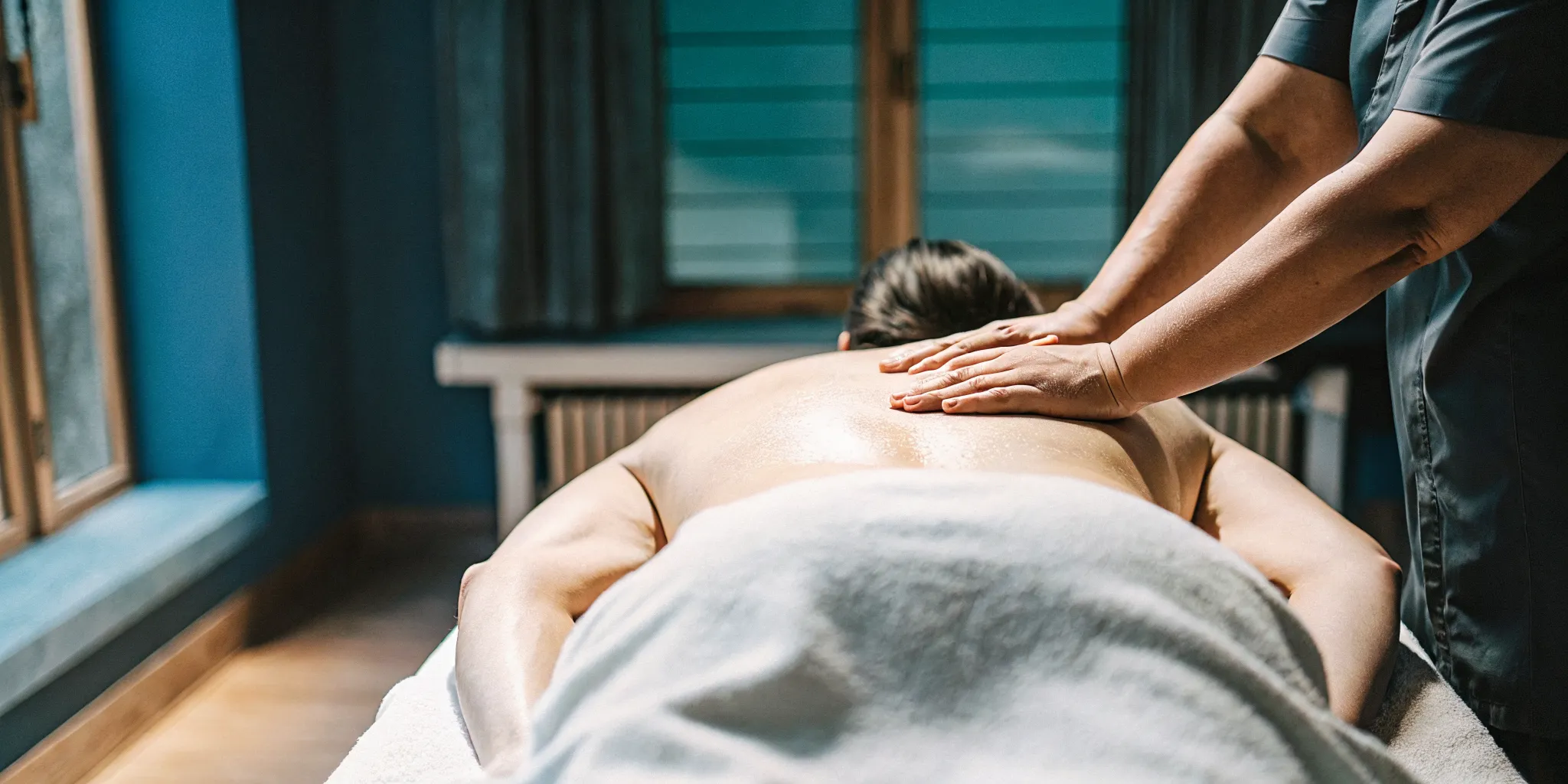

When you’re dealing with a nagging backache, a fluffy spa day isn’t the answer—real relief is. While many see massage as a luxury, a professional therapeutic session is a powerful tool for your wellness. It’s less about cucumber water and more about a skilled therapist using a deep understanding of anatomy to target the source of your discomfort. This isn’t just about feeling good for an hour. It’s about creating lasting change. We’ll show you how a professional massage for back pain works as a targeted treatment, not just a treat.
Key Takeaways
- Go Beyond Simple Relaxation: A professional massage provides real, physiological benefits by improving circulation to injured areas, breaking up painful muscle knots, and triggering the release of endorphins for natural pain relief.
- Choose the Right Tool for the Job: Different types of back pain require different solutions. A Swedish massage is perfect for general aches, while Deep Tissue or Ashiatsu are designed to address deep, chronic tension and restore movement.
- Make Your Relief Last: Lasting results come from teamwork. Communicate with your therapist during the session and support their work afterward with simple stretches and mindful daily habits to keep your back feeling great.
Why Your Back Hurts (And How Massage Can Help)
If you’re dealing with back pain, you’re not alone. It’s one of the most common physical complaints, showing up as anything from a dull, constant ache to a sharp, sudden pain that stops you in your tracks. But before you can find lasting relief, it helps to understand what’s causing the discomfort in the first place. Once you have a clearer picture of the root cause, you can see how therapeutic massage can be a powerful tool for easing pain and restoring movement. A targeted massage session goes beyond simple relaxation; it’s about addressing the underlying muscular issues that keep you from feeling your best.
What’s Causing Your Back Pain?
Back pain can stem from a wide range of issues, from a simple muscle strain after a weekend of yard work to more complex conditions. That’s why it’s so important to understand the reason for your pain before booking a massage, ensuring you get the right treatment. When you experience an injury, your body has a clever defense mechanism: it tightens the surrounding muscles to protect your spine, a reaction sometimes called “splinting.” While this is helpful initially, this constant muscle tension can eventually make chronic back pain worse, creating a cycle of stiffness and discomfort that’s hard to break on your own.
How Massage Works to Relieve Back Pain
This is where a professional massage can make a world of difference. Therapeutic massage works by addressing the muscular issues that contribute to back pain. By applying targeted pressure, your therapist can increase blood flow to the affected area, which delivers oxygen and nutrients that promote healing. A skilled massage also helps your brain recognize that the injured area is no longer in danger, allowing those tight, guarded muscles to finally relax. This process helps break the pain-splinting cycle, easing tension and reducing pain. Techniques like a Deep Tissue or Swedish Massage are especially effective for pain caused by muscle strain, general tension, and stiffness.
The Proven Benefits of Massage for Back Pain
A Look at the Statistics
It’s one thing to hear that massage feels good, but it’s another to know that science backs it up as a legitimate treatment for back pain. Research consistently shows that therapeutic massage does more than just relax you; it can significantly reduce pain and help you get back to your life faster. In fact, one comprehensive review of studies found that massage can provide more relief for back pain than sticking with usual care. It’s not just about feeling better in the moment, either. A professional massage can also improve your range of motion, making it easier to move without that familiar twinge of discomfort. This is because a skilled therapist knows how to combine different techniques to address your specific issues, ensuring the treatment is tailored just for you.
Which Type of Massage is Best for Back Pain?
Walking into a massage studio can feel a bit like ordering from a new coffee shop—so many options, and you’re not quite sure which one is right for you. When it comes to back pain, choosing the right type of massage is key to getting the relief you need. Each technique offers a unique approach, designed to address different kinds of pain, from a dull, persistent ache to a sharp, localized knot. Let’s walk through some of the most effective massage styles so you can find the perfect match for your back.
Deep Tissue for Deep, Chronic Pain
If you’re dealing with long-term muscle tension or stubborn knots that just won’t quit, a deep tissue massage might be your answer. This technique goes beyond the surface to target the deeper layers of your muscle and connective tissue. Using firm pressure and slow, deliberate strokes, your therapist works to release chronic tension. It’s especially helpful for what’s known as “muscle splinting,” where your muscles stay tense around an old injury long after it has healed. A deep tissue massage helps break up this pattern, encouraging your back muscles to finally relax and let go of that lingering pain.
Understanding Deep Tissue Techniques
A deep tissue massage is much more than just firm pressure. It’s a highly specific approach where your therapist uses advanced techniques to reach the deeper layers of muscle and fascia. Think of it as a targeted strategy to release chronic patterns of tension. A skilled therapist will use a combination of methods to address your specific needs, working to break up adhesions (those stubborn “knots”), release tight muscles, and restore proper movement. Understanding these techniques can help you appreciate the skill involved and communicate more effectively with your therapist about what your body needs.
Cross-Fiber Friction
One of the key techniques your therapist might use is cross-fiber friction. Instead of gliding along the muscle, this method involves applying pressure *across* the grain of the muscle fibers. This friction helps to break down scar tissue and adhesions that can form after an injury, which are often the source of chronic pain and stiffness. By smoothing out these tissues, the technique helps improve blood flow and can even help your nervous system stop sending pain signals from that area. It’s an incredibly effective way to address specific, localized problem spots.
Muscle Stripping
Another common deep tissue method is muscle stripping. As the name suggests, this technique involves applying deep, gliding pressure along the length of a muscle, following the direction of its fibers. The goal is to lengthen the muscle and release tension held deep within its belly. This is particularly useful for large muscle groups that carry a lot of stress, like the long muscles along your spine, your glutes, or your quads. By stripping the muscle, the therapist helps to restore its natural elasticity and range of motion.
Pin and Stretch
The pin and stretch technique is a fantastic way to get a deep, focused stretch in a specific part of a muscle. Your therapist will use their hand, forearm, or elbow to “pin” down one section of the muscle while carefully moving the rest of your limb to stretch it. This can be done passively, where the therapist moves your body for you, or actively, where you participate by moving your body as guided. This method is excellent for releasing stubborn tightness and improving flexibility in areas that are difficult to stretch on your own.
Swedish Massage: A Gentle Approach to Aches
Think of a Swedish massage as the classic, go-to option for overall relaxation and relief from everyday aches. It’s probably what comes to mind when you first picture a massage. This style uses lighter pressure with long, flowing strokes, kneading, and gentle tapping to ease muscle tension. While it’s less intense than a deep tissue massage, it’s incredibly effective for improving circulation and soothing sore muscles. If your back pain is more about general tightness and stress rather than deep, specific knots, a Swedish massage is a fantastic choice to help you unwind and feel refreshed.
Got Knots? Try Trigger Point Therapy
Have you ever had a tiny, painful knot in your back that seems to send pain shooting to another area, like your neck or shoulder? That’s a trigger point. Trigger point therapy is a highly focused technique designed to find and release these specific tight spots. Your therapist will apply direct pressure to these knots, which can feel intense for a moment, but the release provides incredible relief. This method is often integrated into other massage services to address those pesky, concentrated areas of pain that contribute to your overall discomfort, helping to break the cycle of tension.
Ashiatsu: For an Intense Muscle Release
For a truly profound and deeply relaxing experience, there’s Ashiatsu Deepfeet Bar Therapy. In this unique massage, the therapist uses their feet to deliver long, gliding, deep strokes. Using overhead bars for balance and support, they can apply the perfect amount of pressure to release tension from the deepest layers of muscle. Because the foot provides a broader surface than a thumb or elbow, the pressure feels both deep and gentle, never sharp or poky. It’s an incredibly efficient way to achieve lasting pain relief and is perfect for anyone who loves deep pressure but wants a more comfortable, luxurious experience.
Hot Stone Massage for Soothing Heat
If the idea of deep pressure makes you wince, but you still need serious relief, a hot stone massage is a wonderful middle ground. This technique uses smooth, heated stones placed on key points of your back. The warmth from the stones gently penetrates your muscles, helping to improve circulation and warm the tissue for an easier release of tension. This soothing heat allows your therapist to work more deeply and effectively without needing to apply intense pressure right away. It’s a fantastic way to melt away tightness, especially if your back pain is linked to stress or muscle fatigue, leaving you feeling both relaxed and renewed.
Himalayan Salt Stones at Nola Bliss Massage
For an even more therapeutic experience, you can enhance your massage with Himalayan salt stones. Unlike traditional basalt stones, these pink salt stones are packed with 84 naturally occurring minerals and elements. When heated, they not only provide soothing warmth but also gently exfoliate your skin and transfer some of those beneficial minerals. This process can help reduce inflammation and draw out toxins, adding another layer of healing to your session. At Nola Bliss, adding Hot Himalayan Salt Stones to your massage is a simple way to deepen your relaxation and amplify the pain-relieving benefits.
Myofascial Release to Target Connective Tissue
Sometimes, the source of back pain isn’t just in the muscle but in the connective tissue surrounding it, called fascia. Think of fascia as a thin web that wraps around every muscle and organ in your body. When it becomes tight or restricted due to injury or stress, it can pull on your muscles and cause significant pain and stiffness. Myofascial release uses slow, sustained pressure to gently stretch and open up this tight fascia. This technique helps reduce pain and improve your range of motion, making you feel less stiff and more mobile. It’s a subtle but powerful approach that addresses the root cause of chronic tightness.
Shiatsu for Targeted Pressure Point Relief
Shiatsu is a Japanese style of bodywork that focuses on restoring balance to your body’s energy flow. Instead of long, gliding strokes, a Shiatsu practitioner applies rhythmic, targeted pressure to specific points on the body. This technique is designed to release blockages and encourage your body’s natural healing abilities. For back pain, a therapist might use their fingers, thumbs, and palms to apply pressure along the muscles supporting your spine. This can be incredibly effective for relieving localized pain, reducing stress, and helping you feel more centered and energized. It’s a great option if you’re looking for a focused treatment that addresses both physical discomfort and overall well-being.
What Happens to Your Body During a Massage?
It’s easy to think of massage as just a way to relax, but there’s some serious science happening when a skilled therapist goes to work on your back. Therapeutic massage isn’t just about feeling good in the moment; it’s about creating real, physiological changes in your body that promote healing and provide lasting relief. By working with your body’s own systems, massage can address the root causes of your pain, from tight muscles to poor circulation.
Understanding what’s happening beneath the surface can help you appreciate why that feeling of relief is so profound. It’s a combination of improved blood flow, muscle relaxation, and a rush of your body’s natural painkillers. Let’s look at how these three key factors work together to get you moving comfortably again.
Better Blood Flow for Faster Healing
When your back muscles are tight, knotted, and painful, they’re often not getting the blood flow they need. Think of it like a traffic jam in your tissues. This congestion prevents oxygen and vital nutrients from reaching the area and stops metabolic waste products from being cleared away, which can slow down healing and increase pain. Massage acts like a traffic controller, using targeted pressure and strokes to manually push blood through these congested areas. This process of increasing circulation floods your muscles with fresh, oxygen-rich blood, helping to nourish the tissue and flush out the inflammatory byproducts that contribute to soreness.
Ease Tension and Improve Your Range of Motion
Often, back pain is caused by muscles that are stuck in a state of constant contraction. This can happen after an injury, from poor posture, or due to chronic stress. Your muscles essentially “guard” the area, staying tight to prevent further harm, but this splinting reflex can persist long after it’s needed, leading to stiffness and chronic pain. A therapeutic massage, especially a deep tissue or Ashiatsu session, applies slow, sustained pressure to release these contracted muscle fibers. This helps break the pain cycle, signaling to your brain that it’s safe for the muscle to relax. As the tension melts away, you’ll notice improved flexibility and a greater range of motion.
Tapping Into Your Body’s Natural Painkillers
That blissful, floaty feeling you get during and after a great massage isn’t just in your head. The physical stimulation of massage triggers your nervous system to release endorphins, which are powerful, naturally produced chemicals that act as your body’s own painkillers. They function similarly to opioids by blocking pain signals from reaching your brain. This creates immediate relief and also produces a sense of well-being and calm. By reducing stress and anxiety—which are often major contributors to muscle tension—this endorphin release helps your body and mind relax, making it easier for your muscles to let go of that deep-seated tightness.
Acute vs. Chronic: Which Type of Back Pain Do You Have?
Not all back pain is created equal. Understanding whether your pain is acute (short-term) or chronic (long-term) is the first step toward finding the right kind of relief. Acute pain is your body’s alarm system—it’s a sudden signal that something is wrong, like a muscle strain from lifting something heavy. Chronic pain is more like an alarm that won’t turn off, lingering for weeks, months, or even longer. Each type of pain responds differently to treatment, which is why your massage plan should be tailored to your specific needs.
How to Handle Sudden Back Pain
Acute pain often shows up uninvited after a specific event—maybe you overdid it at the gym, spent too long hunched over your desk, or just slept in a weird position. This type of pain is sharp and immediate, but the good news is that it typically resolves within a few weeks. For this kind of sudden discomfort, massage can be incredibly effective at speeding up your recovery. A therapeutic massage helps soothe muscle spasms, reduce inflammation, and increase blood flow to the injured area. A gentle but firm Swedish massage can work wonders to calm your nervous system and ease the tension, helping your body get back to feeling normal, faster.
Using Massage for Long-Term Relief
Chronic pain is a different beast altogether. It’s the nagging ache that sticks around for more than three months, long after an initial injury should have healed. This persistent pain can be caused by anything from poor posture to an old injury that never fully resolved. The goal with chronic pain is management and restoring function. This is where deeper, more focused techniques come into play. A Deep Tissue massage can help break up scar tissue and adhesions that restrict movement and cause pain. It works to release long-held tension patterns, essentially reminding your muscles how to relax and function properly again, which can provide significant, lasting relief.
Your Pain is Unique, Your Treatment Should Be Too
Because the causes of back pain are so varied, your treatment plan should be just as unique as you are. There’s no single magic technique that works for everyone. A skilled massage therapist acts like a detective, using their knowledge to figure out the root cause of your discomfort. During your consultation, they’ll listen to your history and create a personalized session that might blend different approaches. For example, you might benefit from the broad, soothing strokes of a Swedish massage combined with targeted trigger point therapy for specific knots. Our team is trained in a wide range of massage services to ensure your treatment directly addresses your specific needs, helping you find the most effective path to feeling better.
Your First Therapeutic Massage: What to Expect
Walking into a massage appointment for back pain can feel a little mysterious, especially if it’s your first time. What should you say? What will it feel like? Knowing what to expect helps you relax and get the most relief from your session. A therapeutic massage is a collaborative process between you and your therapist, focused entirely on your well-being. It’s more than just a relaxing spa treatment; it’s a targeted approach to address the specific muscles and tissues causing you discomfort. Think of it as a conversation between your therapist’s hands and your muscles, with you as the guide. Here’s a simple breakdown of the experience, from the moment you arrive to the moment you leave feeling better.
The Pre-Massage Chat: What to Discuss
Your session begins before you even get on the table. Your massage therapist will start with a brief consultation to understand your needs. This is your time to share where you’re feeling pain, how intense it is, and what your goals are for the massage. Be sure to mention any injuries, medical conditions, or areas you’d like them to focus on—or avoid. If you’re dealing with significant or undiagnosed back pain, it’s always a good idea to talk with your doctor first. This initial chat ensures your therapist can tailor the session specifically for you, creating a safe and effective treatment plan.
On the Table: The Massage Itself
Once the massage begins, your main job is to relax and breathe. Your therapist will use various techniques to address your back pain. This might involve long, gliding strokes to warm up the muscles, followed by more focused pressure on specific knots or tight spots. The goal is to increase blood flow to the affected areas, which helps reduce inflammation and promote healing. A therapeutic massage can also help your muscles release the “splinting” pattern they adopt when guarding an injury, allowing them to finally relax. Our team is skilled in a variety of massage services designed to release tension and restore comfort.
Don’t Be Shy: Why Your Feedback Matters
Communication is key to a successful massage. Your therapist will likely check in with you about the pressure, but you should always feel empowered to speak up. The pressure should feel strong and effective, but never painful. A good rule of thumb is that it should be “intense but bearable,” not excruciating. Let your therapist know if you need more or less pressure, or if a certain technique feels uncomfortable. Our experienced therapists rely on your feedback to deliver the best possible treatment, so don’t be shy. This is your time, and your comfort is the top priority.
After Your Massage: What to Do Next
The benefits of your massage don’t stop when the session ends. To make the relief last, be sure to drink plenty of water, which helps flush out metabolic waste released from your muscles. It’s also a good idea to take it easy for the rest of the day and avoid strenuous activity. You might feel a little sore for a day or two, similar to how you’d feel after a workout—this is completely normal. Your therapist may also suggest some simple stretches or a follow-up schedule to help you manage your back pain long-term and get the most out of your treatment.
Massage for Back Pain: What It Can (and Can’t) Do
Massage can be an incredible tool for managing back pain, but it’s helpful to understand what it can—and can’t—do. While a great massage can feel like magic, it’s a therapeutic practice grounded in physiology. For many people, it provides significant relief and becomes a key part of their wellness routine. However, it’s not a cure-all, and in some situations, it’s not the right choice. Knowing the difference helps you get the most out of your treatment and take care of your body effectively.
How Massage Improves Pain and Mobility
When your back hurts, tight muscles are often a major part of the problem. Massage therapy directly addresses this by easing muscle tension, which helps reduce stiffness and pain. The physical manipulation of the muscles increases blood flow to the affected area, bringing oxygen and nutrients that promote healing. This is why you often feel more flexible and mobile after a session. While massage is excellent for short-term relief, its greatest strength is as a complementary treatment that helps you manage pain for the long haul.
Massage Myths You Should Stop Believing
Let’s clear up a few common misconceptions about massage. First, it’s not just for relaxation. While a Swedish massage is wonderfully soothing, many techniques are designed for therapeutic results. Modalities like Ashiatsu Deepfeet Bar Therapy are specifically meant to release deep, chronic tension. Another myth is that relief is only temporary. While a single spa massage might offer a fleeting fix, a consistent treatment plan with a licensed therapist is designed to create lasting change. Finally, you don’t have to be in pain to get a massage; it’s great for preventative care, too.
When You Shouldn’t Get a Massage for Back Pain
As beneficial as massage is, it’s not always the right answer. Your safety is the top priority, and there are times when you should postpone your appointment. If your back pain is from a recent, acute injury like a fracture or torn ligament, massage can make things worse. You should also avoid massage if you have a fever or certain medical conditions. If your pain is severe or accompanied by numbness, it’s crucial to see a doctor first. A professional massage therapist will always review your health history to ensure the treatment is safe for you.
Special Considerations for Nerve Pain
If your back pain comes with tingling, numbness, or a shooting sensation down your leg, you might be dealing with nerve involvement, like sciatica. While it’s tempting to think deep pressure will fix it, this is one case where a gentle approach is essential. Applying intense pressure directly over an irritated nerve can actually make the symptoms worse. It’s important to discuss your symptoms with your doctor before your appointment and be very clear with your therapist about what you’re feeling. A skilled therapist will use lighter, soothing strokes to relax the muscles surrounding the nerve, helping to relieve the pressure without causing further irritation. This allows the area to calm down, providing relief without the risk.
Fitting Massage Into Your Wellness Routine
Think of massage as one important piece of your overall wellness puzzle. For persistent back pain, it works best when it’s part of a broader strategy. A skilled therapist can provide immediate relief, but that relief is easier to maintain when you also incorporate gentle stretching and mindful movement into your routine. Our team of dedicated therapists can work with you to understand your pain and support your health goals. By viewing massage as regular maintenance, you empower yourself to manage your back pain effectively.
Massage as a Complementary Therapy
Massage therapy can be a powerful ally when added to your usual care plan. Think of it as a supportive treatment that enhances the work you’re already doing with your doctor or physical therapist. While other treatments focus on skeletal alignment or medication, massage zeroes in on the muscular issues that contribute to back pain. It can help reduce pain and get you back to your daily activities more quickly when used alongside your regular care. By easing muscle tension and breaking the pain-splinting cycle, a skilled therapist helps create the ideal conditions for your body to heal, making it an essential part of long-term pain management.
When to See a Doctor About Your Back Pain
While a therapeutic massage can work wonders for back pain, it’s important to know when it’s the right tool for the job and when you might need a different kind of professional help. Self-treating with massage at home can be a great first step, but if the pain sticks around, it might be time to call in the experts. A professional massage therapist brings a deep understanding of anatomy and technique, but sometimes, your first stop should be a doctor’s office to get a clear diagnosis. Knowing when to seek medical advice versus when to book a massage is key to getting on the fastest path to feeling better.
Pain Red Flags: Don’t Ignore These Symptoms
Listen to your body. If your back pain is severe, doesn’t improve after a few days, or is so bad that it stops you from doing your daily activities, it’s time to talk to a doctor. Pain that comes with numbness, tingling, or weakness in your legs is another sign that you should seek medical advice promptly. A doctor can properly diagnose the issue and rule out any serious underlying conditions. They might suggest treatments like physical therapy, medication, or specific stretches that can work alongside massage therapy to help you heal. Getting a clear diagnosis ensures that any massage treatment you receive is safe and effective for your specific situation.
How to Choose the Right Massage Therapist
Not all massages are created equal, and the right therapist can make all the difference. A great massage therapist does more than just rub your back; they have advanced training to understand what’s causing your pain. They’ll talk with you about your symptoms, daily habits, and health history to create a session that is completely unique to you. At Nola Bliss, our dedicated team of licensed therapists are career professionals who specialize in this kind of personalized, therapeutic work. They have the experience to identify the source of your discomfort and apply the right techniques to bring you relief.
Check for These Qualifications and Credentials
When you’re dealing with back pain, you want to be sure you’re in good hands. Always look for a licensed massage therapist (LMT) with experience in treating pain. Don’t be shy about asking about their training, especially if you’re interested in specialized services like Ashiatsu Deepfeet Bar Therapy or prenatal massage. A qualified professional will always work within their scope of practice and will encourage you to see a doctor for a diagnosis if needed. This partnership between medical advice and skilled bodywork is often the most effective way to manage and relieve persistent back pain for good.
Ask for Personal Recommendations
One of the best ways to find a great therapist is to ask people you trust. Talk to friends, family, or even your doctor or physical therapist for a referral. If someone you know has found relief from back pain with a particular therapist, that’s a strong endorsement. When you’re looking at online reviews, pay attention to comments that describe the therapist’s approach. Look for mentions of a thorough consultation and a personalized treatment plan. A skilled massage therapist acts like a detective, using their knowledge to figure out the root cause of your discomfort. They’ll listen to your history and create a session that might blend different approaches, ensuring your massage service is tailored specifically to your needs.
Look for National Certifications
Beyond personal recommendations, credentials are non-negotiable. Always look for a licensed massage therapist (LMT) with experience in treating pain. This license ensures they have completed rigorous training in anatomy, physiology, and safe practices. Don’t be shy about asking about their training, especially if you’re interested in specialized services. For example, if you want to try a more intensive treatment for deep, chronic pain, you’ll want a therapist who is certified in a modality like Ashiatsu Deepfeet Bar Therapy. A true professional will be happy to share their qualifications and is dedicated to providing safe, effective care that addresses your specific concerns.
How to Make Your Pain Relief Last
That incredible feeling of relief after a great massage is something you want to hold onto for as long as possible. While your therapist works wonders on the table, what you do between appointments is just as important for long-term results. Think of your massage as a reset button for your body; these simple practices are how you maintain that progress. By incorporating some gentle self-care, making small adjustments to your daily routine, and staying consistent with your professional treatments, you can extend the benefits of your massage and keep pain at bay. It’s all about creating a supportive wellness plan that works for you, turning that post-massage bliss into your new normal.
At-Home Stretches to Support Your Back
Your therapist can’t go home with you, but you can continue their good work with a few simple habits. Gentle stretching is one of the best ways to maintain flexibility and prevent muscles from tightening up again. Focus on areas that hold tension, like your neck, shoulders, and lower back. Even five minutes of stretching in the morning or before bed can make a huge difference. You can also try some self-massage techniques using a foam roller or a tennis ball to work on tight spots. Just place the ball between your back and a wall and gently roll it over any knots. The key is consistency—a little bit of care each day goes a long way in keeping your muscles happy and relaxed.
Self-Massage Techniques for Quick Relief
While nothing replaces the skilled hands of a professional, you can use a few simple tools at home for quick relief between appointments. A tennis ball or a foam roller can be your best friend when a knot flares up. For targeted relief in your upper or mid-back, try placing a tennis ball between your back and a wall. Gently lean into it and roll up and down or side-to-side, pausing on any tender spots and breathing deeply. This allows you to apply sustained pressure to trigger points, encouraging the muscle to release. The key is to be gentle; the pressure should feel productive, not painful. These self-massage techniques are a great way to manage tension and support the work your therapist does during your sessions.
Complementary Home Care for Your Back
Think of your professional massage as hitting the reset button on muscle tension. Complementary home care is how you keep that system running smoothly. After an injury, your muscles often stay tight in a protective “splinting” pattern, even after the area has healed. A massage helps your brain and muscles communicate that it’s safe to relax. Simple home care practices reinforce this message, helping to break the cycle of chronic pain and stiffness. By incorporating things like heat therapy and gentle movement into your routine, you actively support the healing process, maintain flexibility, and extend the profound benefits of your therapeutic massage long after you’ve left the table.
Using Heat and Cold Therapy
Knowing whether to use heat or cold can make a big difference in your comfort. Cold therapy, like an ice pack wrapped in a towel, is best for a new injury (within the first 48 hours) as it helps constrict blood vessels to reduce swelling and numb sharp pain. Heat, on the other hand, is ideal for chronic muscle stiffness and soreness. A heating pad or a warm bath encourages blood flow, which helps relax tight muscles and soothe aches. This is why we often incorporate Hot Himalayan Salt Stones into our sessions; the warmth penetrates deeply to melt tension. At home, adding Epsom salts to a warm bath can further enhance muscle relaxation, making it a perfect follow-up to a deep tissue massage.
Gentle Exercises like Yoga and Swimming
When your back hurts, your first instinct might be to stay perfectly still, but gentle movement is often exactly what your body needs. Low-impact activities like walking, swimming, or a beginner’s yoga class can help strengthen the core muscles that support your spine and improve your overall flexibility. This kind of movement helps your muscles release the guarding patterns they adopt when protecting an injury, allowing them to finally relax and move freely. It doesn’t have to be an intense workout; even a short daily walk can improve circulation and reduce stiffness. By incorporating mindful movement into your routine, you help maintain your range of motion and prevent future flare-ups.
Easy Lifestyle Tweaks for a Healthier Back
Many of our daily habits contribute to back pain without us even realizing it. If you work at a desk, the simple act of standing up and stretching every 30 minutes can counteract the strain of prolonged sitting. Pay attention to your posture throughout the day, whether you’re driving, standing in line, or lifting groceries. Staying hydrated is also crucial, as water helps keep your muscle tissue pliable and healthy. These aren’t drastic overhauls; they’re small, mindful adjustments. By being more aware of how you move and hold your body, you support the work done during your massage and build a stronger, more resilient back for the future.
Ask Your Therapist About Posture
Your massage therapist is one of your best resources for understanding your body’s unique patterns. They have a hands-on perspective of where you hold tension and can often spot the connection between your sore muscles and your daily posture. Don’t hesitate to ask them for advice. During your session, they can identify areas where your muscles are “guarding” or splinting, a protective response that can lead to chronic pain over time. By discussing what they find, they can offer personalized tips on how to adjust your workstation, change how you stand, or incorporate simple movements into your day. This conversation turns your massage from a temporary fix into an educational experience, empowering you to take an active role in your own wellness. It’s a key part of the therapeutic massage services we provide, helping you make the relief last long after you leave the table.
How Often Should You Get a Massage?
This is one of the most common questions we hear, and the honest answer is: it depends on your body and your goals. If you’re dealing with chronic pain or recovering from an injury, you might benefit from more frequent sessions, perhaps once a week or every two weeks, until you feel significant improvement. For general wellness and stress management, a monthly massage is a fantastic goal. Regular massage therapy is highly effective for reducing back pain and stiffness over the long term. The best approach is to talk with your massage therapist. They can assess your needs and help you create a personalized treatment plan that keeps you feeling your best.
Related Articles
Frequently Asked Questions
I’ve heard deep tissue massage can be painful. Should it hurt? A therapeutic massage, especially a deep tissue session, can feel intense, but it should never be excruciating. Think of it as a “good hurt”—the kind of satisfying pressure that tells you a tight muscle is finally releasing. Your therapist’s goal is to work with your body, not against it. Open communication is essential, so always speak up if the pressure feels too sharp or painful. A skilled therapist will adjust their technique to stay within your comfort level while still being effective.
How do I choose the right type of massage for my back pain? The best massage for you depends on the type of pain you’re experiencing. If you’re dealing with general soreness and stress-related tension, a Swedish massage is a wonderful choice for overall relaxation and improved circulation. For stubborn knots and chronic, deep-seated aches, a Deep Tissue or Ashiatsu massage will provide more targeted relief. Don’t worry about having the perfect answer before you arrive; your therapist will discuss your symptoms with you to help you choose the service that will benefit you most.
How often do I need a massage to get lasting relief from chronic back pain? There isn’t a one-size-fits-all answer, as the ideal frequency depends on your specific condition and goals. When you’re first addressing a chronic issue, you might find that weekly or bi-weekly sessions are most effective for making initial progress. Once your pain is more manageable, many people find that a maintenance session once or twice a month is perfect for keeping stiffness and discomfort from returning. Consistency is what creates lasting change.
Is it normal to feel sore the day after a massage? Yes, it’s completely normal to feel a bit tender after a deep tissue or therapeutic massage, much like you would after a good workout. Your muscles have been stretched and manipulated to release long-held tension, which can create some temporary soreness. This feeling should subside within a day or two. Drinking plenty of water after your session will help hydrate your muscle tissue and ease this sensation.
Can massage fix a serious back problem like a herniated disc? While massage is incredibly effective for relieving the muscle pain and tension associated with conditions like sciatica or a herniated disc, it does not fix the underlying structural issue. A massage therapist’s role is to work on the muscular system to improve comfort and mobility. It’s crucial to see a doctor for a proper diagnosis for any severe or persistent back pain. Massage can then be a powerful part of your overall treatment plan, but it should complement, not replace, medical advice.