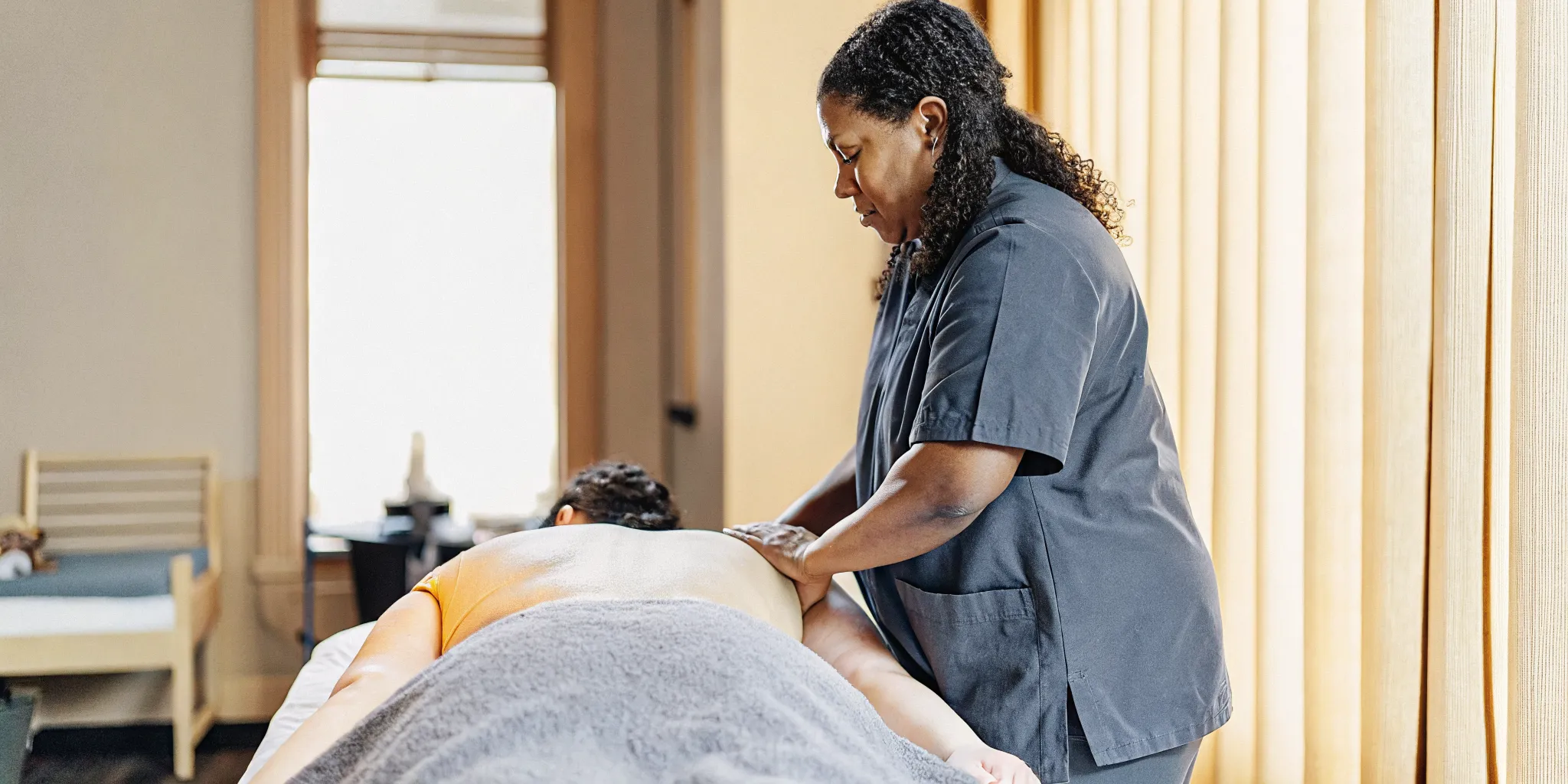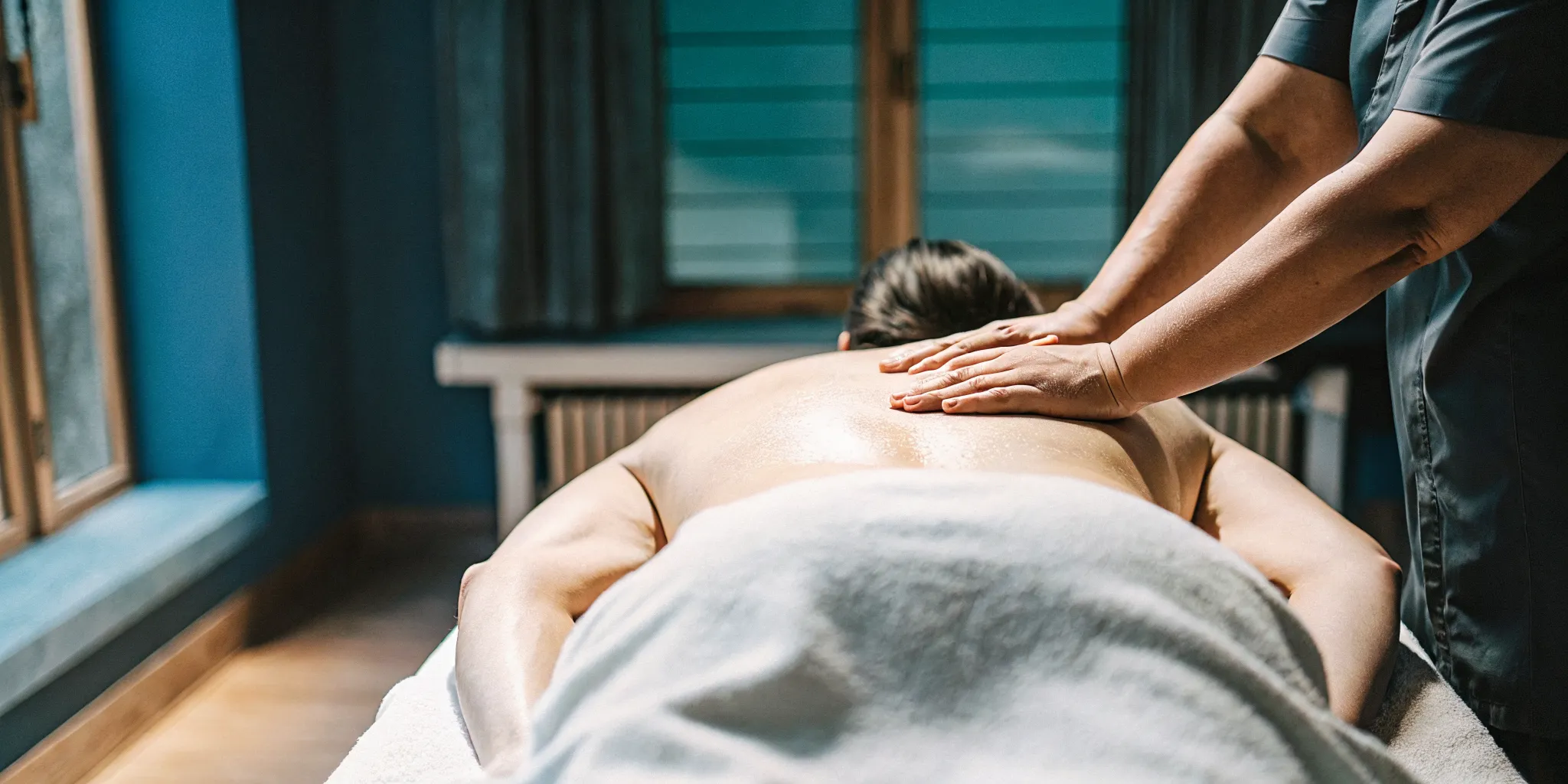

Moving without pain should be your body’s default state, not a luxury. Yet for so many of us, tight hips make everyday activities feel like a challenge. This discomfort can hold you back from enjoying a walk, playing with your kids, or performing your best during a workout. The key is releasing the chronic tension that keeps your muscles locked up. A professional massage for tight hips is a powerful way to do this, as it improves circulation, breaks up knots, and restores flexibility. We’ll cover the most effective ways to address hip tightness so you can leave that nagging pain behind.
Key Takeaways
- Recognize the Connection Between Your Hips and Daily Habits: Tightness often stems from prolonged sitting, which shortens hip flexors, and muscle imbalances that force your lower back to overwork. Understanding this link is the first step to finding relief.
- Targeted Massage Provides Deep, Lasting Relief: A professional therapist can use specific techniques like deep tissue and myofascial release to break up stubborn knots and release tension in ways that stretching and foam rolling alone cannot.
- Incorporate Proactive Habits to Stay Flexible: Prevent tightness from returning by taking regular movement breaks throughout your day, strengthening your glutes and core to support your hips, and making simple ergonomic adjustments to your chair and desk.
Why Are My Hips So Tight?
If you’ve ever stood up after a long meeting and felt a deep, nagging ache in your hips, you’re not alone. Tight hips are incredibly common, affecting everyone from office workers to dedicated athletes. The discomfort can range from mild stiffness to pain that radiates into your lower back or legs. Understanding the root cause is the first step toward finding relief. Often, it’s a combination of your daily habits, how you move, and even how you don’t move. Let’s look at the most common reasons your hips might be giving you trouble.
Is Your Desk Job the Culprit?
Many of us spend a significant part of our day sitting—at a desk, in the car, or on the couch. When you sit for hours on end, the muscles at the front of your hips, known as the hip flexors, are held in a shortened, contracted position. Think of it like keeping your elbow bent all day; eventually, straightening your arm would feel stiff and uncomfortable. Over time, this chronic shortening leads to tightness and reduced flexibility. This is why you might feel a pulling sensation or stiffness when you stand up after being seated for a while. A sedentary lifestyle is one of the biggest contributors to modern hip pain.
The Link Between Muscle Imbalances and Tightness
Your body is a master of compensation. When one group of muscles is tight, other muscles try to pick up the slack, leading to imbalances. Tight hip flexors often go hand-in-hand with weak gluteal (butt) muscles and a disengaged core. This imbalance can tilt your pelvis forward, putting a strain on your lower back and hamstrings. This chain reaction can cause more than just hip discomfort; it’s a common source of persistent lower back pain and even knee issues. Addressing these imbalances often requires releasing the tight muscles and strengthening the weaker ones, which is where a targeted therapeutic massage can make a significant difference.
When Your Workout Leads to Overuse
While a lack of movement is a major cause of tight hips, so is overuse. Athletes and active individuals—especially runners, cyclists, and dancers—are also prone to hip tightness. Repetitive movements like sprinting, kicking, or jumping constantly engage the hip flexors. Without proper stretching and recovery, these muscles can become overworked, shortened, and tight. It’s a classic case of too much of a good thing. Even a weekend warrior who goes hard at the gym after a week at a desk can experience this kind of overuse strain. Balancing your workouts with dedicated mobility work and recovery is key to keeping your hips healthy and pain-free.
Common Conditions That Cause Hip Pain
Arthritis, Tendonitis, and Bursitis
Sometimes, persistent hip pain is more than just tightness; it can be a sign of an underlying inflammatory condition. Arthritis, especially osteoarthritis, is a common cause where the protective cartilage in the hip joint wears down, leading to pain and stiffness. Tendonitis, the inflammation of tendons from overuse, and bursitis, the inflammation of the small, fluid-filled sacs that cushion your joints, also create significant discomfort. While massage can’t reverse these conditions, it can be an incredible tool for managing the symptoms. According to Hinge Health, a targeted massage can help “reset” muscle tension and improve blood flow to the area, which helps calm inflammation and provides much-needed relief so you can move with greater ease.
IT Band Syndrome
If you’ve ever felt a sharp, persistent pain on the outside of your hip that runs down your thigh, you may be dealing with IT Band Syndrome. This condition happens when the iliotibial (IT) band—a long strip of connective tissue running from your hip to your knee—becomes tight and inflamed. It’s especially common among runners and cyclists due to the repetitive motion of their sports. The constant friction can irritate the IT band and surrounding muscles. A deep tissue massage is particularly effective for this, as a therapist can apply focused pressure to release the tension in the band and the associated muscles, like the tensor fasciae latae and gluteus medius, restoring mobility and reducing pain.
Understanding the Anatomy of Your Hips
To effectively address that nagging tightness, it helps to know exactly what’s going on inside your body. Your hip area isn’t just one big muscle; it’s a complex intersection of several muscles, ligaments, and bones all working together. When we talk about “tight hips,” we’re usually referring to a specific group of muscles that have become short and stiff from overuse or underuse. Pinpointing these key players is the first step a professional massage therapist takes to provide targeted relief. Understanding this anatomy yourself can empower you to communicate your needs more clearly and appreciate how a skilled massage can make such a profound difference in your mobility and comfort.
The Hip Flexor Group: A Team of Five Muscles
When you feel that familiar ache at the front of your hips, you’re feeling the tension in your hip flexors. This isn’t a single muscle but a team of five that work together to perform one primary job: flexing the hip, or lifting your knee toward your chest. This small but mighty group is essential for everyday movements like walking up stairs, running, or even just getting out of a chair. Because they are constantly engaged, they are incredibly prone to becoming tight and stiff. A skilled therapist knows that releasing hip tension isn’t about pressing on one spot, but about methodically working through this entire group to restore balance and flexibility to the area.
Meet the Key Players: Psoas, Iliacus, and TFL
Within the hip flexor group, a few muscles do most of the heavy lifting and tend to cause the most trouble. The main one is the psoas, a deep core muscle that connects your lower spine to the top of your thigh bone. Because it attaches directly to your lumbar vertebrae, a tight psoas can pull on your lower back, often being the secret culprit behind chronic back pain. Its partner, the iliacus, lines the inside of your pelvic bone and joins the psoas to form the powerful iliopsoas. Releasing these deep muscles requires specific techniques, which is why a professional deep tissue massage is so effective for lasting relief.
The Psoas and Its Surprising Link to Your Breath
Here’s a connection that might surprise you: your hip tightness could be affecting how you breathe. The psoas muscle is intricately linked to your diaphragm, the primary muscle responsible for respiration. The very top of the psoas connects with the diaphragm, meaning that when the psoas is chronically tight, it can physically restrict the diaphragm’s movement. This can lead to shallow, inefficient breathing patterns. Releasing tension in the psoas doesn’t just free up your hips; it can also allow you to take deeper, more restorative breaths, helping to calm your entire nervous system.
The Telltale Signs of Tight Hips
Sometimes, the signs of tight hips are obvious, like a sharp pain when you stand up. Other times, they’re more subtle, showing up as aches in seemingly unrelated parts of your body. Your body is great at sending signals when something is off, and learning to recognize them is the first step toward feeling better. If you’re wondering whether tight hips are the source of your discomfort, here are a few key indicators to watch for.
What Does Hip Tightness Actually Feel Like?
One of the most direct signs of tight hips is, unsurprisingly, pain. You might feel a persistent ache or discomfort right at the front of your hips, especially after sitting for a while or after a workout. But the pain doesn’t always stay local. Because your hips are central to so many movements, tightness there can cause a chain reaction, leading to nagging lower back pain or even discomfort in your knees. You may also notice odd snapping or popping sounds when you walk or stand up. These physical cues are your body’s way of telling you that the muscles in your hip area need some attention and release.
How to Test Your Hip Range of Motion
Do you find it harder to do simple things like tying your shoes, swinging your leg to get out of the car, or sitting cross-legged on the floor? This could be a sign of a limited range of motion in your hips. When your hip joints can’t move freely, your body has to find other ways to get the job done. Often, your lower back is forced to compensate by moving more than it should, which can lead to strain and pain. A healthy range of motion is crucial for overall comfort and effortless movement, and when it’s restricted, you’ll definitely feel the effects in your daily activities.
The Thomas Test: A Professional Assessment for Tightness
If you want a clear answer on whether your hip flexors are tight, there’s a simple assessment that professionals use called the Thomas Test. During this test, you lie on your back on a massage table and pull one knee toward your chest while letting the other leg hang freely. If that hanging leg lifts off the table, it’s a telltale sign that your hip flexors are tight. This is where the expertise of a trained therapist is so valuable. They can not only perform this test accurately but also use the results to create a treatment plan tailored specifically for you. A professional assessment helps identify the root cause of your discomfort, allowing your therapist to apply targeted deep tissue techniques to release the specific muscles that need it most, leading to more effective and lasting relief.
Are Other Body Parts Picking Up the Slack?
Your body is incredibly smart and will always find a way to accomplish a movement, even if it means taking a less-than-ideal path. When your hips are tight, other areas, particularly your lower back and hamstrings, start to pick up the slack. This is especially common for those of us who spend hours sitting at a desk, which can cause hip muscles to shorten and tighten. You might not even realize you’re compensating until you feel the strain elsewhere. A skilled massage therapist can often spot these compensation patterns and help address the root cause with targeted massage services.
Why Massage for Tight Hips is So Effective
If you’re dealing with tight hips, you know how frustrating the stiffness and discomfort can be. The good news is that targeted massage therapy can provide incredible relief by addressing the problem at its source. A professional massage does more than just feel good; it creates real, physiological changes in your muscles and tissues that help restore comfort and movement. Let’s look at exactly how a great massage can help you find freedom from hip tightness.
Breaks Up Deep Muscle Knots and Tension
Everyday activities, from sitting at a desk to working out, can cause the muscles around your hips—like your glutes, piriformis, and hip flexors—to become overworked and tight. Over time, this chronic tension can lead to painful knots, also known as trigger points. A skilled massage therapist uses specific techniques to apply pressure to these tight spots, encouraging the muscle fibers to release and lengthen. This process manually breaks up adhesions and eases the tension that’s restricting your movement. By directly targeting these problem areas, a therapeutic massage can provide immediate relief from the deep ache and stiffness associated with tight hips.
Encourages Better Blood Flow and Healing
Have you ever noticed how your muscles feel warm during a massage? That warmth is a sign of increased circulation. The pressure and friction from massage techniques stimulate blood flow to the targeted muscles. This is crucial for healing because blood carries oxygen and vital nutrients that your muscle tissues need to repair themselves. At the same time, this improved circulation helps to flush out metabolic waste that can build up in overworked muscles and contribute to soreness. By bringing in the good stuff and clearing out the bad, massage creates the ideal environment for your hip muscles to recover, reducing inflammation and easing pain.
Helps You Regain Flexibility and Mobility
When your muscles are relaxed and well-nourished, your joints can move more freely. Releasing knots and reducing tension directly translates to an improved range of motion in your hips. Suddenly, actions that felt stiff or painful—like bending over, walking up stairs, or getting into a deep squat—can feel easier and more fluid. Regular massage helps maintain this newfound flexibility. By consistently addressing muscle tightness before it becomes a major problem, you can prevent future stiffness and keep your hips moving smoothly. Techniques like Ashiatsu Deepfeet Bar Therapy are especially effective for reaching the deep, powerful muscles around the hips to create lasting mobility.
How Massage Prepares Muscles for Strengthening
Think of it this way: you can’t effectively strengthen a muscle that’s already tied up in knots. When a muscle is chronically tight, it’s in a constant state of partial contraction, which means it can’t fire properly or move through its full range of motion during exercise. Trying to build strength on top of this dysfunction is not only inefficient but can also lead to injury. Massage acts as a reset button for your muscles. By releasing deep-seated tension and breaking up adhesions, a deep tissue massage restores proper muscle function and flexibility. This allows you to perform strengthening exercises with better form, engage the right muscles, and build balanced strength safely. It’s the essential first step to turning tight, weak muscles into strong, resilient ones.
Best Professional Massage Techniques for Tight Hips
When you work with a professional massage therapist, they have a whole toolkit of techniques to help with your tight hips. A great therapist won’t just stick to one method; they’ll listen to your body and blend different approaches to create a session that’s perfectly tailored to what you need. This customized care is what truly makes a difference in releasing long-held tension and restoring your mobility. It’s not about just rubbing the sore spot; it’s about understanding the interconnected muscles and tissues that contribute to that feeling of being locked up.
Your therapist will assess where your tightness is coming from—whether it’s the hip flexors in the front, the glutes in the back, or the IT band along the side—and choose the right techniques to address those specific areas. They can adjust the pressure and focus to make sure you’re comfortable while still achieving an effective release. Think of it as a partnership where you communicate what you’re feeling, and they apply their expertise to get you results. The goal is to leave you feeling more open, flexible, and free from that nagging discomfort. Here are some of the most powerful and popular massage techniques for tackling tight hips.
Swedish Massage for General Relaxation
Don’t underestimate the power of a classic Swedish massage when it comes to hip tightness. While often associated with pure relaxation, this technique is foundational for a reason. It uses long, gliding strokes, gentle kneading, and circular movements to warm up muscle tissue and ease overall tension. This process is fantastic for improving circulation, which helps deliver oxygen-rich blood to your stiff hip muscles and carry away waste products that contribute to soreness. While it’s gentler than deep tissue, a classic Swedish massage effectively encourages your nervous system to calm down, allowing your hip flexors and glutes to release their persistent grip. It’s an excellent choice if you’re new to massage or prefer a less intense approach to begin loosening things up.
Deep Tissue Massage for Intense Relief
If you feel like you have stubborn knots and deep-seated tension in your hips, deep tissue massage is an excellent choice. This technique uses firm pressure and slow, deliberate strokes to target the deeper layers of your muscle and connective tissue. It’s especially effective for breaking up scar tissue and releasing the chronic muscle tension that often plagues the quads, psoas, and glutes—all major players in hip tightness. A skilled therapist will use deep tissue massage to zero in on specific problem areas, helping to relieve pain and restore normal movement in your hip joints.
Myofascial Release for Connective Tissue
Sometimes, the source of tightness isn’t just in the muscle but in the fascia—the thin web of connective tissue that wraps around every muscle in your body. When you sit for long periods or have old injuries, this fascia can become stiff and restricted. Myofascial release involves applying gentle, sustained pressure to these tight spots. This slow and steady approach allows the fascia to elongate and soften, releasing the pull it has on your muscles. It’s a less intense but incredibly effective way to address deep-seated restrictions and improve overall flexibility in the hip area.
Trigger Point Therapy to Target Knots
Have you ever had a knot in one spot that sends a jolt of pain to another area? That’s a trigger point. Trigger point therapy is a highly focused technique where the therapist identifies these irritable spots within a muscle and applies direct pressure to them. For tight hips, these points are often found in the glutes or lower back but can refer pain directly to the hip joint or even down the leg. By releasing these specific knots, your therapist can alleviate both local and referred pain, significantly reducing discomfort and improving your hip’s range of motion.
Ashiatsu: A Deep-Pressure Foot Massage
For a truly unique and deeply effective experience, Ashiatsu Deepfeet Bar Therapy is a fantastic option for tight hips. In this technique, the therapist uses their feet to deliver broad, consistent, and deep pressure while using overhead bars for balance and control. The wide surface of the foot allows for a deeper, more comfortable massage on large muscle groups like the glutes, hamstrings, and quads. This method can flush out metabolic waste and relieve tension in a way that’s hard to achieve with hands alone, making it a powerful tool for anyone with serious hip tightness.
Sports Massage for Athletic Performance
If you lead an active life, whether you’re training for a marathon or just love your weekend yoga class, sports massage can be a game-changer for your hips. This style of massage is more than just a relaxing treat; it’s a targeted approach designed to support your body’s performance and recovery. It focuses on the specific muscle groups you use most in your sport or activity, helping to prevent injuries and address strain before it becomes a chronic problem. For hip tightness, a sports massage can work on the entire chain of muscles involved in your movement—from your glutes and hamstrings to your quads and hip flexors—ensuring everything is working together smoothly. Think of it as essential maintenance for your body’s engine.
The real magic happens when you combine this type of bodywork with your regular fitness routine. As experts at Hinge Health point out, “Think of exercise as the main part of your pain relief plan, and massage as a helpful extra.” A sports massage prepares your muscles for activity, helps them recover afterward, and keeps your joints moving freely. By incorporating it into your training schedule, you can improve your flexibility, reduce muscle soreness, and keep your hips feeling open and powerful, allowing you to continue doing the activities you love without being held back by pain or stiffness.
Advanced Therapist-Assisted Techniques
For tightness that just won’t quit, sometimes you need to go beyond traditional massage strokes. This is where advanced therapist-assisted techniques come in. These are specialized methods that a highly trained therapist can use to communicate directly with your nervous system and muscles to encourage a deeper release. As we know at Nola Bliss, “A great therapist won’t just stick to one method; they’ll listen to your body and blend different approaches to create a session that’s perfectly tailored to what you need.” These techniques often involve your active participation, turning the massage into a collaborative effort between you and your therapist to retrain your muscle patterns and achieve lasting relief from even the most stubborn hip pain.
Muscle Energy Technique (MET)
Muscle Energy Technique, or MET, is a gentle but powerful method that uses your own muscle contractions to relax and lengthen tight muscles. Instead of the therapist doing all the work, they will guide you to gently engage a specific muscle against their resistance for a few seconds, and then have you relax completely. During that moment of relaxation, the muscle is able to stretch further than it could have passively. This technique is fantastic for the hips because it “helps stretch the psoas and rectus femoris, which are often tight together.” MET essentially re-educates your neuromuscular system, helping to reset muscle tone and improve your range of motion without force.
Manual Iliacus and Psoas Lengthening
The psoas and iliacus are deep hip flexor muscles that are notoriously difficult to reach, and they are often major culprits behind hip tightness and lower back pain. A skilled therapist can use manual lengthening techniques to access these muscles, but it requires precision and a deep understanding of anatomy. As one expert explains, “Massaging the psoas is difficult because there are many other tissues in the way.” A therapist will use slow, sustained pressure to carefully work through layers of tissue to reach and release these deep muscles. Because the psoas attaches to the diaphragm, releasing it can even lead to deeper, more relaxed breathing—a surprising but welcome benefit of this advanced work.
How to Give Yourself a Massage for Tight Hips
While nothing can replace the skilled hands of a professional massage therapist, learning a few at-home techniques can be a fantastic way to manage hip tightness between your appointments. Think of it as supportive care that keeps you feeling more mobile and comfortable in your daily life. The best part is you don’t need a lot of fancy equipment—many effective methods use simple tools you might already have, like a foam roller or a tennis ball, and some don’t require any tools at all.
When you’re working on your own muscles, the most important rule is to listen to your body. You’re looking for that “hurts so good” feeling of a productive release, not sharp or shooting pain. If something feels wrong, ease up or stop. These techniques are meant to provide relief and can be a great complement to your regular professional massages, helping to extend the benefits of your sessions and keep your hips happy. By taking a few minutes each day to address tight spots, you can maintain the progress you make in the studio and prevent minor stiffness from becoming a bigger issue. It’s an empowering way to take an active role in your own wellness.
How to Use a Foam Roller on Your Hip Flexors
A foam roller is an excellent tool for addressing the large muscles around your hips. By using your body weight, you can apply broad, consistent pressure to release general tightness. To target your hip flexors, start by lying face down and placing the foam roller horizontally under one hip. Support your upper body with your forearms. Gently roll back and forth over the front of your hip, moving slowly and pausing on any tender spots. Research suggests that foam rolling for at least two minutes can help improve your hip’s range of motion. This simple routine can make a noticeable difference in how your hips feel throughout the day.
Targeting the Quadriceps and TFL
To get the most out of your foam rolling session, remember to address the muscles that support your hips, like your quadriceps and the Tensor Fasciae Latae (TFL), a small muscle on the outside of your hip. To target the TFL, lie on your side with the foam roller positioned just below your hip bone. Cross your top leg over and place your foot on the floor for stability. Gently roll up and down this area, focusing on any tender spots. For your quadriceps, you can massage the hip flexors by lying on your stomach with the roller under the front of your thigh and slowly rolling from the bottom of your hip to the top of your knee.
Pro Tip: Add a Stretch While You Roll
You can make your self-massage even more effective by incorporating a gentle stretch while you roll. This combination helps the muscle release more deeply. For example, when you’re rolling your glutes, try crossing one ankle over the opposite knee to create a figure-four shape. This position puts a mild stretch on your piriformis and other deep hip rotators, allowing the foam roller to access the tissue more effectively. By adding this simple movement, you’re not just pressing on a tight muscle; you’re actively encouraging it to lengthen and let go, which is a fantastic way to improve your range of motion over time.
Using a Tennis Ball to Release Knots
Sometimes, you have a specific, stubborn knot that a foam roller just can’t seem to reach. This is where a tennis ball, lacrosse ball, or a firm massage ball comes in handy. These smaller tools allow you to apply targeted pressure to release deep trigger points. To work on your glutes and the deep hip rotator muscles, lie on your back with your knees bent and place the ball under the tight spot. Gently lean your weight onto the ball until you feel significant pressure, but not sharp pain. Hold it there for 30 to 60 seconds while breathing deeply. This technique mimics the trigger point therapy used in a deep tissue massage to encourage tight muscle fibers to let go.
The “Pin and Stretch” Method
To take your self-massage a step further, you can try the “Pin and Stretch” method. This is a powerful active release technique that combines direct pressure with movement to release stubborn knots. First, find a tender spot in your hip or glute and use a massage ball or your knuckles to apply firm, sustained pressure—this is the “pin.” While holding that pressure steady, slowly and actively move your leg to stretch the muscle. For example, if you’re pinning a spot in your glute, you could gently draw your knee toward your chest and then lower it back down. This dual action encourages the tight muscle fibers to lengthen while under pressure, helping to break up adhesions and restore mobility more effectively than just pressure or stretching alone.
Easy Manual Massage Techniques to Try
You can also use your own hands, knuckles, or elbow to work on tight hip muscles. This method gives you complete control over the location and intensity of the pressure. One great technique is to sit in a chair and cross one ankle over the opposite knee, creating a “figure four” shape. From here, you can lean forward and use your elbow or thumb to press into the tight muscles of your glute and outer hip. Applying direct, sustained pressure to these spots helps release tension that can contribute to pain not just in your hips, but also in your thighs and lower back. Explore the area and when you find a tender point, hold the pressure and breathe until you feel it soften.
Using a Massage Gun for Quick Relief
Massage guns have become a go-to tool for a reason: they offer fast, targeted relief right when you need it. These devices work by delivering rapid bursts of pressure to your muscles, which can help break up surface-level tightness in your quads, glutes, and hamstrings. To use one effectively, start on the lowest setting and gently float the gun over the muscle for 30 to 60 seconds. Avoid pressing down hard—let the percussion do the work. The sensation should feel intense and productive, but never sharply painful. While a massage gun is a great way to manage day-to-day stiffness, remember it’s a supplement to a broader care plan. For deep, lasting release of the complex muscles around the hip joint, nothing compares to the comprehensive treatment you’ll receive from a professional therapist.
A Quick Reminder: Breathe and Relax
This might be the most important tip of all. When you’re applying pressure to a sore muscle, the natural tendency is to tense up, hold your breath, and brace for the discomfort. However, this is counterproductive. To get a muscle to release, your nervous system needs to feel safe and relaxed. As you perform any of these self-massage techniques, make a conscious effort to breathe deeply and evenly. With each long exhale, try to intentionally relax your body, soften your facial muscles, and allow the muscle you’re working on to sink into the pressure. This mindful approach is key to getting a true, lasting release.
How Often Should You Get a Massage for Tight Hips?
Figuring out the right massage schedule for your tight hips isn’t about finding a magic number—it’s about listening to your body and understanding your goals. Are you dealing with sharp, persistent pain, or are you trying to stay ahead of discomfort? Your activity level, the severity of your tightness, and your overall wellness routine all play a role. The key is to find a rhythm that helps you feel your best, whether that means coming in for focused treatment or scheduling regular sessions for maintenance. Let’s walk through a few scenarios to help you find the frequency that works for you.
Creating a Schedule for Acute Tightness
If your hip tightness is causing persistent pain or limiting your movement, it’s time for a more focused approach. For acute issues, you’ll likely see the best results from more frequent sessions at the start. Think about scheduling a massage once a week or every other week for a month. This allows your therapist to make significant progress in releasing deep-seated tension and breaking the cycle of pain and stiffness. A licensed massage therapist can assess your specific situation and recommend a treatment plan tailored to your body’s needs, helping you get back to feeling comfortable and mobile more quickly.
Using Massage as a Maintenance Plan
Once you’ve worked through the worst of the tightness, or if you’re simply trying to prevent it from happening, a maintenance plan is your best friend. For most people, a monthly massage is a great way to keep muscles pliable and prevent tension from building up. Regular sessions help maintain flexibility, promote healthy blood flow, and address minor issues before they become major problems. Think of it as proactive care for your body. A consistent deep tissue massage can be an essential part of your wellness routine, helping you stay active and pain-free in the long run.
How to Combine Professional and At-Home Care
To get the most out of your professional massages, it’s a great idea to combine them with some at-home care. Using a foam roller on your hip flexors or a tennis ball to target specific knots can help you manage tightness between appointments. However, self-massage can only go so deep. For lasting relief, nothing replaces the skill of a professional who can identify the root cause of your discomfort. Your therapist has the anatomical knowledge and specialized techniques to address underlying issues effectively. This combination of expert massage services and consistent self-care creates a powerful strategy for keeping your hips happy and healthy.
Important Tips and Precautions for Hip Massage
Getting a massage for your tight hips can be incredibly beneficial, but to get the most out of every session—whether at home or with a professional—it helps to keep a few key things in mind. Knowing when to get a massage, how to approach self-massage safely, and recognizing when to take a break are all part of a smart wellness strategy. These guidelines aren’t meant to be restrictive; they’re here to empower you to make the best choices for your body. By approaching massage with awareness, you can ensure that you’re promoting healing and avoiding any setbacks, helping you achieve lasting relief and better mobility.
Timing Your Massage: Before or After a Workout?
One of the most common questions people have is whether to schedule their massage before or after hitting the gym. The answer really depends on your goal. A massage before a workout can be a great way to prepare your body for activity. It helps reduce tension and can increase your range of motion, making your movements feel more fluid and free. On the other hand, a post-workout massage is fantastic for recovery. It helps your muscles relax, improves circulation to flush out metabolic waste, and can reduce next-day soreness. For this purpose, a deep tissue massage can be particularly effective at addressing the muscles you just worked, helping you recover faster and more completely.
Safety First: Areas to Avoid During Self-Massage
When you’re doing self-massage at home, it’s crucial to listen to your body and work smart. The most important rule is to focus on soft tissue—your muscles—and avoid applying direct, heavy pressure to bony areas. You can easily feel the prominent bone on the side of your hip, known as the greater trochanter; pressing on it won’t release any muscles and could cause bruising or irritation. Instead, work on the fleshy parts around it. Also, pay close attention to the signals your body sends. If a spot hurts too much or you feel sharp, shooting pain, use less pressure or move to a different area. The goal is to find a productive release, not to cause more pain.
When Not to Massage: Key Contraindications
While massage is a powerful healing tool, there are times when it’s best to wait. You should never massage a new, acute injury like a muscle strain or tear, especially if there is swelling, as this can interfere with the natural healing process. If you have certain health conditions, such as blood clots, skin infections, or a fever, it’s essential to avoid massage and consult your doctor. If you find that massage—either at home or from a professional—is making your pain worse, it’s a clear sign that your muscles may need more rest or a different approach. Always communicate openly with your licensed massage therapist about your health history to ensure your session is both safe and effective.
Tight Hips: When Is It Time to See a Pro?
While at-home stretches and foam rolling can work wonders, sometimes they just don’t cut it. Listening to your body is key, and knowing when to call in a professional can save you from further pain and frustration. If your hip tightness is persistent, severe, or accompanied by other concerning symptoms, it’s time to seek expert help. A professional can offer a more targeted and effective approach, whether that’s a doctor to diagnose an underlying issue or a skilled massage therapist to provide specialized relief. Ignoring persistent pain can lead to bigger problems down the road, so let’s talk about when it’s time to make that appointment.
Red Flags That Require Professional Attention
Before booking a massage, it’s crucial to rule out any serious medical conditions. If you’re experiencing severe, sharp, or sudden hip pain, your first call should be to a doctor. This is especially true if the pain is the result of a bad fall or injury. Other red flags include being unable to move your leg or put weight on it, signs of infection like fever, redness, or swelling, or if your hip looks visibly out of place. These symptoms go beyond simple muscle tightness and require a medical diagnosis. A massage therapist can work wonders on muscular issues, but a doctor is the one who can identify and treat joint problems, fractures, or other underlying conditions.
When At-Home Massage Isn’t Enough
You’ve been diligent with your foam roller and have stretched your hip flexors every day, but the tightness and aching just won’t go away. If a few days of consistent self-care haven’t brought any relief, or if the pain is actually getting worse, it’s a clear sign that you need a more targeted approach. Persistent pain often indicates deeper knots or muscular imbalances that at-home tools simply can’t reach effectively. This is the perfect time to see a professional massage therapist. Once a doctor has ruled out any serious injuries, a therapist can assess your situation and apply techniques that provide lasting relief.
How to Choose the Right Massage Therapist
For the safest and most effective results, you’ll want to find a licensed massage therapist with experience in treating muscular pain. Look for a studio that prioritizes therapeutic massage over simple relaxation. The secret to a successful session is clear communication. When you find the right therapist, be prepared to point out exactly where your hip hurts and describe the sensation. This allows them to focus on the source of the problem. Our dedicated team of therapists at Nola Bliss are experts in modalities like deep tissue massage that are specifically designed to release chronic tension and restore mobility in areas like the hips.
Simple Lifestyle Changes to Prevent Tight Hips
While a great massage can work wonders on tight hips, building some simple habits into your daily life can help prevent that tightness from coming back. You don’t need a major lifestyle overhaul; a few small, consistent changes can make a world of difference in keeping your hips flexible and pain-free. Think of it as proactive care that supports the work we do in the studio. Here are a few practical ways to get started.
Take More Movement Breaks and Stretch Often
If you spend most of your day sitting at a desk, your hip flexors can become shortened and tight. It’s a common issue, but thankfully, it has a simple solution: move more often. Try setting a reminder to stand up, walk around, and stretch for a few minutes every hour. You can do a gentle standing hip flexor stretch or a figure-four stretch using your chair. These small breaks prevent your muscles from settling into a shortened position. Consistently incorporating stretches into your day interrupts the cycle of stiffness that sitting creates, helping you maintain your mobility and comfort.
How to Properly Perform a Kneeling Lunge Stretch
One of the most effective ways to counteract all that sitting is the kneeling lunge stretch. To perform it correctly, get into a half-kneeling position with one knee on the ground and the other foot flat on the floor in front of you, creating a 90-degree angle at your knee. The key here is to tuck your pelvis backward slightly, as if you’re trying to flatten your lower back. Then, squeeze the glute on the side of your kneeling leg. This small adjustment is a game-changer because it isolates the stretch in the front of your thigh and hip, preventing you from just arching your back. Hold this position for 20-30 seconds on each side, breathing deeply the entire time to help your muscle relax into the stretch.
Poses for Deeper Release: Pigeon and Frog Stretches
If you’re ready for a deeper release, poses like Pigeon and Frog can work wonders. The Pigeon pose is a classic for opening up the outer hips. Start in a plank position, then bring one knee forward and place it behind your wrist on the same side. As you extend your other leg straight back, gently lower your torso toward the ground. You should feel a significant stretch in the glute of your front leg. For targeting the inner thighs and groin, the Frog stretch is fantastic. Get on your hands and knees, then slowly widen your knees as far as you comfortably can, keeping your ankles in line with your knees. From there, lower down onto your forearms. This pose provides a deep release for the adductor muscles, which play a big role in overall hip health.
Exercises for Hip Rotation: Z Sits and the M Stretch
Stretching is great, but improving your hip mobility also involves active exercises that encourage rotation. Z Sits are a perfect way to work on this. Sit on the floor and arrange your legs into a ‘Z’ shape, with one leg bent in front of you and the other bent behind you. This position itself helps improve your hip’s ability to rotate both internally and externally. The M Stretch is another excellent exercise. Lie on your back with your knees bent and your feet placed wider than your knees. Keeping your feet on the ground, slowly rotate one leg inward, bringing your knee toward the floor. This movement specifically targets internal hip rotation, a range of motion that often gets neglected. Practicing these exercises helps you maintain the flexibility gained from a therapeutic massage.
Try These Exercises for Hip Stability
Stretching is fantastic for lengthening tight muscles, but strengthening the muscles around your hips is just as crucial for long-term relief. When your glutes and core are weak, other muscles—like your hip flexors and lower back—have to overcompensate, leading to strain and tightness. You can build stability with simple exercises like glute bridges, clamshells, and planks. Adding just a few sets of these movements to your routine a few times a week can create better muscle balance. A strong core and stable hips provide a solid foundation for all your movements, reducing unnecessary strain and helping you prevent injuries.
Make Small Ergonomic Tweaks to Your Space
Your environment plays a big role in how your body feels. If your workspace isn’t set up to support good posture, you could be putting unnecessary strain on your hips all day long. Take a look at your chair and desk setup. Are your feet flat on the floor with your knees at a 90-degree angle? Is your computer screen at eye level so you aren’t hunching forward? Small ergonomic adjustments, like adding a lumbar pillow for back support or using a footrest, can significantly reduce the load on your hips and lower back. Creating a more supportive workspace helps you maintain a healthier posture without even thinking about it.
Related Articles
Frequently Asked Questions
I’m worried a deep massage on my tight hips will be painful. Should it hurt? This is a great question because it gets to the heart of what therapeutic massage feels like. You should expect to feel significant pressure, especially when the therapist is working on a stubborn knot. Many people describe this as a “good hurt”—an intense sensation that feels productive and brings a sense of release. However, you should never feel sharp, shooting, or unbearable pain. A great massage therapist will communicate with you throughout the session, and it’s crucial that you speak up if the pressure is too much. The goal is to release the muscle, not to fight against it.
How soon can I expect to feel relief after a massage? Many people feel an immediate sense of relief and increased mobility right after their session. It’s common to walk out feeling lighter and more open through the hips. You might experience some mild soreness for a day or two afterward, similar to how you’d feel after a good workout, which is a normal sign that your muscles have been worked on effectively. For long-lasting change, especially if you’ve had tight hips for a while, consistency is key. One massage can provide significant relief, but a regular schedule is what truly helps retrain your muscles and prevent the tightness from returning.
Is one type of massage, like Ashiatsu, really better than others for hip pain? Different techniques work well for different bodies and issues, but for the deep, powerful muscles surrounding the hips—like the glutes and hamstrings—Ashiatsu can be uniquely effective. Because the therapist uses their feet, they can deliver broad, consistent, and deep pressure that’s difficult to achieve with hands or elbows. This allows for a deep flushing of the entire muscle group, which can release tension more efficiently. That said, a skilled therapist will often blend techniques, like deep tissue and trigger point therapy, to give you the most effective and customized treatment for your specific needs.
Can I still get a massage if my hip tightness is from working out a lot? Absolutely. Hip tightness from overuse is one of the most common reasons active people seek massage. Repetitive movements from activities like running, cycling, or weightlifting can cause muscles to become overworked and shortened. A therapeutic massage is an essential tool for recovery, as it helps to release that built-up tension, improve circulation to repair muscle tissue, and restore your range of motion. This not only helps you feel better but can also improve your performance and help prevent future injuries.
Besides massage, what’s the most important habit to adopt to prevent tight hips? If you have to pick just one thing, focus on breaking up long periods of sitting. The simple act of standing up, walking around, and doing a quick stretch for 30-60 seconds every hour can make a huge difference. When you sit for extended periods, your hip flexors are held in a shortened position, which is a primary cause of tightness. By interrupting that pattern frequently throughout the day, you prevent your muscles from getting “stuck” in that position. It’s a small habit that offers a big return in keeping your hips mobile and comfortable.