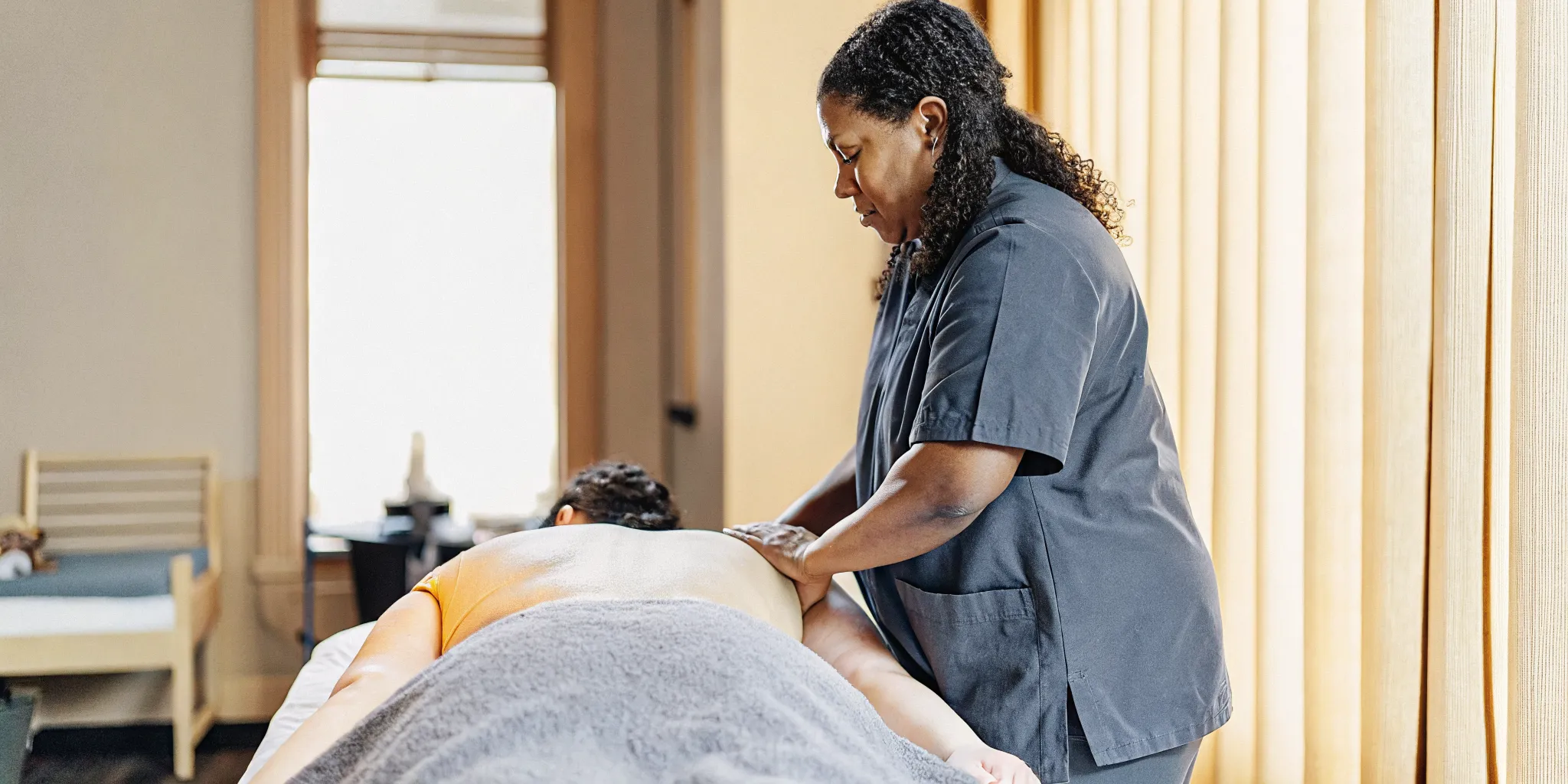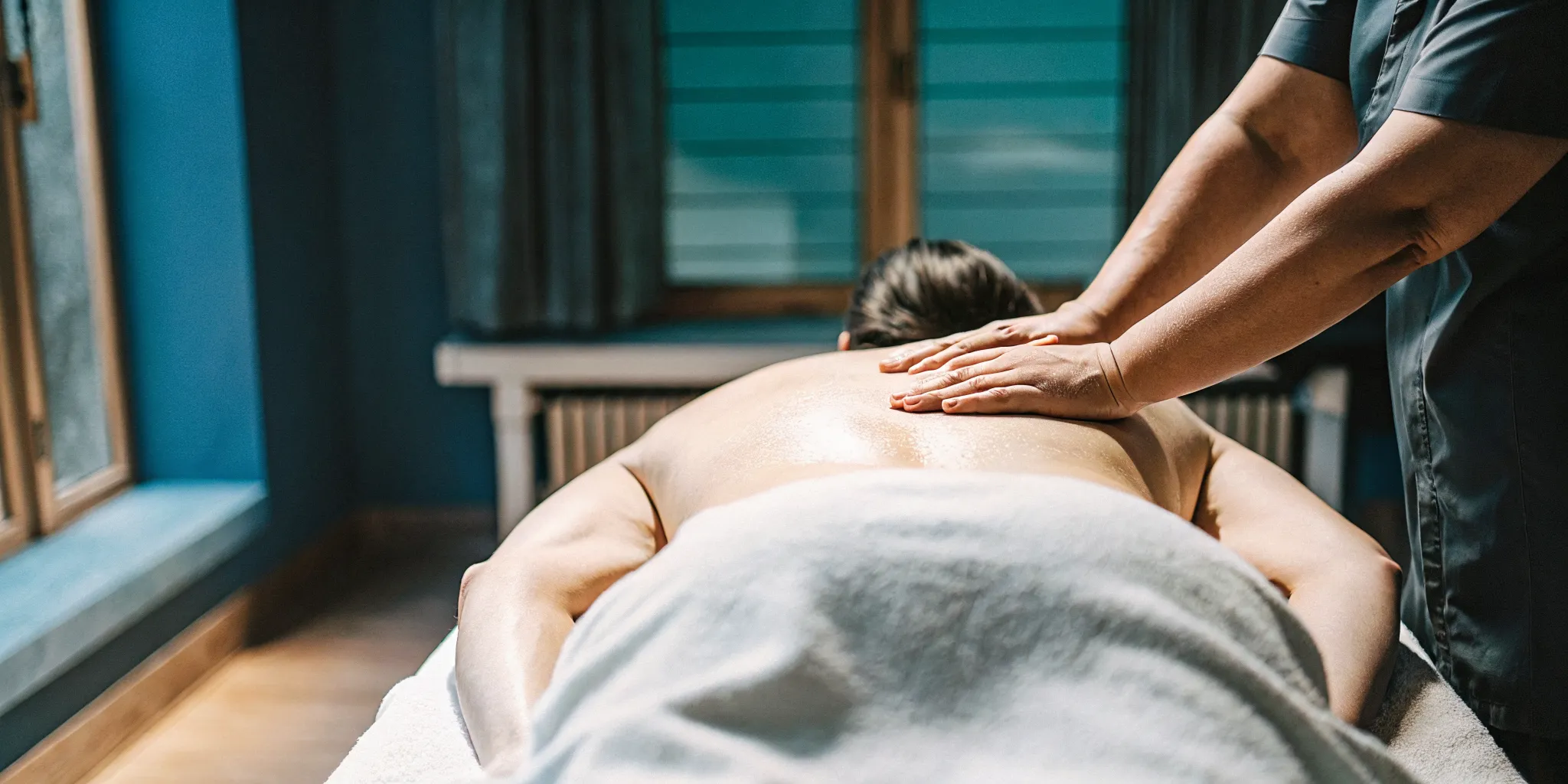

Our bodies are like journals, holding onto the stories of our lives—the good, the stressful, and the difficult. This is why a massage can sometimes feel complicated; it’s more than just muscle work. A trauma informed massage is an approach that deeply respects this mind-body connection. It’s not a specific technique, but a philosophy built on creating a space where you feel completely safe, respected, and in control. It acknowledges that for true relaxation to happen, your nervous system needs to feel secure first. This guide will explain how this compassionate framework makes therapeutic touch accessible and effective for everyone, ensuring your experience is truly restorative.
Key Takeaways
- You Are Always in Control: A trauma-informed massage is a collaborative partnership where you guide the entire session. Your therapist’s role is to create a safe space and adapt to your needs, ensuring you feel empowered and respected from start to finish.
- Safety Leads to Deeper Relief: This approach makes massage more effective by first calming the nervous system. When your body feels secure, it can release tension more fully, providing more profound and lasting relief from chronic pain and stress.
- Open Communication is Key: The entire experience is built on an ongoing conversation. You are encouraged to voice your preferences about pressure, areas to avoid, and overall comfort at any point, ensuring the session is perfectly tailored to you.
What is Trauma-Informed Massage?
Trauma-informed massage is a specialized approach that recognizes how our life experiences, particularly stressful or traumatic ones, can impact our bodies. It’s not a specific style of massage, but rather a way of practicing that puts your emotional and physical safety first. Our bodies often hold onto tension from past events, and this approach acknowledges that deep connection between mind and body. It’s about understanding that every person walks in with a unique story, and that story matters in a therapeutic setting.
A trauma-informed massage therapist understands that touch can be a complex experience. They are trained to create a space where you feel completely in control, respected, and safe. The entire session is built on a foundation of trust, consent, and open communication. It’s a collaborative process where your experienced therapist works with you, not on you, to facilitate healing. This approach ensures that every aspect of the massage, from the initial conversation to the techniques used, is tailored to your unique needs and comfort level, helping you feel grounded and secure.
How It’s Different from a Traditional Massage
While a traditional deep tissue or Swedish massage focuses primarily on relaxing muscles and easing physical pain, a trauma-informed massage takes a broader view. The main goal is to create a supportive environment where you feel comfortable and respected. Before the session even begins, your therapist will have a more in-depth conversation with you to understand your preferences and any potential triggers. This isn’t about digging for details but about ensuring your complete comfort. Throughout the massage, you are in the driver’s seat, with the power to guide the pressure, pace, and areas worked on at all times.
The Focus on Therapeutic Healing
The ultimate aim of trauma-informed massage is to support your overall well-being. It’s a gentle and empowering way to help you heal by focusing on your comfort, control, and emotional safety. For many, it provides a safe space to begin processing and releasing feelings that have been stored in the body. This approach can help calm the nervous system and allows you to reconnect with your body in a positive, nurturing way. It’s less about fixing a problem and more about creating the right conditions for your body’s natural therapeutic healing abilities to flourish, both physically and emotionally.
The Guiding Principles of Trauma-Informed Massage
Trauma-informed massage isn’t about a specific set of movements; it’s a philosophy built on a foundation of trust, respect, and collaboration. This approach recognizes that your past experiences can shape how you feel in your body today, and it prioritizes creating an environment where you feel completely safe and in control. Think of it less as a service being performed on you and more as a partnership between you and your therapist. The entire session is guided by a few core principles that ensure your physical and emotional well-being are at the center of everything we do. These principles shift the focus from simply fixing a physical problem to supporting your whole self. At Nola Bliss, our dedicated team of therapists is committed to this compassionate approach, ensuring every client feels heard, respected, and cared for. From the moment you walk in, our goal is to build a therapeutic relationship where you can truly relax and let go. This framework allows for deep, effective bodywork that honors your personal boundaries and history, making healing possible on multiple levels. It’s about understanding that true relaxation can only happen when you feel genuinely secure.
Prioritizing Your Safety and Comfort
The number one goal of a trauma-informed massage is to create a space where you feel completely safe—physically and emotionally. This starts before the massage even begins. Your therapist will take the time to build rapport, explain what to expect, and answer any questions you have. We understand that trust is earned, and we are dedicated to creating a supportive environment where you feel comfortable and respected. This means everything from the room’s lighting and temperature to the way we communicate is designed with your comfort in mind. Your well-being is our top priority, and establishing a sense of security is the foundation for a truly healing experience.
Empowering You with Choice
In a trauma-informed session, you are always in the driver’s seat. This principle is about giving you complete control over your experience. You get to make all the choices about your massage, from the amount of pressure used to which areas of your body are worked on. Want to skip your feet or hands? No problem. Prefer a lighter touch on your back? Just say the word. You also decide if you want to talk or enjoy the silence. Our massage services are fully customizable to your preferences. This approach ensures the session is tailored to your needs and helps re-establish a sense of agency over your own body and experience.
Practicing Sensitivity and Awareness
A trauma-informed therapist is trained to be highly attuned to your needs, both spoken and unspoken. We pay close attention to how you’re feeling throughout the session, observing your breathing and watching for any signs of discomfort. We understand that certain types of touch or work on specific areas might bring up unexpected emotions or physical sensations. Our therapists are skilled at recognizing these moments and will sensitively adjust their approach as needed, without judgment. This awareness ensures that the massage remains a positive and supportive experience, allowing you to stay present and comfortable in your body from start to finish.
Communicating as a Team
We view the therapeutic relationship as a partnership. Open, honest communication is the key to making sure you get the most out of your session. Your therapist will check in with you throughout the massage to ensure you feel comfortable with the pressure and techniques being used. This isn’t just a one-time conversation at the beginning; it’s an ongoing dialogue. We encourage you to voice your preferences, ask questions, and let us know if anything needs to change at any point. This collaborative approach not only makes the treatment more effective but also strengthens the trust between you and your therapist, creating a strong foundation for healing.
Who Can Benefit from This Approach?
A trauma-informed massage isn’t reserved for a select few; it’s a compassionate framework that can make therapeutic touch feel safe and accessible to anyone. It’s about recognizing that everyone walks through our doors with a unique story. Whether you’re dealing with the long-term effects of a difficult experience, managing daily stress, or have simply felt uneasy during a massage before, this approach puts your well-being first. It’s a partnership built on trust, communication, and respect for your personal boundaries.
If You Have a History of Trauma
If you’ve experienced trauma—whether it’s from a physical injury, emotional distress, or a difficult medical event—this approach is designed for you. The primary goal is to create a safe and supportive space where you feel completely in control. Our team of therapists understands that healing requires a gentle touch and a respectful presence. We move at your pace, ensuring every step of the process feels secure and comfortable. This isn’t just about relieving muscle tension; it’s about providing a calm environment where your body can feel safe enough to truly relax and begin to heal.
If You Experience Chronic Pain or Anxiety
Living with chronic pain or anxiety means your nervous system is often on high alert. This constant state of stress can make it difficult to relax, even when you’re trying to get relief. A trauma-informed massage can be incredibly helpful because it prioritizes calming your nervous system first. By giving you control over the session—from the pressure we use to the areas we work on—we help your body switch from a “fight or flight” response to a state of rest. This makes treatments like a Deep Tissue or Swedish massage more effective, as your muscles can release tension more easily when your mind feels at peace.
If Traditional Massage Feels Uncomfortable
Have you ever felt like you just had to endure a massage that was too intense or didn’t feel right? You’re not alone. A trauma-informed approach changes that dynamic completely. If traditional massages have left you feeling unheard or uncomfortable, you’ll notice the difference right away. We start with a thorough conversation to understand your history, triggers, and preferences. This isn’t a one-size-fits-all routine. We tailor all of our massage services to your specific needs, ensuring you feel empowered and respected from the moment you arrive until you leave. It’s about creating a positive experience that helps you reconnect with your body on your own terms.
The Benefits of a Trauma-Informed Approach
A trauma-informed massage goes beyond relaxing your muscles; it’s a holistic practice designed to support your entire well-being. By acknowledging the deep connection between mind and body, this approach creates a space where true healing can begin. It’s about receiving therapeutic touch in a way that feels secure, respectful, and centered on your needs. The benefits extend far beyond the massage table, helping you find physical relief, emotional support, and a renewed connection with yourself.
Find Physical Relief and Healing
When you experience stress or trauma, your body often holds onto it, leading to chronic muscle tension and discomfort. You might feel it as tightness in your shoulders or persistent back pain. A trauma-informed massage directly addresses these physical symptoms. Our therapists understand how the body stores stress and use targeted techniques to gently release that tension. This approach makes our deep tissue and Swedish massages even more effective, as the focus is on working with your body, not just on it. The goal is to help you find lasting relief in a way that feels both safe and restorative.
Support Your Emotional Well-being
A key benefit of trauma-informed massage is the creation of a safe, non-judgmental space for your emotional health. We recognize that physical release can bring up feelings, and our therapists are trained to hold that space for you with compassion. This isn’t a therapy session, but it is a therapeutic experience. By understanding how trauma can affect your experience of touch, our dedicated team can provide a session that respects your boundaries and supports your emotional well-being. It’s a chance to let go of emotional weight in an environment where you feel completely secure.
Reconnect with Your Body
Trauma can create a feeling of disconnection from your own body, making it feel unfamiliar or unsafe. A trauma-informed massage helps you gently rebuild that connection. Through respectful and consensual touch, you can start to feel more present, aware, and comfortable in your own skin. This process helps re-establish your body as a safe place. By recognizing the physical and emotional effects of trauma, our various massage services aim to promote a sense of wholeness. This renewed body awareness is empowering and can help you feel more grounded long after your session is over.
How a Trauma-Informed Session Works
A trauma-informed massage is thoughtfully structured to put you in the driver’s seat. From the moment you walk in, the focus is on creating an experience where you feel secure, heard, and respected. It’s less about a rigid routine and more about a flexible, collaborative process that adapts to your needs in real-time. Here’s a look at how we approach each step of your session.
Starting with a Consultation
Your session begins with a conversation, not just a questionnaire. This initial consultation is a crucial part of the process, where your therapist takes the time to understand your needs. We’ll gently ask about any physical or emotional concerns, potential triggers, and your goals for the session. This isn’t about digging for details you don’t want to share; it’s about gathering the information needed to make you feel safe and comfortable. You are always in control of how much you disclose. This careful intake process allows us to tailor our massage services specifically to you, ensuring the entire experience is supportive and healing from the very start.
Creating a Safe and Comfortable Space
Our primary goal is to create a supportive environment where you feel completely at ease. Your therapist will walk you through every step of the process, so there are no surprises. We’ll explain what to expect, from how to get on the table to the techniques we plan to use. Before working on any area, especially sensitive spots like the neck or hips, we will let you know what we are doing and why. This transparency is key to building trust. Our dedicated team is trained to foster this sense of security, ensuring you feel respected and in control throughout your entire visit.
The Techniques We Use
Trauma-informed care isn’t a single massage style but rather a specialized approach that can be integrated into any modality. It’s a framework that recognizes how trauma can be stored in the body. Whether you’ve booked a Swedish or deep tissue massage, your therapist will apply these principles. This might mean using slower, more predictable strokes, applying pressure gradually, and using grounding techniques to help your nervous system feel secure. The focus is always on what feels restorative for you, allowing your body to release tension without feeling overwhelmed or caught off guard.
Keeping Communication Open
Communication doesn’t stop after the initial consultation. It’s an open, ongoing dialogue. Your therapist will check in with you throughout the session to make sure you’re comfortable with the pressure and technique. We pay close attention to both your verbal and non-verbal cues, understanding that certain types of touch might bring up unexpected emotions. If anything feels uncomfortable, we encourage you to speak up immediately. We can always adjust our approach, change positions, or simply take a pause. This partnership ensures your massage is truly a healing experience, whether you’re here for an individual session or a couples massage.
What to Expect During Your First Visit
Walking into a new space for a massage can feel a little uncertain, especially when you’re seeking a trauma-informed approach. We want to put you at ease right away. Your first visit is all about building trust and creating a plan that feels right for you. From the moment you arrive, our focus is on your comfort and safety. The entire session is a partnership, and you are always in the driver’s seat. Here’s a look at how we’ll work together.
Discussing Boundaries Before We Start
Before the massage begins, we’ll sit down and have a conversation. This is our chance to understand your specific needs and boundaries in a quiet, unhurried setting. Our main goal is to create a safe and supportive space where you feel completely comfortable and respected. You can share as much or as little as you like. We’ll discuss which areas of your body you prefer us to work on or avoid and the level of pressure you’re comfortable with. Our dedicated team is here to listen and honor your requests, no questions asked.
Your Customized Treatment Plan
Based on our initial conversation, we’ll create a customized treatment plan just for you. This plan is flexible and designed to address your unique physical and emotional concerns. The session starts with a thorough intake process, where your therapist learns about your history, triggers, and goals. This allows us to tailor every aspect of the massage—from the techniques we use to the room’s ambiance—to support your healing. Your input is the most important part of this process, ensuring the session meets your needs and helps you feel grounded.
Support After Your Session Ends
The support doesn’t stop when the massage is over. We understand that you might need a few moments to process the experience and gently return to the present. After the hands-on portion of your session, your therapist will give you plenty of time to slowly reorient yourself. There’s no rush to get up and leave. If you feel like talking about your experience, we’re here to listen. This quiet time is an essential part of the therapeutic process, allowing you to integrate the benefits of the massage before stepping back into your day.
What Training Our Therapists Have
At Nola Bliss, we believe that a truly therapeutic massage comes from a therapist who is not only skilled but also deeply committed to their craft. Every member of our team is a dedicated professional who has devoted their career to the art and science of healing through touch. We see professional licensing as the starting point, not the finish line. Our therapists are passionate about continuing their education to provide the most thoughtful, effective, and supportive care possible.
This commitment is especially important when it comes to trauma-informed massage. This approach requires a level of understanding and sensitivity that goes beyond standard training. That’s why we ensure our therapists are equipped with the specialized knowledge needed to create a space where you can feel genuinely safe and respected. You can learn more about the incredible professionals who make up our dedicated team and their passion for healing.
Essential Education and Certifications
Every therapist at Nola Bliss is a Licensed Massage Therapist (LMT), meeting all state requirements for professional practice. But for us, that’s just the beginning. To offer trauma-informed care, our therapists pursue additional education that focuses on creating a practice rooted in safety and trust.
It’s important to know that trauma-informed care is an approach, not a specific massage technique. This extra training provides our therapists with a framework for understanding how to support clients who may have experienced trauma. It equips them with the principles needed to make our massage services a supportive part of your self-care plan, ensuring every aspect of your session is handled with awareness and respect.
Specialized Skills and Ongoing Learning
The world of therapeutic bodywork is always evolving, and so are we. Our therapists regularly engage in ongoing learning to refine their skills and stay current with the most effective practices. For trauma-informed care, this specialized education is crucial. It teaches our team how to adapt their communication style and massage techniques to foster a sense of client safety, trust, and empowerment.
This training helps our therapists understand the dynamics of connection and how to maintain appropriate professional boundaries while providing more effective care. By focusing on these skills, we can ensure your massage is not only physically beneficial but also emotionally supportive, creating a truly healing experience from start to finish.
How to Find the Right Therapist for You
Finding the right massage therapist is a deeply personal decision, especially when you’re seeking a trauma-informed approach. The connection you have with your therapist is the foundation of a healing experience. It’s about more than just their technique; it’s about feeling seen, heard, and respected in a space where you can truly let go. The goal is to find a professional who not only has the right skills but also creates an environment of unwavering trust and safety. This person will be your partner in your wellness journey, so it’s worth taking the time to find a good match.
Think of it like an interview where you’re in the driver’s seat. You are in control, and you have every right to ask questions and find someone who aligns with your specific needs and comfort level. A great therapist will welcome your questions and be transparent about their process. They understand that healing is not one-size-fits-all and will be ready to adapt their approach for you. At Nola Bliss, we believe this therapeutic relationship is paramount. Our team of therapists is not only highly skilled in modalities like Ashiatsu Deepfeet Bar Therapy and deep tissue massage but also deeply committed to providing compassionate, client-centered care. This section will give you the tools to confidently find your ideal therapist, helping you identify key qualifications, know what questions to ask, and recognize any red flags along the way.
Key Qualifications to Look For
First and foremost, ensure any therapist you consider is a Licensed Massage Therapist (LMT). Beyond that, look for someone with specific training in trauma-informed care. This isn’t just a buzzword; it means they have learned how to be sensitive to the unique needs of clients with a history of trauma. A qualified practitioner understands how to establish and maintain professional boundaries, which is essential for creating a space where you feel secure. They will prioritize your sense of safety above all else. Don’t hesitate to look at a studio’s website or ask directly about the qualifications of their team and their experience with this approach.
Questions to Ask a Potential Therapist
Feeling prepared with a few questions can make all the difference. Before booking, consider asking a potential therapist about their specific approach. You could ask, “What does your intake process look like?” or “How do you work with clients to create a comfortable environment?” A great therapist will describe a collaborative process, mentioning how they check in throughout the session to make sure you feel okay. You can also ask how they empower you to have control, for instance, by discussing your preferences for pressure, areas to avoid, and even the room’s lighting or music. Learning about their various massage services and how they adapt them can also provide valuable insight into their client-centered philosophy.
Red Flags to Watch For
Your intuition is a powerful tool, so listen to it. A major red flag is any therapist who dismisses your questions or makes you feel uncomfortable for asking them. If they seem rushed, don’t conduct a thorough intake, or pressure you to receive a certain type of work you’re unsure about, it’s best to walk away. A professional, trauma-informed therapist will never push you to share more than you’re comfortable with and will always prioritize your consent before and during the massage. Given how personal massage therapy is, a trauma-informed approach should be standard. Trustworthy establishments like Nola Bliss Massage build their entire practice around professionalism, safety, and client well-being.
Common Misconceptions About Trauma-Informed Massage
When you hear about a different approach to massage, it’s natural to have questions. The idea of a trauma-informed massage can sometimes be misunderstood, leading to concerns about what the session actually involves. Many people wonder if it’s as effective as a traditional massage or what the therapist’s role is in the process.
Let’s clear up a couple of the most common myths. Understanding what a trauma-informed massage is—and what it isn’t—can help you decide if this supportive approach is the right fit for you. It’s all about ensuring you feel confident and comfortable with the care you receive, from start to finish.
Clearing Up Concerns About Effectiveness
One of the biggest myths is that trauma-informed massage isn’t “real” massage or that it’s somehow less therapeutic. That couldn’t be further from the truth. A trauma-informed session uses the same skilled techniques you’d find in a deep tissue or Swedish massage to relieve muscle tension, reduce pain, and promote relaxation. The difference isn’t the technique itself, but the framework it’s delivered in.
Trauma-informed care is a broader philosophy that prioritizes your sense of safety and control. By creating a secure environment, we help your nervous system relax, which allows your muscles to release more deeply. This intentional approach can actually make the physical work even more effective because your body isn’t fighting against the treatment.
Understanding the Professional Boundaries
Another common concern is that the lines between massage therapy and psychotherapy might get blurred. Let’s be very clear: a massage therapist is not a mental health counselor. Our role is to provide therapeutic bodywork, and we always stay within our professional scope of practice. We are not here to help you process trauma verbally; we are here to provide a safe, healing touch.
Being trauma-informed simply means your therapist understands how past experiences can affect your comfort with touch and physical presence. This specialized training helps us maintain appropriate boundaries by putting you in the driver’s seat. We create an environment where communication is clear, consent is ongoing, and you have complete control over the session. The focus remains entirely on your physical well-being and comfort.
How to Prepare for Your Session
Stepping into a massage studio should feel like a deep exhale. A little preparation can help you get the most out of your time with us, ensuring you feel comfortable, safe, and ready to relax from the moment you arrive. It’s not about having a perfect plan, but about giving yourself the space to be present. Think of it as setting the stage for your own healing and relaxation. By taking a few moments to check in with yourself beforehand, you can walk into your session feeling more grounded and open to the experience. This preparation involves thinking about your physical, mental, and emotional needs so we can create the best possible environment for you.
Preparing Yourself Mentally and Emotionally
Your peace of mind is our top priority. A trauma-informed massage is centered on creating a safe and calming environment, and you can help by gently preparing yourself before you even leave the house. You don’t need to do anything complicated. Simply try to give yourself a few extra minutes so you aren’t rushing to your appointment. On your way here, you might take a few slow, deep breaths to calm your nervous system. It’s also completely normal to feel a little anxious, especially if this is a new experience for you. Just remind yourself that this time is dedicated entirely to your well-being, and our team is here to support you every step of the way.
What to Communicate with Your Therapist
Think of your massage therapist as your partner in this process. Open communication is the key to a session that feels both safe and effective. Before we begin, we’ll have a conversation about your needs and preferences. This is your opportunity to share anything that will help us tailor the session for you. You can tell us about any physical sensitivities, areas you’d prefer we avoid, or your preferences for pressure. You can also let us know about any other factors that affect your comfort, like the room temperature or music volume. Our goal is to customize our massage services to fit you perfectly, and your input makes that possible.
Setting Realistic Expectations
Trauma-informed massage is a gentle and supportive process focused on your comfort, control, and well-being. It’s helpful to remember that healing is a journey, not a destination. One session can bring profound relief, but it’s also just one step on a longer path. The most important thing is that you feel safe and empowered. Your session can be adjusted at any time to fit your needs, whether that means changing the technique or simply slowing down the pace. The goal isn’t to push through discomfort but to create a positive experience that helps you reconnect with your body in a way that feels good to you. Our dedicated team is here to facilitate that process at your own pace.
Related Articles
Frequently Asked Questions
Do I have to tell you about my trauma? Absolutely not. You are never expected to share any details about your past experiences unless you choose to. A trauma-informed approach isn’t about discussing the past; it’s about creating a safe and respectful environment for your massage in the present. Our focus is on your physical and emotional comfort, so we’ll ask about your preferences for pressure and areas to avoid, but the “why” is always your private information.
Is this approach only for people who have experienced a major traumatic event? Not at all. While this approach is essential for those with a history of trauma, its principles benefit everyone. It’s a compassionate framework that prioritizes safety, choice, and communication for every single client. If you’ve ever felt anxious during a massage, dealt with chronic pain, or simply wanted to feel more in control of your experience, you will appreciate the thoughtful and respectful nature of a trauma-informed session.
What if I get emotional during the session? Is that okay? Yes, it is completely okay. Our bodies can store emotions, and it’s not uncommon for physical release to bring about an emotional one. Our therapists are trained to hold a safe, non-judgmental space for whatever comes up. If you feel emotional, your therapist will respond with compassion, checking in with you to see if you’d like to pause, adjust the pressure, or simply have a quiet moment. Your comfort is always the priority.
Can I still get a deep tissue massage if I request a trauma-informed approach? Of course. Trauma-informed care is a philosophy, not a specific massage style. It can be applied to any of our services, including deep tissue, Swedish, or even Ashiatsu. The difference is in the delivery. Your therapist will work collaboratively with you, applying pressure gradually and communicating consistently to ensure the work remains therapeutic and never feels overwhelming. This can actually make deep tissue work more effective because your body feels safe enough to release tension.
How is this different from just telling my therapist what I like? That’s a great question. While speaking up about your preferences is always important, a trauma-informed approach is more foundational. The responsibility for creating a safe environment rests with the therapist, not just the client. From the very beginning, we proactively establish trust, explain every step, and are trained to notice subtle cues of discomfort. It’s a partnership where your therapist is actively working to ensure you feel secure and in control at all times, rather than waiting for you to correct them.