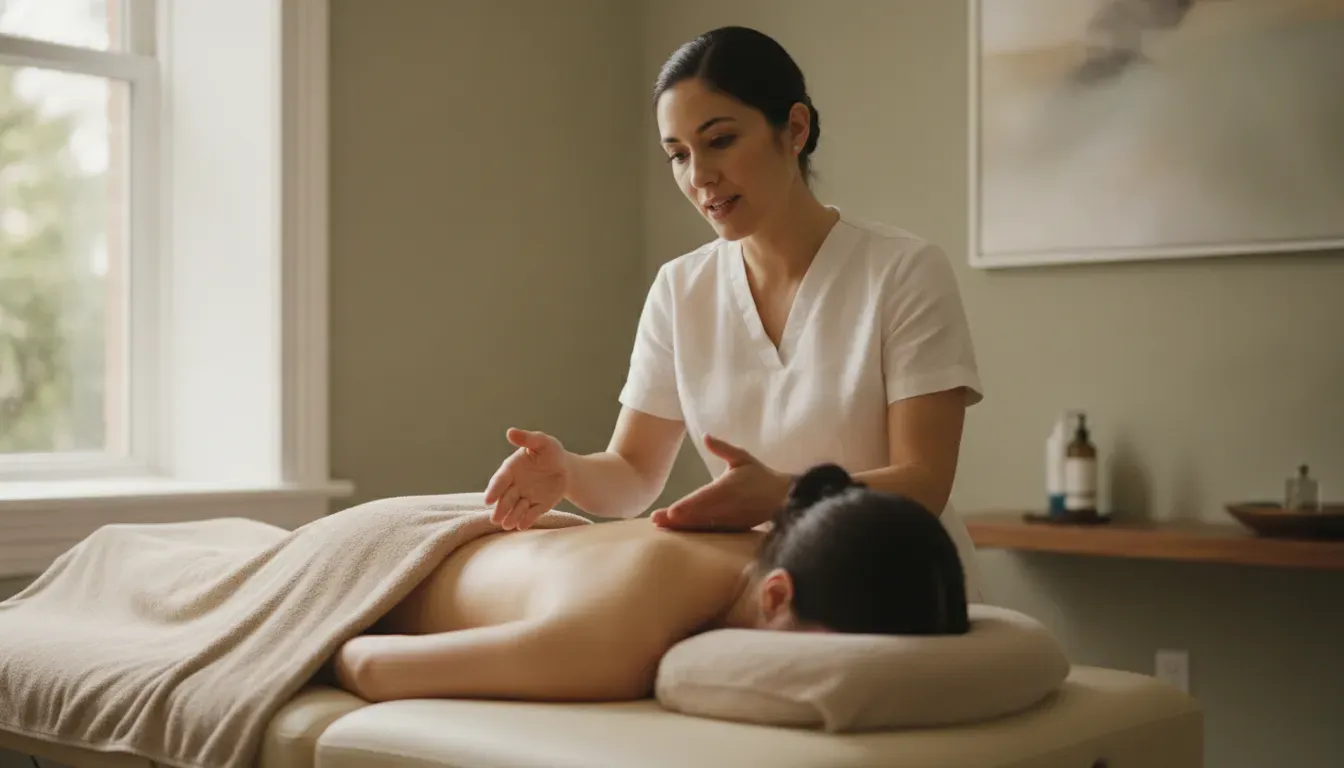

We often treat massage as a reaction to pain—something you do after an injury. But what if it could be a proactive part of your health routine? That’s the fundamental idea behind medical massage. This isn’t just about feeling good for an hour; it’s a goal-oriented therapy designed to create lasting change in your body. By focusing on specific outcomes, it helps you manage daily physical stress, prevent injuries, and address minor issues before they become chronic problems. It’s a smart, targeted investment in your long-term mobility and well-being.
Key Takeaways
- It’s a Targeted Treatment, Not a Spa Day: Medical massage is a goal-oriented therapy designed to address specific, diagnosed health conditions with a personalized treatment plan, making it different from a general relaxation massage.
- Your Therapist’s Expertise Matters: To get the best results, look for a licensed therapist with advanced certifications and proven experience in treating your specific issue, whether it’s chronic headaches or a sports injury.
- A Doctor’s Prescription Can Be Key: To potentially have your sessions covered by insurance or use HSA/FSA funds, you’ll likely need a formal prescription from your doctor that outlines your diagnosis and treatment plan.
What Is Medical Massage and How Is It Different?
You’ve probably heard the term “medical massage” before, but what does it actually mean? While any good massage offers therapeutic benefits, medical massage is different because it’s outcome-based. Think of it less as a general spa treatment and more as a focused therapy designed to address a specific diagnosis or health goal. A doctor might even prescribe it as part of a larger treatment plan.
Instead of following a standard routine for general relaxation, a therapist performing a medical massage uses a variety of techniques to treat a particular condition. The entire session is centered on achieving a specific result, whether that’s relieving chronic pain, improving your range of motion after an injury, or reducing nerve compression. It’s a targeted approach that requires a deep understanding of anatomy and how the body’s systems work together. This makes it a powerful tool for managing pain and supporting your body’s natural healing process.
It’s for Healing, Not Just Relaxation
The primary goal of a standard relaxation massage is to help you de-stress and feel good. While that’s a wonderful benefit, medical massage sets its sights on a more specific target. It’s designed to address diagnosed health conditions like sciatica, fibromyalgia, chronic headaches, or carpal tunnel syndrome. The focus is on functional improvement and long-term relief.
Relaxation is often a happy side effect of the treatment, but the main event is the therapeutic work being done to resolve a specific issue. Your therapist isn’t just going through the motions; they are applying precise techniques to the muscles and tissues that are causing you problems. This makes it one of the most effective therapeutic options for anyone seeking lasting results.
Medical, Clinical, or Therapeutic: What’s the Difference?
The terms “medical,” “clinical,” and “therapeutic” get thrown around a lot, and it’s easy to get them mixed up. “Therapeutic massage” is the broadest category. Any session from a skilled professional, whether it’s a relaxing Swedish or a focused deep tissue massage, is therapeutic because it promotes well-being. “Clinical massage” often just refers to the setting, like a physical therapy office. The most specific term is “medical massage,” which is prescribed by a doctor to treat a diagnosed condition. It’s an outcome-based approach where the therapist follows a targeted plan to address a specific health issue, like chronic pain or limited mobility, as part of a larger treatment strategy.
Specialized Training for Targeted Relief
To deliver effective medical massage, a therapist needs more than just basic training. Therapists who specialize in this area often pursue advanced certifications and continuing education to deepen their knowledge of the human body. They study specific conditions, complex muscle groups, and advanced techniques that go beyond what’s taught for general relaxation massage. This specialized training is what allows them to accurately assess your condition and apply the right methods to get results.
This expertise is what sets a true therapeutic studio apart. When you work with a therapist dedicated to their craft, you’re benefiting from years of study and hands-on experience. Our team’s expertise ensures you receive care that is both safe and highly effective for your specific needs.
A Treatment Plan Designed Just for You
Medical massage is never a one-size-fits-all experience. Your session begins with a thorough assessment where the therapist discusses your health history, symptoms, and goals for treatment. Based on this information, they create a personalized plan tailored to you. This plan might focus on releasing tight muscles to improve your posture, breaking down scar tissue from an old injury, or addressing trigger points that cause referred pain.
This outcome-based approach means your treatment may evolve over time. Your therapist will track your progress and adjust the plan as your body responds. Whether you need a targeted Deep Tissue massage or another modality, each session is a deliberate step toward helping you feel and function better.
A Collaborative Approach to Healing
One of the biggest distinctions of medical massage is that it rarely happens in isolation. True healing is often a team effort, and your massage therapist is a key player on that team. This collaborative approach recognizes that your body is a complex system and that the best results come from a well-rounded strategy. It involves clear communication between you and your therapist, and sometimes, coordination with other healthcare providers you trust. The goal is to create a supportive network focused entirely on your well-being, ensuring that the progress you make on the massage table is part of a larger, more comprehensive plan for your health.
Working with Other Healthcare Professionals
Because medical massage is a goal-oriented therapy, it fits perfectly within a broader healthcare strategy. Your therapist can work alongside your doctor, chiropractor, or physical therapist to address a specific, diagnosed condition. For example, if you’re recovering from an injury, your physical therapist might focus on strengthening exercises while your massage therapist works on releasing scar tissue and improving muscle function in the affected area. This integrated approach ensures everyone is working toward the same goal, creating a more complete and effective path to recovery. It transforms your massage from a standalone treatment into a vital component of your overall wellness plan.
Patient Education and At-Home Care
The benefits of a medical massage session shouldn’t end when you walk out the door. A crucial part of the healing process is what you do between appointments. Your therapist acts as both a practitioner and an educator, empowering you with the knowledge to take an active role in your own care. They might recommend specific stretches to maintain flexibility, self-massage techniques to manage tension, or simple postural adjustments to make throughout your day. This focus on at-home care reinforces the work done during your massage service and helps you achieve longer-lasting results. It’s a partnership that puts you in control of your health.
Is Medical Massage Right for You?
Medical massage is a versatile tool that can help a surprisingly wide range of people. It’s not just for those recovering from a major accident or dealing with a diagnosed medical condition. If you have a specific goal for your body—whether it’s easing a nagging pain, improving your athletic performance, or simply managing daily stress—a targeted massage approach can make a significant difference. Think of it as a step beyond general relaxation. While a classic Swedish massage is wonderful for unwinding, medical massage is about creating a specific, positive change in your body.
This type of therapy is ideal for anyone who feels like their aches and pains are getting in the way of living their life to the fullest. It’s for the office worker with persistent neck tension, the weekend warrior nursing a sore knee, or the expectant mother looking for relief from back pain. Our therapists use their in-depth knowledge of anatomy to address the root cause of your discomfort. By focusing on specific outcomes, we can tailor our massage services to help you move more freely and feel better in your own skin. It’s a collaborative process designed to get you tangible results.
Easing Chronic Pain and Stubborn Muscle Tension
If you live with chronic pain, you know how draining it can be. That constant ache in your lower back or the persistent tightness in your shoulders can affect everything from your mood to your productivity. Medical massage directly addresses these issues by targeting the source of the tension. Techniques like trigger point therapy and myofascial release work to loosen knotted muscles and connective tissues that contribute to pain. By releasing these tight spots, a skilled therapist can help improve your posture and alignment, offering lasting relief that goes beyond a temporary fix. A therapeutic deep tissue massage can be especially effective for breaking up these patterns of tension.
Supporting Sports Injury Recovery
Whether you’re a dedicated athlete or just enjoy staying active, injuries can be a major setback. Medical massage is a powerful tool for both recovery and prevention. It helps by increasing blood flow to injured areas, which reduces inflammation and speeds up the healing process. For athletes, specialized techniques can address muscle imbalances and improve flexibility, helping you perform at your best while reducing the risk of future injuries. Modalities like Ashiatsu Deepfeet Bar Therapy are particularly useful, as they allow for deep, consistent pressure that can effectively release tension in large muscle groups and aid in rehabilitation.
Soothing Migraines and Tension Headaches
Frequent headaches and migraines can be completely debilitating, but you don’t have to just power through them. Medical massage offers a non-invasive way to manage and often reduce their frequency and intensity. Many headaches are triggered by tension in the muscles of the neck, shoulders, and upper back. A therapist trained in medical massage can identify and release these specific trigger points. By focusing on these key areas, we can help alleviate the muscular strain that contributes to head pain, providing a natural path to relief. Our team is experienced in a variety of massage techniques that can be customized to address the root cause of your headaches.
Expanding the Scope: From Post-Surgery to Arthritis
The benefits of medical massage extend far beyond common aches and pains. It plays a crucial role in more complex health situations, such as recovering after surgery, where it can help reduce swelling and prevent the formation of restrictive scar tissue. For those managing chronic conditions like arthritis or fibromyalgia, targeted massage therapy can be a game-changer. It helps manage long-lasting pain, ease muscle spasms, and improve joint mobility, making daily tasks easier and less painful. The goal is always to restore function and improve your quality of life, whether you’re healing from a specific event or navigating a long-term health challenge.
Important Safety Considerations and Contraindications
While medical massage is incredibly beneficial, it’s not suitable for everyone or every situation. It’s important to postpone a session if you have a fever, an open wound, or a contagious skin condition. For those with certain long-term health issues, like blood clots or severe osteoporosis, massage may need to be modified or avoided altogether. The most important rule is to communicate openly with both your doctor and your massage therapist. A professional therapist will always conduct a thorough intake to understand your health history and ensure the treatment is safe for you. If you have any doubts, consulting your doctor first is always the smartest move.
Reducing Stress, Anxiety, and Inflammation
The connection between your mind and body is undeniable. Chronic stress and anxiety don’t just weigh on you mentally; they can manifest as physical symptoms like muscle tightness, poor sleep, and inflammation. Medical massage helps calm the nervous system, signaling to your body that it’s time to rest and repair. This process can lower cortisol levels and reduce inflammation throughout the body. Adding enhancements like Hot Himalayan Salt Stones can deepen this effect, promoting profound relaxation. By addressing the physical side of stress, medical massage can help you feel more centered, calm, and resilient.
The Science Behind Medical Massage
It’s one thing to know that a massage feels good, but it’s another to understand what’s actually happening inside your body to make that relief possible. The benefits of medical massage aren’t just a feeling; they’re the result of real, measurable biological processes. For a long time, the positive effects were mostly supported by personal stories, but now scientific research is catching up and showing us how targeted touch can create physiological changes. This isn’t about magic—it’s about biology. When a skilled therapist applies precise pressure and techniques, they are kickstarting your body’s own healing mechanisms, from the cellular level on up. Understanding this science can help you appreciate just how powerful a tool medical massage can be for your health.
How Massage Creates Biological Change (Mechanotherapy)
The term “mechanotherapy” might sound technical, but the concept is straightforward: it’s the use of mechanical force to stimulate healing and create biological change. Think of it this way—when a therapist applies pressure to your muscles, they are doing more than just rubbing the surface. That force is a signal that travels deep into your muscle tissue, prompting your cells to respond. This process can help reduce inflammation, encourage tissue repair, and calm your nervous system. It’s a hands-on approach that triggers a cascade of positive effects, turning a physical input into a therapeutic outcome. This is the core principle that makes targeted treatments so effective.
Muscle Repair and Recovery
When your muscles are overworked or injured, massage can play a key role in helping them bounce back. The physical pressure applied during a session helps to increase circulation, bringing fresh, oxygenated blood to the area while flushing out metabolic waste products that can cause soreness. This improved blood flow delivers the nutrients your muscles need to repair themselves more efficiently. It’s why a post-workout massage can make such a difference in reducing next-day stiffness. This isn’t just about feeling better in the moment; it’s about actively supporting your body’s natural recovery cycle so you can get back to your life with less downtime.
The “Crossover Effect” on the Body
One of the most fascinating findings in massage research is something called the “crossover effect.” Studies have shown that when a therapist works extensively on one limb—say, your right leg after a strain—the muscles in the opposite, unmassaged limb can also show signs of improvement. While the exact reasons are still being explored, this suggests that the benefits of massage aren’t just localized. The therapy sends signals through your central nervous system that create a broader, body-wide response. This highlights how interconnected our bodies are and shows that a targeted treatment in one area can have a far-reaching positive impact.
Understanding the Research and Its Limits
While the science is exciting, it’s also important to be realistic about what formal studies can tell us. Research into massage therapy is a growing field, but it can be challenging to design studies that capture the full picture. Everyone’s body is different, and the skill of an individual therapist plays a huge role in the outcome—something that’s hard to standardize in a clinical trial. So, while we have strong evidence for many benefits, it’s helpful to see the research as one piece of the puzzle. Your personal experience and the expertise of your therapist are just as valuable in determining what works for you.
Evidence for Pain Management
When it comes to pain, a large review of studies found that massage therapy consistently helps, but the evidence is often described as having “moderate certainty.” This doesn’t mean it doesn’t work; it just means that in controlled studies, it’s difficult to prove that massage is significantly *better* than other active treatments like exercise. For anyone who has found relief from chronic pain through our therapeutic massage services, the results speak for themselves. The research provides a solid foundation, confirming that massage is a valid and effective option for managing pain, even if the exact mechanisms are still being fully understood.
Factors That Influence Results: Age and Timing
Getting the most out of your massage can sometimes come down to timing. Research has shown that for athletes, applying massage immediately after intense exercise is most effective for muscle recovery. Waiting 48 hours, for example, makes it less impactful for reducing soreness and inflammation. This shows that when you get a massage can be just as important as the massage itself, especially when your goal is tied to performance or recovery. While this finding is specific to athletes, it underscores a broader point: a thoughtful approach to your treatment plan, created with an experienced therapist, can help you achieve the best possible results.
What Techniques Do Therapists Use?
Medical massage isn’t a single, one-size-fits-all style. Instead, it’s an umbrella term for a variety of outcome-based techniques. A skilled therapist will draw from their toolkit of methods to address your specific health goals, whether that’s recovering from an injury, managing chronic pain, or improving your range of motion. Think of your therapist as a specialist who creates a custom treatment plan just for you, often blending several different approaches within a single session to get the best results.
The goal is always therapeutic. While relaxation is often a wonderful side effect, the primary focus is on healing and functional improvement. Your therapist will use their in-depth knowledge of anatomy and physiology to target the root cause of your discomfort. They might focus on releasing tight muscles, breaking up scar tissue, or improving circulation to a specific area. This is what sets medical massage apart—it’s a precise, targeted approach designed to produce a measurable change in your physical condition. Below, we’ll walk through some of the most effective techniques you might experience.
Releasing Knots with Deep Tissue and Trigger Point Therapy
If you’re dealing with stubborn knots and chronic aches, you’re likely familiar with deep tissue massage. This technique uses slow, deliberate strokes and firm pressure to reach the deeper layers of muscle and connective tissue. It’s incredibly effective for breaking up scar tissue and releasing the built-in tension that can come from old injuries or postural habits. A therapist might also use trigger point therapy, which focuses on hyper-irritable spots in your muscles—those pesky “knots”—that can refer pain to other parts of your body. By applying direct pressure to these points, a therapist can release the tension and provide significant relief. A deep tissue massage is a great starting point for addressing long-term muscle pain.
Restoring Movement with Myofascial and Neuromuscular Therapy
Sometimes, the source of pain isn’t in the muscle itself but in the fascia—the thin web of connective tissue that wraps around every muscle and organ. Myofascial release is a technique that applies gentle, sustained pressure to stretch and soften this tissue, restoring mobility and easing pain. It’s especially helpful for addressing postural imbalances and widespread tightness. Neuromuscular therapy takes this a step further by focusing on the communication between your nervous system and your muscles. It helps to reset nerve-to-muscle pathways that may be causing spasms, weakness, or pain, making it a powerful tool for restoring proper function.
Improving Circulation with Lymphatic Drainage
Your lymphatic system is your body’s natural detoxification network, and sometimes it needs a little help to function optimally. Lymphatic drainage is a very gentle massage technique that uses light, rhythmic strokes to encourage the movement of lymph fluid. This can help reduce swelling and inflammation, particularly after surgery or an injury. By improving circulation and helping your body clear out waste, this technique supports your immune system and promotes overall healing. It’s a subtle but powerful method for helping your body’s internal processes work more efficiently, leaving you feeling refreshed and less congested.
Advanced Techniques like Ashiatsu
For a truly deep and lasting release, some therapists use advanced methods like Ashiatsu. In an Ashiatsu Deepfeet Bar Therapy session, the therapist uses their feet to deliver long, gliding, deep strokes. With the help of overhead bars for balance and control, they can apply broad, consistent pressure that feels incredible. This technique allows for a deeper massage than hands can often provide, without the discomfort of a pointy elbow. It’s fantastic for elongating the spine, relieving tight muscles, and providing profound relaxation. Because it covers a wider surface area, it can feel both intensely therapeutic and incredibly soothing at the same time.
Targeting Athletes with Sports Massage
Sports massage is a specific application of medical massage tailored to the unique physical demands placed on an athlete’s body. It’s a powerful tool for both recovery and prevention, helping to increase blood flow to hard-working muscles, which reduces inflammation and speeds up the healing process. A therapist can use specialized techniques to address muscle imbalances and improve flexibility, helping you perform at your best while reducing the risk of future injuries. Whether you’re training for a marathon or just trying to stay active without pain, incorporating targeted massage services into your routine can help keep your body in optimal condition and ready for whatever challenge comes next.
Mobilizing Joints and Applying Pressure
Beyond working on the muscles, medical massage often incorporates techniques that focus on mobilizing joints and applying targeted pressure. These methods are designed to improve how your body moves and functions as a whole. By addressing the joints directly or stimulating specific points on the body, a therapist can help release deep-seated tension and restore a greater range of motion. This approach recognizes that true relief often requires looking beyond the muscles to the underlying structures that support them. It’s a more holistic way to address pain and stiffness, ensuring that every part of your musculoskeletal system is working together smoothly.
Joint Mobilization
Joint mobilization is a hands-on technique where a therapist applies specific, controlled movements to your joints. The goal is to improve their range of motion and overall function. If you’ve ever felt like a joint is “stuck” or doesn’t move as freely as it used to, this method can be incredibly beneficial. It’s particularly useful for athletes who need to maintain optimal joint health for performance, but it’s just as effective for anyone experiencing stiffness from arthritis or daily wear and tear. By gently working to restore movement, your therapist can help reduce pain and improve your ability to move comfortably through all your therapeutic sessions.
Acupressure
Acupressure is an ancient healing art that involves applying firm pressure to specific points on the body. The idea is that these points, or “acupoints,” are connected to energy pathways, and stimulating them can help relieve tension and promote healing. This method can be particularly effective for athletes, as it helps to alleviate pain and improve overall performance by targeting key areas of discomfort. By pressing on these points, a therapist can help release blocked energy, reduce pain, and restore balance to the body, making it a valuable part of a comprehensive treatment plan for anyone looking to feel their best.
How to Find a Qualified Medical Massage Therapist
Finding the right massage therapist is about more than just booking an appointment. When you’re seeking relief from a specific medical issue, you need a practitioner with the right skills, training, and experience to address your unique needs. A great medical massage therapist becomes a partner in your health journey, so it’s worth taking the time to find someone you trust. The key is to look beyond a standard spa menu and focus on credentials, specialized skills, and a proven track record. This means doing a little homework to ensure the person you choose can truly help you feel better.
Think of it like finding any other healthcare professional. You’d want to know about their education, their areas of expertise, and how they’ve helped others with similar conditions. Asking the right questions upfront ensures you’re investing your time and money in therapy that will deliver real, lasting results. A qualified therapist will not only be happy to share their qualifications but will also take the time to understand your health history and goals before your session even begins. This initial diligence helps build a foundation for a successful therapeutic relationship and sets the stage for effective healing.
Check for Licenses and Certifications
Before you book, the first step is to verify that the massage therapist is properly licensed to practice in your state. This is a non-negotiable baseline for safety and professionalism. A license ensures that the therapist has met specific educational requirements and passed a standardized exam, confirming their knowledge of anatomy, physiology, and ethical practices. In Louisiana, for example, all practitioners must be licensed by the Louisiana Board of Massage Therapy. This is your guarantee that they meet the state’s professional standards for safe and effective care. At Nola Bliss, our entire team of therapists is fully licensed and dedicated to upholding the highest standards of practice.
Look for Specialized Training
While a license is essential, many of the best medical massage therapists pursue advanced certifications in specific modalities. This specialized education equips them with targeted techniques to address complex health issues, from chronic pain to injury rehabilitation. For instance, if you’re an expecting mother, you’ll want a therapist certified in prenatal massage who understands the unique needs of the pregnant body. Likewise, if you need deep, consistent pressure, a therapist trained in a technique like Ashiatsu Deepfeet Bar Therapy can offer a level of relief that traditional methods might not reach. Don’t hesitate to ask what kind of continuing education a therapist has completed.
Ask About Their Experience
Training and certifications are important, but so is hands-on experience. When you’re dealing with a specific condition like sciatica, migraines, or a sports injury, it’s incredibly helpful to find a therapist who has successfully treated it before. Feel empowered to ask about their experience in treating your particular issue. You can ask questions like, “How often do you work with clients who have tension headaches?” or “What is your approach to lower back pain?” An experienced therapist will be able to confidently discuss their methods and how they might tailor a session to your needs. This conversation helps you gauge their expertise and determine if they are the right fit for your wellness goals.
Will Insurance Cover Your Medical Massage?
It’s a question we hear all the time: will my health insurance pay for my massage? The short answer is, it depends. While most insurance plans don’t cover massage for general relaxation, many will cover it if it’s considered “medically necessary” to treat a specific health condition. Think of it less like a spa day and more like a prescribed therapy session designed to help you heal. This distinction is key, as it shifts the massage from a luxury to a legitimate medical treatment in the eyes of an insurer.
At Nola Bliss, we focus on providing the highest quality therapeutic massage, but we don’t directly bill insurance companies. This allows our therapists to concentrate entirely on your treatment without being limited by insurance network constraints. However, that doesn’t mean you’re out of options. Many of our clients successfully get reimbursed for their sessions by submitting the claim themselves. It takes a few extra steps, but if you have a qualifying condition, it can make regular, healing treatment much more accessible. To help you through it, here’s a breakdown of how the process generally works and what you can do to prepare before you book your appointment with us.
When Your Insurance Might Say Yes
For an insurance company to consider covering your massage, a doctor typically needs to determine that it’s essential for treating an injury or a diagnosed medical condition. This is what’s known as “medical necessity.” Conditions that often qualify include chronic back pain, sciatica, recovery from a car accident, carpal tunnel syndrome, or even persistent tension headaches. The key is that the massage must be part of a formal treatment plan aimed at healing or managing a specific issue. A general wellness massage won’t make the cut. This is where our specialized services, like Ashiatsu Deepfeet Bar Therapy, can be particularly beneficial, as they are designed to address deep-seated muscular problems.
What Paperwork Will You Need?
If you think your condition qualifies, your first step is to get the right documentation. You will almost always need a prescription or a formal referral from your doctor. This isn’t just a casual note; it’s a legitimate prescription that should include specific information. It needs to state your diagnosis (often with a medical code, like an ICD-10 code), the reason massage is necessary, and the recommended frequency and duration of your sessions (e.g., “one 60-minute massage per week for six weeks”). Before you book your appointment, it’s a great idea to call your insurance provider directly. Ask them about your plan’s coverage for “manual therapy” or “massage therapy” and what specific paperwork they require for reimbursement.
Partnering with Your Doctor
Your doctor is your most important ally in this process. When you meet with them, be specific about your symptoms and how massage therapy helps you. The more detailed you are, the better they can advocate for you. Ask them to write a prescription that clearly outlines why your deep tissue massage is a medical necessity for your condition. Once you have your prescription, we can provide you with a detailed receipt after your session that includes all the necessary information for you to submit your claim. You are in charge of your own health journey, and taking these steps empowers you to make therapeutic massage a regular part of your care plan.
Your First Medical Massage: What to Expect
Walking into any new health appointment can come with a few questions, and a medical massage is no different. If you’re used to the quiet, generalized relaxation of a spa massage, you’ll find this experience to be more interactive and focused. The goal isn’t just to help you unwind for an hour; it’s to create a lasting, positive change in your body by addressing the root cause of your discomfort. Think of it less as a passive treatment and more as a collaborative session between you and your therapist, where your input is just as important as their expertise.
From the moment you arrive, the focus is entirely on you and your specific needs. Your therapist will act as a guide, working with you to understand your pain, assess your condition, and develop a plan to help you find relief. The entire process is designed to be transparent and empowering. You’ll know exactly what the plan is, why certain techniques are being used, and what you can do at home to support your progress. It’s a partnership aimed at getting you back to feeling your best, whether that means recovering from an injury, managing chronic pain, or simply moving with greater ease.
Your First Chat: The Consultation and Assessment
Your first medical massage appointment begins before you even get on the table. Your therapist will start with a conversation to conduct a thorough assessment, discussing your health history, lifestyle, and any current symptoms you’re experiencing. This is your time to share what’s been bothering you—that nagging shoulder pain, the tension headaches, or the lower back stiffness. Our dedicated team of therapists uses this information to get a complete picture of your health. This initial chat is crucial because it helps pinpoint the underlying issues and ensures your session is both safe and effective.
Creating Your Custom Treatment Plan
After your consultation, your therapist will develop a personalized treatment plan that targets your unique concerns. Unlike a standard full-body massage that follows a set routine, a medical massage is designed to address specific health issues. Your plan might focus entirely on releasing tension in your neck and shoulders or use a combination of techniques to improve mobility in your hips. This custom approach ensures that every minute of your session is spent working toward your health goals. Your therapist will draw from a range of massage services and modalities to create the perfect treatment for you.
Why Communication Is Key
Effective communication doesn’t stop after the initial assessment—it continues throughout your entire session. Your therapist is your partner in this process, and your feedback is essential. Before the massage begins, you can undress to your personal comfort level. During the treatment, your therapist will check in with you about the pressure and technique. It’s important to speak up if something feels too intense or if you’d like more pressure in a certain area. This open dialogue ensures the treatment is always appropriate for your needs and helps your therapist make adjustments for the best possible results.
Dressing for Comfort: What to Wear
Your comfort is the top priority from the moment you walk in. We recommend wearing loose-fitting clothes that are easy to take off and put back on. Think yoga pants or joggers rather than restrictive jeans. This just makes the transition to and from the massage table smoother and more relaxing. During the session, you’ll undress to your personal comfort level in complete privacy. Your therapist will ensure you are securely draped with a sheet and blanket at all times, only uncovering the specific area they are working on. Starting your appointment feeling relaxed and comfortable helps set the stage for a more effective treatment.
After Your Session: Self-Care for Best Results
The therapeutic benefits of your massage continue to unfold even after you leave the studio. To get the most out of your session, a little self-care goes a long way. The most important thing you can do is drink plenty of water. Massage can release metabolic waste from your muscles, and staying hydrated helps your body flush it all out. You might feel a little sore the next day, similar to how you feel after a good workout—this is completely normal. A warm bath with Epsom salts can help soothe any tenderness. Try to take it easy for the rest of the day and avoid any strenuous activity to give your body time to integrate the work.
Planning Your Treatment Schedule
While a single massage can provide immediate relief, the real magic happens with consistency. The ideal frequency of your sessions depends entirely on your goals and what your body needs. For an acute issue, like recovering from an injury, your therapist might suggest more frequent visits at first. For long-term maintenance and stress management, a monthly session might be perfect. This isn’t a rigid schedule; it’s a dynamic plan you’ll develop with your therapist. They will track your progress and adjust the plan as your body responds, ensuring your treatment is always aligned with your current needs. Listening to your body and your therapist’s guidance will help you create a sustainable routine for lasting wellness.
How Much Does Medical Massage Cost?
Investing in your health is one of the best decisions you can make, and medical massage is a powerful tool for healing and well-being. Of course, it’s also important to understand the financial side of things. The cost of a medical massage can vary quite a bit depending on your location, the length of your session, and the therapist’s level of expertise and specialized training. Think of it less as a simple spa treatment and more as a personalized therapeutic session designed specifically for your body’s needs.
At a studio like Nola Bliss, you’re paying for the deep experience of a dedicated career therapist who has committed years to mastering their craft. This isn’t just a routine massage; it’s a targeted treatment plan. When you’re looking at pricing, remember to factor in the quality of care, the professional environment, and the lasting results you’ll get from a truly therapeutic experience.
What Are the Typical Costs?
Generally, you can expect a medical massage to cost somewhere between $100 and $150 per hour in the United States. This isn’t a hard and fast rule, as prices in a major city will differ from those in a smaller town. The price reflects the advanced skills required for medical massage, which goes far beyond a standard relaxation session. Therapists who perform these treatments have specialized certifications in techniques that address specific medical conditions. You can review the different massage services and their costs to find the treatment that best fits your wellness goals and budget.
How Packages and Memberships Can Help You Save
If you’re dealing with a chronic issue or recovering from an injury, consistency is key. One session can provide relief, but a series of treatments is what creates lasting change. Many studios recognize this and offer packages or memberships to make ongoing care more affordable. Buying a series of massages upfront often comes with a discount, which is a great way to commit to your treatment plan while saving money. It’s a practical approach for anyone who wants to make therapeutic massage a regular part of their health routine, ensuring you get the consistent care you need to feel your best.
What Are Your Payment Options?
Many people wonder if their health insurance will cover a medical massage. The answer is: sometimes. For insurance to consider covering it, the treatment usually needs to be deemed “medically necessary” by a doctor, who will provide a prescription or referral. It’s essential to talk to your doctor and call your insurance provider directly to understand your specific coverage. If insurance isn’t an option, don’t forget about your Health Savings Account (HSA) or Flexible Spending Account (FSA). You can often use these pre-tax funds to pay for medical massage, making it a more accessible option for your budget.
3 Common Medical Massage Myths, Busted
Let’s clear the air about medical massage. Because it has “medical” in the name, a lot of ideas float around that aren’t quite accurate. These misconceptions can sometimes stop people from seeking a treatment that could genuinely help them feel better, whether they’re dealing with a nagging injury, chronic stress, or just want to be more proactive about their health. Understanding what medical massage truly is—and what it isn’t—is the first step toward making an informed decision about your wellness. We’re going to walk through some of the most common myths and give you the real story. This way, you can see if this targeted, therapeutic approach is the right fit for your body’s needs. It’s not about mystery or exclusivity; it’s about effective, outcome-based care that can make a real difference in how you feel.
Myth: It’s Only for Severe Pain
One of the biggest misconceptions is that you need to be in agony to book a medical massage. While it’s incredibly effective for acute and chronic pain, its benefits go far beyond that. Think of it as a versatile tool for your overall health. Medical massage can be a fantastic way to manage stress, improve your range of motion, and simply maintain a sense of well-being. It’s a proactive approach to health, not just a reactive one. So, you don’t have to wait for a major issue to arise. Regular massage therapy can be a key part of your wellness routine, helping you feel your best every day.
Myth: All Massages Are the Same
It’s easy to think that a massage is a massage, but that’s like saying all workouts are the same. A relaxing spa massage is designed for general comfort and unwinding, which is wonderful in its own right. However, medical massage is different. It’s a targeted treatment focused on a specific health outcome, like resolving muscle imbalances or rehabilitating an injury. Therapists use specialized techniques, like Ashiatsu or Deep Tissue massage, to address particular issues. The approach is clinical and goal-oriented, making it a distinct and powerful form of therapy that requires advanced training and a deep understanding of anatomy.
Myth: You Have to Be Injured to Benefit
This myth goes hand-in-hand with the idea that medical massage is only for pain. You absolutely do not need to have an injury to benefit from this type of bodywork. In fact, it can be a powerful tool for injury prevention. By addressing muscle tightness, improving circulation, and reducing stress before they become bigger problems, you’re investing in your long-term health. Think of it as maintenance for your body. Regular sessions can keep your muscles pliable and your joints mobile, making you less susceptible to strains and sprains. It’s a smart, proactive approach to staying active and feeling good, rather than waiting for something to go wrong.
How to Choose the Right Provider for You
Finding the right massage therapist is a personal decision, but it doesn’t have to be a complicated one. When you know what to look for, you can confidently choose a provider who understands your goals and has the skills to help you achieve them. It’s about finding a professional partner for your wellness journey. A great massage experience depends on more than just the technique—it’s also about the right fit in terms of logistics, scheduling, and expertise.
Thinking through a few key factors can make all the difference between a one-time appointment and a lasting therapeutic relationship. You want someone who not only makes you feel comfortable but also makes it easy to prioritize your health. Let’s walk through three simple steps to help you find the perfect match for your medical massage needs.
Consider Location and Accessibility
When you’re trying to make massage a regular part of your routine, convenience is key. A provider with an accessible location makes it much easier to keep your appointments, whether you’re squeezing them in after work or on a weekend. If getting there is a hassle, you’re less likely to stay consistent with your treatment plan. Look for a studio that’s easy to get to from your home or office. For visitors to New Orleans, finding a spot near your hotel means less time in transit and more time relaxing. Our studio’s location in the Warehouse District is ideal for both locals and tourists exploring downtown.
Find a Schedule That Works for You
Your schedule is busy, and your massage therapist’s availability should complement it, not complicate it. The right provider will offer appointment times that fit your life. Before you commit, check their booking options. Do they offer evening or weekend slots? Can you book an appointment on the same day if something comes up? Finding a therapist who respects your time and offers flexible scheduling ensures that you can get the care you need, right when you need it. At Nola Bliss, we operate by appointment to give every client our full attention, and we can often accommodate same-day bookings for those moments when you need immediate relief.
Double-Check Their Credentials
This step is non-negotiable. A qualified medical massage therapist will be licensed and certified, which confirms they’ve met rigorous professional and educational standards. Don’t be shy about asking about their training and experience, especially if you’re seeking help for a specific issue. Therapists who invest in advanced training are passionate about their craft and better equipped to address complex problems. For example, if you’re interested in a specific modality, look for a provider with specialized certification, like our expertise in Ashiatsu Deepfeet Bar Therapy. This ensures you’re in the hands of a true professional dedicated to their field.
Related Articles
Frequently Asked Questions
Is a medical massage going to be painful? This is a common concern, and the short answer is no, it shouldn’t be. The goal is always relief. While your therapist may use firm pressure to release deep knots or address trigger points, the work should always feel productive, not painful. You might experience some therapeutic discomfort, but you are always in control. Constant communication with your therapist ensures the pressure is just right for you, allowing your muscles to release effectively without causing you to tense up.
How is this different from the deep tissue massage I can get at a spa? While a spa deep tissue massage can feel great, a medical massage is different in its approach and intent. It begins with a detailed assessment of your specific issue and goals. Instead of following a generalized routine, your therapist creates a custom plan for that session, drawing on various techniques to address the root cause of your discomfort. It’s a focused, outcome-based treatment performed by a therapist with advanced training in anatomy and specific conditions.
How many sessions will it take for me to feel better? This really depends on your individual situation. For a recent issue, you might feel significant relief after just one or two sessions. For a more chronic condition that has been developing over years, it will likely take a series of treatments to create lasting change. Your therapist will discuss a recommended treatment plan with you after your initial assessment, and you’ll work together to track your progress and adjust as needed.
Do I need a doctor’s referral to book a medical massage? You do not need a referral from a doctor to book an appointment with us. You can schedule a session anytime you feel you need targeted therapeutic work. However, if you plan to seek reimbursement from your health insurance provider, you will almost certainly need a formal prescription from your doctor that outlines your diagnosis and why the massage is medically necessary.
What if I don’t have a specific injury or diagnosis? Can I still get a medical massage? Absolutely. You don’t need a formal diagnosis to benefit from this focused approach. Many of our clients come in with goals like relieving persistent neck tension from computer work, addressing chronic stiffness in their lower back, or improving their posture. If you have a specific area of concern or a functional goal in mind, a medical massage approach can be tailored to help you achieve it.