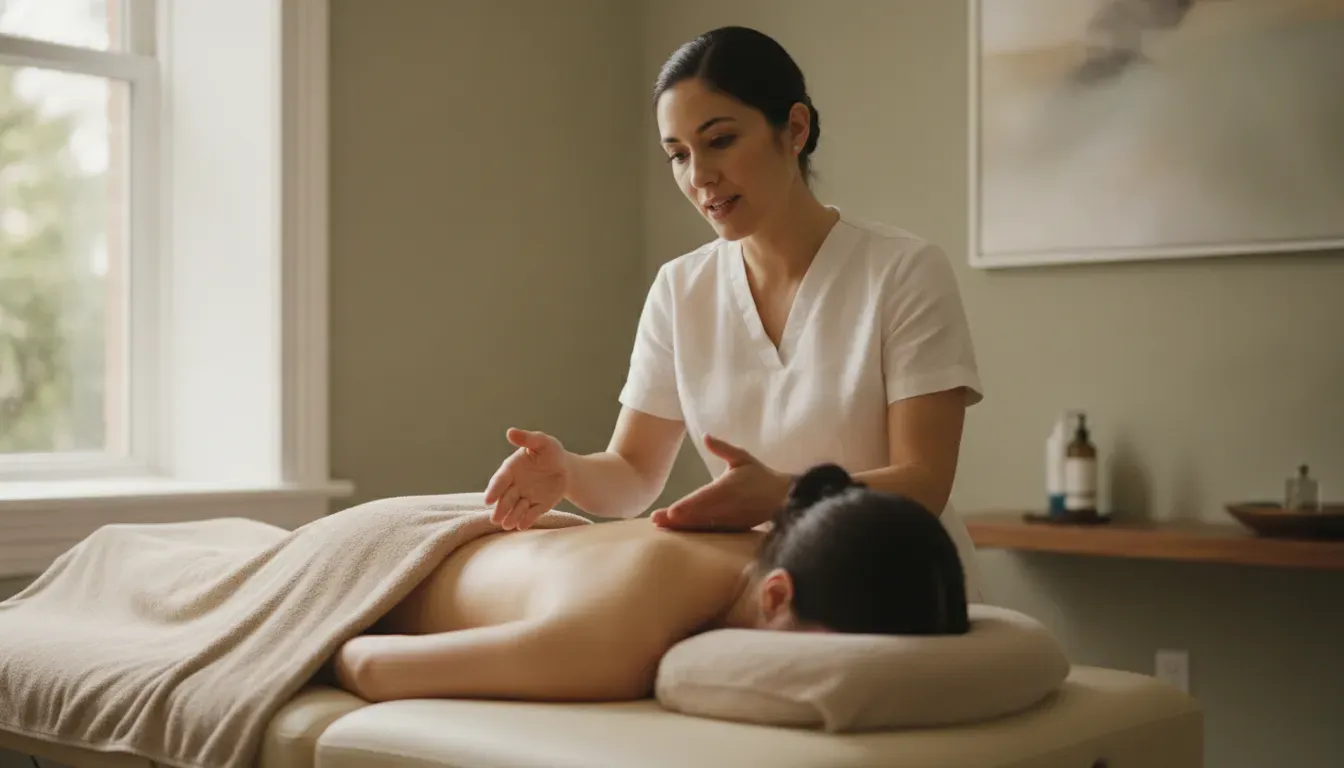

You wouldn’t see a general practitioner for a specific heart condition, and the same principle applies to bodywork. When you’re dealing with persistent pain, injury recovery, or a chronic condition, you need more than just general relaxation—you need a specialist. That’s where medical massage therapy comes in. It’s a targeted treatment focused on healing and functional improvement. Each session is customized to your unique health goals, using precise techniques to address the source of your discomfort. Understanding what makes this approach so effective is the first step toward lasting relief.
Key Takeaways
- Medical massage is goal-oriented therapy, not just relaxation: It’s a focused treatment designed to produce specific outcomes, like reducing chronic pain, improving mobility, or helping you recover from an injury.
- Therapists use a toolkit of specialized techniques: Your session is customized with methods like deep tissue work, myofascial release, and trigger point therapy to directly address the source of your discomfort and help your body heal.
- A little prep work goes a long way: For the best results, talk to your doctor first to ensure it’s a good fit, check your insurance policy for potential coverage, and find a licensed therapist with experience treating your specific condition.
What Makes a Massage “Medical”?
When you hear the term “medical massage,” you might picture a sterile, clinical setting, but it’s much more straightforward than that. Medical massage therapy is a results-oriented treatment focused on healing a specific health condition. A trained and licensed therapist applies targeted techniques to your body’s soft tissues with clear goals in mind: to reduce pain, calm muscle spasms, decrease swelling, and improve your range of motion for daily tasks.
Unlike a general relaxation massage, a medical massage is often recommended to address a diagnosed issue, whether it’s chronic back pain, recovery from an injury, or a condition like sciatica. The therapist uses their in-depth knowledge of anatomy and physiology to work on the specific muscles and connective tissues causing your problem. Think of it as a focused therapeutic session designed to produce a specific, positive outcome. At Nola Bliss, our massage services are rooted in this therapeutic approach, aiming to provide real relief and support your body’s natural healing process.
Understanding the Terminology: Therapeutic vs. Medical Massage
Massage Therapy as an Umbrella Term
It helps to think of “massage therapy” as a big umbrella term that covers many different styles and goals. Just like there are many types of doctors, there are many kinds of massage. Under this umbrella, you’ll find everything from a gentle, relaxing spa treatment to a highly focused session aimed at injury recovery. Both therapeutic and medical massage fall into this category, but they have different intentions. A general massage might focus on overall relaxation and well-being, while a more specialized form, like medical massage, is designed to treat specific health conditions. Understanding this distinction is the first step in choosing the right type of bodywork for your needs.
Therapeutic Massage for Healing
Therapeutic massage is what most of us are looking for when we want relief from the aches and stresses of daily life. It’s a broad term for any massage that promotes healing, eases muscle tension, and contributes to your overall well-being. The primary goal is to make you feel better, whether that means reducing back pain from sitting at a desk all day or soothing sore muscles after a workout. At Nola Bliss, our work is deeply rooted in this philosophy. Our deep tissue and Swedish massages are perfect examples of therapeutic massage, designed by expert therapists to provide tangible relief and support your body’s health.
Medical Massage for Diagnosed Conditions
Medical massage takes the concept of healing one step further by targeting a specific health problem that has been diagnosed by a doctor. It’s a prescribed treatment intended to resolve a particular condition, such as sciatica, carpal tunnel syndrome, or whiplash from an accident. A medical massage therapist works with a clear, outcome-based goal, often as part of a larger treatment plan recommended by a physician. While our therapeutic massages at Nola Bliss can certainly help manage pain and symptoms associated with many conditions, a true medical massage is defined by its connection to a formal diagnosis and a doctor’s prescription.
Medical vs. Spa Massage: What’s the Real Difference?
The main difference between medical massage and spa massage comes down to intent. A spa massage is all about relaxation and general stress relief. It’s a wonderful way to unwind and treat yourself. A medical massage, on the other hand, is about treatment. Therapists performing medical massage often have specialized training to address injuries, improve bodily function, and manage chronic conditions. While you’ll likely still feel relaxed, the primary goal is functional improvement. For example, a deep tissue massage can be for general relaxation at a spa, but in a therapeutic context, it’s used to break down scar tissue and restore normal movement.
The Goal of a Relaxation Spa Massage
Think of a relaxation massage as a mini-vacation for your mind and body. Its primary goal is to help you unwind, reduce general stress, and simply feel good. The focus isn’t on fixing a specific injury or chronic pain point, but rather on providing a soothing, calming experience. During the session, your therapist will use gentle, flowing strokes to ease muscle tension and quiet your nervous system, helping you disconnect from the outside world. While any good massage can be therapeutic, a classic Swedish massage is designed purely for this purpose. You’ll leave feeling refreshed and centered, making it a perfect way to treat yourself and recharge your batteries.
How to Involve Your Healthcare Team
Medical massage isn’t a standalone treatment; it works best as part of a comprehensive wellness plan. It complements other treatments you might be receiving, like physical therapy, chiropractic adjustments, or acupuncture. Your massage therapist can work in tandem with your doctor or physical therapist to target the exact areas that need attention, helping to speed up your recovery and improve your results. This collaborative approach ensures everyone on your healthcare team is working toward the same goal. Our team of highly trained and highly experienced Licensed Massage Therapists is dedicated to understanding your unique needs and contributing to your overall health journey.
What Conditions Can Medical Massage Therapy Help With?
Medical massage is much more than a way to relax. It’s a targeted therapy that can address a wide range of health conditions, from persistent aches to complex medical issues. By focusing on specific outcomes, a skilled therapist can help manage symptoms, support your body’s healing processes, and improve your overall quality of life. Whether you’re dealing with a recent injury, a chronic condition, or the physical toll of stress, medical massage offers a path toward relief and better function. It works by manipulating the body’s soft tissues to loosen tight muscles, reduce pain, and calm the nervous system.
For Chronic Pain and Musculoskeletal Relief
If you live with chronic pain from conditions like fibromyalgia, arthritis, or persistent back and neck tension, medical massage can be a powerful tool for relief. A trained therapist uses specific techniques to manipulate affected tissues and release tight muscles that cause pain, soreness, and stiffness. This approach can help manage the symptoms of fibromyalgia by reducing pain and improving sleep quality. For those with ongoing musculoskeletal problems, a targeted deep tissue massage can break up knots and restore mobility, helping you find lasting comfort and get back to the activities you love.
Supporting Recovery After Surgery or Injury
Recovering from surgery or an injury can be a long road, but medical massage can help support and sometimes speed up the process. Unlike a general relaxation massage, this therapy is customized to your specific medical needs and treatment goals. It can help reduce post-surgical swelling, break down scar tissue, and improve circulation to the affected area, all of which are vital for healing. By easing muscle spasms and improving your range of motion, medical massage helps your body recover its strength and function more effectively. It’s a focused approach designed to get you back on your feet.
Easing Stress, Anxiety, and Neurological Symptoms
The benefits of medical massage extend beyond the purely physical. It can significantly reduce the physiological burden of stress and ease the anxiety that often accompanies chronic illness. For individuals dealing with neurological conditions or high stress levels, massage helps calm the nervous system, which can lower pain perception and reduce muscle spasms. Techniques like Ashiatsu Deepfeet Bar Therapy provide a deep, consistent pressure that can be incredibly grounding and therapeutic. By creating a space for your body and mind to unwind, medical massage supports your mental and emotional well-being alongside your physical health.
Addressing Other Specific Issues
The power of medical massage lies in its adaptability. Beyond the common complaints of back pain and sports injuries, a skilled therapist can apply targeted techniques to address a surprisingly wide array of health concerns. Many issues that seem unrelated to muscle health, from repetitive strain injuries to symptoms influenced by the nervous system, can see significant improvement with the right kind of bodywork. This is because medical massage focuses on the root cause—often found in the body’s soft tissues—to alleviate discomfort, restore function, and contribute to your overall well-being in ways you might not expect.
Carpal Tunnel Syndrome and Posture-Related Pain
So much of modern life involves repetitive motions, whether you’re typing at a desk all day or working with your hands. This can lead to specific problems like carpal tunnel syndrome and chronic pain from poor posture. Medical massage therapy offers a targeted approach to these issues by focusing directly on the affected soft tissues. For carpal tunnel, a therapist can work to release tension in the muscles of the forearm, wrist, and hand to reduce pressure on the median nerve. Similarly, for posture-related pain in the neck and shoulders, a therapist can use specific techniques to lengthen tight chest muscles and release knots in the upper back, helping to correct imbalances and alleviate discomfort.
Jaw Problems, Restless Legs, and High Blood Pressure
Medical massage can also be effective for conditions you might not immediately associate with muscle work, such as jaw problems (TMJ), restless legs syndrome, and even high blood pressure. For those who clench their jaw, targeted work on the muscles of the face, neck, and scalp can provide immense relief. For restless legs syndrome, massage can help calm the nervous system and improve circulation, potentially easing the uncomfortable sensations. While not a direct cure for high blood pressure, the deep relaxation prompted by a therapeutic massage can help lower stress hormones, which in turn contributes to healthier blood pressure levels. Adding an enhancement like Hot Himalayan Salt Stones can further deepen this relaxation for even greater benefit.
What Techniques Will Your Therapist Use?
A medical massage therapist doesn’t rely on a single, one-size-fits-all routine. Instead, they use a wide range of specialized techniques tailored to your specific health goals. Think of them as a skilled physical problem-solver with a deep understanding of anatomy and physiology. Before your session begins, your therapist will assess your condition, review any notes from your doctor, and talk with you about your symptoms and goals. This allows them to create a targeted treatment plan just for you.
The focus is always on achieving a specific outcome, whether that’s reducing pain from a herniated disc, improving your range of motion after an injury, or relieving chronic headaches. To do this, they might combine several different methods in a single session. For example, they may use deep tissue work on a tight muscle group, followed by trigger point therapy to address a specific knot, and finish with gentle stretching to restore flexibility. This personalized approach is what makes medical massage so effective. Our team of therapists is highly experienced in these clinical methods, ensuring you receive focused, professional care.
Releasing Tightness with Deep Tissue and Myofascial Work
When most people hear “deep tissue,” they just think of intense pressure. While a medical deep tissue massage does work on the deeper layers of muscle and connective tissue, it’s much more precise than that. The therapist uses techniques like friction and muscle stripping to break down adhesions (painful “knots”) and scar tissue that can cause pain and limit movement.
Closely related is myofascial release, a technique that focuses on the fascia, the web-like connective tissue that surrounds and supports your muscles. When the fascia becomes tight or restricted from injury or stress, it can pull on your muscles and cause pain. Myofascial release uses slow, sustained pressure to gently stretch and release this tension, restoring mobility and relieving discomfort. For an incredibly effective form of deep tissue work, many clients find relief with Ashiatsu Deepfeet Bar Therapy, which uses the therapist’s body weight to deliver deep, consistent pressure.
Targeting Knots with Trigger Point Therapy
Have you ever had a stubborn knot in your shoulder that sends pain shooting up your neck or down your arm? That’s likely a trigger point. These are hyper-irritable spots in the muscle tissue that can cause pain right where they are, as well as referred pain in other parts of the body.
Trigger point therapy is a technique designed to find and deactivate these points. Your therapist will apply direct, focused pressure to the trigger point for several seconds until the muscle releases. While it can be intense for a moment, the relief that follows is often immediate and significant. This method is highly effective for treating chronic pain conditions, including tension headaches, sciatica, and fibromyalgia, and is often incorporated into our therapeutic massage services.
Gentle Methods Like Lymphatic Drainage
Not all medical massage techniques are intense. Manual lymphatic drainage, for example, is a very gentle method that plays a crucial role in healing. It uses light, rhythmic strokes to encourage the natural movement of lymph fluid through the body. This is especially helpful for reducing swelling and inflammation after surgery or an injury. By improving lymphatic flow, this technique also helps remove toxins and supports your immune system’s ability to heal.
Depending on your needs, a therapist might also use other specialized methods like assisted stretching to improve flexibility or compression techniques to increase circulation. The goal is always to use the right tool for the job. By combining these different approaches, your therapist can provide a truly comprehensive treatment that addresses your specific condition from multiple angles, all of which are part of our diverse massage services.
Incorporating Other Massage Styles
A truly effective medical massage session is rarely limited to a single modality. The best therapists draw from a diverse toolkit of techniques, blending different styles to create a treatment plan that’s as unique as you are. While methods like deep tissue and myofascial release are excellent for targeting specific problem areas, they are often even more powerful when combined with other approaches. A comprehensive treatment plan considers your body as a whole, addressing not just the site of pain but also the contributing factors like poor circulation, stress, and overall muscle tension.
This is where the art of massage therapy really shines. An experienced therapist might begin your session with broader, more relaxing strokes to warm up your muscles and calm your nervous system before moving into more focused work. By integrating different methods, they can address your condition from multiple angles, providing a more complete and lasting sense of relief. This personalized strategy is a core part of our philosophy, as our therapists use their extensive training to customize every one of our massage services to fit your specific therapeutic needs and goals.
Using Swedish and Shiatsu in a Treatment Plan
You might associate Swedish massage with pure relaxation, but it plays a vital role in a medical context. The long, flowing strokes of a Swedish massage are perfect for improving circulation and warming up muscle tissue. This preparation makes your muscles more receptive to deeper, more targeted techniques, allowing the therapist to work more effectively and with less discomfort for you. It’s an excellent way to start a session, easing your body into the therapeutic process and ensuring the deeper work is as productive as possible.
Similarly, principles from Shiatsu, a Japanese form of bodywork, can be woven into a treatment plan to enhance its effects. Shiatsu uses finger pressure on specific points to help balance the body’s energy and calm the nervous system. Incorporating these acupressure techniques can be particularly useful for addressing stress-related tension and improving your overall sense of well-being. By integrating these gentle yet powerful methods, your therapist can address both the physical and energetic aspects of your discomfort, creating a more holistic path to healing.
How Can Medical Massage Improve Your Health?
Medical massage offers tangible benefits that go far beyond simple relaxation. When you work with a skilled therapist, each session is a targeted treatment designed to address specific issues, helping you feel better in your body day-to-day. The results extend well past the massage table, creating positive changes in how you move, heal, and handle stress. It’s a proactive way to manage your health, focusing on healing and restoring function so you can get back to doing what you love.
Find Pain Relief and Better Mobility
Living with chronic pain, soreness, or stiffness can make everyday activities a challenge. Medical massage directly addresses the source of this discomfort. A trained therapist uses specific techniques to manipulate affected tissues and release tight muscles that restrict your movement. By focusing on these problem areas, massage can significantly lessen pain from conditions like arthritis or old injuries. This targeted approach not only provides relief but also helps restore your range of motion, making it easier to move freely. Many people find that regular deep tissue massage is a key part of managing their pain and maintaining an active lifestyle.
Heal Faster After an Injury or Surgery
If you’re recovering from an injury or surgery, medical massage can be a powerful tool in your healing process. Therapeutic techniques are designed to treat specific pain patterns, reduce inflammation, and address soft tissue dysfunction that can slow recovery. By promoting better circulation to the affected area, massage delivers oxygen and nutrients essential for tissue repair. This can help you heal faster and may even reduce your reliance on pain medication over time. Working with a therapist ensures you receive safe and effective massage services that complement your overall recovery plan.
Feel Less Stressed and Finally Sleep Better
The connection between physical tension and mental stress is strong. When you’re stressed, your muscles tighten, leading to headaches, fatigue, and poor sleep. Medical massage helps break this cycle by reducing muscle tension and calming your nervous system. As your body relaxes, circulation improves, which helps flush out stress hormones and promotes a sense of well-being. This deep relaxation can lead to more restful sleep and a better ability to manage daily pressures. Adding enhancements like Hot Himalayan Salt Stones can deepen this calming effect, leaving you feeling refreshed and centered.
Supporting Your Nervous and Digestive Systems
Relieving Pressure on Nerves
That shooting pain down your leg or the tingling sensation in your hands often has a simple cause: a nerve is being compressed by a tight muscle. Conditions like sciatica or carpal tunnel syndrome are common examples of this. Medical massage directly addresses these issues by focusing on the source of the problem. A skilled therapist can identify the specific muscles that are putting pressure on a nerve and use targeted techniques to release them. This isn’t just about general relaxation; it’s a focused treatment designed to provide lasting relief from pain, numbness, and tingling. By releasing the tension, the pressure on the nerve is relieved, allowing it to function properly again. For this kind of deep, consistent pressure, many find that Ashiatsu Deepfeet Bar Therapy is especially effective at releasing stubborn, deep-seated muscle tightness.
Improving Digestion and Easing Constipation
It might seem surprising, but massage can also have a positive impact on your digestive system. When you’re stressed, your body enters a “fight-or-flight” mode, which can slow down or disrupt digestion. Therapeutic massage helps shift your body into a “rest-and-digest” state by calming the nervous system. This alone can help your digestive system function more efficiently. Beyond general relaxation, a therapist can use specific, gentle abdominal massage techniques to stimulate the large intestine, which can help relieve constipation and reduce bloating. By releasing tension in the abdominal and lower back muscles, therapeutic massage supports better organ function and contributes to your overall sense of well-being from the inside out.
Will Insurance Cover Medical Massage Therapy?
It’s a question we hear all the time: will my health insurance pay for my massage? The answer is a definite maybe. Many health insurance plans do cover medical massage therapy, but it almost always depends on your specific policy and whether the treatment is considered medically necessary. Think of it less like a spa day and more like a prescribed therapy for a specific health issue.
To get reimbursed, you’ll likely need to do a little homework first. This usually involves confirming your benefits, getting the right paperwork from your doctor, and submitting a claim correctly. While it might seem like a few extra steps, getting coverage can make consistent, healing massage therapy much more accessible. Every insurance provider has different rules, so it’s important to verify your coverage details before you book your appointment. This way, you can go into your session with peace of mind, knowing exactly what to expect.
How to Check Your Insurance Plan for Coverage
The best way to find out if your plan covers medical massage is to go straight to the source. Start by reviewing your policy documents, which are often available online through your provider’s portal. If you can’t find a clear answer, the next step is contacting your insurance company directly. When you speak with a representative, be ready to ask specific questions. Find out if massage therapy is a covered benefit, what conditions it’s covered for, and if you need to see a therapist within their network. Also, ask about your deductible and what percentage of the cost they will cover.
Understanding Medicare and Medicaid Rules
When it comes to government-sponsored plans like Medicare and Medicaid, the rules can be a bit tricky. Unfortunately, Original Medicare generally doesn’t cover massage therapy because it’s often seen as an alternative treatment. However, there’s a potential exception with some Medicare Advantage (Part C) plans. Since these are offered by private companies, they sometimes include extra benefits. The coverage can vary significantly between plans, so you’ll need to check your specific policy details. Medicaid is another story, as its coverage is handled state-by-state and may pay for massage if a doctor prescribes it for a specific medical condition. The key takeaway is to always verify the details of your individual plan before booking.
How to Get a Doctor’s Referral
If your insurance plan does cover massage, they will almost certainly require a referral from your doctor. This isn’t just a casual suggestion; it’s official documentation that your massage is a medical necessity. Your doctor’s referral should clearly state your diagnosis (like chronic back pain or recovery from an injury) and prescribe massage therapy as part of your treatment plan. Without a proper doctor’s referral, your insurance provider will likely deny the claim, leaving you to cover the full cost. Make sure the referral is detailed and submitted exactly as your insurance company requires.
Using an HSA or FSA for Payment
Even if your insurance plan doesn’t cover massage, you might have another way to pay for it with pre-tax dollars. If you have a Health Savings Account (HSA) or Flexible Spending Account (FSA) through your employer, you can often use those funds for medical massage. These accounts are designed to help you pay for qualified medical expenses, and therapeutic massage can fall into that category. The key is that the massage must be for treating a specific medical condition, not just for general relaxation. This is a great option for making consistent, therapeutic care more affordable.
The Role of a Letter of Medical Necessity
To use your HSA or FSA funds, you’ll need what’s called a Letter of Medical Necessity (LMN) from a healthcare provider. This is the most important piece of paperwork in the process. A doctor, or even a chiropractor, can provide this letter if they determine that massage is a necessary treatment for your condition. The letter should include your diagnosis, a recommendation for massage therapy to treat that specific issue, and sometimes the proposed frequency and duration of your sessions. Keep this letter in your records in case you ever need to prove to the IRS that your massage was a legitimate medical expense.
What to Do If Your Claim is Denied
Receiving a denial for your insurance claim can be incredibly frustrating, but it doesn’t have to be the final word. The first thing you should do is contact your insurance company to understand exactly why the claim was rejected. Often, it’s due to a simple clerical error, a missing code, or incomplete paperwork from your doctor. Once you know the reason, you can work to fix it. If you believe the claim was denied unfairly, you have the right to appeal the decision. This might involve submitting additional documentation or a more detailed letter from your doctor. Be persistent and organized, and don’t be afraid to advocate for your health.
Alternative Payment Options
If navigating the insurance world feels too complicated or isn’t an option for you, don’t worry. You can still make regular therapeutic massage a sustainable part of your wellness routine. Many people choose to pay for their sessions directly, viewing it as a worthwhile investment in their long-term health and quality of life. When you pay out-of-pocket, you have the freedom to choose any therapist you want, without needing to worry about networks or referrals. This allows you to focus on what truly matters: finding a highly skilled therapist who can provide the specific, high-quality massage services you need to feel your best.
Memberships and Packages
To make direct payment more manageable, many massage studios offer memberships or session packages. This is a fantastic way to save money while committing to your health. Typically, you can purchase a series of massages at a discounted rate or sign up for a monthly membership that includes one or more sessions. These deals not only lower the per-session cost but also encourage you to be consistent with your treatments, which is key for managing chronic pain and achieving lasting results. It simplifies the payment process and makes it easier to prioritize your well-being on a regular basis.
How to Know If Medical Massage Is Right for You
Deciding to try medical massage is a personal choice, but you don’t have to make it alone. If you’re looking for a focused treatment to address a specific health concern, it can be an incredibly effective path toward feeling better. The key is to approach it as a partnership between you, your doctor, and your massage therapist.
Start by Talking with Your Doctor
If you’re dealing with a specific health issue, the best first step is to talk with your doctor. They can help you figure out if medical massage is the right move for your situation. According to the Department of Veterans Affairs, “Medical massage therapy is a treatment applied to the soft tissues of the body by a trained and licensed medical massage therapist. It is often used to address specific medical conditions and can be an effective part of a comprehensive treatment plan.” Your doctor can confirm if your condition is one that could benefit from this approach and provide a referral if needed. This conversation ensures your massage therapy is safe, effective, and aligned with your overall health goals.
When to Avoid Massage: Safety Precautions
While massage is incredibly beneficial for most people, safety always comes first. There are certain situations, known as contraindications, where massage should be avoided or modified to prevent any harm. For instance, you should postpone your appointment if you have a fever, an infectious disease, or any contagious skin condition. It’s also crucial to avoid massage over areas with open wounds, recent injuries, or blood clots. For more serious systemic conditions like severe osteoporosis or a recent stroke, massage may not be appropriate at all. This is why open communication with your therapist is so important. Always disclose your full health history so your therapist can tailor the session safely to your needs, ensuring you get all the benefits without any of the risks.
What to Expect During Your First Appointment
Your first medical massage appointment will feel a bit different from a typical spa visit, and that’s a good thing. It all starts with a conversation. As UCSF Health explains, “At your initial session, your massage therapist will ask questions about your health and what symptoms you’re experiencing to determine how to best treat you.” This personalized approach ensures that the therapy is tailored to your specific needs. We’ll discuss your medical history, pain points, and what you hope to achieve so we can create a session just for you. During the massage, your comfort is the top priority. You will be properly draped at all times, and your therapist will use specific massage techniques to focus on the areas that need attention.
Discussing Treatment Frequency
After your first session, it’s natural to wonder, “How often should I come back?” The answer depends entirely on your body, your condition, and your goals. While you’ll likely feel some relief right away, medical massage is a process, not a one-time fix. For chronic pain or injury recovery, you might need to schedule several sessions to achieve lasting results and manage pain over time. Our therapists will work with you to create a personalized treatment plan. This might mean more frequent visits at the beginning, then spacing them out as your symptoms improve. This collaborative approach ensures your therapy is part of a sustainable wellness plan designed to help you feel your best long-term.
How to Find a Qualified Medical Massage Therapist
Finding the right massage therapist is a lot like finding any other trusted healthcare professional. You want someone with the right skills, experience, and approach to help you meet your specific health goals. Since medical massage is outcome-based, it’s especially important to find a practitioner who is not only licensed but also has specialized training in therapeutic techniques. A great therapist will be your partner in healing, so taking a little time to find the right fit is a crucial first step on your wellness journey.
Your search should focus on professionals who can demonstrate a deep understanding of anatomy and pathology. At Nola Bliss, our team is made up of highly experienced Licensed Massage Therapists who have dedicated their careers to the practice of therapeutic massage. When you find a therapist with that level of dedication, you know you’re in good hands. The key is knowing what to look for and what to ask before you even get on the table.
What Credentials and Certifications Matter?
First things first, any massage therapist you consider must be licensed to practice in their state. This is the baseline requirement that ensures they’ve met essential education and safety standards. But for medical massage, you’ll often want to look for credentials that go a step further. Many highly qualified therapists pursue board certification through the National Certification Board for Therapeutic Massage & Bodywork (NCBTMB). To become board certified, a therapist must first be licensed, then complete an approved program and pass a rigorous certification exam. This is a clear sign that a therapist is committed to a higher standard of practice. If you’re hoping to use insurance, it’s also vital that the massage is performed by a licensed or certified therapist your provider recognizes.
Licensing Requirements for Massage Therapists
Before a therapist can practice, they must meet specific state licensing requirements. This isn’t a simple process; it generally involves completing a comprehensive massage therapy program, which can require anywhere from 300 to over 1,000 hours of training. After finishing their education, they must pass a national exam, like the MBLEx, to ensure they have a solid foundation in anatomy and safe techniques. You should always confirm that any therapist you see is licensed, as this is the essential foundation for safe, professional care. Many of the most dedicated therapists, like our team at Nola Bliss, take their expertise a step further by pursuing advanced certifications. This commitment to ongoing education is what separates a good therapist from a great one and is a key part of providing high-quality therapeutic massage services, which can also be important if you plan to seek insurance reimbursement.
Key Questions to Ask a Potential Therapist
A good therapeutic relationship starts with good communication. Your first session should always begin with a thorough intake process. Your massage therapist will ask about your health history and the specific symptoms you’re experiencing to create a treatment plan tailored to you. This is also your opportunity to ask questions. Don’t be shy about it. Ask about their experience with your specific condition, whether it’s chronic back pain, recovery from an injury, or tension headaches. You can also ask what techniques they plan to use and what you can expect during and after the session. This conversation helps build trust and ensures you are both aligned on the goals for your treatment.
Related Articles
Frequently Asked Questions
Is a medical massage the same as a deep tissue massage? Not exactly, though they are related. Think of deep tissue as a specific tool, while medical massage is the overall strategy. A medical massage is a session focused on treating a diagnosed condition, like sciatica or a shoulder injury. Your therapist might use deep tissue techniques during that session, but they will apply them very specifically to the muscles causing your problem. The goal isn’t just deep pressure everywhere; it’s targeted work designed to produce a specific therapeutic result.
Will a medical massage be painful? A therapeutic massage should not be a painful experience, but you may feel some intensity or discomfort at times. When a therapist works on a tight muscle or a trigger point, it can feel tender. However, it should always be a “good hurt” that feels productive, not sharp or unbearable. A skilled therapist will communicate with you throughout the session to work within your comfort level and ensure the pressure is effective without causing pain.
How will I feel after a medical massage session? Most people feel a sense of relief and increased mobility right away. You might notice that a stiff neck can turn more freely or that a nagging pain has significantly decreased. It is also completely normal to feel a little sore for a day or two afterward, much like you would after a good workout. This happens because your muscles have been worked on and are beginning to release long-held tension. Drinking plenty of water can help minimize any soreness.
Do I need a doctor’s referral to book a medical massage? You do not need a referral to book a therapeutic massage with us. Anyone seeking relief from pain, stiffness, or an injury can schedule an appointment. A doctor’s referral is typically only required if you plan to submit a claim to your health insurance company for reimbursement. If you’re just paying out of pocket, you can book a session based on your own needs.
How many sessions will I need to feel better? This really depends on your specific condition, how long you’ve had it, and your overall health. Some people experience significant relief after just one session. For more chronic or complex issues, a series of treatments may be needed to achieve lasting results. After your first session, your therapist can discuss your goals and recommend a treatment plan that makes sense for you.
A Skilled Therapist’s Hands-On Assessment
A medical massage therapist doesn’t rely on a single, one-size-fits-all routine. Instead, they use a wide range of specialized techniques tailored to your specific health goals. Think of them as a skilled physical problem-solver with a deep understanding of anatomy and physiology. During your session, they use their hands not just to apply pressure, but to assess the texture, tightness, and movement of your muscles and fascia. This hands-on assessment allows them to pinpoint the exact source of your discomfort and adapt their approach in real-time. It’s this customized, investigative process that sets therapeutic bodywork apart and makes our massage services so effective at providing targeted relief.
The Dedication of a Career Massage Therapist
Finding the right massage therapist is a lot like finding any other trusted healthcare professional. You want someone with the right skills, experience, and approach to help you meet your specific health goals. This is why it’s so important to seek out a career therapist—someone who has devoted their professional life to the study and practice of healing through massage. These are the practitioners who pursue advanced certifications, stay current on the latest research, and have a genuine passion for helping people feel better. At Nola Bliss, our entire team is composed of these dedicated professionals. We believe this commitment is the secret to providing truly exceptional, therapeutic care, and you can learn more about our dedicated team and their passion for healing.
Job Growth and Career Advancement
It’s a great time to be seeking therapeutic massage, as the field is growing rapidly. According to the Mayo Clinic College of Medicine & Science, the number of jobs for massage therapists is expected to grow much faster than average as more research validates its medical benefits. For you, this means more access to highly qualified and specialized practitioners. As the industry expands, more therapists are pursuing advanced training in specific modalities to stand out. This professional growth is why you can find unique and effective treatments like Ashiatsu Deepfeet Bar Therapy, which requires extensive, specialized training that goes far beyond basic massage education.
The Difference Between Spa and Clinical Environments
The main difference between medical massage and spa massage comes down to intent. As one wellness center notes, a spa massage is primarily about relaxation, while a medical massage is about treatment. A spa environment is designed to help you unwind with soothing music and general, flowing strokes. A therapeutic studio, on the other hand, is focused on producing a specific outcome. While relaxation is often a welcome side effect, the primary goal is functional improvement—reducing your pain, improving your mobility, or helping you recover from an injury. At Nola Bliss, we are recognized for providing this type of professional, high-quality therapeutic massage, distinguishing our services from the more superficial experiences you might find elsewhere.