A massage performed entirely with the therapist’s feet might sound strange, but it’s a centuries-old practice perfected for modern relief. In an Ashiatsu session, your therapist uses overhead bars for balance, allowing them to apply deep, consistent pressure with their feet. This gravity-assisted method feels unlike any other massage. Instead of the targeted pressure of thumbs and elbows, you feel long, flowing strokes that cover a large area of your body at once. It’s the ultimate deep tissue experience, offering profound relief without the discomfort. Understanding the ashiatsu massage health benefits is the first step to discovering your new favorite therapy.
Key Takeaways
- Get deep tissue results without the sharp elbows: Ashiatsu uses the therapist’s feet to apply broad, consistent pressure, providing intense relief for tight muscles without the discomfort sometimes caused by more pointed techniques.
- It’s a full-body reset for chronic tension and stiffness: The long, flowing strokes help lengthen muscles, improve circulation for faster recovery, and calm the nervous system, making it a powerful treatment for both physical and mental stress.
- Always choose a certified therapist and discuss your health history: This specialized massage isn’t suitable for everyone, so finding a properly trained professional and being open about your medical background ensures a safe and effective experience.
What is Ashiatsu Massage?
If you’ve ever wished for a deep tissue massage that could deliver serious pressure without the sharp, pointy feeling of an elbow, I’d like to introduce you to Ashiatsu. The name comes from the Japanese words “ashi” (foot) and “atsu” (pressure), and that’s exactly what it is: a massage performed with the therapist’s feet. It might sound a little unusual at first, but it’s one of the most effective and luxurious deep tissue treatments available.
At Nola Bliss, our Ashiatsu Deepfeet Bar Therapy is a client favorite for a reason. This technique allows our therapists to use their body weight and gravity to apply deep, broad, and consistent pressure. Imagine long, flowing, gliding strokes that cover a large area of your back, shoulders, or legs all at once. It’s a completely different sensation from a traditional massage, offering profound relief from chronic tension and muscle tightness. It’s a truly unique experience that combines the best of deep pressure with a soothing, relaxing touch.
From Ancient Roots to Modern Therapy
While it feels like a cutting-edge treatment, Ashiatsu is far from a new trend. This incredible massage technique is a beautiful blend of ancient wisdom and modern innovation, refined over centuries to deliver the powerful therapeutic results we see today. Understanding its history helps you appreciate the depth and intention behind every movement. It’s a practice that has been passed down and perfected, combining the best of traditional healing with the precision of contemporary bodywork. This rich background is part of what makes the experience so profound and effective for relieving deep-seated tension and promoting overall wellness.
The Meaning Behind “Ashiatsu”
The name itself offers a perfect introduction to the technique. “Ashiatsu” is a Japanese term where “ashi” means foot and “atsu” means pressure. So, quite literally, it’s “foot pressure.” This method of using the feet to deliver therapeutic massage isn’t just a clever idea; it’s a practice with deep historical roots. Forms of barefoot massage have been utilized in Eastern cultures for over 3,000 years, making it one of the oldest and most time-tested forms of bodywork. This long history is a testament to its effectiveness, as generations of healers have recognized the unique benefits that come from using the feet to deliver deep, soothing pressure.
A Modern Take on a 3,000-Year-Old Practice
The Ashiatsu you’ll experience today is a modern interpretation of these ancient techniques, specifically designed for a therapeutic setting. The most significant innovation is the use of overhead bars, which the therapist holds onto for balance and control. This setup allows them to use gravity, applying their body weight to deliver deep, consistent pressure that would be impossible to achieve with hands alone. The long, flowing strokes help improve circulation and release muscle tension across a broad area. As the only certified Ashiatsu training center on the Gulf Coast, we at Nola Bliss are dedicated to mastering this powerful blend of tradition and modern application to provide you with the most effective treatment possible.
The Art of Barefoot Deep Tissue Massage
So, what does a barefoot massage actually feel like? Think of it as the ultimate deep tissue experience. Instead of using hands, thumbs, and elbows, your massage therapist uses the soft, padded surfaces of their feet to work on your muscles. This method allows for incredibly deep pressure and long, flowing strokes that can stretch and lengthen tight muscles in a way that hands simply can’t.
Because the foot is a much broader tool than a thumb or elbow, the pressure is distributed over a larger area. This means you get all the benefits of a deep tissue massage without the discomfort that can sometimes come with more targeted pressure points. It’s a game-changer for anyone who loves deep work but dislikes the “pokey” feeling.
Combining Deep Tissue, Compression, and Myofascial Stretching
What makes Ashiatsu so uniquely powerful is that it’s not just one type of massage—it’s a skillful blend of three therapeutic techniques happening all at once. First, you get the benefits of a deep tissue massage as the therapist uses their body weight to apply significant, sustained pressure. But because the foot is so broad, it feels more like a giant, warm hand working out the tension. This creates a deep compression that helps improve blood flow and encourages stubborn knots to release. At the same time, the long, gliding strokes stretch and lengthen your muscles and the surrounding connective tissue, known as fascia. This myofascial stretching is fantastic for improving flexibility and addressing issues like chronic tightness in your back or the IT bands for runners.
How Therapists Use Gravity for Deeper Pressure
You might be picturing a therapist trying to balance precariously on your back, but the reality is much more graceful and controlled. Ashiatsu is a gravity-assisted massage where the therapist uses a set of parallel bars mounted on the ceiling for balance and support. These bars are essential to the practice, allowing your therapist to maintain perfect control and adjust the amount of pressure with incredible precision.
By holding onto the bars, your therapist can apply as much or as little of their body weight as needed, ensuring the pressure is always just right for you. This setup allows them to deliver smooth, consistent strokes that glide across your body, releasing tension and soothing sore muscles. Our highly trained therapists are experts at using this technique to provide a safe, effective, and deeply relaxing treatment.
Applying Up to 3x More Pressure Than Hands-On Massage
Let’s talk about the power behind Ashiatsu. One of the most incredible aspects of this technique is its ability to deliver significantly deeper pressure than a traditional hands-on massage—sometimes up to three times more. Now, that might sound intense, but here’s the secret: it’s a different kind of pressure. Because the therapist uses their feet, the force is distributed over a much larger surface area. Instead of the sharp, focused point of a thumb or elbow digging into a knot, you get a broad, consistent compression that feels both deep and soothing. This unique approach allows the therapist to apply much more pressure without causing the discomfort or soreness that can sometimes accompany other deep tissue methods. It’s the perfect solution for those who crave deep work but want a more comfortable, relaxing experience.
Ashiatsu or Traditional Massage: Which Is Better?
The biggest difference between Ashiatsu and other types of massage is the quality of the pressure. Ashiatsu can deliver significantly more pressure than a traditional deep tissue massage, but it feels much more comfortable. The broad surface of the foot provides a gentle, enveloping pressure that feels both deep and soothing, preventing the bruising or soreness that can sometimes result from sharp elbows or thumbs.
This makes it an ideal choice for people with dense muscle tissue, athletes, or anyone who feels like a regular massage just doesn’t go deep enough. While all of our massage services are designed for therapeutic relief, Ashiatsu offers a unique combination of intensity and relaxation that you have to feel to believe. It’s the perfect way to address deep-seated tension and achieve lasting relief.
The Incredible Health Benefits of Ashiatsu Massage
Beyond feeling incredible, Ashiatsu massage offers some serious therapeutic advantages. Because the therapist can apply so much more pressure with their feet, the technique can create significant changes in your body. From easing chronic pain to helping you feel more limber, the long, gliding strokes deliver results that you can feel long after you leave the massage table. If you’re looking for a massage that works on a deeper level, here are four key benefits you can expect.
Finally: Deep Relief Without the Sharp Elbows
If you love the intensity of a deep tissue massage but dislike the sharp, pokey feeling of an elbow or thumb, Ashiatsu is for you. This technique delivers deep, consistent pressure using the broad surface of the foot. This allows your therapist to sink into tight muscles and release knots without causing the discomfort that can sometimes come with traditional methods. The result is a profoundly effective treatment that works through layers of muscle and connective tissue to relieve chronic pain. This unique form of Ashiatsu massage feels both luxurious and therapeutic, giving you the deep relief you need without the wincing.
The “Giant Hand” Sensation: Deep Yet Gentle Pressure
Many clients describe the feeling of Ashiatsu as being massaged by a giant, warm hand. It’s a perfect analogy because the therapist’s foot provides a much broader, softer surface than an elbow or thumb ever could. This allows for a deep, sinking pressure that feels incredibly soothing and enveloping, rather than sharp or painful. The pressure is distributed evenly, which means your therapist can work through layers of tight muscles and fascia to release chronic tension effectively. This unique barefoot massage technique is what allows you to get the profound relief you’re looking for from a deep tissue session, but with a comforting quality that makes the entire experience feel both therapeutic and luxurious.
Move Freely: Improve Flexibility and Range of Motion
Feeling stiff or tight? Ashiatsu can help. The long, sweeping strokes work to lengthen and stretch shortened, tight muscles, especially in large muscle groups like the back, hamstrings, and quadriceps. This process helps to broaden muscle fibers and release adhesions that can limit your movement. Over time, this can lead to a noticeable increase in flexibility and a greater range of motion in your joints. It’s an excellent choice for athletes, yogis, or anyone who spends a lot of time sitting at a desk and wants to restore their body’s natural fluidity.
Elongating the Spine and Decompressing Vertebrae
Poor posture and gravity can take a toll, leaving your spine feeling compressed and tight. Ashiatsu massage is uniquely suited to counteract this. As the therapist glides along your back, the long, downward strokes help to stretch and lengthen the tight muscles that run parallel to your spine. This action gently encourages the vertebrae to decompress, creating space and relieving pressure on the spinal nerves and discs. It’s a fantastic way to improve posture and find relief from the chronic back aches that come from sitting or standing for long periods. This unique therapeutic approach can leave you feeling taller, lighter, and more aligned.
Melt Away Stress for Good
The rhythmic, flowing nature of an Ashiatsu massage has a deeply calming effect on the nervous system. The consistent, heavy pressure helps switch your body from its “fight or flight” response to its “rest and digest” state. This activation of the parasympathetic nervous system helps lower your heart rate, reduce stress hormones like cortisol, and promote a sense of profound relaxation. Many people find that the stress-relieving effects of an Ashiatsu session last for days, helping them feel more centered, calm, and ready to handle whatever life throws their way.
Beyond Cortisol: Triggering the Release of Oxytocin
While lowering cortisol is a huge win for your mental health, Ashiatsu massage also encourages the production of beneficial hormones. One of the most notable is oxytocin, often called the “love hormone” for its role in social bonding and feelings of well-being. The sustained, comforting pressure of an Ashiatsu treatment is the perfect trigger for its release. This isn’t just about physical touch; it’s about a type of touch that communicates safety and care to your nervous system. This hormonal shift is a key reason why the effects of an Ashiatsu session feel so profound, leaving you with a deep sense of calm and connection that goes beyond simple muscle relaxation. It’s a powerful reminder of how therapeutic human touch can be for both body and mind.
Speed Up Your Recovery with Better Circulation
The deep, compressive strokes of Ashiatsu are fantastic for your circulatory system. The pressure helps to stimulate blood flow, bringing fresh, oxygenated blood to your muscles and tissues. This process is essential for healing and recovery, as it delivers vital nutrients while helping to flush out metabolic waste products that can cause soreness and fatigue. Better circulation means your muscles can repair themselves more efficiently after a tough workout or injury. This makes Ashiatsu a powerful tool for anyone looking to speed up their recovery time and reduce muscle soreness.
Enhancing Lymphatic Drainage for Detoxification
Beyond improving blood flow, the powerful strokes of an Ashiatsu massage are incredibly effective at stimulating your body’s natural detoxification process. Your lymphatic system is responsible for clearing out metabolic waste, toxins, and excess fluid, but unlike your circulatory system, it doesn’t have a central pump like the heart. It relies on muscle contractions and external pressure to keep things moving. The deep, gliding compression from an Ashiatsu treatment acts as a manual pump for this system, encouraging the movement of lymphatic fluid. This helps reduce swelling and inflammation, flushes out toxins, and can leave you feeling lighter and less sluggish. It’s a full-body reset that supports your internal cleansing mechanisms.
Is Ashiatsu Massage Right for You?
Now that you know the incredible benefits of Ashiatsu, you might be wondering if it’s the right fit for your specific needs. This unique massage style isn’t for everyone, but for the right person, it can be a game-changer for pain relief and relaxation. The key is understanding who benefits most and when it’s best to choose a different type of therapy.
Think about your massage preferences and health history. Do you crave deep pressure but sometimes find traditional deep tissue massage a little too sharp or poky? Are you dealing with chronic muscle tightness that other massages just can’t seem to reach? Answering these questions will help you decide if you should give Ashiatsu Deepfeet Bar Therapy a try. Let’s walk through who this massage is best for and who should approach it with caution.
Who Benefits Most from Ashiatsu?
If you’re a fan of deep tissue massage, Ashiatsu will likely feel amazing. It’s especially effective for athletes, fitness enthusiasts, and anyone with a larger or more muscular build. The therapist uses their body weight to deliver deep, consistent pressure that can penetrate thick muscles without the discomfort that can sometimes come from elbows or thumbs. The broad surface of the foot provides a uniquely deep yet gentle compression. This allows your muscles to relax and release more completely, making it a fantastic choice for anyone seeking intense relief from chronic tension.
A Game-Changer for Athletes and Runners with IT Band Tightness
Ashiatsu massage is a true game-changer for athletes and runners, especially those dealing with stubborn tightness in the iliotibial (IT) band. The technique’s signature long, sweeping strokes are ideal for working on large muscle groups like the hips and thighs. This motion helps to lengthen and stretch shortened, tight muscles, broadening the fibers and releasing adhesions that can limit your mobility. On top of that, the deep, compressive pressure stimulates blood flow, bringing fresh, oxygenated blood to your tissues. This improved circulation is key for healing, as it delivers vital nutrients and helps flush out the metabolic waste that leads to soreness and fatigue. For anyone active, this translates to faster recovery times and less muscle pain after a tough workout or race.
What Conditions Can Ashiatsu Help With?
Ashiatsu is more than just a relaxing experience; it’s a powerful therapeutic tool. The long, gliding strokes help improve circulation, which can reduce the swelling associated with chronic pain. By releasing deeply held tension in muscles and connective tissues, it helps your body realign and can ease long-term back pain caused by poor posture or muscle strain. It’s also known to be beneficial for those with sciatica and even fibromyalgia, as it can reach deeper into the muscle tissue than some traditional massage services.
Is Ashiatsu Safe for Everyone? Important Precautions
While Ashiatsu is incredible for many, it’s not suitable for everyone. Your safety is always the top priority. This type of deep pressure is not recommended if you are pregnant, have had recent surgery, or have certain medical conditions. These include severe osteoporosis (brittle bones), uncontrolled high blood pressure, or specific vascular issues. It’s essential to be open and honest with your therapist about your health history. They can help you determine if Ashiatsu is safe for you or if another treatment, like a Swedish massage, would be a better choice.
What to Expect During Your Ashiatsu Session
If you’re curious about Ashiatsu, you might be wondering what the experience is actually like. Knowing what to expect can help you relax and get the most out of your session. From preparing for your appointment to post-massage care, here’s a simple guide to your first Ashiatsu massage. It’s a unique and deeply therapeutic treatment, and we want you to feel comfortable and informed every step of the way.
How to Prepare for Your First Appointment
Getting ready for your Ashiatsu massage is easy. There isn’t much you need to do beforehand, but a little preparation can make your experience even better. Plan to arrive a few minutes early to settle in and discuss your goals with your therapist. This is the perfect time to point out any areas of chronic pain, tension, or recent injuries. Communication is key to a great massage. Also, make sure you’re well-hydrated before you arrive. Just like any other massage, it’s best not to come on a full stomach. Simply focus on being ready to relax and let go of the day’s stress.
What Happens During the Massage
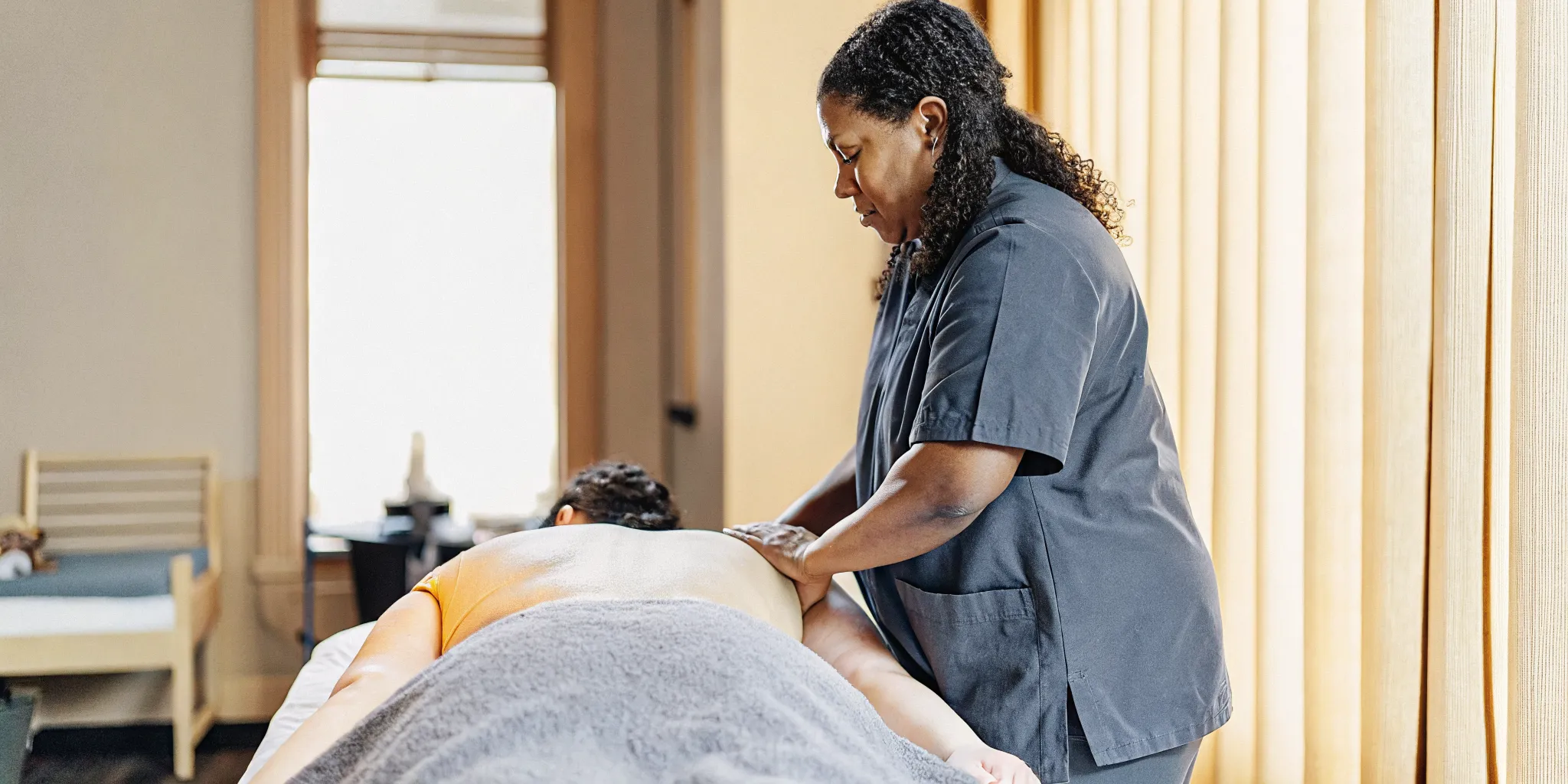
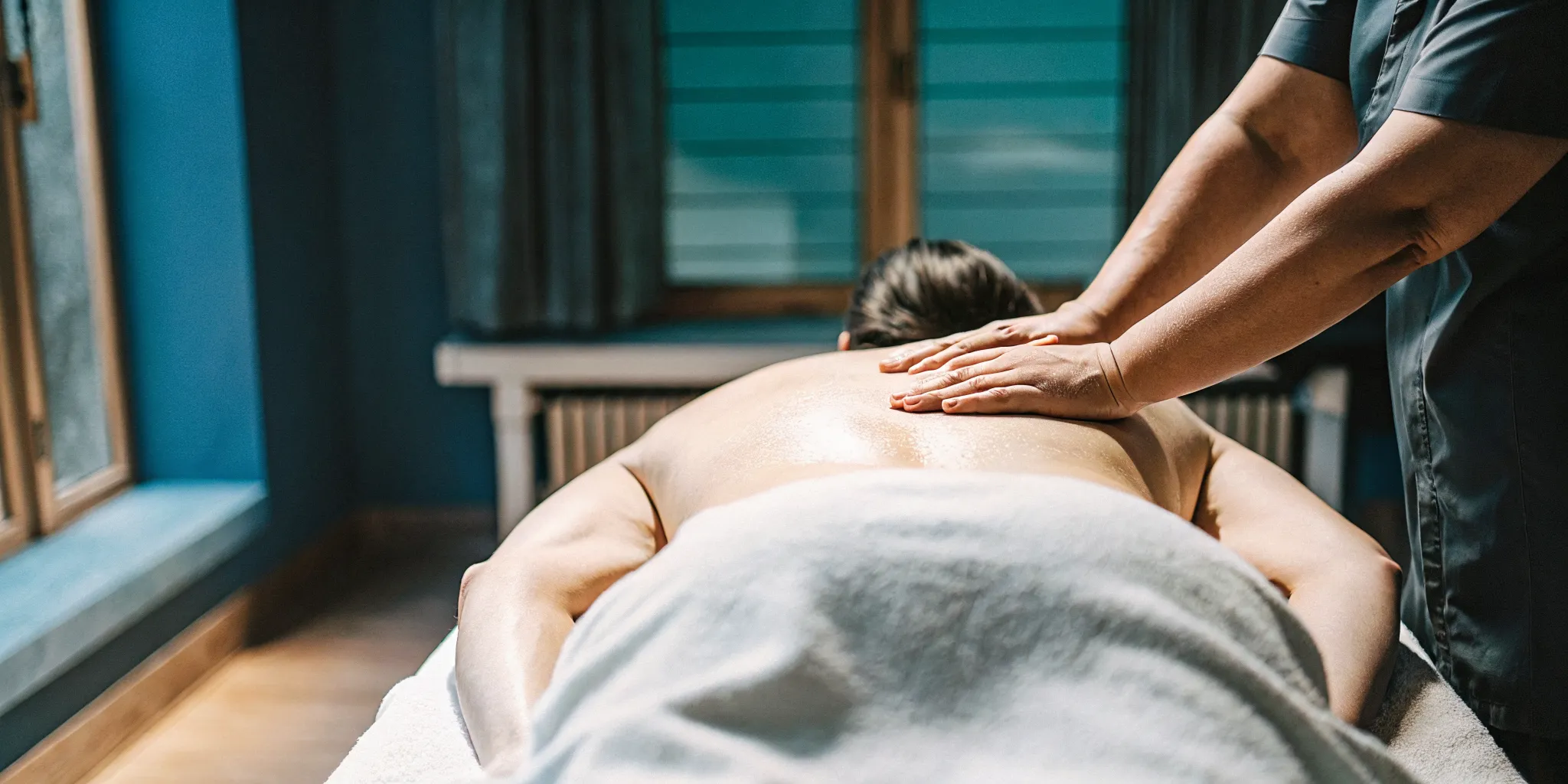
During your Ashiatsu Deepfeet Bar Therapy session, you’ll lie on a comfortable, sturdy massage table. Your therapist will use overhead bars for balance and support, allowing them to apply pressure with precision and control. They will use their clean, soft feet to deliver long, flowing, and deeply compressive strokes. High-quality oil or cream is used to ensure a smooth, continuous glide across your muscles. The pressure is consistent and broad, which feels incredibly relaxing and is highly effective at releasing tight knots and lengthening shortened muscles. Your therapist will check in with you about the pressure to make sure you’re always comfortable.
What to Do After Your Session for Lasting Relief
After your session, a little self-care will extend the wonderful benefits of your massage. The most important thing you can do is drink plenty of water. Ashiatsu helps release metabolic waste from your muscle tissues, and staying hydrated helps your body flush everything out. You might feel a bit tired, so give yourself time to rest and avoid any strenuous activities for the rest of the day. A warm Epsom salt bath can also be a lovely way to soothe your muscles. It’s normal to feel a little sore, similar to how you might feel after a workout, but this should fade within a day, leaving you feeling more flexible and refreshed.
How Often Should You Get an Ashiatsu Massage?
The best answer to how often you should get an Ashiatsu massage is: it depends on you and your body. For general wellness and stress management, a monthly session is a great way to maintain your results and keep tension at bay. However, if you’re dealing with a specific issue like chronic back pain or recovering from an injury, you might benefit from more frequent sessions, perhaps every one to two weeks, until you feel significant relief. The most important thing is to listen to your body and communicate with your therapist. They can help you create a personalized treatment plan that addresses your unique needs, ensuring you get the most out of every Ashiatsu session.
How to Find a Qualified Ashiatsu Therapist
Once you’ve decided to try Ashiatsu, the next step is finding a therapist who can perform this unique massage safely and effectively. Since it involves the therapist using their body weight, you want to be sure you’re in the hands, or rather, on the table, of a true professional. Taking a little time to find the right person makes all the difference in your experience and results.
Don’t Skip This Step: Why Certification Matters
Ashiatsu is a specialized technique that requires specific training and certification to ensure the safety and effectiveness of the massage. Unlike a standard Swedish or deep tissue massage, this modality involves unique skills. A properly trained therapist understands how to use their body weight and the overhead bars to apply precise, consistent pressure without causing injury.
Looking for therapists who are nationally certified in Ashiatsu guarantees they have the necessary skills and knowledge. This certification shows they’ve invested time in a rigorous training program and are dedicated to their craft. It’s your assurance that they can provide a safe, therapeutic, and deeply relaxing Ashiatsu Deepfeet Bar Therapy session.
Why It’s Also Better for the Therapist
While your comfort is the main goal, Ashiatsu also offers significant advantages for the massage therapist. Traditional deep tissue work can be incredibly demanding, often leading to strain and burnout. Ashiatsu provides a more sustainable way to practice. By using their feet and leveraging gravity with the help of overhead bars, therapists can deliver deep, consistent pressure without the physical toll on their hands, wrists, and shoulders. This allows them to conserve their energy and apply pressure more effectively, ensuring you receive a high-quality massage from start to finish. It’s a key reason why dedicated, career-minded professionals are drawn to mastering Ashiatsu Deepfeet Bar Therapy, as it supports their own longevity and well-being in the profession.
Questions to Ask Before You Book
Don’t hesitate to ask a few questions before you commit to an appointment. A professional therapist will be happy to share their qualifications with you. When you call or email a studio, inquire about the therapist’s training and experience with Ashiatsu.
You can ask questions like:
- How long have you been practicing Ashiatsu?
- Where did you complete your certification program?
- How often do you perform this type of massage?
Getting answers to these questions will help you feel confident and comfortable. It ensures you’re choosing a practitioner who is not only certified but also has hands-on, practical experience with the technique.
How to Find an Ashiatsu Expert in New Orleans
If you’re looking for a qualified Ashiatsu therapist in New Orleans, your best bet is to check local massage studios that specialize in the technique. Here at NOLA Bliss Massage, we’re proud to be a nationally certified training center for Ashiatsu. This means our therapists aren’t just practitioners; they are experts who meet the highest standards in the industry.
Our team is deeply passionate about the healing power of Ashiatsu and has the extensive training to back it up. When you book with us, you can relax knowing you’re receiving care from some of the most experienced therapists in the city. We invite you to learn more about our massage services and see why so many people trust us for their therapeutic needs.
Related Articles
Frequently Asked Questions
Is Ashiatsu painful since the therapist uses their whole body weight? Not at all. While the pressure is deep, it’s also very broad and consistent because the therapist uses the soft surface of their foot. This feels completely different from the sharp, targeted pressure of a thumb or elbow. The therapist uses overhead bars for support, giving them total control to adjust the pressure to your comfort level. The result is deep relief without the wincing or discomfort you might associate with other deep tissue work.
Is it hygienic for the therapist to use their feet? Absolutely. Hygiene is a top priority for any professional massage. Therapists who perform Ashiatsu follow strict sanitation protocols. Their feet are thoroughly washed and sanitized before every single session, just as a therapist would wash their hands. You can rest assured that the feet used in your massage are impeccably clean.
What’s the main reason to choose Ashiatsu over a traditional deep tissue massage? The biggest advantage is the quality of the pressure. If you love deep work but find that elbows and thumbs can feel a bit too sharp or pokey, Ashiatsu is the perfect solution. The therapist’s foot provides a broader, more comfortable tool that delivers deep, gliding pressure. This allows your muscles to relax and release more completely, making it ideal for chronic tension and dense muscle tissue.
Who should avoid getting an Ashiatsu massage? While Ashiatsu is wonderful for many people, its deep pressure isn’t suitable for everyone. We do not recommend this massage if you are pregnant, have had recent surgery, or have brittle bones from conditions like osteoporosis. It’s also best to choose a different service if you have uncontrolled high blood pressure or certain vascular conditions. Always discuss your health history with your therapist so they can help you choose the safest and most effective treatment.
Can I still communicate with my therapist about the pressure during the session? Of course. Open communication is essential for any massage, and Ashiatsu is no exception. Your therapist will check in with you to make sure the pressure feels right, but you should always feel empowered to speak up. Whether you need more pressure on a stubborn knot or less intensity in a sensitive area, just let them know. The session is all about you and your comfort.