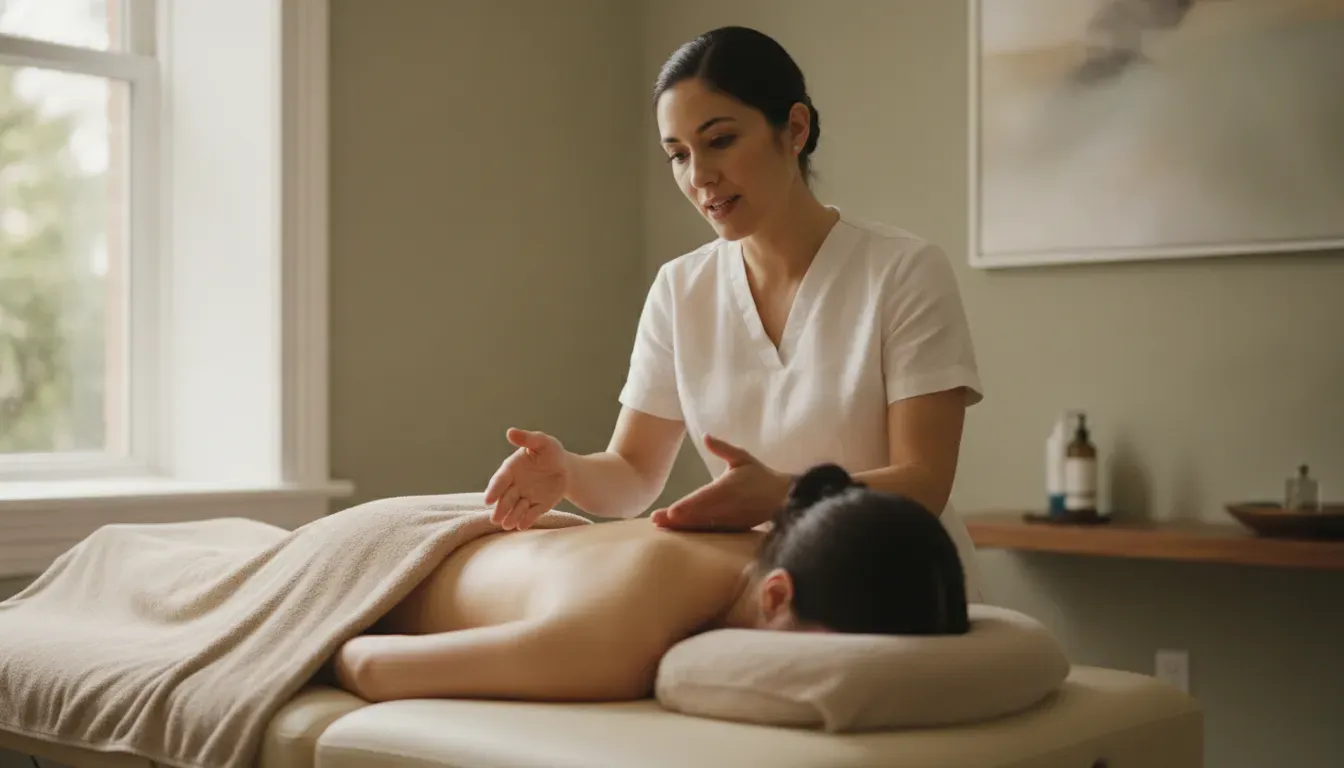

We all know massages are great for sore muscles. But what about a therapy for your body’s internal cleaning crew? That’s Manual Lymphatic Drainage in a nutshell. This specialized technique supports your lymphatic system—a quiet network that clears out waste and keeps you healthy. When it gets sluggish, you can feel puffy and run-down. Unlike a deep tissue massage, MLD massage therapy uses incredibly light, rhythmic strokes to get fluid moving again. It’s a powerful way to help your body detox and heal more efficiently.
Key Takeaways
- MLD is a specialized health treatment: It uses gentle, precise strokes to support your lymphatic system for benefits like reduced swelling and faster healing, making it fundamentally different from a muscle-focused massage.
- Prioritize safety by consulting your doctor: Because MLD moves fluid through the body, it is not safe for certain conditions like heart failure or active infections. A quick conversation with your doctor ensures it is a beneficial choice for your specific health profile.
- Choose a certified therapist for effective treatment: MLD is a clinical skill that requires advanced training beyond a standard massage license. A properly certified professional can provide a safe, effective session and guide you on proper at-home techniques.
What is Manual Lymphatic Drainage (MLD)?
You’ve probably heard of massages for sore muscles, but what about a massage for your immune system? That’s a simple way to think about Manual Lymphatic Drainage, or MLD. It’s a specialized, gentle type of massage designed to support your lymphatic system, which is one of your body’s most important networks for staying healthy. Think of it as your internal sanitation department, quietly working to clear out waste and keep things running smoothly. MLD gives this system a helping hand, encouraging the natural movement of lymph fluid.
The Lymphatic System: Your Body’s Unsung Hero
To understand why MLD is so effective, it helps to know a little about the system it supports. The lymphatic system is a critical, yet often overlooked, part of your body’s ability to heal and defend itself. Unlike the cardiovascular system with its ever-pumping heart, the lymphatic system is a more subtle, passive network. It functions as both your immune system’s highway and your body’s primary waste-removal service. When it’s working well, you feel great. When it’s sluggish, you can feel puffy, tired, and more susceptible to getting sick. Let’s look at its two most important features: what it’s made of and how it works.
What is the Lymphatic System Made Of?
Think of your lymphatic system as your body’s personal security and cleaning service, all rolled into one. It’s a vast network of tiny vessels, lymph nodes (those little glands that can swell up when you’re sick), and organs like your tonsils and spleen. This system is a core part of your immune response, constantly on patrol for invaders. It transports a clear fluid called lymph, which is packed with infection-fighting white blood cells. As this fluid circulates, it collects waste, toxins, and extra fluid, helping your body detoxify itself and stay balanced. It’s a quiet but essential player in your overall health.
How Lymph Fluid Moves
One of the most interesting things about the lymphatic system is how its fluid moves. Your circulatory system has a powerful pump—the heart—that pushes blood all around your body. The lymphatic system doesn’t have a pump of its own. Instead, the lymph fluid flows slowly and gently, moving in one direction up toward the neck. So, what gets it moving? You do! The system relies on the natural contractions of your muscles from everyday activities like walking, stretching, and even deep breathing to push the fluid along its pathways. This is why an active lifestyle is so important for lymphatic health and why things can feel stagnant when we’re inactive for too long.
How Does MLD Support Your Lymphatic System?
Your lymphatic system is a complex network of vessels and nodes that plays a huge role in your immunity and overall fluid balance. It moves a clear fluid called lymph, which contains white blood cells and collects waste products, bacteria, and toxins from your tissues. This waste-filled fluid is transported to your lymph nodes, where it gets filtered. When this system becomes sluggish due to surgery, illness, or other health issues, fluid can build up, causing swelling and a general feeling of being run down. A lymphatic drainage massage uses targeted, gentle movements to get this fluid moving again, helping your body process and eliminate waste more efficiently.
Breaking Down the Core MLD Techniques
If you’re used to deep tissue work, MLD will feel completely different. The technique is incredibly light and rhythmic. Instead of kneading deep into the muscles, a trained therapist uses gentle, wave-like strokes that stretch the surface of the skin. The pressure is just enough to stimulate the lymphatic vessels located right below the skin. The goal isn’t to work out muscle knots but to carefully guide stagnant lymph fluid toward your lymph nodes. It’s a very soothing and relaxing experience, and the light touch is precisely what makes it so effective for its specific purpose.
How Is MLD Different From a Regular Massage?
It’s important to know that MLD and a traditional massage are two very different therapies with different goals. A Swedish or deep tissue massage focuses on your muscles, ligaments, and tendons to relieve tension, reduce soreness, and promote relaxation. The pressure can range from light to very firm. MLD, on the other hand, is designed specifically to work on your lymphatic system. Its purpose is to reduce swelling, support detoxification, and improve immune function by moving fluid, not by manipulating muscle tissue. Choosing between them depends entirely on your personal health goals and what your body needs.
Signs Your Lymphatic System Needs Support
Common Symptoms of Lymphatic Congestion
So, how can you tell if your lymphatic system could use a little extra love? Your body is pretty good at sending signals when things are out of balance. If you’ve been feeling persistently puffy, especially in your hands and ankles, it might be more than just a long day on your feet. This kind of swelling can happen when fluid isn’t moving properly. Another big clue is feeling constantly tired or dealing with that frustrating “brain fog” where you just can’t seem to think clearly. According to experts at the Cleveland Clinic, these feelings can be linked to a sluggish lymphatic system. Similarly, if you’re catching every cold that goes around or noticing new skin issues like acne and dryness, it could be a sign your body’s detoxification pathways are congested. A compromised system can lead to more frequent infections because it isn’t filtering waste effectively. Paying attention to these signs is the first step toward giving your lymphatic system the support it needs.
What Can MLD Massage Do for You?
Manual Lymphatic Drainage is much more than a gentle, relaxing massage. It’s a targeted therapy designed to support one of your body’s most important and overlooked systems: the lymphatic system. Think of this system as your body’s internal cleaning crew. It’s responsible for clearing out waste, managing fluid levels, and playing a huge role in your immune response. When it gets sluggish or blocked, you might feel puffy, tired, and generally run-down. Unlike a deep tissue or Swedish massage that targets muscles, MLD uses incredibly light, rhythmic strokes to encourage the natural movement of lymph fluid. The focus is on the delicate network of vessels and nodes just beneath the skin’s surface. By stimulating this system, MLD can provide a surprising range of benefits. It’s known for reducing uncomfortable swelling, speeding up healing after an injury or surgery, supporting your immune health, and even giving your skin a clearer, healthier glow. It’s a powerful way to help your body perform its natural detoxification and healing processes more efficiently, leaving you feeling refreshed and revitalized.
Find Relief from Swelling and Lymphedema
One of the most well-known benefits of MLD is its incredible ability to reduce swelling. If you’ve ever felt puffy after a long flight or noticed swelling in your ankles after a day on your feet, that’s excess fluid hanging around in your tissues. MLD helps guide this fluid back into the lymphatic vessels where it can be processed and eliminated. This technique is also a cornerstone for managing lymphedema, a chronic swelling condition that can occur after surgery or radiation therapy. While it doesn’t cure the condition, regular MLD sessions can significantly relieve discomfort and improve quality of life.
Lymphedema vs. Edema: Understanding the Difference
While both lymphedema and edema involve swelling, they are not the same. Think of edema as your body’s general response to an injury, like when you sprain your ankle. It happens when fluid from leaky blood vessels collects in nearby tissues, causing that familiar puffiness. This fluid is mostly water, so the swelling usually feels soft and squishy. Lymphedema, however, is a more specific condition resulting from a compromised lymphatic system, often due to damaged or removed lymph nodes. In this case, the fluid that builds up is rich in protein because it can’t drain properly. This protein-heavy fluid attracts even more water, which can make the swelling feel firmer over time and create a persistent cycle of discomfort.
Lymphedema After Cancer Treatment
For many people, cancer treatment is a primary cause of lymphedema. Surgeries and radiation that involve the removal or damage of lymph nodes can disrupt the body’s natural drainage pathways. This is a particular concern for breast cancer survivors, but it can affect anyone whose lymphatic system has been impacted. The good news is that MLD can be a proactive tool. Research has shown that for high-risk individuals, receiving MLD after surgery can help prevent the onset of significant lymphedema. It’s also important to know that this condition can appear months or even years after treatment ends, making it a long-term consideration. Because of its clinical nature, it’s essential to work with a therapist specifically certified in MLD for safe and effective management.
Recover Faster After Surgery
If you’re planning for or recovering from surgery, MLD can be a game-changer. Any surgical procedure causes inflammation and swelling as part of the body’s natural healing response. This buildup of fluid can be uncomfortable and slow down your recovery. MLD helps to gently clear this congestion from the surgical site, which can speed up healing, reduce bruising, and lessen pain. It’s why many plastic and orthopedic surgeons recommend MLD to their patients. By supporting your body’s ability to clear out cellular waste and excess fluid, you can get back on your feet more comfortably and quickly.
The Role of MLD in Post-Surgical Swelling
After any surgery, your body’s first response is to send in the healing crew, which often brings along some unwelcome guests: inflammation and swelling. While this is a totally normal part of recovery, the extra fluid buildup can be uncomfortable and can even slow things down. This is where MLD steps in as a gentle but powerful ally. The technique is specifically designed to clear this congestion by helping to guide excess fluid back into your lymphatic vessels for processing. According to the Massage Therapy Journal, this process can speed up healing, reduce bruising, and lessen pain. It’s a supportive therapy that helps your body do its job more efficiently, which is why so many surgeons now recommend it as part of a post-op care plan.
Improve Your Circulation and Immune Function
Your lymphatic system is a key player in your body’s defense force. It traps and filters out pathogens, toxins, and other unwanted materials, helping you stay healthy. When your lymphatic circulation is flowing smoothly, your immune system can function at its best. MLD acts like a tune-up for this process. By promoting the flow of lymph, it helps ensure that waste is efficiently removed and that immune cells are transported where they need to go. A healthy lymphatic system is fundamental to your overall wellness, and MLD is a direct way to support it.
A Gentle Approach to Easing Chronic Pain
For those dealing with chronic pain from conditions like fibromyalgia, arthritis, or chronic fatigue syndrome, MLD can offer gentle relief. Many of these conditions involve a state of chronic inflammation, which contributes to persistent pain. MLD helps reduce this inflammation by improving fluid circulation and clearing out inflammatory byproducts from the tissues. This can help calm the nervous system and reduce pain signals. It’s also effective for relieving sinus pressure and headaches by clearing congestion in the face and neck, providing a non-invasive way to find comfort.
Support for Autoimmune and Nerve Conditions
Manual Lymphatic Drainage can be particularly helpful for individuals with autoimmune conditions such as arthritis, Lyme disease, and lupus. These conditions often involve chronic inflammation, which leads to persistent swelling and pain. By promoting better lymphatic flow, MLD helps clear out the inflammatory substances that contribute to these symptoms. Research indicates that this gentle technique can reduce discomfort and encourage greater mobility. It supports the body’s natural healing processes, making it a valuable complementary therapy for anyone dealing with the daily challenges of a chronic inflammatory condition and looking for a way to improve their overall sense of well-being.
Managing Lipedema and Venous Insufficiency
For those managing conditions like lipedema or venous insufficiency, MLD is often considered a cornerstone treatment. Unlike simple swelling (edema), these conditions involve complex fluid imbalances that can be difficult to manage. MLD is uniquely suited to help because it effectively moves not just water but also proteins trapped in the tissue fluid, which is crucial for providing relief. By addressing the root cause of the fluid buildup, regular MLD sessions can significantly improve comfort and mobility. This offers a gentle, non-invasive way to manage symptoms and enhance your overall quality of life.
Get Clearer Skin and a Natural Detox
If you’re looking for a natural way to get clearer, healthier-looking skin, MLD can help. Your skin is often one of the first places to show signs of a sluggish system. By improving lymphatic circulation, MLD helps your body more effectively filter out waste and toxins that can lead to breakouts, dullness, and puffiness. Regular sessions can reduce fluid retention in the face, leading to a less puffy appearance and a more radiant complexion. It’s a true “beauty from the inside out” approach that supports your body’s natural detoxification pathways for a visible glow.
Is MLD Massage Therapy Right for You?
Now that you know what MLD is and its potential benefits, you might be wondering if it’s the right choice for you. While it’s a gentle and effective therapy for many, it’s also a specialized treatment designed for specific needs. Think of it less like a general relaxation massage and more like a targeted tool for your wellness toolkit. To help you decide, let’s walk through who benefits most from MLD, situations where you should be cautious, and some common misconceptions. This will give you a clearer picture and help you have a productive conversation with your doctor.
Who Should Get an MLD Massage?
MLD can be a game-changer for certain health situations. It’s particularly helpful for people recovering from surgery, as it can significantly reduce post-operative swelling and bruising, helping you heal more comfortably. If you live with a condition called lymphedema, which involves chronic swelling (often in the arms or legs), MLD is a primary treatment to manage symptoms. Beyond these specific cases, many people with fibromyalgia, arthritis, or other chronic pain conditions find that MLD provides gentle relief. It’s also a great option if you experience regular bloating or puffiness and want to support your body’s natural fluid balance.
Are There Any Risks? When to Be Cautious
While MLD is very safe, it’s not suitable for everyone. There are specific health conditions where this type of massage should be avoided. If you have an active infection, congestive heart failure, kidney problems, or a history of blood clots, MLD is not recommended. The massage works by moving fluid through your body, which could potentially worsen these conditions or spread infection. Your safety is always the top priority. This is why it’s so important to be transparent about your health history with both your doctor and your massage therapist before beginning any new treatment, including MLD.
When to Avoid MLD Massage
Because MLD is so effective at moving fluid, it’s crucial to know when to hold off. This isn’t a therapy you should book without a second thought, especially if you have certain health concerns. MLD is not recommended for individuals with specific health conditions like congestive heart failure, kidney disease, active infections, or a history of blood clots. Since the massage stimulates fluid circulation throughout the body, it could put undue stress on your heart or kidneys, or even risk spreading an infection. Your safety is the number one priority, so having an open conversation with your doctor before trying MLD is a non-negotiable first step to ensure it’s a safe and beneficial choice for you.
Important Considerations for Cancer Patients
For individuals who have undergone cancer treatment, MLD can be a vital part of their wellness plan, but it requires careful consideration. Lymphedema, a chronic swelling that can result from surgery or radiation, sometimes doesn’t appear for months or even years after treatment. For people at high risk, particularly after breast cancer surgery, MLD can be a proactive measure to help manage or even prevent the onset of lymphedema. However, this is a specialized area. It is absolutely essential to work in close partnership with your oncology team and to seek out a certified MLD therapist who has specific training and experience in post-cancer care to ensure the treatment is both safe and appropriate for your unique situation.
Potential Side Effects to Be Aware Of
After an MLD session, most people feel relaxed and lighter, but it’s good to be aware of a few potential side effects. Because the massage gets your lymphatic system working to clear out waste, some people might feel tired, experience a mild headache, or even feel a bit nauseous. This is often just a sign that your body is processing and eliminating the toxins that were moved during the session. These effects are typically temporary and mild. Staying hydrated by drinking plenty of water after your session can help minimize them. As always, listen to your body and be sure to mention any persistent or concerning side effects to both your therapist and your doctor.
Debunking Common MLD Massage Myths
One of the biggest myths about MLD is that it’s just a light, relaxing massage you can get at any spa. This isn’t the case. MLD is a precise, clinical technique that requires specialized training and a deep understanding of the lymphatic system. Unlike a Swedish or deep tissue massage that focuses on muscles, MLD therapists use specific, rhythmic motions to stimulate lymph flow just beneath the skin. It’s a medical treatment performed by certified professionals, not a trendy wellness service. Understanding this distinction helps you set the right expectations and find a truly qualified practitioner.
Why You Should Talk to Your Doctor First
Before you book an MLD session, your first step should always be to consult with your healthcare provider. Your doctor knows your complete health history and can determine if MLD is a safe and appropriate choice for your specific needs. They can confirm that you don’t have any underlying conditions that would make MLD risky. Think of it as a team approach to your health. Getting the green light from your doctor ensures that you can relax into your MLD session with complete peace of mind, knowing it’s a beneficial part of your overall wellness plan. This conversation is a crucial part of the treatment process.
Your Guide to MLD Self-Massage at Home
While nothing replaces the skill of a certified therapist, you can learn some basic manual lymphatic drainage techniques to support your system between appointments. Think of it as helpful maintenance. Before you begin, it’s essential to talk with your doctor or a qualified MLD therapist. They can confirm that self-massage is safe for you and show you the correct movements for your specific needs. This guidance is key to making sure you’re helping, not harming, your body.
Simple Self-Massage Techniques to Start With
The fundamental MLD movement is a gentle, rhythmic stretch of the skin. Unlike a traditional massage that kneads muscles, MLD focuses on the delicate network of vessels just beneath the surface. Place your flat hand on your skin, then gently stretch the skin in the desired direction. Release the pressure and let the skin return to its normal position. This “resting” phase is when the lymph vessels are stimulated to absorb excess fluid. The motion should be slow and deliberate, not a quick or forceful rub. You can find helpful diagrams that demonstrate self-manual lymph drainage to get a better visual of the technique.
Getting the Pressure and Direction Just Right
The most common mistake in self-MLD is using too much pressure. The touch should be incredibly light, just enough to move the skin without pressing into the muscle below. If it feels deep or causes any pain, you’re pressing too hard. The direction of your strokes is also critical. You are always gently guiding fluid toward the nearest cluster of lymph nodes. For example, when working on your arm, you would move the fluid up toward the nodes in your armpit. Many therapists recommend starting your routine at the neck and chest to “open” the central pathways before working on other areas.
How to Create Your Own Self-Massage Routine
Consistency is more important than duration. A simple 10 to 15-minute daily routine can be very effective. Try to incorporate it at the same time each day, perhaps in the morning to reduce overnight swelling or in the evening to relax before bed. Always start by getting proper instruction from a professional who can tailor a routine for you. While you can learn to do it at home, you may still need periodic sessions with a certified therapist to ensure your technique is correct and to address any complex issues.
Safety First: Why Hydration Is Key
Supporting your lymphatic system goes beyond massage. Drinking plenty of water throughout the day is crucial for keeping lymph fluid moving properly. It’s a common myth that drinking more water will worsen swelling; in fact, proper hydration is essential for your body to process and flush waste. As you practice self-MLD, listen to your body. If you experience pain, increased swelling, or redness, stop immediately and consult your healthcare provider. Your safety is the top priority, and a professional can help you understand what your body needs.
How to Find a Qualified MLD Therapist
Finding the right therapist is the most important step in your MLD journey. Since this is a specialized form of bodywork, you want to find someone with the right credentials and experience to meet your specific needs. It’s not just about getting a massage; it’s about receiving a targeted treatment from a trained professional. Taking the time to vet your options will ensure you have a safe, comfortable, and effective experience. Think of it as building your personal wellness team. You want to find a practitioner you can trust to support your health goals, whether you’re recovering from surgery or managing a chronic condition. Here’s what to look for and what questions to ask to find the perfect fit.
What Certifications Should Your MLD Therapist Have?
First things first, MLD is a specific skill that requires advanced education beyond standard massage school. It’s a clinical treatment, not a trendy spa service. When searching for a therapist, look for credentials from reputable MLD training programs. Some of the most well-known are the Vodder, Leduc, and Casley-Smith methods. A qualified therapist will be proud to share their certifications with you. You can often find this information on their website or by simply asking. Don’t hesitate to look for practitioners who have completed comprehensive, multi-level courses, as this shows a deep commitment to their craft and a thorough understanding of the lymphatic system.
Key Questions to Ask Before You Book a Session
Once you’ve found a few certified therapists, it’s a good idea to have a short conversation before booking. This helps you gauge their experience and see if they’re a good match for you.
Come prepared with a few questions, such as:
- What MLD certifications have you completed?
- How much experience do you have working with clients with my specific condition?
- What can I expect during our sessions?
- How will you tailor the treatment to my goals?
This is also a great time to share your health history and what you hope to achieve. A professional therapist will listen carefully and provide clear, confident answers. Their goal is to make you feel comfortable and informed every step of the way, which is a core part of our philosophy at Nola Bliss Massage.
What to Expect During Your First Session
Your first MLD session will likely begin with a detailed consultation. Your therapist will review your health history, discuss your goals, and answer any remaining questions. When the hands-on portion begins, you’ll lie on a comfortable massage table. The therapist will use very gentle, rhythmic, and precise hand movements on your skin. The pressure is extremely light, just enough to stretch the skin in specific directions to encourage lymph flow. Unlike a deep tissue massage, MLD should never be painful. The experience is often described as deeply relaxing, and many clients even fall asleep. A typical session can last from 30 to 60 minutes, depending on your needs.
How Long, How Often, and How Much: MLD Session Basics
The number and frequency of your MLD sessions will depend entirely on your individual situation. If you’re recovering from surgery, your therapist might recommend a series of sessions close together to help reduce swelling and accelerate healing. In fact, some studies show that post-operative patients who receive MLD can heal significantly faster. For chronic conditions like lymphedema or for general wellness, you might settle into a maintenance schedule of once or twice a month. Your therapist will work with you to create a treatment plan that fits your body, your schedule, and your budget. Think of it as an investment in your long-term health and well-being.
MLD as Part of a Comprehensive Treatment Plan
MLD is rarely a standalone fix; instead, it shines as part of a broader health strategy. Think of it as a key player on your wellness team. For instance, it’s incredibly beneficial for anyone recovering from surgery, where it can significantly reduce post-operative swelling and bruising, making your healing process much more comfortable. For individuals managing chronic conditions like lymphedema, MLD is a primary therapy used to control swelling and improve daily life. It works best when integrated into a comprehensive treatment plan developed with your doctor. This collaborative approach ensures the therapy complements your medical care, helping you achieve your health goals safely and effectively.
Understanding the Timeline for Results
The question of “how many sessions?” is common, and the answer is unique to you. Your timeline for results depends entirely on your body and your goals. If you’re recovering from a surgical procedure, your therapist may suggest a series of sessions scheduled closely together to manage swelling and help you heal significantly faster. For managing a chronic condition like lymphedema or fibromyalgia, MLD often becomes part of a long-term maintenance routine, with sessions scheduled weekly or monthly to keep symptoms at bay. A certified therapist will work with you to create a personalized schedule that aligns with your specific needs, ensuring you get the most benefit from each treatment.
Frequently Asked Questions
How is a lymphatic drainage massage different from a deep tissue massage? The main difference is the goal and the technique. A deep tissue or Swedish massage focuses on your muscles to relieve tension and soreness, using firm pressure to work out knots. Manual Lymphatic Drainage, or MLD, is completely different. It targets your lymphatic system, which sits just below the skin. The touch is incredibly light and rhythmic because the goal is to gently stretch the skin to encourage the movement of fluid, not to press into the muscle. It’s a specialized therapy for reducing swelling and supporting your immune system.
How will I feel after my MLD session? Most people feel incredibly relaxed and lighter immediately after a session, as if a bit of internal pressure has been released. It’s also very common to feel a little tired as your body gets to work processing the fluids that were moved. You might also find you need to visit the restroom more frequently for a few hours afterward. This is a positive sign that the massage was effective and your body is successfully flushing out waste. Be sure to drink plenty of water to support this natural process.
Can MLD help with weight loss or cellulite? It’s best to think of MLD as a treatment for health, not for weight loss. The therapy is designed to reduce fluid retention and swelling, so you may feel less bloated and your clothes might fit a little better, but it does not remove fat. While improving circulation can contribute to healthier skin over time, MLD is not a direct treatment for cellulite. Its primary purpose is to support your body’s detoxification and immune functions.
Is it okay to try self-massage at home after watching a video? While there are great resources available, I strongly recommend getting guidance from a certified MLD therapist before starting a self-massage routine. A professional can assess your specific needs and teach you the correct pressure and directional flow for your body. The lymphatic pathways are complex, and using the wrong technique could be ineffective or, in some cases, even push fluid to the wrong areas. A short consultation can ensure you are helping your body safely and effectively.
Do I need a specific medical reason to get an MLD massage? Not at all. While MLD is a key therapy for post-surgical recovery and lymphedema, it offers wonderful benefits for general wellness, too. If you often feel puffy, sluggish, or just want to give your immune system some extra support, MLD can be a fantastic choice. Think of it as a periodic reset for your body’s internal cleaning crew. It’s a gentle, non-invasive way to help your system run more efficiently.