
You’ve likely heard the whispers and warnings: stay away from foot massages during pregnancy. Let’s clear that up right now. When performed correctly by licensed massage therapists, a prenatal foot massage is not only perfectly safe but also incredibly beneficial. The concern comes from a misunderstanding of specific pressure points, but a certified therapist knows exactly how to provide relief without any risk. This article will help you separate fact from fiction. We’ll cover the myths, explain the real safety considerations, and show you how this targeted massage can become your go-to solution for pregnancy-related aches and pains.
Key Takeaways
- Prioritize a Certified Therapist: A prenatal foot massage is completely safe when done by a professional with specialized training. They understand how to apply gentle, effective pressure while avoiding specific points around the ankles to ensure the well-being of both you and your baby.
- Address Key Pregnancy Discomforts: This targeted massage is one of the best ways to manage the physical challenges of pregnancy. It directly helps reduce swelling in the feet and ankles, eases muscle aches from carrying extra weight, and improves circulation.
- Listen to Your Body’s Cues: You can enjoy a prenatal massage at any stage of pregnancy, but it’s important to schedule sessions based on your needs. Pay attention to signs like persistent aches, swelling, or stress, and don’t hesitate to book an appointment for relief.
What Is a Prenatal Foot Massage?
Pregnancy is an incredible journey, but it definitely comes with its share of physical challenges. As your body changes to accommodate your growing baby, your feet often take on extra weight and swelling, leading to soreness and discomfort. A prenatal foot massage is designed specifically to address these issues, offering a safe and soothing way to find relief. It’s more than just a simple foot rub; it’s a therapeutic practice tailored to the unique needs of expectant mothers.
A trained therapist uses specific techniques to ease tension, reduce swelling, and promote relaxation, all while keeping the safety of you and your baby as the top priority. Think of it as a focused treatment that helps you feel more comfortable and grounded during a time of constant change. By focusing on the feet, this type of massage can have a positive ripple effect throughout your entire body, helping you feel refreshed and cared for. It’s a wonderful form of self-care that acknowledges the hard work your body is doing.
Prenatal vs. Regular Foot Massage
You may have heard whispers that foot massages are off-limits during pregnancy, but that’s a common myth. When performed correctly by a trained professional, a prenatal massage for your feet is perfectly safe. The main difference between a prenatal and a regular foot massage lies in the technique and knowledge of the therapist. A certified prenatal massage therapist understands the anatomy and specific pressure points on the feet and ankles that are thought to be connected to the uterus. They use gentle, broad strokes to soothe tired muscles rather than applying deep, prolonged pressure to specific points that could potentially stimulate contractions.
Key Considerations During Pregnancy
For a foot massage to be both safe and effective during pregnancy, a few key things should be kept in mind. First, always choose a therapist who is certified in prenatal massage. They will know exactly which areas to avoid and how to position you comfortably. Communication is also crucial—the massage should always feel good and comforting, so don’t hesitate to speak up if anything feels off. A professional will also ensure the environment is relaxing and only use lotions or oils that are safe for pregnancy, free from any potentially harmful ingredients. This careful approach ensures you can fully relax and enjoy the benefits without any worry.
What Are the Benefits of a Prenatal Foot Massage?
Pregnancy is an incredible journey, but it definitely takes a toll on your body—especially your feet. A dedicated prenatal foot massage isn’t just a luxury; it’s a powerful tool for comfort and wellness. Here are some of the amazing benefits you can expect.
Soothe Swollen Feet and Ankles
One of the most common complaints during pregnancy is swelling in the feet and ankles. As your body retains more fluid, it can accumulate in your lower extremities, causing discomfort. A gentle foot massage helps manually move this excess fluid and improve blood flow, providing immediate relief from that tight, puffy feeling. By encouraging better circulation, a skilled therapist can help reduce swelling and bring much-needed comfort back to your feet, making it easier to stay on the move throughout your day.
Ease Aches and Pains
Carrying extra weight changes your center of gravity and puts new stress on your muscles, particularly in your feet and lower legs. Your arches might feel strained, and your calf muscles can become tight and sore. A prenatal foot massage specifically targets these tense areas, helping to relax overworked muscles and alleviate aches. It’s a wonderful way to address the physical strain of pregnancy head-on, providing targeted relief that helps you feel more grounded and comfortable in your changing body as you prepare for your new arrival.
Improve Your Circulation
During pregnancy, your growing uterus can put pressure on major blood vessels, sometimes slowing circulation to your legs and feet. This can contribute to swelling and a feeling of heaviness. A professional foot massage stimulates blood flow, helping to counteract these effects. Improved circulation means more oxygen and nutrients are delivered to your cells, which is great for both you and your baby. This boost not only helps reduce swelling but also supports overall leg health and can even help prevent varicose veins.
Sleep Better and Reduce Stress
Finding a comfortable sleeping position and calming your mind can be challenging during pregnancy. A foot massage is an incredibly effective way to de-stress. The soothing touch helps lower cortisol (the stress hormone) and releases natural ‘feel-good’ chemicals like endorphins. This creates a deep sense of calm that can make it much easier to fall asleep and stay asleep. By taking time for a prenatal massage, you’re not just treating your feet; you’re giving your entire nervous system a chance to reset, leading to better rest.
Is Prenatal Foot Massage Safe?
Let’s get right to it: Yes, a prenatal foot massage is safe when performed correctly by someone who knows what they’re doing. It’s a wonderful way to find relief from the aches and swelling that often come with pregnancy. However, like many things during this special time, there are a few important considerations to keep in mind to ensure the experience is both relaxing and completely safe for you and your baby.
The main concerns around prenatal foot massage usually stem from a few persistent myths and a misunderstanding of specific pressure points. It’s not about avoiding foot rubs altogether, but rather about knowing which areas require a gentler touch and which should be left alone. A trained professional will understand the anatomy and physiology of pregnancy and can tailor the massage to your specific needs. We’ll walk through the common myths, the exact spots to be mindful of, and why a quick chat with your doctor can give you total peace of mind before you book your appointment.
Prenatal Foot Massage Myths vs. Facts
One of the most common myths you might hear is that any foot massage during pregnancy can induce early labor. This idea largely comes from a confusion between a relaxing massage and the practice of acupressure, which involves applying deep, sustained pressure to specific points to stimulate a response in the body. While certain acupressure points are used to encourage labor in full-term pregnancies, the gentle, soothing strokes of a typical foot massage are not the same thing. A properly performed prenatal foot massage focuses on relaxation and circulation, making it a safe and beneficial practice throughout your pregnancy.
Pressure Points to Avoid During Pregnancy
While a general foot massage is safe, there are a few specific pressure points on the ankles and feet that are best avoided. These spots are believed to be connected to the uterus and pelvic region, and applying firm, prolonged pressure to them could theoretically stimulate contractions. The primary areas of caution include the Sanyinjiao point (SP6), located about three finger-widths above the inner ankle bone, as well as the points between the ankle bone and the heel. A certified prenatal massage therapist is trained to know exactly which areas to avoid, ensuring your massage is focused purely on comfort and relief without any risk.
When to Check With Your Doctor
Your peace of mind is the top priority. If you have any concerns, especially if you have a high-risk pregnancy or conditions like preeclampsia or deep vein thrombosis, it’s always a great idea to check with your doctor or midwife before getting a massage. You may also notice that some spas are hesitant to offer massage during the first trimester. This is typically a policy based on liability concerns rather than proven risk, as the first trimester carries a higher natural risk of miscarriage. The American Pregnancy Association confirms that massage can be safe throughout pregnancy, but getting the green light from your doctor ensures you can fully relax and enjoy the experience.
What Are the Safest Prenatal Foot Massage Techniques?
When it comes to prenatal foot massage, the right technique makes all the difference. The goal is to provide gentle relief and relaxation, not to perform deep, intensive bodywork. A safe and effective prenatal foot massage prioritizes the comfort of the expectant mother above all else. By focusing on soothing motions and avoiding certain sensitive areas, you can safely ease the aches and swelling that often accompany pregnancy. Whether your partner is helping you at home or you’re seeing a professional, these techniques ensure a relaxing and beneficial experience.
Gentle Strokes and Soothing Motions
The foundation of a great prenatal foot massage is a gentle touch. Think long, gliding strokes and soft, flowing movements rather than intense pressure. Start by using the palms of your hands to apply light, sweeping strokes from the toes up toward the ankle and back down again. This helps warm up the foot and encourages circulation. You can also use your thumbs to make small, gentle circles across the sole of the foot. The key is to keep the motions rhythmic and soothing. This isn’t the time for aggressive kneading or chopping motions; instead, every touch should be deliberate, calm, and focused on relaxation.
How to Apply Pressure Safely
While the massage should be gentle, that doesn’t mean it has to be feather-light. You can apply firm-but-gentle pressure, especially in areas that carry a lot of tension, like the arch of the foot. Use your thumbs to press and glide along the arch, which can feel incredibly relieving. The most important rule is to listen to your body—or your partner’s feedback. The pressure should feel good, never painful or uncomfortable. While some massage techniques use specific pressure points for relief, it’s best to leave reflexology to a certified professional who is trained in prenatal massage and knows exactly which points are safe to stimulate during pregnancy.
Key Areas for Maximum Relief
For a safe and effective massage, focus on the parts of the foot that bear the most weight and stress. The ball of the foot, the arch, and the individual toes are all great areas to concentrate on. Gently pulling on each toe can release tension, while rubbing the sole can ease general achiness. The most critical advice is to avoid applying deep, sustained pressure to specific points around the ankles, heels, and the webbing between the big toe and second toe. In reflexology, these areas are believed to be connected to the uterus and pelvic region, so it’s best to use only light, sweeping strokes here to be safe.
Ideal Positioning and Session Length
Your comfort is paramount, so finding the right position is essential. Lying on your side with pillows supporting your head, belly, and knees is often a great option. A semi-reclined position on a couch or bed, propped up with plenty of cushions, also works well to support your back and keep you comfortable. This takes the pressure off your lower back and allows you to fully relax. For an at-home massage, a 15- to 20-minute session is usually perfect for providing relief without becoming tiresome. During a professional session, your therapist will ensure you are properly supported with specialized bolsters and cushions for the duration of your appointment.
When and How Often Should You Get One?
Deciding on the right timing and frequency for prenatal foot massages really comes down to listening to your body. There’s no rigid schedule you have to follow. For many expectant mothers, incorporating regular massages into their routine becomes a cherished form of self-care that helps manage the physical and emotional demands of pregnancy. Consistency can be key, especially as you move into the later stages. A regular massage can help keep swelling at bay and prevent the buildup of tension in your lower legs and feet.
The most important thing is to find a rhythm that feels right for you. Whether you decide on a weekly treat or a monthly reset, a professional prenatal massage can be a wonderful way to support your well-being. It’s a dedicated time for you to relax, recharge, and give your hard-working feet the attention they deserve.
The Best Time During Your Pregnancy
Let’s clear up a common myth right away: foot massages are safe during any stage of pregnancy, provided they are performed correctly by a trained professional. You can absolutely enjoy a soothing foot massage in your first, second, or third trimester. Some women prefer to wait until the second trimester, when early pregnancy symptoms like morning sickness tend to fade. However, there is no medical reason to wait. A therapist with specialized training in prenatal care understands the changes your body is going through and will tailor the session to be both safe and effective, no matter how far along you are.
How Often to Schedule a Massage
How often you get a prenatal foot massage is entirely up to you and your needs. A good starting point might be once or twice a month to help manage general aches and stress. As your pregnancy progresses, you might find that more frequent sessions are beneficial. During the third trimester, for example, when swelling and discomfort can peak, a weekly or bi-weekly foot massage can provide significant relief and help you feel more comfortable. Pay attention to how your body responds and adjust your schedule accordingly. There’s no one-size-fits-all answer, so do what makes you feel best.
Signs It’s Time for a Foot Massage
Your body is great at sending signals, and during pregnancy, those signals can be loud and clear. Your feet, in particular, bear a lot of new stress from extra weight and fluid retention. It’s probably time to book a foot massage if you’re experiencing persistent swelling in your feet and ankles, also known as edema. Other signs include achy arches, heel pain, or a general feeling of heaviness and fatigue in your legs. If you’re having trouble sleeping due to restless legs or simply feel like you need a moment to de-stress and relax, a foot massage can work wonders.
Can Your Partner Give You a Prenatal Foot Massage at Home?
Absolutely! While nothing quite replaces the expertise of a trained therapist, an at-home foot massage from a partner is a wonderful way to find comfort and connect. It’s a great way to manage swelling and soreness between your professional prenatal massage appointments. With a few simple guidelines, your partner can help you relax and ease some of that foot fatigue right from your own couch. The key is to focus on gentle, soothing motions and create a peaceful environment where you can truly unwind.
Simple At-Home Techniques
The goal here is relaxation, not deep therapeutic work. Have your partner use soft, flowing strokes with gentle to medium pressure. They can start by warming up your feet with long, gliding motions from your toes to your heel. Focusing on the arch of the foot can feel incredible. Gently flexing the toes and making slow circles with the ankles can also help release tension. Remember to include the calves, using those same light, upward strokes. Most importantly, keep the lines of communication open. Let your partner know what feels good and if any touch is uncomfortable or too firm.
Products and Essential Oils to Avoid
During pregnancy, your body can be more sensitive, so it’s best to be mindful of the products you use. Opt for a simple, pregnancy-safe massage lotion or a carrier oil like coconut or almond oil. Many essential oils are not recommended during pregnancy, so it’s safest to avoid them unless you’ve cleared it with your healthcare provider. It’s also critical to avoid deep pressure on the ankles and calves. Your blood volume increases significantly during pregnancy, and deep work in these areas can be risky. Stick to gentle, relaxing pressure to stay safe and comfortable.
How to Create a Relaxing Atmosphere
You can easily turn a simple foot rub into a spa-like experience. Start by creating a calm space. Dim the lights, put on some soft, instrumental music, and make sure the room is a comfortable temperature. Prop yourself up with plenty of pillows so your back and legs are fully supported and you aren’t lying flat on your back. This small amount of prep work can make a huge difference, helping your mind and body relax completely. It transforms a quick foot massage into a truly restorative moment for both you and your baby.
How to Choose a Qualified Prenatal Massage Therapist
Finding the right massage therapist is the most important step in ensuring your prenatal massage is both safe and effective. While many therapists are skilled at what they do, prenatal massage requires a specific set of knowledge and skills that go beyond a standard massage therapy license. Your body is going through incredible changes, and you need a practitioner who understands exactly how to support you and your baby. Taking a little time to vet your therapist will give you the peace of mind to fully relax and enjoy the experience, knowing you’re in capable, well-trained hands. Think of it as your first act of due diligence for your new self-care routine.
Look for Certifications and Specialized Training
First things first: any therapist you see should be a Licensed Massage Therapist (LMT). But for a prenatal massage, you need to look for an additional layer of qualification. A certified prenatal massage therapist has completed specialized coursework focused on the unique needs of an expecting mother. This training covers the anatomical changes during pregnancy, contraindications, and safe techniques for each trimester. A comprehensive certification program typically involves at least 24 hours of dedicated study. This ensures your therapist knows how to properly position you for comfort and safety and understands which areas require a gentle touch. The highly trained therapists at Nola Bliss have the expertise to provide a safe and therapeutic experience.
Key Questions to Ask Before Booking
Don’t hesitate to ask a few questions before you commit to an appointment. A qualified professional will be happy to discuss their credentials and experience with you. This conversation helps you gauge their expertise and ensures they’re the right fit for your needs.
Consider asking questions like:
- What specific training have you completed for prenatal massage?
- How much experience do you have working with pregnant clients?
- How do you position clients to ensure comfort and safety?
- How do you adapt your techniques for different trimesters and pregnancy-related issues like swelling or sciatica?
Getting clear answers to these questions will help you book your prenatal massage with total confidence.
What to Expect During Your Appointment
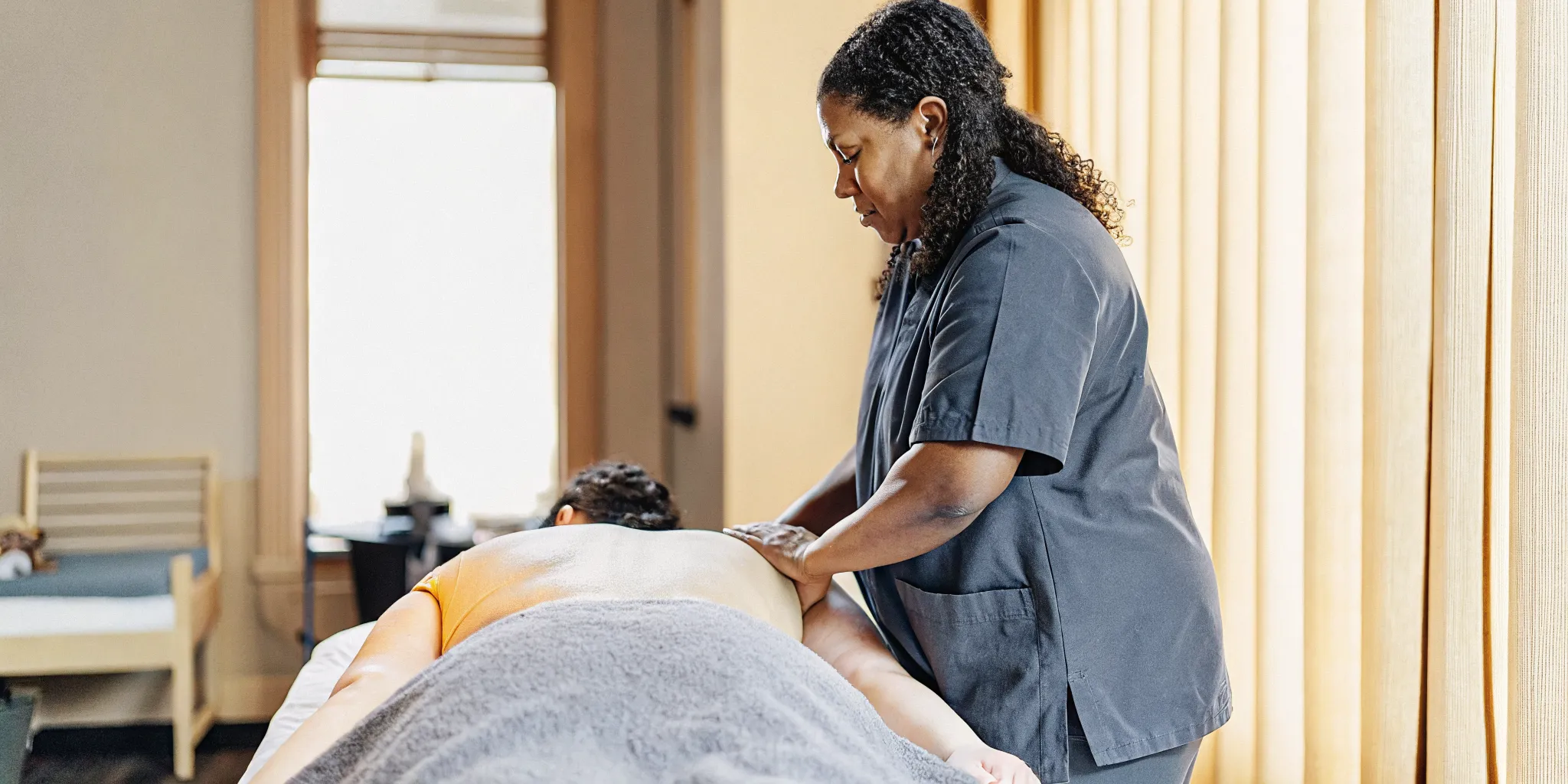
A professional prenatal massage should always begin with a conversation. Your therapist will ask about your pregnancy, how you’re feeling, and if you have any specific aches, pains, or concerns. From there, they will create a comfortable and secure environment for you. You’ll likely be positioned on your side with plenty of pillows, cushions, and bolsters to support your belly, back, and knees, preventing any strain on your body. Throughout the session, your therapist should communicate with you, checking in on the pressure and your overall comfort. You should feel empowered to speak up at any time if something doesn’t feel right.
Find Your Bliss with a Professional Prenatal Massage
While a foot rub from your partner is a sweet gesture, there’s nothing quite like the therapeutic touch of a professional. A licensed massage therapist with specialized training understands the intricate changes your body is going through. They know precisely how to adjust pressure, positioning, and techniques to provide safe, effective relief that targets your specific needs. Our prenatal massage services are designed by highly experienced therapists who are dedicated to supporting you through every stage of your pregnancy.
Choosing a therapist who specializes in prenatal care is about more than just comfort—it’s about safety. This expertise gives you the peace of mind to fully relax, knowing you and your baby are in skilled hands. Professionals are trained to address the physical changes and challenges of pregnancy, from knowing which pressure points to avoid to using proper bolstering for your complete support. This allows you to let go of any worries and truly sink into the experience.
A professional can do more than just soothe tired feet; they can help manage some of the most common discomforts of pregnancy. They use targeted techniques to help reduce swelling and pain in your legs and ankles, improve circulation, and alleviate the lower back pain that often comes with a growing belly. It’s a holistic approach to wellness that supports your entire body during this transformative time.
Your massage should be a conversation. A great therapist will always start with a thorough consultation to understand your concerns and health history. Throughout your appointment, it’s important to maintain open communication about what feels good and what doesn’t. This partnership ensures your session is perfectly tailored to you, providing maximum relief and relaxation every single time. Investing in professional care is a wonderful way to nurture both yourself and your baby.
Related Articles
Frequently Asked Questions
I’ve heard foot massages are risky during the first trimester. Is that true? This is a very common concern, but it’s largely a myth. The hesitation you might see from some spas is usually based on general liability policies rather than any proven medical risk. A therapist who is certified in prenatal massage knows exactly how to provide a safe and soothing foot massage at any stage of your pregnancy. They use gentle techniques and are trained to avoid specific pressure points, ensuring the focus remains purely on your comfort and relaxation from day one.
What’s the difference between a prenatal foot massage and reflexology? That’s a great question, as the two are often confused. Reflexology is a specific practice that involves applying deep, targeted pressure to distinct points on the feet that are believed to correspond with other parts of the body. A prenatal foot massage, on the other hand, focuses on broad, gentle strokes designed to improve circulation, reduce swelling, and soothe tired muscles. While it can be therapeutic, its primary goals are relaxation and relief, not stimulating specific reflex points.
Can’t I just get a foot rub during my pedicure at a nail salon? While a foot rub at a nail salon can feel nice, it isn’t the same as a therapeutic prenatal massage. A certified prenatal massage therapist has completed extensive, specialized training on the anatomical and physiological changes that occur during pregnancy. They understand how to position you safely, which areas to avoid, and how to address common pregnancy-related issues like edema. This level of expertise ensures your massage is not only relaxing but also completely safe for you and your baby.
How will I be positioned during the massage to make sure I’m comfortable? Your comfort is the top priority. You will never be asked to lie flat on your back, as that can put pressure on major blood vessels. Instead, you’ll be comfortably positioned on your side with plenty of soft pillows and supportive bolsters. These props are strategically placed to support your head, belly, and knees, which takes all the strain off your lower back and hips and allows you to fully relax.
Besides my feet, what other areas can be addressed in a prenatal massage? A prenatal massage can be a full-body experience tailored to your needs. While your feet and lower legs are often a focus due to swelling, your therapist can also address other common areas of discomfort. Many expectant mothers find incredible relief from tension in the lower back, hips, shoulders, and neck. A full session provides holistic support for your entire body as it works hard to grow your baby.