If you’ve ever tried to meditate only to find your mind racing even faster, you’re not alone. There’s a common myth that to relax, you must achieve a perfectly empty mind, which can feel incredibly frustrating. True relaxation isn’t about forcing stillness; it’s about gently guiding your body and mind toward a calmer state. It’s a skill you can develop with practice, not a switch you can instantly flip. This guide will walk you through different relaxation techniques that work with your body’s natural systems, helping you find what feels good without the pressure of perfection.
Key Takeaways
- Personalize your relaxation practice: The most effective technique is one you will actually use, so experiment with different methods like deep breathing, gentle stretching, or mindfulness to find what feels right for you.
- Make relaxation a daily habit: Lasting stress relief comes from consistency, not intensity. Start by scheduling just five to ten minutes each day to practice your chosen technique, building the habit over time.
- Combine daily techniques with professional support: While self-guided practices are essential for daily management, a therapeutic massage can release deep physical tension that is difficult to address on your own.
What Are Relaxation Techniques?
When life gets overwhelming, it’s easy to feel like stress is in the driver’s seat. Relaxation techniques are simple, practical exercises you can use to calm your mind and body. Think of them as tools to help you manage tension and anxiety, whether you’re dealing with a tough day at work or the lingering effects of a stressful week. These aren’t complicated medical treatments; they are complementary therapies that anyone can learn to find a sense of peace. By intentionally practicing relaxation, you can counteract your body’s stress signals and restore a feeling of balance.
What is the Relaxation Response?
You’ve probably heard of the “fight or flight” stress response. It’s that jolt of adrenaline that gets your heart pounding and muscles tensing when you feel threatened. The relaxation response is its complete opposite. It’s a state of deep physical and mental rest that you can learn to activate on purpose. When you trigger this response, your body shifts gears, moving away from high alert and into a calm, restorative state. It’s more than just feeling relaxed; it’s a measurable physiological change that helps your system recover from the wear and tear of daily stress. This isn’t an automatic process, but a skill you can develop over time to give your body a much-needed break.
How Relaxation Benefits Your Body and Mind
Practicing relaxation isn’t just about feeling good in the moment. It has real, tangible benefits for your overall health. When you regularly use these techniques, you can help your body manage the physical toll of stress. According to the Mayo Clinic, relaxation can slow your heart rate, lower your blood pressure, and reduce the amount of stress hormones in your system. It also increases blood flow to your muscles, which helps ease the kind of chronic tension and pain that a professional deep tissue massage can address. Beyond the physical perks, these practices can improve your focus, lift your mood, and lead to better sleep, giving you more energy to handle whatever comes your way.
Common Relaxation Myths, Debunked
Before we get into the how-to, let’s clear up a few things. Sometimes, our ideas about what relaxation should look like can actually get in the way of us feeling better. We build up these big expectations, and when reality doesn’t match, we figure it’s just not for us. But what if the problem isn’t the technique, but the myth behind it? Let’s debunk two of the most common myths that might be holding you back from finding your calm. By understanding what relaxation really is (and isn’t), you can approach it with a fresh perspective and a greater chance of success.
Myth #1: Relaxation is a Quick Fix
Many of us treat relaxation like an emergency brake, only pulling it when we’re already speeding toward burnout. We think a single yoga class or a 10-minute meditation will instantly undo weeks of accumulated stress. While these things certainly help in the moment, the real benefits come from consistency. True relaxation is a practice, not a one-time fix. It’s about building resilience over time so you can handle stress more effectively every day. Believing it’s a quick fix is a common misunderstanding of how relaxation works and can lead to frustration. Instead, think of it like exercise for your nervous system; the more you do it, the stronger it gets.
Myth #2: You Need an Empty Mind to Relax
If you’ve ever sat down to meditate and immediately thought, “I can’t do this, my brain won’t shut up,” you’re in good company. The idea that you must completely clear your mind is one of the most intimidating misconceptions about meditation. Our minds are designed to think; that’s their job! The goal isn’t to force silence but to gently shift your focus. Instead of trying to stop your thoughts, you can simply notice them without judgment and guide your attention back to your breath, a sound, or the feeling of your feet on the floor. Relaxation can happen even with a busy mind. It’s about giving your brain something calming to focus on, not shutting it down entirely.
Calm Your Mind with These Simple Techniques
Sometimes the best way to relax your body is to start with your mind. Mental relaxation techniques are powerful tools because you can use them almost anywhere, whether you’re stuck in traffic, sitting at your desk, or waiting for an appointment. These methods help you step away from the constant stream of thoughts and worries that can cause tension. By focusing your attention in a calm and purposeful way, you can quiet the noise and find a sense of peace. Let’s explore two simple yet effective techniques you can start using right away to calm your mind and ease stress.
Practice Deep Breathing
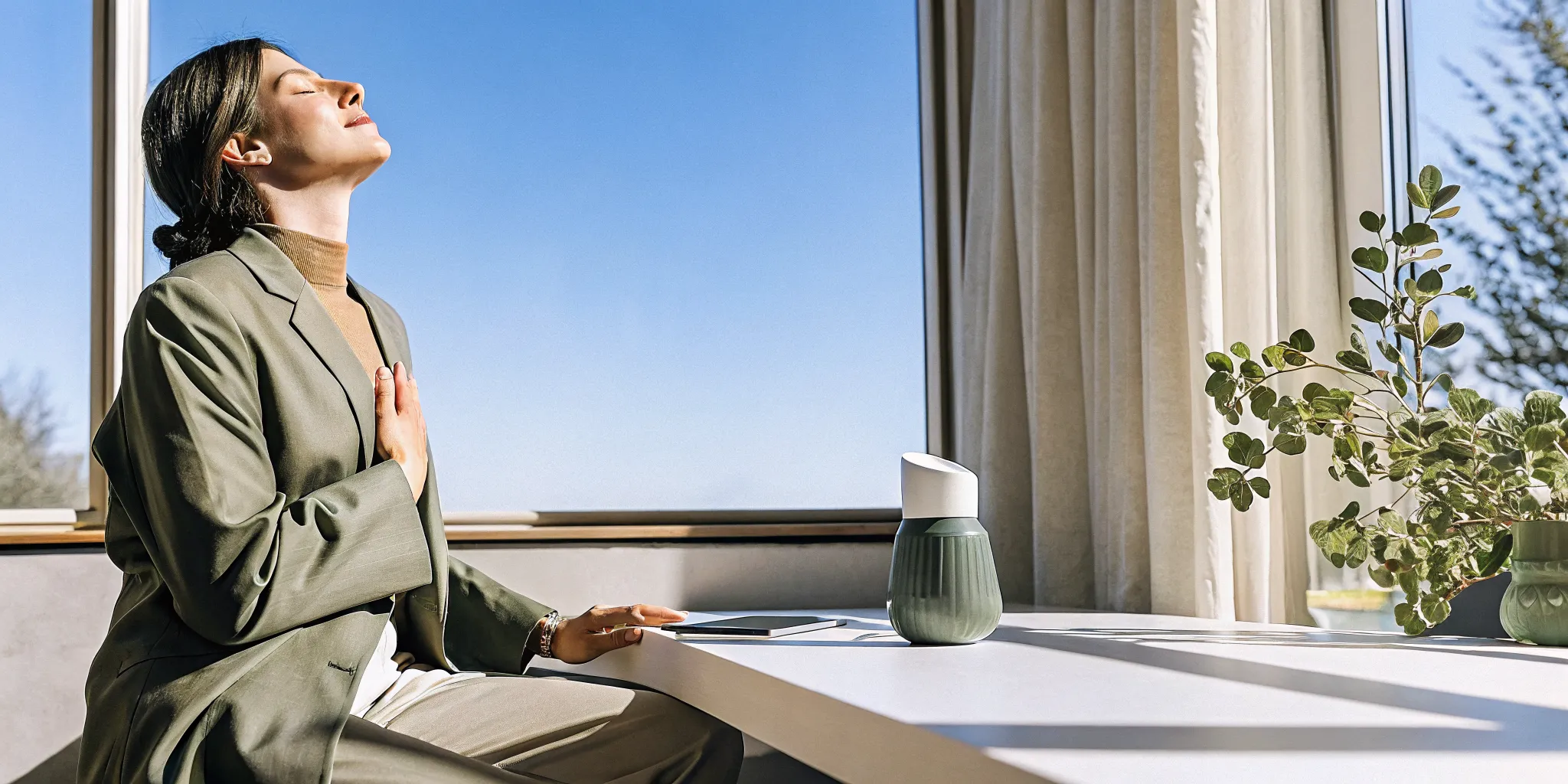
This might sound almost too simple, but focusing on your breath is one of the fastest ways to lower stress. Deep breathing, often called belly breathing, involves taking slow, full breaths that engage your diaphragm. This practice helps slow your heart rate and signals to your nervous system that it’s time to relax.
Here’s how to try it: Sit or lie down comfortably. Place one hand on your chest and the other on your belly. Inhale slowly through your nose for four counts, feeling your belly rise. Hold your breath for a moment, then exhale slowly through your mouth for six counts, feeling your belly fall. Taking long, slow, deep breaths like this for just a few minutes can make a big difference.
Try Mindfulness and Guided Imagery
Mindfulness is the practice of gently paying attention to the present moment without judgment. Instead of trying to empty your mind, you simply observe your thoughts and feelings as they pass. A great way to start is with a body scan. Lie down and bring your attention to your toes, noticing any sensations. Slowly move your focus up through your body, part by part, just observing without trying to change anything.
Guided imagery, on the other hand, is like taking a mini-vacation in your mind. It involves visualizing peaceful scenes or experiences to create a mental escape from your stressors. You can close your eyes and imagine yourself on a quiet beach, listening to the waves, or walking through a serene forest. This technique strengthens your mind-body connection, helping your body relax as your mind finds a calm space.
Release Tension with Body-Focused Methods
When stress takes hold, it rarely stays confined to your thoughts. It often makes a home in your body, showing up as tight shoulders that creep toward your ears, a clenched jaw you don’t even realize you’re holding, or a persistent ache in your lower back. These physical symptoms are your body’s way of holding onto tension. While it’s tempting to try and think your way to a calmer state, it can be much more effective to start with the body itself. Body-focused methods work by directly addressing this physical strain. When you consciously release a tense muscle, you send a direct message to your nervous system that it’s time to shift out of fight-or-flight mode and into a state of rest. This approach helps you get out of your head and into the present moment, creating a powerful feedback loop where a relaxed body helps create a relaxed mind. The best part is that you don’t need any special equipment or a lot of time. These techniques are accessible, practical, and can be done almost anywhere. Below are two simple yet profound techniques you can use to release physical tension and find relief right now.
Use Progressive Muscle Relaxation (PMR)
Progressive Muscle Relaxation, or PMR, is a straightforward exercise that teaches you the difference between tension and release. The process is simple: you intentionally tense a specific muscle group, hold it for a few seconds, and then completely let it go. You can start with your feet and work your way up your entire body, tensing and releasing your calves, thighs, stomach, arms, and so on. This practice does more than just relax your muscles; it builds a stronger mind-body connection. By paying close attention to these physical sensations, you become better at noticing and releasing tension before it builds up. It’s a great relaxation technique to try before bed to help ease into a restful sleep.
Give Yourself a Quick Self-Massage
You don’t always need to book an appointment to find relief. A quick self-massage is a fantastic tool for managing tension in the moment. Whether you’re at your desk or taking a break, you can use your own hands to work out knots in your neck, shoulders, or even your hands and forearms. Learning a few basic self-massage techniques gives you the power to address discomfort as it arises. It’s an empowering way to take an active role in your well-being and a great way to maintain the benefits of your professional massages between visits. Just a few minutes of focused pressure can make a huge difference in how you feel, helping you reset and refresh your mind.
Find Harmony Through Mindful Movement
If the idea of sitting still makes you feel more antsy than calm, don’t worry. Relaxation doesn’t always have to be motionless. Mindful movement is a powerful way to quiet your thoughts by focusing your attention on your body. These practices combine gentle motion with focused breathing, helping you release physical tension and mental clutter at the same time. It’s not about pushing yourself through a tough workout; it’s about moving with intention and awareness.
Practices like gentle yoga, stretching, and Tai Chi are fantastic for this. They help you get out of your head and into the present moment, improving your flexibility and balance along the way. By syncing your breath with your movements, you activate your body’s natural relaxation response, creating a sense of peace that can last long after you’re done. It’s a simple yet effective way to manage stress by treating your mind and body as the connected system they are.
Gentle Yoga and Stretching
Gentle yoga and stretching are wonderful ways to release the tension that builds up in your muscles from daily stress. These practices combine physical postures with controlled breathing and mindful awareness to create a deep sense of calm. As you move through different poses, you’re not just improving your flexibility; you’re also giving your mind a single, peaceful point of focus. Many find that these flowing movements help quiet the constant chatter in their heads. You don’t need to be a pretzel to benefit, either. Even simple, seated stretches can make a huge difference in how you feel both physically and mentally.
Tai Chi for Stress Reduction
Often called “meditation in motion,” Tai Chi is an ancient practice that involves slow, deliberate movements coordinated with deep breathing. It’s a gentle, low-impact martial art that’s perfect for people of all fitness levels. The focus is on continuous, circular motions that help improve balance and promote a state of relaxed awareness. Because it requires your full concentration, Tai Chi is incredibly effective at reducing stress and clearing your mind. It’s so beneficial that it’s often used as one of many complementary therapies in healthcare settings to help people manage stress and improve their overall well-being.
How to Make Relaxation a Daily Habit
Knowing how to relax is one thing, but actually doing it regularly is another. The real magic happens when you turn these techniques into a consistent part of your routine. Think of it like any other healthy habit, such as brushing your teeth or drinking water. It’s not about finding a huge chunk of time for a spa day every week (though that sounds lovely!). Instead, it’s about weaving small, intentional moments of calm into your daily life. By making relaxation a non-negotiable part of your schedule, you build resilience against stress over time. It becomes your secret weapon for staying centered, even when life gets hectic.
Start Small and Schedule It In
If the idea of adding one more thing to your to-do list feels overwhelming, start small. You don’t need an hour of silent meditation to feel the benefits. In fact, practicing relaxation techniques for just five or ten minutes a day can make a huge difference. The key is to be intentional. Pick a time that works for you, whether it’s first thing in the morning, during your lunch break, or right before bed. Then, put it on your calendar just like any other appointment. This simple act makes it a priority and helps you commit. Choose one simple activity, like deep breathing or a gentle stretch, and just focus on showing up for yourself each day.
Create Your Own Relaxation Space
Having a designated spot for relaxation can help signal to your brain that it’s time to unwind. This doesn’t mean you need to dedicate an entire room to it. Your space can be as simple as a comfortable chair in a quiet corner of your bedroom or a cushion on the floor by a window. Make it a place you genuinely want to be. Add a soft blanket, a small plant, or a candle with a calming scent. The goal is to create a peaceful environment that’s free from distractions like your phone or laptop. When you enter your relaxation space, you’re leaving the day’s stressors behind, making it easier to switch off and focus on your well-being.
How to Stay Consistent
Building a new habit takes time, so be patient with yourself. Relaxation is a skill, and like any skill, it gets easier and more effective with practice. Some days will be easier than others, and it’s completely normal if you miss a day. Just get back to it the next day without any judgment. One of the best ways of making relaxation a habit is to link it to something you already do. For example, you could practice five minutes of mindfulness right after your morning coffee or do a few stretches immediately after you get home from work. This “habit stacking” makes it easier for the new routine to stick.
Experience Ultimate Relaxation with Therapeutic Massage
While self-guided techniques are fantastic for daily stress management, sometimes you need a professional touch to truly release deep-seated tension. Therapeutic massage is a powerful way to calm your nervous system and address the physical symptoms of stress. It’s more than just a luxury; it’s a dedicated time for your body and mind to reset. A skilled therapist can identify and work on areas of tension you might not even be aware of, helping you achieve a level of relaxation that can be difficult to reach on your own. Regular sessions can lead to lasting benefits, including improved sleep, reduced pain, and a greater sense of overall well-being.
How Massage Provides Professional Stress Relief
When you’re stressed, your body produces higher levels of the stress hormone cortisol. This can lead to physical symptoms like tight muscles, headaches, and fatigue. A professional massage helps counteract this by encouraging your body to enter a state of rest. The physical manipulation of muscles eases tension, lowers cortisol levels, and increases the production of feel-good hormones like serotonin and dopamine. This process, known as the relaxation response, helps slow your heart rate and breathing, creating a profound sense of calm that can last long after you leave the massage table. It’s a direct, hands-on way to tell your body it’s safe to let go and unwind.
Explore Our Deep Tissue, Swedish, and Ashiatsu Massages
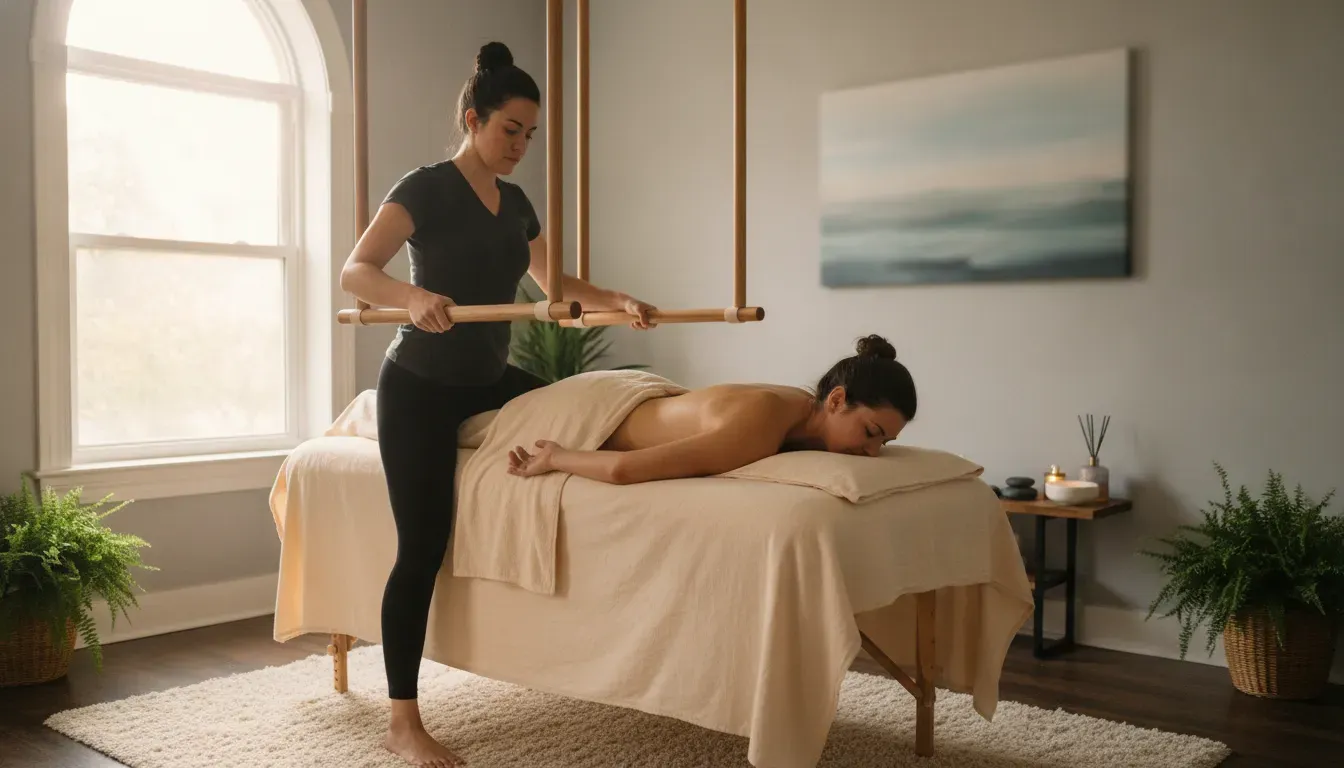
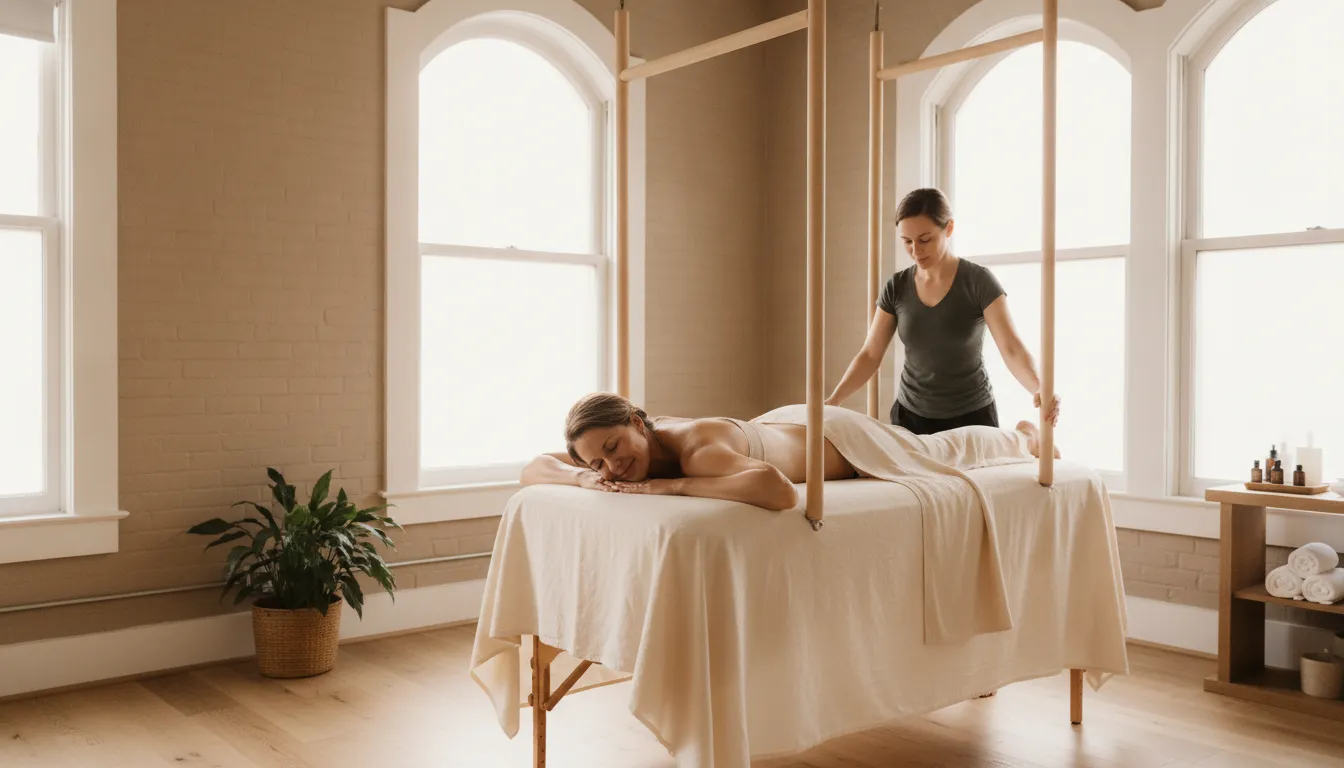
Finding the right massage is key to getting the results you want. If you’re looking for pure relaxation, a Swedish massage uses long, flowing strokes to gently soothe muscle tension and calm your mind. For more persistent knots and chronic tightness, a deep tissue massage targets the deeper layers of muscle and connective tissue. And for a truly unique and effective experience, Ashiatsu Deepfeet Bar Therapy uses the therapist’s feet to deliver broad, consistent pressure that can release tension in a way that hands-on massage cannot. Each modality offers a different path to relaxation, allowing you to choose the one that best fits your body’s needs.
Enhance Your Massage with CBD or Hot Stones
To deepen your relaxation, consider adding an enhancement to your session. Incorporating CBD oil into your massage can help reduce inflammation and soothe sore muscles, adding another layer of therapeutic relief. Another wonderful option is the addition of Hot Himalayan Salt Stones. The gentle heat from the stones helps to relax muscles more quickly and improve circulation, allowing your therapist to work more effectively. These enhancements are simple ways to customize your experience, helping you get the most out of your dedicated time for relaxation and self-care.
How to Choose the Right Technique for You
Choosing a relaxation technique is a lot like finding the perfect playlist. What helps one person unwind might be distracting to another. The goal isn’t to master every method out there, but to discover the one or two that truly resonate with you and fit into your life. Think of it as a personal experiment in finding your calm. It’s about what makes you feel centered and at ease, whether that’s a few deep breaths at your desk or a dedicated therapeutic massage at the end of a long week. The following tips will help you explore your options and find a practice that feels less like a chore and more like a welcome pause.
Find a Method That Fits Your Lifestyle
The most effective relaxation technique is the one you’ll actually use. It’s that simple. If you’re trying to force a 30-minute meditation session into a schedule that barely has room for lunch, you’re just creating more stress. Instead, look at the pockets of time you already have. Maybe it’s five minutes in your car before walking into the office, perfect for a quick breathing exercise. Or perhaps you have a quiet half-hour in the evening, which is ideal for gentle stretching. The key is to find a technique that works for you and your unique routine. Don’t be afraid to experiment until you find what feels right.
Overcome Common Barriers to Relaxation
It’s completely normal to feel a little frustrated when you first start. Maybe your mind wanders during meditation, or you feel silly doing progressive muscle relaxation. Remember, relaxation is a skill that gets better with practice, so be patient with yourself. If one method feels awkward or just doesn’t click, simply move on and try another. There’s no one-size-fits-all answer. The more you practice different techniques, the more you’ll discover what helps you release tension effectively. The goal isn’t perfection; it’s about consistently showing up for yourself, even if it’s just for a few minutes each day. That consistency is what builds a lasting sense of calm.
When to Seek Professional Help for Stress
Relaxation techniques are powerful tools, but sometimes stress becomes too much to manage on your own. Recognizing when you need a higher level of care is a sign of strength and an important step toward feeling better. While a therapeutic massage can work wonders for the physical symptoms of stress, pairing it with professional mental health support can create a comprehensive plan for your well-being. Think of it as having a full team dedicated to helping you feel your best, inside and out.
It’s important to know that seeking help from a therapist or counselor doesn’t mean you’ve failed at managing stress. It simply means you’re ready to add an expert to your support system. A mental health professional can provide you with personalized strategies, coping mechanisms, and a safe space to work through the root causes of your stress. They can help you understand your triggers and develop healthier responses, building long-term resilience that serves you well beyond a single stressful event. This professional partnership empowers you to handle life’s challenges with greater confidence and calm. It’s a proactive approach to your mental health that complements the physical relief you find through practices like massage.
Know the Signs You Need More Support
Your body often knows you need help before your mind is ready to admit it. If you’re experiencing persistent physical symptoms like headaches, stomach issues, or chronic muscle tension without a clear medical cause, it could be stress taking a toll. Pay attention to your emotional state, too. Feeling extreme emotions that are difficult to regulate or noticing a significant drop in your productivity are also key indicators. When stress starts to interfere with your daily life, relationships, or ability to function, it’s time to consider reaching out for professional support. These are not signs of weakness, but rather signals that your system is overloaded and needs reinforcement.
How to Find the Right Therapist or Counselor
Finding the right professional can feel like a big task, but it’s a manageable one. Start by asking your primary care doctor for a referral, as they may have trusted contacts. You can also use online directories from reputable organizations like the National Alliance on Mental Illness (NAMI) to find licensed therapists in your area. Look for professionals who specialize in stress management, anxiety, or cognitive-behavioral therapy (CBT), as they are equipped with specific tools to help. Don’t be afraid to “interview” a few therapists during initial consultations to find someone you feel comfortable and connected with. The right therapeutic relationship is a key part of the healing process.
Related Articles
Frequently Asked Questions
How long before I actually feel relaxed using these techniques? While some practices like deep breathing can offer a sense of calm in just a few minutes, the deeper, more lasting benefits of relaxation come from consistency. Think of it less like a switch you flip and more like building a skill. The more you practice, the easier it becomes to access that calm state, and you’ll start to notice a real difference in your overall stress levels over a few weeks.
What if I feel too restless or anxious to sit still for these exercises? That’s a completely normal feeling, and it’s a sign that a movement-based practice might be a better starting point for you. Instead of forcing yourself to be still, try gentle yoga or some simple stretches. Focusing on the physical sensations of your body as it moves can be a very effective way to quiet a busy mind without the pressure of sitting in silence.
Which of these techniques is best for quick stress relief during a busy workday? For a fast and discreet reset at your desk, deep belly breathing is your best bet. No one even has to know you’re doing it. Taking just five slow, intentional breaths can signal to your nervous system that it’s time to calm down. A quick self-massage on your neck and shoulders is another great option to release physical tension in just a couple of minutes.
How does a professional massage fit in with these daily relaxation practices? Think of the daily techniques as your regular maintenance for managing stress as it comes up. A professional massage, on the other hand, is like hitting the reset button. It allows a skilled therapist to address deep-seated tension and chronic knots that are difficult to release on your own. The two work together perfectly: daily practices help you stay balanced, while massage provides a deeper level of therapeutic release.
Is it better to stick with one technique or should I try several? When you’re starting out, it’s a great idea to experiment with a few different methods to see what clicks with your personality and lifestyle. You might find you love guided imagery but aren’t a fan of progressive muscle relaxation. Once you find one or two techniques that feel good, focus on practicing them consistently to build the habit. It’s helpful to have a small toolkit of practices you can turn to for different situations.