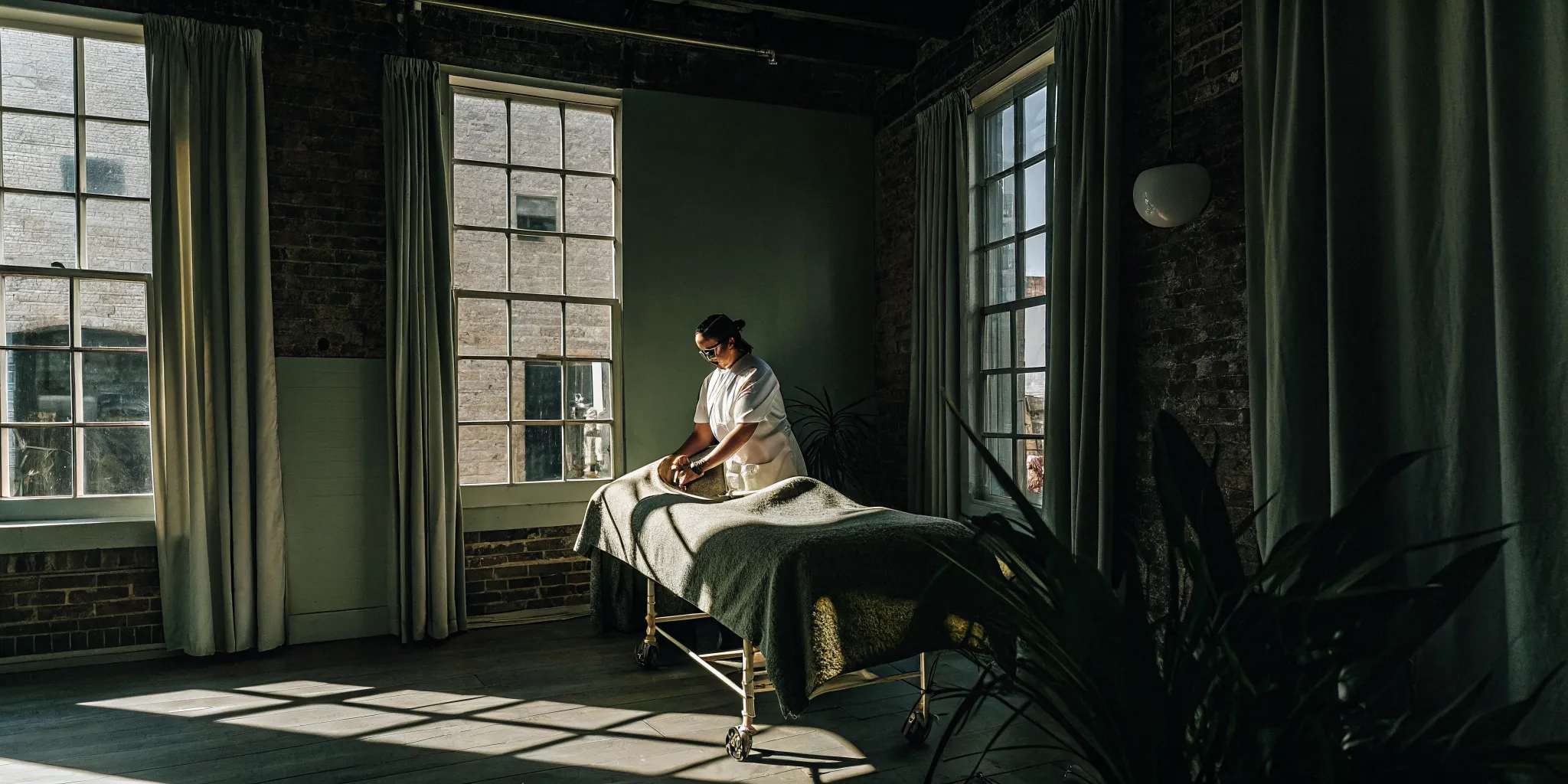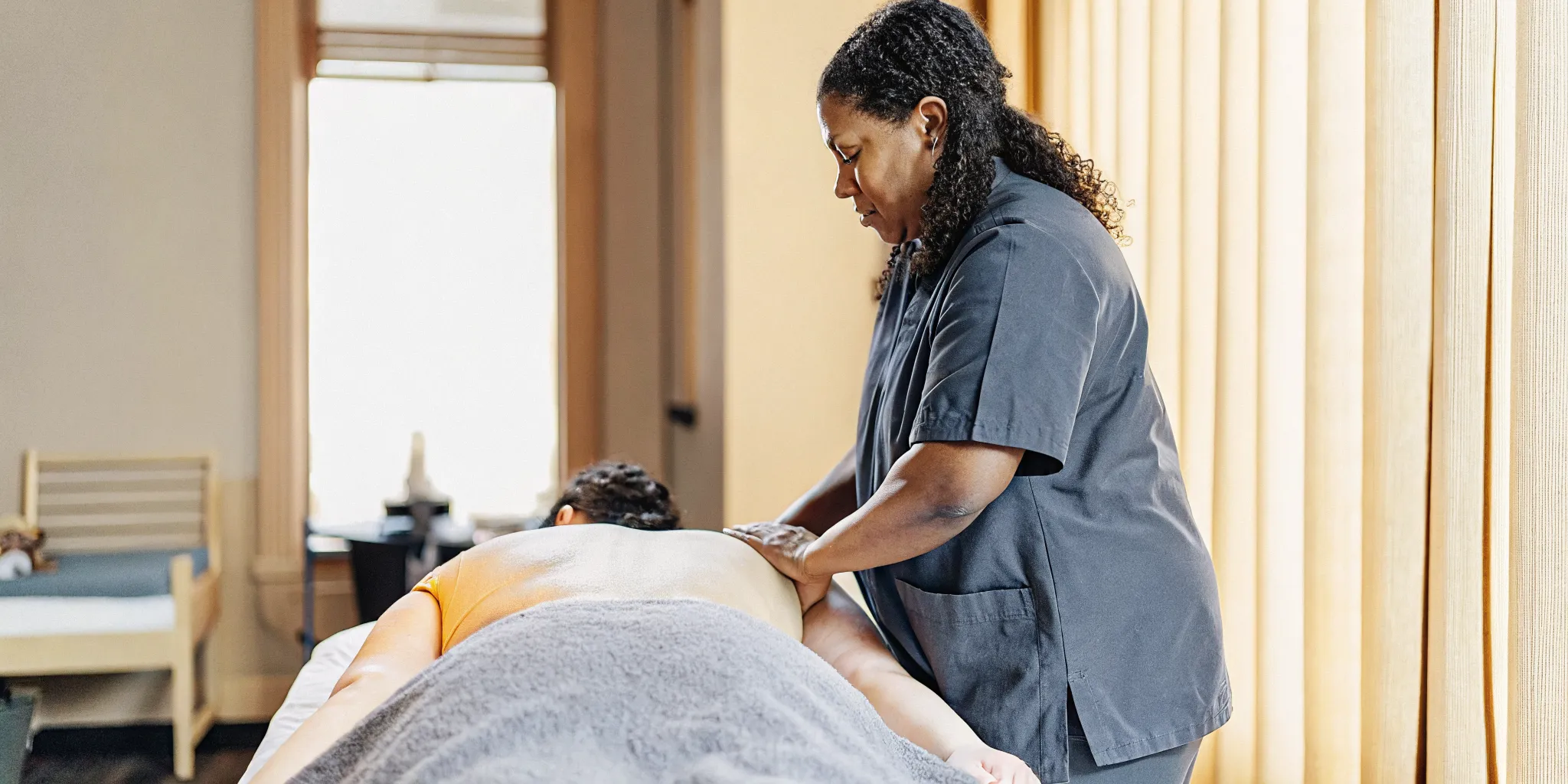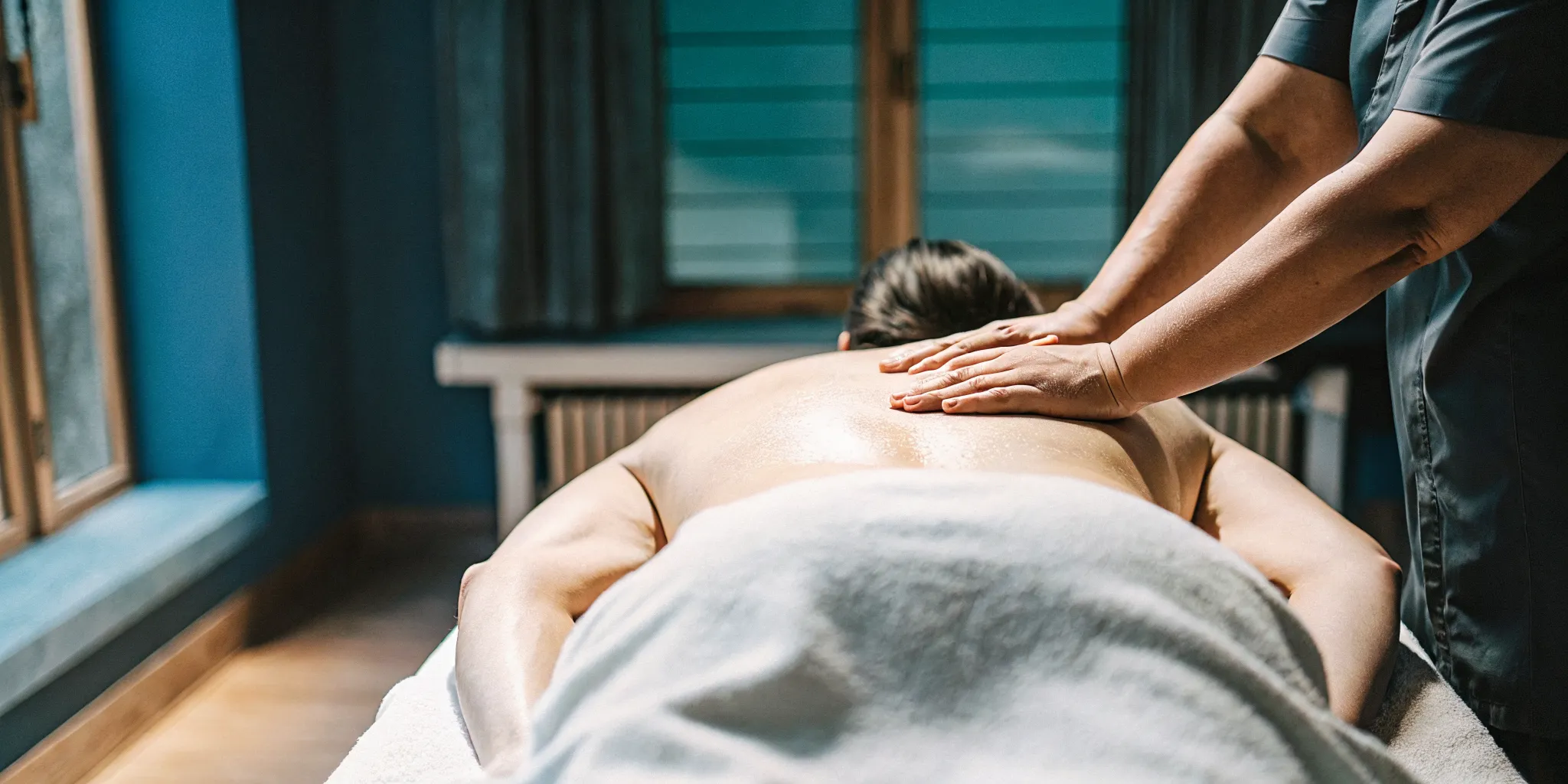

Do you love a deep tissue massage but hate the sharp, pointy pressure of elbows and thumbs? Ashiatsu is the game-changing massage you’ve been looking for. The secret is the therapist’s ability to use their feet, which provide a broader, more comfortable surface for deep work. This is only possible thanks to one crucial piece of equipment: the overhead Ashiatsu bars. This support system allows the therapist to anchor themselves, using gravity to apply smooth, consistent pressure that glides over your muscles. It’s the tool that ensures a better experience for you and protects the therapist’s body for a long, healthy career.
Key Takeaways
- Bars enable a better, safer massage: This essential equipment provides the stability your therapist needs to apply deep, consistent pressure with total control. It’s the secret to a powerful deep tissue experience that feels broad and relaxing, not sharp or pokey.
- Your practice dictates your equipment: Whether you choose a portable system for mobility or a permanent installation for your studio, selecting the right bars is a foundational decision. Factor in your space, budget, and client volume to find the best fit for your business.
- Proper installation and maintenance are non-negotiable: Ensuring your bars are securely installed and regularly inspected is crucial for safety. This protects both you and your clients and builds the professional trust that is essential for therapeutic work.
What Exactly Are Ashiatsu Bars?
If you’ve ever peeked into an Ashiatsu treatment room, you’ve probably noticed the set of parallel bars on the ceiling. These are Ashiatsu bars, and they are the most important piece of equipment for a barefoot massage therapist. Think of them as a sophisticated support system that gives your therapist perfect balance and control. They aren’t for gymnastics; they are a tool that allows the therapist to stand and move gracefully above the massage table, using their feet to deliver the massage.
The bars are securely mounted to the ceiling, giving the therapist something to hold onto for stability. This setup is the secret behind how Ashiatsu Deepfeet Bar Therapy can provide such deep, consistent, and luxurious pressure. By using the bars, your therapist can adjust their weight and pressure with incredible precision, ensuring your massage is perfectly tailored to what your body needs. So while they might look a little unusual at first, these bars are the key to unlocking one of the most effective and relaxing deep-tissue massages you can experience.
A Brief History of Ashiatsu Massage
While it might seem like a modern innovation, barefoot massage is an ancient healing art with a rich history spanning more than 3,000 years. Different forms of this practice have been documented across Asia and the Pacific Islands, from India and Thailand to Japan and Fiji. For centuries, healers understood that using their feet allowed them to apply a deeper, more consistent pressure that hands and elbows simply couldn’t replicate. These ancient techniques were passed down through generations, evolving over time into the refined and controlled modality we know today. The introduction of overhead bars marked a significant step forward, allowing therapists to use gravity to their advantage while ensuring complete safety and precision. This blend of ancient wisdom and modern equipment is what makes Ashiatsu such a uniquely effective therapy.
Why Barefoot Massage Needs Support Bars
The overhead bars are fundamental to how barefoot massage works. Your therapist holds onto them to maintain flawless balance, allowing them to apply pressure with their feet safely and effectively. This support system lets them use gravity to their advantage. By pushing down or pulling up on the bars, they can fine-tune the amount of pressure you feel, from light and flowing to deep and therapeutic. This control ensures the pressure is always consistent and comfortable for you. The bars also enable the long, gliding strokes that define Ashiatsu, covering large muscle groups smoothly and efficiently in a way that hands simply can’t replicate.
Who Benefits? (Hint: Both You and Your Client)
For you, the client, the biggest benefit is receiving deep-tissue pressure without the discomfort that can sometimes come from pointed elbows or thumbs. The therapist’s foot is a broader, softer tool, so the pressure feels more distributed and less invasive, allowing your muscles to relax into the treatment. For therapists, the bars are a career-saver. They reduce the strain on their hands, wrists, and shoulders, which helps our dedicated team of therapists provide high-quality care for years. A happy, healthy therapist is one who can give you their absolute best, every single session.
Finding Your Fit: Types of Ashiatsu Bars
When you picture an Ashiatsu massage, the overhead bars are probably the first thing that comes to mind. But they aren’t a one-size-fits-all piece of equipment. The type of bar system a therapist uses depends on their practice, their space, and whether they work in a dedicated studio or travel to different locations. Understanding the main types of bars can give you a better appreciation for the stability and skill required for this unique therapy. Let’s look at the most common setups you’ll find.
Portable Bars for Therapists on the Go
For therapists on the go, portable travel bars are a game-changer. These freestanding metal systems are designed for mobility, allowing practitioners to offer Ashiatsu massage almost anywhere—from corporate wellness events to sports competitions. They are surprisingly lightweight, often weighing less than 50 pounds, and can be broken down to fit in a car trunk or even checked as luggage on a flight. This versatility means a therapist isn’t tied to a single location. Despite their portability, they are built for stability and can typically be adjusted to suit different ceiling heights, making them adaptable to various temporary spaces.
Product Spotlight: Ashi Travel Bars
For therapists who bring their practice to their clients, the Ashi Travel Bars are an incredibly smart solution. These portable, freestanding metal systems are designed for total mobility, making it possible to set up for a full Ashiatsu massage almost anywhere—think corporate wellness events, sports competitions, or even in-home visits. This equipment allows practitioners to deliver that powerful deep tissue work you love without being confined to a single studio. It’s all about bringing the unique benefits of barefoot massage directly to clients, no matter where they are.
One of the most impressive features is their lightweight design, weighing less than 50 pounds. This makes them a breeze to transport, whether a therapist is fitting them into a car trunk or checking them as luggage on a flight. Despite being so portable, they are engineered for complete stability and can be adjusted to accommodate different ceiling heights. This adaptability ensures the therapist can provide the same level of quality and safety you’d expect in a dedicated studio, regardless of the setting. The setup is quick and straightforward, taking just a few minutes, and they disassemble into a compact package for easy storage.
While these bars are a huge convenience for the therapist, they also directly enhance the quality of your massage. A solid, stable support system allows the therapist to confidently use their body weight to apply the smooth, consistent pressure that makes Ashiatsu so effective. This means you receive all the deep, therapeutic benefits without the sharp discomfort that can sometimes accompany other deep tissue techniques. For anyone interested in the technical details, you can see how they’re built on DeepFeet’s official page for their travel bars.
Fixed Systems for Your Permanent Practice
Fixed installation systems are the gold standard for professional massage studios and the most common setup you’ll encounter. These bars are permanently and securely installed directly into the ceiling joists, providing maximum stability and safety for both the therapist and the client. In rooms where ceiling installation isn’t possible, the bars can be anchored to the walls instead. This permanent structure allows the therapist to move with complete confidence and apply precise, consistent pressure. When you receive an Ashiatsu Deepfeet Bar Therapy session at a dedicated studio like Nola Bliss, you can relax knowing the equipment is a solid, integrated part of the treatment room.
Adjustable Bars for a Custom Fit
Customization is key for delivering an effective and comfortable massage. That’s why most Ashiatsu bar systems, whether portable or fixed, offer adjustable height and width options. Therapists can move the bars up or down to match their own height, ensuring they have the proper leverage and posture to perform the massage safely and effectively. This adjustability also allows them to tailor the session to each client’s body, providing the perfect amount of pressure and control. The ability to fine-tune the equipment ensures a personalized experience that meets the specific needs of every individual on the table.
How to Choose the Right Ashiatsu Bar for You
Picking the right Ashiatsu bars is one of the most important decisions you’ll make when setting up your practice. This isn’t just about equipment; it’s about the safety, comfort, and quality of the experience you provide for your clients and yourself. The right bars will feel like a natural extension of your body, giving you the stability and confidence to deliver incredible barefoot massage. To help you find the perfect fit, let’s walk through the three most important factors to consider: durability, your physical space, and the specific features that will make your work easier and more effective.
First Things First: Check Weight Capacity
First and foremost, your bars need to be incredibly strong and stable. Safety is non-negotiable. The bars must be able to support your full body weight as you move, glide, and apply pressure during a session. Look for equipment built from high-quality, durable materials like steel or sustainable bamboo that can accommodate clients of all sizes without any question of stability. A well-built set of bars won’t wobble or shift, giving you the solid foundation you need to perform Ashiatsu Deepfeet Bar Therapy with confidence. Always check the manufacturer’s weight capacity specifications and choose a system that far exceeds your own weight to ensure a safe practice for years to come.
Will It Fit? Planning for Your Space
Before you fall in love with a specific set of bars, take a good look at your treatment room. Measure the ceiling height, floor space, and overall layout. You’ll need enough room to move comfortably around the table and use the bars without feeling cramped. While the idea of installation might seem intimidating, it’s often much easier and more affordable than you might think. The key is ensuring your ceiling has strong, accessible joists to anchor the system securely. Thinking about these logistics ahead of time will help you choose a bar system that integrates perfectly into your studio, creating a professional and functional space like our own here at Nola Bliss.
Comparing the Nitty-Gritty: Features and Specs
Once you’ve covered safety and space, you can get into the finer details. Different bar systems offer unique features that can really shape your practice. For example, some bars are made from 100% sustainable bamboo, which provides a wonderful combination of strength and flexibility. Consider whether you need adjustable height or width options, which can be a huge help for therapist ergonomics and accommodating different body types. Also, pay attention to the grip and finish of the bars themselves—you’ll be holding onto them all day! Comparing these specifications will help you find equipment that not only works well but also enhances the quality of all your massage services.
Which Ashiatsu Bar Brands Should You Know?
Once you’ve decided on the type of bar system that fits your practice, the next step is choosing a brand. The market has several reputable manufacturers, each with unique strengths. From portable systems designed for therapists on the move to sturdy, permanent installations for dedicated Ashiatsu rooms, the right equipment is out there. Let’s look at a few of the top names in the industry to help you find the perfect match for your studio and your clients.
Nola Bliss Massage Training Equipment
As the only certified Ashiatsu training center on the Gulf Coast, we at Nola Bliss have extensive experience with professional-grade equipment. We rely on durable, safe, and effective bar systems to train the next generation of therapists. While we don’t manufacture our own line of bars for public sale, our Ashiatsu training courses provide hands-on experience with the high-quality equipment we trust in our own studio. Enrolling in a course is a great way to test out a professional setup and learn directly from experts what to look for when investing in your own bars.
DeepFeet Ashiatsu Systems
DeepFeet is one of the most recognized names in Ashiatsu, and for good reason. They offer a range of products, but their portable systems are especially popular. For therapists who want to offer barefoot massage outside of a traditional studio, their Travel Ashiatsu Portable Bars are a game-changer. According to the company, these bars allow you to “give ashiatsu on the go,” making it possible to work at sporting events, trade shows, and even concerts. This flexibility can open up entirely new revenue streams and help you bring deep, therapeutic bodywork to clients anywhere.
Touch America Professional Bars
Client comfort is everything, and Touch America designs its equipment with relaxation in mind. Their systems are known for providing excellent support for both the client and the therapist. With features like plush cushioning and adjustable components, you can create a truly tailored and secure experience. The brand also focuses on convenience for the practitioner. Many of their Ashiatsu massage systems are designed to be lightweight and foldable, offering a great blend of professional stability and practical portability for therapists who need a versatile setup.
A&A Ashiatsu Tables
If you’re looking for an all-in-one solution, A&A offers massage tables with built-in overhead bars. This can be an excellent choice for practitioners who are setting up a new space and want a cohesive, professional look. The A&A Ashiatsu Massage Table is built for durability, featuring a strong frame that can support up to 500 pounds and is upholstered in professional-grade PU leather. This kind of robust construction ensures stability and safety, giving you the confidence to apply deep, consistent pressure while your client remains comfortable and secure throughout the session.
Getting Started: Ashiatsu Training and Certification
Becoming a skilled Ashiatsu therapist isn’t something that happens overnight. It requires dedicated training, practice, and a deep understanding of body mechanics. Because this modality involves using your entire body weight to deliver deep pressure, proper certification is essential for the safety of both you and your clients. The training process is structured to build your skills progressively, ensuring you have a solid foundation before moving on to more advanced techniques. This journey not only teaches you how to perform the massage but also how to do it in a way that protects your own body, promising a long and fulfilling career. As the only certified training center for Ashiatsu Deepfeet Bar Therapy on the Gulf Coast, we at Nola Bliss are passionate about upholding these high standards of education.
Training Levels and Curriculum
Ashiatsu education is typically broken down into a series of levels, and you must complete them in order. This structured approach ensures that every practitioner masters the fundamental skills before attempting more complex movements. The curriculum is comprehensive, covering everything from the history of barefoot massage to the practicalities of marketing your new service. It emphasizes proper body mechanics and foot care, which are crucial for therapist longevity. Each level builds on the last, creating a clear path from novice to expert and giving you the confidence to deliver an exceptional and safe massage experience for every client who gets on your table.
Building a Strong Foundation
The first level of training is all about building a solid foundation. This is where you’ll learn the core principles of Ashiatsu Deepfeet Bar Therapy, including how to properly use the overhead bars for balance, support, and leverage. The curriculum focuses heavily on body mechanics, teaching you how to use your body weight and gravity to apply deep, gliding pressure with your feet. You’ll master the basic strokes and learn how to move gracefully and efficiently around the table. This initial stage is the most critical part of your education, as it establishes the safe habits and fundamental skills that all other techniques are built upon.
Mastering Advanced Techniques
Once you have a firm grasp of the basics, you can move on to intermediate and advanced training. These levels introduce more dynamic and intricate techniques that require greater coordination and strength. The intermediate course focuses on creating a seamless, flowing massage that feels like a continuous dance on the client’s muscles. The advanced level takes it a step further, teaching you how to use both feet on the client simultaneously for incredibly deep and targeted work. These higher levels are designed for therapists who are truly committed to mastering the art of Ashiatsu and require a high degree of skill to ensure client safety and comfort.
Continuing Education and Certification
Your Ashiatsu journey doesn’t end after your initial certification. Like any specialized modality, barefoot massage requires ongoing practice and education to keep your skills sharp and your knowledge current. Continuing education is a vital part of being a professional massage therapist, and it’s especially important in a physically demanding practice like Ashiatsu. Committing to lifelong learning ensures you are always providing the safest, most effective treatment possible. It also allows you to stay connected with the Ashiatsu community, share insights, and continue to refine your unique style as a practitioner.
Earning Your CEUs
Most Ashiatsu certification programs offer continuing education units (CEUs) that are approved by national massage therapy boards like the NCBTMB. These courses not only fulfill your licensing requirements but also provide an opportunity to refine your technique. A major benefit highlighted in these programs is the focus on therapist longevity, promising “ZERO wear & tear on your body” over your entire career. Many training centers require students to complete an online introductory program before attending their first live class. This ensures everyone arrives with a baseline understanding, ready to get the most out of the hands-on (or rather, feet-on) instruction.
How to Safely Install Your Ashiatsu Bars
Once you’ve selected the perfect set of bars, the next step is getting them securely in place. Proper installation is the most critical part of setting up your Ashiatsu space, as it directly impacts the safety of both the therapist and the client. This isn’t like hanging a picture frame; these bars need to support a therapist’s full body weight while they are in motion. A secure setup ensures you can perform the massage with confidence and focus entirely on the therapeutic process.
Before you begin, it’s important to understand what your specific space requires. Factors like ceiling height, structural materials, and your own comfort level with construction will guide your approach. Whether you’re a seasoned DIY-er or prefer to leave it to the experts, taking the time to install your bars correctly is a non-negotiable step. As a certified Ashiatsu training center, we know that a solid foundation is essential for a safe and effective practice. This process ensures your equipment is a reliable tool for healing, not a hazard.
Check Your Ceiling and Structural Support
Your first task is to look up. The integrity of your ceiling structure is paramount because the bars must be strong enough to easily hold your full body weight. You’ll need to identify the ceiling joists and confirm they can handle the load. If you have a standard drywall ceiling with wood studs, the process can be straightforward. However, spaces with very high, low, drop, or cathedral ceilings present unique challenges that require special consideration and often custom solutions. A structural engineer or an experienced contractor can help you assess your ceiling’s load-bearing capacity to ensure it’s up to the task.
Should You DIY or Hire a Professional?
Next, you’ll need to decide who will handle the installation. If you have solid building experience and feel confident working with ceiling joists and support structures, you can likely install the bars yourself. This can be a great way to save on costs and get to know your equipment intimately. However, if you’re even slightly unsure, the safest option is to hire a professional. A qualified carpenter or contractor will have the tools and expertise to guarantee a secure installation, giving you complete peace of mind. This is one area where it’s always better to be safe than sorry.
Installation Time and Cost
One of the biggest myths about setting up for Ashiatsu is that it’s a massive, expensive undertaking. In reality, installing your bars can be surprisingly quick and affordable. If you’re going the DIY route, you can complete the project in just a few hours once you have all your materials ready. The cost can be incredibly low, too. Many therapists have successfully completed a do-it-yourself installation for less than $30 in materials. Of course, if your space has a more complex ceiling or you prefer to hire a professional, the cost will be higher. A more involved installation might run you a few hundred dollars, but it’s a worthwhile investment for the peace of mind that comes with a guaranteed secure setup.
Recommended Materials for a Secure Setup
When it comes to materials, strength is the top priority. The bars must be able to easily and safely support your entire body weight while you move. For a sturdy and reliable wood option, many therapists use kiln-dried white wood studs, which are strong and readily available. Hardwood dowels are another choice, though studs are often preferred for their rigidity. If you’re considering a metal setup, aluminum pipes are an excellent option. They are incredibly strong, work well for wall-mounted installations, and can even be painted to match your studio’s decor. No matter which material you choose, the goal is to create a system that feels completely solid, allowing you to perform your best work with total confidence.
Staying Compliant with Safety and Building Codes
Safety should be your top priority throughout the installation process. Your setup must adhere to established safety standards and any local building codes that apply to your area. These regulations exist to prevent accidents and ensure structural soundness. While installing bars into wood studs might seem simple, it’s crucial to use the correct hardware and follow the manufacturer’s instructions to the letter. Don’t take shortcuts. Verifying that your installation is compliant and secure will allow you to practice Ashiatsu with the confidence that your equipment is completely safe for everyone in the room.
Proper Bar Spacing and Placement
Getting the placement of your Ashiatsu bars just right is a matter of both safety and technique. It’s not something you guess at; there’s a science to it. The ideal distance between the two parallel bars is about 12 to 13 inches. This specific spacing might seem random, but it’s crucial for advanced, two-footed Ashiatsu movements, as it gives the therapist enough room to comfortably fit their head between the bars. Having two bars, rather than a single one, also provides superior stability, making it easier for the therapist to hold on and adjust their position as they work on different sides of your body. This thoughtful studio design ensures your therapist can move with fluid control, delivering consistent pressure exactly where you need it most.
Alternative Installation Methods
What if your treatment room has soaring cathedral ceilings or a drop ceiling that can’t support overhead bars? Don’t worry, that doesn’t mean you can’t offer Ashiatsu. Many therapists assume installation is a complex and expensive hurdle, but there are several creative workarounds. If a ceiling installation isn’t an option, sturdy aluminum pipes can be mounted directly into the walls, providing a secure anchor point. For spaces where neither the ceiling nor the walls are suitable, a completely separate, custom-built frame can be constructed to support the bars. These alternative setups prove that with a little ingenuity, you can create a safe and professional Ashiatsu space almost anywhere.
Wall-Mounted and Freestanding Options
Beyond permanent installations, freestanding systems offer incredible versatility for the modern therapist. These portable metal frames are designed for mobility, empowering practitioners to bring Ashiatsu massage to clients outside of the studio. Imagine getting a deep, therapeutic session at a corporate wellness event, a yoga retreat, or a sports competition. These systems are surprisingly lightweight—often under 50 pounds—and can be broken down to fit in the trunk of a car or even checked as luggage for a flight. This mobility opens up a world of possibilities, making it easier than ever to incorporate high-quality bodywork into any event or location.
How Much Do Ashiatsu Bars Cost?
Investing in Ashiatsu bars is a significant step for any massage therapist, and the cost can vary quite a bit. The final price depends on the type of system you choose, the materials, and whether you opt for a portable or permanent setup. Think of it like buying a car—you can find a reliable, budget-friendly model to get you started, or you can invest in a high-end system built for long-term, heavy use. The quality of the wood or metal, the complexity of the design, and the brand’s reputation all play a role in the final price tag.
Generally, you can expect to spend anywhere from around $1,200 for a quality portable set to over $2,000 for a professional, fixed system. It’s also important to factor in potential installation costs, which can range from a simple DIY project to a more involved professional job. Before you start shopping, it’s helpful to have a clear idea of your practice’s needs. Are you a mobile therapist? Do you have a dedicated treatment room? Answering these questions will guide you toward the right investment. Understanding the different options will help you find the right equipment that fits both your budget and your practice’s needs. Let’s break down what you can expect to pay for each type of setup.
The Cost of Portable Ashiatsu Bars
If you’re a therapist on the go or just starting to introduce Ashiatsu to your clients, portable bars are a fantastic and affordable choice. These systems are designed for convenience without sacrificing stability. You can find lightweight, travel-friendly bars that weigh under 50 pounds, making them easy to transport and assemble wherever you work. For around $1,200, you can get a durable set that gives you the freedom to offer barefoot massage in different locations. This makes them ideal for therapists who work out of multiple studios, make house calls, or want to test the waters before committing to a permanent installation.
The Cost of Professional Fixed Systems
For established studios or therapists fully committed to Ashiatsu, a professional-grade fixed system is a worthwhile investment. These permanent installations offer maximum stability and a polished, professional look for your treatment room. High-quality options like the Bamboo Ashiatsu Bar System typically cost around $2,000. While the initial cost is higher, these systems are built to last and can handle a high volume of clients. They signal a serious dedication to the craft and provide the sturdy, reliable support needed to perform deep, effective barefoot massage techniques with complete confidence. This is the type of equipment we trust for our own clients and students at Nola Bliss.
Factoring in Installation and Other Expenses
Beyond the price of the bars themselves, remember to account for installation. The good news is that this doesn’t have to break the bank. If you’re handy, a DIY installation can be surprisingly affordable, with some therapists reporting material costs of less than $30. However, if you’re not comfortable with the process, hiring a professional contractor is the safest bet to ensure your bars are securely anchored. Professional installation costs will vary based on your location and the complexity of your ceiling structure. Don’t forget to also budget for a sturdy massage table designed to support the dynamic pressure of Ashiatsu therapy.
Where to Buy Ashiatsu Bars
Once you’ve decided to bring Ashiatsu into your practice, the next big step is finding the right equipment. Sourcing high-quality, safe, and durable bars is crucial for both your confidence as a therapist and your clients’ safety. Luckily, you have several great options for purchasing professional-grade Ashiatsu bars. Whether you prefer to buy from a specialized company, a trusted training facility, or a convenient online store, you can find the perfect setup to match your space and practice style. Let’s walk through the best places to look.
From Specialized Equipment Suppliers
Your best bet for finding top-tier equipment is to go directly to the experts. Specialized suppliers focus exclusively on creating products for massage modalities like Ashiatsu. Companies like DeepFeet, for example, live and breathe barefoot massage, so they design bars and other tools with the practitioner’s specific needs in mind. When you buy from a specialist, you’re not just getting a piece of equipment; you’re investing in a product that has been thoughtfully engineered for safety, ergonomics, and effectiveness. These suppliers often provide a full range of Ashiatsu products, from different bar configurations to stools and lotions, making them a convenient one-stop shop for setting up your practice.
Through Certified Training Centers
Another excellent resource for purchasing Ashiatsu bars is the very place you learn the technique. Certified training centers are more than just schools; they are hubs of expertise. Many centers sell the equipment they use and recommend in their courses, which takes the guesswork out of your purchase. As the only certified Ashiatsu training center on the Gulf Coast, we know firsthand how important it is to match the right tools to the right techniques. Buying from a training facility ensures you get equipment that meets professional standards and is perfectly suited for the style of Ashiatsu you’ve been taught. Plus, you get the added benefit of guidance from your instructors.
From Online Retailers
For convenience and variety, online retailers can be a fantastic option. Many specialized suppliers have robust online stores, making it easy to browse and compare different systems from your home or office. This is also where you can find innovative solutions like portable bars. For instance, Travel Ashiatsu Portable Bars are perfect for therapists who offer mobile services or work at events, allowing you to take your barefoot massage practice on the road. When shopping online, just be sure to stick with reputable retailers that specialize in professional massage equipment. This ensures you’re getting a safe, well-made product that will stand up to the demands of your work.
Understanding Purchase Restrictions
Unlike everyday online shopping, purchasing professional Ashiatsu equipment often comes with a prerequisite: proof of training. This isn’t about being exclusive; it’s about ensuring safety and quality of care. For example, to purchase the popular Ashi Travel Bars, you must be a DeepFeet Graduate. This restriction protects both the therapist and the public by making sure that only individuals who have been properly trained in barefoot massage techniques are using this specialized equipment. It underscores the importance of professional education, which is why we are so proud to be a certified training center, guiding new therapists on their journey from the very beginning.
Navigating Shipping and Return Policies
Once you’re ready to buy, it’s important to read the fine print on shipping and returns. Because Ashiatsu bars are large, heavy items, the logistics can be complex and costly. It’s not uncommon to see a significant flat fee for shipping; DeepFeet, for instance, charges a flat $300 for worldwide delivery. Return policies are also typically strict. You can often return unopened and unused items within a short window, like 10 days, but you should expect to pay a restocking fee—sometimes around $50—and cover all shipping costs yourself. This makes it essential to be absolutely sure about your purchase before you click “buy.”
Essential Accessories and Related Products
Your overhead bars are the main event, but a few key accessories can complete your setup. If you invest in portable bars, a durable case is a must. For easier travel, many therapists use a hard-sided case like the Sportstube Series 1 or 2, which you can find on Amazon, to protect their equipment. Beyond the bars themselves, suppliers often sell a range of related products to enhance your practice. You can find everything from smaller travel bars and different mounting brackets to specialized hardware and even massage tables designed to withstand the unique pressures of Ashiatsu. Thinking about these add-ons early can help you build a complete, professional toolkit.
Preparing Your Clients for Ashiatsu
Having the right equipment is only half the equation. The other half is preparing your clients for a truly unique and therapeutic experience. Because Ashiatsu is different from a typical hands-on massage, clear communication is key. It’s your job to explain the process, manage expectations, and ensure your client is a good candidate for this type of deep bodywork. A thorough intake process and clear aftercare instructions are not just formalities; they are essential components of a safe and effective session. This level of care builds trust and shows your clients that their well-being is your top priority, which is a standard we uphold with every massage service we offer.
Health Conditions to Be Aware Of (Contraindications)
Safety always comes first, which means knowing when Ashiatsu is not the right choice. There are several health conditions, known as contraindications, that make deep-pressure barefoot massage unsafe. You should not perform an Ashiatsu massage on a client who is pregnant or has skin infections, open sores, blood clots, severe varicose veins, an aneurysm, kidney disorders, hemophilia, or advanced osteoporosis. This is why a detailed health intake form and conversation before every session are non-negotiable. At Nola Bliss, our highly trained therapists always conduct a thorough screening to ensure every client receives the safest and most appropriate treatment for their individual needs.
Essential Aftercare Instructions
The benefits of an Ashiatsu session continue long after the client leaves the table, and proper aftercare is crucial for maximizing those results. It’s important to guide your clients on what to do—and what not to do—for the next 48 hours. Advise them to avoid sitting for long periods in a hard chair, lifting anything over 35 pounds, and engaging in rough sports or activities that twist the back. Instead, encourage them to drink plenty of water, perform gentle stretches, and enjoy a hot sauna, steam room, or jacuzzi. These simple instructions help the body integrate the deep work and prolong the feeling of release and relaxation.
Explaining the Energetic Benefits
While many clients seek Ashiatsu for its incredible deep-tissue effects, it’s also helpful to explain the more subtle, energetic benefits. The long, flowing, and uninterrupted strokes do more than just release muscle tension. According to principles of traditional Eastern medicine, Ashiatsu helps you feel deeply relaxed because it moves the body’s internal energy, called Qi, and helps clear any blockages. You can describe Qi as a vital life force that flows through the body. When it’s stagnant, it can lead to discomfort and stress. The sweeping pressure of an Ashiatsu massage helps restore that natural flow, promoting a profound sense of balance and well-being.
Let’s Bust Some Ashiatsu Bar Myths
It’s completely normal to have questions when you hear about a massage where the therapist uses their feet. The idea of someone walking on your back might bring up some wild images, but the reality of Ashiatsu Deepfeet Bar Therapy is far more graceful, controlled, and relaxing than you might think. The overhead bars are the key to making this technique both safe and incredibly effective. Let’s clear the air and tackle some of the most common myths we hear about Ashiatsu massage and the bars that make it possible. Understanding the truth behind the technique can help you decide if this deeply therapeutic experience is the right fit for you.
Myth: Ashiatsu Bars Aren’t Safe or Stable
One of the biggest misconceptions is that Ashiatsu is an intense treatment reserved only for serious athletes or people with a high tolerance for pain. This couldn’t be further from the truth. While it’s fantastic for athletes, Ashiatsu is designed to be a deeply relaxing experience for almost anyone seeking relief from chronic tension. The overhead bars are not just for show; they are a critical safety tool. They provide the therapist with complete stability and control, allowing them to glide smoothly over your muscles without ever putting you at risk. This setup ensures every movement is deliberate, safe, and perfectly executed for a soothing, effective massage.
Myth: You Need to Be an Acrobat to Use Them
Many people picture a therapist simply standing on their back with their full body weight. That image is understandable, but it’s not how Ashiatsu works. Our therapists use the bars for balance and leverage, allowing them to skillfully adjust the amount of pressure they apply. They can deliver anything from a light, flowing Swedish-style pressure to a deep, targeted therapeutic one. This level of control requires extensive and specialized training. Our dedicated team has invested years into mastering this art, ensuring every session is tailored to your body’s needs. It’s a sophisticated skill, not a balancing act.
Myth: The Pressure Is Too Intense for Clients
If you’re worried that the pressure from a foot will be too much, you can relax. Your comfort is always the top priority. The pressure is completely adjustable, and your therapist will communicate with you throughout the session to make sure it’s just right. Ashiatsu doesn’t replace traditional massage; it’s another powerful tool in our toolkit. In fact, many clients find the broad, consistent pressure from the foot feels more comfortable and less “pokey” than deep work done with elbows or thumbs. It’s a unique sensation that allows for deep muscle release without the discomfort, making it a popular choice among our diverse massage services.
How to Care for Your Ashiatsu Bars
Your Ashiatsu bars are more than just equipment; they are a direct extension of your practice and a promise of safety to your clients. Just like you maintain your own skills and knowledge, your bars require consistent care to ensure they remain a stable and reliable tool for every session. Proper maintenance protects your investment, but more importantly, it upholds the professional standard of your services and builds unwavering client trust. A well-maintained setup provides peace of mind for both you and your client, allowing them to fully relax into the treatment while you focus on delivering an incredible barefoot massage experience.
Taking the time for these simple routines demonstrates a commitment to excellence and care that clients will notice and appreciate. It shows that you value their well-being from the moment they walk in until they leave feeling refreshed and cared for. This attention to detail is what separates a good massage from a truly therapeutic and memorable one, reinforcing their confidence in you as a skilled and conscientious therapist. Think of it as part of the therapeutic process itself—creating a secure and pristine environment is the first step in helping your clients feel safe, supported, and ready to receive the full benefits of your work.
Set a Schedule for Regular Inspections
Think of your pre-session routine as a safety checklist. Before you begin your day, take a moment to give your bars a quick visual and physical inspection. Are all the fittings tight and secure? Do you notice any splintering, cracks, or signs of stress on the bars or their ceiling mounts? Give them a firm shake to check for any wobbling or unusual movement. A thorough inspection should be a regular part of your studio maintenance. Catching a small issue, like a loose bolt, before it becomes a major problem is fundamental to providing safe and effective Ashiatsu Deepfeet Bar Therapy. This simple habit builds trust and ensures your equipment is always ready for your next client.
Keep Your Equipment Clean and Sanitized
Hygiene is non-negotiable in any massage practice, and your Ashiatsu setup is no exception. You should clean your bars between every single client session. Use a disinfectant wipe or a cloth with a cleaning solution approved for the bar’s material (wood or metal) to wipe down any surface you or your client may have touched. This simple step prevents the spread of germs and removes any residue from massage lotions or oils, which can make the bars slippery. This commitment to cleanliness reflects the high standards of your practice. At Nola Bliss, our dedication to providing a professional and safe environment is at the core of who we are, as you can see on our About Us page.
Related Articles
Frequently Asked Questions
Are the overhead bars actually safe? Absolutely. The bars are professionally installed directly into the ceiling’s support structure, making them incredibly sturdy and secure. Think of them less like gymnastic equipment and more like a sophisticated tool for balance. They are essential for the safety of both you and the therapist, providing the stability needed for a controlled and effective massage.
Will the therapist be putting their entire body weight on me? This is a common concern, but no, that’s not how it works. The therapist uses the bars to precisely control and adjust the amount of pressure you feel. By using the bars for leverage, they can deliver anything from light, gliding strokes to deep, therapeutic pressure, all while ensuring the force is perfectly suited to your comfort level and your muscles’ needs.
Why can’t the therapist just balance without holding onto anything? The bars are the key to the entire technique. They aren’t a crutch; they are a tool for precision. Holding onto the bars allows the therapist to apply long, consistent, gliding strokes with their feet in a way that would be impossible otherwise. This support system is what makes the massage so fluid and effective, and it also protects the therapist from strain, allowing them to have a long and healthy career.
Do all Ashiatsu massages use the same type of bars? While the purpose is the same, you might see different types of bar setups. Most professional studios, like ours, use a fixed system that is permanently installed in the ceiling for maximum stability. You may also see portable, freestanding bar systems, which are great for therapists who offer Ashiatsu at events or in different locations. Both types are professionally designed for safety and stability.
Is the pressure from feet more intense than from hands? Not necessarily more intense, but different in a way many people find more comfortable. Because the foot is broader and softer than an elbow or thumb, it can deliver deep pressure without the sharp or “pokey” feeling you might get during a traditional deep tissue massage. This allows your muscles to relax and accept the deep work more easily, making the experience both therapeutic and incredibly soothing.