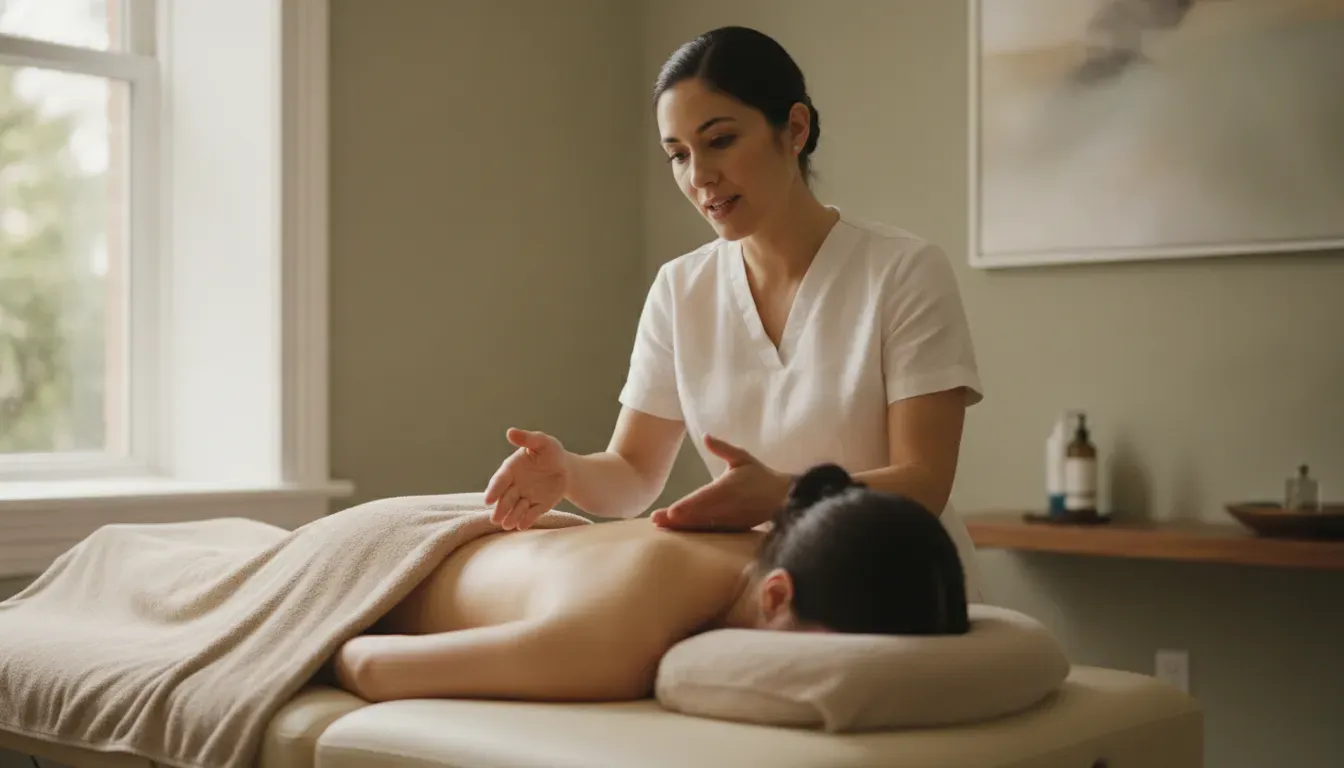

While you’re busy caring for your newborn, it’s easy to forget that your own body is in a major recovery phase. The physical demands of motherhood start immediately, from hunching over during feeding sessions to constantly lifting and carrying your baby, leading to new aches in your back, neck, and shoulders. Postpartum massage is a powerful tool for managing this new strain. Unlike a standard massage, it’s tailored to your healing body, focusing on releasing tension and promoting healing. Exploring the postpartum massage benefits shows how targeted therapy can provide profound relief, helping you feel more comfortable and energized as you embrace your new role.
Key Takeaways
- Think of it as recovery, not just relaxation. Postpartum massage is a targeted therapy designed to help your body heal by soothing sore muscles from childcare, reducing swelling, and supporting C-section recovery.
- Get your doctor’s approval before you book. A quick check-in with your healthcare provider ensures your body is ready for massage, giving you peace of mind, especially if you had a C-section or any complications.
- Find a therapist with specialized training. For the safest and most effective care, choose a licensed massage therapist who is certified in perinatal massage and can tailor the session to your specific birth experience and postpartum needs.
What Is Postpartum Massage?
After nine months of carrying your baby, your body has gone through a monumental transformation. Postpartum massage is a full-body massage designed specifically for new mothers after they’ve given birth. Think of it as a supportive therapy that helps your body navigate the recovery process, making it easier to heal and adjust to the demands of motherhood. It’s a gentle, effective way to address the unique physical and emotional needs that arise during the “fourth trimester.” This isn’t just about relaxation; it’s a therapeutic practice that acknowledges the incredible work your body has done and continues to do.
Unlike a standard massage, a postpartum session is carefully adapted to what your body has just experienced. A trained therapist understands the changes your body is undergoing, from hormonal shifts and fluid retention to the physical stress of labor and delivery. The primary goals are to support your recovery, relieve muscle soreness, and provide a much-needed space for you to rest and recharge. It’s a dedicated time to focus on your own well-being, which is essential as you pour your energy into caring for your newborn. It helps bridge the gap between the end of pregnancy and feeling fully recovered.
How It’s Tailored to Your Postpartum Body
A postpartum massage isn’t a one-size-fits-all experience. Your therapist will customize the session based on your specific needs and birth story, whether you had a vaginal delivery or a C-section. They’ll pay special attention to areas under new strain, like your back, shoulders, and hips, from holding and feeding your baby. The techniques used are gentle and restorative, focusing on encouraging your body’s natural healing process. Just as a prenatal massage supports you during pregnancy, a postpartum massage is designed to help you recover and feel more like yourself again.
Addressing Common Post-Birth Pains and Concerns
The postpartum period comes with a unique set of aches and challenges, and massage can provide significant relief. It helps soothe sore muscles, especially in the back and neck, and can reduce the swelling that many women experience after delivery by improving circulation. Beyond the physical benefits, postpartum massage is also incredibly beneficial for your emotional health. It can help ease the “baby blues” by lowering stress hormones and providing a calm, nurturing environment, giving you a moment of peace in a beautifully chaotic time.
How Postpartum Massage Helps Your Body Heal
Your body has done something incredible, and now it’s time to focus on recovery. The postpartum period brings a unique set of physical challenges, from lingering aches to hormonal shifts. Therapeutic massage is a powerful way to support your body’s natural healing process, helping you feel more comfortable and connected to yourself again. It’s not just about relaxation; it’s a targeted approach to address the specific ways pregnancy and birth have impacted your muscles, circulation, and overall physical well-being.
Soothe Aches and Release Muscle Tension
It’s no secret that caring for a newborn is physically demanding. Between recovering from labor, hunching over to breastfeed, and constantly lifting and carrying your little one, your body is under a lot of strain. Postpartum massage is designed to address these new aches and pains head-on. A skilled therapist can help relax your muscles, ease soreness, and release built-up tension, especially in your back, shoulders, and arms. By focusing on these overworked areas, a therapeutic massage can provide immediate relief and help prevent chronic discomfort, allowing you to focus more on bonding with your baby and less on your pain.
Improve Circulation and Reduce Swelling
Many new moms experience swelling in their legs, ankles, and feet after giving birth. This is often due to the extra fluids your body accumulated during pregnancy. Massage is a fantastic tool for managing this. It helps improve circulation and encourages lymphatic drainage, which is your body’s natural process for flushing out excess fluids and toxins. By gently stimulating this system, a postpartum massage can significantly reduce swelling and the heavy, puffy feeling that comes with it. This not only makes you more comfortable but also supports your body’s overall recovery by helping it rebalance more efficiently.
Support Healing and C-Section Recovery
Whether you had a vaginal birth or a C-section, your body has a lot of healing to do. Postpartum massage can be an incredible aid in this process. For moms recovering from a C-section, massage can be particularly beneficial once your doctor gives you the green light. A therapist can work around the incision area to improve blood flow, which promotes tissue regeneration and helps reduce swelling. Over time, gentle massage techniques can also help make scar tissue more pliable, improving mobility and reducing tightness in your abdomen. This targeted support can make a world of difference in your physical comfort and long-term recovery.
Ease Breastfeeding-Related Discomfort
Breastfeeding is a beautiful bonding experience, but it can also lead to significant discomfort in your upper body. The posture required for feeding can cause tightness and pain in your neck, chest, and shoulders. Postpartum massage can work wonders by releasing the tension in these specific muscles, which can help improve your posture and make feeding sessions more comfortable. Furthermore, it can help relieve breast swelling and even assist with clearing blocked milk ducts. By relaxing the muscles in your chest, massage can also support better milk flow, making the entire experience smoother for both you and your baby.
The Emotional & Mental Health Benefits of Postpartum Massage
While the physical benefits of postpartum massage are incredible, the impact on your emotional and mental well-being is just as profound. The transition to motherhood is a beautiful, yet often overwhelming, experience filled with hormonal shifts, sleep deprivation, and new anxieties. Taking time for yourself isn’t a luxury; it’s a necessary part of your recovery. A postpartum massage provides a quiet, restorative space where you can reconnect with your own body and mind.
This dedicated time helps you process the changes you’re going through, offering a mental break from the constant demands of a newborn. It’s a powerful reminder that your well-being matters, which in turn helps you be a more present and centered parent. By addressing the root causes of stress and fatigue, massage can be a cornerstone of your postpartum mental health plan, helping you feel more like yourself again. Our team of highly trained therapists understands the unique challenges of this period and is here to provide a supportive, healing experience.
Lower Stress and Encourage Deep Relaxation
After giving birth, your body is navigating a whirlwind of hormonal changes. A therapeutic massage can play a key role in helping you find your balance. Studies from the American Pregnancy Association show that massage helps lower levels of cortisol (the primary stress hormone) while supporting the production of serotonin and dopamine, which are linked to feelings of well-being and calm. This hormonal rebalancing is what creates that feeling of deep, lasting relaxation that goes far beyond the massage table. It’s a chance to let go of the tension you’ve been holding and allow your nervous system to reset.
Ease Symptoms of Postpartum Depression and Anxiety
The “baby blues” are common, but for many new mothers, feelings of sadness, anxiety, or being overwhelmed can develop into something more serious like postpartum depression (PPD). While massage is not a substitute for professional medical care, research shows it can be an effective complementary therapy. The simple act of nurturing touch in a safe environment can be incredibly grounding. It helps ease common PPD symptoms like mood swings and anxiety, providing a gentle, supportive tool to incorporate into your overall wellness routine as you find your footing in new motherhood.
Improve Your Sleep and Balance Your Mood
Every new parent knows that sleep is a precious and rare commodity. The exhaustion can feel endless, making it difficult to regulate your mood. Postpartum massage can directly address this by easing fatigue and promoting deeper, more restorative sleep. It works by increasing delta brain waves, the waves connected to the deepest stage of sleep. Even a short period of quality sleep can make a world of difference in your energy levels and emotional resilience, helping you feel more capable of handling the day-to-day challenges and joys of caring for your new baby.
When Is It Safe to Get a Postpartum Massage?
The big question for many new moms is, “How soon is too soon?” Your body has just done something incredible, and you deserve care and attention, but timing is everything. The right time to get a postpartum massage depends entirely on your individual birth experience and recovery process. There isn’t a single, one-size-fits-all answer, and the most important thing you can do is listen to your body and get clearance from your doctor or midwife.
Generally, postpartum massage is most beneficial within the first 12 weeks after giving birth, as this is a critical period for healing and adjustment. Whether you had a straightforward vaginal delivery or a C-section will play a big role in when you can safely lie on the massage table. A great massage therapist who specializes in perinatal care will know exactly how to support you, from adjusting the pressure to using positioning that keeps you comfortable. Just as you may have enjoyed a prenatal massage to ease pregnancy aches, a postpartum massage is tailored specifically to the needs of your healing body.
After a Vaginal Delivery
If you had an uncomplicated vaginal delivery, you might be able to get a massage sooner than you think. Many women are cleared for a gentle massage within the first week or two after giving birth, as long as they feel comfortable. The focus will be on relaxation and relieving the muscle tension that comes from labor and caring for a newborn. Your therapist can use pillows and bolsters to support your body, especially if you’re experiencing breast tenderness, and will avoid any areas that are still sore or sensitive.
After a C-Section
Recovering from a C-section requires a bit more patience. Because it’s major abdominal surgery, you’ll need to wait until your incision has healed sufficiently. It’s best to wait at least six weeks before having any direct massage work on your abdomen. However, that doesn’t mean you have to miss out on relief entirely. A skilled therapist can still work on your back, neck, shoulders, legs, and feet to ease tension and promote relaxation while carefully avoiding the surgical site. These targeted massage services can make a world of difference in your comfort during those early weeks.
How Often Should You Go for the Best Results?
How often you schedule a postpartum massage is completely up to you. Some new moms find that weekly or bi-weekly sessions are incredibly helpful for managing the physical and emotional demands of the fourth trimester. Others may only want one or two massages to help reset their bodies after birth. There are no hard and fast rules. The best approach is to see how you feel after your first session and decide what frequency fits your needs, schedule, and budget. Your body will tell you what it needs to heal.
Preparing for Your First Postpartum Massage
You’ve been through an incredible journey, and now it’s time to focus on your own recovery. A postpartum massage is a wonderful way to care for your body and mind, but a little preparation can help you get the most out of your session. Taking these simple steps ensures your experience is safe, relaxing, and perfectly suited to your needs as a new mom. Think of it as setting the stage for some well-deserved healing and quiet time.
From getting your doctor’s approval to knowing what to expect when you arrive, here’s a straightforward guide to preparing for your first postpartum massage.
Getting the Go-Ahead From Your Doctor
Before you book your appointment, it’s always a good idea to check in with your doctor or midwife. A quick conversation can give you peace of mind that your body is ready for massage therapy. This is especially important if you had a complicated delivery, a C-section, or have any other health concerns. Your healthcare provider can offer personalized advice and confirm when it’s safe for you to begin. This simple step ensures you can fully relax during your massage, knowing you’re taking the best possible care of your healing body.
How to Choose a Qualified Massage Therapist
Not all massage therapists are the same, and for postpartum care, expertise matters. You’ll want to find a licensed massage therapist who has specific training and certification in prenatal and perinatal massage. This specialized knowledge ensures your therapist understands the unique physical changes and needs of a postpartum body. Don’t hesitate to ask about their experience with new moms. At Nola Bliss, our dedicated team includes highly experienced therapists trained to provide safe and effective postpartum care, so you know you’re in good hands.
What to Expect During Your Session
Your first postpartum massage will be tailored completely to you. Your therapist will start by talking with you about your birth experience, any areas of discomfort, and your wellness goals. This allows them to customize the pressure and techniques for your specific needs. To make the most of your time, try to arrange for someone to watch your baby. Having that uninterrupted hour allows you to fully disconnect from your responsibilities and focus completely on your own well-being. It’s your time to breathe deeply, let go of tension, and allow your body to heal.
Massage Techniques for Your Postpartum Recovery
Your body has been through an incredible transformation, and the right massage technique can make a world of difference in your recovery. A skilled therapist will never take a one-size-fits-all approach. Instead, they’ll talk with you about your specific needs—whether you’re dealing with a sore back from feeding sessions, residual swelling, or the general exhaustion that comes with being a new mom. Based on your conversation, they can recommend a specific style of massage or a combination of techniques to help you feel your best. The goal is to create a session that’s perfectly tailored to support your body’s healing process.
Swedish Massage for Gentle Relaxation
If you’re looking for a way to ease back into bodywork, a Swedish massage is a wonderful place to start. This technique uses long, flowing strokes, gentle kneading, and circular movements to help your entire body relax. It’s a full-body massage designed to help new moms recover faster and feel better overall. The gentle pressure is perfect for soothing the nervous system, which can help balance postpartum hormones and encourage better sleep. Think of it as a reset button for your body and mind, giving you a much-needed moment of peace and calm during a beautifully chaotic time.
Deep Tissue for Targeted Muscle Relief
Motherhood is physically demanding. Lifting, carrying, and feeding your baby can lead to deep, persistent aches in your back, shoulders, and hips. That’s where a deep tissue massage can provide significant relief. This technique uses slower, more forceful strokes to target the deeper layers of muscle and connective tissue. It’s especially effective for breaking up knots and releasing chronic muscle tension. By improving blood flow and circulation, a deep tissue massage can also help your body flush out excess fluids, which helps reduce postpartum swelling and supports a smoother recovery.
Adding Enhancements: CBD & Himalayan Salt Stones
To get even more from your session, consider adding an enhancement. Incorporating CBD oil into your massage can help reduce inflammation and soothe sore muscles, offering an extra layer of targeted relief. Another fantastic option is Hot Himalayan Salt Stones. The gentle heat from the stones melts away tension and helps your muscles relax more deeply. These additions are simple ways to customize your experience and address your specific postpartum needs, helping you feel more comfortable and restored. You can always discuss which enhancement would be best for you with your massage therapist.
Finding a Professional Postpartum Massage Therapist
Choosing a massage therapist for your postpartum care is a deeply personal decision. Your body has gone through a monumental transformation, and you deserve a practitioner who understands the specific physical and emotional needs of this unique time. Finding the right person isn’t just about getting a good massage; it’s about creating a safe, supportive space for your healing journey. The right therapist will not only have the technical skills but also the compassion and knowledge to adapt the session to your recovery, whether you’re dealing with C-section soreness or the aches of new motherhood.
To feel confident in your choice, it helps to know what to look for and what to ask. A little preparation can ensure your experience is truly restorative. Think of it as assembling your postpartum support team—your massage therapist is a key player. You want someone who is not just qualified but who also makes you feel completely comfortable and heard. At Nola Bliss, our team is built on a foundation of expertise and genuine care, ensuring every new mother receives the professional, high-quality therapeutic experience she needs to feel her best. We believe this dedicated care is a vital part of postpartum wellness.
Key Questions to Ask Your Therapist
When you’re ready to book an appointment, having a few questions prepared can make all the difference. Don’t hesitate to ask about a therapist’s background—a true professional will be happy to share their qualifications. Start by asking, “Are you certified in prenatal and perinatal massage, and what is your experience working with postpartum clients?” This ensures they have specialized training. You can also inquire about how they tailor a session to different birth experiences, whether vaginal or C-section. Our team of highly trained and highly experienced therapists is always ready to discuss how we can meet your specific needs.
Signs of a High-Quality Massage Experience
From the moment you walk in, you should feel at ease. A high-quality experience starts with a clean, calm, and professional environment. During your session, the key sign of an excellent therapist is their ability to listen—both to what you say and to what your body needs. They should ask about your birth experience, areas of discomfort, and your goals for the massage. This allows them to create a personalized massage just for you. You should feel respected, safe, and completely comfortable communicating your needs, whether that’s adjusting the pressure or asking for an extra pillow.
Related Articles
Frequently Asked Questions
How is a postpartum massage different from a regular deep tissue or Swedish massage? Think of it as a massage with a specialty. While it may use techniques from Swedish or deep tissue massage, a postpartum session is completely customized for a new mother’s body. A trained therapist understands the specific aches from holding and feeding a baby, the hormonal shifts, and the recovery process after birth. They know how to position you comfortably and which areas need gentle, restorative attention versus targeted relief.
Do I really need to wait until my six-week checkup to get a massage? Not necessarily, but you should always get clearance from your doctor or midwife first. If you had an uncomplicated vaginal delivery and are feeling up to it, you may be able to get a gentle massage within a week or two. For a C-section, you will need to wait longer, typically at least six weeks, to ensure your incision is properly healed before any direct abdominal work is done.
I had a C-section. How will the massage be adjusted for me? A therapist trained in postpartum care knows exactly how to create a safe and comfortable experience for you. They will use pillows and bolsters to support your body so there is no pressure on your incision. The massage will focus on relieving tension in your back, shoulders, and legs, while carefully avoiding your abdomen until you are fully healed and have your doctor’s approval for more direct work.
What if I’m breastfeeding? Is there anything I need to know? Massage is perfectly safe for breastfeeding mothers and can even help relieve chest and back tension from feeding postures. For your own comfort, it’s a good idea to feed your baby or pump right before your appointment to avoid feeling uncomfortably full. Your therapist can also provide extra pillows or adjust your positioning to take pressure off of tender breast tissue.
What should I do if I feel uncomfortable at any point during the massage? Please speak up immediately. A professional massage therapist wants you to have the best experience possible, and your comfort is the top priority. Whether you need the pressure adjusted, an extra pillow, or a change in position, your therapist will be happy to make any changes you need. This is your time to relax and heal, so never hesitate to communicate what you need.