
You wouldn’t run a marathon without a training plan, and you shouldn’t approach your body’s recovery without one either. While stretching and foam rolling are important, they often can’t address the deeper tension and knots that build up from miles of repetitive impact. A sports massage is a purpose-driven therapy designed to work in sync with your training schedule. It’s not a one-size-fits-all experience; it’s a customized session focused on your specific goals, whether that’s preparing for a race, recovering from a tough workout, or preventing an old injury from flaring up. Integrating a regular sports massage for runners into your routine is an investment in your performance, health, and ability to keep doing what you love.
Key Takeaways
- Align Massage with Your Training Cycle: To get the most out of each session, time it strategically. Schedule lighter, loosening massages 3-5 days before a race and deeper, restorative work 2-3 days after. During regular training, a monthly session is great for maintenance.
- View Massage as a Performance Tool: A sports massage is a targeted treatment, not just a relaxing spa day. Its purpose is to directly support your running by preventing injuries, improving flexibility for a more efficient stride, and speeding up your recovery between workouts.
- Partner with Your Therapist for Best Results: Your massage is a team effort. Be ready to discuss your running routine, specific pain points, and goals. This conversation allows your therapist to choose the right techniques to address exactly what your body needs.
What Makes Sports Massage Different from a Regular Massage?
If you’ve ever had a great massage, you know how incredible it feels to unwind on the table. But while a relaxing Swedish massage and a sports massage might both leave you feeling better, their goals are fundamentally different. Think of it this way: a regular massage is designed for general relaxation and stress relief for your whole body. A sports massage, on the other hand, is a targeted treatment designed to support the specific physical demands of your athletic activity. It’s less about zoning out and more about tuning up your body for peak performance.
Go Beyond Relaxation to Target Performance
A sports massage is a specialized therapy focused entirely on the muscles you rely on as a runner. Instead of broad, relaxing strokes, your therapist uses specific techniques to address the muscle groups that power your stride, absorb impact, and keep you stable. The goal is to improve your athletic performance by increasing blood flow, enhancing your range of motion, and boosting your energy. While a deep tissue or Swedish massage is a fantastic way to de-stress, a sports massage is a strategic tool that helps you run more efficiently and with greater power. It’s a proactive part of your training plan, not just a reactive treat.
Focus on Preventing Injury and Speeding Up Recovery
One of the biggest benefits of sports massage is its role in injury prevention. A skilled therapist can identify and work on tight spots or muscular imbalances before they develop into more serious problems that could sideline you for weeks. Regular sessions help flush out metabolic waste products from your muscles, bringing in more oxygen and nutrients to reduce soreness and accelerate your body’s natural healing process. This focus on recovery means you can bounce back faster from tough workouts and maintain a consistent training schedule. By incorporating different massage services into your routine, you’re investing in your body’s longevity as a runner.
How Sports Massage Helps You Run Stronger and Recover Faster
Think of sports massage as a vital part of your training toolkit, right alongside your running shoes and hydration plan. It’s not just about feeling good; it’s about strategically caring for your body to improve performance and longevity in the sport. Whether you’re training for the Crescent City Classic, tackling the Mississippi River levee path, or just enjoying a jog through your neighborhood, the repetitive impact of running takes a toll. A sports massage specifically addresses the strain that running puts on your body, from tight hamstrings and calves to sore hips and lower back pain. It goes beyond a general relaxation massage to focus on restoring function, improving flexibility, and speeding up recovery. By targeting the specific muscles you use on every run, it helps you maintain your body, prevent setbacks, and even gain a competitive edge. The benefits are both physical and mental, helping you build a more resilient, efficient, and focused running practice. Our massage services are designed to support every aspect of your training journey, from the first training run to the finish line and beyond.
Bounce Back Quicker with Less Soreness
We’ve all felt it: the muscle stiffness and soreness that sets in after a long run or a tough speed workout. This is where sports massage truly shines. It helps reduce that post-run soreness by increasing blood flow to your tired muscles. This improved circulation delivers a fresh supply of oxygen and nutrients that help your muscles heal faster and more effectively. At the same time, it helps flush out the metabolic waste products that build up during intense exercise. The result? You spend less time feeling stiff and more time feeling ready for your next run.
Improve Your Flexibility and Stride
A fluid, efficient stride is key to running well, and muscle tightness is its biggest enemy. Sports massage helps runners by making muscles more flexible, reducing tightness, and fixing imbalances that can lead to injuries. When your muscles are pliable and your joints have a full range of motion, you can achieve a longer, more powerful stride without extra effort. Techniques like deep tissue massage work to release chronic tension in the deeper layers of muscle and connective tissue, helping you move more freely and efficiently on every run.
Stop Injuries Before They Start
One of the biggest challenges for any runner is staying injury-free. Regular massages can be your first line of defense. A skilled therapist can find tight or weak spots in your muscles, tendons, and ligaments early on, often before you even notice them yourself. By addressing these potential problem areas, you can stop common running injuries like IT band syndrome or shin splints from ever developing. Think of it as proactive maintenance for your body. Our highly trained therapists understand the demands of running and can help you keep your muscles balanced and working properly.
Ease Your Mind and Sharpen Your Focus
The mental side of running is just as important as the physical. The stress of training, pre-race jitters, and the pressure to perform can take a toll. Sports massage has been shown to lower cortisol levels, the hormone associated with stress, while increasing serotonin and endorphin levels, which improve mood and reduce anxiety. This mental reset can leave you feeling calmer, more centered, and ready to tackle your next challenge. A clear and focused mind can be the difference-maker during a tough workout or on race day.
The Runner’s Calendar: When to Schedule Your Massage
Knowing when to get a massage is just as important as knowing you need one. Timing your sessions around your training and race schedule can make a huge difference in how you feel and perform. Think of it like this: you wouldn’t do your hardest speed workout the day before a marathon. The same logic applies to massage. A deep, therapeutic massage is a workout for your muscles, and they need time to recover and adapt.
Scheduling your massages strategically helps you get the most out of every session. A pre-race massage has a completely different goal than a post-race one, and the maintenance work you do during your training cycle is what keeps you healthy and on the road. By planning ahead, you can use massage to prepare your body for peak performance, speed up your recovery, and address the little aches before they turn into bigger problems. Let’s break down how to time your massages for every phase of your running journey.
The Pre-Race Tune-Up
The week of a big race is all about tapering your running and fine-tuning your body, and a pre-race massage fits perfectly into that plan. The goal here isn’t to fix a chronic injury but to loosen up tight muscles, calm your nerves, and get your body primed for race day. Schedule this session at least three to five days before your event. This window gives your muscles enough time to recover from any deep work. According to Runners Connect, if it’s been a while since your last massage, you might even want to book it a little earlier. This ensures any post-massage tenderness is long gone by the time you get to the starting line.
The Post-Race Recovery Session
You crossed the finish line—congratulations! Now it’s time to show your body some love. A post-race massage is fantastic for reducing muscle soreness and kickstarting the healing process. The ideal timing depends on what you need. A very light, gentle massage focused on flushing your legs can feel great within a few hours of finishing. However, for more therapeutic work, it’s best to wait two or three days. As explained by Runner’s World, this gives your body time to begin its natural recovery process, allowing your therapist to then address any lingering tightness or knots more effectively with a deep tissue massage.
Integrating Massage into Your Training Cycle
Massage isn’t just for race week; it’s a powerful tool for your entire training cycle. Regular sessions are your secret weapon for injury prevention and consistent performance. For most runners, a massage every one to two weeks is a great rhythm. These maintenance sessions focus on working out the kinks and tight spots that build up from high mileage. This proactive approach helps keep your muscles pliable, improves your range of motion, and can stop overuse injuries before they sideline you. For deep, consistent pressure that can work through tension in large muscle groups like glutes and hamstrings, many runners find Ashiatsu Deepfeet Bar Therapy especially effective during a tough training block.
A Look Inside the Toolkit: Common Sports Massage Techniques
A great sports massage isn’t a one-size-fits-all routine. Your massage therapist is more like a skilled mechanic for your body, using a specific set of tools to address exactly what you need as a runner. They’ll talk with you about your training, any aches or pains, and your goals to decide which techniques will serve you best. Some days you might need focused work on a stubborn knot, while other times you may need broader strokes to release tension across large muscle groups.
An experienced therapist will often blend several methods into a single session to create a truly customized treatment. They might start with broader, gentler strokes to warm up the muscles before moving into more specific, deeper work. This adaptability is key to effective sports massage. It’s about understanding the unique demands running places on your body and applying the right techniques to help you recover, stay healthy, and keep logging miles. Let’s look at some of the most common and effective techniques you might experience.
Deep Tissue to Release Stubborn Tension
If you’re dealing with chronic tightness, deep tissue massage is a game-changer. This technique involves slow, firm pressure to reach the deeper layers of your muscles and connective tissues. It’s incredibly effective for breaking up stubborn knots and adhesions that can limit your flexibility and cause pain. For runners, this is especially helpful for releasing the built-up tension in legs, hips, and your lower back that comes from repetitive motion. By targeting these specific problem areas, a deep tissue massage can help restore your range of motion and get you moving more freely.
Trigger Point Therapy to Erase Knots
Have you ever felt a very specific, tender spot in a muscle that sends a jolt of pain when you press on it? That’s a trigger point. Trigger point therapy is a highly focused technique where your therapist applies direct, sustained pressure to these “knots” to get them to release. This method is fantastic for addressing common running injuries before they become bigger problems. It can effectively target issues like IT band tightness, calf strains, and hamstring pain by deactivating the source of the discomfort, providing relief and helping the muscle function properly again.
Ashiatsu for Unparalleled Deep Pressure
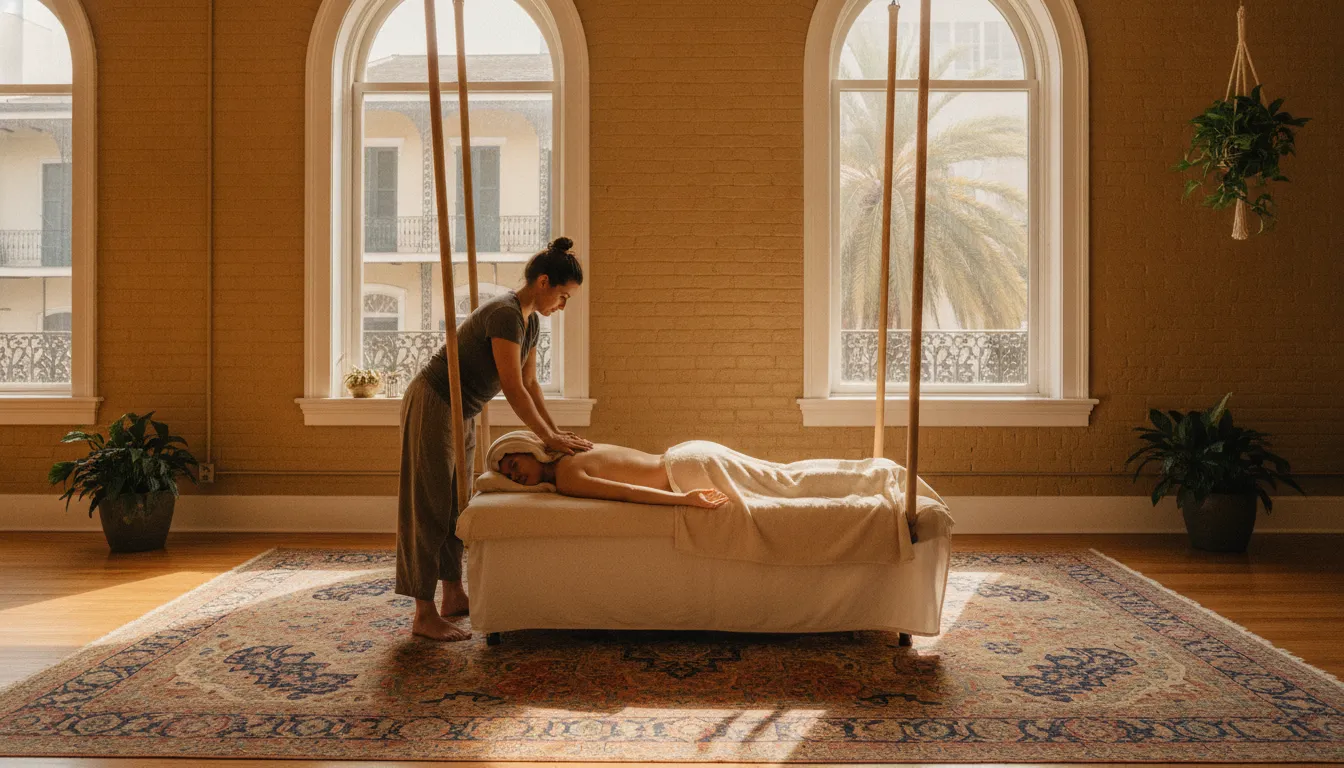
For an experience that delivers deep, consistent pressure without the sharp feeling of an elbow, there’s Ashiatsu. In this unique therapy, the massage therapist uses their feet to apply pressure, using overhead bars for balance and control. This allows for a broad, gliding pressure that can release tension in large muscle groups like your quads, hamstrings, and glutes in a way that hands simply can’t. Ashiatsu Deepfeet Bar Therapy is perfect for runners who need serious deep work, as it can help alleviate chronic tightness and pain with a comforting, sustained pressure that feels both powerful and relaxing.
Myofascial Release to Restore Mobility
Your muscles are wrapped in a thin web of connective tissue called fascia. When you train hard, this fascia can become tight and restricted, limiting your movement and causing discomfort. Myofascial release is a technique that uses gentle, sustained pressure to stretch and loosen this connective tissue. By freeing up the fascia, this method helps ease tension, improve circulation, and restore your body’s natural mobility. It’s a crucial tool for maintaining overall muscle health, improving your flexibility, and preventing the kinds of restrictions that can lead to injury down the road.
Finding Your Frequency: How Often to Get a Sports Massage
So, what’s the magic number? The truth is, there isn’t a single right answer for how often every runner should get a massage. The ideal frequency depends entirely on your training schedule, your goals, and how your body is responding. Think of it less as a strict rule and more as a dial you can turn up or down based on your activity level. A runner training for their first marathon has very different needs than someone who enjoys a few casual jogs a week. The key is to align your massage schedule with your training intensity to get the most out of every session. By understanding the different phases of training, you can create a smart massage plan that supports your running year-round.
For Peak Training: Aim for Weekly Sessions
When you’re pushing your limits—increasing your mileage, adding speed work, or in the final intense weeks before a race—your body is under a lot of stress. This is when a weekly massage can be a game-changer. Regular sessions help manage the micro-trauma and inflammation that build up in your muscles from hard, consistent effort. This frequency is crucial for alleviating muscle tension, improving circulation to tired tissues, and keeping you on track with your training plan. As one recommendation for athletes notes, getting a sports massage every week during periods of high training can significantly aid in preventing injuries and maintaining peak performance. A targeted deep tissue or Ashiatsu massage can work wonders here, helping you recover faster between runs so you feel stronger for the next one.
For Maintenance: Schedule Monthly Appointments
During your off-season or periods of lighter, more consistent training, you don’t need to come in as often. Scheduling a massage every three to four weeks is a great way to maintain your muscle health and address any underlying issues before they become problems. Think of it as proactive care for your body. These sessions are perfect for working out any lingering knots, correcting minor muscle imbalances that have developed over time, and maintaining your flexibility. A monthly massage ensures you stay in tune with your body, keeping your muscles pliable and ready for when you decide to ramp up your training again. It’s an investment in your long-term running health.
Listen to Your Body and Adjust as Needed
Above all, the most important rule is to listen to your body. The guidelines for peak and maintenance phases are just that—guidelines. You are the leading expert on how you feel. If you’re feeling unusually stiff, notice a persistent ache that lasts more than a couple of days, or just feel sluggish and heavy on your runs, it might be a sign you need a massage sooner rather than later. Don’t be afraid to book an appointment outside of your regular schedule. Building a relationship with a therapist who understands your body and your running goals is invaluable. They can help you interpret your body’s signals and tailor your massage services to exactly what you need at that moment.
Your First Sports Massage: What to Expect
Stepping into a massage studio for your first sports massage can feel a little mysterious, but there’s nothing to be nervous about. Think of it as a strategy session for your body, where you and your therapist team up to get you running at your best. A great sports massage is a collaborative effort focused on your specific training needs and goals. Let’s walk through what your first session will look like, so you can arrive feeling confident and ready for relief.
Choose a Therapist Who Understands Runners
Not all massages are created equal, and as a runner, you need a therapist who speaks your language. It’s vital to find someone who specializes in sports massage because they understand what your body goes through. They know the difference between general soreness and the first signs of IT band syndrome, and they can effectively target those problem areas. Our team is made up of highly trained and highly experienced therapists who have dedicated their careers to therapeutic massage. They’ll know exactly how to address the demands running puts on your muscles, from your glutes to your feet.
Prepare for Your First Appointment
A little prep work can help you get the most out of your massage. Make sure you’re well-hydrated, and wear comfortable, loose-fitting clothes. Most importantly, come ready to chat for a minute. Your therapist will want to know about your running routine, any upcoming races, and aches or pains you’re feeling. The more you share, the more they can customize the session to your body’s specific needs. This initial conversation is key to creating a treatment plan that helps you achieve your running goals and makes the most of your massage service.
Know the Difference Between Discomfort and Pain
So, is a sports massage supposed to hurt? The short answer is no, but you might feel some discomfort. When a therapist works on tight, knotted muscles, you’ll likely feel a deep, satisfying pressure. This is “therapeutic discomfort”—a sign that the muscle is releasing. However, you should never feel sharp pain. While some intensity is normal for tight areas, it shouldn’t cause bruising or make you jump off the table. Always tell your massage therapist if the pressure is too much. Open communication is essential, and a good therapist will adjust their technique to keep you comfortable while still being effective.
How Massage Tackles Common Running Ailments
Every runner knows the feeling: that nagging ache in your knee, the persistent tightness in your calves, or the general soreness that follows a long run. While these are common parts of the training process, they don’t have to derail your progress. Consistent massage therapy is one of the most effective ways to manage the physical demands of running. It goes beyond a simple feel-good treat and acts as a targeted treatment for the specific issues that runners face.
By working directly on the muscles, tendons, and connective tissues that take a beating on the road or trail, a skilled therapist can address problems at their source. Whether you’re dealing with a flare-up of an old injury or trying to manage day-to-day training fatigue, massage helps your body repair itself more efficiently. Think of it as essential maintenance for your body. Just as you tune up your car for a long road trip, regular therapeutic massage prepares your body for the miles ahead and helps it recover afterward, keeping you healthy, strong, and on track to meet your goals.
Soothe IT Band Syndrome and Shin Splints
If you’re a runner, you’ve likely heard of—or unfortunately experienced—IT band syndrome or shin splints. These painful conditions are often caused by repetitive stress and tight muscles pulling on connective tissues. Sports massage can directly address these issues by loosening the overworked muscles and fascia contributing to the problem. For IT band pain, your therapist can focus on releasing tension in your glutes and tensor fasciae latae (TFL) muscle. For shin splints, they can work on the muscles of your lower leg to relieve strain on the tibia. This targeted work improves flexibility and helps restore proper movement patterns, offering significant relief.
Address Chronic Tightness and Soreness
That familiar post-run muscle soreness, also known as delayed onset muscle soreness (DOMS), is a sign your muscles are adapting and getting stronger. However, chronic tightness can lead to imbalances and injury. Regular massage helps manage this by improving circulation, which flushes out metabolic waste products like lactic acid from your muscles. At the same time, this increased blood flow delivers more oxygen and nutrients to the muscle tissue, which reduces soreness and speeds up the body’s natural healing process. A deep, flushing massage can make the difference between feeling sluggish on your next run and feeling fresh and ready to go.
Relieve Mental and Physical Training Stress
Training for a race isn’t just physically demanding; it’s mentally taxing, too. The pressure to perform, the early morning alarms, and the sheer effort can add up. Massage provides a dedicated time to disconnect and let both your mind and body unwind. It has been shown to lower levels of cortisol (the stress hormone) while increasing serotonin and endorphins, which are natural mood enhancers. This hormonal shift doesn’t just feel good—it can improve your sleep quality, sharpen your focus, and reduce anxiety. By calming your nervous system, a great couples massage or solo session helps you recover more completely, ensuring you’re mentally prepared for your next big training block.
Related Articles
Frequently Asked Questions
Will a sports massage be painful? This is the number one question people have, and the answer is that it shouldn’t be painful, but it might feel intense. When your therapist works on a tight knot, you’ll likely feel a deep, focused pressure. We call this “therapeutic discomfort”—it’s the feeling of the muscle releasing tension. However, you should never feel sharp, shooting pain. Always speak up if the pressure is too much. A great therapist will adjust their technique to work effectively without causing you unnecessary pain.
I’m just a casual jogger, not a competitive runner. Is a sports massage still for me? Absolutely. A sports massage is beneficial for anyone who is active, regardless of their pace or distance. The repetitive motion of running affects your body whether you’re training for a marathon or just jogging a few miles through the park a couple of times a week. This type of massage helps address the specific muscle strain that comes from that motion, preventing minor aches from turning into bigger issues down the road.
What’s the real difference between a sports massage and a deep tissue massage? It’s easy to get these two confused. Think of it this way: deep tissue is a specific technique that uses firm pressure to target the deeper layers of muscle. A sports massage is a goal-oriented approach that often uses deep tissue techniques, along with others like stretching and trigger point therapy. The main difference is the goal. A sports massage is specifically designed to support your athletic activity by improving performance, preventing injury, and speeding up recovery.
I have a race this weekend. Is it too late to get a massage? For a deep, therapeutic massage, it’s best to schedule it at least three to five days before your race. This gives your muscles time to recover from the deep work so you feel fresh on race day. If you’re just a day or two out from your event, a very light, gentle massage focused on increasing circulation can still be beneficial, but you’ll want to avoid any intense, corrective work.
How long should my massage session be? For runners, a 90-minute session is often the most effective choice. This gives your therapist enough time to conduct a thorough assessment and provide focused work on key areas like your legs, hips, and back, while also addressing the rest of your body. If you’re short on time or just need to work on one specific problem area, like tight calves, a 60-minute session can also be very helpful.