
Let’s be honest: when I first heard about a massage where the therapist walks on your back, I was skeptical. But my first session made me a total convert. It was nothing like I expected—just a deep, grounding pressure that felt incredibly soothing and effective. As a therapist, I now see Ashiatsu Deepfeet Bar Therapy as a game-changer for so many of our clients. This post is for you if you’re curious but a little hesitant. I’ll share my personal and professional review, explaining what makes this modality so special and why it delivers results other massages simply can’t.
Key Takeaways
- It’s Deep Tissue, Reimagined: Ashiatsu delivers powerful, consistent pressure using the therapist’s feet, offering deep muscle release without the sharp, poky feeling sometimes associated with traditional deep tissue work.
- Expertise and Equipment Matter: For a safe and effective session, choose a therapist with a specific Ashiatsu certification, like DeepFeet, who uses a studio equipped with professional overhead bars for balance and control.
- Speak Up for a Perfect Session: Your comfort is the priority. Talk to your therapist before the session about your needs and feel empowered to give feedback on pressure at any point to ensure the massage is tailored perfectly for you.
What is Ashiatsu Deepfeet Bar Therapy?
If you’ve ever wished for a massage that could deliver deep, consistent pressure without the sharp discomfort of an elbow or thumb, you’re in the right place. Ashiatsu Deepfeet Bar Therapy is a unique and luxurious massage modality where the therapist uses their feet to deliver broad, flowing strokes. The name itself gives you a hint: in Japanese, “Ashi” means foot, and “Atsu” means pressure. It’s a powerful technique that provides one of the deepest, most relaxing massages you can experience, often described as a “deep tissue massage without the pointy parts.”
Understanding the Terminology: Ashiatsu Oriental Bar Therapy
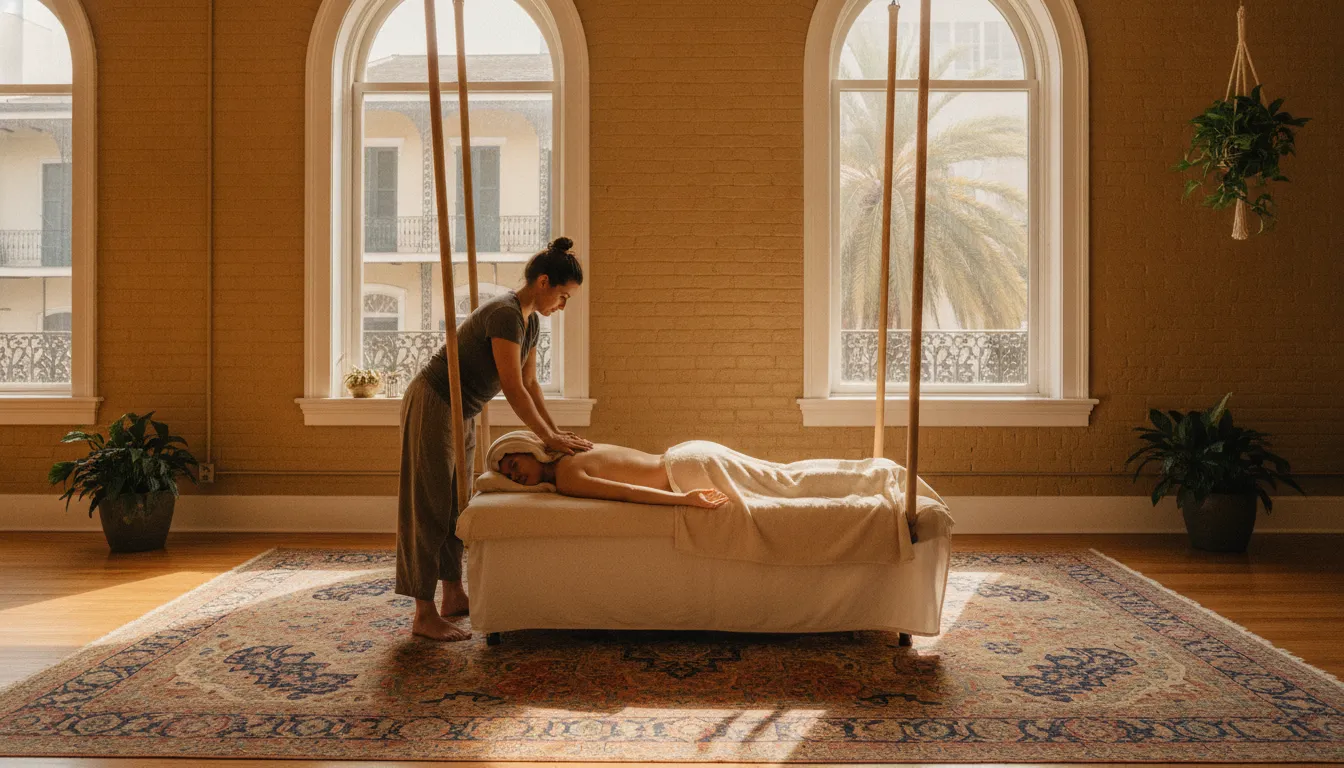
So, what’s behind the name? The term “Ashiatsu” comes from two Japanese words: “Ashi” (foot) and “Atsu” (pressure). It’s a modern take on ancient barefoot massage techniques that have been practiced in the East for thousands of years. The “Bar Therapy” part refers to the essential equipment used in the studio: a set of parallel bars mounted on the ceiling directly above the massage table. Your therapist holds onto these bars for balance and support, allowing them to gracefully use their body weight to apply deep, broad, and consistent pressure with their feet. This setup is key to the entire experience, as it gives the therapist complete control to adjust the pressure for your comfort, ensuring a massage that is both incredibly effective and perfectly safe. It’s this combination of ancient wisdom and modern technique that makes the therapy so unique.
Tracing Ashiatsu’s Ancient Roots
While cultures around the world have used their feet for healing for centuries, the modern technique we practice was developed by Ruthie Hardee. As a massage therapist, she found that delivering the deep tissue work her clients loved was taking a toll on her hands, wrists, and back. She needed a way to provide that satisfying, deep pressure sustainably. Her solution was Ashiatsu DeepFeet Bar Therapy, a method that uses gravity and the therapist’s body weight to create a deeply therapeutic experience for the client, without causing strain for the practitioner.
From Ancient Practice to Modern Western Adaptation
Ashiatsu isn’t a brand-new concept; its roots stretch back thousands of years across various cultures. Forms of massage using the feet have been practiced in places like India, Japan, and Thailand for centuries as a powerful healing art. These ancient traditions often involved the therapist using ropes or bamboo poles for balance while working on a client lying on a floor mat. The core idea has always been the same: using the feet and body weight to deliver deep, therapeutic pressure. This rich history laid the groundwork for the modern technique we use today, blending ancient wisdom with contemporary bodywork principles.
The major evolution from these ancient practices to the modern Western style is the use of parallel bars suspended from the ceiling. This is the “Bar Therapy” in Ashiatsu Deepfeet Bar Therapy. Instead of balancing with ropes or simply holding onto the wall, the therapist holds onto the overhead bars. This setup is a game-changer because it gives the therapist complete control over their balance, movement, and the amount of pressure they apply. It allows for long, gliding, uninterrupted strokes that can cover the entire length of a muscle group, something that’s much harder to achieve with hands or elbows. This adaptation makes the massage not only incredibly effective but also exceptionally safe for both the client and the therapist.
This fusion of ancient healing philosophy with modern equipment and anatomical knowledge is what makes Ashiatsu so powerful. It’s a refined technique that offers the depth of a deep tissue massage but with a broader, more comfortable pressure that many people prefer. It’s why specialized training and certification are so important—and why we’re proud to be the only certified Ashiatsu training center on the Gulf Coast. The technique respects its historical origins while using modern innovations to provide a truly unique and profoundly relaxing experience for anyone seeking relief from chronic pain and tension.
Why Your Therapist Uses Overhead Bars
When you picture a therapist using their feet, you might wonder how they stay balanced. That’s where the overhead bars come in. Your therapist holds onto a set of parallel bars mounted on the ceiling, giving them complete control and stability. These bars aren’t just for balance; they allow the therapist to precisely manage the amount of pressure they apply, from light and flowing to deep and specific. This setup ensures the entire massage is graceful, controlled, and tailored perfectly to your body’s needs, allowing you to fully relax into the treatment.
Ashiatsu vs. Traditional Massage: What’s the Difference?
The biggest difference between Ashiatsu and a traditional deep tissue massage is the quality of the pressure. Because the foot is broader and softer than a thumb or elbow, it can apply deep pressure over a larger surface area. This means you get the muscle-releasing benefits of a deep massage without the sharp, targeted pain that can sometimes cause you to tense up. Clients often describe the sensation as a luxurious, deep compression that melts away tension, lengthens the spine, and leaves them feeling incredibly relaxed and open.
Walking Through Your First Ashiatsu Session
If you’ve never had an Ashiatsu massage, you might be picturing something a little wild. I get it. But the reality is a controlled, luxurious, and deeply therapeutic experience. From the moment you walk in, our goal is to make you feel comfortable, heard, and cared for. Let’s walk through what your first session will look like, so you know exactly what to expect when you lie down on the table. It’s a unique therapy, but you’ll be in expert hands every step of the way.
The Pre-Session Chat: Setting Your Goals
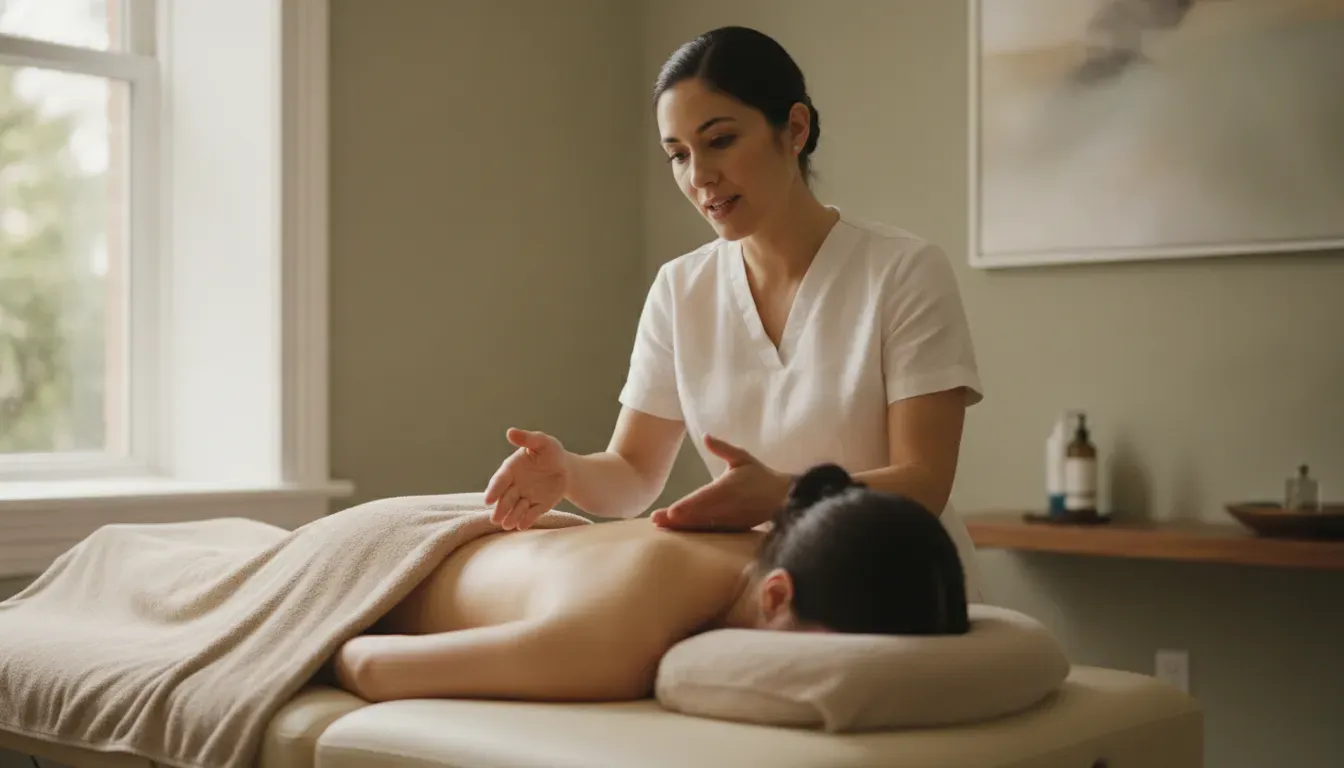
Your session begins before any massage oil is even poured. You’ll have a one-on-one consultation with your licensed massage therapist to talk about you. This is your time to share your health history, point out any areas of chronic pain or tension, and discuss what you hope to get out of the session. Are you dealing with nagging lower back pain? Training for a marathon? Or just need to decompress from a stressful week? The more you share, the better our dedicated team can tailor the massage specifically to your body’s needs, ensuring a safe and effective treatment.
What Happens on the Table
Once you’re settled on the massage table, comfortably draped, the real magic begins. Your therapist will use a set of parallel bars mounted on the ceiling for balance and support. This setup allows them to apply the perfect amount of pressure with their feet. You’ll feel slow, deep, gliding strokes that cover a much broader area than hands or elbows ever could. The pressure is consistent and feels incredibly grounding. This isn’t about sharp, poky pressure; it’s a deeply compressive technique that works to lengthen your spine and release tight muscles. The entire Ashiatsu Deepfeet Bar Therapy session is designed to feel both powerful and soothing.
Post-Massage Care: What to Do Next
When your session is over, take your time getting up. Most people feel a profound sense of relaxation and release. You might feel like your muscles are longer and your joints have more space. It’s common to feel a little “massage drunk,” so plan for a low-key rest of your day if you can. We always recommend drinking plenty of water afterward to help your body flush out any metabolic waste that was released from your muscle tissues. You might experience some mild soreness the next day, similar to how you’d feel after a good workout, which is a normal sign that your body is healing.
How to Ask for the Perfect Pressure
Your comfort is the top priority, and communication is key. While Ashiatsu is known for its deep pressure, it should never be painful. Your therapist will check in with you, but you should always feel empowered to speak up. If you need more or less pressure, just say the word. Our therapists are experts at adjusting their weight and technique to match your comfort level. And if at any point you decide the footwork isn’t for you, that’s completely fine. Our therapists are also skilled in traditional massage and can easily switch to using their hands for the remainder of your session.
Why You’ll Love Ashiatsu Therapy
If you’re looking for a massage that delivers serious results, Ashiatsu is a game-changer. It’s not just about feeling good for an hour; it’s about creating lasting change in your body. This unique therapy combines the deep, therapeutic pressure many of us crave with a surprisingly gentle and relaxing application. It’s a fantastic choice whether you’re an athlete needing to work out muscle imbalances, someone dealing with chronic pain, or you’re just carrying the weight of the world on your shoulders and need to let it go.
The magic of Ashiatsu Deepfeet Bar Therapy lies in how the pressure is applied. Using their feet and the aid of overhead bars for balance, your therapist can deliver long, flowing, and consistently deep strokes that cover a much larger area than hands or elbows ever could. This allows your muscles to relax and release without the sharp discomfort that can sometimes come with traditional deep tissue work. The result is a massage that feels both incredibly effective and deeply soothing, helping you find relief and relaxation all at once.
Experience Deep Pressure, Not Sharp Pain
Many people who love deep tissue work are familiar with the “good pain” that comes from a therapist using their elbows or thumbs to dig into a tight knot. But what if you could get that same deep release without the wincing? That’s the core promise of Ashiatsu. Because the therapist uses the broad, soft surface of their foot, the pressure is spread out more evenly. This allows them to sink deeply into the muscle tissue without creating the sharp, poky sensation you might get from a more focused tool. It’s the perfect way to get the intensity you need while your body stays relaxed.
Up to 3x Deeper Than Hands-On Massage
One of the most incredible benefits of Ashiatsu is its ability to deliver unparalleled depth. By using their feet and body weight, a skilled therapist can achieve pressure that is up to three times deeper than what’s possible with a traditional hands-on massage. This isn’t about brute force; it’s about physics. Gravity becomes a tool, allowing for long, flowing strokes that sink into the deepest layers of muscle tissue. This sustained compression is fantastic for releasing chronic tension, improving posture, and creating space in the spine. If you’re someone who always asks for more pressure, you’ll find that Ashiatsu therapy finally delivers the depth you’ve been looking for.
Less Post-Massage Soreness and Bruising
Here’s a common scenario: you get a deep tissue massage that feels great in the moment, but you’re left feeling sore or even bruised the next day. Ashiatsu offers a solution. While the pressure is incredibly deep, it feels much gentler because the foot provides a broader, softer surface than a pointy elbow or thumb. This distributes the pressure evenly, allowing your muscles to relax and accept the deep work without tensing up in defense. The result is profound muscle release without the post-massage tenderness, making it a more comfortable and enjoyable way to treat deep-seated knots and tension.
Go Deeper: Releasing Stubborn Muscle Knots
The broad, consistent pressure of Ashiatsu doesn’t just feel better—it works better, too. The long, gliding strokes can address an entire muscle group, like your hamstrings or the long muscles along your spine, in one smooth pass. This technique helps to lengthen and stretch tight muscles and fascia in a way that’s difficult to achieve with hands alone. By using gravity and their body weight, your therapist can more effectively target stubborn knots and adhesions, helping to release muscle problems more thoroughly and restore your body’s natural alignment and flexibility.
How Ashiatsu Helps Athletes Recover Faster
Whether you’re a dedicated athlete, a weekend warrior, or just someone who loves to stay active, your body takes a beating. Ashiatsu is an incredible tool for recovery and maintenance. It’s especially effective for athletes because it can work on a wider range of muscles and address deep-seated imbalances that can lead to injury. The deep, compressive strokes help to flush out metabolic waste, reduce muscle soreness, and increase flexibility. Regular sessions can help improve your range of motion and keep your body performing at its best, so you can keep doing what you love.
Targeting IT Band Pain and Scar Tissue
If you’re a runner or have an old injury, you’re probably all too familiar with the stubborn pain of IT band syndrome or the stiffness from scar tissue. These are the kinds of issues that can feel impossible to resolve, often resisting more conventional massage methods. This is exactly where Ashiatsu Deepfeet Bar Therapy makes a huge difference. The long, deep, gliding strokes are uniquely suited to stretch and loosen the entire iliotibial band, offering a type of relief that can be hard to find. That same sustained compression is also fantastic for breaking down adhesions from past injuries, helping to bring back flexibility and ease that chronic tightness. It’s about addressing the entire muscle group in one fluid motion, releasing that deep-seated tension more effectively than a thumb or elbow ever could.
Find Relief from Chronic Pain
Living with chronic pain can be exhausting, but Ashiatsu offers a powerful path toward relief. This therapy is particularly effective for conditions like lower back pain, sciatica, and general stiffness from postural strain. Ashiatsu massage helps release tight muscles and knots, which in turn can improve your flexibility and ease ongoing pain. The deep, sustained pressure encourages your muscles to let go of long-held tension, giving your body a chance to reset. For many, it’s a key part of managing discomfort and reclaiming a better quality of life.
Benefit from Spinal Decompression
If you spend your days hunched over a computer or a phone, you know that feeling of compression that settles into your spine. Ashiatsu offers a unique solution by using long, gliding foot strokes along the length of your back muscles, from your neck all the way down to your hips. This technique gently stretches and lengthens the spine, creating space between the vertebrae. As one expert notes, “Ashiatsu can help decompress your spine, which might relieve pinched nerves and back spasms.” It’s a deeply satisfying sensation that can counteract the daily effects of gravity and poor posture, leaving you feeling taller, lighter, and more open through your entire back.
Relief for Pinched Nerves, Back Spasms, and Disc Issues
That spinal decompression provides more than just a good stretch—it offers targeted relief. When vertebrae are compressed, nerves can become pinched, leading to sharp pain, numbness, or tingling. By creating space, Ashiatsu can alleviate that pressure on the nerve root. The deep, consistent pressure also has a calming effect on the central nervous system, which can help soothe hyperactive muscles and stop painful back spasms in their tracks. For those with certain disc issues, this gentle traction can reduce pressure and provide significant comfort, helping to manage symptoms and improve mobility.
Improve Circulation and Detoxification
Think of Ashiatsu as a full-body reset for your circulatory system. The deep, compressive strokes effectively push blood and lymphatic fluid through your body, improving flow and encouraging the removal of metabolic waste from your tissues. This process is key to healing. As one spa explains, “It helps blood flow, which lowers swelling that causes pain.” By reducing inflammation and delivering fresh, oxygen-rich blood to tired muscles, this therapy helps your body repair itself more efficiently. You’re not just relaxing your muscles; you’re actively supporting your body’s natural detoxification and recovery process.
Enjoy Longer-Lasting Results
One of the most common things we hear from clients is that the benefits of their Ashiatsu session seem to stick around longer than with other types of massage. This isn’t just a feeling; it’s a result of the technique’s depth and intensity. Because the therapist can work more deeply and consistently into the muscle tissue, they can release chronic tension and adhesions that other modalities might only touch on the surface. As a result, “the good feelings and effects tend to last for a longer time.” Your body is less likely to snap back into its old patterns of tightness, giving you sustained relief and a longer window of pain-free movement.
Finally Unwind: How Ashiatsu Calms Your Nerves
While Ashiatsu is known for its deep pressure, it is also profoundly relaxing. The rhythmic, flowing strokes have a calming effect on the nervous system, helping you shift from a state of stress to one of deep rest. It’s very effective at helping you relax deeply and reduce the mental and physical burdens of stress. This makes it a wonderful choice for anyone feeling overwhelmed or simply in need of a reset. It’s also a fantastic option for a couples massage, allowing you both to unwind and de-stress together.
How Does Ashiatsu Actually Work?
If you’ve only ever had a traditional hands-on massage, the idea of a therapist using their feet might seem unusual. But Ashiatsu is a highly refined and controlled practice that delivers incredible results. The technique is all about using gravity and broad, consistent pressure to achieve a deep, painless release. Your therapist isn’t just walking on your back; they are performing a precise, flowing, and deeply therapeutic massage.
At Nola Bliss, our therapists are experts in this art form. They combine their extensive knowledge of anatomy with the unique leverage Ashiatsu provides to address muscle tension in a way that hands simply can’t. Let’s break down exactly how this powerful technique works and what makes it so effective for relieving pain and stress.
The Secret to Controlled, Deep Pressure
The secret to a great Ashiatsu massage lies in the overhead bars. Your therapist holds onto these bars for balance, allowing them to gracefully adjust their weight and control the exact amount of pressure you receive. This setup gives them incredible stability and leverage, so they can apply deep, consistent pressure without the strain that can sometimes lead to shaky or uneven movements. Whether you need a lighter touch or the deepest pressure you’ve ever experienced, the bars enable your therapist to deliver it smoothly and safely throughout the entire session. This control is central to the Ashiatsu Deepfeet Bar Therapy we offer.
The Art of Footwork and Flow
One of the biggest differences you’ll notice with Ashiatsu is the feeling of the pressure itself. Instead of the pointed pressure from thumbs or elbows used in some deep tissue work, Ashiatsu uses the therapist’s foot to apply broad, sweeping strokes. Because the foot has a larger surface area, it spreads the pressure out more evenly, creating a sensation of deep compression without any sharp or uncomfortable poking. This allows for long, flowing, uninterrupted strokes that can span the entire length of your back or legs in one fluid motion, encouraging your muscles to relax and lengthen.
How Therapists Pinpoint Your Problem Areas
Ashiatsu is exceptionally effective because it can work on more muscle fibers at once than a traditional massage. The broad pressure from the foot covers a wider area, helping to address muscle problems more thoroughly. This makes it particularly powerful for large muscle groups like the glutes, hamstrings, and the complex layers of muscles in your back. By compressing and stretching the muscle tissue simultaneously, your therapist can release chronic tension, untangle stubborn knots, and improve your flexibility in a way that feels both comprehensive and deeply satisfying.
A Massage Tailored to Your Body
Like any therapeutic treatment, your Ashiatsu session is all about you. Before you get on the table, you’ll have a conversation with your therapist about your health history, any specific areas of pain or tension, and your goals for the session. This communication is key. Your therapist will use this information to tailor the massage specifically to your body’s needs, focusing on the areas that need the most attention and adjusting the pressure to your comfort level. Your feedback is always welcome, ensuring your massage service is as effective and comfortable as possible.
Understanding the Cost of an Ashiatsu Massage
When you’re exploring different types of massage, cost is naturally part of the equation. You’ll likely notice that Ashiatsu sessions are priced a bit higher than a standard Swedish or deep tissue massage, and there’s a good reason for that. This is a highly specialized modality that demands extensive training, specific studio equipment, and a significant level of skill from the therapist. It’s helpful to think of it as an investment in a more profound and effective therapeutic experience. The unique benefits, like deep, painless pressure and longer-lasting relief, often mean you’re getting more value and better results from your session.
Factors That Influence Pricing
Several key factors play into the price of an Ashiatsu session. First and foremost is the therapist’s expertise. This isn’t a technique someone learns in a weekend workshop; it requires dedicated, specialized certification to ensure both safety and effectiveness. The length of your session also matters, with longer appointments costing more. Your geographic location and the quality of the studio itself—including the investment in professional overhead bar systems—also influence the price. Finally, any customizations or enhancements you choose, like adding Hot Himalayan Salt Stones to your massage, will be reflected in the final cost. All these elements come together to ensure you receive a high-quality, therapeutic treatment from a skilled professional.
Getting Ready for Your First Ashiatsu Massage
Thinking about trying Ashiatsu for the first time? It’s an incredible experience, and a little preparation can help you get the most out of your session. Knowing what to expect will allow you to relax completely and let your therapist work their magic. From making sure it’s the right fit for your body to communicating your needs, here’s everything you need to know before you get on the table.
Is Ashiatsu Right for You?
If you love deep tissue massage but sometimes find the pointed pressure from elbows and thumbs to be too intense, Ashiatsu could be your perfect match. This technique is fantastic for anyone seeking relief from deep-seated muscle tension, chronic back pain, or tightness from an active lifestyle. Because the therapist uses the broad surface of their foot, they can deliver deep, consistent pressure that reaches the deepest muscle layers without the sharp discomfort some other methods can cause. It’s a deeply relaxing yet powerful therapy that leaves you feeling open and restored.
Health Conditions to Discuss with Your Therapist
Your safety and comfort are always the top priority. Before your session, it’s essential to be open about your health history with your massage therapist. Certain conditions may mean Ashiatsu isn’t the best choice for you right now. Be sure to let your therapist know if you have severe osteoporosis, high blood pressure, varicose veins, or any skin infections. You should also avoid this type of massage if you’ve had recent surgery or are pregnant (though we do offer a wonderful prenatal massage by hand!). When in doubt, it’s always a good idea to check with your doctor first.
What to Do Before You Arrive
Preparing for your Ashiatsu massage is simple. Make sure to drink plenty of water on the day of your appointment, as hydration helps your muscles respond better to the treatment. Try to avoid eating a heavy meal an hour or two before you arrive. It’s also helpful to show up about 10-15 minutes early. This gives you a moment to unwind, use the restroom, and fill out any necessary intake forms without feeling rushed. This quiet time helps you transition from the hustle of your day to a state of relaxation.
What Should You Wear?
This is a common question, and the answer is simple: your comfort is key. For an Ashiatsu massage, just like a traditional one, you’ll undress to your personal comfort level. Most people undress completely, while others prefer to leave their underwear on. Either option is perfectly fine. You will be discreetly covered by a sheet and blanket throughout the entire session, with only the area being worked on exposed. Your therapist will ensure you are securely and professionally draped at all times, so you can feel safe and relaxed on the table.
Key Things to Tell Your Therapist
Open communication is the secret to a great massage. Before the session begins, take a few minutes to talk with your therapist. Point out specific areas of pain or tension, and let them know what you hope to achieve with the massage. Don’t be shy about discussing your pressure preferences. During the massage, feel free to speak up if you’d like more or less pressure. Our dedicated team is here to tailor the session specifically to your needs, ensuring you have the best possible experience.
How to Find a Qualified Ashiatsu Therapist
Ashiatsu is a highly specialized massage technique that requires extensive training and skill. Unlike a standard deep tissue massage, the therapist is using their body weight and feet to deliver deep, consistent pressure, all while balancing from overhead bars. Because of this, finding a therapist who is not just licensed but also properly certified in Ashiatsu is key to having a safe, effective, and incredible experience.
Doing a little research beforehand can make all the difference. You want to find a practitioner who has invested in their education and truly understands the art and science behind this modality. A great Ashiatsu massage can provide unparalleled relief from chronic pain and tension, but an inexperienced one can be ineffective or uncomfortable. Taking a few extra steps to vet your therapist and studio ensures you get the amazing results you’re looking for.
Why DeepFeet Certification Matters
When searching for an Ashiatsu therapist, the most important credential to look for is a certification from DeepFeet Bar Therapy. This is the original and most reputable training organization for this modality in the United States. A DeepFeet certification means the therapist has completed rigorous, hands-on training focused on safety, sanitation, contraindications, and the specific strokes that make Ashiatsu so effective. It’s a sign that they are dedicated to their craft and qualified to provide this unique service. Here at Nola Bliss, we are proud to be the only certified Ashiatsu training center on the Gulf Coast, so we know firsthand what goes into becoming a skilled practitioner.
A Community of Over 40,000 Graduates Worldwide
When you get an Ashiatsu massage, you’re benefiting from more than just one therapist’s skill; you’re tapping into a global standard of excellence. This technique is supported by a huge community of over 40,000 therapists worldwide who have graduated from the official DeepFeet program. This isn’t just a weekend course; it’s an intensive training that sets a high bar for safety and professionalism in barefoot massage. For you, this means you can feel confident that your therapist is part of a network dedicated to providing a consistent, safe, and incredibly effective experience.
This large, dedicated community ensures the quality of Ashiatsu continues to grow, with practitioners sharing knowledge and refining the practice. It’s a commitment to the craft that directly benefits you as the client. Knowing your therapist has met these rigorous standards provides peace of mind, allowing you to fully relax into the treatment. It’s this dedication to excellence that makes us so proud to be part of the Ashiatsu community and to offer this specialized therapy to our clients here in New Orleans.
Key Questions to Ask Your Therapist
Don’t be shy about asking a potential therapist about their background. A confident and qualified practitioner will be happy to share their experience with you. Inquiring about their training can help you feel more comfortable and ensure you’re in good hands.
Consider asking questions like:
- Where did you complete your Ashiatsu training?
- How long have you been practicing this specific modality?
- What kind of results have your clients experienced?
These simple questions can give you valuable insight into their expertise and passion for Ashiatsu Deepfeet Bar Therapy, helping you make an informed decision.
What to Look for in a Studio
The studio environment itself can tell you a lot about the quality of the service. A professional studio offering Ashiatsu will have a dedicated room with sturdy, professionally installed overhead bars. This is non-negotiable for safety. Look for a clean, calm, and welcoming space that prioritizes therapeutic treatments over superficial spa services. A studio that clearly lists Ashiatsu as a specialty, rather than just another item on a long menu, is often a good sign. It shows they have invested in the proper equipment and have therapists on staff who are truly passionate and experienced in this powerful technique.
Safety First: Red Flags to Watch For
Your safety and comfort are the top priorities. Before your session begins, a qualified therapist will conduct a thorough intake to discuss your health history, any current injuries, and your goals for the massage. It’s crucial to be open and honest about any conditions you may have, such as high blood pressure, osteoporosis, or recent surgeries, as Ashiatsu may not be suitable for everyone. This pre-session consultation is a vital part of the process. It allows the therapist to customize the treatment for your specific needs and ensures you can fully relax, knowing you are receiving a safe and effective massage.
Making Ashiatsu Part of Your Wellness Plan
Once you experience the incredible release of an Ashiatsu massage, you’ll likely want to make it a regular part of your life. Moving beyond a one-time treat and incorporating Ashiatsu into your wellness routine can have lasting benefits for your body and mind. The key is finding a rhythm that works for you and supports your long-term health goals. By thinking strategically about frequency and how it complements your other self-care practices, you can create a sustainable plan for feeling your best.
How Often Should You Get an Ashiatsu Massage?
The ideal frequency for Ashiatsu massage really depends on your personal needs and what you hope to achieve. If you’re working through chronic pain or recovering from an injury, you might find that weekly sessions are most effective at the start. For general maintenance and stress management, a monthly session could be the perfect way to reset your system. The best approach is to start with one session and see how your body responds. From there, you can have a conversation with your therapist to create a personalized treatment plan. They can offer professional guidance based on your body’s feedback and your wellness goals, helping you find that sweet spot for consistent relief.
Can You Combine Ashiatsu with Other Therapies?
Ashiatsu works beautifully on its own, but it can also be a powerful component of a broader wellness strategy. Because it delivers deep, consistent pressure without the pointed intensity some people dislike in traditional deep tissue, it’s an excellent option for releasing large muscle groups in your back, glutes, and legs. You might consider alternating Ashiatsu with other modalities. For instance, you could pair a monthly Ashiatsu session for broad, deep work with a more focused Swedish or deep tissue massage to address smaller, specific areas of tension. It also complements activities like yoga, Pilates, and regular stretching by helping to improve flexibility and reduce muscle soreness.
Creating Your Long-Term Ashiatsu Plan
Viewing massage as an essential part of your health care, rather than an occasional indulgence, is a powerful shift. Consistent Ashiatsu therapy is an investment in your long-term well-being. Regular sessions can help prevent injuries, manage chronic conditions, and keep stress levels in check before they become overwhelming. Think of it as proactive maintenance for your body. Building a relationship with a trusted therapist is a key part of this process. The dedicated team at Nola Bliss is passionate about helping clients create sustainable wellness plans that adapt to their changing needs, ensuring you get the most out of every single session.
For Therapists: Is Ashiatsu Training a Good Investment?
If you’re a massage therapist, you know the physical toll this rewarding career can take. The constant demand for deeper pressure can lead to strain on your hands, wrists, and back, potentially shortening your career. What if there was a way to deliver the deep, gliding pressure your clients crave without sacrificing your own body? That’s where Ashiatsu comes in. Investing in Ashiatsu training isn’t just about adding another modality to your list; it’s a strategic move to build a more sustainable, effective, and fulfilling practice. It allows you to work smarter, not harder, while offering clients an experience they can’t get just anywhere.
How to Get Your Ashiatsu Certification
Ashiatsu DeepFeet Bar Therapy is a unique modality where you use your feet to deliver long, flowing, and deep strokes. To maintain balance and carefully control the pressure, therapists use a set of overhead bars. Becoming a certified Ashiatsu therapist involves dedicated training where you learn the specific techniques, safety protocols, and body mechanics required to perform this work effectively. The certification process ensures you have the confidence and skill to provide a safe and deeply therapeutic massage. As the only certified Ashiatsu training center on the Gulf Coast, we guide therapists through every step of this transformative journey, from foundational footwork to advanced techniques.
DeepFeet Course Options: From Basics to Advanced
Getting started with Ashiatsu doesn’t mean you have to learn everything at once. The training is designed to build your skills progressively, starting with the fundamentals. Initial courses focus on the essential posterior strokes, teaching you how to safely and effectively use your body weight and footwork. As you gain confidence, you can move on to more advanced classes that cover anterior and side-lying positions, allowing you to offer a comprehensive, full-body Ashiatsu session. This structured approach ensures you master the core principles before expanding your technique, with a curriculum that is always evolving to include the newest and safest methods in the field.
Flexible Training Formats: In-Person and Virtual
Life as a massage therapist is busy, and finding time for continuing education can be a challenge. That’s why DeepFeet training is offered in flexible formats to fit your schedule. You can choose intensive, in-person courses for a hands-on learning experience with direct feedback from an instructor. If you need more flexibility, online virtual courses provide the same expert instruction through a combination of digital resources and weekly live video calls with your teacher. This blend of learning styles makes it possible to gain this career-saving skill whether you can travel for a workshop or need to learn from your own home studio.
Ashiatsu Training on the Gulf Coast at Nola Bliss
For therapists in our region, you don’t have to travel far to receive world-class instruction. Nola Bliss Massage is proud to be the only certified training center for Ashiatsu Deepfeet Bar Therapy on the entire Gulf Coast. When you train with us, you’re learning from passionate experts who use this modality every single day in a thriving professional practice. We guide you through the rigorous, hands-on curriculum that focuses on safety, proper body mechanics, and the specific, effective strokes that define this therapy. It’s an opportunity to invest in your career, save your hands, and learn a skill that will set you apart in the industry.
How Ashiatsu Can Grow Your Practice
One of the most significant benefits of Ashiatsu training is career longevity. This modality helps you avoid the overuse injuries that often plague massage therapists. By using your body weight and gravity, you can provide consistent, deep pressure without straining your joints. This is a game-changer for therapists who struggle to meet the demands of clients asking for more pressure during a traditional deep tissue massage. Learning Ashiatsu Deepfeet Bar Therapy allows you to save your hands and extend your career, all while giving clients the profound, pain-relieving results they’re looking for. It’s a technique that truly benefits both the giver and the receiver.
Adding Ashiatsu to Your List of Services
In a competitive market, offering a specialized service like Ashiatsu can set you apart. It’s a powerful way to attract new clients, particularly those who feel that regular massages don’t provide enough pressure or relief. Athletes, individuals with dense muscle tissue, and chronic pain sufferers are often ideal candidates for Ashiatsu. By adding this to your massage services, you position yourself as an expert in deep tissue work and can often command a higher price for your specialized skills. It diversifies your offerings and demonstrates a commitment to providing the most effective therapies available, making your practice a destination for clients seeking serious results.
The Importance of Continuing Education
Every therapist needs continuing education credits, so why not use them to learn a skill that can redefine your career? Ashiatsu training is an incredible way to fulfill your CE requirements while gaining a highly marketable and body-saving modality. Modern training programs have evolved to accommodate therapists of various fitness levels, with options for both in-person and online learning to fit your schedule. Investing in your education with a skill like Ashiatsu shows a dedication to your craft and keeps you at the forefront of the massage therapy field. It’s more than just a class—it’s an investment in your future.
Connecting with the DeepFeet Practitioner Network
Once you complete your training, you’re not just handed a certificate and sent on your way. You become part of a large and supportive professional community. With over 40,000 graduates worldwide, the DeepFeet practitioner network is an incredible resource for continuing your growth as a therapist. This community offers a space to share experiences, ask questions, and learn from others who are just as passionate about this modality as you are. Being connected to this network means you have ongoing support long after your initial training is complete, helping you refine your skills and stay current with best practices in the field. It’s a powerful way to build confidence and feel connected within this specialized niche of massage therapy.
Related Articles
- Ashiatsu | Nola Bliss Massage Therapy
- Massage Services | Nola Bliss Massage Therapy
- Workshops | Nola Bliss Massage Therapy
- About Us | Nola Bliss Massage Therapy
- Home | Nola Bliss Massage Therapy
Frequently Asked Questions
Is Ashiatsu massage painful? Not at all. While the pressure is deep, it shouldn’t be painful. The goal is to provide a therapeutic release without the sharp, targeted discomfort that can sometimes come from an elbow or thumb. Because your therapist uses the broad, soft surface of their foot, the pressure feels more like a deep, grounding compression that allows your muscles to relax and let go.
How is this different from someone just walking on my back? This is a highly controlled and sophisticated therapy, not just someone walking on you. Our therapists use overhead bars for balance and support, which allows them to precisely manage the amount of pressure they apply. They have undergone extensive, specialized training to learn the specific strokes and techniques that make Ashiatsu both safe and incredibly effective.
What if I find the foot pressure isn’t for me during the session? Your comfort is our top priority, and you are always in control of your session. If at any point you feel the pressure is too much or you simply prefer a different touch, just let your therapist know. Our therapists are skilled in a variety of techniques and can seamlessly switch to using their hands to ensure you have a relaxing and beneficial experience.
Can I get an Ashiatsu massage if I’m pregnant? Due to the deep, compressive nature of the strokes, Ashiatsu is not recommended during pregnancy. However, we offer a wonderful prenatal massage performed by hand that is specifically designed to address the aches and pains of pregnancy safely and effectively. We can help you find the perfect treatment for this special time.
Can Ashiatsu be done as part of a couples massage? Yes, absolutely! A couples massage is all about sharing an experience, but that doesn’t mean you both have to get the exact same service. One person can enjoy an Ashiatsu massage while the other chooses a traditional Swedish or deep tissue massage. We can customize the session so that each of you gets the perfect treatment to meet your individual needs.