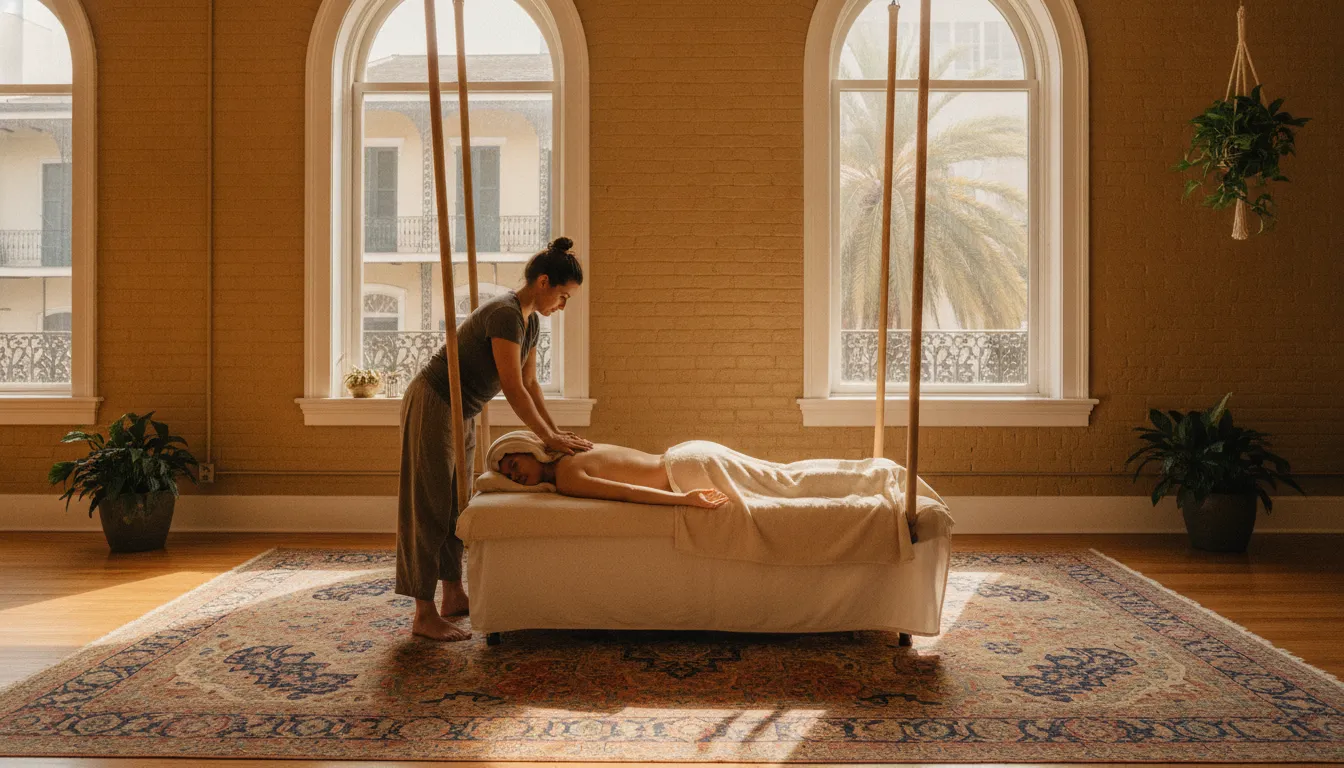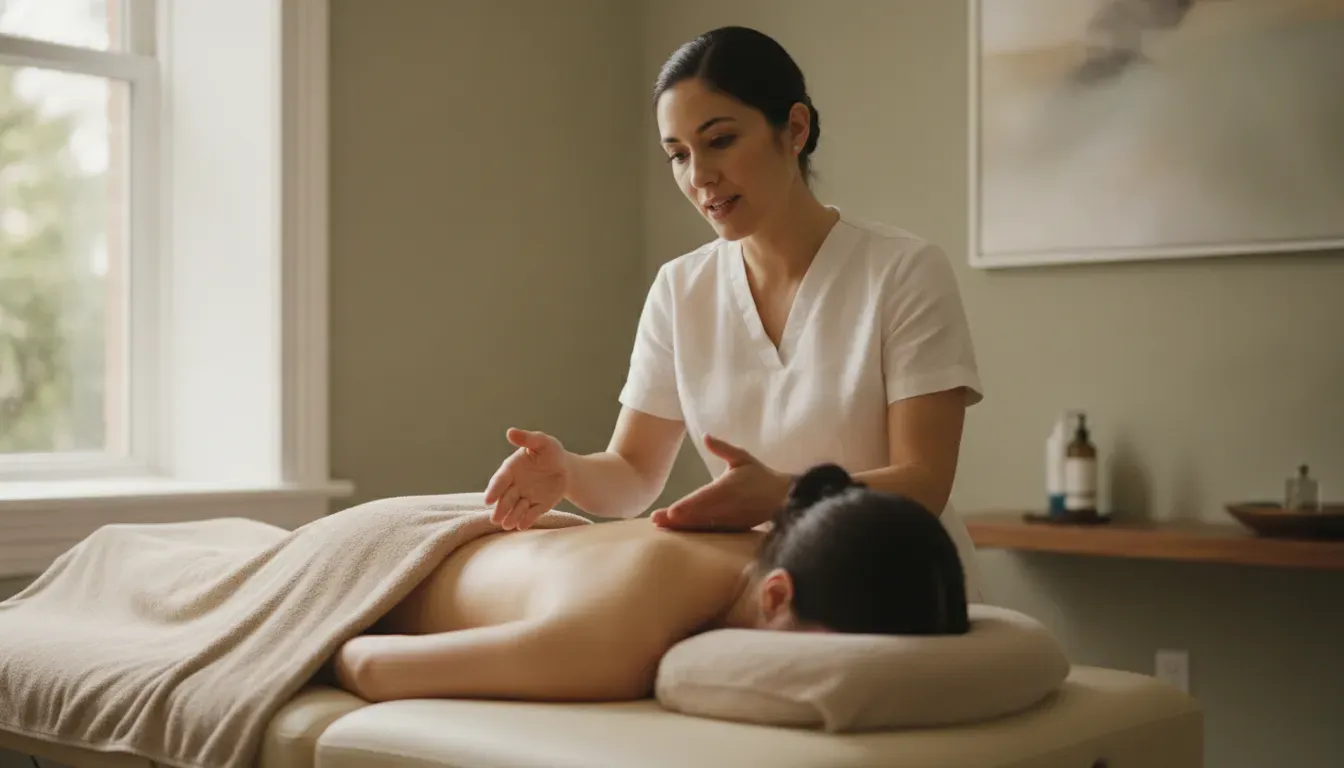

Heard of a massage where the therapist uses their feet? It might sound unusual, but Ashiatsu is a sophisticated and powerful form of bodywork. A professionally trained Ashiatsu therapist uses overhead bars for perfect balance, allowing them to apply deep, consistent pressure with their feet. Forget sharp elbows. The broad surface of the foot provides a luxurious, gliding compression that melts away tension. It’s a game-changer for anyone with chronic back pain or stubborn muscle tightness. This unique barefoot technique delivers profound results, but finding the right practitioner is key to a great experience.
Key Takeaways
- Get Deep Relief, Not Sharp Pain: Ashiatsu delivers the deep tissue results you want by using the therapist’s feet for broad, gliding pressure. This unique approach allows your muscles to relax into the work without the discomfort of pointed elbows or thumbs.
- Prioritize Specialized Training: Not all massage therapists are trained in Ashiatsu, so it’s essential to find a practitioner with specific certification. A professional will always use overhead bars for balance and safety, ensuring a controlled and effective session.
- Communicate for the Best Results: Your experience is a partnership. Speak openly with your therapist about your goals and pressure preferences, and remember to hydrate before and after your appointment to help your muscles fully benefit from the deep work.
So, What Exactly Is Ashiatsu Massage?
If you’ve ever wished for deeper, more consistent pressure during a massage, you might be the perfect candidate for Ashiatsu. In short, Ashiatsu massage is a unique form of bodywork where the therapist uses their feet to deliver deep, gliding strokes. The name comes from the Japanese words “ashi” (foot) and “atsu” (pressure). This isn’t just someone walking on your back; it’s a highly skilled technique where therapists use overhead bars for balance. According to Float Wellness Spa, “Ashiatsu massage is a deep tissue technique used to provide pressure on the muscles to help elongate them.” The broad surface of the foot allows for a deeper, more comfortable compression to relieve muscle tension.
The Ancient Roots of Ashiatsu
While it might seem like a modern spa novelty, Ashiatsu is anything but new. Its name, which translates from Japanese to “foot” (ashi) and “pressure” (atsu), points to its origins as an ancient healing art. For centuries, practitioners have understood that the foot provides a broader, more comfortable surface for applying deep, consistent pressure. This allows the therapist to sink deeper into muscle tissue to melt away tension and improve circulation without the sharp, poky feeling that can sometimes come with elbows or thumbs. This time-tested method has been refined over generations, evolving into the sophisticated, bar-assisted technique we use today to deliver profound, full-body relief.
How Does Barefoot Massage Actually Work?
The magic of Ashiatsu lies in how the therapist applies pressure. Instead of using hands or elbows, the focus is on the feet. As one source explains, “Unlike traditional massages that utilize hands, forearms, and elbows, Ashiatsu focuses on the use of the feet.” Therapists hold onto ceiling-mounted bars for complete control over their balance and pressure. This setup allows them to use their body weight to deliver long, flowing, and deeply compressive strokes. The result is consistent pressure that covers a much larger area than a thumb or elbow ever could, making it incredibly effective for treating tight muscles.
Ashiatsu vs. Deep Tissue: What’s the Difference?
While both Ashiatsu and traditional deep tissue massage aim to relieve muscle tension, the feeling is quite different. The main distinction is the tool—the foot versus the hand. The broad, padded surface of the foot provides a much more comfortable form of deep pressure. Spa Theory notes that “the broad, deep pressure of Ashiatsu can reach layers of muscle that are often difficult to access with traditional massage techniques.” Many people find Ashiatsu provides deeper relief without the sharp discomfort that can come with a standard deep tissue massage.
Common Ashiatsu Myths, Busted
A few misconceptions sometimes make people hesitant to try Ashiatsu, so let’s clear them up. First is the myth that it’s only for athletes or people with a high pain tolerance. This isn’t true. In reality, “Ashiatsu can be tailored to suit various comfort levels,” making it a great option for many. Another common fear is that the therapist will just be walking on your back. As one expert puts it, some clients assume “you are going to be walking on their back.” This is not the case. Ashiatsu is a precise, controlled therapy where the therapist uses overhead bars for support, ensuring every movement is intentional and safe.
What Can Ashiatsu Massage Do for You?
If you’re a fan of deep tissue massage but have always wished for a more consistent, less “poky” pressure, Ashiatsu might be exactly what you’re looking for. This unique modality offers a host of benefits that set it apart from traditional hands-on massage. By using their feet and body weight, a skilled therapist can deliver a depth of pressure that is both incredibly effective and surprisingly comfortable. The long, gliding strokes help to soothe the nervous system while simultaneously reaching deep into layers of muscle and connective tissue.
The result is an experience that feels both intensely therapeutic and deeply relaxing. It’s a fantastic option for anyone dealing with chronic back pain, tight hips and shoulders, or general muscle soreness. Whether you’re an athlete, a desk worker, or just someone carrying the weight of daily stress, the unique approach of Ashiatsu Deepfeet Bar Therapy can provide profound relief. It’s more than just a massage; it’s a way to reset your body, improve your posture, and find lasting comfort.
Get Deeper Pressure, Minus the Pain
One of the biggest draws of Ashiatsu is its ability to provide deep, consistent pressure without the discomfort that can sometimes come from a therapist’s elbows, knuckles, or thumbs. The therapist uses the broad, soft surface of their feet to apply pressure, which feels much more comfortable and less invasive. This technique allows your muscles to relax and accept the deep work more readily. Instead of bracing against a sharp point, your body can melt into the long, flowing strokes, making it a perfect choice for those who crave deep tissue work but are sensitive to pointed pressure.
Find Lasting Relief and Improve Circulation
Have you ever left a massage feeling great, only to have the tension creep back in a day or two later? Ashiatsu massages often have longer-lasting effects than other styles. The sustained, deep compression helps to improve circulation and flush out metabolic waste from sore, tired muscles. This process encourages healing and can provide significant relief from chronic pain and stiffness. The broad pressure also helps to lengthen and stretch tight muscles and fascia, creating a sense of openness in the body that can last for days after your session.
Melt Away Stress and Truly Relax
While Ashiatsu is known for its deep therapeutic work, it’s also incredibly relaxing. The therapist’s smooth, gliding strokes have a calming effect on the central nervous system. This helps shift your body out of a “fight-or-flight” state and into a “rest-and-digest” mode, where true healing can happen. The consistent and rhythmic pressure provides a sense of security, allowing both your mind and body to let go of stress and tension. Many clients find they enter a meditative state during an Ashiatsu session, leaving them feeling refreshed and mentally clear.
Increase Your Flexibility and Range of Motion
If you feel stiff, tight, or restricted in your movements, Ashiatsu can make a world of difference. The broad, deep pressure can reach layers of muscle that are often difficult to access with traditional massage techniques. By lengthening the spine and stretching shortened muscle groups, Ashiatsu helps to improve posture and increase your overall flexibility. This is especially beneficial for athletes or anyone who spends long hours sitting at a desk. By releasing adhesions in the muscles and connective tissues, you can regain a greater range of motion and move with more ease and freedom.
Who Can Benefit from Ashiatsu Massage?
Ashiatsu is surprisingly versatile and can be adapted for a wide range of people and needs. While it’s famous for its deep pressure, it’s not just for those with a high pain tolerance. It’s a fantastic option for anyone who loves the results of deep tissue work but prefers a broader, more consistent pressure that feels less invasive. From dedicated athletes looking to speed up their recovery to office workers dealing with chronic back pain from sitting all day, this technique offers a unique path to relief. The key is communication with your therapist, who can adjust the pressure to meet your specific goals and comfort level.
Ideal for Athletes and Active Individuals
Ashiatsu massage is incredibly popular with athletes and anyone leading an active lifestyle, and for good reason. If you regularly push your body through intense workouts, you know how muscle soreness and tightness can slow you down. The broad, gliding pressure applied through the therapist’s feet allows for a deep and consistent treatment across large muscle groups like the hamstrings, quads, and back. This approach helps to flush out metabolic waste, reduce inflammation, and lengthen tight muscles more efficiently than smaller tools like thumbs or elbows. This makes Ashiatsu an excellent choice for enhancing recovery and maintaining peak performance.
A Solution for Chronic Pain Sufferers
If you’re someone who deals with chronic pain, you might feel like you’ve tried everything. Ashiatsu offers a different approach that can provide profound and lasting relief. The sustained, deep compression improves circulation, encouraging healing in sore, tired muscles. For those with conditions like sciatica or chronic low back pain, the broad pressure helps to lengthen and stretch tight muscles and fascia without the sharp, “poky” feeling that can sometimes cause the body to tense up. This creates a sense of openness and relief that can last for days, helping you manage your pain and move with greater ease.
How to Find a Qualified Ashiatsu Therapist
Ashiatsu is a powerful and specific massage modality, so finding a therapist who is properly trained is essential for a safe and effective session. Unlike a standard Swedish or deep tissue massage, this technique requires specialized education to master. Taking a little time to find the right person ensures you get all the incredible benefits this therapy has to offer. Here’s a straightforward guide to finding a skilled Ashiatsu therapist you can trust.
Start with Online Directories and Certifications
A great first step is to look through online directories dedicated to massage therapy. Some platforms specifically list practitioners by their specialties, making it easy to find therapists trained in Ashiatsu. Look for credentials from reputable training programs, as this confirms the therapist has completed a structured, in-depth course. For example, you can find a therapist through directories that list graduates of certified programs. This is a simple way to narrow your search to professionals who have invested in the proper education for this unique barefoot massage technique.
Ask Friends and Colleagues for Referrals
Sometimes the best recommendations come from people you already know and trust. Ask friends, family members, or colleagues if they have any experience with Ashiatsu massage. You might be surprised who has a great therapist to recommend. You can also ask other wellness professionals for a referral. Your chiropractor, physical therapist, or even your regular massage therapist may know a skilled Ashiatsu practitioner in the area. A personal recommendation often points you toward a professional who is not only skilled but also provides a great client experience.
Always Read Reviews and Verify Credentials
Once you have a few names or studios in mind, spend some time reading online reviews. Client testimonials on sites like Google or Yelp can offer honest insight into what you can expect from the therapist’s style and the studio’s atmosphere. Beyond reviews, check the studio’s website to verify the therapist’s credentials. A professional studio will proudly share information about their team’s training and experience. Our team of therapists at Nola Bliss, for instance, has dedicated their careers to the practice of therapeutic massage, including extensive Ashiatsu training.
Key Questions to Ask Before You Book
Don’t hesitate to call the studio and ask a few questions before you book your appointment. This is your chance to make sure the therapist is the right fit for your needs. A professional will be happy to discuss their background and approach with you.
Consider asking questions like:
- Where did you receive your Ashiatsu certification?
- How many years have you been practicing Ashiatsu massage?
- How do you customize the pressure and technique for each client?
Asking these questions helps you gauge their experience and ensures you feel comfortable and confident before your session.
What Makes a Great Ashiatsu Therapist?
Once you’ve decided to try Ashiatsu, the next step is finding a therapist who is not only qualified but also the right fit for you. This is a crucial step because the quality of your experience depends entirely on the skill and expertise of the person providing the massage. Think of it like choosing any other specialist—you want someone who has dedicated their career to mastering this specific craft, not just someone with a general massage license. Because Ashiatsu involves the therapist using their body weight, trust and safety are paramount. A great practitioner will have specialized training, a professional approach that makes you feel comfortable, and the ability to tailor the session to your needs. They will take the time to understand your goals, explain the process, and use their knowledge to deliver a session that is both deeply relaxing and effective. Taking a few extra minutes to vet your options is the best way to ensure you can fully relax on the table, knowing you’re in the hands of a true professional. This careful selection process is the first step toward a fantastic and healing experience.
Look for Proper Certification and Training
Ashiatsu is a highly specialized modality that requires training far beyond what’s covered in a standard massage therapy program. Before booking, you should always confirm that the therapist has received certification from a reputable Ashiatsu training center. This ensures they have learned the correct techniques, safety protocols, and contraindications specific to this barefoot massage style. A properly trained therapist knows how to use their body weight and the overhead bars to deliver consistent, deep pressure safely. Don’t hesitate to ask a studio or therapist about their specific Ashiatsu training and credentials; a confident and qualified practitioner will be happy to share them.
The Role of Certified Training Centers
Because Ashiatsu is such a specialized practice, the quality of a therapist’s education matters immensely. Certified training centers provide the structured, hands-on learning necessary to master this technique safely and effectively. These programs go far beyond a weekend workshop, covering anatomy, contraindications, and the precise body mechanics required to apply pressure with the feet. In fact, Nola Bliss Massage is the only certified training center for Ashiatsu Deepfeet Bar Therapy on the Gulf Coast. This commitment to education ensures that any therapist with this credential has a deep understanding of the modality, giving you peace of mind that you are in capable and knowledgeable hands.
A Holistic Approach to Healing
A truly great massage therapist does more than just work on your muscles; they take a holistic approach to your well-being. This means they see you as a whole person and understand that physical tension is often connected to mental and emotional stress. A skilled practitioner creates a space where you can fully unwind, addressing not just the symptoms of your discomfort but also helping to soothe your nervous system. They listen to your concerns and use their expertise to facilitate healing on multiple levels. This focus on treating the mind and body together is what transforms a good massage into a truly therapeutic and restorative experience.
The Importance of Intuition and Experience
While certification provides the essential foundation, the mark of an exceptional therapist is their experience and intuition. Over years of practice, a therapist develops a keen sense of touch that allows them to “listen” to what your body needs, even without you saying a word. They can feel subtle shifts in muscle tension and adjust their pressure and technique accordingly. This intuitive approach is what makes a session feel completely customized to you. It’s the difference between a routine massage and a transformative one. At Nola Bliss, we pride ourselves on having a dedicated team of highly experienced therapists who combine their technical skill with this intuitive touch to provide profound, lasting relief.
Why Experience and Safety Protocols Matter
While certification is the first step, experience is what hones a therapist’s skill. An experienced Ashiatsu practitioner has a more intuitive understanding of how to apply pressure and adapt the technique to different body types and needs. Look for a therapist who has been practicing for several years and considers Ashiatsu a core part of their work. You can often get a sense of this by reading client reviews. Pay attention to safety as well. A professional Ashiatsu setup always includes sturdy overhead bars, which the therapist uses for balance and to regulate the amount of pressure applied. This system is essential for both your safety and the effectiveness of the treatment.
A Clean, Professional Studio Is a Must
The environment of the massage studio plays a huge role in your overall experience. The space should be impeccably clean, peaceful, and professional. This is a key indicator of the studio’s commitment to client health and well-being. From the moment you walk in, you should feel welcomed and at ease. A professional therapist will also prioritize your comfort during the session through proper draping techniques and clear communication, ensuring you feel respected and secure. The team at a reputable studio will always put your comfort and safety first, creating a truly therapeutic atmosphere where you can fully relax.
Red Flags to Watch For
As you search, there are a few red flags to keep in mind. Be cautious of any therapist who is vague about their training or certification. A true professional will be transparent about their qualifications. Another warning sign is a practitioner who makes sweeping claims, such as suggesting Ashiatsu is perfect for everyone without a proper consultation. A skilled therapist knows this technique has contraindications and will conduct a thorough intake to ensure it’s a safe choice for you. Finally, trust your gut. If a studio feels unclean or the therapist’s communication makes you uncomfortable, it’s best to look elsewhere.
Your First Ashiatsu Session: How to Prepare
You’re ready to try Ashiatsu—that’s fantastic! It’s a truly unique and effective form of massage. To make sure your first experience is as relaxing and beneficial as possible, it helps to know what to expect. A little preparation goes a long way in helping you feel comfortable and confident walking into the studio. From understanding the investment to knowing what to ask, here are a few key things to consider before your first barefoot massage session.
How Much Does Ashiatsu Cost?
The price for an Ashiatsu massage can vary quite a bit depending on your location and the therapist’s level of expertise. Because it’s a specialized modality that requires advanced training, you can expect it to be priced as a premium service. At Nola Bliss, our Ashiatsu Deepfeet Bar Therapy sessions are designed to provide deep, lasting relief. We typically offer sessions ranging from 60 to 120 minutes. A longer session gives your therapist ample time to warm up the muscle tissue and address specific areas of tension thoroughly. Think of it as an investment in your well-being—giving your body the time it needs to truly release and repair.
Understanding Typical Price Ranges
Generally speaking, you can expect Ashiatsu to be priced similarly to other specialized massage services, like deep tissue or sports massage. Prices will vary based on your location, the length of the session, and the therapist’s experience level. For example, it’s common to see a 60-minute session priced around $80, with longer 90- or 120-minute sessions costing more. Because Ashiatsu requires such specific training and equipment, it’s considered a premium service. When you see the price, remember that you are paying for a therapist’s advanced skill set and a highly effective treatment that can provide lasting results. It’s always a good idea to check a studio’s website for their specific service menu and pricing.
Customizing Your Session with Enhancements
Many studios offer enhancements or add-ons that allow you to tailor your massage experience to your exact needs. These are small additions that can make a big difference, whether you’re looking to deepen your relaxation or address a specific issue like inflammation or muscle soreness. Think of them as a way to personalize your session and get the most out of your time on the table. Common options might include aromatherapy, CBD treatments, or the application of heat. At Nola Bliss, we offer several massage enhancements that pair beautifully with an Ashiatsu session, allowing you to create a truly customized therapeutic experience.
Popular Add-Ons like Aromatherapy and Hot Stones
Two of the most popular ways to customize a massage are with aromatherapy and hot stones. Adding aromatherapy incorporates essential oils into your session, which can help calm the nervous system and promote a deeper sense of peace. Hot stones are another fantastic choice, especially with Ashiatsu. The heat from the stones helps to warm and relax your muscles even before the therapist begins the deep footwork, allowing for a more effective treatment. Some studios, like ours, use Hot Himalayan Salt Stones, which not only provide soothing heat but also gently exfoliate the skin and impart nourishing minerals for an even more luxurious experience.
Ask About Packages to Save Money
If you find that Ashiatsu is the perfect fit for your wellness routine, consistency is key to getting the most out of it. Many studios, including ours, offer packages or memberships to make regular sessions more accessible. This is a great option if you’re managing chronic pain or simply want to make therapeutic massage a consistent part of your self-care. It’s always worth asking about these programs when you book. You can also inquire about enhancements to personalize your experience, like adding soothing Hot Himalayan Salt Stones to melt away tension even more effectively.
Will Your Insurance Cover Ashiatsu?
Therapeutic massage is increasingly recognized as a legitimate and essential part of healthcare, not just a luxury. While most massage studios don’t bill insurance directly, your treatment might be a covered expense under certain circumstances. Some health insurance plans will reimburse you for massage therapy if it’s prescribed by a doctor to treat a specific medical condition. Additionally, you may be able to use funds from a Health Savings Account (HSA) or Flexible Spending Account (FSA) to pay for your sessions. It’s a good idea to check with your provider to understand your coverage and what documentation you might need.
Making the Most of Your First Appointment
To make your first session a great one, communication is everything. Don’t be shy about discussing your needs, pressure preferences, and any areas of concern with your therapist beforehand. Arrive a few minutes early to fill out any necessary intake forms and give yourself a moment to unwind. Remember to hydrate well before and after your appointment, as this helps your muscles process the deep work. Most importantly, trust in the expertise of your therapist. Our team is made up of highly experienced professionals who are passionate about healing and dedicated to ensuring you have a safe and comfortable experience.
Ashiatsu in the Context of Other Therapies
Choosing a massage isn’t about finding a single magic bullet; it’s about building a wellness toolkit that works for your body’s changing needs. While Ashiatsu is an incredibly powerful modality for deep, lasting relief, it’s one of several effective therapies that can support your health. Think of it as a star player on a versatile team. Some days, you might need the deep, compressive power of Ashiatsu to tackle chronic back pain. Other days, a gentler approach might be better for stress relief or recovery. A truly therapeutic experience is one that is tailored specifically to you, and that often means understanding how different massage styles can work together.
A great massage studio recognizes this and offers a thoughtful range of massage services to create a comprehensive treatment plan. The goal is to move beyond a one-size-fits-all approach and provide customized care. An experienced therapist can help you decide which modality is right for your goals on any given day. They might suggest alternating between Ashiatsu and a traditional hands-on massage or incorporating different techniques into a single session. By understanding how Ashiatsu fits into the larger landscape of bodywork, you can make informed choices that lead to better, more sustainable results for your overall well-being.
How Ashiatsu Complements Other Massage Styles
Ashiatsu works beautifully alongside other massage styles, often enhancing their effects. For instance, if you love the results of deep tissue work but find the pointed pressure of elbows and thumbs to be too intense, Ashiatsu is an ideal alternative. It delivers that deep relief using the broad surface of the foot, which allows your muscles to relax into the pressure more comfortably. You might choose to alternate your appointments, booking an Ashiatsu session one month to lengthen your spine and release deep-seated tension, followed by a traditional Swedish massage the next month to focus on pure relaxation and circulation. This balanced approach allows you to address different needs as they arise, creating a more holistic and effective wellness routine.
Specialized Services Offered Alongside Ashiatsu
A well-rounded massage practice also provides specialized services for different life stages and preferences. For example, while Ashiatsu is not recommended during pregnancy, a dedicated prenatal massage offers safe and effective relief for expectant mothers. This highlights the importance of having a variety of options available. Another great example is the ability to customize a couples massage. One partner might be a perfect candidate for the deep work of Ashiatsu, while the other may prefer a classic Swedish or deep tissue massage. A versatile studio can accommodate both preferences in the same room, allowing each person to get the exact treatment they need while still sharing the relaxing experience together.
Related Articles
Frequently Asked Questions
Will it hurt? I like deep pressure, but I’m a little nervous about someone using their feet. I totally get it—the idea sounds intense! But the reality is surprisingly comfortable. Because the therapist uses the broad, soft surface of their foot, the pressure feels deep and consistent, not sharp or poky like an elbow sometimes can. Your therapist is in constant communication with you and has complete control over the pressure, ensuring the session is therapeutic, not painful.
How is the pressure controlled? It seems like it would be too much. This is where the skill and the setup really shine. Your therapist uses overhead bars for balance and support, which allows them to precisely adjust how much of their body weight is applied to you. They can deliver anything from a medium to a very deep pressure with incredible control. It’s a finely tuned technique, not just someone walking on your back.
Is Ashiatsu a good choice for any type of muscle pain? Ashiatsu is fantastic for chronic tension, general soreness, and tight muscles, especially in the back, hips, and legs. However, it isn’t the right fit for every situation. If you have a recent, acute injury, certain medical conditions, or are pregnant, this modality is not recommended. A professional therapist will always go over your health history with you first to make sure it’s a safe and effective choice for your specific needs.
What should I expect to feel like after my first session? Most people feel a profound sense of openness and relaxation afterward. You might notice that your muscles feel looser and your posture feels more aligned. It’s also common to feel a little sore the next day, similar to how you might feel after a good workout. Be sure to drink plenty of water to help your body process the deep work and flush out any metabolic waste that was released.
Can I combine Ashiatsu with other massage types or enhancements? Absolutely. While a full Ashiatsu session is an amazing experience on its own, some people enjoy a hybrid approach. You could have your therapist use their feet for the deep work on your back and legs, and then use their hands for more detailed work on your neck and shoulders. You can also add enhancements like Hot Himalayan Salt Stones to deepen your relaxation even further. Just talk to your therapist about what you’re looking for.