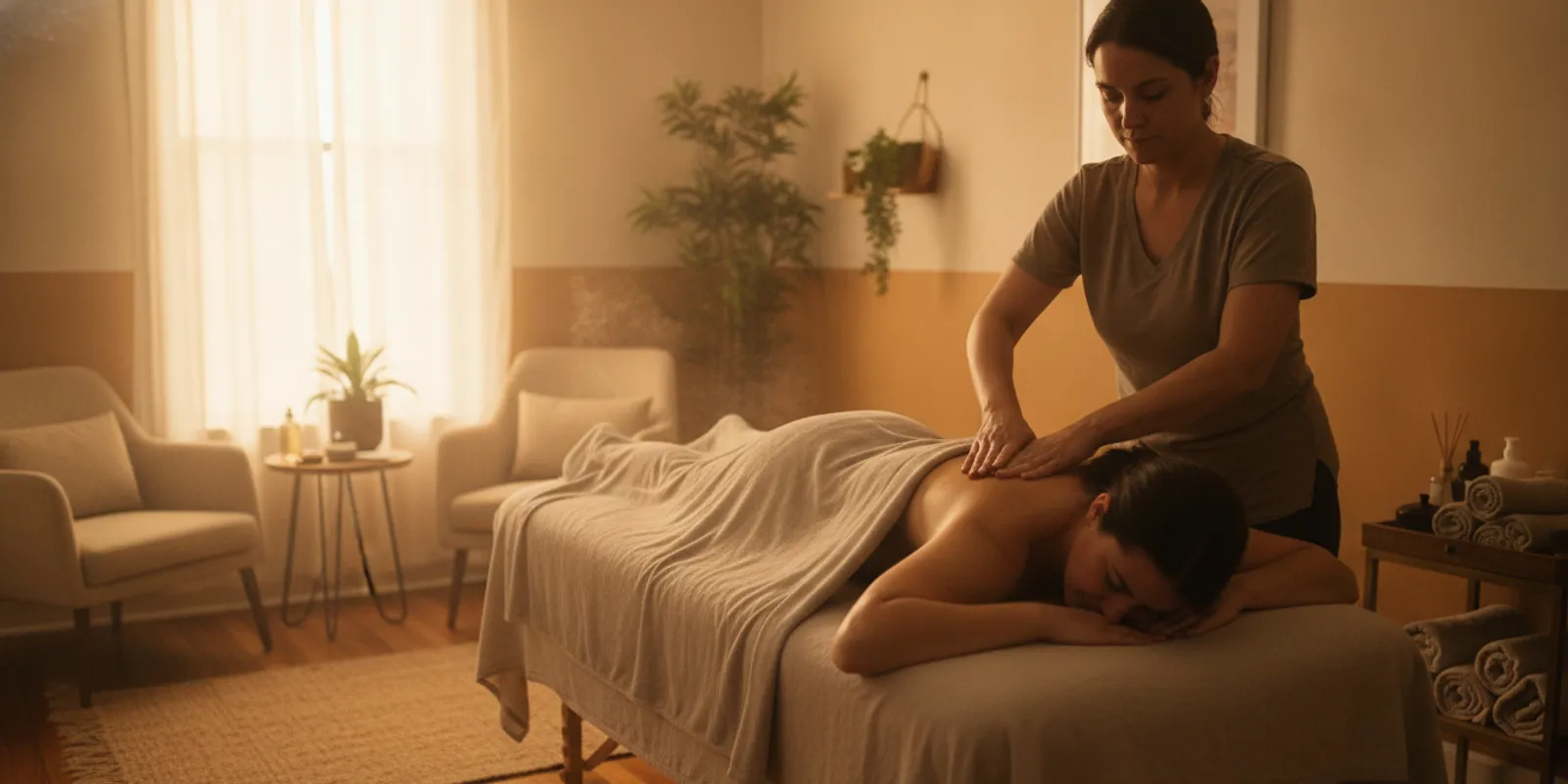

Ever notice how a stressful week ends with a stiff neck or a sore back? That’s no coincidence. Our bodies often hold onto emotional tension, and the muscles in our back and neck are prime real estate for storing anxiety and frustration. A truly effective back and neck massage does more than just work out the physical knots. It helps release that stored emotional weight. A skilled therapist creates a space for your body to finally let go, easing both the physical discomfort and the underlying stress that caused it.
Key Takeaways
- Understand Your Pain’s Story: Back and neck tension is often a physical response to emotional stress. A skilled therapist can help you address the root cause by choosing the right technique, whether it’s a relaxing Swedish massage for overall stress or a targeted Deep Tissue session for chronic knots.
- You Are in the Driver’s Seat: A great massage is a collaboration. Clearly communicating your needs, from your health history before the session to your pressure preferences during it, empowers your therapist to provide the safest and most effective treatment for you.
- Build a Sustainable Wellness Routine: A single massage provides temporary relief, but lasting results come from consistency. Pair regular professional sessions with simple at-home practices like stretching and self-massage to manage tension between appointments and maintain your long-term well-being.
Understanding Back and Neck Pain
To find lasting relief, it helps to first understand what’s causing your discomfort. Back and neck pain isn’t just a random annoyance; it’s your body’s way of signaling that something is out of balance. Whether the cause is rooted in your daily habits, a past injury, or underlying stress, identifying the source is the first step toward choosing the right path to feeling better. By looking at the common causes and the specific muscles involved, you can make more informed decisions about your care and find the most effective type of massage for your unique needs.
Common Causes of Pain
Muscle Strains and Lifestyle Factors
That persistent ache in your neck and shoulders often has roots in your daily routine. Muscle strains can happen from something as simple as sleeping in an awkward position, but more often, they build up over time. Think about the hours spent hunched over a computer or looking down at your phone—this classic “tech neck” posture puts significant strain on your muscles. Because these body parts are so closely connected, they often share the burden of these lifestyle factors. A targeted deep tissue massage can be incredibly effective for this kind of tension, as it works to release the chronic knots that develop from these repetitive postures and overuse.
Injuries and Medical Conditions
Sometimes, the source of pain is more specific than general lifestyle habits. Physical injuries, such as whiplash from a car accident, can cause immediate and lasting discomfort. Additionally, certain medical conditions can be the underlying cause. Issues like a pinched nerve or cervical spondylosis—which is essentially age-related wear and tear on the spinal disks in your neck—can lead to chronic pain. While it’s crucial to consult a doctor for a proper diagnosis and treatment plan for these conditions, therapeutic massage can often serve as a valuable part of your pain management strategy. A professional therapist will always review your health history to tailor the session safely and effectively to your specific needs.
Anatomy of Neck and Shoulder Pain
Key Muscles Involved
To really get a handle on your pain, it helps to know which muscles are usually the culprits. The neck and shoulder region is a complex network, but a few key players often bear the brunt of our stress. These include the large trapezius muscle that covers your upper back and neck, the levator scapulae running down the side of your neck, and deeper muscles like the sternocleidomastoid. When these muscles become tight and overworked, they don’t just cause localized pain; they can also lead to tension headaches and restrict your range of motion. Techniques like Ashiatsu Deepfeet Bar Therapy are particularly good at addressing these large, dense muscles, using deep, gliding pressure to release built-up tension.
Acute vs. Chronic Back and Neck Pain: Why It Matters for Treatment
Not all pain responds to massage in the same way. Acute pain usually appears suddenly after strain, poor sleep, or minor injury. It often improves within days or weeks with gentle techniques that reduce inflammation and muscle guarding. Chronic pain, on the other hand, persists for months and is often tied to long-term posture issues, past injuries, or repetitive stress. This type of discomfort typically requires more targeted approaches, such as deep tissue or trigger point therapy. Understanding the difference helps guide treatment decisions and ensures your massage plan supports both immediate relief and long-term recovery.
How a Back and Neck Massage Can Help You
A great back and neck massage is more than just a luxury; it’s a powerful tool for your overall well-being. Whether you’re hunched over a computer all day, dealing with the stress of a busy schedule, or recovering from an injury, targeted massage therapy can offer a host of benefits that you’ll feel long after you leave the table. From immediate pain relief to lasting mental clarity, let’s look at what a professional massage can really do for you.
Soothe Aches and Pains
The most immediate benefit of a back and neck massage is, of course, physical relief. When your muscles are tight and knotted, it can cause everything from dull aches to sharp, radiating pain and even limit your range of motion. Massage therapy works by relaxing those tense muscles, which can alleviate pain and stiffness. A skilled therapist can identify the source of your discomfort and use specific techniques to loosen muscle fibers and release tension. This process improves circulation, bringing more oxygen and nutrients to the tissues, which helps them repair and recover. Different types of pain often respond best to different massage styles, so a Deep Tissue or Swedish massage can be tailored to address your specific needs.
Calm Your Mind and Mood
The connection between your mind and body is incredibly strong, and the tension in your neck and back is often a physical manifestation of stress. A massage does more than just work out the knots; it helps calm your entire nervous system. As your therapist works to reduce muscle tension and improve blood flow, your body begins to relax, signaling to your brain that it’s safe to let go of stress and anxiety. This therapeutic touch can lower cortisol levels (the stress hormone) and increase serotonin and dopamine, which are responsible for feelings of happiness and well-being. Taking this time for yourself allows you to disconnect from daily pressures and achieve a state of deep relaxation that can improve your mood and mental clarity.
Invest in Your Long-Term Health
While a single massage can provide incredible relief, incorporating it into your regular wellness routine offers lasting benefits. Think of it as preventative maintenance for your body. Regular sessions can help keep pain from returning by addressing muscle tension before it becomes a chronic problem. Consistent massage therapy helps your body heal itself and can significantly improve conditions like arthritis and fibromyalgia. Working with a dedicated team of highly trained therapists allows you to create a comprehensive treatment plan. Over time, this consistent care can lead to improved posture, greater flexibility, and a more resilient response to physical and emotional stress, making it a true investment in your long-term health.
How Often Should You Get a Back and Neck Massage?
Massage works best when it’s part of a consistent routine rather than a one-time solution. For acute discomfort, weekly sessions for a short period can help reduce inflammation and restore mobility. For chronic tension or posture-related pain, biweekly or monthly sessions are often more effective for maintenance. Research shows massage provides reliable short-term relief, but regular treatments are key to sustaining results. Pairing professional sessions with daily stretching and ergonomic adjustments further extends the benefits. A structured schedule helps prevent tension from rebuilding and supports ongoing muscle health and function over time.
Which Massage Technique Is Right for You?
When you book a massage, you’re not just getting a generic back rub. Massage therapy is a diverse field with a whole toolbox of techniques designed to address everything from general stress to chronic pain. A skilled therapist will listen to your needs and often blend different styles to create a session that’s perfectly tailored to you. Understanding the most common approaches can help you communicate what you’re looking for and find the right type of relief.
Think of it like this: you wouldn’t use a hammer to turn a screw. In the same way, the long, flowing strokes of a Swedish massage are perfect for relaxation, but you might need a more focused technique to work out a stubborn knot. Let’s walk through some of the most effective and popular massage services for back and neck pain so you can feel confident choosing your next session.
Swedish Massage: For Gentle Relaxation
If you’re new to massage or simply want to melt away stress, a Swedish massage is the perfect place to start. It’s the most well-known style in the Western world and forms the foundation for many other techniques. Your therapist will use long, gliding strokes, known as effleurage, typically moving in the direction of blood flow toward the heart. This is combined with kneading, friction, and gentle tapping to warm up muscle tissue and release tension. The primary goals are to relax the entire body, improve circulation, and soothe sore muscles. It’s a fantastic choice for overall wellness and achieving a state of deep relaxation.
Deep Tissue Massage: To Target Stubborn Knots
For those knots that just won’t quit, a deep tissue massage offers a more powerful solution. While Swedish massage focuses on relaxation, deep tissue targets the deeper layers of muscle and connective tissue. Your therapist will use slower strokes and more intense, focused pressure to break up adhesions (those painful, rigid bands of tissue) that cause chronic pain and limit motion. It’s especially effective for persistent back and neck issues, repetitive strain injuries, and postural problems. While the pressure is firm, it should never be painful. Always communicate with your therapist to find the right level of intensity for you.
Trigger Point Therapy: For Focused Pain Relief
Have you ever had a stubborn knot in your shoulder that sends pain shooting up your neck or down your arm? That’s likely a trigger point. This technique focuses on identifying and deactivating these hyper-irritable spots in the muscle. A therapist applies direct, sustained pressure to the trigger point until the tension releases. This process helps break the cycle of pain and spasm, providing relief not just at the site of the knot but also in the areas where it refers pain. Trigger point therapy is often incorporated into a deep tissue or Swedish massage to address specific problem areas and restore normal muscle function.
Ashiatsu: When You Need Deeper Pressure
For a truly unique and deeply effective experience, there’s Ashiatsu Deepfeet Bar Therapy. In this incredible modality, the therapist uses their feet to deliver the massage while holding onto overhead bars for balance and support. This allows them to apply deep, broad, and consistent pressure that’s impossible to achieve with hands or elbows. The foot is a softer, wider tool, so the pressure feels luxurious and deep without being sharp or poky. It’s an amazing option for anyone who loves deep tissue work or has a larger frame, as it can release tension in the back and neck with unparalleled effectiveness.
Myofascial Release: Releasing Connective Tissue
Sometimes, the source of your stiffness isn’t in the muscle itself but in the web of connective tissue that surrounds it, called fascia. When this tissue gets tight, it can restrict movement and cause widespread discomfort. Myofascial release is a technique designed to address this specific issue. It focuses on the fascia, using gentle, sustained pressure and slow stretching to release tightness. Unlike the targeted pressure of deep tissue massage, this approach is broader and more gradual. It’s an excellent option if you feel a general sense of restriction or have chronic pain that doesn’t seem to respond to other types of massage, as it helps restore elasticity to your body’s connective tissues.
Hot Stone Massage: For Deeper Relaxation
Imagine the soothing warmth of smooth stones melting away the tension in your back and neck. That’s the experience of a hot stone massage. This technique uses warm, smooth stones to heat and relax your muscles, allowing your therapist to work more deeply without intense pressure. The heat improves blood flow and calms the nervous system, making it a deeply restorative treatment for both physical and mental stress. At Nola Bliss, you can add Hot Himalayan Salt Stones as an enhancement to your session. These stones not only provide warmth but also gently exfoliate the skin and impart nourishing minerals, taking your relaxation to a whole new level.
Prenatal Massage: For Expectant Mothers
Pregnancy is a beautiful journey, but it can also bring a unique set of aches and pains. A prenatal massage is specifically designed to support the changing needs of an expectant mother’s body. Therapists trained in this modality use special positioning and pillows to ensure you are comfortable and safe throughout the session. The focus is on alleviating common discomforts like lower back pain, swollen ankles, and shoulder tension. Beyond the physical benefits, it offers a peaceful and nurturing space for you to relax and connect with your body, helping to reduce stress and promote overall well-being during this special time.
Massage for Sciatica Relief
Sciatica, the sharp, radiating pain that travels from your lower back down your leg, can be incredibly disruptive. While massage can’t cure the underlying cause, it can be a very effective tool for managing the symptoms. Therapeutic massage can help by soothing the tight lower back and gluteal muscles that may be compressing the sciatic nerve. Techniques like deep tissue and trigger point therapy are particularly useful for releasing this tension, which in turn can reduce pain, improve blood flow to the area, and restore a greater range of motion. It’s a way to find significant relief and get back to your daily activities with more comfort.
When to See a Doctor for Sciatica
While massage can offer relief, it’s important to approach sciatica with care. If you’re experiencing symptoms, you should always talk to your doctor first to get a proper diagnosis before trying other treatments. Be sure to tell your doctor about any lower back pain, burning or tingling sensations down your leg, or weakness and numbness in your leg or foot. Constant pain on one side of your buttocks is another key symptom to report. A doctor can rule out more serious conditions and ensure that massage therapy is a safe and appropriate part of your pain management plan.
How to Give Yourself a Back and Neck Massage
While nothing can replace the healing touch of a licensed massage therapist, there are things you can do between appointments to manage everyday tension. Think of these at-home techniques as maintenance for your body. They can help you stay comfortable, mobile, and more in tune with what your body needs. When you’re dealing with the familiar aches from sitting at a desk or a bit of stress-induced tightness, a little self-care can go a long way.
These simple stretches and self-massage tips are designed to offer temporary relief from minor discomfort. They are perfect for working out the little kinks before they become bigger problems. However, if you’re experiencing sharp, persistent, or radiating pain, it’s always best to skip the DIY and book an appointment with a professional. A trained therapist can provide a targeted, effective treatment plan with services like a deep tissue or Swedish massage to address the root cause of your pain safely.
Try These Simple Neck Stretches
So much of our day is spent looking down at screens, which can leave our neck muscles feeling tight and strained. Gentle stretching is a fantastic way to counteract this. By moving your neck through its range of motion, you can ease muscle tension and improve blood flow to the area.
Start by sitting or standing tall with your shoulders relaxed. Slowly tilt your head to the right, bringing your ear toward your shoulder until you feel a light stretch along the left side of your neck. Hold for 15-20 seconds, then gently return to the center and repeat on the other side. Next, slowly lower your chin to your chest, holding for another 15-20 seconds to stretch the back of your neck. Remember to breathe deeply and never force a stretch. These simple neck mobility exercises can be done right at your desk to break up long hours of sitting.
Forward Folds and Cat-Cow Pose
To continue releasing tension from your neck down your back, a couple of simple yoga poses can work wonders. The Cat-Cow stretch is a great place to start. On your hands and knees, gently alternate between arching your back and looking up (Cow) and rounding your spine while tucking your chin (Cat). This movement helps improve spinal flexibility and can relieve tension in your mid and lower back. Another fantastic stretch is a simple Forward Fold. Whether you’re standing or sitting, gently hinge at your hips and let your upper body hang heavy, allowing your head and neck to relax completely. These gentle stretches for your back are perfect for counteracting the effects of sitting all day and help maintain the benefits of your professional massage sessions.
Easy Self-Massage for Upper Back Pain
The area between your shoulder blades can be tough to reach, but it’s often where stress and tension love to settle. One of the easiest ways to work on this spot yourself is by using a wall and a tennis or lacrosse ball.
Place the ball between your upper back and a wall. Position it on the tight, knotted muscles to one side of your spine—never directly on the spine itself. Gently lean into the ball, applying steady pressure. You can move slowly up and down or side to side to massage the area. When you find a particularly tender spot, pause and hold the pressure for about 30 seconds while breathing deeply. This technique helps release trigger points and can provide immediate relief for those hard-to-reach knots.
Technique for the Levator Scapulae
You know that specific, nagging pain that travels from the top corner of your shoulder blade right up the side of your neck? That’s often the work of a tight levator scapulae muscle, a common issue for anyone who spends hours at a desk. For some at-home relief, you can use a simple “tack and stretch” method. Reach your right hand over to the top of your left shoulder blade and find the tender spot. Apply firm, steady pressure with your fingertips. While holding that pressure, slowly tilt your head to the right, as if trying to touch your ear to your shoulder. Hold for 20-30 seconds while breathing deeply, then gently release. Repeat on the other side. This can help lengthen the muscle, but for lasting relief from chronic pain, a professional deep tissue massage is the best way to effectively release deep-seated knots and restore your full range of motion.
The Best Tools for At-Home Massage
You don’t need a lot of fancy equipment to create an effective self-care routine. Simple tools can make your self-massage efforts more effective and enjoyable. Aside from a tennis ball, a foam roller is a great investment for addressing larger muscle groups in your back. You can also find S-shaped massage hooks or canes that help you apply targeted pressure to your back and shoulders with minimal effort.
To make the experience more relaxing, create a calm environment. Dim the lights, play some soft music, and take a few deep breaths before you begin. Using a small amount of massage oil or lotion can also reduce friction on your skin, making the massage smoother. The goal is to create a small ritual that signals to your body it’s time to relax and release tension.
Using Electric Massagers
Electric massagers have become a popular way to manage muscle tension at home. Devices like the Nekteck Shiatsu Neck Massager are designed to mimic the hands of a therapist, offering a deep tissue massage with rotating nodes that target sore muscles. Many of these tools also include a heat function, which is fantastic for enhancing blood flow and helping your muscles relax more deeply. They are versatile and can be used on your neck, shoulders, back, and even your legs to provide relief from deep muscle pain. While they can’t replace the expertise of a trained professional, they can be a great way to find some comfort and relaxation between your scheduled appointments.
Safety Tips for Self-Massage
Your self-care routine should always feel good, so safety is key. When using massage tools or your hands, be mindful of your body’s anatomy. It’s important to keep massage tools away from your spine, throat, and the sides of your neck where major arteries are located. Always start with light pressure and increase it gradually, listening to your body’s feedback. To avoid bruising or overworking the tissue, keep your self-massage sessions to about 15-20 minutes. Most importantly, know when to stop. If you’re experiencing sharp, persistent, or radiating pain, it’s always best to skip the DIY and book an appointment with a professional. A licensed therapist can accurately assess your pain and provide a safe, effective treatment.
Building a Daily Self-Massage Habit
Consistency is key when it comes to managing muscle tension. Just a few minutes of focused self-care each day can make a significant difference in how you feel, improving your flexibility and helping to prevent future aches. The easiest way to build a routine is to attach it to a habit you already have. For example, try doing your neck stretches every day after you brush your teeth or use a tennis ball on your back for five minutes before you get into bed.
Listen to your body and be gentle. This daily practice is about maintenance, not deep therapeutic work. If you find that your pain persists or certain knots just won’t release, that’s your body’s cue that it needs professional attention. A consistent routine paired with regular professional massages is the best combination for long-term relief and wellness.
Is Stress Causing Your Back and Neck Pain?
Have you ever noticed that your neck gets tight after a stressful day at work, or your lower back aches when you’re feeling overwhelmed? That’s no coincidence. Our emotional state and physical well-being are deeply intertwined. That persistent knot between your shoulder blades might be telling you more than just that you slept funny—it could be a physical sign of the emotional weight you’re carrying. Acknowledging this connection is the first step toward finding real, lasting relief that goes beyond the surface.
How Your Mind and Body Are Connected
The idea that our feelings affect our bodies isn’t new, but it’s something we often forget in our day-to-day lives. When we experience emotions like anxiety, frustration, or sadness and don’t fully process them, our bodies can react by tensing up. Think of it as your muscles physically holding onto that stress. This is the mind-body connection in action. Muscle tension is often a direct result of these “trapped” emotions, creating knots and soreness that can be difficult to shake. It’s your body’s way of signaling that something needs your attention, both emotionally and physically.
Pinpointing Where You Hold Stress
Different emotions tend to settle in specific areas of the body. For many people, the neck and shoulders are the first places to tense up, often linked to carrying burdens or feeling a lack of support. Tension in the neck can also be related to trust issues. The upper back, particularly the area between the shoulder blades, is thought to hold unexpressed grief, sorrow, and loss. Meanwhile, the lower back often carries feelings of low self-worth, guilt, or even past trauma. By paying attention to where you feel pain, you can gain insight into the emotional patterns that might be contributing to your discomfort.
How Massage Can Help You Release Stress
This is where the healing power of touch comes in. A professional massage does more than just soothe sore muscles; it provides an opportunity for emotional release. As a licensed therapist works to loosen tight muscles and relax soft tissues, they help your body let go of stored tension. This physical release often triggers an emotional one, creating a profound sense of calm and well-being. A therapeutic massage can be an incredibly effective way to address both the physical symptoms and their underlying emotional causes, helping you feel lighter in both body and mind.
When to See a Professional for Back and Neck Pain
At-home care is a fantastic tool for managing everyday aches, but sometimes your body sends signals that it needs more than a foam roller or a quick stretch. Knowing when to hand the reins over to a professional is key to finding lasting relief and preventing minor issues from becoming chronic problems. A skilled massage therapist can offer a level of care and expertise that goes far beyond what we can do for ourselves. They can help identify the source of your discomfort and create a plan to get you back to feeling your best.
Red Flags: When Pain Is a Problem
When that nagging ache in your neck or the tightness in your lower back just won’t quit, it’s your body’s way of asking for help. Pay attention if your pain lingers for more than a week, or if it keeps returning to the same spot. Other signs that you need a professional’s touch include sharp or shooting pains, or any numbness and tingling in your arms or legs. If stiffness is making it hard to turn your head or bend over, or if you’re getting frequent headaches that seem to start at the base of your skull, it’s a good idea to book a therapeutic massage. Don’t just push through the pain—addressing it with an expert can stop it from disrupting your life.
Why a Licensed Therapist Matters
There’s a world of difference between a shoulder rub from a friend and a session with a Licensed Massage Therapist (LMT). A professional therapist does more than just work on sore spots; they use their deep understanding of anatomy to address the root cause of your pain. Therapeutic massage helps relax tight muscles, improves blood flow, and supports the body’s natural healing process. Our dedicated team is trained to identify patterns of tension and imbalance you might not even be aware of. They can apply specific techniques to release stubborn knots, increase your mobility, and provide genuine, long-term relief. It’s an investment in your well-being that pays off long after you leave the table.
How to Choose the Right Therapist for You
Finding the right massage therapist is a personal decision, and it’s worth taking a moment to find a great match. First, always confirm they are a Licensed Massage Therapist (LMT), which ensures they have met professional training and ethical standards. Next, consider their specialties. If you have intense, chronic pain, look for a therapist experienced in deep tissue massage or Ashiatsu. If you’re an expecting mother, you’ll want someone certified in prenatal techniques. Reading reviews from previous clients can also offer insight into their style and effectiveness. Most importantly, a great therapist will listen. They should ask about your goals for the session and check in with you to ensure the pressure and focus are just right.
Combining Massage with Other Therapies
Massage therapy is a powerful tool on its own, but it becomes even more effective when you pair it with other treatments in a broader wellness plan. Think of it as a key player that helps your other therapies work better. For instance, massage and chiropractic care are a great team. Therapeutic massage helps relax tight muscles, which can make chiropractic adjustments easier and more effective. It can also support physical therapy by improving flexibility and blood flow to injured areas, which can help speed up your recovery. By addressing both the physical and emotional sides of well-being, regular massage can even complement mental health counseling by providing a safe space for emotional release. Integrating massage into your routine creates a more holistic approach to health, helping you achieve more complete and lasting results.
What to Expect at Your First Massage Appointment
Stepping into a professional massage studio should feel like a mini-retreat, a chance to disconnect from the outside world and reconnect with your body. Knowing what happens from start to finish can help you relax even more deeply. Whether it’s your first time or your fiftieth, a little preparation ensures you get the most out of every minute on the table. From the moment you book your appointment to the blissful feeling you leave with, the entire experience is designed to support your well-being.
Our goal is to create a comfortable, safe, and healing environment for you. Your session is your time, and our licensed massage therapists are here to listen to your needs and tailor the treatment specifically for you. Let’s walk through what you can expect during your visit, so you can arrive feeling confident and ready to unwind.
How to Prepare for Your Massage
Your massage experience begins before you even lie down on the table. When you arrive, you’ll fill out a brief intake form. This is your opportunity to share any relevant health information, past injuries, or areas of concern. Be open and honest here—the more your therapist knows, the better they can customize your session. Think about your goals for the massage. Are you looking to soothe a stiff neck from sitting at a desk, relieve chronic lower back pain, or simply melt away stress? Communicating this upfront helps your therapist focus on what matters most to you. It’s also a good idea to arrive well-hydrated, as massage is most effective when your muscle tissue is pliable.
Making the Most of Your Session
Once you’ve discussed your goals, your therapist will leave the room so you can undress to your comfort level and get comfortable on the massage table, under a sheet and blanket. During the massage, you will always be professionally draped, with only the area being worked on uncovered. Your therapist will likely check in with you about the pressure to make sure it’s just right. Remember, this is your session. Feel empowered to speak up if you’d like more or less pressure, or if you want them to spend more time on a particular spot. A therapeutic massage works by relaxing tight muscles, which can alleviate pain and stiffness. Your main job is to breathe, relax, and let the therapist do their work.
What to Do After Your Massage
When your massage is over, your therapist will leave the room again, allowing you to get up slowly and get dressed. You might feel a little lightheaded or deeply relaxed, so take your time. Your therapist may offer a bottle of water and suggest some simple stretches or self-care tips to extend the benefits of your session. Drinking plenty of water afterward is crucial, as it helps your body process the work that was done on your muscles. Regular sessions can help your body heal itself and keep chronic pain from returning. Think of massage not just as a one-time treat, but as a vital part of your ongoing wellness routine. You can always book your next appointment before you leave to make it a consistent habit.
How Often Should You Get a Back and Neck Massage?
So, you’ve had a fantastic massage, and the tension in your back and neck has finally melted away. The big question now is: when should you come back? The truth is, there’s no single answer. The ideal frequency for a back and neck massage depends entirely on your body, your lifestyle, and your wellness goals. Whether you’re dealing with a specific injury, managing chronic pain, or simply trying to keep stress at bay, creating a consistent routine is key to getting the most out of your sessions. Let’s figure out a schedule that works for you.
How to Find Your Perfect Massage Schedule
Think of your massage schedule as a personalized wellness plan. If you’re dealing with acute pain from an injury or a particularly stressful week, you might benefit from weekly sessions until you feel significant relief. For those managing chronic conditions or the general tightness that comes from a desk job, a monthly massage can be a perfect way to maintain your progress. Regular sessions and maintenance help keep the pain from coming back. The goal is to help your body heal itself, offering pain relief that allows you to move more freely and live comfortably. Talk with your therapist about what you’re feeling, and together you can decide if a Swedish or Deep Tissue massage every few weeks is the right fit.
What the Research Says About Frequency
That feeling that you could use another massage isn’t just wishful thinking—it’s backed by science. When it comes to managing pain, especially chronic issues, how often you get a massage makes a huge difference. For instance, a study on chronic neck pain revealed that bi-monthly sessions were significantly more effective at reducing pain than just one a month. For more acute conditions, research confirms that consistent treatment is key to maintaining relief. This is because massage therapy is cumulative. Each session builds on the last, helping to retrain your muscles, ease inflammation, and stop tension from creeping back in. This regular care supports your body’s ability to heal and can prevent familiar aches from becoming a long-term problem.
Tips for Making Massage a Regular Habit
Consistency is where the real magic happens. While a single massage can provide immediate relief, making it a regular habit creates lasting change. Think of it like going to the gym—the long-term benefits come from showing up consistently. Regular massage can help reduce muscle stiffness, improve circulation, and alleviate pain over time. It’s important to remember that massage therapy should complement other medical treatments for chronic conditions, not replace them. By scheduling appointments regularly, you’re making a commitment to your well-being and giving your body the consistent care it needs to function at its best.
How Massage Fits Into Your Wellness Routine
A great massage is a powerful tool, but it works even better when it’s part of a larger wellness strategy. To extend the benefits of your session, try incorporating other healthy habits into your routine. Simple daily stretches, mindful posture at your desk, regular exercise, and staying hydrated can all make a huge difference in how your back and neck feel. Massage therapy, especially when combined with practices like physical therapy, is an incredible way to address musculoskeletal pain and improve mobility. When you pair professional bodywork, like our specialized Ashiatsu Deepfeet Bar Therapy, with your own self-care efforts, you create a powerful system for long-term health.
What to Know Before You Book Your Massage
A great massage is a partnership between you and your therapist. While our team is highly trained to read muscle tension and respond to your body’s needs, your comfort and safety are the top priority. Open communication is the key to a truly beneficial session. Knowing what to share before and during your appointment helps your therapist tailor the experience just for you, ensuring you walk out feeling better than when you walked in.
Are There Times You Should Avoid Massage?
Massage is a fantastic tool for wellness, but it’s important to know when to take a step back. While it can work wonders for muscle stiffness and pain, it’s meant to complement other medical treatments for chronic conditions, not replace them. If you’re dealing with a serious health issue, have recently had surgery, or have an acute injury like a severe sprain, it’s always best to check with your doctor before booking an appointment. The same goes for certain skin conditions, infections, or if you’re feeling unwell. Your therapist’s goal is to support your healing, so being upfront about your health ensures they can choose the right massage services for your situation.
Discussing Your Health History with Your Therapist
Think of your pre-massage chat as creating a roadmap for your session. Before you even get on the table, let your therapist know about any relevant health information. This includes past injuries, areas of chronic pain, allergies to oils or lotions, and whether you might be pregnant. This information is crucial for customizing your massage. A painful massage can sometimes aggravate existing injuries, so pointing out sensitive spots allows your therapist to work around them or use a gentler approach. By sharing these details, you help us provide a prenatal massage that is both safe for you and your baby, or a deep tissue session that targets the right spots without causing harm.
How to Communicate Your Needs to Your Therapist
Your feedback during the massage is just as important as the information you share beforehand. The old saying “no pain, no gain” doesn’t apply here. While a deep tissue massage can feel intense, it should never be unbearably painful. You are always in control of the session. If the pressure feels too rough or a particular technique is uncomfortable, please tell your therapist right away so they can make an adjustment. Whether you need more pressure on a stubborn knot, less pressure on a tender area, or just want the room to be a bit warmer, speaking up is encouraged. Your therapist wants you to have the best experience possible, and your input is the most valuable guide they have.
Related Articles
Frequently Asked Questions
I’ve never had a professional massage before. Which one should I choose? That’s a great question, and you’re not alone in asking it. If your main goal is to relax and ease general muscle tension, a Swedish massage is the perfect introduction. It uses long, soothing strokes to calm your nervous system and leave you feeling refreshed. If you have a few specific knots or achy spots, you can still start there. Your therapist will talk with you beforehand to understand what you need and can tailor any session to be the perfect fit for you.
I need deep pressure, but I’m worried a deep tissue massage will be painful. What should I expect? This is a very common concern, and it’s important to know that deep tissue massage should not be a painful experience. While the pressure is firm and focused to reach deeper layers of muscle, a skilled therapist works slowly and deliberately, always listening to your body’s feedback. The goal is to release tension, not create more of it. You are always in control, and we encourage you to communicate with your therapist to find the perfect level of pressure that feels effective and comfortable.
What’s the difference between a massage here and one at a hotel spa? While a spa massage can be a wonderful, relaxing treat, our focus is on providing a truly therapeutic experience. Our licensed therapists are career professionals who have dedicated themselves to understanding the body and addressing the root causes of pain and discomfort. Your session is completely customized to your needs, whether that’s working on a chronic injury or releasing built-up stress. We aim for lasting results that you’ll feel long after you leave, not just a temporary escape.
How will I feel the day after my massage? Most people leave feeling incredibly relaxed, a bit lighter, and with a greater range of motion. If you received a lot of deep, focused work on stubborn knots, you might feel a little sore the next day, similar to the feeling after a good workout. This is completely normal and is just a sign that your muscles are responding to the therapy. The feeling usually fades within 24 to 48 hours, and drinking plenty of water will help you feel your best.
Can I just tell my therapist where it hurts, or do I need to know which massage style to book? You absolutely do not need to be a massage expert to get the right treatment. Your only job is to tell us what you’re feeling. When you book, you can choose a general service like a Swedish or Deep Tissue massage. Then, at the start of your appointment, you’ll have a conversation with your therapist about your specific aches and goals. They will use their expertise to blend the right techniques and create a session that is perfectly suited to you.