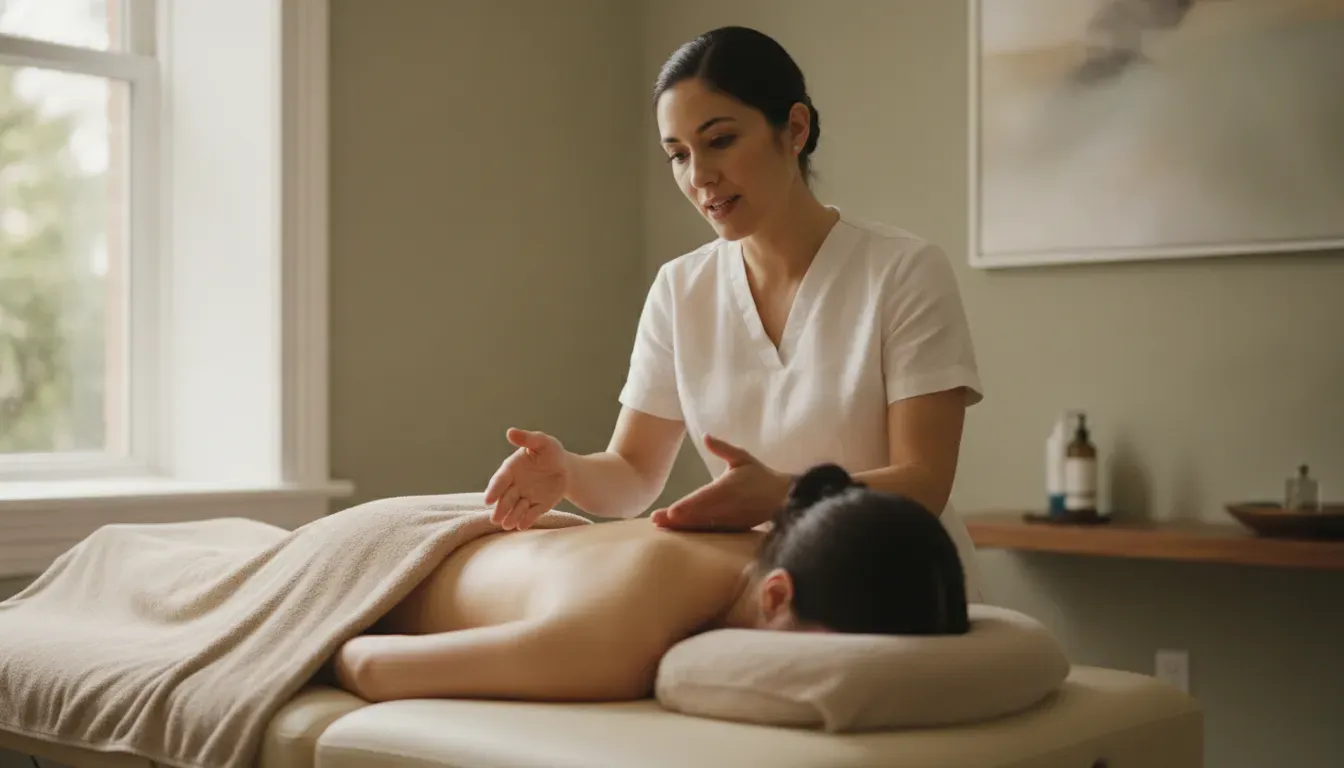

That nagging ache in your lower back, the tight knot in your shoulders—we all know these feelings. But you don’t have to just live with them. Therapeutic massage is a powerful, hands-on way to address the real cause of your discomfort. It’s so much more than a simple way to relax. It’s about actively managing pain, preventing injuries, and restoring your body’s natural balance. When you understand the full benefits of massage therapy, it can change how you think about your well-being and show you a clear path to feeling better in your own skin.
Key Takeaways
- Massage is a proactive health strategy: Think of it as essential maintenance for your body and mind, helping to manage everything from chronic pain and muscle tension to daily stress and anxiety.
- A great massage is a collaborative effort: The best results come from open communication with a skilled therapist. Voicing your preferences on pressure and areas of focus allows them to tailor the session specifically to your body’s needs.
- Consistency is the key to lasting benefits: While one session offers immediate relief, incorporating massage into your regular routine creates cumulative effects that build long-term resilience to physical and mental stress.
How Does Massage Therapy Actually Work?
At its core, massage therapy is a hands-on practice where a trained therapist applies pressure to your muscles and other soft tissues. But it’s so much more than just a relaxing spa treatment. Think of it as a powerful tool for your overall wellness plan. It’s a widely recognized health practice that can help you manage pain, improve circulation, reduce stress, and support your body’s recovery from injuries or chronic conditions.
The magic happens when a skilled therapist uses specific techniques to manipulate your muscles, ligaments, and tendons. This process helps release tension, break up knots, and encourage your body to heal itself. Whether you’re dealing with a nagging injury, the stress of a demanding job, or simply want to invest in your well-being, there’s a massage style that can help. At Nola Bliss, we focus on providing professional, high-quality therapeutic massage services designed to address your specific needs, helping you feel better both physically and mentally. It’s about creating a dedicated time and space for your body to rest, repair, and reset.
The Science Behind Therapeutic Touch
When you receive a massage, a cascade of positive physiological changes happens in your body. The therapeutic pressure helps relax tight muscles and increases blood flow, which delivers more oxygen and nutrients to your tissues and helps carry away metabolic waste. This process can significantly ease pain from conditions like osteoarthritis, fibromyalgia, and tension headaches. On a chemical level, massage can decrease levels of the stress hormone cortisol while increasing serotonin and dopamine, which helps stabilize your mood. This is why you often feel so calm and clear-headed after a session. The American Massage Therapy Association highlights dozens of reasons to get a massage, from easing muscle tension to improving mental well-being.
A Quick Guide to Massage Techniques
With dozens of massage styles out there, it’s helpful to know which one is right for you. A classic Swedish massage uses long, flowing strokes and is perfect for general relaxation and stress relief. If you have chronic knots and tension, a deep tissue massage targets the deeper layers of muscle. For a truly unique and effective experience, our specialty is Ashiatsu Deepfeet Bar Therapy, where the therapist uses their feet to deliver broad, consistent, deep pressure. We also offer gentle and supportive prenatal massage to help expectant mothers find comfort and relief. Each technique offers its own set of benefits, and your therapist can help you choose the best approach.
From Swedish to Ashiatsu Deepfeet Therapy
Choosing the right massage is a lot like choosing the right tool for a job—the best results come from picking the one designed for your specific needs. While all therapeutic massage aims to make you feel better, different techniques achieve this in unique ways. Whether your goal is to quiet a busy mind, work out a stubborn knot, or address chronic pain, understanding the approach of each style ensures you walk away feeling truly restored. It’s all about matching the method to your body’s current needs, and a great therapist will help guide you to the perfect session for you.
If you’re looking to unwind and melt away the stress of a long week, a Swedish massage is the classic choice for relaxation. This technique uses long, flowing strokes, gentle kneading, and circular movements to ease muscle tension and improve circulation throughout the body. It’s a fantastic option for anyone new to massage or for those days when you simply need a calming, restorative experience that addresses your whole body. The focus is less on deep, targeted work and more on promoting a sense of overall well-being, which is why it’s so effective at reducing stress and leaving you feeling refreshed and peaceful.
For those stubborn knots and chronic aches that just won’t quit, a deep tissue massage offers more targeted relief. This method focuses on the deeper layers of muscle and connective tissue, using slower strokes and more direct pressure to release built-up tension. It’s especially helpful for chronically tight areas like the neck, lower back, and shoulders that can result from repetitive strain or old injuries. It’s important to remember that deep tissue isn’t just about intense pressure; it’s a skilled technique designed to break up adhesions and restore mobility. Open communication with your therapist is key to finding the perfect pressure that feels effective, not painful.
Then there’s our specialty, Ashiatsu Deepfeet Bar Therapy, a technique that takes deep pressure to a whole new level. Using overhead bars for balance, the therapist applies broad, consistent pressure with their feet, allowing for a deep massage that feels luxurious, not painful. This unique approach is perfect for those who love deep tissue but want a broader, more encompassing pressure that can release tension across a wider surface area, like the back and hamstrings. It’s a truly transformative experience that provides profound relief from muscle tightness and pain, making it one of our most requested services.
What Happens to Your Body During a Massage?
Your body’s response to massage is both immediate and long-lasting. The targeted pressure on muscle fibers helps release built-up tension, which can ease the pain signals responsible for issues like migraines and chronic back pain. Massage also works on your fascia—the web of connective tissue that surrounds your muscles, bones, and organs. When the fascia becomes tight, it can restrict movement and cause discomfort. A good massage helps stretch and loosen this tissue, restoring flexibility and easing stiffness. According to the Cleveland Clinic, this release of tension is a key reason why massage is so effective for promoting overall well-being. You’ll likely leave your session feeling lighter, looser, and more at ease in your own body.
The Physical Benefits of Massage Therapy
Beyond the immediate feeling of relaxation, a professional massage has profound effects on your body’s physical health. It’s a powerful tool for healing and maintenance, working with your body’s natural systems to reduce pain, improve function, and build resilience. Whether you’re dealing with a specific injury, chronic discomfort, or simply the physical toll of a busy life, therapeutic touch can make a significant difference. Think of it as a tune-up for your body, helping everything run more smoothly from your muscles and joints to your circulatory and immune systems. Each session builds on the last, creating lasting positive changes that you can feel long after you leave the table.
Ease Everyday Aches and Chronic Pain
One of the most well-known benefits of massage is its ability to provide powerful pain relief. By working to release muscle tension and calm inflammation, a skilled therapist can address everything from a stiff neck after a long flight to persistent lower back pain. Massage therapy is effective for managing discomfort from conditions like fibromyalgia, tension headaches, and even arthritis. Our therapists are trained to listen to your body and apply techniques, like those in a deep tissue massage, that target the source of your pain. This focused attention helps soothe sore muscles, break up knots, and restore comfort, allowing you to move more freely and feel better in your daily life.
How Massage Releases Natural Painkillers (Endorphins)
That blissful, floating feeling you get after a great massage isn’t just from relaxed muscles—it’s a chemical reaction. The sustained, therapeutic pressure of a massage signals your brain to release endorphins, which are powerful, naturally produced chemicals that act as your body’s own painkillers. This is why massage can feel so incredibly effective at easing discomfort. At the same time, this process helps your body release other “feel-good” chemicals like serotonin and dopamine, which work to stabilize your mood and create a sense of calm and well-being. It’s a dual-action benefit: your body gets the physical release it needs from tension, while your brain gets a welcome dose of happiness-inducing neurochemicals, making the relief you feel both deep and lasting.
Improve Flexibility and Blood Flow
If you spend a lot of time sitting at a desk or traveling, you might notice stiffness and swelling. Massage can directly counter these effects by improving your body’s circulation. The pressure from massage techniques helps move blood through congested areas, which allows fresh, oxygenated blood to flow in. This process delivers vital nutrients to your tissues and organs while helping to flush out metabolic waste. Better circulation not only reduces muscle soreness but also enhances your flexibility and range of motion. By loosening tight muscles and connective tissues, regular massage helps your body feel more limber and less restricted, making movement easier and more comfortable.
Finally Get a Good Night’s Sleep
Tossing and turning at night? Massage can be a game-changer for your sleep quality. The therapy helps calm your nervous system and lower levels of the stress hormone cortisol, creating the perfect conditions for rest. As your muscles relax and your mind quiets down, your body can more easily produce serotonin, a precursor to melatonin, the hormone that regulates your sleep-wake cycles. Many people find they sleep deeper and wake up feeling more genuinely refreshed after a massage. It’s a natural, effective way to address the root causes of sleeplessness, helping you get the restorative rest your body needs to function at its best.
Recover Faster, Perform Better
Whether you’re a dedicated athlete, a weekend warrior, or just starting a new fitness routine, massage is a key tool for performance and recovery. It helps prepare your body for activity and aids in its repair afterward. Therapeutic massage can improve muscle recovery, reduce soreness, and maintain flexibility, which is crucial for preventing injuries. Techniques like our Ashiatsu Deepfeet Bar Therapy provide deep, consistent pressure that is especially effective for releasing tight muscle groups. By incorporating massage into your routine, you can help your body recover faster, perform better, and stay resilient through every workout.
Strengthen Your Immune System Naturally
Your immune system is your body’s first line of defense, and stress can significantly weaken it. Massage therapy offers a powerful way to counteract this by lowering stress and, in turn, supporting your immune function. Studies show that regular massage can increase the activity of your body’s natural “killer T cells,” which are vital for fighting off viruses. By promoting relaxation and reducing cortisol levels, massage helps your immune system work better and more efficiently. Think of it as a proactive step for your health, helping to keep you strong and resilient, especially during times when you need an extra defense against getting sick.
Stimulating the Lymphatic System
Think of your lymphatic system as your body’s internal cleaning crew, responsible for clearing out waste and keeping fluids balanced. When you’re under constant stress, this system can become sluggish, leaving you feeling run down. Massage therapy offers a powerful way to counteract this by lowering cortisol levels, which in turn supports your immune function. This is particularly important as stress can negatively impact the lymphatic system, which plays a crucial role in your immune response and fluid balance. A therapeutic massage helps encourage the movement of lymph fluid, allowing your body to more effectively filter out toxins and keep your internal environment clean and healthy.
Increasing Virus-Fighting Cells
Beyond general support, massage can also give a direct assist to your body’s virus-fighting squad. Studies show that regular massage can increase the activity of your body’s natural “killer T cells,” which are vital for fighting off viruses. By promoting deep relaxation and reducing cortisol, massage helps your immune system work better and more efficiently. When your body isn’t in a constant state of stress, it can dedicate more resources to important functions like immunity. This makes regular massage a proactive step for your health, helping to fortify your natural defenses and keep you feeling your best.
Mental and Emotional Benefits of Massage Therapy
While many of us think of massage as a treat for our bodies, its effects on our minds are just as profound. Think about how you hold stress in your body—in your clenched jaw, your tight shoulders, or the knot in your stomach. Therapeutic massage works to release that physical tension, and in doing so, it sends a powerful signal to your brain that it’s safe to relax. It’s a chance to step away from the constant stream of notifications, deadlines, and responsibilities and simply be present.
This isn’t just a feeling; it’s a physiological response. The simple act of skilled, therapeutic touch can calm your nervous system and shift your mental state from one of high-alert stress to one of rest and recovery. In a quiet, professional setting like ours, a massage gives your mind the space it needs to unwind, reset, and find balance. This mental reset is one of the most valuable outcomes of a great massage, helping you feel more centered and capable long after you leave the table. It’s an intentional pause that allows you to reconnect with yourself on a deeper level, fostering a sense of peace that carries over into your daily life.
Melt Away Stress and Anxiety
In our busy lives, it’s easy for stress and anxiety to become a constant hum in the background. A massage is one of the most effective ways to turn down that volume. During a therapeutic session, your body’s production of cortisol—the primary stress hormone—begins to decrease. As cortisol levels fall, your nervous system can shift out of its “fight-or-flight” mode. This process helps alleviate feelings of anxiety and tension, allowing both your body and mind to experience a deep sense of calm. A relaxing Swedish massage can be especially effective for soothing a stressed-out nervous system and promoting tranquility.
Gently Ease Symptoms of Depression
While massage is not a substitute for professional mental health care, it can be a powerful complementary therapy for those dealing with depression. The same mechanisms that help reduce anxiety also play a role here. Research shows that regular massage can help ease symptoms of depression by promoting the release of mood-regulating neurotransmitters like serotonin and dopamine. This can lead to significant improvements in emotional well-being over time. By creating a safe and nurturing space for relaxation, massage provides a gentle lift that can help you feel more connected and grounded in your body.
Clear Your Mind and Improve Focus
Do you ever feel like your mind is running in a dozen different directions at once? That mental fog is often a direct result of chronic stress. Massage helps clear the clutter by calming the noise. By reducing stress and improving circulation, massage delivers more oxygen-rich blood to your brain, which can enhance mental clarity and sharpen your focus. The deep relaxation triggered during a session gives your mind a much-needed break, allowing you to return to your day feeling more centered, organized, and ready to handle whatever comes your way. It’s a natural way to hit the reset button on your cognitive function.
Lift Your Mood and Sense of Well-being
Ultimately, the mental benefits of massage combine to create a greater sense of overall well-being. When you feel less stressed, more focused, and emotionally balanced, your general mood naturally improves. Taking time for yourself with a professional massage is a powerful act of self-care that validates your need for rest and recovery. It’s an investment in your own happiness that pays dividends in all areas of your life. Whether you enjoy a session on your own or share the experience with a couples massage, you’ll leave feeling lighter, brighter, and with a renewed sense of vitality.
Can Massage Help with Specific Health Conditions?
Beyond general relaxation, targeted massage therapy can be a powerful part of a comprehensive wellness plan for managing specific health issues. When you work with a skilled therapist who understands your body and your health goals, massage becomes more than just a treat—it becomes a tool for relief and recovery. By addressing the root causes of discomfort, like muscle tension, poor circulation, and inflammation, therapeutic massage can offer significant support for a variety of conditions, helping you feel more comfortable and in control of your body.
Targeting Chronic and Lower Back Pain
If you’re one of the millions who struggle with lower back pain, you know how disruptive it can be. While not a cure-all, massage can offer meaningful, short-term relief by relaxing tight muscles and improving blood flow to the affected area. The American College of Physicians even suggests it for recent low-back pain. Techniques like a deep tissue massage or our specialized Ashiatsu Deepfeet Bar Therapy are particularly effective at reaching the deeper layers of muscle that contribute to back stiffness and pain. Easing this tension can restore mobility and give your body a much-needed break from constant discomfort.
Soothe Arthritis and Aching Joints
Living with arthritis often means dealing with persistent joint pain and stiffness. Therapeutic massage can be a gentle, effective way to manage these symptoms. By focusing on the muscles and soft tissues surrounding the affected joints, a massage can help reduce inflammation and improve flexibility. Some studies suggest massage might help reduce knee pain from osteoarthritis and improve function for a short time. For an extra layer of comfort, consider adding Hot Himalayan Salt Stones to your session. The gentle heat helps to soothe aching joints, making movement feel a little easier and less painful.
A Gentle Approach to Fibromyalgia and Fatigue
Fibromyalgia is a complex condition characterized by widespread pain, fatigue, and tenderness. For those living with it, massage therapy can be a source of significant comfort. Research indicates that regular massage sessions—specifically, for at least five weeks—may help reduce pain, anxiety, and depression associated with fibromyalgia. A gentle, soothing massage helps calm the nervous system, which can be overactive in people with this condition. By creating a safe and relaxing experience, our therapists can help ease muscle pain and provide a restorative break for both your body and mind, helping you better manage your symptoms day to day.
Find Relief from Headaches and Migraines
Whether you suffer from tension headaches or debilitating migraines, releasing muscle tightness in your neck, shoulders, and head can make a world of difference. Many headaches are triggered or worsened by tension in the upper back and cervical muscles. A focused massage can target these specific trigger points, easing the strain that contributes to headache frequency and intensity. Some small studies even suggest that massage might be as effective as certain medications for migraines. By loosening these tight muscles, you can often find lasting relief and reduce your reliance on pain medication.
Aid Your Post-Surgery Recovery
Recovering from surgery is a journey, and massage can be a valuable part of your healing process. With your doctor’s approval, post-operative massage can help reduce pain, minimize swelling, and soften scar tissue. The primary benefit is improved circulation. As one hospital notes, massage helps blood and oxygen flow better, which delivers essential nutrients to healing tissues and speeds up recovery. It also helps flush out metabolic waste from the area. A gentle, restorative massage can also address the muscle stiffness and discomfort that often comes from being less active during your recovery period, helping you feel more like yourself again.
Massage After Joint Replacement
Recovering from joint replacement surgery is a significant process, but you don’t have to go it alone. Once you have your doctor’s go-ahead, incorporating massage therapy into your recovery plan can make a real difference. Post-operative massage is excellent for reducing pain, helping with swelling, and softening scar tissue as it forms. A major reason it’s so effective is its impact on circulation. According to Alice Peck Day Memorial Hospital, massage helps improve blood and oxygen flow, which is crucial for delivering nutrients to healing tissues and speeding up your recovery. This gentle support can make the healing journey feel much smoother and more comfortable.
Massage is also fantastic for managing the kind of discomfort that often leads to joint replacement in the first place, like arthritis. Specific techniques, such as a deep tissue massage, are designed to reach the deeper layers of muscle that contribute to stiffness and chronic pain. By carefully working on these areas, a skilled therapist can help release tension, which in turn enhances your mobility. The American Massage Therapy Association confirms that massage is an effective tool for managing pain from a variety of conditions. By supporting better circulation and easing muscle tightness, massage plays a vital role in your overall recovery, helping you get back your strength and flexibility more quickly.
Massage for a Healthier Pregnancy and Postpartum
Pregnancy is a beautiful but physically demanding time. Your body goes through incredible changes that can lead to new aches and pains. A specialized prenatal massage is designed to address these unique challenges safely and effectively. According to WebMD, massage can help pregnant women by reducing stress and swelling while easing muscle and joint pain, particularly in the lower back and hips. Our therapists use supportive pillows and modified positions to ensure you and your baby are comfortable and secure throughout the session. This dedicated care continues postpartum, helping your body recover and readjust after delivery.
Supportive Care for Cancer Patients
For those navigating a cancer diagnosis, massage can be a gentle and valuable part of a supportive care plan. It’s important to note that massage is not a treatment for cancer itself, but it can significantly improve quality of life during a challenging time. With clearance from your doctor and a therapist trained in oncology massage, therapeutic touch can help manage some of the side effects of treatment. According to the National Center for Complementary and Integrative Health, some guidelines suggest massage may help with stress, anxiety, depression, and fatigue. It offers a quiet space for the body and mind to rest, providing a sense of comfort and well-being when it’s needed most.
Benefits for Heart Health and Blood Pressure
Taking care of your heart goes beyond diet and exercise; managing stress is a huge piece of the puzzle. This is where massage therapy can play a vital role. Chronic stress keeps your body in a high-alert state, which can contribute to high blood pressure and other heart issues over time. A therapeutic massage helps shift your nervous system into a state of rest, which can lead to a lower heart rate and blood pressure. The American Massage Therapy Association notes that by reducing stress and anxiety, massage can be a proactive way to support your overall cardiovascular health, helping you feel calmer and more centered.
Addressing Other Conditions and Populations
The benefits of massage extend to a wide range of people and specific situations. From office workers dealing with repetitive strain to older adults focused on maintaining mobility, therapeutic touch can be adapted to meet unique needs. It’s a versatile practice that offers targeted relief and support for many of life’s physical challenges.
Relief for Carpal Tunnel Syndrome
If you spend your days typing or working with your hands, you might be familiar with the tingling and numbness of Carpal Tunnel Syndrome. This discomfort happens when the median nerve in your wrist becomes compressed. Massage therapy can offer real relief by focusing on the muscles in your hands, wrists, and forearms. By releasing tension and improving circulation to the area, a skilled therapist can help decrease the symptoms of Carpal Tunnel Syndrome. This targeted work helps reduce pressure on the nerve, easing pain and restoring comfort so you can get back to your work and hobbies without that nagging ache.
Improving Balance in Older Adults
As we get older, maintaining balance becomes crucial for staying active and independent. Massage therapy can be a wonderful tool for support in this area. Stiff muscles and tight connective tissues can restrict your range of motion and affect your body’s ability to sense its position, which can lead to instability. Regular massage helps keep muscles pliable and joints flexible. The American Massage Therapy Association points out that this can improve balance and coordination in older adults, helping to reduce the risk of falls. It’s a proactive way to support long-term mobility and confidence in your movement.
Support for People with HIV/AIDS
For individuals living with HIV/AIDS, managing both physical and emotional well-being is essential. While more research is always welcome, massage therapy can be a compassionate addition to a comprehensive care plan. Some evidence suggests that massage can be beneficial for improving quality of life by helping to ease anxiety and depression. The simple act of safe, therapeutic touch can provide a profound sense of comfort and relaxation, offering a much-needed respite. It creates a space for the body to rest and the mind to find a moment of peace, which is an invaluable part of any wellness journey.
What Does the Research Say About Massage?
It’s one thing to feel incredible after a massage, but it’s another to know that science backs up that feeling. For years, researchers have studied the effects of therapeutic touch, and the results are pretty compelling. From easing chronic pain to lifting your mood, the benefits aren’t just in your head—they’re supported by clinical evidence. Understanding what’s happening on a physiological level can help you appreciate your massage experience even more. Let’s look at what the studies show about how massage therapy can support your physical and mental health.
What Studies Show About Pain Relief
If you’re dealing with aches and pains, you’re not alone—it’s one of the top reasons people seek out massage. The good news is that research confirms its effectiveness. Studies have shown that massage therapy can provide significant relief for a wide range of issues, including low-back pain, tension headaches, and discomfort from conditions like osteoarthritis. Whether you’re recovering from an injury or managing chronic muscle tension, a professional deep tissue or Swedish massage can be a powerful tool for pain management. Incorporating regular massage into your routine can be a key part of a long-term wellness strategy for keeping pain at bay.
Specific Findings on Back and Neck Pain
When it comes to back and neck pain, the research is clear: massage can offer meaningful, short-term relief by relaxing tight muscles and improving blood flow to the affected area. The American College of Physicians even suggests it for recent low-back pain. This is because targeted pressure helps release the deep-seated tension that contributes to stiffness and discomfort. Techniques like a deep tissue massage or our specialized Ashiatsu Deepfeet Bar Therapy are particularly effective at reaching the deeper layers of muscle that are often the source of chronic pain, helping to restore mobility and ease the ache.
Research on Fibromyalgia and Sleep
For those managing complex conditions like fibromyalgia, massage can be a gentle yet powerful form of support. Research indicates that regular massage sessions—specifically, for at least five weeks—may help reduce the pain, anxiety, and depression associated with the condition by calming an overactive nervous system. This same calming effect is what makes massage so beneficial for sleep. By helping to lower levels of the stress hormone cortisol, massage creates the perfect conditions for rest. Many people find they sleep deeper and wake up feeling more genuinely refreshed after a session, making it a valuable tool for anyone struggling to get a good night’s sleep.
The Link Between Massage and Mental Health
The connection between mind and body is powerful, and massage is a perfect example of this. The relaxing experience of a massage does more than just feel good; it creates measurable changes in your body’s chemistry. Research shows that massage therapy helps reduce levels of stress hormones like cortisol while promoting a sense of calm. According to the American Massage Therapy Association, this can help ease symptoms of anxiety and depression. Think of it as a reset button for your nervous system. By creating a peaceful environment for your body, you also create a more peaceful state for your mind, improving your overall mood.
Does Science Support Massage for Recovery?
For anyone who leads an active lifestyle or is recovering from an injury, massage can be a game-changer. Scientific evidence highlights its role in enhancing muscle recovery, improving flexibility, and increasing range of motion. Techniques like Ashiatsu Deepfeet Bar Therapy are especially effective at reaching deep muscle layers to release tension and speed up the healing process. Studies show that regular massage helps your body bounce back faster after a tough workout or physical strain. It’s not just for professional athletes; anyone looking to maintain their physical health and mobility can benefit from incorporating therapeutic massage into their recovery plan.
Let’s Debunk Common Massage Myths
Massage therapy has been around for thousands of years, but there are still quite a few misconceptions floating around. These myths can sometimes prevent people from experiencing the incredible benefits that a professional massage can offer. You might think it’s just an expensive treat, that it has to be painful to be effective, or that it’s reserved for elite athletes. The truth is, modern massage is a well-respected practice grounded in anatomy and physiology, designed to support your overall health and well-being. It’s a legitimate therapeutic tool used by people from all walks of life.
Let’s clear the air and look at some of the most common myths about massage therapy. Understanding the facts can help you feel more confident and comfortable when booking your next session. Whether you’re a visitor to New Orleans looking to unwind after a long flight or a local dealing with the daily grind, massage can be a powerful part of your wellness routine. It’s about much more than just relaxation; it’s about taking a proactive step toward caring for your body and mind, and we’re here to separate fact from fiction.
Myth: “Massage is just a luxury.”
While a massage certainly feels like a wonderful indulgence, its benefits go far beyond simple pampering. Think of it less as a luxury and more as maintenance for your body. Massage therapy is a widely recognized practice that helps manage pain, improve circulation, and reduce stress. For many, it’s an essential part of managing chronic conditions like arthritis or recovering from injuries. Our therapeutic massage services are designed to address specific issues, helping you feel and function better in your daily life. It’s an investment in your long-term health, not just a once-in-a-while treat.
Why People Really Get Massages: The Data
While a relaxing hour on the table sounds amazing, the data shows that most people are seeking something more specific. The top reason people book a massage is for tangible pain relief. Research consistently shows that therapeutic touch provides significant relief from common issues like low-back pain, tension headaches, and even discomfort from osteoarthritis. Beyond the physical, mental well-being is a huge motivator. Studies confirm that massage helps lower levels of the stress hormone cortisol, creating a measurable sense of calm that supports your mental health. So whether you’re managing chronic pain, recovering from a workout, or simply investing in self-care, the evidence is clear: massage is a powerful tool for your overall well-being.
Myth: “No pain, no gain.”
This is one of the most persistent myths out there. The idea that you have to grit your teeth through a painful massage for it to be effective is simply not true. While deep tissue work can create a sensation of “good hurt” as the therapist works through knots, it should never be unbearable. Your comfort is the top priority. A professional massage therapist will always encourage you to speak up if the pressure is too much. Effective therapy is about working with your muscles, not against them. A Deep Tissue or Swedish Massage can be adjusted to your exact pressure preference to achieve results without causing pain.
Myth: “It’s only for athletes.”
You don’t need to be a professional athlete to benefit from a great massage. While athletes certainly use massage for performance and recovery, the therapy is beneficial for just about everyone. According to the Cleveland Clinic, massage therapy is for anyone looking to manage stress, alleviate pain, and improve overall well-being. If you sit at a desk all day, carry around small children, or work a physically demanding job, your muscles are under strain. A regular massage can help relieve that tension, prevent injuries, and keep you moving comfortably. It’s a practical tool for anyone living an active, and sometimes stressful, life.
Myth: “The benefits don’t last.”
It’s true that you’ll feel amazing right after a massage, but the benefits can be long-lasting, especially when you make it a regular practice. Each session builds on the last. Consistent massage can help retrain your muscles, improve your posture, and increase your body awareness. It works on the fascia—the connective tissue web that surrounds your muscles—to create lasting structural changes. With regular sessions, you can experience sustained relief from chronic pain and a more resilient response to stress, making massage a key part of your ongoing wellness plan.
Ready for a Massage? Here’s What to Do Next
Feeling inspired to book a massage? That’s great! Taking that first step is simple, and a little preparation can help you get the most out of your experience. Whether you’re looking to manage pain, reduce stress, or simply treat yourself, here’s how to get started on the right foot.
Finding the Perfect Massage for Your Needs
The world of massage is wonderfully diverse, so it’s helpful to think about what you want to achieve. Are you looking for gentle relaxation to unwind from a stressful week? Or do you need focused work on tight, painful muscles? Your goals will point you toward the perfect session. For general relaxation, a Swedish massage is a classic choice. If you have chronic knots and tension, a Deep Tissue massage might be more effective. For an even deeper, more luxurious experience, you could explore something unique like Ashiatsu Deepfeet Bar Therapy. Don’t worry about knowing everything upfront; a good therapist will discuss your needs and help you choose.
What to Look for in a Massage Therapist
It’s a common myth that any massage is a good massage, but the skill and training of your therapist make all the difference. Look for a Licensed Massage Therapist (LMT), which means they have met state requirements for education and hands-on training. An experienced therapist knows how to listen to your body, apply the right techniques safely, and create a truly therapeutic experience. At Nola Bliss, we are incredibly proud of our dedicated team of therapists, who have devoted their careers to the art of healing. A great therapist doesn’t just give a massage; they partner with you in your wellness journey.
How to Prepare for Your First Massage
Feeling a little nervous about your first massage? That’s completely normal, but there’s nothing to worry about. Your visit will begin with a brief chat about your health history and what you’d like to focus on. This is your time to mention any sore spots or areas to avoid. To prepare, it’s a good idea to be well-hydrated and avoid eating a heavy meal right before you arrive. Wear comfortable clothing that’s easy to change out of. Most importantly, come with an open mind and be ready to relax. You can learn more about what to expect during your visit to feel even more at ease.
How Often Should You Get a Massage?
How often you should get a massage really depends on your personal goals and lifestyle. If you’re dealing with chronic pain or recovering from an injury, you might benefit from weekly sessions at first, gradually spacing them out as you feel better. For general wellness and stress management, once or twice a month can be a fantastic way to maintain your well-being. The effects of massage are cumulative, meaning the benefits build on each other over time. Talk with your therapist about your goals; they can help you create a personalized plan that fits your needs, schedule, and budget, ensuring you get lasting results.
How to Get the Most from Every Massage
A therapeutic massage is an investment in your well-being, and with a little preparation, you can make sure you get the full return. Your experience doesn’t just happen on the table; it begins before you arrive and continues long after you leave. By taking a few simple steps before, during, and after your appointment, you can deepen the benefits of your session and help the positive effects last longer.
Your Pre-Massage Checklist
To set the stage for total relaxation, it helps to arrive feeling comfortable and calm. Taking a warm shower beforehand can help begin the process of relaxing your muscles. It’s also a good idea to avoid a large meal or caffeinated drinks right before your session, as this can make it harder to fully unwind. Arriving a few minutes early allows you to transition from the hustle of your day without feeling rushed. This is also the perfect time to think about your goals for the session—whether you need focus on a specific area or are just looking to de-stress from a long week of work.
During Your Session: How to Relax and Communicate
Your comfort is the top priority, and open communication is the key to a successful massage. Never hesitate to speak up. Your therapist will likely check in with you about the pressure, but you should always feel empowered to provide feedback. Let them know if the pressure is too much or not enough, if the room temperature is uncomfortable, or if you’d like them to spend more time on a particular area of tension. Whether you’ve booked a gentle prenatal massage or our signature Ashiatsu treatment, your input helps us tailor the session specifically to your needs.
Post-Massage Care: What to Do Next
The benefits of your massage continue to unfold after you leave the studio. The most important thing you can do is drink plenty of water. This helps your body flush out any metabolic waste that was released from your muscles during the session. It’s best to avoid strenuous activity for the rest of the day to give your body time to integrate the work that was done. You might feel a little sore the next day, especially after a deep tissue session, which is completely normal. A warm bath with Epsom salts can help soothe any lingering tenderness.
Integrating Massage into Your Wellness Routine
While a single massage can provide incredible relief, the most profound benefits come from consistency. Incorporating massage into your regular wellness routine can help manage chronic pain, reduce long-term stress, and maintain flexibility. Think of it as essential maintenance for your body and mind. When you receive massage regularly, your therapist gets to know your body’s patterns and can provide more effective, personalized care over time. Our team of dedicated therapists is here to partner with you on your long-term health goals, helping you feel your best month after month.
Massage Safety: What You Need to Know
Your well-being is the top priority during any massage. While massage therapy is overwhelmingly safe and beneficial, being an informed client helps ensure you have the best and safest experience possible. Knowing when to seek a massage, when to hold off, and how to communicate with your therapist are key to getting the results you want. A professional massage studio will always prioritize your health, and understanding these guidelines will help you feel confident and comfortable from the moment you book your appointment.
Who Can Benefit from Massage?
Massage therapy is a fantastic tool for both proactive wellness and addressing specific issues. It’s widely recognized for managing pain, reducing stress, improving circulation, and supporting recovery from injuries. If you’re dealing with chronic conditions like arthritis or persistent back pain, a therapeutic massage can offer significant relief. It’s also a wonderful way to simply unwind and reconnect with your body. Whether you’re an athlete, an expectant mother, or just want to melt away daily tension, the right massage service can be incredibly beneficial for your body and mind.
Are There Times to Avoid Massage?
While massage is generally safe, there are times when it’s best to wait. If you have a fever, a contagious illness, or an active skin infection, you should reschedule your appointment. It’s also crucial to be cautious if you have certain medical conditions, such as blood clots, severe osteoporosis, or a recent surgery. While serious side effects are rare, they are sometimes linked to very intense pressure on individuals with higher risk factors. If you have a serious health condition, it’s always smart to check with your doctor before booking a massage. Your safety comes first.
Understanding Potential Side Effects and Risks
Common Post-Massage Sensations
It’s completely normal to feel a little something after a great massage, especially if your therapist worked on some stubborn knots. Think of it like the satisfying soreness you feel after a good workout. Your muscles have been actively worked, and they might feel a bit tender for a day or two as they adjust. The American Massage Therapy Association notes that some people might also experience a temporary headache or even slight nausea as the body processes the therapeutic changes. These sensations are temporary and a sign that your body is responding to the treatment. Drinking plenty of water after your session is a great way to help ease these feelings and support your body’s recovery process.
Rare but Serious Risks to Consider
While the risk of any harm from massage is extremely low, it’s important to be aware of potential issues. The National Center for Complementary and Integrative Health reports that very rarely, serious side effects like blood clots or nerve damage have occurred. These situations typically involve very aggressive, deep pressure or happen with clients who have pre-existing conditions that put them at a higher risk. This is why open communication with your therapist is so important. A trained professional will always conduct a thorough intake to understand your health history and adjust the massage to ensure it is both safe and effective for you.
Communicating Your Needs to Your Therapist
Think of your massage therapist as your partner in wellness—and good partnership requires communication! Don’t be shy about speaking up before and during your session. Your therapist wants to know your preferences. Is the pressure too much or not enough? Is there a particular area that needs more attention or one you’d like them to avoid? Our team of therapists is here to customize the experience for you. A simple “Could you use a little more pressure there?” or “That spot is a bit tender today” is all it takes to ensure you leave feeling your absolute best.
What to Expect from a Professional Session
When you walk into a professional massage studio, you should feel safe and respected. Your session will begin with a brief conversation about your health history and goals. This is your time to mention any pain, injuries, or areas of focus. You will be given privacy to undress to your comfort level and get situated on the massage table under a sheet or blanket. Throughout the massage, only the area being worked on will be undraped. A professional therapist will check in on your comfort, creating a therapeutic experience that feels both effective and secure.
Related Articles
- Ashiatsu | Nola Bliss Massage Therapy
- Massage Services | Nola Bliss Massage Therapy
- Event Massages | Nola Bliss Massage Therapy
- Home | Nola Bliss Massage Therapy
Frequently Asked Questions
How do I know which massage style is right for me? The best way to decide is to think about your main goal for the session. If you’re looking to unwind and soothe your nervous system, a classic Swedish massage is a wonderful choice. If you’re dealing with stubborn knots or chronic muscle tightness, you might benefit more from a Deep Tissue massage or our specialty, Ashiatsu Deepfeet Bar Therapy. Don’t feel like you need to be an expert, though. Your therapist will always talk with you beforehand to understand your needs and recommend the perfect approach for you.
Does a deep tissue massage have to be painful to be effective? Absolutely not. This is a common misconception we hear all the time. While deep tissue work can create an intense sensation as the therapist works through tight muscle layers, it should never be truly painful. Effective therapy is about releasing tension, not enduring discomfort. You are always in control of the session, and we encourage you to communicate with your therapist if the pressure ever feels like too much.
How often should I get a massage to feel the benefits? This really depends on your personal wellness goals. If you’re working through a specific injury or chronic pain, you might find that weekly or bi-weekly sessions are helpful at first. For general maintenance and stress management, scheduling a massage once a month is a fantastic way to keep your body feeling its best. The most important thing is consistency, as the benefits of massage build on each other over time.
What’s the difference between the massage I’d get here and one at a hotel spa? While any massage can feel nice, our focus is on providing a truly therapeutic experience. Our licensed therapists have dedicated their careers to understanding the body and using massage to help heal and restore it. We concentrate on addressing the root causes of your discomfort, whether it’s pain, stress, or stiffness. A session with us is less about superficial pampering and more about professional, high-quality bodywork that creates lasting results.
Do I have to get completely undressed for my massage? Your comfort is our top priority, and you should only undress to the level you feel comfortable with. Many people prefer to be completely undressed, while others choose to leave their undergarments on. Either way, you will be securely covered by a sheet and blanket for the entire session. Your therapist will only uncover the specific part of your body they are working on at that moment, ensuring your privacy is respected at all times.