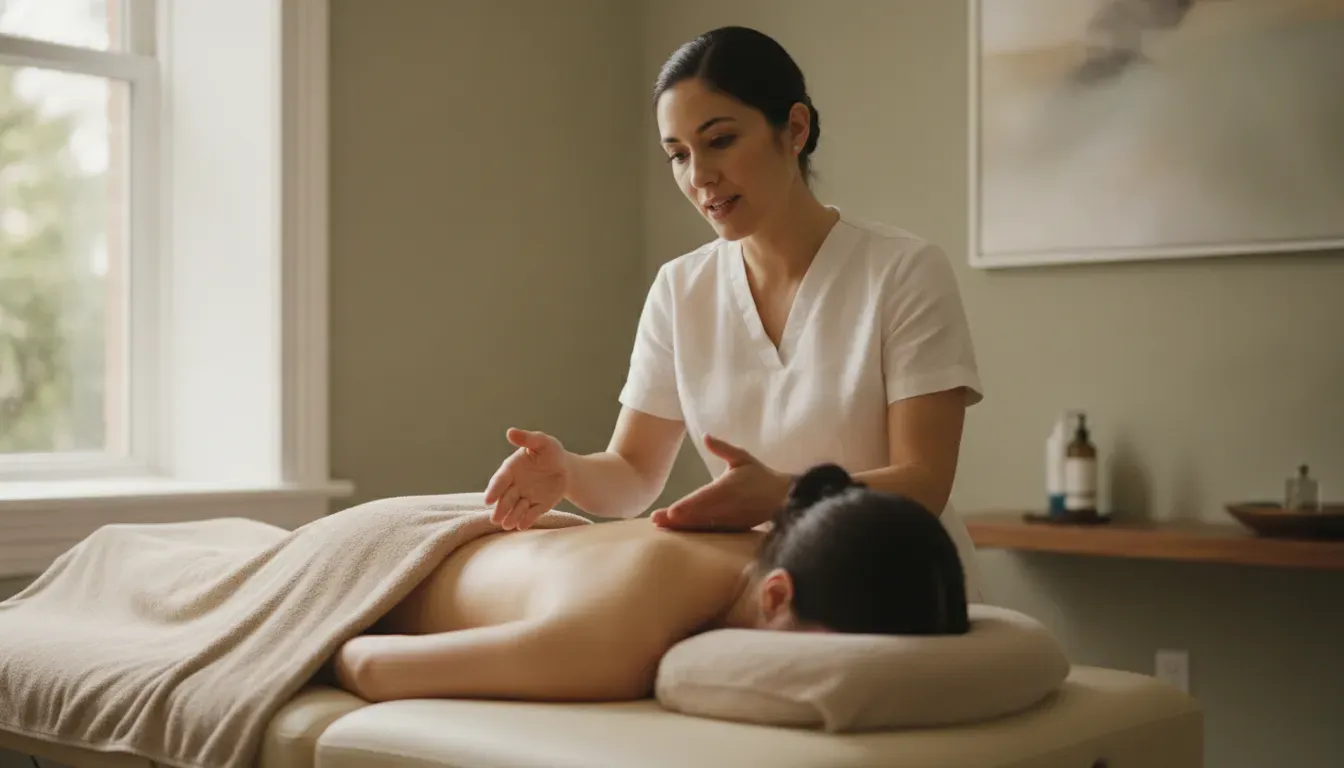

When you’re pregnant, it seems like everyone has advice for you. But when it comes to finding relief for your aching back, the information can get confusing. You want to feel better, but not at the expense of your baby’s well-being. This is where clear, expert guidance makes all the difference. We’re here to cut through the noise and give you straightforward answers about how to safely incorporate massage into your pregnancy. Think of this as your practical handbook for prenatal massage safety. We’ll cover when to get a massage, what techniques are used, and how to find a therapist you can trust completely.
Key Takeaways
- Prioritize safety by talking to your doctor and finding a certified therapist: Before booking, get your doctor’s approval, especially if you have any health concerns. A therapist with specialized prenatal training is essential, as they understand how to adapt the massage for your specific needs.
- Expect modified techniques designed for pregnancy: A safe prenatal massage involves lying on your side supported by pillows, not on your back or stomach. Your therapist will use gentle, therapeutic pressure and avoid sensitive areas to ensure your comfort and promote healthy circulation.
- Schedule sessions during the second and third trimesters for the most relief: The best time for prenatal massage is after the first trimester. Regular appointments during this period can effectively manage common discomforts like back pain, reduce swelling, and help you get better sleep.
Is Prenatal Massage Safe?
Pregnancy brings a whirlwind of changes, and with them, often a few new aches and pains. It’s natural to wonder if a massage, one of your favorite ways to relax, is still on the table. The short answer is yes, prenatal massage is widely considered safe and beneficial for most expectant mothers. However, “safe” comes with a few important guidelines. The key is to work with a trained professional who understands the unique needs of your changing body and to keep an open line of communication with your doctor. When done correctly, a prenatal massage isn’t just a luxury; it’s a supportive tool to help you feel your best during this incredible time.
Essential Safety Tips for Expectant Mothers
Your comfort and safety are the top priorities. Before you book your appointment, keep these essential tips in mind. First, it’s always best to get the green light from your doctor, especially once you’re past the first trimester. Proper positioning is also crucial. The safest and most comfortable way to receive a massage during pregnancy is lying on your side, supported by pillows. You should be cautious of massage tables with a cutout for the belly, as they may not provide enough support for your lower back and uterine ligaments. A certified prenatal massage therapist will know to avoid deep tissue work on your legs to prevent any risk of dislodging blood clots, which can be more common during pregnancy.
When to Talk to Your Doctor First
While most pregnancies go smoothly, some situations require extra caution. Think of your doctor or midwife as your partner in wellness; you should always have a conversation with them before scheduling a massage. This is especially critical if you have a high-risk pregnancy or have experienced any complications. Be sure to get specific medical clearance if you have conditions like high blood pressure, preeclampsia, severe swelling, or a history of preterm labor. Your doctor can provide guidance based on your unique health profile, ensuring that a massage will be a helpful, and not harmful, part of your prenatal care. This simple check-in gives you peace of mind and helps your therapist tailor the session perfectly to your needs.
What Are the Benefits of Prenatal Massage?
Pregnancy is an incredible experience, but it asks a lot of your body and mind. As your baby grows, you might notice new aches, pains, and a level of fatigue you’ve never felt before. A professional prenatal massage is more than just a luxury; it’s a form of self-care that provides real, tangible benefits for you and your baby. It’s a dedicated time to soothe your body, calm your mind, and connect with the changes you’re going through. From easing back pain to helping you get a better night’s sleep, the advantages are worth exploring.
Ease Pregnancy’s Physical Discomforts
As your center of gravity shifts and your hormones relax your ligaments, it’s common to feel discomfort in your back, hips, and joints. Prenatal massage directly addresses these physical strains. A trained therapist uses gentle, modified techniques to relieve muscle tension and reduce stress on weight-bearing joints. This can make moving around more comfortable and help you feel more at home in your changing body. Improved circulation is another key benefit, as it helps deliver more oxygen and nutrients to you and your baby while also reducing swelling in your hands and feet.
Support Your Mental and Emotional Well-being
The emotional journey of pregnancy can be just as intense as the physical one. Massage therapy is a powerful tool for managing stress and anxiety. Studies show that massage can help regulate hormones by decreasing cortisol (the stress hormone) and increasing serotonin and dopamine, which are linked to feelings of happiness and well-being. Taking this time for yourself allows you to quiet your mind, release tension, and simply breathe. This mental reset can leave you feeling more relaxed, centered, and emotionally prepared for the path ahead.
Improve Your Sleep and Circulation
Many expectant mothers find it difficult to get comfortable enough for a full night of restful sleep. By easing muscle tension and calming the nervous system, prenatal massage can help you fall asleep more easily and stay asleep longer. The techniques used also support your body’s lymphatic system, which helps flush out toxins and reduce fluid retention. This combination of physical relief and mental calm not only helps you feel better day-to-day but can also contribute to improved labor outcomes and a healthier start for your newborn.
Are There Any Risks with Prenatal Massage?
While prenatal massage is a wonderful tool for managing the aches and pains of pregnancy, your safety and your baby’s are the top priority. For most healthy pregnancies, massage is perfectly safe after the first trimester. However, there are certain situations where it’s best to proceed with caution or hold off entirely. The key is to stay informed and maintain open communication with both your doctor and your massage therapist. A good therapist will always start with a thorough consultation to make sure a massage is the right choice for you at that specific time.
When to Avoid Massage: High-Risk Pregnancies
If your pregnancy is considered high-risk, it’s essential to have a conversation with your doctor before booking a massage. Some therapists also recommend waiting until after the first trimester to begin massage therapy. This is mostly a precaution, as the first few months can bring on dizziness and morning sickness, which massage could potentially worsen. Though there isn’t strong evidence linking massage to miscarriage, the first trimester is a delicate time, and most practitioners prefer to be extra cautious. For any pregnancy with complications, the potential risks of massage might be greater than the benefits, so getting your doctor’s approval is a non-negotiable first step.
Medical Conditions That Need Special Care
Certain health conditions require a green light from your doctor before you get a prenatal massage. Be sure to consult your healthcare provider if you have a history of or are currently experiencing any of the following: high blood pressure or preeclampsia, blood clots, problems with your placenta, or gestational diabetes. This isn’t meant to be an exhaustive list, so the best rule of thumb is to check with your doctor or midwife before scheduling an appointment, especially if you have any ongoing health concerns. A quick conversation can provide peace of mind and ensure that your massage experience is both relaxing and completely safe for you and your baby.
Know the Warning Signs During a Massage
Your comfort is the most important indicator of a safe massage. You should never feel unusual or sharp pain during your session. While your therapist will work on sore muscles, they will avoid applying deep pressure to your abdomen. If you experience any discomfort, it’s important to speak up immediately. It’s also wise to distinguish typical pregnancy aches from something more serious. If you have back pain that is severe, sharp, or constant, see your doctor for an evaluation before getting a massage. A highly trained therapist will always encourage open communication and will adjust the session based on your feedback to ensure you feel secure and supported from start to finish.
What Are the Safest Techniques and Positions?
When you’re pregnant, your body is doing incredible work, and a massage shouldn’t add any stress to the process. A properly trained prenatal massage therapist knows exactly how to adapt their techniques to support you and your baby safely. It’s not just about avoiding certain things; it’s about using specific methods that are designed for the pregnant body. The right positioning, pressure, and focus areas can make all the difference, turning your massage from a simple treat into a truly therapeutic experience.
A professional prenatal massage is built around your comfort and safety. Your therapist will use supportive pillows to help you relax completely, apply the right amount of pressure to soothe aching muscles without being too intense, and pay special attention to the areas that need it most, like your lower back and hips. They also know which areas require a lighter touch or should be avoided altogether. Understanding these modifications will help you feel confident and at ease, allowing you to fully embrace the benefits of your massage.
Safe Positioning: Getting Comfortable and Supported
During a prenatal massage, you won’t be asked to lie on your stomach or flat on your back (at least, not after the first trimester). The gold standard for safe positioning is side-lying. Your therapist will use a strategic arrangement of pillows and cushions to support your head, belly, and legs, keeping your spine aligned and taking all the pressure off your joints. This position is not only incredibly comfortable but also ensures healthy circulation for both you and your baby. It prevents the weight of the uterus from pressing on major blood vessels, which can happen when you lie on your back.
Areas and Pressure Points to Avoid
A knowledgeable therapist understands the map of the pregnant body, including which areas need a gentle approach. Your abdomen, for instance, will be avoided during the massage. While you might gently rub lotion on your belly at home, it’s not an area that should receive direct massage pressure. Your legs also require special care. Because pregnancy increases your blood volume and risk of blood clots, deep pressure on the legs is avoided. Instead, your therapist will use light, soothing strokes to ease swelling and tension. Some therapists also steer clear of specific pressure points, like the one between the ankle bone and heel, as a precaution.
Gentle vs. Deep Tissue: What’s Allowed?
While you might love a deep tissue massage when you’re not pregnant, the focus shifts during a prenatal session. The goal is therapeutic relaxation, not intense muscle work. Prenatal massage uses gentle to medium pressure to soothe the common aches and pains of pregnancy, from a sore lower back to tight shoulders. This level of pressure is effective for relieving tension and promoting relaxation without putting undue stress on your body. Unlike a traditional deep tissue massage, a prenatal massage is designed to be gentle, nurturing, and completely focused on the unique needs of expectant mothers.
When Is the Best Time in Pregnancy for a Massage?
Timing is everything, and that’s especially true when it comes to prenatal massage. While you might be eager to soothe those new aches and pains, it’s important to know that different stages of pregnancy come with different guidelines. The goal is always to ensure the most comfortable and safest experience for both you and your baby.
Generally, the second and third trimesters are considered the best time to enjoy the benefits of massage. During the first trimester, your body is going through immense changes, and it’s often a period of heightened sensitivity. As you progress in your pregnancy, massage can become a key part of your self-care routine, helping you adapt to your changing body and find much-needed relief. Let’s break down what to expect in each stage.
First Trimester: What to Know
Most massage therapists, including our team at Nola Bliss, will advise you to wait until your second trimester to begin prenatal massage. The first trimester carries a higher natural risk of miscarriage, and while there is no evidence linking massage to it, professionals prefer to be extra cautious during this delicate time.
Beyond that, early pregnancy symptoms like morning sickness and dizziness can be made worse by massage. Our priority is your comfort, and we want your experience to be purely relaxing, not something that adds to your discomfort. It’s best to let your body adjust during these first few weeks and schedule your first session once you’re past the 12-week mark.
The Sweet Spot: Massage in the Second and Third Trimesters
Once you enter the second trimester, you’ve hit the sweet spot for prenatal massage. At this point, any morning sickness has likely subsided, and the initial risks of early pregnancy have decreased. This is when new aches, particularly in your lower back and hips, may start to appear as your baby grows. A regular prenatal massage can work wonders to alleviate this tension.
As you move into the third trimester, you can increase the frequency of your appointments. Many women find that a massage every couple of weeks in the second trimester, and even weekly in the final month, provides incredible relief from swelling, sciatic pain, and sleep troubles. Always listen to your body and work with your therapist to find a schedule that feels right for you.
How Do You Find a Qualified Prenatal Massage Therapist?
Finding the right massage therapist is the single most important step you can take to ensure your prenatal massage is both safe and effective. While a regular massage can be a wonderful treat, your body has unique needs during pregnancy that require a specialist’s touch. A qualified prenatal massage therapist has the training to understand the changes your body is going through and how to adapt their techniques accordingly.
So, how do you find someone you can trust? It comes down to two key actions: verifying their credentials and asking the right questions before you get on the table. Taking a little time to do this research will give you the peace of mind to fully relax and enjoy the experience. At Nola Bliss, all of our therapists are highly experienced and ready to provide a safe, comforting prenatal massage tailored to you.
Look for Specialized Training and Certifications
First things first, you’ll want to find a massage therapist who is licensed and has specific, advanced training in prenatal massage. General massage school provides a foundation, but it doesn’t cover the detailed knowledge needed to work safely with expectant mothers. Experts recommend looking for a therapist with at least 16 hours of specialized education in maternal massage. This training covers crucial topics like proper positioning to support your body and baby, understanding pregnancy-related anatomical changes, and knowing which techniques to use or avoid. When you’re looking for a provider, don’t hesitate to ask about the qualifications of their team. A truly professional studio will be proud to share their therapists’ credentials with you.
Questions to Ask Before You Book
Before you book an appointment, it’s always a good idea to have a quick chat with your doctor or midwife. The American Pregnancy Association recommends this as a first step, especially if you have any health concerns or a high-risk pregnancy. Once you have your doctor’s approval, you can confidently reach out to a massage studio.
Here are a few questions to ask the therapist or front desk:
- What specific training and certifications do you have for prenatal massage?
- How do you position clients during the massage to ensure comfort and safety? (The answer should involve side-lying positions with plenty of pillows and bolsters).
- How many pregnant clients do you typically work with? Experience matters!
Finally, remember that communication is key. During your session, let your therapist know what feels good and, more importantly, if anything causes discomfort.
What Should You Expect During Your Appointment?
Walking into your first prenatal massage appointment can feel a little different than a standard massage, and that’s perfectly normal. A professional session is designed entirely around your unique needs as an expectant mother. From the moment you arrive, the focus is on creating a safe, comfortable, and relaxing experience for both you and your baby. Your therapist will guide you through every step, ensuring you feel informed and at ease. The process begins with a thorough chat to understand your health and ends with you comfortably positioned for maximum relief.
Your Initial Consultation and Health Check
Before your massage begins, your therapist will sit down with you for a brief consultation. This is your time to share how you’re feeling, point out any aches and pains, and discuss your health history. It’s incredibly important to be open about your pregnancy, including how far along you are and any complications you might have. In fact, it’s always a good idea to discuss getting a prenatal massage with your doctor or midwife first to address any personal health concerns. This initial conversation ensures your therapist can tailor the session specifically to you, making your experience both effective and safe.
How You’ll Be Positioned for Comfort and Safety
One of the biggest questions moms-to-be have is how they’ll lie comfortably on the table. Your therapist has this all figured out. The safest and most common position for a prenatal massage is lying on your side. To make sure you are fully supported, your therapist will use special pillows or positions to cushion your head, belly, and legs. This setup takes all the pressure off your lower back and pelvis. It’s important to avoid lying flat on your back after the fourth month, as this can affect blood flow to your baby. Your therapist is trained to keep you in safe positions throughout the entire massage.
Can You Try Prenatal Massage at Home?
While nothing can replace the skill of a certified prenatal massage therapist, we understand that aches and pains don’t always wait for your next appointment. Gentle massage at home can be a wonderful way to find relief and connect with your changing body. Whether you’re looking for a moment of self-care or want to guide your partner, the key is to prioritize safety above all else.
Before you try any at-home massage, it’s a great idea to have a conversation with your doctor or midwife. They can offer guidance based on your specific health needs and pregnancy. Once you have their approval, you can explore some simple techniques to ease tension between your professional sessions. Think of at-home massage as a tool for comfort and relaxation, not a substitute for the therapeutic work a trained professional provides for more significant discomfort. The goal is to soothe, not to fix.
Safe Self-Massage Techniques
When you’re carrying a baby, your feet and lower legs often bear the brunt of the extra weight, leading to swelling and soreness. A gentle self-massage can work wonders. Sit in a comfortable chair where you can easily reach your feet. Using a bit of lotion or oil to reduce friction, start by making long, smooth strokes from your toes toward your ankle. This encourages fluid to move away from your feet and can help with swelling.
You can then use your thumbs to make small, gentle circles all over the sole of your foot. Just be sure to avoid firm pressure on the area between your ankle bone and your heel, as this is a pressure point that is best left alone during pregnancy. Focus on what feels good and relaxing, keeping the pressure light and soothing.
Tips for a Safe Partner Massage
A massage from your partner can be a beautiful way to connect, but it’s important they know the ground rules for safety. Communication is number one. You need to provide constant feedback on what feels good and if anything is uncomfortable. For positioning, the safest and most comfortable option is lying on your side with pillows supporting your head, belly, and knees. Lying flat on your back should be avoided, especially later in pregnancy.
Your partner should use lotion for smooth, gliding strokes and keep the pressure gentle. A great place to focus is the back. They can make long, sweeping strokes up and down the muscles running alongside the spine. For tired feet, the same rules for self-massage apply: gentle rubbing and avoiding the pressure point near the ankle. This is about providing comfort, not performing deep tissue work, which requires the anatomical knowledge of a certified prenatal massage therapist.
Create Your Prenatal Massage Plan
Once you feel confident about the safety and benefits, you can start thinking about how to make prenatal massage a regular part of your pregnancy wellness routine. Creating a plan isn’t about rigid schedules; it’s about mindfully incorporating therapeutic touch in a way that serves you and your baby best. This involves a collaborative effort between you, your healthcare provider, and your massage therapist. By working together, you can design a massage experience that adapts to your changing body and needs throughout each trimester. Think of it as building your personal support team, with everyone focused on helping you have the most comfortable and healthy pregnancy possible. A thoughtful approach ensures every session is safe, relaxing, and effective.
Work with Your Doctor to Create a Routine
Before you book your first appointment, the most important step is to have a conversation with your doctor or midwife. Every pregnancy is unique, and your healthcare provider understands your specific health profile. They can give you the green light and advise on any personal considerations you should keep in mind. While it’s generally considered safe to receive a prenatal massage after the first trimester, getting your doctor’s approval is the best way to ensure peace of mind. This simple check-in helps your massage therapist provide the safest care and allows you to fully relax, knowing you’ve covered all your bases for a healthy experience.
Listen to Your Body After Each Session
Your body is your best guide during pregnancy, and the same is true during a massage. Open communication with your therapist is key. Always let them know you are pregnant, how far along you are, and if you have any areas of discomfort. During the session, never hesitate to speak up. A massage should feel supportive and relieving, and as the Cleveland Clinic notes, it should never cause discomfort. If a certain pressure or position doesn’t feel right, tell your therapist immediately. Afterward, pay attention to how you feel. This feedback is valuable for tailoring future sessions to be even more beneficial as your body continues to change.
Related Articles
Frequently Asked Questions
I’m in my first trimester. Can I get a massage? It’s best to wait until you’re in your second trimester. Most therapists recommend this as a precaution since the first few months are a delicate time. Plus, early pregnancy symptoms like morning sickness can make a massage less enjoyable. Waiting until the second trimester helps ensure your experience is as comfortable and relaxing as possible.
How is a prenatal massage different from a regular massage? The main differences are in positioning and technique. Instead of lying on your stomach, you’ll be comfortably supported on your side with pillows. The pressure is also gentler, focusing on soothing common pregnancy aches in your back and hips rather than performing intense deep tissue work. The entire session is tailored to be safe and supportive for your changing body.
How often should I schedule prenatal massages? This really depends on how you feel. Many women find that a monthly massage during the second trimester is perfect for managing aches and pains. As you get into the third trimester, you might want to come in more often, perhaps every couple of weeks or even weekly in the final month, to help with swelling and sleep issues. The best approach is to listen to your body and discuss a schedule with your therapist.
Do I need to get my doctor’s permission before booking an appointment? While a formal doctor’s note isn’t always required for a healthy pregnancy, having a conversation with your doctor or midwife first is a great idea. It gives you peace of mind and is especially important if you have a high-risk pregnancy or any other health conditions. This quick check-in ensures that a massage is a safe and beneficial part of your prenatal care.
What should I do if I feel uncomfortable at any point during the massage? You should speak up immediately. Your comfort is the top priority, and a professional therapist will want your feedback. Whether it’s the pressure, the position, or the room temperature, don’t hesitate to let them know. A good therapist will check in with you, but you should always feel empowered to voice any concerns so they can make adjustments right away.