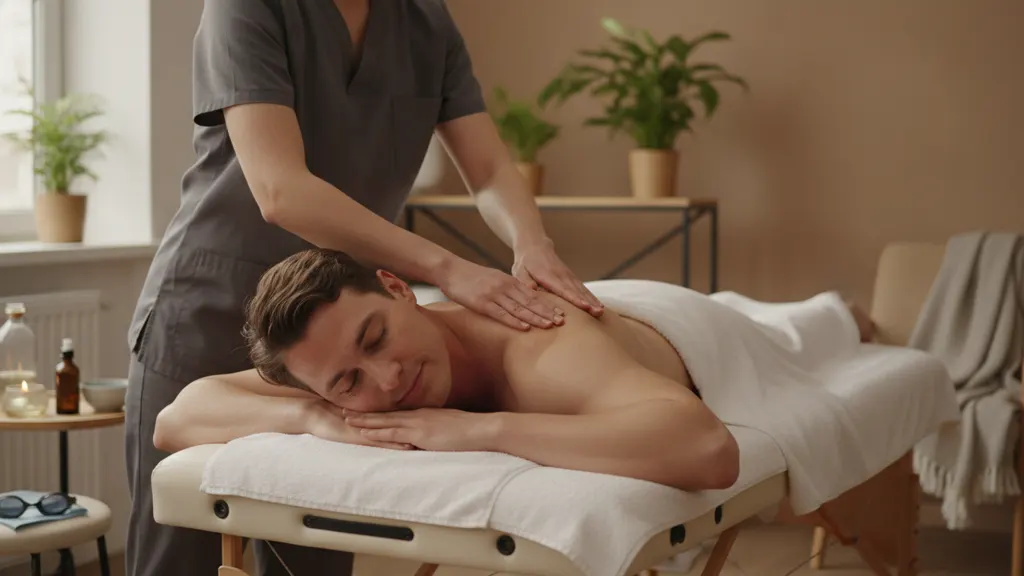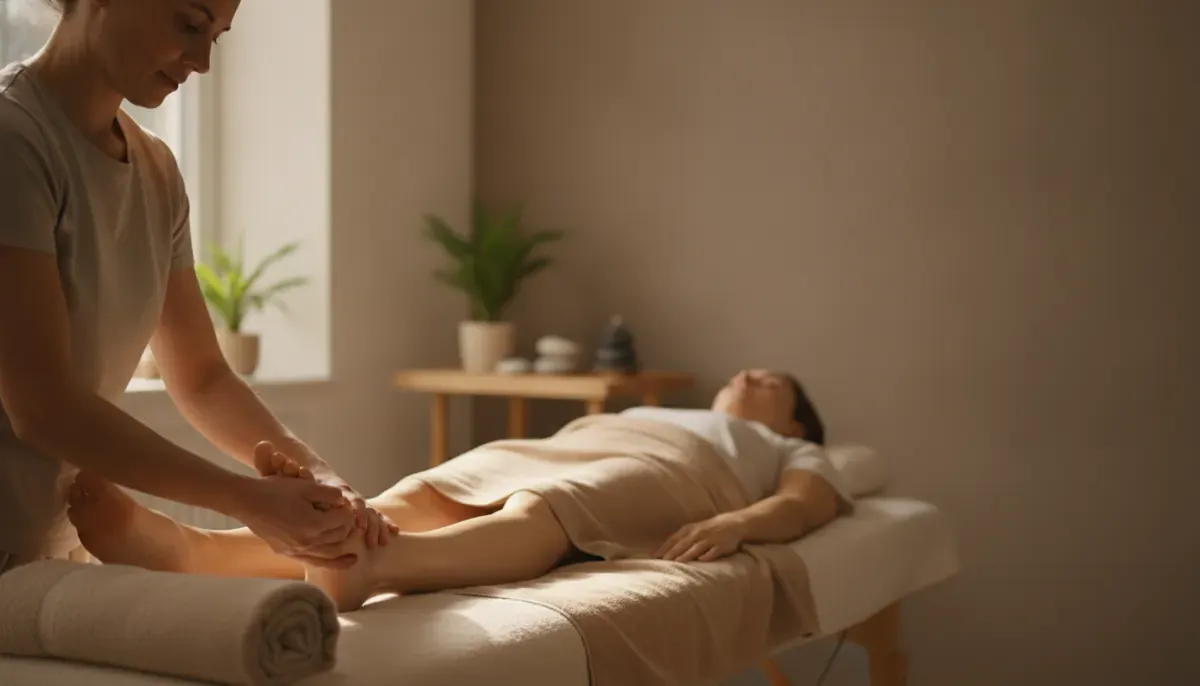

Taking an active role in your health means finding effective tools to support your body. Medical massage is one of the most powerful resources available for managing pain, accelerating recovery, and maintaining your overall well-being. It’s a targeted therapy that goes beyond a one-size-fits-all routine, focusing instead on your unique needs and health goals. A skilled therapist will work with you to address specific issues, from releasing deep-seated muscle tension to improving circulation after an injury. Understanding the benefits of medical massage is the first step toward using this therapy proactively to feel stronger, move more freely, and live with greater comfort.
Key Takeaways
- Think of it as treatment, not just a treat: Medical massage is a goal-oriented therapy designed to resolve specific health issues like chronic pain or injury, going beyond the general relaxation of a spa massage.
- It actively supports your body’s recovery: By improving circulation, reducing inflammation, and increasing mobility, therapeutic massage helps you heal faster and more completely after an injury or surgery.
- Your treatment is a team effort: Always work with a licensed professional and be open about your health history. A partnership between you, your therapist, and your doctor ensures your plan is safe and customized for you.
What is Medical Massage?
If you’ve ever thought of massage as just a relaxing treat, it’s time to meet its more focused cousin: medical massage. Also known as therapeutic massage, this approach is all about achieving specific health outcomes. Instead of a general, all-over relaxation session, a medical massage targets particular issues to help you feel and function better. The goal is to address a specific problem, whether that’s controlling pain, reducing swelling, or improving your flexibility after an injury. It’s a hands-on treatment designed to resolve specific conditions that a doctor may have diagnosed.
Think of it as a goal-oriented treatment. A therapeutic massage can help ease discomfort, increase your range of motion, and support your body’s natural healing process. It’s a powerful tool for managing a wide range of conditions, from chronic back pain to recovery after surgery. At Nola Bliss, our massage services are designed with this therapeutic focus in mind, helping you find real, lasting relief. Our therapists work with you to understand your specific needs and create a session that directly addresses them, moving you closer to your wellness goals. We focus on the ‘why’ behind your visit, ensuring every minute of your session is dedicated to making a tangible difference in your well-being.
How It Differs From a Spa Massage
While a spa massage is wonderful for unwinding and de-stressing, a medical massage has a different mission. The primary difference lies in the intent. A spa massage focuses on general relaxation, while a medical massage is a targeted treatment designed to resolve a specific physical issue. It’s a more clinical and precise approach to bodywork.
This type of massage is performed by licensed professionals who have undergone specialized training to understand how to safely and effectively work with various medical conditions. According to the Ohio State Medical Center, this extra training is crucial for knowing what kind of pressure and techniques are appropriate for your specific needs. You won’t find a one-size-fits-all routine here; instead, the session is completely customized to your health concerns and treatment plan.
The Therapist’s Role in Your Treatment
In a medical massage, your therapist is an active partner in your health journey. They are highly skilled practitioners trained to work on the soft tissues in your body, including muscles, tendons, and ligaments, to address specific problem areas. Their role goes beyond simply providing a massage; they assess your condition, identify the source of your discomfort, and apply targeted techniques to bring about a therapeutic change.
Our team of therapists at Nola Bliss are all licensed professionals with a deep understanding of anatomy and physiology. They often work in concert with your other healthcare providers, like doctors or physical therapists, to ensure your massage treatment complements your overall care plan. Whether you’re seeking a Deep Tissue Massage for chronic tension or specialized prenatal care, your therapist will use their expertise to create a safe, effective, and healing experience.
What Are the Health Benefits of Medical Massage?
When you think of massage, you might picture a relaxing spa day. While that’s certainly one aspect, medical massage offers so much more. It’s a targeted, outcome-based approach designed to address specific health conditions and injuries. Think of it as a hands-on therapy that works with your body’s natural healing processes to produce real, lasting results. Whether you’re dealing with a nagging injury, chronic pain, or the physical toll of stress, medical massage can be a powerful tool in your wellness toolkit.
The benefits go far beyond the massage table. By focusing on the root cause of your discomfort, a skilled therapist can help you find relief, regain movement, and improve your overall quality of life. It’s a proactive way to manage your health, helping to reduce pain, speed up recovery after an injury or surgery, and even support your mental well-being. At Nola Bliss, our licensed massage therapists are trained in specific techniques to help you achieve these goals. We create a personalized treatment plan that addresses your unique needs, helping you feel better both physically and mentally.
Relieve and Manage Pain
One of the most common reasons people seek medical massage is for pain relief, and for good reason. It’s an effective, non-medicinal way to manage both recent (acute) and long-lasting (chronic) pain. Targeted massage techniques can help soothe sore muscles, release trigger points, and calm irritated nerves. This approach is beneficial for a wide range of issues, including persistent low back pain, neck and shoulder tension, and even frequent headaches. By focusing on the specific muscles and tissues causing your discomfort, a therapeutic massage can provide significant relief and help you get back to your daily activities with more comfort and ease.
Improve Circulation
Proper circulation is essential for healing. Your blood carries oxygen and vital nutrients to all the tissues in your body, while your lymphatic system helps clear out waste products and reduce swelling. Medical massage gives both of these systems a helping hand. The pressure and movement from techniques like Swedish massage or Ashiatsu Deepfeet Bar Therapy encourage better blood flow to targeted areas. This increased circulation can speed up recovery from injuries, reduce inflammation, and promote healthier tissues overall. It’s a fundamental benefit that supports nearly every other positive outcome of massage therapy.
Increase Mobility and Flexibility
If you feel stiff, tight, or limited in your movements, medical massage can make a world of difference. Over time, stress, injuries, and repetitive motions can cause muscles and the connective tissue around them (fascia) to become tense and restricted. This can lead to a decreased range of motion in your joints, making simple actions feel difficult. Therapeutic massage works to soften and lengthen these tight tissues, releasing adhesions and restoring elasticity. The result is greater flexibility and improved mobility, whether you’re trying to reach for something on a high shelf or simply turn your head without discomfort.
Reduce Stress and Support Mental Health
The connection between mind and body is powerful, and medical massage addresses both. While the physical benefits are clear, the impact on your mental health is just as important. A therapeutic massage session provides a dedicated time for your body and mind to relax, which can significantly lower stress hormones like cortisol. According to the National Center for Complementary and Integrative Health, massage can help ease symptoms of anxiety and depression. By relieving physical tension, you often create space for mental calm, making it a valuable part of any self-care or mental wellness routine.
Speed Up Healing and Recovery
Whether you’re recovering from surgery, a sports injury, or an accident, medical massage can play a key role in getting you back on your feet faster. Therapeutic techniques help reduce post-surgical swelling and can break down scar tissue that might otherwise limit movement and cause pain. By improving blood flow to the injured area, massage delivers the necessary resources for tissue repair. This focused approach not only accelerates the physical healing process but also helps restore normal function to the affected area, ensuring a smoother and more complete recovery.
What Conditions Can Medical Massage Treat?
Medical massage is a versatile therapy that can be tailored to address a wide range of health concerns. It goes beyond simple relaxation to provide targeted relief for specific issues, making it a powerful tool for managing symptoms and supporting your body’s healing process. Whether you’re dealing with a nagging injury, a chronic condition, or the stress of a serious illness, a skilled therapist can adapt their techniques to meet your unique needs. This approach can help you find relief and improve your overall quality of life.
Chronic Pain
Living with chronic pain can be exhausting, but medical massage offers a way to manage discomfort without relying on medication. It’s particularly effective for common issues like persistent low back pain, neck tension, recurring headaches, and tight, sore shoulders. By focusing on the underlying sources of tension and restriction in your muscles and connective tissues, a therapeutic massage can help release knots and ease pain. Regular sessions can provide lasting relief from pain and stress, helping you feel more comfortable and in control of your body.
Sports Injuries
For athletes and active individuals, injuries can be a frustrating setback. Medical massage is a key part of the recovery process for many sports-related injuries. It helps soothe the pain from strains, sprains, and overuse by targeting the affected muscles and tissues. A specialized treatment like Ashiatsu Deepfeet Bar Therapy can provide the deep, consistent pressure needed to release tension and promote healing. By incorporating massage into your recovery plan, you can get back to the activities you love with greater comfort and reduced risk of re-injury.
Post-Surgical Recovery
Recovering from surgery is a journey, and medical massage can be a wonderful addition to your healing plan. Therapeutic techniques help your body recover faster by improving blood flow and lymphatic drainage, which works to reduce swelling and inflammation around the surgical site. It can also be instrumental in breaking up scar tissue as it forms, preventing it from becoming thick or stiff and limiting your range of motion. This gentle, targeted approach supports your body’s natural healing mechanisms, making your post-surgical recovery smoother and more comfortable.
Fibromyalgia and Migraines
Conditions like fibromyalgia and chronic migraines can be difficult to manage, but massage therapy can offer significant relief from their symptoms. For those with fibromyalgia, studies show that consistent massage sessions can lead to improvements in pain, anxiety, and depression. Similarly, since many migraines are triggered or worsened by muscle tension in the neck and shoulders, targeted massage can help release that tension and reduce the frequency or intensity of headaches. It’s a gentle, non-invasive way to find some comfort and ease the daily challenges of these conditions.
Support During Cancer Treatment
Going through cancer treatment is physically and emotionally demanding. While massage is not a treatment for cancer itself, it can be a safe and comforting part of your supportive care plan. With proper precautions and a doctor’s approval, massage can help manage some of the side effects of treatment. According to the National Center for Complementary and Integrative Health, it can be a wonderful way to reduce stress, ease anxiety, and find a moment of peace during a challenging time. Always work with a therapist experienced in oncology massage to ensure your safety and comfort.
How Medical Massage Speeds Up Recovery
If you’re recovering from an injury, medical massage can be a powerful tool to speed up the process. It works directly with your body’s natural healing abilities to help you get back on your feet faster. Unlike a general relaxation massage, this therapeutic approach targets the specific tissues involved in your recovery to help you heal more completely. Here’s how it supports your body.
Increases Blood Flow to Injuries
Fresh blood delivers the oxygen and nutrients your tissues need to repair themselves. Therapeutic massage stimulates circulation, directing more blood to the injured area. This enhanced flow nourishes the tissue and helps flush away metabolic waste products that can slow down recovery. By improving circulation right where you need it, massage creates the ideal environment for your body to heal faster. This is beneficial whether you’re dealing with a recent muscle strain or a nagging, chronic issue that just won’t seem to go away. It’s a direct, hands-on way to support your body’s own repair crew.
Reduces Inflammation and Swelling
While some inflammation is a normal part of healing, excessive swelling can be painful and hinder recovery. This fluid buildup puts pressure on nerves and restricts your movement, making it hard to get comfortable. Medical massage helps by gently guiding this excess fluid away from the injury and back into your body’s circulatory system. This can provide immediate relief from discomfort and create a better environment for healing to take place. By managing inflammation, your therapist helps clear the way for a smoother, more comfortable recovery process, allowing you to regain function sooner.
Breaks Down Scar Tissue
After an injury or surgery, your body creates scar tissue to mend the damage. While this is a natural process, the tissue can sometimes form stiff adhesions that limit your range of motion and cause pain long after the initial injury has healed. A therapist can use focused techniques, like those in a deep tissue massage, to manually break down these tough fibers. This process helps restore flexibility and normal function to your muscles and connective tissues. Addressing scar tissue is key to preventing long-term stiffness and ensuring you regain full, pain-free mobility.
Improves Lymphatic Drainage
Your lymphatic system is your body’s cleanup crew, responsible for clearing out waste, toxins, and excess fluid. An injury can overwhelm this system, causing fluid to build up and slow down the healing process. Medical massage supports this vital function by encouraging lymphatic drainage. Using gentle, rhythmic strokes, a therapist helps move stagnant lymph fluid along its proper pathways. This reduces swelling and detoxifies the injured area, creating a cleaner environment for healthy new tissue to grow. It gives your body the support it needs to recover efficiently and completely.
What Techniques Make Medical Massage Effective?
Medical massage isn’t a single style but rather an outcome-based approach that uses a variety of specialized techniques. Think of it as a toolkit your therapist draws from to address your specific health goals. A skilled practitioner will assess your condition and create a personalized treatment plan, often combining several methods to relieve pain, restore function, and support your body’s healing process.
The effectiveness of medical massage comes from this targeted approach. Instead of a general, full-body relaxation session, your therapist focuses on the specific muscles, tissues, and systems related to your issue. They might work on releasing a stubborn knot that’s causing nerve pain, gently stretch connective tissue to improve your range of motion, or use specific strokes to reduce post-surgical swelling. This precision is what sets it apart and makes it such a powerful part of a comprehensive wellness plan. Below are some of the key techniques a therapist might use to help you feel and move better.
Neuromuscular Therapy
If you’ve ever had a persistent “knot” that just won’t go away, neuromuscular therapy might be the solution. Also known as trigger point release, this technique focuses on specific points of muscle tightness that can cause pain both locally and in other parts of the body. Your therapist applies concentrated pressure to these trigger points to release tension and break the cycle of pain. According to experts at the Ohio State Medical Center, this approach is particularly helpful for ongoing muscle and nerve problems. By calming these irritable spots, neuromuscular therapy can relieve chronic discomfort and improve your overall muscle function, helping you get back to your daily activities with greater ease.
Myofascial Release
Myofascial release targets the fascia, the thin web of connective tissue that wraps around every muscle and organ in your body. When this tissue becomes tight or restricted due to injury, stress, or inflammation, it can cause pain and limit your mobility. This technique involves applying gentle, sustained pressure to stretch and soften the fascia, allowing the muscles to move more freely. It’s a slow and deliberate process that works to ease tight spots in muscles and tissues to reduce pain. By releasing these restrictions, myofascial release can significantly improve your flexibility, reduce soreness, and restore your body’s natural alignment and balance.
Manual Lymph Drainage
Manual lymph drainage is a very gentle massage technique designed to support your body’s lymphatic system, which is crucial for managing fluid levels and removing waste. Using light, rhythmic strokes, your therapist encourages the natural movement of lymph fluid, which helps reduce swelling and inflammation. This method is especially beneficial for those recovering from surgery or dealing with conditions like lymphedema. By promoting the natural drainage of the lymph, this technique helps detoxify the body and can speed up the healing process. It’s a soothing and non-invasive way to manage swelling and support your immune system.
Deep Tissue and Ashiatsu
When you have chronic aches and pains lodged deep within your muscles, deep tissue massage can provide lasting relief. This technique uses slow, firm strokes to target the deeper layers of muscle and connective tissue. It’s highly effective for breaking down scar tissue and releasing chronic muscle tension. A unique and powerful form of deep tissue is Ashiatsu Deepfeet Bar Therapy, where the therapist uses their feet to apply broad, consistent pressure. According to the Cleveland Clinic, this type of therapeutic massage is excellent for relieving tension in large muscle groups like the back, hips, and legs. The sustained pressure can feel both intense and incredibly relieving, making it a favorite for athletes and anyone with deep-seated muscle pain.
What to Know Before Your First Session
Signs Medical Massage Is Right for You
Medical massage is a powerful way to treat pain and reduce stress without medication. If you’re dealing with persistent issues like low back pain, chronic neck tension, or frequent headaches, this therapy could be a great fit. It’s designed to address specific health conditions and is an excellent option if you’re looking for a targeted approach to wellness. Our therapeutic massages are tailored to your body’s needs, focusing on the root cause of your discomfort to provide lasting relief and support your overall health goals.
Safety and Contraindications
Your safety is the top priority. While therapeutic massage is beneficial for most, it’s not suitable for everyone. Talk with your doctor first if you take blood-thinning medication, have fragile skin, or have implanted medical devices. Other conditions that require a doctor’s approval include a history of blood clots or severe osteoporosis. Being open about your health history ensures your session is both safe and effective. You can learn more about general massage safety from trusted health resources to feel fully prepared.
Coordinating With Your Doctor
It’s always a good idea to check with your healthcare provider before starting medical massage, especially if you have an existing health condition. Your doctor can help determine if massage is a good addition to your care plan and may even provide a referral. Our licensed massage therapists are experienced in working alongside other healthcare professionals to support your wellness goals. This team approach ensures your massage treatment complements any other care you are receiving, leading to better, more lasting results.
Understanding Insurance and Costs
Many people wonder if medical massage is covered by insurance. In some cases, it can be. You may need a prescription from your doctor to use your health insurance, flexible spending account (FSA), or health savings account (HSA) for your sessions. Be sure to check with your provider about your specific coverage. Of course, you can always pay for your massage yourself. Many clients find the investment in their health is well worth it, providing benefits that extend far beyond the massage table.
What to Expect During Your Treatment
A medical massage is a partnership between you and your therapist, focused entirely on your health and wellness goals. Unlike a standard spa treatment, every step is tailored to address your specific needs, from the initial conversation to the hands-on techniques used. Knowing what to expect can help you relax and get the most out of your session. Your treatment is a collaborative effort, and your comfort and progress are the top priorities. The goal is to create a therapeutic experience that provides lasting relief and supports your overall well-being.
How to Prepare for Your Session
To make the most of your appointment, plan to arrive about 15 minutes early. This gives you plenty of time to settle in and complete a brief intake form about your health history and reasons for seeking treatment. Before the massage begins, you’ll have a one-on-one consultation with your licensed massage therapist. This is your opportunity to discuss your pain points, injuries, and what you hope to achieve. Whether you’re looking for general relaxation or targeted work on a specific area, this conversation ensures your massage service is customized for you.
Communicating With Your Therapist
Your feedback is one of the most important parts of the session. Throughout the massage, your therapist will check in with you, but you should always feel empowered to speak up. If the pressure feels too deep or too light, just let them know. What feels right can change depending on the area being worked on, and open communication helps your therapist adjust their technique for the best results. Remember, this time is for you. Our goal is to create a comfortable and effective treatment, and your input is essential to making that happen.
Your Treatment and Maintenance Plan
There is no standard routine for a medical massage. Based on your initial consultation, your therapist will design a treatment plan that uses specific techniques to address your concerns. For some, one session can provide significant relief. For others, especially those dealing with chronic pain or recovering from an injury, your therapist may recommend a series of sessions as part of a larger maintenance plan. Our dedicated team is focused on your long-term health and can help create a schedule that supports your healing journey and keeps you feeling your best.
How to Find the Right Medical Massage Therapist
Finding the right person for the job is crucial when you’re seeking therapeutic results. A medical massage therapist becomes a partner in your health journey, so you want to find someone with the right skills, experience, and approach for your specific needs. It’s about more than just a relaxing hour on the table; it’s about finding a professional who can help you manage pain, recover from injury, and improve your overall well-being. Taking the time to vet a therapist ensures you’re in capable hands and can feel confident in your treatment plan.
Look for Proper Training and Certifications
First things first, always check for credentials. A qualified medical massage therapist will be a Licensed Massage Therapist (LMT), which means they have completed a required number of training hours and passed a state-administered exam. These requirements can vary by state, but the license is your assurance of a foundational level of expertise and professionalism. You can also look for additional certifications in specific modalities, like neuromuscular therapy or myofascial release. At Nola Bliss, we pride ourselves on our dedicated team of highly trained and experienced LMTs who are passionate about the healing arts.
Questions to Ask Your Therapist
Before you even book an appointment, it’s a great idea to have a conversation. Don’t be shy about asking questions to see if a therapist is the right fit for you. You can ask about their experience with your specific condition, what techniques they typically use, and what you can expect from a session. This is also the time for you to be open. Tell them about your health history, any medications you’re taking, and what your goals are. A great therapist will listen carefully and create a treatment plan tailored to you.
Red Flags to Watch For
Your comfort and safety are the top priorities. While medical massage is safe for most people, there are some situations where it requires caution. Be sure to talk with your doctor before seeking massage if you have a history of blood clots, take blood-thinning medication, have osteoporosis, or are undergoing cancer treatment. A professional therapist will always conduct a thorough intake and ask detailed questions about your health. A major red flag is a therapist who dismisses your concerns, promises a “cure,” or proceeds without understanding your medical history. A true professional will work with you and your doctor to ensure the treatment is both safe and effective.
Related Articles
Frequently Asked Questions
What’s the difference between a medical massage and a deep tissue massage? Think of it this way: deep tissue is a specific tool, while medical massage is the entire project plan. A medical massage is a goal-oriented approach designed to address a specific health issue, like recovering from an injury or managing chronic headaches. Your therapist might use deep tissue techniques during the session, but they will also incorporate other methods like myofascial release or neuromuscular therapy, all chosen specifically to help you reach your wellness goal.
Is a medical massage supposed to be painful? You should never have to grit your teeth through a massage. While some targeted techniques can create an intense sensation, often described as a “good hurt,” the treatment should always stay within your comfort zone. The goal is to release tension, not to cause pain. Open communication with your therapist is essential; they can adjust the pressure and technique at any time to ensure the session is both effective and comfortable for you.
How often will I need to come in for treatment? The frequency of your sessions really depends on your individual needs and goals. If you’re dealing with a recent injury, your therapist might suggest weekly appointments for a short period to get things under control. For managing a long-term condition like chronic back pain, a session every few weeks or once a month might be perfect for maintenance. Your therapist will work with you to create a personalized treatment schedule that makes sense for your body and your lifestyle.
Do I need a referral from my doctor to book an appointment? You don’t need a doctor’s referral to schedule a medical massage with us. However, if you’re seeking treatment for a specific medical condition, we always recommend keeping your doctor in the loop. This ensures your massage therapy complements your overall healthcare plan. Also, if you hope to use your insurance, FSA, or HSA to cover the cost, you will likely need a prescription or referral from your doctor.
How will I feel after my medical massage session? Many people feel immediate relief, noticing less pain and a greater range of motion right away. It’s also completely normal to feel a little sore for a day or two afterward, much like you would after a good workout. This happens as your muscles adjust to the therapeutic work. We always suggest drinking plenty of water after your session to help your body process the changes and feel its best.