You’ve tried stretching. You’ve tried hot packs. You’ve even asked a partner to “just press right there.” While these might provide a fleeting moment of relief from that stubborn shoulder knot, the ache always seems to return. That’s because surface-level approaches can’t address tension rooted deep within the muscle fibers. To truly resolve chronic knots, you need a technique that reaches those constricted areas. This is precisely why a therapeutic deep tissue massage is a game-changer for so many. It’s a focused treatment designed to physically break down painful muscle adhesions and restore lasting comfort.
Key Takeaways
- Shoulder knots are tight muscle fibers, not actual knots: They form in response to common stressors like poor posture, repetitive motions, and emotional tension, which can cause both localized and radiating pain.
- Deep tissue massage provides focused treatment: Unlike a general relaxation massage, it uses slow, firm pressure and specific techniques to physically break down painful muscle adhesions, restore blood flow, and improve your range of motion.
- Extend your relief with simple aftercare: You can maintain the benefits of your massage by staying hydrated, performing gentle daily stretches to keep muscles flexible, and making conscious improvements to your posture.
So, What Exactly Are Shoulder Knots?
If you’ve ever felt a hard, tender bump in your shoulder or upper back, you’ve probably met a muscle knot. These aren’t actual knots in your muscles, but rather tight spots where muscle fibers have tensed up and can’t seem to relax. They’re incredibly common and often form from the daily stresses we put on our bodies, whether we’re sitting at a desk, carrying heavy bags, or just feeling overwhelmed.
These tight clumps of muscle can be more than just annoying; they can restrict your movement and cause persistent pain. Understanding what they are and why they happen is the first step toward finding lasting relief. At Nola Bliss, our experienced therapists are experts at locating and releasing these stubborn knots, helping you move more freely and feel like yourself again. Our range of therapeutic massage services is designed to address the root cause of your discomfort, not just the symptoms.
How to Know if You Have a Shoulder Knot
Shoulder knots can feel different for everyone, but they usually show up as a small, hard lump in the muscle. When you press on it, you might feel a dull, constant ache or even a sharp, specific pain. Sometimes, the pain isn’t just in one spot. A knot in your shoulder blade could send pain radiating up your neck or down your arm. This is known as referred pain, and it’s a classic sign of a trigger point. You might also notice that the entire muscle feels stiff and tight, making it harder to turn your head or lift your arm.
Are Your Daily Habits Causing Shoulder Knots?
Think about how much time you spend hunched over a computer or looking down at your phone. This kind of poor posture puts a lot of strain on your neck and shoulder muscles, forcing them to stay contracted for long periods. When muscle fibers can’t relax, blood flow gets restricted, leading to pain and the formation of knots. The same thing happens with repetitive movements, whether you’re a painter, a musician, or an athlete. These repeated actions can overwork specific muscles, causing them to tighten up. A deep tissue massage is fantastic for addressing these issues because it targets those deeper layers of muscle.
Can Stress Cause Shoulder Knots?
Absolutely. Your mental and emotional state has a powerful effect on your physical body. When you feel stressed or anxious, your body often goes into a “fight or flight” response, causing your muscles to tense up automatically. Many of us hold this tension in our neck and shoulders without even realizing it. If you’re dealing with chronic stress, your muscles may stay in a constant state of partial contraction. Over time, this sustained tension can easily lead to painful knots. That’s why a massage isn’t just a physical treatment; it’s a way to help your mind and body let go of stored-up stress.
Beyond Bad Posture: Other Causes of Knots
While slouching over a desk is a well-known culprit, it’s far from the only reason you might be dealing with shoulder knots. Repetitive strain from activities like painting, playing an instrument, or even just holding your phone can cause muscle fibers to tighten. Dehydration is another sneaky cause; when your muscles don’t get enough water, they can become less pliable and more prone to cramping and forming knots. Even old injuries can be to blame, as your body may develop compensatory patterns that put extra strain on your shoulders. A skilled therapist can help identify these underlying issues, which is why a comprehensive therapeutic massage is so effective. It’s not just about rubbing a sore spot; it’s about understanding the “why” behind your pain.
How Deep Tissue Massage Unwinds Stubborn Shoulder Knots
So, how does a deep tissue massage actually get rid of those painful knots? It’s not just about applying random, heavy pressure. Instead, it’s a methodical approach that combines targeted techniques with your body’s own healing response. A skilled therapist uses specific strokes to release tension, break down adhesions, and encourage muscle recovery from the inside out.
How Deep Pressure Relaxes Tight Muscles
Deep tissue massage is designed to go beyond the surface. Using firm pressure and slow, deliberate strokes, your therapist can reach the deep layers of muscle and connective tissue where chronic tension is often held. Unlike a Swedish massage that focuses more on general relaxation, a deep tissue massage aims to address specific problem areas. This intentional pressure encourages tight muscle fibers to release and lengthen. It’s a focused technique that tells your body it’s safe to let go of that deeply held tension, providing relief that lasts long after you leave the table.
Breaking Up Knots to Restore Your Mobility
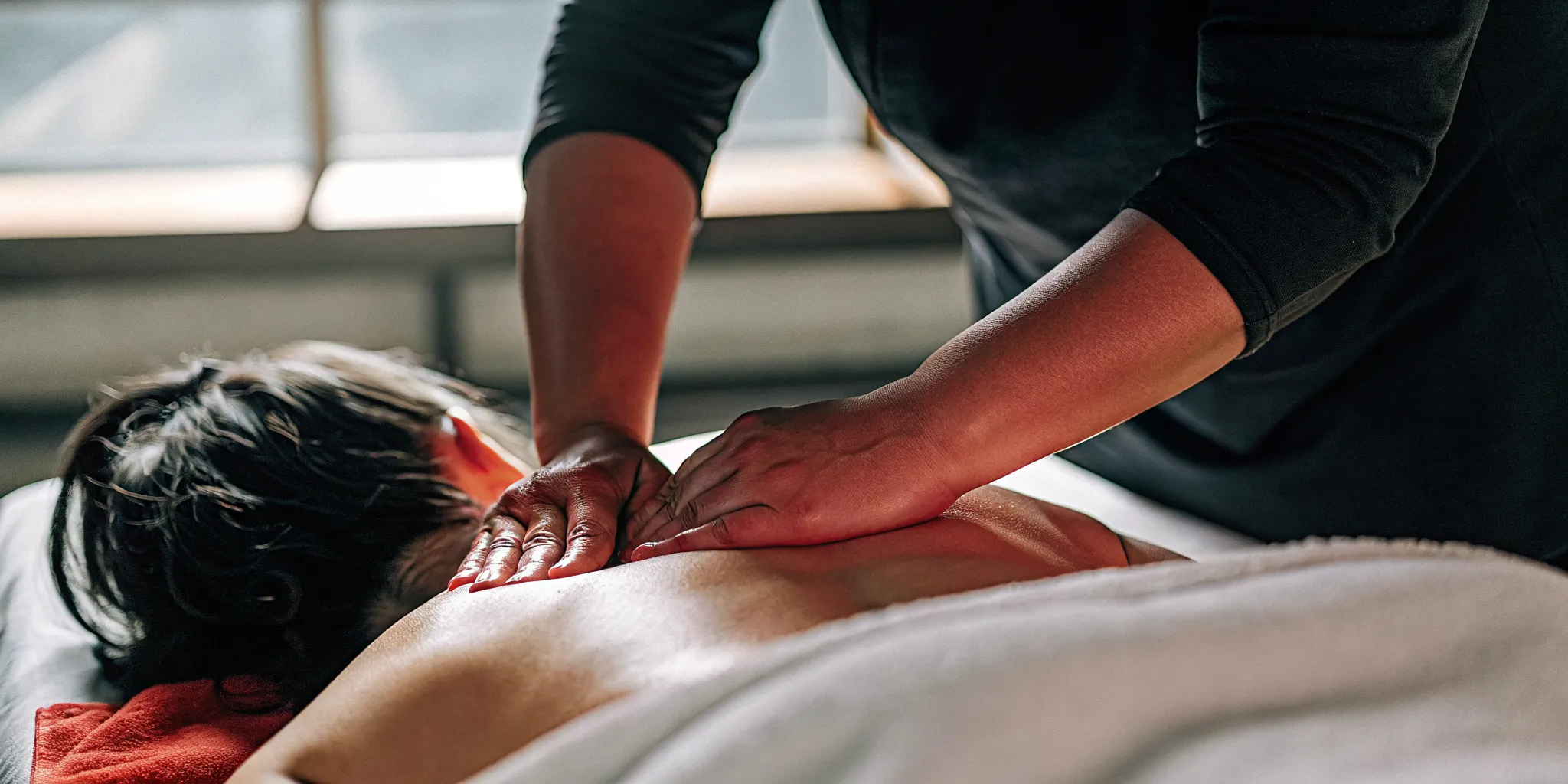
Those tight, painful spots you feel in your shoulders are essentially bundles of contracted muscle fibers, often called adhesions or trigger points. During a deep tissue massage, your therapist uses slow strokes and deep finger pressure to physically break down these adhesions. While the pressure can feel intense, it’s incredibly effective at smoothing out the muscle tissue and getting rid of knots. By releasing these contracted areas, the massage helps realign the muscle fibers, restoring flexibility and improving your range of motion. This is why you often feel looser and more mobile after a session.
Speed Up Recovery with Improved Blood Flow
The benefits of deep tissue massage continue even after the session ends. The pressure applied to your muscles helps to stimulate blood flow in the targeted areas. This increased blood circulation acts like a cleanup crew for your muscles. It delivers a fresh supply of oxygen and nutrients that are essential for healing and repair. At the same time, it helps flush out metabolic waste products, like lactic acid, that can build up in tense muscles and contribute to soreness. This process reduces inflammation and helps your muscles recover more quickly.
More Than Just Muscles: The Mental and Emotional Benefits
The relief from a deep tissue massage goes far beyond just your muscles. We know that emotional stress has a powerful effect on the body, often causing muscles to tense up without us even realizing it. A deep tissue massage directly addresses this mind-body connection. As your therapist works to release the physical tension, they are also helping your mind let go of the stored-up stress that caused it. This focused, therapeutic touch signals to your nervous system that it’s safe to relax and exit that ‘fight or flight’ mode. It’s why a massage isn’t just a physical treatment; it’s a powerful tool for managing stress and finding a sense of calm. Many people find that adding Himalayan Salt Stones can further deepen this feeling of relaxation.
What Makes a Deep Tissue Massage So Effective?
A great deep tissue massage is much more than just firm pressure. It’s a strategic and highly skilled approach that uses specific methods to reach the deeper layers of muscle and connective tissue where chronic pain resides. Our therapists are trained to feel for adhesions and tight spots, then apply the right techniques to release them. Think of it as a focused conversation with your muscles, where the goal is to persuade them to let go of long-held tension. It’s not about enduring pain; it’s about intelligent, targeted work that encourages your body to heal.
These methods are designed to work with your body, not against it. By understanding the anatomy of a muscle knot and the tissues involved, a skilled therapist can choose the right tool for the job. Whether it’s zeroing in on a single trigger point or gently stretching the connective tissue that holds everything together, each technique has a specific purpose. These methods work together to break down stubborn knots, improve your range of motion, and restore your body’s natural flexibility. Let’s explore a few of the key techniques that make a deep tissue massage so transformative for shoulder pain and beyond.
Find Pinpointed Relief with Trigger Point Therapy
Have you ever felt a tiny, sensitive spot in a muscle that, when pressed, sends a sensation to another part of your body? That’s a trigger point, and it’s often the epicenter of a stubborn knot. To address this, your therapist will use a technique called Trigger Point Therapy, applying direct and steady pressure to these specific points using their fingers, knuckles, or elbows. This focused pressure helps release the constricted area, which in turn alleviates the referred pain and tension you might be feeling elsewhere. It’s an incredibly precise and effective way to tackle those deep, nagging knots that don’t seem to respond to broader massage strokes.
Myofascial Release and Cross-Fiber Friction Explained
Sometimes, muscle fibers and the web of connective tissue around them (called fascia) can get stuck together, forming adhesions that limit your range of motion. To fix this, therapists often use cross-fiber friction, which involves applying short, deep strokes perpendicular to the muscle fibers to help break up these adhesions. This is often paired with Myofascial Release, a technique that uses gentle, sustained pressure to stretch and loosen the fascia. By addressing both the muscle and its surrounding tissue, these techniques work together to restore smooth, unrestricted movement and prevent future knots from forming.
Why Sustained Pressure is Key for Releasing Tension
The true power of deep tissue massage often lies in its deliberate, unhurried pace. Instead of the quick, gliding strokes you might find in a Swedish massage, your therapist will use slow, firm pressure to gradually sink into the deeper layers of muscle. This sustained pressure is essential because it gives your muscles time to relax and accept the work, rather than tensing up in defense. This approach effectively releases chronic muscle tension by breaking down scar tissue and encouraging better circulation. Improved blood flow delivers fresh oxygen and nutrients to the area, which helps speed up the healing process.
Who Else Can Deep Tissue Massage Help?
While deep tissue massage is a fantastic solution for stubborn shoulder knots, its benefits extend far beyond that one area. This therapeutic approach can provide significant relief for a wide range of people, from those managing chronic health conditions to athletes looking to maintain peak performance. It’s a versatile tool for anyone seeking to address deep-seated muscle tension and improve their overall physical well-being. The key is working with a skilled therapist, like the highly trained professionals at Nola Bliss, who can adapt the techniques to your specific needs and health history.
Relief for Chronic Pain Conditions
Living with chronic pain can be exhausting, affecting everything from your mood to your ability to handle daily tasks. While there’s no single magic bullet, deep tissue massage can be an incredibly effective part of a pain management plan. By targeting the deep layers of muscle and connective tissue, it helps release long-held tension that contributes to persistent aches. This isn’t just about feeling good for an hour; it’s about creating lasting change in your muscle tissue, which can lead to a significant reduction in pain and an improvement in your quality of life.
Fibromyalgia and Sciatica
Conditions like fibromyalgia and sciatica involve widespread or radiating nerve pain that can be difficult to manage. Deep tissue massage offers a way to address the muscular component of this pain. It uses strong pressure to work on muscles, breaking down the “muscle adhesions” or sticky spots that can form after an injury or from a long-term illness. For someone with fibromyalgia, this can help ease the tender points and chronic muscle tension. For sciatica, releasing tight muscles in the lower back and glutes can relieve pressure on the sciatic nerve, reducing the sharp, shooting pain that travels down the leg.
Osteoarthritis and Injury Recovery
When you’re dealing with osteoarthritis or recovering from an injury, movement can be painful and limited. While it might seem counterintuitive to apply pressure to sore areas, deep tissue massage can be incredibly beneficial. It helps release chronic muscle tension that often develops as the body compensates for joint pain or injury. By loosening these tight muscles, the massage can reduce stiffness, improve your range of motion, and alleviate some of the strain on affected joints. This makes it a valuable tool for managing osteoarthritis symptoms and supporting the body’s natural healing process during injury recovery.
Performance Support for Athletes
Athletes at every level, from weekend warriors to seasoned professionals, put their bodies through intense physical stress. This repetitive strain can lead to tight muscles, restricted movement, and an increased risk of injury. Deep tissue massage is a crucial part of many athletes’ training and recovery regimens because it specifically targets these issues. It works on deep muscles and tissues to relieve problem areas that can hinder performance. By breaking down adhesions and improving circulation, it helps muscles recover faster, maintain flexibility, and function more efficiently. This proactive approach not only helps with existing aches but can also prevent future injuries from occurring.
Aiding in Pre- and Post-Operative Recovery
Surgery, while often necessary, is a major physical event that the body needs to recover from. Massage therapy can play a supportive role in both preparing for and recovering from a procedure. Before surgery, a massage can help relax muscles and reduce anxiety. Afterward, it can be a powerful tool for managing pain and accelerating healing, but it’s crucial to get clearance from your doctor first. A skilled therapist can create a custom treatment plan to gently work around the surgical site. This can help reduce swelling, prevent excessive scar tissue formation, and improve mobility as you heal, making your recovery smoother and more comfortable.
A Gentle Approach for Ehlers-Danlos Syndrome (EDS)
Ehlers-Danlos Syndrome (EDS) is a group of inherited disorders that affect connective tissues, leading to issues like joint hypermobility and chronic pain. For individuals with EDS, muscles often work overtime to stabilize loose joints, resulting in significant pain and tension. While deep tissue might sound too intense, a modified approach can be very helpful. The goal is to reduce muscle pain without overstretching fragile tissues. A knowledgeable therapist will use techniques like gentle myofascial release and sustained direct pressure, creating a plan based on your specific needs. This careful, customized approach can provide relief from muscle pain and improve function for people managing this complex condition.
Why Choose Deep Tissue for Shoulder Knots?
When you’re dealing with stubborn shoulder knots, a gentle, relaxing massage might not be enough to provide lasting relief. That’s where deep tissue massage comes in. This therapeutic technique is specifically designed to target the deep-seated tension that causes chronic pain and stiffness. By focusing on the underlying layers of muscle and connective tissue, a deep tissue massage can effectively break down painful knots, restore mobility, and help you feel like yourself again.
When to Choose Deep Tissue Over a Swedish Massage
Many people think of massage as a relaxing spa treatment, and that’s often true of a Swedish massage. While a Swedish massage is fantastic for general relaxation and easing mild tension with its lighter pressure, it doesn’t always address the root cause of chronic pain. Deep tissue massage, on the other hand, is built for the job. Your therapist uses firm pressure and slow, deliberate strokes to reach deeper layers of muscle. This targeted approach is what allows them to release the chronic tension patterns that create those persistent knots in your shoulders, neck, and upper back. If you’re looking for real relief from long-term pain, deep tissue is the more therapeutic choice.
Deep Tissue vs. Sports Massage: What’s the Difference?
You might think deep tissue and sports massage are the same, but they have slightly different goals. A sports massage is often focused on preventing or treating injuries related to a specific athletic activity, and it may include more stretching. Deep tissue massage is focused entirely on relieving severe muscle tension and adhesions, or knots, wherever they are in your body. It’s the perfect solution for shoulder knots caused by things like sitting at a desk all day, repetitive movements, or stress. The techniques used in our massage services are designed to break down these knots and improve your range of motion, making it an ideal treatment for non-athletic, chronic pain.
The Importance of a Licensed and Trained Therapist
When it comes to deep tissue massage, the person performing the treatment matters just as much as the technique itself. This isn’t a time for guesswork or brute force. A licensed and trained therapist has an in-depth understanding of anatomy and knows how to locate and treat the source of your pain safely and effectively. They can feel for those stubborn adhesions and apply precise, intelligent pressure to release them without causing injury. This level of expertise is what makes the difference between a massage that just feels like hard pressure and one that provides genuine, lasting relief. At Nola Bliss, our entire team is composed of highly experienced professionals who have dedicated their careers to the art of therapeutic massage, ensuring you receive the most effective care for your shoulder knots.
What to Expect During Your Deep Tissue Massage
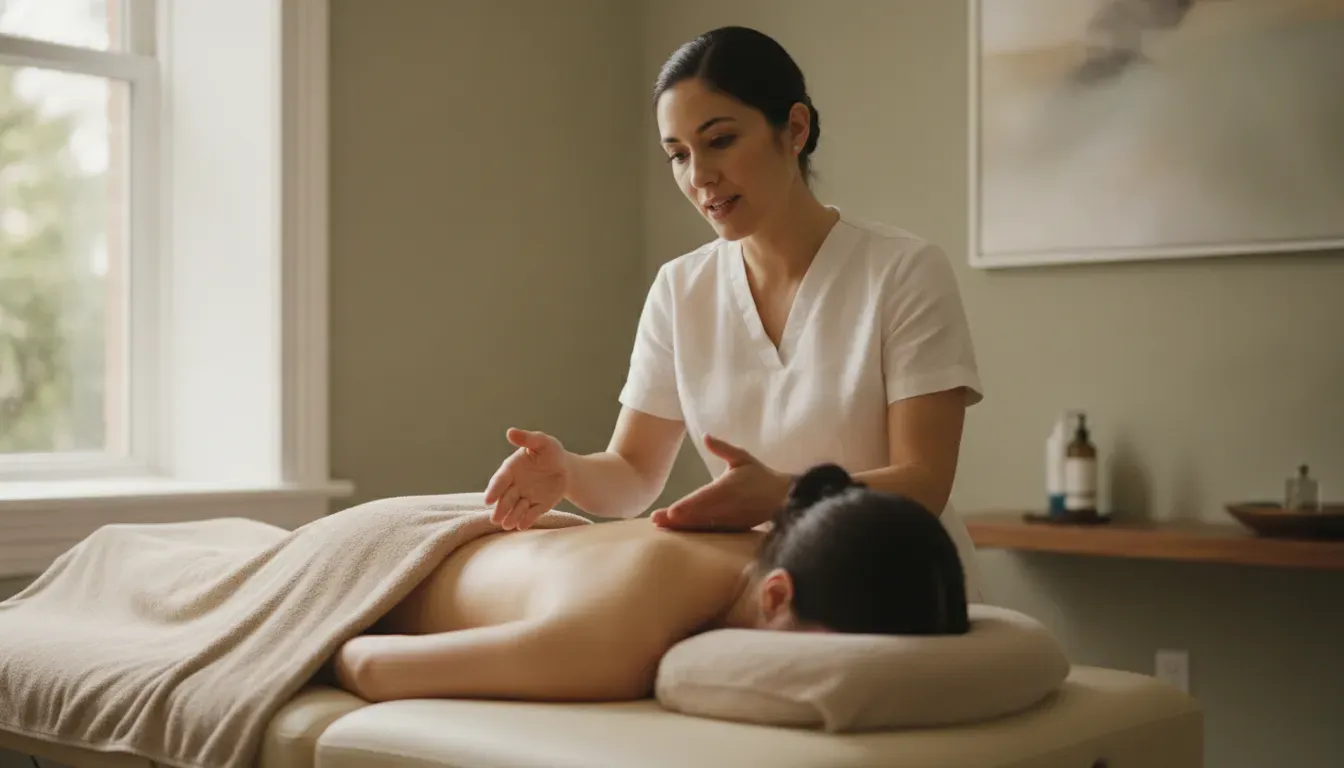
If you’ve never had a deep tissue massage, it’s natural to wonder what it will feel like. During the session, your therapist will use slow strokes and apply firm, direct pressure to your shoulder knots. They may use their knuckles, forearms, or even elbows to reach the deeper muscle fibers. You might feel some intensity, but it should never be sharply painful. It’s what we call a “good hurt,” a sign that the tension is releasing. Communication is key, so always let your therapist know if the pressure is too much. The goal is to break up the tight muscle fibers and adhesions, which helps restore blood flow and brings lasting relief.
How to Make Your Massage Results Last
That incredible, float-out-the-door feeling you get after a great massage doesn’t have to be temporary. While a therapeutic session with a skilled therapist is the best way to address deep knots, what you do afterward is key to extending the benefits. By incorporating a few simple aftercare habits into your routine, you can help your muscles stay relaxed and pain-free for longer. Think of it as a partnership between you and your massage therapist. They do the intensive work to release tension, and you do the maintenance to keep it from coming back. These small steps can make a huge difference in how long you enjoy the results of your deep tissue massage.
Post-Massage Care: Why Hydration is Key
Your first and most important task after a massage is to drink water, and plenty of it. Deep tissue work can release metabolic waste that has been trapped in your tight muscles, and proper hydration is essential for flushing it out of your system. This simple step helps reduce post-massage soreness and supports the healing process. To further soothe your muscles, consider a warm bath with Epsom salts later in the day. The heat can increase circulation, while the magnesium in the salts helps ease any lingering tenderness. Think of aftercare as the final, crucial step of your massage therapy session.
How to Prepare for Your Appointment
To get the most out of your session, a little preparation goes a long way. Before you even arrive, take a moment to think about your goals. Are there specific knots you want addressed? Is there a certain level of pressure you prefer? Be ready to share this with your therapist. Open communication is the most important part of a successful deep tissue massage. Also, make sure you’re well-hydrated in the hours leading up to your appointment; hydrated muscles are more pliable and responsive to the work. Try to avoid a large meal right beforehand and arrive a few minutes early so you can transition from your busy day into a state of relaxation without feeling rushed.
After Your Massage: Tips for a Smooth Recovery
The care you take after your massage is just as important as the massage itself. You may feel a bit tender, similar to how you might feel after a good workout, and that’s completely normal. Your main job is to drink plenty of water to help your body flush out the metabolic waste that was released from your muscles. Later in the day, a warm bath with Epsom salts can work wonders for any lingering soreness. To extend the benefits, you can also incorporate gentle stretching into your routine over the next few days. And next time, consider adding Hot Himalayan Salt Stones to your massage for an extra layer of soothing heat and muscle relaxation.
Simple Stretches to Keep Your Shoulders Healthy
Your massage therapist worked hard to lengthen and relax your tight shoulder muscles. Now, you can help them stay that way with gentle stretching. You don’t need a complicated routine; a few simple movements each day can maintain your newfound flexibility and prevent knots from reforming. Try slowly tilting your ear toward your shoulder and holding for 20-30 seconds on each side. Gentle shoulder rolls, both forward and backward, can also keep the area mobile. The key is to move slowly and avoid any sharp pain. Consistent, gentle stretching helps remind your muscles to stay in a relaxed, elongated state.
How to Safely Self-Massage Your Shoulder Knots
For managing tension between your professional appointments, a little self-massage can work wonders. You can easily target knots in your upper back and shoulders by placing a tennis or lacrosse ball between your back and a wall. Gently roll the ball around until you find a tender spot, then apply steady pressure for about 30 seconds. You can also use your own fingers to gently knead the muscles at the top of your shoulders and the back of your neck. This technique is a great way to address tight spots before they become major problems, empowering you to take an active role in your muscle health.
Prevent Future Knots with Better Posture and Stress Relief
Often, shoulder knots are a symptom of daily habits. Slouching over a computer or constantly looking down at your phone puts a huge strain on your neck and shoulder muscles. Making a conscious effort to improve your posture is one of the most effective ways to prevent knots from returning. Try setting reminders to sit up straight and take short breaks to stretch. Similarly, stress is a major factor in muscle tension. When you’re stressed, you unconsciously clench your jaw and hunch your shoulders. Finding healthy ways to manage stress, like deep breathing exercises or a quick walk, can help your body and mind relax.
Related Articles
Frequently Asked Questions
Will a deep tissue massage for my shoulder knots be painful? While a deep tissue massage is more intense than a relaxing Swedish massage, it shouldn’t be outright painful. You’ll likely feel firm, focused pressure, which some people describe as a “good hurt” because you can feel the tension releasing. The most important thing is to communicate with your therapist. They can adjust the pressure to a level that is effective for you without causing unnecessary discomfort.
How often should I get a massage to keep my shoulder knots away? The ideal frequency really depends on your body and lifestyle. If you’re dealing with chronic pain or your knots are related to your job, you might benefit from more frequent sessions at first, perhaps every two to four weeks. As your muscles begin to relax and your posture improves, you can often switch to a maintenance schedule. Your therapist can work with you to create a plan that makes sense for your specific needs and goals.
What if I’m not sure deep tissue is the right massage for me? That’s perfectly fine, and you don’t have to have it all figured out before you arrive. Your session will always start with a conversation with your licensed therapist. You can describe what you’re feeling, and they will recommend the best approach for your body. Sometimes that’s a focused deep tissue massage, but it could also be a therapeutic Swedish massage or even our specialized Ashiatsu Deepfeet Therapy.
How will I feel the day after my deep tissue massage? It’s common to feel a little sore the day after a deep tissue massage, much like you might after a good workout. This happens because your therapist has worked on muscles that were tight and holding a lot of tension. This feeling is temporary and is a sign that your body is healing. Drinking plenty of water after your session will help minimize any soreness and flush out released toxins.
Can I still get a massage if my shoulder pain is from a recent injury? For any acute or recent injury, it’s always best to check with your doctor before booking a massage. Therapeutic massage is incredibly effective for chronic pain and older, lingering issues, but working on a fresh injury can sometimes do more harm than good. When you book, be sure to let us know about any injuries so your therapist can tailor the session to be both safe and effective for you.