
That incredible feeling after a great massage—where stress just melts away—isn’t magic. It’s science. Therapeutic touch sends powerful signals to your brain, encouraging it to release feel-good chemicals and calm your entire nervous system. Knowing this is your key to finding the best massage for relaxation. Instead of guessing which service to book, you can choose a style that truly works with your body’s needs. I’ll walk you through the most effective options, from classic Swedish to unique Ashiatsu, and explain how each one helps you find that perfect state of calm.
Key Takeaways
- Find Your Ideal Calm: Relaxation isn’t one-size-fits-all. Whether you need the gentle rhythm of a Swedish massage or the deep, soothing pressure of Ashiatsu, the key is to match the technique to your needs and communicate openly with your therapist about what feels best.
- It’s More Than Just Pampering: A great massage is a conversation with your nervous system. Therapeutic touch signals your body to lower stress hormones like cortisol and release natural mood-lifters, which is the science behind that blissful, post-massage feeling.
- Make Your Relaxation Last: The benefits of your massage don’t have to end when you leave. Simple actions like hydrating, communicating your pressure preferences during the session, and taking it easy afterward help your body fully integrate the work and extend that feeling of calm.
Why Does a Massage Feel So Incredibly Relaxing?
Ever wondered why a good massage feels like hitting the reset button on your entire body? It’s not just about feeling pampered; there’s a real science to the calm you experience. The magic happens when a skilled therapist applies intentional pressure to your muscles and joints, sending a powerful signal to your brain to slow down, breathe deeper, and let go of stress.
This therapeutic touch directly influences your autonomic nervous system, which has two main parts: the “fight-or-flight” response that keeps you alert and tense, and the “rest-and-digest” response that helps you relax and recover. Massage encourages your body to shift away from that constant state of high alert and into a state of deep relaxation. This shift helps lower your heart rate, reduce stress hormones like cortisol, and release muscle tension you might not even realize you’re holding onto. It’s a physical cue to your body that it’s safe to unwind.
How Massage Soothes Your Nervous System
At its core, massage is a conversation with your nervous system, using the language of touch. When a therapist uses techniques like long, gliding strokes or gentle kneading, it helps soothe the nerve endings in your skin and muscles. This process stimulates the release of feel-good neurochemicals like endorphins, dopamine, and serotonin, which are your body’s natural mood lifters and pain relievers. This chemical cascade is what creates that blissful, floaty feeling during and after a session. The consistent, rhythmic pressure helps quiet the mental chatter and brings your awareness back into your body, grounding you in the present moment.
The Science of Touch: Hormones and Stress Relief
Beyond soothing your nervous system, the therapeutic touch of a professional massage triggers a powerful hormonal response that helps melt away stress. Think of it as a conversation with your body’s chemistry. As your therapist works, your body gets the message to decrease production of cortisol, the primary stress hormone responsible for that on-edge feeling. At the same time, it ramps up the release of beneficial neurochemicals like endorphins, serotonin, and dopamine. These are your body’s natural mood-lifters and pain relievers, creating that wonderful sense of well-being and calm that lingers long after your session ends. This is the science behind that blissful, post-massage feeling, turning a simple treatment into a profound tool for stress management.
Relaxation Techniques Your Therapist Uses
While almost any massage can be relaxing, a few modalities are famous for their calming effects. The most well-known is the Swedish massage, which uses long, flowing strokes, kneading, and gentle tapping to release tension throughout the entire body. Another incredibly effective technique involves heat. A hot stone massage uses warm, smooth stones to melt away muscle tightness. The gentle heat penetrates deep into the muscle tissue, making it easier for the therapist to work out knots and soreness. At Nola Bliss, we offer a similar experience with our Hot Himalayan Salt Stones enhancement, which adds warmth and minerals to soothe your body and mind.
Swedish Massage: The Go-To for Total Calm
When you picture a classic, full-body massage, you’re probably thinking of a Swedish massage. It’s one of the most popular and well-known types of massage therapy, and for good reason. It’s the perfect choice if your main goal is to unwind, let go of everyday stress, and give your body a chance to reset. Think of it as the foundation of relaxation massage—a gentle yet effective way to soothe sore muscles and calm a busy mind. This style is built around the idea of encouraging total-body relaxation through specific, time-tested strokes.
At Nola Bliss, our Swedish massage is a favorite among both first-timers and seasoned massage lovers because it’s so versatile and consistently calming. It’s designed to be a completely restorative experience, focusing on the entire body to encourage a deep sense of peace. The techniques are smooth and flowing, making it an incredibly approachable option for anyone looking to simply relax and feel good. Whether you’re dealing with minor aches from sitting at a desk or just feeling overwhelmed by your to-do list, a Swedish massage can help bring you back to center. It’s a fantastic way to introduce yourself to the benefits of therapeutic touch or to maintain a regular practice of self-care.
Understanding Its Gentle Strokes and Rhythmic Kneading
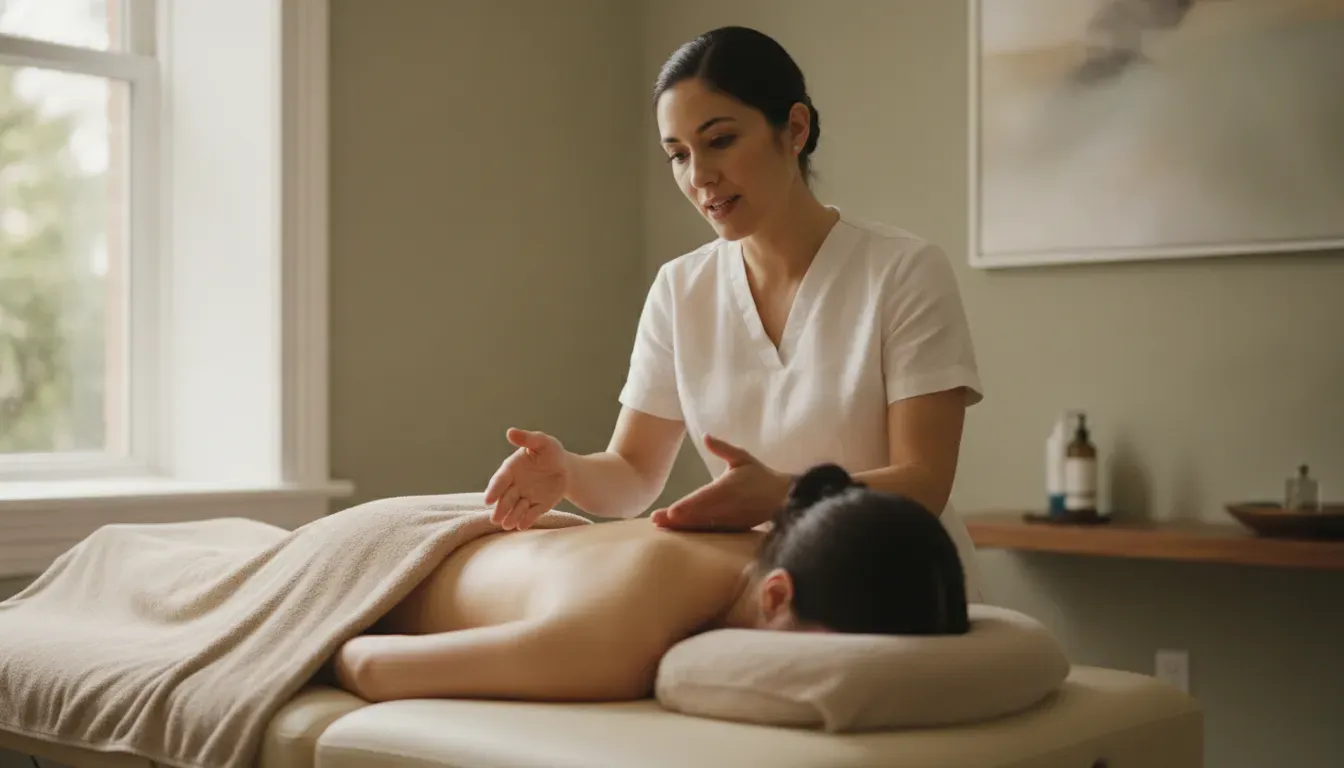
So, what does a Swedish massage actually feel like? It’s all about long, gliding strokes, rhythmic kneading, and gentle circular movements. Your therapist will use these techniques to warm up your muscle tissue and release tension. The movements are applied with oil or lotion to ensure they are smooth and comforting against your skin. This style uses movements like effleurage (those long, sweeping strokes), petrissage (the kneading and lifting of muscles), and friction (deep, circular rubbing). It sounds technical, but it all translates to a soothing, rhythmic experience that helps your whole body relax.
Why It’s the Perfect Antidote to Stress
The reason Swedish massage is so effective for stress relief lies in its ability to calm the nervous system. The gentle, consistent pressure helps release muscle knots and ease the physical tension we often hold when we’re stressed. As your muscles soften, your mind tends to follow. This type of massage promotes full relaxation and can also improve circulation and flexibility. By increasing the level of oxygen in your blood and decreasing muscle toxins, a Swedish massage leaves you feeling both relaxed and energized. It’s a powerful way to quiet the mental chatter and reconnect with your body.
Hot Stone Massage: Melt Your Tension with Soothing Warmth
If you love the feeling of a heating pad on sore muscles, you’ll understand the appeal of a hot stone massage. This treatment takes the therapeutic benefits of a classic massage and adds the deeply soothing power of heat. It’s a fantastic way to encourage your body to unwind on a deeper level, making it an excellent choice for anyone carrying a lot of tension.
During a hot stone massage, your therapist uses smooth, heated stones as an extension of their hands and also places them on key points of your body. At Nola Bliss, we use Hot Himalayan Salt Stones, which are known for their purity and mineral content, adding another layer of therapeutic benefit to your session. The gentle, sustained warmth helps your muscles release completely, allowing your therapist to work more effectively without needing intense pressure.
How Warm Stones Take Relaxation to the Next Level
The magic of a hot stone massage lies in how the warmth prepares your body for the massage work. Your therapist will place the warm, smooth stones on areas that typically hold stress, like along your spine, on your stomach, or in the palms of your hands. The steady heat penetrates your muscles, signaling to your nervous system that it’s time to relax. As your muscles soften, your therapist will use other heated stones to glide across your body, using gentle strokes to melt away knots and tension. This combination of warmth and movement creates a profoundly calming experience that soothes both body and mind.
Why Heat Works Wonders on Tight Muscles
The warmth from the stones does more than just feel nice; it actively works to ease muscle tension and improve circulation. When heat is applied to tight muscles, it helps widen the blood vessels, which increases blood flow to the area. This process delivers more oxygen to your muscles and helps carry away metabolic waste, which can contribute to soreness and stiffness. For anyone with chronic pain, stubborn knots in their shoulders, or lower back tightness, the targeted heat can provide significant relief. It allows your muscles to become more pliable, making the massage both more comfortable and more effective.
Aromatherapy Massage: Relaxing Both Mind and Body
Aromatherapy is so much more than just a nice fragrance during your massage. It’s a practice that uses the power of scent to directly influence your mood and calm your nervous system. Our sense of smell has a powerful connection to the parts of our brain that control memory and emotion. That’s why a specific scent can transport you back in time or instantly shift how you feel. When combined with massage, aromatherapy uses concentrated plant extracts, known as essential oils, to deepen your relaxation on both a mental and physical level.
The Best Calming Scents for Deep Relaxation
An aromatherapy massage uses essential oils to take your relaxation to the next level. Your therapist can help you choose a scent based on what you need that day—whether it’s to quiet a busy mind or simply unwind. Scents like lavender are famous for their ability to reduce stress, while chamomile can promote a sense of calm and ylang-ylang can help lift your mood. Inhaling these calming aromas during your massage sends signals to your brain that encourage it to slow down. This simple act can significantly enhance relaxation, helping you to let go of tension and achieve a more profound state of well-being.
How Scent and Touch Work Together
The magic of aromatherapy massage lies in its two-pronged approach. As you inhale the therapeutic scents, the essential oils—diluted in a carrier oil—are also applied directly to your skin. This allows your body to absorb their beneficial properties, working to ease muscle tension from the outside in. This holistic combination of scent and touch creates a powerful experience that can improve your mood and address issues like headaches or trouble sleeping. Adding an element like this is a wonderful way to customize your session and get exactly the kind of restorative experience you’re looking for from your chosen massage services.
Important Considerations for Aromatherapy
While aromatherapy can be a wonderful addition to your massage, it’s important to remember that essential oils are highly concentrated. You should always let your therapist know if you have sensitive skin or any known allergies, as they will ensure the oils are properly diluted in a carrier oil to prevent irritation. It’s also a good idea to mention if you’re pregnant or have any specific health conditions. Scent is very personal; what one person finds calming, another might find overpowering. Don’t hesitate to speak up about your preferences. A great therapist wants to create the perfect experience for you, and clear communication is the best way to ensure your aromatherapy massage is both safe and deeply relaxing. This open dialogue helps your therapist customize the session to your exact needs.
Ashiatsu: Experience Uniquely Deep Relaxation
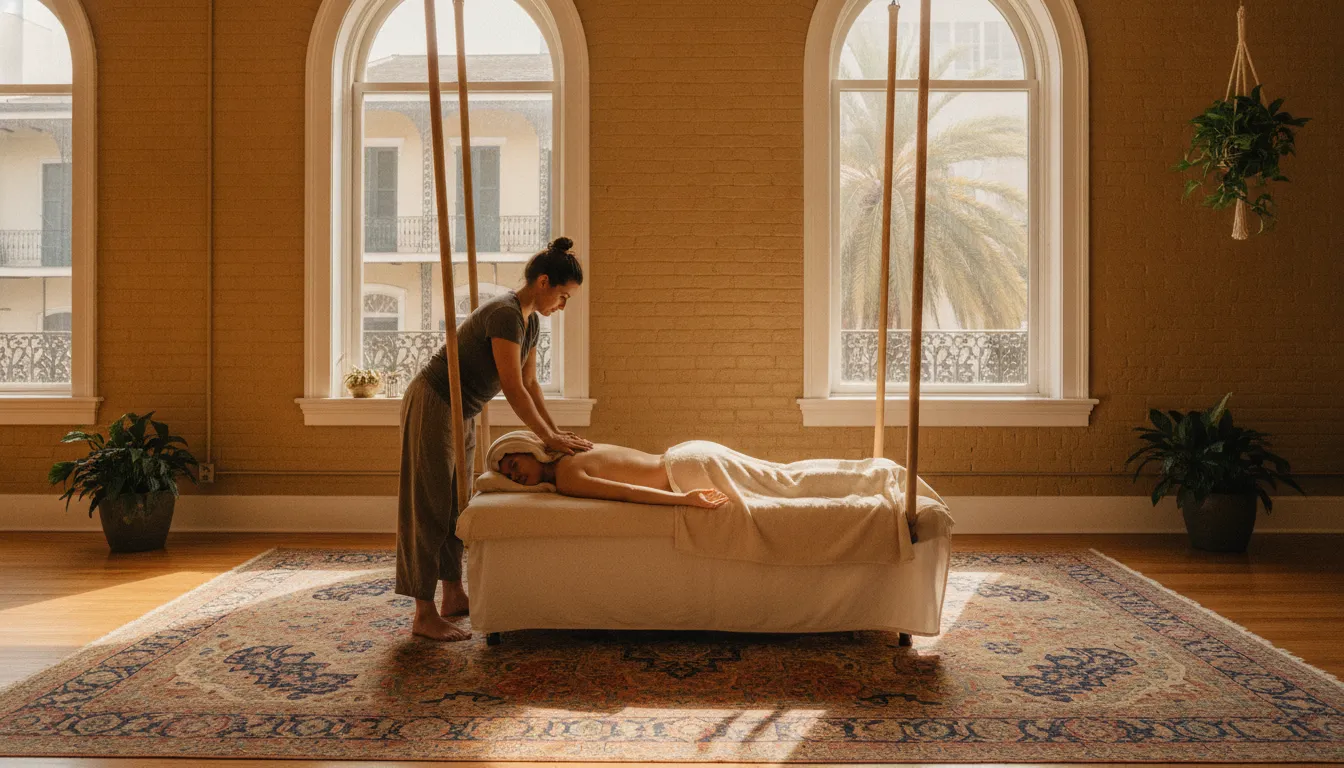
If you’re searching for a massage that delivers deep, lasting relief without the sharp pressure of elbows and thumbs, let me introduce you to Ashiatsu. This incredible technique, often called “barefoot massage,” is a total game-changer for relaxation. But don’t picture someone just walking on your back! In a professional Ashiatsu Deepfeet Bar Therapy session, the therapist uses overhead bars for support and balance, giving them precise control over every movement. This unique setup allows them to apply perfectly calibrated pressure with their feet, creating a sensation that’s hard to achieve with hands alone.
The broad surface of the foot delivers long, flowing, and deeply compressive strokes that feel absolutely amazing on tight, sore muscles, especially across the back, glutes, and legs. It’s the perfect middle ground for those who crave the results of deep tissue work but prefer a more soothing and less intense experience. Because the pressure is distributed over a wider area, it feels less invasive and encourages your muscles to release tension naturally, rather than bracing against a pointed tool. It’s a truly unique therapy that can lull you into a state of profound calm while working out even the most stubborn knots, making it a favorite for athletes, office workers, and anyone carrying chronic tension.
What Is Barefoot Massage and How Does It Work?
The magic of Ashiatsu lies in its application of pressure. Instead of the focused, sometimes poky, pressure from fingers or elbows, the therapist uses the broad, soft surface of their foot. This allows for deep, consistent compression that covers a much larger area at once. Think of it as a smooth, heavy wave of pressure rolling along your muscles, encouraging them to lengthen and release. This technique is especially effective for unwinding large muscle groups and breaking up adhesions or knots. The therapist uses the overhead bars to control their weight and glide effortlessly, ensuring the pressure is both deep and soothing, never painful.
Why This Deep Pressure Melts Away Stress
While Ashiatsu is fantastic for physical tension, it’s also a powerhouse for mental stress. The continuous, gliding pressure has a deeply calming effect on your nervous system. Unlike traditional deep tissue, which can sometimes cause you to tense up in anticipation of intense pressure, Ashiatsu’s broad strokes are inherently soothing. This encourages your body and mind to relax from the moment the session begins. When done with skill, the broad, even compression promotes a profound sense of tranquility throughout the massage. It helps quiet the mental chatter and eases you into a meditative state, making it one of the best massage services for anyone feeling overwhelmed or anxious.
More Massage Styles for Relaxation and Relief
While Swedish and Ashiatsu are fantastic for unwinding, the world of massage offers a wide variety of techniques tailored to different needs. Whether you want to share the experience with someone special, target deep-seated knots, or find a quick fix for a stressful day, there’s a style that’s perfect for you. Exploring these options can help you find new ways to achieve physical relief and mental calm, adding more tools to your self-care toolkit. Let’s look at a few other popular and effective massage styles that can help you on your path to wellness.
Couples Massage: A Shared Experience
A massage is a wonderful personal retreat, but it can also be a beautiful experience to share. A couples massage allows you and a partner, friend, or family member to enjoy your treatments in the same room, at the same time, with two different therapists. It’s a fantastic way to connect and relax together, combining the therapeutic benefits of massage with the comfort of a shared activity. At Nola Bliss, you can customize your session by choosing any of our massage styles—so if you want a gentle Swedish massage while your partner prefers Deep Tissue, you can both get exactly what you need while enjoying the serene atmosphere together.
Deep Tissue Massage: For Targeted Tension
If your tension feels less like general stress and more like stubborn, deep-seated knots, a deep tissue massage might be what you need. This technique is designed to address chronic muscle problems by using slow strokes and firm pressure to reach the deeper layers of muscle and connective tissue. It’s especially helpful for relieving tightness in the neck, shoulders, and back. While the pressure is more intense than in a Swedish massage, a skilled therapist ensures it’s therapeutic, not painful. It’s an excellent choice for relieving deep tension and addressing specific areas of discomfort, leaving you feeling looser and more mobile.
Specialized Techniques for Holistic Wellness
Beyond the more common styles, there are specialized modalities that approach relaxation from different angles, often incorporating principles from ancient healing traditions. These techniques can offer unique benefits for both body and mind.
Reflexology
For those who are looking for relaxation without a full-body massage, reflexology is a wonderful alternative. This practice involves applying gentle to firm pressure to specific points on the feet, hands, and ears. These points are believed to correspond to different organs and systems in the body. Reflexology is incredibly grounding and can help restore your body’s natural energy flow, reduce pain, and improve your mood, all while you lie back and relax.
Shiatsu Massage
Originating from Japan, Shiatsu massage is a technique that focuses on restoring the body’s balance. During a session, the therapist uses their hands, palms, and thumbs to apply rhythmic, pulsing pressure to specific points along the body’s energy pathways, or meridians. It’s performed without oils, and you can remain clothed. Shiatsu is known for promoting a deep sense of calm and can be very effective at relieving stress, headaches, and muscle tension, leaving you feeling both relaxed and revitalized.
Thai Massage
If you prefer a more active and energizing form of bodywork, Thai massage is an excellent option. Often described as “assisted yoga,” this technique involves the therapist guiding you through a series of stretches and fluid movements. You’ll lie on a mat on the floor while the therapist uses their hands, knees, and feet to stretch your body and apply firm pressure. Thai massage is fantastic for improving flexibility, increasing circulation, and reducing stress, leaving you with a feeling of spaciousness and energy.
Quick Relief Options
Sometimes you don’t have time for a full 60- or 90-minute session but still need a way to decompress. These focused options are perfect for providing quick, targeted relief when you need it most.
Chair Massage
A chair massage is the perfect solution for a midday reset. You remain fully clothed and sit in a specially designed chair that supports your body, allowing the therapist to focus on your neck, shoulders, back, and arms. These sessions are typically shorter, making them a convenient way to relieve stress and ease tension without disrupting your day. It’s also a great introduction to massage for anyone who’s never had one before. We even offer chair massage for corporate events to bring a moment of calm to a busy workday.
Head, Neck, and Shoulder Massage
So much of our daily stress settles in our head, neck, and shoulders, especially if we spend a lot of time at a desk or on a computer. While not always offered as a standalone service, you can always ask your therapist to dedicate extra time to these high-tension areas during any of our massage services. A focused massage on these spots can work wonders for relieving tension headaches, easing stiffness, and helping you think more clearly. It’s a simple request that can make a huge difference in how you feel.
What Massage Pressure Is Best for Relaxation?
When you think of a relaxing massage, you might picture long, gentle strokes. And while that’s often true, the perfect pressure for relaxation is incredibly personal. It’s less about a specific intensity and more about what helps your body release tension and your mind quiet down. The goal is to soothe your nervous system, not endure discomfort. For some, that means a feather-light touch, while for others, a firm, consistent pressure is what truly helps them unwind.
The key is finding the pressure that feels right for you. It should feel effective and soothing, never painful or distracting. A great massage therapist will work with you to find that perfect balance, ensuring your session is a truly restorative experience. Remember, this is your time to relax, and your comfort is the top priority.
Finding Your Sweet Spot: From Light to Medium Pressure
For most people seeking pure relaxation, light to medium pressure is the ideal starting point. This is the hallmark of a classic Swedish massage, which uses gentle kneading and long, flowing strokes to ease muscle tension and calm your mind. It’s a fantastic choice if you’re new to massage or simply want to de-stress without intense pressure.
Interestingly, even deep pressure techniques can be profoundly relaxing when applied correctly. Ashiatsu Deepfeet Bar Therapy, where a therapist uses their feet to deliver broad, consistent pressure, is a perfect example. Unlike the sharp pressure you might feel from an elbow, the wide surface of the foot provides a deep, gliding compression that can feel incredibly soothing and melt away tension without the “ouch” factor.
Don’t Be Shy: How to Ask for the Right Pressure
Your massage is a partnership between you and your therapist, and clear communication is essential. Don’t ever feel shy about speaking up. Before your session begins, your therapist will likely ask about your preferences. This is the perfect time to mention what you’re looking for, whether it’s general relaxation or attention to a specific tense area. You can also discuss the different types of massage and what might work best for your goals.
During the massage, your feedback is just as important. A simple, “That pressure is perfect,” or, “Could you go a little lighter there?” makes a world of difference. Our experienced therapists want you to have the best experience possible, and they rely on your input to customize the session. Your comfort is our guide, so always let us know what feels good.
How to Choose the Best Massage for Your Relaxation Needs
Finding the right massage isn’t about picking the most popular option—it’s about finding the one that’s perfect for you. The best massage for you depends entirely on what you like and what kind of relief you need. What sends your best friend into a state of bliss might not be the right fit for your body and mind.
Think of it as creating your own personal recipe for calm. The first step is to understand your own needs and preferences. Are you looking to quiet a busy mind, soothe sore muscles, or simply escape for an hour? By considering your personal stress levels, comfort, and any health concerns, you can confidently choose a massage that will leave you feeling refreshed and restored. A client-centered massage experience is all about tailoring the session to meet your unique goals, and it all starts with a little self-reflection.
Check In: What Does Your Body Need Today?
Take a moment to check in with yourself. Where are you holding tension? Is it the physical ache in your shoulders from sitting at a desk, or is it the mental weight of a long week? Your answer will guide you toward the right type of massage. If you’re seeking gentle, calming relief to quiet your thoughts, the long, flowing strokes of a classic Swedish massage might be ideal. If you carry deep-seated tension and find consistent, heavy pressure to be more relaxing, a uniquely deep treatment like Ashiatsu could be the key to unlocking that tightness. Not all massages are equally relaxing for everyone, so understanding what your body is asking for is the most important step.
Matching the Massage to Your Stress Type
Not all stress feels the same, so your massage shouldn’t be a one-size-fits-all experience. The best way to get the most out of your session is to match the technique to the type of stress you’re carrying. Are you mentally exhausted from a packed schedule, or are your shoulders aching from tension? Pinpointing the source of your stress helps you choose a massage that will provide the most effective and lasting relief. Think of it as choosing the right tool for the job—each style offers a unique pathway to relaxation.
For Mental and Emotional Stress
When your mind is racing and you feel emotionally drained, you need a massage that quiets the noise. This is where sensory experiences can make a huge difference. An aromatherapy massage is a perfect example. It’s so much more than just a nice fragrance during your session; it’s a practice that uses the power of scent to directly influence your mood and calm your nervous system. Scents like lavender or chamomile can trigger a relaxation response in your brain before the massage even begins. Combining this with the gentle, rhythmic strokes of a Swedish massage creates a deeply meditative experience that soothes both your body and your over-active mind.
For Physical Tension and Tight Muscles
If your stress manifests as tight shoulders, a stiff neck, or an aching back, you’ll want a massage that focuses on releasing those knots. A Swedish massage is a fantastic starting point because its gentle, consistent pressure helps release muscle knots and ease the physical tension we often hold when we’re stressed. For an even deeper level of relief, adding warmth is a game-changer. The warmth from Hot Himalayan Salt Stones does more than just feel nice; it actively works to ease muscle tension and improve circulation, allowing your therapist to work more deeply and effectively. This combination helps melt away stubborn tightness, leaving you feeling looser and more comfortable in your own skin.
For Low Energy and Stiffness
Sometimes stress leaves you feeling stiff, heavy, and completely drained. This is often a sign of deep, chronic tension that lighter techniques can’t quite reach. If you carry deep-seated tension and find consistent, heavy pressure to be more relaxing, a uniquely deep treatment like Ashiatsu could be the key to unlocking that tightness. This barefoot massage technique uses broad, gliding strokes to deliver deep, sustained compression that lengthens your muscles and releases long-held tension. It’s incredibly effective at relieving stiffness in the back and hips, helping to restore your energy and improve your range of motion without the sharp pressure of traditional deep tissue work.
Finding a Qualified Massage Therapist
The type of massage you choose is important, but the person providing it is even more critical to your relaxation. A skilled, intuitive therapist can turn a good massage into an incredible one. Look for a licensed professional with experience in the specific techniques you’re interested in. More than that, find someone you feel comfortable with. Your massage is a partnership between you and your therapist, and clear communication is essential. A great massage therapist will work with you to find that perfect balance, ensuring your session is a truly restorative experience where you can truly let go and unwind.
Listen to Your Body’s Comfort and Health Signals
Your comfort is the top priority. Before your session begins, it’s essential to communicate with your massage therapist. Let them know about any areas of concern, injuries, or health conditions you may have. For example, if you are expecting, a specialized prenatal massage is designed to provide safe and effective relief. Don’t hesitate to share your expectations and ask questions. During the massage, always speak up if you feel any discomfort or want the pressure adjusted. A professional therapist wants to create the best possible experience for you, and your feedback is the only way they can do that. Open communication ensures your session is both relaxing and beneficial.
Personalize Your Session with Add-Ons
Once you’ve chosen a core massage style, you can personalize it even further with enhancements. These thoughtful additions can transform a great massage into an unforgettable one. Adding warmth is a fantastic way to deepen relaxation and soothe tight muscles. Incorporating Hot Himalayan Salt Stones into your session can help melt away tension and provide a sense of profound calm. You can also add CBD for its anti-inflammatory and pain-relieving properties. These customizations allow you to tailor the experience to your exact needs, creating a truly bespoke treatment whether you’re enjoying a solo session or a relaxing couples massage.
Is a Relaxation Massage Always a Good Idea?
A relaxation massage sounds like a universally wonderful thing, and for most of us, it is. It’s a fantastic way to manage stress, soothe sore muscles, and just feel good. However, massage isn’t a one-size-fits-all remedy, and it’s important to know when it might not be the best idea. Your body is unique, and what works for one person might not be the right choice for another, especially if you’re managing certain health conditions. The goal of any massage is to promote well-being, and that starts with making sure it’s a safe and appropriate choice for you.
Think of it less as a list of “don’ts” and more as a guide to getting the right kind of care. The therapeutic rubbing and kneading of muscles increases circulation, which is usually a great thing. But for certain conditions, that increased blood flow could be problematic. That’s why it’s so important to be aware of your own health status. Sometimes, a simple modification is all that’s needed, like avoiding a specific area or using a lighter touch. In other cases, it might mean waiting until a temporary condition, like a skin infection or fever, has passed. The most important thing is to be informed and listen to your body. A professional massage therapist is trained to adapt their techniques, but they rely on you to share your health history. Being open and honest ensures you get all the benefits of a massage without any of the risks.
Health Conditions to Discuss with Your Therapist
Your safety and comfort are the top priority. If you have a fever, contagious skin condition, or are feeling unwell, it’s best to reschedule your appointment. Massage can sometimes intensify these conditions. Similarly, if you have a recent injury, burn, or unhealed wound, your therapist will need to avoid that area.
For more chronic issues, a conversation is key. Conditions like deep vein thrombosis (blood clots), severe osteoporosis, or certain heart conditions may mean that a traditional massage isn’t right for you. Even pregnancy, while a wonderful time to receive a massage, requires a therapist with specialized training. A prenatal massage is designed to support the unique needs of an expecting mother, ensuring both mom and baby are safe and comfortable.
When You Should Talk to Your Doctor First
If you have any ongoing health concerns, it’s always a smart move to check in with your doctor before booking a massage. This is especially true for serious conditions like heart failure, kidney problems, or a history of blood clots. Your doctor can give you personalized advice and let you know if there are any specific precautions you should take.
Once you have the green light, the next step is to communicate clearly with your massage therapist. Before your session begins, tell them about any health issues, concerns, or sensitive areas. A great therapist wants to know these things! It helps them tailor the session to your specific needs and ensure you have a safe, relaxing, and effective experience. You can explore our different massage services to see what might be the best fit for you.
How to Get the Most from Your Relaxation Massage
A great massage is more than just what happens on the table—it’s an experience you can actively shape. By taking a few simple steps before, during, and after your appointment, you can deepen your relaxation and make the calming effects last even longer. Think of it as a partnership between you and your massage therapist. Your input helps them tailor the session specifically to your needs, ensuring you walk out feeling completely refreshed and restored. Here’s how you can play a part in creating your perfect massage experience.
Before You Arrive: Simple Prep Steps
A little prep work can make a world of difference. Before you arrive, take a moment to think about your goals for the session. Are you looking to quiet a busy mind, or do you have a nagging knot in your shoulder that needs attention? Knowing what you want helps your therapist focus their efforts. It’s also a good idea to drink some water throughout the day and avoid eating a heavy meal right before your appointment. Try to arrive 10 to 15 minutes early so you can ease into the calm environment without feeling rushed. This gives you time to check in, use the restroom, and start unwinding before your session even begins.
On the Table: How to Fully Relax During Your Massage
This is your time, so don’t be shy about communicating your needs. Your therapist wants you to be comfortable. If the pressure is too firm or too light, just say so. The same goes for anything else—whether it’s the room temperature, the music volume, or the position of the face cradle. Our highly trained massage therapists are dedicated to creating a client-centered experience and welcome your feedback. Try to focus on your breathing with slow, deep breaths to help your body release tension. And remember, you don’t have to make conversation. It’s perfectly okay to close your eyes and drift off in silence.
After Your Massage: How to Extend the Bliss
The relaxation doesn’t have to end when you walk out the door. To help your body process the massage, be sure to drink plenty of water for the rest of the day. This helps flush out any metabolic waste that was released from your muscles. If you can, try to take it easy and avoid any strenuous activities. A warm bath with Epsom salts later in the evening can also be a wonderful way to soothe your muscles and prolong that blissful feeling. Pay attention to how your body feels over the next day or two. This feedback is valuable for your next session and helps you and your therapist continue to refine your customized treatment.
What to Expect: Duration, Cost, and Tipping
Planning your massage is simple once you know what to expect. Most relaxation sessions last between 60 and 90 minutes, giving your body ample time to fully unwind. The cost can vary depending on the length and type of massage you choose, with specialized treatments sometimes priced differently. For a clear idea of options and pricing, you can always check out the studio’s list of massage services. Finally, it’s customary to show your appreciation for your therapist with a tip. A gratuity of 15-20% is standard in the industry and is a wonderful way to acknowledge the skill and care they put into your session, unless the establishment has a no-tipping policy.
Why You Should Make Relaxation a Regular Habit
That incredible feeling of calm you have walking out of a massage doesn’t have to be a rare treat. Think of massage less like a one-time splurge and more like a vital part of your wellness routine, similar to exercise or healthy eating. When you make relaxation a consistent practice, you’re investing in your long-term physical and mental health. It’s about creating a sustainable habit that helps you manage stress, prevent pain, and feel your best day in and day out.
So, How Often Should You Get a Massage?
The ideal frequency for a massage really depends on you—your lifestyle, your stress levels, and what your body is telling you. A great starting point for general wellness is once a month. This schedule helps maintain a state of relaxation and keeps everyday stress from building up. However, if you’re dealing with chronic pain, high stress from work, or are training for a physical event, you might find that more frequent sessions, like every one or two weeks, are more beneficial. The best approach is to listen to your body and chat with your therapist. They can help you create a personalized plan based on your specific needs and goals.
The Lasting Perks of a Consistent Massage Routine
When you receive massages regularly, the benefits begin to build on each other. Consistent sessions can lead to significant long-term improvements, including better flexibility, reduced chronic muscle tension, and an enhanced sense of overall well-being. Many of our clients find that a steady routine helps them manage stress more effectively, leading to better sleep quality and an improved mood. Our dedicated team of licensed massage therapists is passionate about helping you achieve these lasting results. By making massage a regular habit, you’re not just booking an hour of peace—you’re building a foundation for a healthier, more balanced life.
Related Articles
Frequently Asked Questions
I’m new to massage. Which type is best for simple relaxation? For your first time, you can’t go wrong with a classic Swedish massage. It’s designed entirely around relaxation, using long, flowing strokes and gentle kneading to ease tension from head to toe. It’s a wonderful introduction to therapeutic touch that helps you get comfortable on the table without worrying about intense pressure.
Can a massage be both relaxing and deep? I have some stubborn knots. Absolutely. Many people find deep pressure to be incredibly relaxing, as long as it’s applied correctly. A technique like Ashiatsu is a perfect example of this. It uses the therapist’s feet to deliver broad, consistent pressure that works out deep knots without the sharp, poky feeling you might get from an elbow. It proves that a massage can be both deeply effective and profoundly calming.
What if I fall asleep or snore during my massage? Please do! Falling asleep is one of the biggest compliments you can give your massage therapist. It means you feel safe and comfortable enough for your body to completely let go and enter a state of deep rest. It’s very common, and our therapists are used to it, so don’t feel self-conscious for a second.
How do I know what pressure to ask for? The perfect pressure is whatever feels good to you, and it might even change from one session to the next. The best approach is to start by telling your therapist your goal, whether it’s pure relaxation or working on a tense area. During the massage, always feel free to speak up. A simple “a little more pressure there would be great” or “that’s a bit too much” is all your therapist needs to adjust and find your sweet spot.
Besides feeling good for an hour, what are the lasting benefits of getting massages regularly? Making massage a regular part of your routine creates benefits that build over time. Beyond the immediate stress relief, consistent sessions can lead to better sleep, improved flexibility, and fewer chronic aches and pains. You’re essentially training your body to exist in a more relaxed state, which helps you manage daily stress more effectively long after you’ve left the studio.