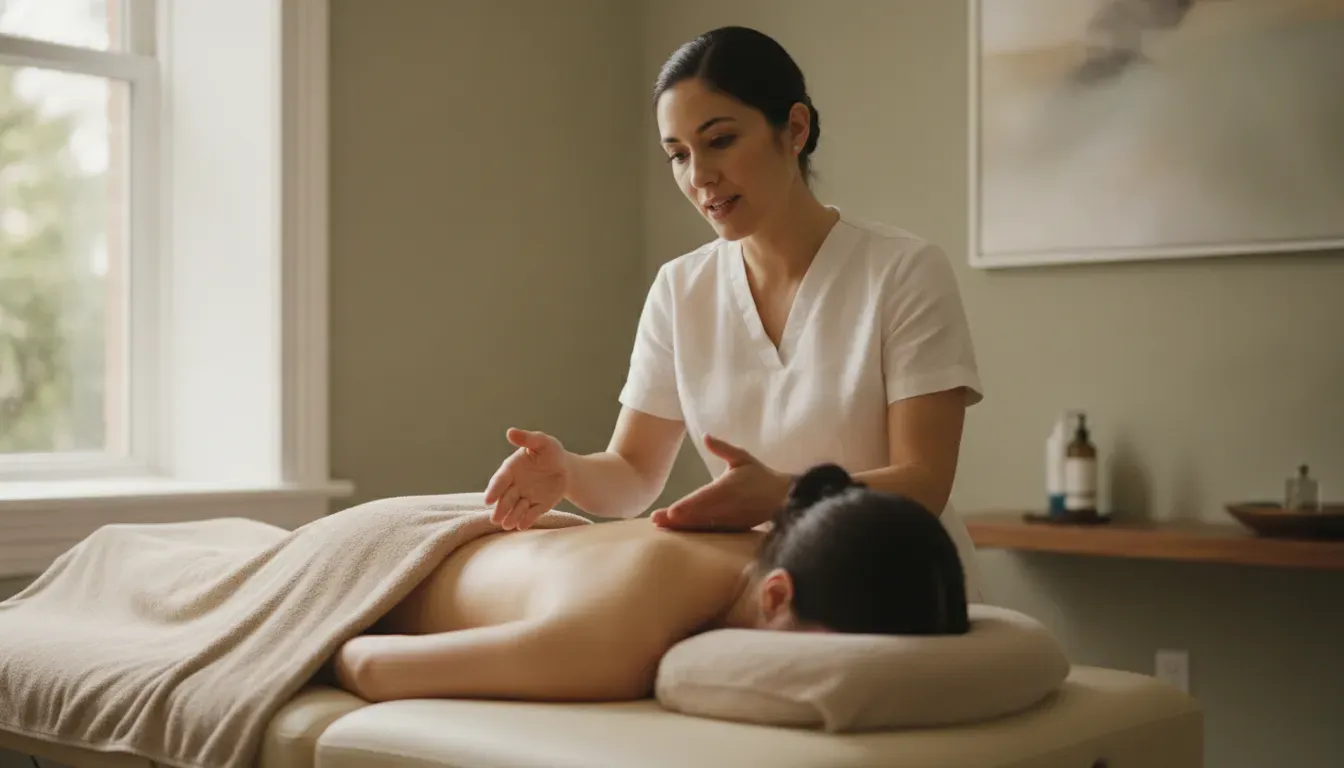

That nagging back pain is more than just an annoyance—it’s exhausting. You deserve a solution that actually works. While many places offer massages, not all are equipped to handle chronic pain. A truly therapeutic session goes deeper than just relaxation. It’s a targeted treatment designed to release deep-seated tension and address the source of your discomfort. Finding a practitioner with this skill is crucial for effective massage back pain relief. This guide will help you find the right professional in New Orleans, making your search for real results much simpler.
Key Takeaways
- Verify your therapist’s expertise: A state license is the minimum requirement. For effective back pain relief, seek out a therapist with specialized training in therapeutic or medical massage who can address the root cause of your discomfort.
- Choose the right tool for the job: Not all massages are created equal for back pain. Understand the difference between techniques like deep tissue for knots and Ashiatsu for broad pressure so you can have an informed conversation about what your body needs.
- Your massage is a conversation: The best results come from collaboration. Be prepared to discuss your pain history, give feedback on pressure during the session, and follow through with aftercare advice to make your relief last.
How Massage Works to Relieve Back Pain
When you’re dealing with back pain, a good massage feels like magic. But what’s actually happening in your body is a series of physiological responses that go far beyond simple relaxation. A skilled massage therapist uses targeted techniques to interrupt the pain cycle and encourage your body to heal itself. It’s a process that involves calming your nervous system and essentially retraining your muscles to let go of chronic tension. By increasing circulation and releasing tight spots, therapeutic massage addresses the muscular component of back pain, providing relief that can be both immediate and lasting.
It Calms Your Nervous System
One of the most immediate effects of massage is its ability to soothe your nervous system. When you’re in pain, your muscles tense up as a protective response. Massage helps break this cycle. According to experts at OrthoUnited, “Massage therapy can help reduce back pain and stiffness. It works by increasing blood flow, easing muscle tension, and lowering stress.” This increased circulation delivers more oxygen and nutrients to your muscles, helping them repair. At the same time, the physical act of massage sends calming signals to your brain, reducing stress hormones and allowing your entire body to shift out of a “fight or flight” state and into a “rest and digest” mode where healing can happen.
It Teaches Muscles to Relax
If you’ve had back pain for a while, your muscles can get stuck in a state of constant contraction. They essentially “forget” how to relax. This is where a targeted, therapeutic massage can make a huge difference. As the experts at Bodyworks explain, “Deep tissue massage helps your brain understand that the danger is gone, so it lets your tight back muscles relax.” Techniques like deep tissue massage focus on releasing these stubborn knots. For even broader, more consistent pressure, Ashiatsu Deepfeet Bar Therapy uses the therapist’s body weight to deliver deep, gliding strokes that can release tension across large muscle groups in the back, helping to reset that muscle memory and restore healthy function.
What Science Says About Massage for Back Pain
The idea that massage helps back pain isn’t just a feeling; it’s supported by a growing body of scientific research. Studies have looked at how massage therapy compares to other treatments and what kind of relief patients can expect. While it’s not a cure-all, the evidence shows that massage is a powerful and effective tool for managing both acute and chronic back pain. Understanding what the research says can help you set realistic expectations and appreciate the real, measurable benefits that a professional massage can provide for your back.
Evidence for Short-Term Relief
If you’re looking for immediate improvement, the science is on your side. A comprehensive review of studies found that “Massage might help reduce pain in the short-term for all types of low-back pain.” This means that a single session can provide noticeable relief from stiffness and discomfort. The review also noted that for people with long-lasting back pain, massage might be even more beneficial than other active treatments for providing both short-term and long-term pain relief. This suggests that incorporating regular massage into your routine can be a highly effective strategy for managing chronic back issues and improving your overall quality of life.
Managing Expectations and Potential Soreness
While massage is overwhelmingly beneficial, it’s helpful to know what to expect afterward. When a therapist works on chronically tight muscles, it’s possible to feel some soreness the next day, similar to how you might feel after a good workout. This is completely normal. In fact, research confirms this, noting that while a small percentage of people “reported increased pain after massage… there were no serious side effects.” This temporary soreness is usually a sign that the therapy was effective in releasing deep-seated tension. The key is communication. Always let your therapist know if the pressure is too intense during your session, and be sure to drink plenty of water afterward to help flush out metabolic waste from your muscles.
Is Massage Always Safe for Back Pain?
For most people, massage is a safe and wonderful way to find relief from back pain. However, it’s not the right solution for every situation. Back pain can stem from a wide variety of causes, from simple muscle strain to more serious underlying conditions. A professional and ethical massage therapist will always prioritize your safety. That’s why it’s so important to have an open conversation about your health history and, in some cases, to get a doctor’s opinion before booking an appointment. This ensures that your massage is not only effective but also completely safe for your specific circumstances.
Why You Should Get a Diagnosis First
Before you jump onto a massage table, it’s wise to understand the source of your pain. As one orthopedic practice advises, “Always talk to an orthopedic doctor before starting massage therapy for back pain. This is the most important step.” A massage therapist is an expert in muscle and soft tissue, but they cannot diagnose medical conditions. Getting a proper diagnosis from a doctor ensures that your back pain isn’t a symptom of a more serious issue that requires medical treatment. Once you have a diagnosis, you can share that information with your massage therapist, allowing them to create a treatment plan that is perfectly tailored to your needs and avoids any areas that might be contraindicated.
When to Avoid Massage
There are specific situations where massage is not recommended or requires a doctor’s explicit approval. You should not get a massage if your back pain is caused by “broken or fractured bones” or certain other acute conditions. Furthermore, some “problems with internal organs… can cause back pain, and massage won’t fix these underlying issues.” If you have a fever, an active infection, a recent injury or surgery, or unexplained and severe pain, it’s best to postpone your massage and consult a physician. A truly professional therapist will ask you detailed health history questions to screen for these contraindications, ensuring your session is both safe and beneficial.
What Makes a Great Back Pain Massage Therapist?
Finding the right massage therapist can feel like a game of chance, but when you’re dealing with back pain, you can’t afford to leave it to luck. The key is knowing what to look for. A great massage therapist for back pain is more than just someone with strong hands; they are a trained professional with the right credentials, specific skills, and a therapeutic approach. Choosing a therapist who ticks these boxes ensures you get a safe, effective treatment that actually addresses the source of your discomfort instead of just providing temporary relief.
Confirm They’re Licensed and Certified
First things first, always check for proper credentials. In most states, massage therapists must complete 500 to 1,000 hours of hands-on training and pass an exam to become licensed. This isn’t just a piece of paper; it’s your assurance that the therapist has a professional understanding of anatomy, physiology, and safe massage techniques. At Nola Bliss, our dedicated team is fully licensed and deeply experienced. For an even higher standard, look for therapists with a Board Certification in Therapeutic Massage and Bodywork (BCTMB), which is considered the top credential in the profession.
Do They Specialize in Pain Relief?
While a general massage is great for relaxation, chronic back pain often requires a more specialized approach. Look for a therapist who has advanced training in pain management or medical massage. These practitioners have studied specific techniques to address injuries, chronic conditions, and health concerns. Their focused training allows them to accurately assess your back pain and apply the right methods to relieve it. This expertise is what separates a standard massage from a truly therapeutic experience that can provide lasting results and help you manage your pain long-term.
Therapeutic vs. Relaxation: Know the Difference
It’s important to understand the difference between a therapeutic massage and a relaxation massage. A relaxation massage, like a classic Swedish massage, aims to soothe your entire body and calm your nervous system. A therapeutic massage, on the other hand, is goal-oriented. It specifically targets your areas of pain, like a stiff lower back or tight shoulders. When you book your appointment, be clear that you’re seeking relief from back pain. This helps the therapist know to use focused techniques from our therapeutic massage services to address your specific issues rather than providing a general, full-body treatment.
Which Massage Technique Is Best for Your Back Pain?
When your back hurts, you just want relief. But with so many types of massage, how do you choose? The best technique depends on the source of your pain, whether it’s a dull ache from sitting at a desk or a sharp pain from an injury. A skilled therapist will help you decide, but it’s helpful to know your options. Here are four of the most effective massage techniques for tackling back pain.
Ashiatsu: For Deep, All-Over Relief
If you love deep tissue but find the pressure from elbows too intense, Ashiatsu is for you. In this therapy, the massage therapist uses their feet to deliver long, flowing, and deeply relaxing strokes. Using overhead bars for balance, they apply consistent, broad pressure that’s perfect for loosening tight back and hip muscles without discomfort. Ashiatsu Deepfeet Bar Therapy is especially effective for people with dense muscle tissue or athletes looking to relieve serious tension and improve flexibility in their back.
Deep Tissue: To Target Chronic Pain and Knots
For stubborn, long-lasting aches, a deep tissue massage is often the answer. This technique targets the deeper layers of your muscle and connective tissue using slow strokes and firm pressure. Your therapist works to release chronic muscle tension and break up knots, also known as adhesions. It’s an ideal choice for chronic lower back pain, postural issues, or soreness from repetitive strain. A deep tissue massage shouldn’t be painful, so always communicate with your therapist about the pressure to ensure the session is both effective and comfortable.
Swedish Massage: For Gentle Tension Relief
Swedish massage is known for relaxation, but it’s also great for back pain caused by everyday stress. This classic style uses long, gliding strokes and kneading to ease tightness and improve blood flow. By increasing circulation, a Swedish massage helps deliver more oxygen to your muscles, which aids in healing and reduces soreness. It’s a wonderful, less intense option for anyone new to massage or those who prefer a gentler approach to finding relief from general back discomfort.
Trigger Point Therapy: To Zero In on Knots
Ever had a small, tight knot in your back that causes pain to radiate elsewhere? That’s a trigger point, and this therapy is designed to release it. A therapist applies direct, sustained pressure to the knot until the muscle relaxes, interrupting the pain cycle. This highly focused technique is excellent for providing targeted relief from the specific spots causing the most trouble. Trigger point therapy is often integrated into other massage services to address problem areas, giving you a customized treatment for your unique back pain.
Other Therapeutic Techniques
Beyond the well-known massage styles, a skilled therapist’s toolkit includes specialized techniques they can weave into your session. These methods are designed to address specific issues, like scar tissue or fascial restrictions, that contribute to back pain. Think of them as the fine-tuning that makes a therapeutic massage truly effective. Your therapist might use them to zero in on a problem area, ensuring your treatment is perfectly customized to what your body needs for lasting relief. This is where the artistry and deep knowledge of a great therapist really shine, as they combine different approaches to create a session that’s unique to you.
Myofascial Release
Your body is held together by a web of connective tissue called fascia. When it gets tight from injury or stress, it can pull on your muscles, causing pain and stiffness. Myofascial release is a technique that uses slow, steady pressure to gently stretch and loosen this fascial web. This method is incredibly effective for reducing pain and stiffness, which in turn helps improve your overall mobility. A therapist might incorporate this into your session to address restrictions that go beyond just the muscles, providing a more comprehensive approach to your back pain relief. It feels less like a typical massage and more like a slow, deep stretch that helps your body let go of long-held tension.
Cross-Fiber Friction
If you have an old injury or scar tissue that’s causing stiffness, cross-fiber friction can be a game-changer. This technique involves the therapist rubbing across the direction of your muscle fibers, rather than along them. This specific motion is effective in breaking down adhesions and scar tissue that can limit your movement and cause pain. It also enhances blood flow to the area, which can alleviate muscle spasms. It’s a targeted approach that a therapist might use on a specific problem spot during your deep tissue massage to help restore healthy muscle function. This focused work helps to realign tissue fibers and free up areas that feel stuck.
Help for Specific Conditions like Arthritis and Fibromyalgia
If your back pain is linked to a chronic condition like arthritis or fibromyalgia, you know that relief can be hard to find. Massage therapy can be a powerful tool for managing these symptoms. It can significantly reduce back pain and stiffness by increasing blood flow, easing muscle tension, and lowering stress levels that often make pain feel worse. While not a cure, regular therapeutic massage can improve your quality of life. It’s essential to work with a professional who understands your condition. The experienced therapists at Nola Bliss are trained to customize your session, adjusting pressure and techniques to provide safe and effective relief for your specific needs.
Your First Back Pain Massage: What to Expect
If you’ve never had a professional massage specifically for back pain, you might be wondering what the process looks like. It’s more than just a simple back rub. A therapeutic massage is a collaborative process between you and your therapist, designed to deliver real, lasting relief. From the moment you walk in, our goal is to understand your pain and create a session that directly addresses your needs.
First, a Chat About Your Health and Pain
Your appointment will begin with a conversation. Your massage therapist will sit down with you to conduct a brief but thorough health and pain assessment. This is your time to share your story: where it hurts, what the pain feels like, how long it’s been happening, and any activities that make it better or worse. We’ll also ask about your general health, lifestyle, and any past injuries. This conversation is crucial because it helps us get a complete picture of what’s going on, ensuring your session is both safe and effective. Our dedicated team uses this information to pinpoint the best approach for you.
Developing Your Personalized Treatment Plan
Based on your assessment, your therapist will develop a custom treatment plan for your session. We don’t believe in one-size-fits-all solutions. Instead, your therapist customizes the massage to meet your specific needs and address your areas of pain and tension most effectively. This plan outlines which techniques will be most beneficial, whether it’s the broad, deep pressure of Ashiatsu or the targeted approach of deep tissue massage. We’ll explain our recommendations and make sure you feel comfortable with the plan before we begin. This personalized approach is at the heart of all our massage services.
The Hands-On (or Feet-On!) Session
Once you’re settled on the massage table, your therapist will get to work. Throughout the session, we encourage open communication. Feel free to speak up if the pressure is too much or not enough. For many clients with significant back pain, we recommend Ashiatsu Deepfeet Bar Therapy. Ashiatsu’s one and two-footed strokes distribute pressure evenly over a large area of the body, providing a deep and relaxing massage without the sharp pain often associated with traditional deep tissue massage. It allows for a deeper, more consistent pressure that can release chronic tension and create a sense of openness in the spine and back muscles.
Communicating About Pressure Levels
Your massage is a partnership, and the best results come from collaboration. While your therapist is an expert in their craft, you are the expert on your body. It’s essential to provide feedback during your session. There’s a difference between the “good hurt” of a muscle releasing and actual pain. You should never have to grit your teeth to get through a massage. If the pressure is too intense or not deep enough, please speak up. A professional therapist wants and needs this information to adjust their technique and ensure the treatment is both effective and comfortable for you. This open communication is the key to making your relief last long after you leave the table.
Working Safely Around the Spine
A common concern for anyone with back pain is the safety of the spine itself. You can rest assured that a professional therapist will never apply direct, heavy pressure to your spinal column. The goal is to work on the tight, overworked muscles that run alongside and support the spine, not the vertebrae. Our highly trained team understands the intricate anatomy of the back and uses precise techniques to release tension in the surrounding musculature safely. This is why choosing an experienced, licensed practitioner is so important—they have the knowledge to address your pain effectively while always protecting the delicate structures of your spine.
Aftercare Tips to Make the Relief Last
Your care doesn’t end when the massage is over. After your session, your therapist will check in with you and offer personalized aftercare advice. This often includes drinking plenty of water to help flush out metabolic waste released from your muscles, as well as recommendations for gentle stretches or using heat at home. We’ll also discuss a plan for ongoing care. For regular upkeep and prevention, a massage once a month may be perfect. However, if your back pain is severe or long-lasting, you might find more benefit from coming in every two weeks until you feel significant improvement.
Ready to Book? How to Choose Your Therapist
Finding the right massage therapist is just as important as choosing the right massage technique. The connection you have with your therapist and their specific expertise can make all the difference in your healing journey. When you find a professional who truly understands your pain and has the skills to address it, you’re not just getting a massage; you’re getting a partner in your wellness. Let’s walk through how to find that perfect match for your back pain needs.
Back Pain Massage Myths, Busted
One of the biggest myths about therapeutic massage is the old “no pain, no gain” philosophy. While deep tissue work can be intense, a skilled therapist knows the difference between productive pressure and actual pain. Your massage should never be excruciating. Another common misconception is that any massage will do the trick for back pain. While a general relaxation massage feels nice, it may not address the deep-seated muscular issues causing your discomfort. True relief comes from specific techniques applied by a knowledgeable professional who understands anatomy and the root causes of back pain.
Do Your Homework: Read Reviews and Check Credentials
When you start your search, look beyond the star rating. First, ensure any therapist you consider is a Licensed Massage Therapist (LMT) in the state of Louisiana. This is the baseline for professional practice. For an even higher standard, look for advanced credentials like being Board Certified in Therapeutic Massage and Bodywork (BCTMB). When reading reviews, scan for comments that mention relief from chronic pain, professionalism, and the therapist’s ability to listen and adapt the pressure. Vague reviews are nice, but detailed testimonials about long-term results are golden. A studio that proudly showcases its dedicated team of highly trained therapists is always a good sign.
What’s the Cost? Understanding Prices and Packages
You’ll notice that prices for therapeutic massage can vary. Typically, the cost reflects the therapist’s level of experience, specialized training, and the quality of the studio environment. While it can be tempting to go for the cheapest option, investing in a highly skilled therapist often leads to better, faster results. For chronic back pain, one session might provide temporary relief, but a series of treatments is usually needed for lasting change. Ask the studio if they offer packages or memberships, which can make regular appointments more affordable and encourage you to stick with a consistent treatment plan.
Key Questions to Ask Before You Book
Don’t be shy about calling a studio and asking a few questions before you commit. This is your health, and you deserve to feel confident in your choice. A professional establishment will be happy to provide answers.
Here are a few key questions to ask:
- What is your experience treating clients with my specific type of back pain (e.g., lower back, sciatica, muscle spasms)?
- Which of your different massage techniques do you think would be most effective for me?
- How do you customize a session based on a client’s needs and feedback?
- What can I expect to feel during and after the massage?
Complementary Care for a Healthy Back
A fantastic therapeutic massage can feel like a reset button for your back, but the work doesn’t stop when you leave the studio. Think of your massage therapist as a key player on your wellness team, but you’re the team captain. The habits and care you practice between appointments are what truly solidify the benefits and help you build a foundation for a healthy, pain-free back. Lasting relief is a partnership between the expert treatment you receive and the smart choices you make every day. This approach empowers you to manage your own well-being and maintain that feeling of release and mobility long after your session is over.
To help you stay on track, we can focus on two main areas: simple techniques you can do yourself at home and other supportive therapies that complement your massage routine. Integrating these practices into your life can help you manage flare-ups, reduce daily stiffness, and extend the positive effects of your professional treatments. Your therapist will often discuss these options with you as part of your personalized aftercare plan, giving you a toolkit of strategies to use. It’s all about creating a comprehensive approach to back health that supports you in every aspect of your life.
At-Home Self-Massage Techniques
Between your professional sessions, you can use simple self-massage techniques to manage tension and keep your muscles pliable. These at-home methods are perfect for addressing minor aches before they become major problems and can help you maintain the progress you’ve made with your therapist. You don’t need fancy equipment; some of the most effective tools for self-massage are simple items you might already have around the house, like a tennis ball or a foam roller. Learning to use these tools safely can give you a sense of control over your own comfort and relief.
Using a Tennis Ball or Foam Roller
One of the easiest and most effective ways to work on tight back muscles is with a tennis ball. To try it, lie on your back on a comfortable but firm surface, like a yoga mat. Place two tennis balls under your mid-back, with one on each side of your spine—never directly on it. Bend your knees and plant your feet flat on the floor. From here, you can use your legs to gently roll your body up and down, allowing the tennis balls to massage the muscles along your spine. This simple action can help release deep-seated tension and is a great way to address stiffness after a long day.
Other Professional Therapies and Lifestyle Habits
While at-home care is important, it works best when combined with expert treatment. Consistent, professional massage therapy is a cornerstone of effective back pain management for a reason. It works by increasing blood flow to sore areas, which helps reduce inflammation and promotes healing. It also eases the chronic muscle tension that contributes to pain and stiffness. Beyond the physical benefits, massage helps lower stress, which is often a major factor in how we experience pain. It’s particularly helpful for back pain stemming from muscle strain, arthritis, and fibromyalgia, making it a versatile and powerful therapeutic tool.
Related Articles
Frequently Asked Questions
Should a therapeutic massage for back pain be painful? Not at all. While a deep tissue or Ashiatsu massage involves firm pressure that can feel intense, it should never be truly painful. Think of it as a “good hurt” or productive pressure that helps release tension. A professional therapist will always work within your comfort level and encourage you to speak up if the pressure is too much. The goal is to relieve your pain, not to make you grit your teeth through the session.
How often do I need a massage to see results for my back pain? This really depends on your specific situation. If you’re dealing with a recent injury or severe, chronic pain, you might benefit from sessions every week or two until you feel significant improvement. For general maintenance and preventing future flare-ups, once a month is a great schedule. Your therapist will discuss a recommended treatment plan with you after your first session.
What’s the main difference between Ashiatsu and Deep Tissue for back pain? Both are fantastic for back pain, but they deliver pressure differently. A deep tissue massage uses smaller tools like thumbs, knuckles, and elbows to apply focused pressure on specific knots and tight spots. Ashiatsu, on the other hand, uses the therapist’s feet to deliver broad, consistent, and deep pressure over a larger surface area. Many people find Ashiatsu to be a deeper and more relaxing experience without the pointed discomfort that can sometimes come with deep tissue work.
What if I’m not sure which type of massage to book? You don’t have to be the expert, that’s what we’re here for. The best thing to do is book a therapeutic massage service and share your concerns with your therapist during the initial assessment. Based on your specific pain points and preferences, they will recommend the best techniques and create a custom session just for you.
Do I have to get completely undressed for my massage? Your comfort is the top priority. You should undress to the level you feel comfortable with. Whether you leave your undergarments on or not is completely up to you. No matter what you decide, you will be professionally and securely draped with a sheet throughout the entire massage. The therapist will only uncover the specific part of your body they are working on at that moment.