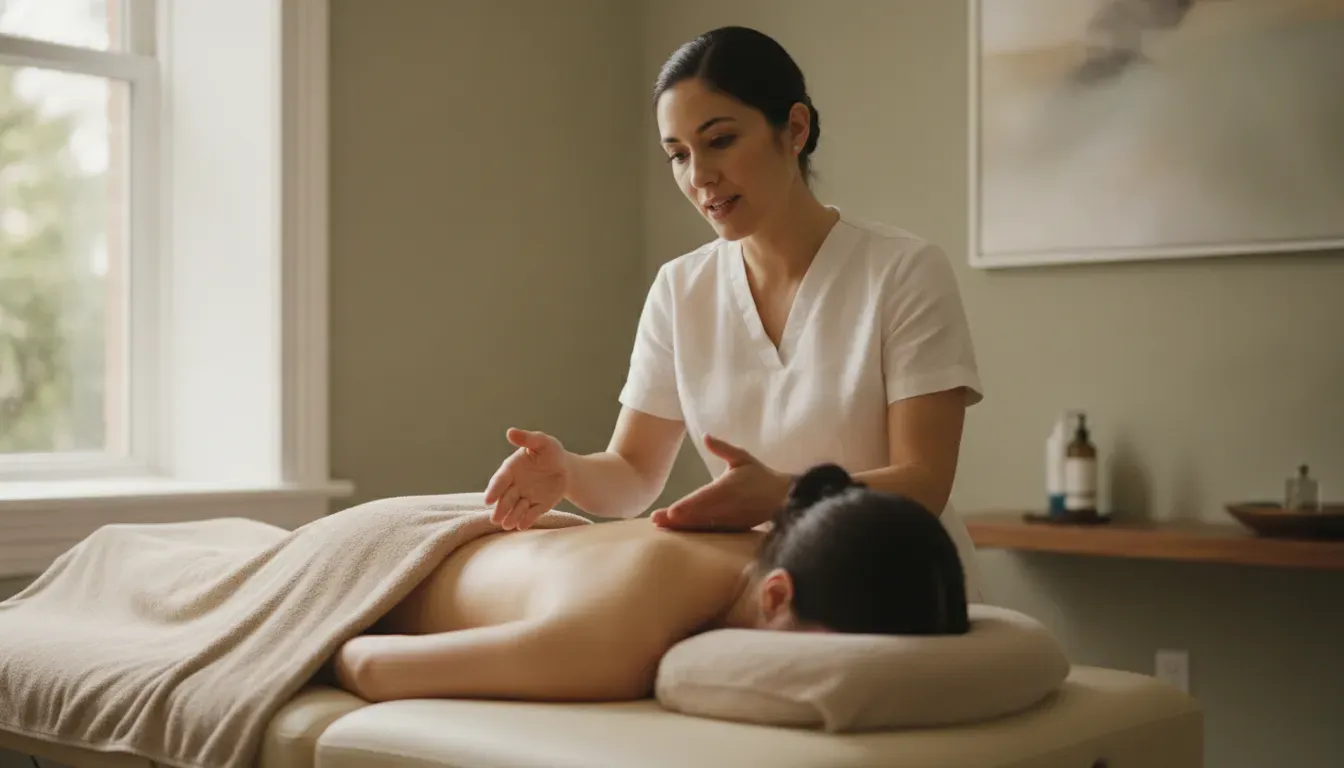

Your body is doing something incredible, and that hard work deserves support. Prenatal massage is more than just a way to soothe tired muscles—it’s a powerful tool for a healthier, more comfortable pregnancy. It’s a dedicated space to calm your mind, ease discomfort, and simply breathe. But the benefits go beyond you. By reducing your stress and improving circulation, you’re creating a better environment for your baby, too. This guide will help you find the best prenatal massage, making it a true investment in both of you.
Key Takeaways
- Confirm Safety with Your Doctor and Therapist: Before booking, get the green light from your doctor. Then, choose a licensed therapist with specific prenatal certification who understands how to position you safely and modify techniques for your stage of pregnancy.
- Address Both Physical and Emotional Needs: Prenatal massage is a therapeutic tool for managing the unique demands of pregnancy, offering targeted relief from back pain and swelling while also easing stress and improving sleep.
- Speak Up to Customize Your Comfort: Your feedback is essential for a great massage. Always communicate with your therapist about pressure, positioning, or any discomfort so they can tailor the session to your specific needs and ensure you feel completely relaxed.
What Is a Prenatal Massage?
Pregnancy is an incredible journey, but it often comes with a new set of aches and pains. Prenatal massage is bodywork specifically designed for the needs of an expecting mother. It’s a supportive therapy that aims to relieve common discomforts, from a sore back to swollen ankles, all while creating a peaceful space for you to connect with your body. Think of it as dedicated time to care for yourself during a period of profound change. A prenatal massage is about providing comfort, relief, and relaxation in a way that’s both safe and effective for you and your little one.
How It Supports Your Changing Body
A pregnancy massage targets the specific areas where you feel the most strain. As your body changes, your posture shifts, putting pressure on your lower back, hips, and shoulders. A skilled therapist uses gentle techniques to soothe these sore spots, release muscle tension, and improve circulation, which can help reduce swelling. Beyond the physical benefits, the calming touch of massage can lower stress hormones and ease anxiety, helping you feel more centered and rested. It’s a wonderful way to support your body’s hard work during pregnancy and prepare for what’s ahead.
Let’s Clear Up Some Common Myths
It’s normal to have questions about safety, so let’s clear things up. The key to a safe prenatal massage is expertise. Always get the green light from your doctor before booking a session. Once you have it, find a licensed massage therapist with specialized certification in prenatal care. These professionals understand the anatomy of a pregnant body and know how to position you safely to protect both you and your baby. Our dedicated team has the advanced training needed to provide a secure and comforting experience from your first trimester through your third.
How Is It Different From a Regular Massage?
While both types of massage aim to relax and heal, a prenatal session is tailored for pregnancy. The biggest difference is positioning. Instead of lying on your stomach, you’ll be comfortably supported on your side with pillows, which takes pressure off your abdomen and lower back. The techniques are also different. Your therapist will use gentler strokes and avoid deep pressure on certain areas. Unlike a standard deep tissue massage, the focus is on providing soothing relief and promoting overall well-being for you and your baby.
The Benefits You Can Expect
Pregnancy is an incredible journey, but it also brings a lot of changes to your body. From new aches to restless nights, it’s completely normal to feel like you need some extra support. A professional prenatal massage is more than just a treat; it’s a therapeutic practice designed to address the unique needs of expectant mothers. It provides a safe and effective way to care for your body and mind, helping you feel more comfortable and relaxed as you prepare for your baby’s arrival.
Soothe Your Aching Back and Hips
As your baby grows, your body adapts in amazing ways. Your center of gravity shifts, and the extra weight can put a lot of strain on your back, hips, and joints. This often leads to persistent aches and discomfort that can make daily activities challenging. Prenatal massage specifically targets these sore spots. A skilled therapist uses gentle, yet effective, techniques to release tension in your lower back, soothe sciatic nerve pain, and relieve pressure on your hips. It’s a wonderful way to find physical relief and feel more at home in your changing body.
Calm Your Mind and Body
Taking care of your emotional well-being is just as important as your physical health during pregnancy. The hormonal shifts and anticipation of a new arrival can sometimes bring on feelings of stress and anxiety. Massage is a powerful tool for calming the nervous system. It can help lower stress hormones while increasing levels of “feel-good” hormones like serotonin and dopamine. This natural mood lift not only helps you feel more serene and centered but also creates a more peaceful environment for your growing baby. It’s a dedicated time for you to unwind and connect with yourself.
Get Better Sleep (and More Energy)
Getting a good night’s sleep can feel like a distant dream when you’re pregnant. Between finding a comfortable position and dealing with aches and pains, quality rest is often hard to come by. This is another area where prenatal massage can make a real difference. By easing muscle tension and calming your mind, massage helps set the stage for deeper, more restorative sleep. Many expectant mothers find that they fall asleep more easily and wake up feeling more refreshed after a session. This improved sleep naturally leads to better energy levels during the day, helping you feel more capable and vibrant.
Reduce Swelling and Support Healthy Circulation
Have you noticed your ankles or fingers looking a bit puffy? Swelling, or edema, is a very common side effect of pregnancy, caused by increased body fluids and pressure on major blood vessels. Prenatal massage can help manage this by gently encouraging the movement of fluid through your system. This can reduce swelling in your feet, hands, and legs, making you feel much more comfortable. The techniques used also help improve circulation, ensuring that oxygen and nutrients are flowing efficiently throughout your body, which is great for both you and your baby’s health.
Health Benefits for Mother and Baby
A prenatal massage doesn’t just feel good for you; it creates a healthier, more nurturing environment for your baby, too. The benefits extend beyond your own comfort, playing a supportive role in your baby’s development from the very beginning. By promoting better circulation, balancing hormones, and strengthening your immune system, this therapeutic practice helps ensure your little one gets the best possible start. It’s a beautiful way to care for both of you at the same time.
Supports Your Baby’s Development
One of the most significant benefits of prenatal massage is its positive effect on your circulatory system. As your therapist works to release muscle tension, it encourages better blood flow throughout your body. This enhanced circulation is fantastic news for your baby. It means a more consistent and robust supply of oxygen and nutrients is delivered through the placenta, directly supporting their growth and development. Think of it as giving your body a helping hand in its most important job: building a healthy, happy baby. A well-nourished environment is key to a strong start in life.
Balances Hormones and Blood Pressure
Pregnancy can feel like an emotional rollercoaster, and that’s largely due to fluctuating hormones. Massage provides a natural way to find balance. Therapeutic touch has been shown to decrease levels of stress hormones like cortisol while encouraging the release of serotonin and dopamine, which are known for creating feelings of calm and happiness. This hormonal harmony doesn’t just help you feel more relaxed and centered; it also contributes to a more stable environment for your baby. A calmer you means a calmer baby, and this state of relaxation can also help maintain healthy blood pressure levels throughout your pregnancy.
Strengthens Your Immune System
Keeping your immune system strong is always important, but it’s especially crucial when you’re pregnant. The constant stress and physical demands of carrying a baby can sometimes weaken your body’s natural defenses. By reducing stress and promoting deep relaxation, prenatal massage helps support your immune function. When your body isn’t in a state of high alert, your immune system can operate more efficiently, protecting both you and your baby from illness. This boost in well-being creates a healthier foundation for your pregnancy, allowing you to focus on the joy of the journey ahead.
How to Find the Best Prenatal Massage Therapist
Finding the right massage therapist is always important, but when you’re pregnant, it’s essential. You need someone who understands the unique changes your body is going through and knows how to provide relief safely. A standard massage therapist, no matter how skilled, may not have the specific training required for prenatal care. Your comfort and safety are the top priorities, so taking the time to find a qualified professional is a crucial first step in your prenatal wellness journey. A great prenatal massage therapist will not only help ease your physical discomfort but also provide a reassuring and calming experience. They’ll know how to properly position you to support your belly and ensure there’s no pressure on sensitive areas. This specialized care makes all the difference, turning a simple massage into a truly therapeutic session that supports both you and your baby.
Check for These Key Certifications
When you start your search, the first thing to check for is a specific certification in prenatal massage. This isn’t just a fancy title; it means the therapist has completed specialized training on how to work with the pregnant body. They learn about the anatomical changes that occur during pregnancy, safe positioning techniques, and which areas to avoid. A certified therapist knows how to properly support you with pillows and bolsters to ensure you’re comfortable and there’s no strain on your uterine ligaments. This specialized knowledge is key to a safe and effective prenatal massage.
Questions to Ask Before You Book
Before you even book an appointment, have a quick chat with your doctor. Getting their green light is the most important first step to ensure massage is a safe option for your specific pregnancy. Once you have their approval, it’s time to interview potential therapists. Don’t be shy about asking questions! You can ask about their certification, how many prenatal massages they perform each month, and how they position clients during the session. A confident and experienced therapist will be happy to walk you through their process and answer any questions you have, helping you feel completely at ease.
Know the Red Flags to Watch For
Knowing what to avoid is just as important as knowing what to look for. A major red flag is any therapist who suggests deep tissue work or strong pressure on your legs. During pregnancy, women have a higher risk for blood clots, and intense pressure could be dangerous. You should also be wary of any therapist who doesn’t use proper bolstering to support your body or who seems unfamiliar with the specific contraindications for pregnancy. Trust your gut—if something feels off or the therapist dismisses your concerns, it’s best to find someone else.
Confirm Their Prenatal Experience
Certification is the baseline, but experience is what truly hones a therapist’s skill. Look for a professional who has a solid history of working with pregnant clients. An experienced therapist has a deeper understanding of the common aches and pains of pregnancy and can tailor the session to your specific needs, whether you’re dealing with sciatica or lower back pain. At NOLA Bliss, our licensed massage therapists are not only highly trained but also have years of dedicated experience. We are passionate about providing specialized care, and our team is skilled in creating a safe, supportive, and healing environment for expecting mothers.
Your Guide to a Safe Prenatal Massage
A professional prenatal massage is one of the safest ways to find relief and relaxation during pregnancy. Your comfort and your baby’s well-being are the top priorities for any qualified therapist. To ensure you have the best possible experience, it helps to be aware of a few key safety guidelines. These aren’t meant to worry you, but to empower you to make informed decisions about your care.
Think of it as a partnership between you, your massage therapist, and your doctor. When everyone is on the same page, you can relax completely, knowing you’re in good hands. From timing your first massage to knowing how you’ll be positioned on the table, understanding the process will help you get the most out of every session. We’ll walk through what to consider during each stage of your pregnancy and how to communicate effectively with your therapist to ensure every massage is both safe and wonderfully soothing.
First Trimester: What You Need to Know
You might notice that many massage studios, including ours, wait until the second trimester to begin prenatal massage. There’s a good reason for this. The first trimester carries a higher natural risk of miscarriage, and while there is no evidence that massage can cause one, most therapists prefer to be extra cautious during this delicate time. It’s a standard practice in the industry designed to protect both you and your practitioner. Always consult with your doctor or midwife before seeking a massage in your first trimester. They can give you the green light based on your personal health history.
A Note on First Trimester Safety
The first trimester is a time of incredible development, and it’s natural to approach everything with a bit more care. You’ll find that most massage therapists are cautious about providing services during this period. The first trimester naturally has a higher risk of miscarriage, and while there is no evidence that massage is the cause, the industry standard is to wait. This isn’t meant to cause alarm; it’s a practice rooted in providing the utmost safety and peace of mind for you. The most important step is to talk with your doctor for their approval. Once you have the green light, find a therapist with certified prenatal training. Their specialized expertise is what makes a prenatal massage a truly safe, comforting, and beneficial experience.
Second and Third Trimesters: Staying Comfortable
Once you’re in your second trimester, positioning becomes the most important safety consideration. After about 20 weeks, it’s no longer safe to lie flat on your back for extended periods. This position can put pressure on a major blood vessel, potentially reducing blood flow to your baby. Instead, your therapist will have you lie on your side, supported by plenty of pillows and cushions to keep your hips, knees, and ankles aligned. This safe and comfortable setup takes all the pressure off your lower back and pelvis, allowing you to fully relax while the therapist works on your sore muscles.
Always Share Your Health History
Open communication is essential for a safe and effective prenatal massage. Before your session begins, your therapist will ask about your health and how your pregnancy is going. Be prepared to share everything, even if it seems minor. Mention any areas of pain, swelling, sensitivities, or medical conditions like high blood pressure or gestational diabetes. This information allows your therapist to customize the massage to your specific needs, avoiding certain techniques or areas and focusing on what will help you most. The more they know, the better they can care for you.
A Note for High-Risk Pregnancies
If your pregnancy is considered high-risk, it’s essential to approach prenatal massage with an extra layer of caution. The most important first step is to talk with your doctor or midwife before scheduling an appointment. As the American Pregnancy Association advises, getting clearance from your prenatal care provider is crucial, especially if you have conditions like high blood pressure or preeclampsia. Once you have their approval, be sure to communicate your health status clearly with your massage therapist. It’s always a good idea to bring a doctor’s note confirming that massage is safe for you. Choosing a therapist with specialized training in prenatal massage is non-negotiable, as they will understand how to position you safely and modify techniques for your unique situation. This careful approach allows you to enjoy the benefits of massage while prioritizing the health and safety of you and your baby.
When Should You Skip or Reschedule?
Your health comes first, and sometimes that means postponing your massage. If you are experiencing a high-risk pregnancy, it’s crucial to get your doctor’s approval before booking an appointment. You should also speak with your doctor first if you have a history of complications or are currently dealing with severe nausea, bleeding, or abdominal pain. If you simply feel unwell on the day of your appointment, don’t hesitate to call and reschedule. A reputable studio will always understand. Listening to your body and checking in with your healthcare provider are the best ways to ensure a safe experience.
What to Expect During Your Session
Walking into your first prenatal massage appointment can feel a little mysterious, but it’s a wonderfully simple and relaxing experience. Your session is all about you and your comfort. From the moment you arrive, your therapist’s goal is to create a calm, supportive environment where you can let go of tension. They will talk with you about how you’re feeling, any specific aches you’re experiencing, and what you hope to get out of the massage.
This is your time to unwind. You’ll be in a private, quiet room with soft lighting and soothing music. Your therapist will explain everything they’re doing and will check in with you to make sure the pressure is just right. Remember, communication is key, so never hesitate to speak up if you need an adjustment. The entire experience is designed to be a safe, nurturing break that supports both your physical and emotional well-being during this special time.
How to Prepare for Your Appointment
A little preparation can help you sink into relaxation mode even faster. The most important first step is to talk with your doctor before getting a pregnancy massage to make sure it’s the right choice for you and your specific circumstances. Once you have the green light, the rest is easy.
On the day of your appointment, wear comfortable, loose-fitting clothes that are easy to take off and put back on. Try to arrive about 10-15 minutes early so you have plenty of time to find parking, use the restroom, and fill out any necessary intake forms without feeling rushed. This is also a great time to start quieting your mind and transitioning from the hustle of your day to the calm of the massage room.
Your First Appointment Consultation
Think of the consultation as the first step toward a great massage. It’s a brief but important conversation where you and your therapist get on the same page. They will ask about your health history, how far along you are, and any specific aches or pains you’re experiencing. This is your time to be open—mention everything from that nagging lower back pain to any swelling in your ankles or medical conditions like high blood pressure. This information is key, as it allows your therapist to customize the session, ensuring they use the right techniques and avoid sensitive areas. It’s also the perfect time for you to ask questions. Don’t hesitate to inquire about their specific prenatal massage training and experience. A great therapist wants you to feel confident and comfortable, and this open dialogue ensures you can fully relax, knowing you’re in expert hands.
How You’ll Be Positioned for Comfort and Safety
One of the biggest questions expectant mothers have is how they’ll lie on the table. Don’t worry—you won’t be asked to lie on your stomach or flat on your back. Your therapist will have you positioned comfortably on your side, supported by a variety of pillows and cushions. This setup props up your head, belly, and legs to take all the pressure off your joints and lower back, allowing you to fully relax.
This side-lying position is the safest and most comfortable way to receive a massage during pregnancy, especially after the first trimester. It ensures there’s no pressure on your abdomen or on major blood vessels, promoting healthy circulation for you and your baby. Your therapist will help you get perfectly situated before the massage begins.
Why We Use the Side-Lying Position
We use the side-lying position because it is the safest and most comfortable option for both you and your baby. As your uterus grows, lying flat on your back can put pressure on a major blood vessel, which can reduce blood flow to your baby and even make you feel dizzy. The side-lying position completely avoids this risk. It also allows us to provide a professional prenatal massage while keeping you perfectly comfortable. With the strategic placement of pillows, we can support your belly, align your hips, and take all the strain off your lower back, allowing you to fully relax and get the most benefit from your session.
Safe and Effective Massage Techniques
A prenatal massage isn’t just a standard massage with lighter pressure. It’s a specialized treatment performed by therapists who have received extra training in how to work safely with the pregnant body. They understand the anatomical changes you’re going through and use modified techniques to address common pregnancy discomforts.
The focus is often on areas like the lower back, hips, shoulders, and feet, using gentle, flowing strokes to ease muscle tension and reduce swelling. Your therapist will avoid deep pressure on certain areas and will skip any techniques that aren’t recommended during pregnancy. At NOLA Bliss, our licensed therapists are highly experienced in providing safe and effective prenatal massage tailored to your unique needs during each trimester.
Common Techniques and Oils Used
Your therapist will primarily use gentle, flowing strokes, similar to those in a Swedish massage, to soothe muscle tension and improve circulation. The focus is on relieving common pregnancy discomforts in the lower back, hips, and shoulders. Deep pressure is avoided, especially on the legs and abdomen. When it comes to oils, your therapist will use high-quality, hypoallergenic oils or lotions that are safe for both you and your baby. While some essential oils can be beneficial, many are not recommended during pregnancy, so a professional will typically use unscented products or a blend specifically designed for expectant mothers to ensure a completely safe and relaxing experience.
A Word on Deep Pressure and Your Legs
It’s crucial to understand why a certified prenatal therapist will never apply deep pressure to your legs. During pregnancy, your blood volume increases, and your body is more prone to clotting, which raises the risk of developing blood clots in the deep veins of your legs. Applying strong pressure could potentially dislodge a clot, which can be very dangerous. This is a critical safety distinction between a prenatal massage and other modalities like deep tissue. A knowledgeable therapist will always use light, gentle strokes on your legs to help with swelling and circulation without posing any risk.
After Your Session: Tips for Post-Massage Care
The feeling of bliss doesn’t have to end the moment your session is over. A few simple steps can help you extend the benefits of your massage. First, take your time getting up from the table. Moving slowly will help you avoid any lightheadedness and allow your body to gently readjust.
Once you’re up, be sure to drink plenty of water throughout the rest of the day. This helps your body flush out any metabolic waste that was released from your muscles during the massage and keeps you well-hydrated. If your schedule allows, try to take it easy for a little while. A short nap or just resting on the couch can help your body fully integrate the therapeutic work and prolong that wonderful sense of calm.
Massage Beyond Pregnancy
The support of a great massage therapist doesn’t have to end when your third trimester does. The benefits of therapeutic bodywork can extend to help you prepare for labor and support your recovery in the weeks and months after your baby arrives. This continued care is a way to honor the incredible work your body has done and is still doing. Think of it as a gentle transition, helping you feel strong and centered as you move into the next chapter of motherhood. By incorporating massage into your pre-labor and postpartum routine, you’re giving yourself a powerful tool for both physical healing and emotional well-being.
Using Massage to Prepare for Labor
As your due date gets closer, regular prenatal massage can be a wonderful way to prepare your body and mind for the work ahead. Consistent sessions help keep your muscles relaxed and your stress levels in check, which can be incredibly beneficial for labor. When your body is less tense, you can focus your energy more effectively. Research shows that prenatal massage is a safe way to help lower stress and ease discomfort, creating a more positive physical and emotional state as you approach childbirth. It’s not about inducing labor, but about helping your body be in the best possible condition for the experience.
Postpartum Massage for Recovery
After your baby is born, your body begins another incredible journey: recovery. Postpartum massage is a gentle way to support this process. It can help soothe the sore muscles from labor and delivery, address the new aches that come from holding and feeding a newborn, and simply give you a quiet moment to yourself. This type of massage also helps improve circulation, which is essential for healing and restoring your energy levels. Taking time for a postpartum massage isn’t an indulgence; it’s a vital part of your recovery plan, helping you feel more comfortable and cared for as you navigate the beautiful challenges of new motherhood.
How to Make Every Session Count
A prenatal massage is a wonderful way to care for yourself during pregnancy, but a little planning can make the experience even more beneficial. By thinking ahead about your needs and communicating openly with your therapist, you can ensure every session leaves you feeling refreshed and supported. It’s all about turning a good massage into a truly restorative escape. These simple steps will help you make the most of your time on the table, ensuring you get the exact care and relief you’re looking for.
How Often Should You Get a Prenatal Massage?
Consistency is key when it comes to massage. While a single session can provide immediate relief, regular appointments build on each other to offer lasting benefits for you and your baby. A good rule of thumb is to schedule sessions based on your stage of pregnancy. Many experts suggest one massage a month up to 27 weeks, then twice a month until 36 weeks, and finally, once a week until you give birth. This schedule helps manage the changing demands on your body. Of course, this is just a guideline. The most important thing is to listen to your body and work with your therapist to create a prenatal massage plan that feels right for you.
What (If Anything) Should You Bring?
You don’t need to bring much to your appointment, as we provide everything you need for a comfortable and relaxing experience. The most important thing to bring is yourself, ready to unwind. It’s a good idea to wear loose, comfortable clothing that’s easy to change in and out of. If your doctor has provided any specific notes or recommendations regarding your pregnancy, feel free to bring those along to share with your therapist. Otherwise, just focus on arriving a few minutes early so you can transition from the hustle of your day into a state of calm without feeling rushed.
Speak Up: How to Talk to Your Therapist
Your comfort and safety are the top priorities, and open communication is the best way to ensure both. Your therapist is a partner in your care, and they rely on your feedback to tailor the session perfectly to your needs. Don’t ever hesitate to speak up if the pressure is too much or too little, if a certain position feels uncomfortable, or if you’re feeling too warm or cool. Our expert therapists are here to listen and adjust their technique at any point during the massage. Sharing how you’re feeling allows them to provide the most effective and enjoyable treatment possible, so you can fully relax and receive the care you deserve.
Are Add-Ons Right for You?
Want to add an extra layer of bliss to your prenatal massage? Consider including an enhancement to your session. These add-ons are designed to deepen your relaxation and provide additional therapeutic benefits. For example, our Hot Himalayan Salt Stones can be incorporated into your massage to gently soothe sore muscles and melt away tension. The warm stones provide a comforting weight and help ease the aches that often accompany pregnancy. Talk to your therapist about which enhancements are safe and suitable for you. It’s a simple way to customize your experience and give your body a little extra love.
Your Prenatal Massage Experience at NOLA Bliss
If you’re looking for a place that truly understands the unique needs of pregnancy, you’ve found it. At NOLA Bliss, we see prenatal massage as a vital part of your wellness journey, not just an add-on service. We combine deep expertise with genuine care to create a supportive space where you can relax, recharge, and find relief. Our entire approach is built around providing a safe, comfortable, and effective experience that honors this special time in your life. We’re here to help you feel your best as you prepare to welcome your little one.
Our Supportive Approach to Prenatal Massage
We believe every pregnancy is different, and your massage should be, too. That’s why we’ve moved away from the formulaic routines you might find at a typical spa. Instead, we focus on creating a custom-tailored session that addresses exactly what you’re feeling, whether it’s lower back pain, swollen ankles, or general fatigue. Our therapists take the time to listen to you and understand your specific needs before the massage even begins. This personalized approach ensures you get the most out of every minute, receiving targeted relief and deep relaxation in a way that feels right for your body.
Meet Our Certified Prenatal Massage Therapists
You and your baby are in the best hands with our team. The therapists at NOLA Bliss are all licensed professionals with an average of over 10 years of experience and specialized training in prenatal massage techniques. More than that, they have a true passion for healing and a deep understanding of the changes your body goes through during pregnancy. You can learn more about our dedicated team and their commitment to wellness. Their expertise means you can fully relax, knowing you’re receiving care that is not only effective but also completely safe for you and your baby.
A Custom Massage for Your Unique Pregnancy
Your comfort and safety are our top priorities. During your prenatal massage, your therapist will use supportive pillows and cushions to ensure you can lie comfortably and securely on your side. They will adapt their techniques to focus on your specific areas of tension, using gentle yet effective pressure to soothe sore muscles and improve circulation. While we are known for our deep tissue work, our prenatal sessions are specifically designed to be nurturing and safe, avoiding deep pressure on certain areas and ensuring a completely relaxing experience tailored to your stage of pregnancy.
Ready to Relax? Here’s How to Book
Ready to find some relief? Booking your prenatal massage is simple. You can schedule your appointment online or give us a call, and our friendly staff will help you find the perfect time. When you book, be sure to mention that you’re looking for a prenatal massage so we can pair you with the right therapist. For an extra touch of warmth and relaxation, consider adding our Hot Himalayan Salt Stones enhancement to your session. These smooth, heated stones can help melt away tension and provide an even deeper sense of calm.
Related Articles
- Massage Services | Nola Bliss Massage Therapy
- Ashiatsu | Nola Bliss Massage Therapy
- COVID-19 | Nola Bliss Massage Therapy
- Home | Nola Bliss Massage Therapy
Frequently Asked Questions
Is prenatal massage actually safe for my baby? Absolutely. When performed by a certified prenatal massage therapist after you’ve gotten the okay from your doctor, it is a safe and beneficial practice. A trained professional understands the anatomy of a pregnant body and uses specific techniques, like side-lying positioning with supportive pillows, to ensure there is no pressure on your abdomen. Their expertise is focused on providing comfort for you while keeping your baby completely safe.
When is the best time during my pregnancy to get a massage? Most practitioners, including our team, recommend waiting until you’ve entered your second trimester to begin massage therapy. This is a standard precaution in the industry. From the second trimester onward, you can receive massages as often as feels good for you. Many women find that increasing the frequency in the third trimester helps manage the aches and pains that come with the final stretch of pregnancy.
Will a prenatal massage actually help with my deep back and hip pain? Yes, it can make a significant difference. While prenatal massage avoids the intense pressure of a traditional deep tissue session, it is far from just a light rub. Your therapist uses skilled, targeted techniques to release muscle knots, soothe sciatic nerve pain, and relieve tension in the specific areas that are under strain from your changing body. The focus is on effective, safe relief that addresses the root of your discomfort.
What if I have a high-risk pregnancy or other health conditions? Your health is the top priority, which is why the first step is always to consult with your doctor or midwife. If you have a high-risk pregnancy or a condition like gestational diabetes or high blood pressure, you must get their explicit approval before booking a massage. Once you have clearance, a certified therapist can then tailor the session to your specific needs, ensuring a safe and supportive experience.
Can my partner and I get a couples massage if I’m pregnant? Of course! We can absolutely accommodate you for a couples massage. You will receive a specialized prenatal massage from a certified therapist, while your partner can choose any of our other massage services, like a Swedish or deep tissue massage. It’s a wonderful way for both of you to relax and connect in the same room before your new arrival.