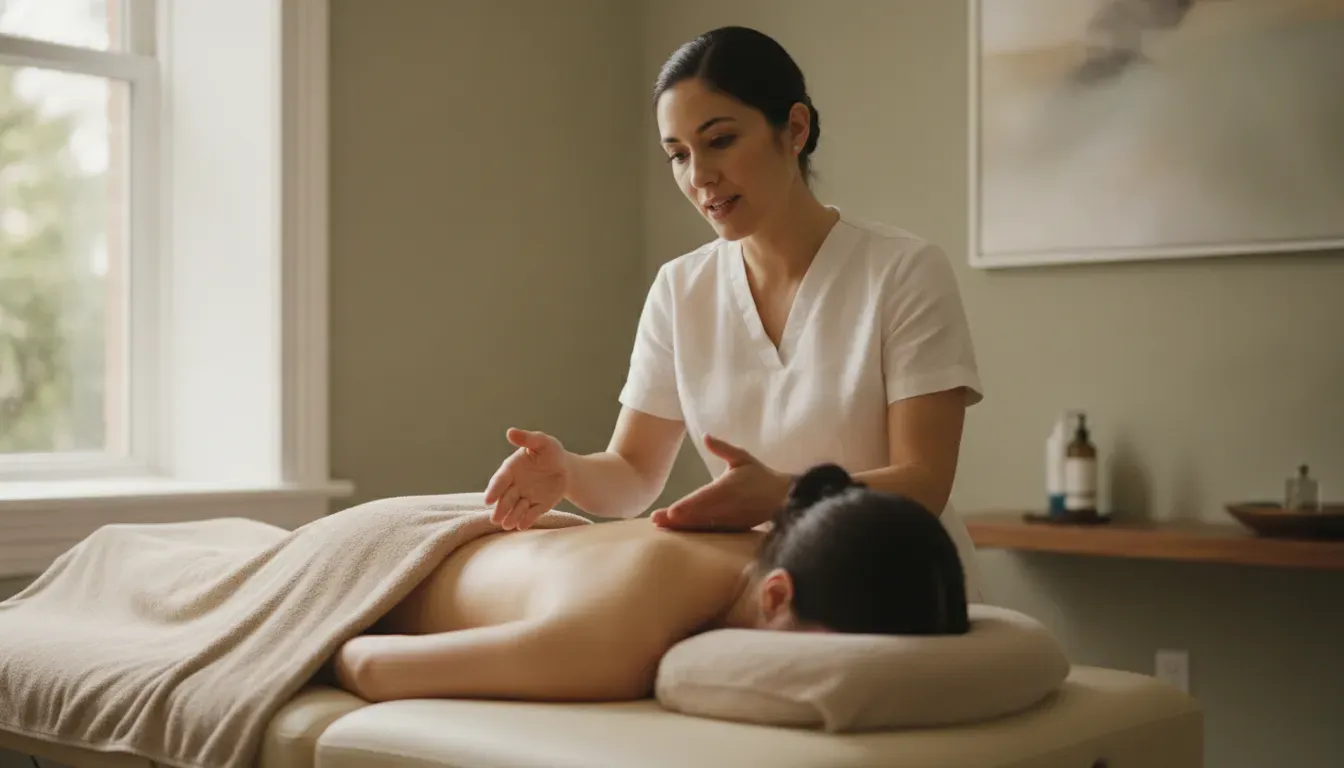

A great deep tissue massage can feel like a total game-changer for chronic pain and stubborn knots. But there’s a dangerous myth that it has to hurt to work. That’s just not true. A therapeutic session should bring relief, not leave you wincing in pain or covered in bruises. The difference between a healing experience and a harmful one often comes down to the therapist’s skill and your communication. This guide will show you what separates a safe, effective massage from a risky one, so you can feel confident and in control on the table.
Key Takeaways
- Speak up for a better massage: Your session is a partnership, so be open about your health history and use specific feedback, like a pain scale, to help your therapist tailor the pressure perfectly for you.
- Distinguish between good and bad pain: Therapeutic massage can feel intense, but it should never be unbearable. If you’re clenching your jaw or holding your breath, the pressure is too much and it’s time to ask for an adjustment.
- Choose your therapist and technique wisely: Your safety comes first, so always select a licensed professional who performs a thorough intake. If deep tissue feels too intense, ask for modified pressure or explore effective alternatives like Ashiatsu for deep relief without the discomfort.
What Is a Deep Tissue Massage, Really?
If you’ve ever dealt with stubborn knots or chronic muscle tension, you’ve probably heard about deep tissue massage. But what does it actually involve? Unlike a classic relaxation massage, a deep tissue massage is a therapeutic technique that focuses on the deeper layers of your muscle and connective tissue. It’s not just about applying more pressure; it’s about using slow, deliberate strokes and sustained pressure to target specific areas of concern.
The main goal is to address problems like chronic pain, stiffness, and limited mobility. Think of it as a focused treatment designed to break up scar tissue and release the tight muscle fibers that cause discomfort. Because it’s so targeted, it’s a powerful tool for recovery and pain management. However, it’s also one of the most misunderstood massage styles, which is why it’s so important to work with a skilled therapist who knows the difference between effective therapeutic work and just painful pressure. At Nola Bliss, our experienced therapists can help you decide if a deep tissue or Swedish massage is the right fit for your body’s needs.
How Is Deep Tissue Different from Swedish Massage?
It’s easy to get deep tissue and Swedish massage confused, but their goals are quite different. A Swedish massage is what most people picture when they think of a typical spa day. It uses long, gliding strokes, kneading, and gentle tapping with light to medium pressure. The primary purpose is to promote overall relaxation, reduce stress, and improve circulation. It’s a wonderful choice for unwinding and soothing your nervous system.
Deep tissue, on the other hand, is a more focused and intense treatment. It’s specifically designed to treat muscle and tendon injuries, chronic pain, and stiffness in your major muscle groups. Your therapist will use much slower strokes and more direct pressure to reach those underlying structures. Think of it this way: Swedish massage is for whole-body relaxation, while deep tissue is for problem-solving specific areas.
What to Expect During a Session
The Techniques and Tools Used
When you come in for a deep tissue massage, your therapist will use a variety of techniques designed to reach the deeper layers of your muscle and connective tissue. This isn’t about random, hard pressure; it’s a targeted approach. Your therapist will use slow, deliberate strokes and apply sustained pressure with their knuckles, forearms, and even elbows to work on specific areas of tension. The goal is to address specific problems by stretching muscle fibers and breaking down adhesions, often called “knots.” This focused work is what makes deep tissue so effective for chronic pain and stiffness. It’s a craft that requires extensive training and a deep understanding of anatomy, which is why our therapists at Nola Bliss are so dedicated to their practice.
Starting Light: Warming Up the Muscles
One of the biggest misconceptions about deep tissue massage is that it’s painful from start to finish. A skilled and professional therapist will never just dive in with intense pressure. Instead, your session will begin with a lighter touch to properly warm up your muscles. This initial phase is essential—it increases blood flow to the area and prepares the tissue for deeper work. By gradually increasing pressure, your therapist allows your body to relax and accept the treatment, which makes the entire experience more effective and comfortable. This warm-up period also gives your therapist a chance to assess your muscle tissue and identify the exact spots that need the most attention, ensuring the session is perfectly tailored to you.
“No Pain, No Gain” and Other Massage Myths
One of the biggest myths about deep tissue massage is that it has to hurt to be effective. Many people believe that “deep tissue” is just another way of saying “deep pressure,” but that’s not the case. True deep tissue work is about skillfully accessing deeper layers of muscle, not just pushing as hard as possible. In fact, overly aggressive pressure can be counterproductive.
When a massage is too painful, your body’s natural response is to tense up, which is the opposite of what you want. While intense pressure can trigger an endorphin rush that feels like relief, it might just be your body’s reaction to pain. This approach can sometimes cause serious physical harm, including bruising, nerve irritation, or even making muscles tighter later on. A truly qualified therapist knows how to work deeply without causing unnecessary pain or injury.
The Proven Benefits of Deep Tissue Massage
Pain and Condition Management
Specific Conditions It Can Address
Deep tissue massage is a powerful tool for managing specific aches and pains because it uses strong, focused pressure to reach the deeper layers of your muscles and connective tissues. It’s not just a general rubdown; it’s a targeted treatment. Research and client experiences show it can be particularly effective for a range of issues. People often seek it out for relief from sports injuries, chronic low back pain, and stubborn plantar fasciitis. It’s also been found to help with conditions like fibromyalgia, sciatica, and tennis elbow. By focusing on these problem areas, a skilled therapist can help release chronic muscle tension and stiffness.
A Natural Alternative for Chronic Pain
For those dealing with long-term pain, deep tissue massage offers a compelling, non-invasive alternative to medication. It works by breaking down adhesions—those “knots” that are bands of painful, rigid tissue—that can cause pain and restrict movement. This process helps to restore normal muscle function and reduce discomfort over time. Instead of just masking the pain, this therapeutic approach addresses the root cause within the muscle tissue. If you’re looking for a way to manage chronic pain proactively, a deep tissue massage can be an integral part of your wellness routine, helping you feel better in your body day to day.
Improved Physical Health and Wellness
Lower Blood Pressure and Heart Rate
The benefits of deep tissue massage go beyond your muscles, extending to your cardiovascular health. It might sound surprising, but studies have shown that a deep tissue session can actually lower your blood pressure and heart rate. One study involving over 260 participants found that deep tissue massage significantly reduced systolic and diastolic blood pressure readings. This calming effect on the body’s systems is a result of the deep, sustained pressure which helps to reduce stress and tension, allowing your entire system to relax and function more efficiently.
Better Sleep and Enhanced Workouts
Feeling less pain and stress naturally leads to better rest. Many clients report a noticeable improvement in their sleep quality after a deep tissue massage. By alleviating the physical discomfort that can keep you tossing and turning, it helps your body achieve the deep, restorative sleep it needs. This, in turn, can have a ripple effect on your fitness. Massage therapy helps increase oxygen in your blood and improve circulation, which is essential for muscle recovery. When your body is well-rested and your muscles are functioning optimally, you’re better prepared for your workouts and recover more quickly.
Increased Mobility and Flexibility
If you feel like your movements are restricted by stiffness, deep tissue massage can make a world of difference. It works by breaking up the adhesions and scar tissue that limit your range of motion. Over time, these restrictions can make simple activities feel difficult and even lead to further injury. A study on individuals with chronic neck pain found that after 10 sessions of a specific deep tissue technique, they experienced a significant increase in their ability to move their necks. On average, their pain decreased and they could turn their heads 13 degrees more to each side. This kind of improvement in flexibility isn’t just for athletes; it translates to greater ease in everyday life. For deep, consistent pressure that covers a large area and is excellent for improving mobility, you might also explore Ashiatsu Deepfeet Bar Therapy.
Is Deep Tissue Massage Always Safe?
A deep tissue massage is an intense experience, so it’s natural to wonder what to expect afterward. While the goal is always relief and relaxation, the deep pressure used to target muscle knots can lead to some temporary side effects. The key is knowing the difference between a normal healing response and a sign that something is wrong. Most post-massage discomfort is mild and short-lived, especially when you’re in the hands of a skilled professional.
An experienced therapist knows how to work with your body, not against it. They will check in with you on pressure and tailor the session to your specific needs. Understanding the potential side effects helps you communicate effectively with your therapist and take care of yourself after your appointment, ensuring you get the best possible results from your therapeutic massage.
Feeling Sore? What’s Normal After a Massage
It’s completely normal to feel some soreness or stiffness for a day or two after a deep tissue massage. Think of it like the feeling you get after a good workout. The therapist is working to release chronic tension, and that process can leave your muscles feeling a bit tender. You might also notice some light bruising if you have sensitive skin or if the therapist worked on a particularly stubborn knot.
These effects are usually mild and are simply your body’s response to the deep work. Some people also report feeling tired or having a slight headache, which is often a sign that your body is processing the metabolic waste released from your muscles. These symptoms should fade within 48 hours. If they don’t, it’s a good idea to let your therapist know.
How to Recover and Feel Your Best
What you do after your massage is just as important as the massage itself. A little self-care can make a big difference in how you feel and can help minimize any soreness. The most important thing you can do is drink plenty of water. Hydrating helps your body flush out the toxins that were released from your muscle tissue during the session.
You can also take a warm bath with Epsom salts to soothe tender muscles and reduce inflammation. Gentle stretching can also feel good, but avoid any strenuous activity for the rest of the day. Give your body time to rest and integrate the work that was done. Our team of therapists is always happy to provide personalized aftercare tips based on your session.
When to Be Concerned: Rare but Serious Risks
While extremely uncommon, it’s important to be aware of more serious risks associated with deep tissue massage, especially if performed incorrectly. Excessive or poorly applied pressure can potentially cause muscle damage. In very rare instances, an aggressive massage could dislodge an existing blood clot, which can lead to a serious medical emergency. This is why it is absolutely critical to see a licensed, experienced therapist and to be completely honest about your health history.
These complications are not something you should expect from a session with a qualified professional. A trained therapist knows how to avoid sensitive areas and apply pressure safely. They will conduct a thorough intake to screen for contraindications, like a history of blood clots or other medical conditions, to ensure your session is both effective and safe.
Who Should Skip Deep Tissue Massage?
While deep tissue massage offers incredible benefits for many, it’s not the right fit for everyone. Your safety and well-being are the top priorities, and in some cases, a different approach is needed to achieve your wellness goals. Open communication with your massage therapist is the key to ensuring you receive a treatment that is both effective and safe for your specific circumstances.
What to Tell Your Therapist About Your Health
Think of your pre-massage intake as the most important conversation you’ll have all day. It’s essential to be completely open about your health history, as certain conditions require us to modify or avoid deep tissue work. If you have a history of blood clots, are taking blood thinners, or have severe varicose veins, deep pressure can pose a risk. The same caution applies if you have osteoporosis, as your bones may be more fragile. We also need to know if you’re undergoing treatments like chemotherapy or radiation. A truly professional therapist will always conduct a thorough intake to customize the session for your safety and comfort, so never hesitate to share your full health picture.
Pregnancy, Blood Clots, and Deep Tissue Massage
Pregnancy is a special time that requires a specialized approach to massage. Standard deep tissue massage is not recommended during pregnancy, particularly on the abdomen and lower legs. Instead, a session designed specifically for expectant mothers is the safest and most effective way to address aches and pains. We offer a dedicated prenatal massage that uses comfortable positioning and modified techniques to support you and your baby.
For anyone with a known blood clot or a history of deep vein thrombosis (DVT), deep tissue massage is not an option. The firm pressure used in this technique could dislodge a clot, leading to a serious medical emergency. Your health is always the priority, and this is a situation where the risks far outweigh any potential benefits.
Open Wounds and Skin Infections
If you have any kind of open wound, rash, or skin infection, it’s crucial to tell your therapist before your session begins. The direct, intense pressure used in deep tissue massage can be painful on compromised skin and, more importantly, can worsen an existing condition or introduce new bacteria. Healthline is clear on this: you should avoid massage over an open wound to prevent making it worse. This is precisely why a thorough intake with a licensed professional is so important. Your therapist needs to know about any cuts, scrapes, or skin flare-ups to work around them safely, ensuring your therapeutic massage is a truly healing experience, not a source of new problems.
Does Age Matter for Deep Tissue Massage?
Age itself isn’t a strict barrier to deep tissue massage, but it does bring important considerations. The bodies of children and teenagers are still developing, so deep, intense pressure is generally avoided. For older adults, the main concern is not the number of birthdays but the potential for underlying health issues. Conditions like osteoporosis or increased skin fragility mean that a gentler touch is often a safer choice. A great massage is about listening to your body and your needs. If deep tissue isn’t the right fit, we can always explore gentler therapeutic options like a classic Swedish massage to help you relax and find relief without the intensity.
How to Know If Something Is Wrong During Your Massage
A great massage is a conversation between you and your therapist, but you’re the one leading the discussion. Your comfort and safety are the top priorities, and a truly professional therapist wants your feedback to tailor the session perfectly to your needs. It’s essential to know the difference between effective, therapeutic pressure and pain that signals a problem. Trusting your body and speaking up ensures you get all the benefits of your massage without any of the risks.
Think of your time on the table as a partnership. The therapists at Nola Bliss are experts in their craft, but you are the expert on your body. Knowing how to spot a red flag and communicate your experience is the key to a safe, relaxing, and healing session every single time. If something feels off, it probably is, and you always have the power to say something. We’ll walk through exactly what to look for, from pressure that’s too intense to specific warning signs, and give you the language to use so you always feel in control. This knowledge empowers you to get the most out of every massage, ensuring it’s a healing experience from start to finish.
Is the Pressure Too Much? How to Tell
There’s a persistent myth that for a deep tissue massage to work, it has to hurt. Let’s clear this up: while you can expect to feel intense, focused pressure and some therapeutic discomfort, you should never be in agony. Overly aggressive pressure can cause more harm than good, leading to significant bruising, nerve irritation, or even muscle damage that makes you tense up more later.
The goal is to release tension, not to fight through pain. A good rule of thumb is to notice your own body’s reaction. Are you holding your breath, clenching your jaw, or tightening your muscles in anticipation? These are clear signs that the pressure is too much. A productive, deep massage works with your body, not against it.
Listen to Your Body: Warning Signs to Know
Your body will tell you when something isn’t right, so it’s important to listen. A deep tissue massage should never cause sharp, stabbing, or unbearable pain. While a certain level of discomfort is normal as the therapist works on tight knots, it should feel like a “good hurt” that leads to release, not a “bad pain” that makes you want to jump off the table.
Pay attention to these specific warning signs: sharp or shooting pain, any numbness or tingling sensations, or a feeling that the pressure is bony and grinding rather than broad and effective. Another major red flag is a therapist who dismisses your concerns. If you say the pressure is too much and they tell you to just “breathe through it” without making an adjustment, it’s a problem.
How to Talk to Your Therapist About Pain
One of the easiest ways to give your therapist clear feedback is to use a pain scale. Simply saying, “On a scale of 1 to 10, that pressure is about an 8 for me,” gives them a precise understanding of your experience. Most therapists aim for a 6 or 7 during deep work, a level of intensity that is effective but still tolerable.
You can also be more specific with your requests. Don’t hesitate to guide the session with phrases like, “Could you go a bit slower there?” or “I’d prefer more sustained pressure instead of small circles.” You can even request a different tool, like asking for a forearm instead of an elbow. This feedback helps your therapist customize their technique, ensuring your massage service is both effective and enjoyable.
Your Role in a Successful Massage
The Importance of Deep Breathing
Beyond speaking up, one of the most powerful tools you have on the massage table is your own breath. When your therapist finds a particularly tight spot, your first instinct might be to hold your breath and brace for the pressure. But this tensing action is counterproductive to releasing the muscle. Instead, focus on taking slow, deep breaths. This simple practice signals to your nervous system that it’s safe to relax and helps keep oxygen flowing to the muscles being worked on, making it easier for them to let go. Your breath is also a great indicator for your therapist. If we notice you’re holding your breath, it’s a cue for us to check in on the pressure. By consciously breathing through the intensity, you become an active partner in your own healing, making every moment of your therapeutic massage more effective.
Can Deep Tissue Massage Cause Injury?
While a deep tissue massage is a safe and effective therapy for most people, it’s important to acknowledge that, like any physical treatment, it carries some risk of injury. These issues almost always arise when a massage is performed by an inexperienced or unqualified person, or when a client doesn’t communicate their health history. The key to a safe experience is choosing a therapist who is professionally trained, licensed, and deeply understands human anatomy.
An expert therapist knows how to apply firm pressure effectively without causing harm. They can identify areas that need work and distinguish between therapeutic discomfort and pain that signals a problem. At Nola Bliss, our team of licensed massage therapists has dedicated their careers to the practice of therapeutic massage, ensuring you are always in skilled and knowledgeable hands. Understanding the potential risks helps you become a more informed and empowered client, ready to work with your therapist for the best possible outcome.
Can It Damage Your Muscles?
One of the main concerns with deep tissue massage is the potential for muscle strain or damage. When pressure is applied too aggressively or incorrectly, it can irritate muscle fibers instead of releasing them. This can lead to inflammation, bruising, and increased tightness after the massage, which is the opposite of the intended effect. The “no pain, no gain” philosophy has no place in a professional massage setting.
A properly executed deep tissue massage works with your body, not against it. A skilled therapist understands how to sink into the muscle layers gradually, respecting the tissue’s response and avoiding the kind of forceful approach that can cause micro-tears. Your feedback is also crucial; if the pressure ever feels sharp, pinching, or simply too intense, you should speak up immediately.
What Is the Risk of Dislodging a Blood Clot?
A more serious, though rare, risk associated with deep tissue massage is the potential to dislodge a blood clot. For individuals with a history of deep vein thrombosis (DVT) or other clotting disorders, firm pressure on an affected area could cause a clot to break loose and travel to the lungs, heart, or brain, resulting in a medical emergency. This is precisely why a thorough health intake before your session is not just a formality, it’s a critical safety measure.
Always be transparent with your therapist about your medical history, including any circulation issues or known blood clots. A professional therapist is trained to recognize contraindications and will modify the massage or avoid specific areas to ensure your safety. If you have any risk factors for blood clots, it’s also a good idea to consult your doctor before booking a deep tissue massage.
Are Nerve or Bone Injuries Possible?
Injuries involving nerves or bones are extremely rare in a professional massage setting but can occur with improper technique. Excessive pressure applied directly over the spinal column, near major nerve pathways, or on brittle bones (such as in clients with severe osteoporosis) can potentially cause harm. This might result in symptoms like tingling, numbness, or even fractures in severe cases. These types of injuries are typically caused by practitioners who lack a fundamental understanding of anatomy and safe practices.
Choosing a certified and licensed therapist is your best defense against such risks. Professionals undergo extensive training to learn the precise locations of major nerves, blood vessels, and bony landmarks to avoid causing injury. They know how to work around sensitive areas like the neck and joints safely. Clear communication about any pain or unusual sensations during your massage provides an additional layer of protection, ensuring the pressure remains within a safe and therapeutic range.
How to Choose a Qualified Massage Therapist
The quality of your massage experience, especially a therapeutic one like deep tissue, depends almost entirely on the person providing it. A great massage isn’t just about pressure; it’s about knowledge, skill, and the ability to listen to both your words and your body’s response. Finding the right professional ensures your session is not only effective but also safe. It allows you to relax, knowing you’re in capable hands.
To make a confident choice, you need to know what to look for. This means checking for the right credentials, understanding what questions to ask before you get on the table, and knowing how to confirm a therapist’s training. Taking these steps helps you partner with a therapist who truly understands your needs and has the expertise to address them properly. It’s the difference between a generic massage and a truly therapeutic experience tailored just for you.
What Credentials Should Your Therapist Have?
In Louisiana and most other states, massage therapy is a regulated profession, and for good reason. The most important credential to look for is a state license, which means the practitioner is a Licensed Massage Therapist (LMT). This isn’t just a piece of paper; it confirms they have completed the required hours of education, passed a comprehensive exam, and are held to professional standards of practice and ethics. When you see “LMT” after a therapist’s name, you can feel confident they have the foundational knowledge to work safely. All of the therapists at Nola Bliss are highly experienced LMTs dedicated to their craft.
Questions to Ask Before Your Session
Your massage should always begin with a conversation. A qualified therapist will want to know about your health history, any current injuries, and what you hope to get out of the session. It’s your job to be open and honest. Be sure to mention any chronic conditions, recent surgeries, areas of pain, or if you might be pregnant. As a rule, you should always tell your massage therapist about your health conditions. This information allows them to customize the massage, avoid sensitive areas, and choose the right techniques for your body. Don’t be shy; asking questions is a sign of a proactive client, and a good therapist will welcome the dialogue.
How to Check a Therapist’s Qualifications
While a license confirms foundational skills, many therapists pursue advanced training to master specific techniques. For example, while most massage programs cover deep tissue basics, a therapist might take continuing education courses to refine their skills. You can also look for advanced credentials like Board Certification, which is considered the highest credential in the massage profession. If you’re interested in a specialized service like Ashiatsu Deepfeet Bar Therapy or prenatal massage, it’s perfectly acceptable to ask where the therapist received their certification. A passionate, professional therapist will always be proud to discuss their training and experience with you.
Where to Find a Reputable Therapist
Professional Associations and Referrals
Finding a great therapist often starts with a good recommendation. Don’t hesitate to ask your doctor, physical therapist, or even friends and family for a referral to a massage therapist they trust. Word-of-mouth is powerful, especially when it comes from someone who understands your health needs. Beyond personal referrals, professional organizations are an excellent resource. Websites for groups like the American Massage Therapy Association (AMTA) offer searchable directories of licensed professionals in your area. These databases allow you to verify credentials and find therapists who are committed to high ethical standards. When you find a studio staffed by therapists who are active in these professional communities, it’s a strong indicator that you’ve found a place dedicated to quality and safety.
How to Prepare for and Recover From Your Deep Tissue Massage
A great massage experience doesn’t just happen on the table. What you do before and after your appointment can make a world of difference in how you feel. Taking a few simple steps can help you get the most out of your session, ensuring you leave feeling refreshed and your body reaps all the benefits. Think of it as setting the stage for relaxation and then giving your body the support it needs to process the therapeutic work. A little preparation and aftercare go a long way in making your massage a truly restorative event.
What to Tell Your Therapist Before You Start
Open communication is the most important part of a safe and effective massage. Before your session begins, have a chat with your therapist. This is your time to share your health history, including any chronic conditions, recent injuries, or medications you’re taking. This information allows your therapist to tailor the session to your specific needs. You should also mention your goals for the massage. Are you looking to relieve tension in your shoulders, manage chronic pain, or simply relax? The more your therapist knows, the better they can help you. Our highly trained and highly experienced therapists are here to listen and create a session that is perfect for you.
Disclosing Allergies and Scent Preferences
Don’t hesitate to speak up about any allergies or sensitivities, especially to nuts, as many high-quality massage oils are nut-based. The same goes for scents. While many therapists use essential oils or scented lotions to create a relaxing atmosphere, what one person finds soothing, another might find overwhelming. If you have a known allergy or simply a preference for unscented products, please let us know. Your comfort is our priority, and this information ensures we can create a safe, soothing environment for your massage service, preventing any skin reactions or discomfort. This is your time to relax completely, and we want to make sure every detail is just right for you.
Your Pre-Massage Checklist
On the day of your massage, start by drinking plenty of water. Hydrated muscles are more pliable and less prone to feeling sore after deep work. It’s also a good idea to avoid a large meal right before you get on the table. Arrive a few minutes early so you don’t feel rushed and can take a moment to breathe and transition into a relaxed state of mind. You can also do some light stretching to warm up your muscles. Once your session starts, remember that you are in control. Feel free to ask for adjustments to the pressure, music volume, or even the style of touch. Thinking about the different types of massage beforehand can help you communicate your preferences.
Take a Warm Shower
Taking a warm shower before your appointment is a simple step that can significantly improve your massage. The warm water helps to relax your muscles before the session even begins, giving your body a head start on unwinding. When your muscles are already warm and pliable, your therapist can work more effectively to release deeper layers of tension. It also helps you arrive feeling clean and refreshed, which contributes to a more comfortable and respectful environment for both you and your therapist. This small act of preparation helps set a positive tone, allowing you to fully sink into the therapeutic experience from the moment you get on the table.
Choose Comfortable Clothing
What you wear to your appointment matters more than you might think. Opt for loose, comfortable clothing that is easy to take off and put back on. This helps you stay relaxed and avoids any hassle in the treatment room. After a deep tissue massage, you might feel a bit sore or have that wonderful, floaty “massage brain” feeling. The last thing you’ll want to do is struggle with tight jeans or a restrictive top. Slipping back into soft, easy-to-wear clothes helps you hold onto that sense of calm and comfort as you leave the studio and go about your day. It’s a simple way to extend the benefits of your session long after you’ve left the table.
Simple Aftercare for a Quick Recovery
Your body continues to process the massage long after you leave the studio. To help with recovery, keep hydrating. Drinking water helps flush out any metabolic waste that was released from your muscles. It’s normal to feel a little sore after a deep tissue massage, similar to how you might feel after a workout. A warm bath with Epsom salts can work wonders for soothing any tenderness. Gentle movement and light stretching are great, but try to avoid any strenuous exercise for the rest of the day. Most importantly, listen to your body. If it’s telling you to rest, give yourself permission to relax on the couch and enjoy the blissful afterglow of your massage.
Using a Cold Pack for Soreness
While a warm Epsom salt bath is a fantastic way to soothe muscles, sometimes a more targeted approach is needed for specific spots that feel extra tender. This is where a cold pack can be your best friend. Applying a cold compress or an ice pack wrapped in a thin towel to a sore area for about 15 minutes can help reduce inflammation and numb the immediate discomfort. Think of it as calming down the tissue after the deep work it just received during your deep tissue massage. This is especially helpful if you notice any localized puffiness. Just remember that some tenderness is a normal part of the healing process as your body flushes out metabolic waste. If your soreness lasts more than a couple of days or feels unusually sharp, don’t hesitate to give your therapist a call.
When Should You Stop a Massage?
You are always in control during your massage session. While deep tissue work can sometimes involve a level of intensity that feels like “good pain,” it should never cross the line into actual, sharp pain. Your body knows the difference, and it’s important to listen to it. A professional massage is a partnership between you and your therapist, and your feedback is the most crucial part of making it a safe and healing experience. It’s the only way your therapist can tailor the pressure and techniques to exactly what your muscles need.
Knowing when to speak up or even stop a session entirely is key to protecting yourself. This involves two things: recognizing the rare but serious warning signs that something is wrong, and feeling confident enough to communicate your needs clearly and calmly. A qualified therapist wants you to have the best experience possible, and they rely on your input to adjust their technique. Never feel like you have to endure pain for the sake of the massage. Your comfort and safety are the top priorities, and any true professional will respect that above all else. Think of your feedback not as a complaint, but as helpful guidance that allows your therapist to do their best work for you.
Signs You Need to Stop the Massage Immediately
While very uncommon, it’s wise to know the signs of a serious issue. Deep tissue massage can potentially dislodge an existing blood clot, which could cause a medical emergency. Serious injuries are rare but can include things like nerve damage, stroke, or severe bruising (hematomas). If you suddenly experience sharp, shooting pain, numbness, dizziness, or a severe headache during your session, ask your therapist to stop immediately. On a less urgent note, if you have significant pain that lasts for more than a couple of days after your massage, it’s a signal from your body to rest and heal before booking another appointment.
How to Say “That’s Too Much” Safely
Communication is the secret to an effective deep tissue massage. Your therapist can’t feel what you’re feeling, so it’s up to you to provide feedback. You don’t have to wait for them to ask. If the pressure is too much, simply say, “That’s a little too deep for me.” You can also guide their technique with specific requests like, “Could you go a bit slower?” or “Could you use more sustained pressure there?” Don’t hesitate to speak up if a certain technique feels uncomfortable. A great therapist will appreciate your input and adjust immediately to ensure the session is both productive and pleasant for you.
Don’t Like Deep Tissue? Try These Alternatives
If you’ve decided that traditional deep tissue massage isn’t the right fit for you, that’s perfectly fine. The goal is always to find a therapeutic experience that helps your body heal, and there are plenty of ways to achieve that without aggressive pressure. It’s not about avoiding deep work altogether, but about finding a smarter, more comfortable way to release tension. Many people believe that for a massage to be effective, it has to hurt. This couldn’t be further from the truth. A truly therapeutic massage works with your body, not against it.
The best part is that you have options, and you are always in the driver’s seat during your session. Finding a safer alternative doesn’t mean settling for a fluffy, superficial massage if what you need is genuine relief from pain and tightness. It means being an informed client who knows how to get the results you want comfortably and safely. You can either work with your therapist to adjust their technique during a session or explore different types of massage that are naturally gentler yet still incredibly effective. Let’s walk through how to approach both so you can feel confident booking your next appointment.
How to Ask for Lighter Pressure
You are the expert on your own body, and your feedback is the most valuable tool in any massage session. If you want therapeutic results without the intensity of a traditional deep tissue massage, the key is clear communication with your therapist. Instead of just enduring a pressure level that feels too intense, you can guide your therapist to modify their approach.
Try asking for specific adjustments. For example, you can request a slower pace, more sustained pressure instead of quick strokes, or the use of a forearm for a broader, less-poky feeling. A simple phrase like, “Could we try a bit less pressure there, but hold it for longer?” can make a world of difference. A professional therapist wants to work with you to find that sweet spot where the massage is both effective and comfortable.
Gentler Massage Styles to Consider
Sometimes, the best alternative is a different style of massage altogether. Many people seek out deep tissue hoping to relieve chronic pain, but other modalities can achieve similar results with less force. The goal is to help your body and brain reconnect and release tension naturally, not to force a muscle into submission. A classic Swedish massage, for instance, is fantastic for improving circulation and promoting overall relaxation, which can significantly reduce muscle tightness.
For deep pressure without the sharp intensity, you might also consider Ashiatsu Deepfeet Bar Therapy. In this technique, the therapist uses their feet to deliver long, flowing, and deep strokes. The broad surface of the foot provides a uniquely deep yet gentle pressure that can release knots and tension without the discomfort some people feel from elbows or thumbs.
Hot Stone Massage
If you love the idea of deep relaxation combined with therapeutic heat, a hot stone massage might be your perfect match. This technique uses smooth, heated stones placed on key points of your body to warm and relax your muscles, allowing the therapist to work more deeply without intense pressure. The warmth from the stones helps to increase blood flow and melt away tension, making it a fantastic choice for anyone who finds deep tissue a bit too much. At Nola Bliss, we take this concept a step further by offering Hot Himalayan Salt Stones as an enhancement. These stones not only provide soothing heat but also gently exfoliate the skin and impart beneficial minerals. It’s a deeply grounding experience that soothes both your muscles and your mind, all while in the hands of a therapist who knows how to use heat safely and effectively.
Related Articles
Frequently Asked Questions
Will a deep tissue massage hurt? A deep tissue massage should not be a painful experience. While you can expect to feel a certain level of intensity or therapeutic discomfort, especially when the therapist is working on a stubborn knot, you should never feel sharp or unbearable pain. A good therapist works with your body, not against it. If you find yourself clenching your jaw or holding your breath, it’s a clear sign the pressure is too much, and you should let your therapist know right away.
How can I tell the difference between normal soreness and an actual injury? It’s completely normal to feel a bit sore for a day or two after a deep tissue massage, much like you would after a challenging workout. This feeling should be a dull, generalized ache in the muscles that were worked on. An injury, on the other hand, would likely feel like a sharp, shooting, or persistent pain. Any numbness, tingling, or soreness that gets worse instead of better after 48 hours is a sign that something is not right, and you should let your therapist know.
Is it okay to speak up if the pressure is too much? Yes, absolutely. In fact, you should. A professional massage is a partnership, and your therapist relies on your feedback to give you the most effective and comfortable session. They cannot feel what you are feeling, so speaking up is not a complaint; it is helpful guidance. A simple phrase like, “That’s a little too deep for me,” is all it takes for a good therapist to adjust their technique.
What if I want deep pressure but I’m nervous about the risks? This is a common and valid concern. The best first step is to communicate your worries to your therapist. They can modify their technique, using broader tools like their forearm and a slower pace to achieve depth without aggressive force. You might also consider trying Ashiatsu Deepfeet Bar Therapy. This technique uses the therapist’s feet to deliver deep, gliding pressure over a large surface area, which many people find to be a more comfortable way to release tension.
What is the most important thing to tell my therapist before we start? The most critical information you can share is your complete health history. Be sure to mention any chronic conditions like osteoporosis, a history of blood clots, or if you are taking blood thinners. You should also point out any current injuries, areas of acute pain, or if you might be pregnant. This allows your therapist to customize the session for your safety and ensure you get the best possible results.