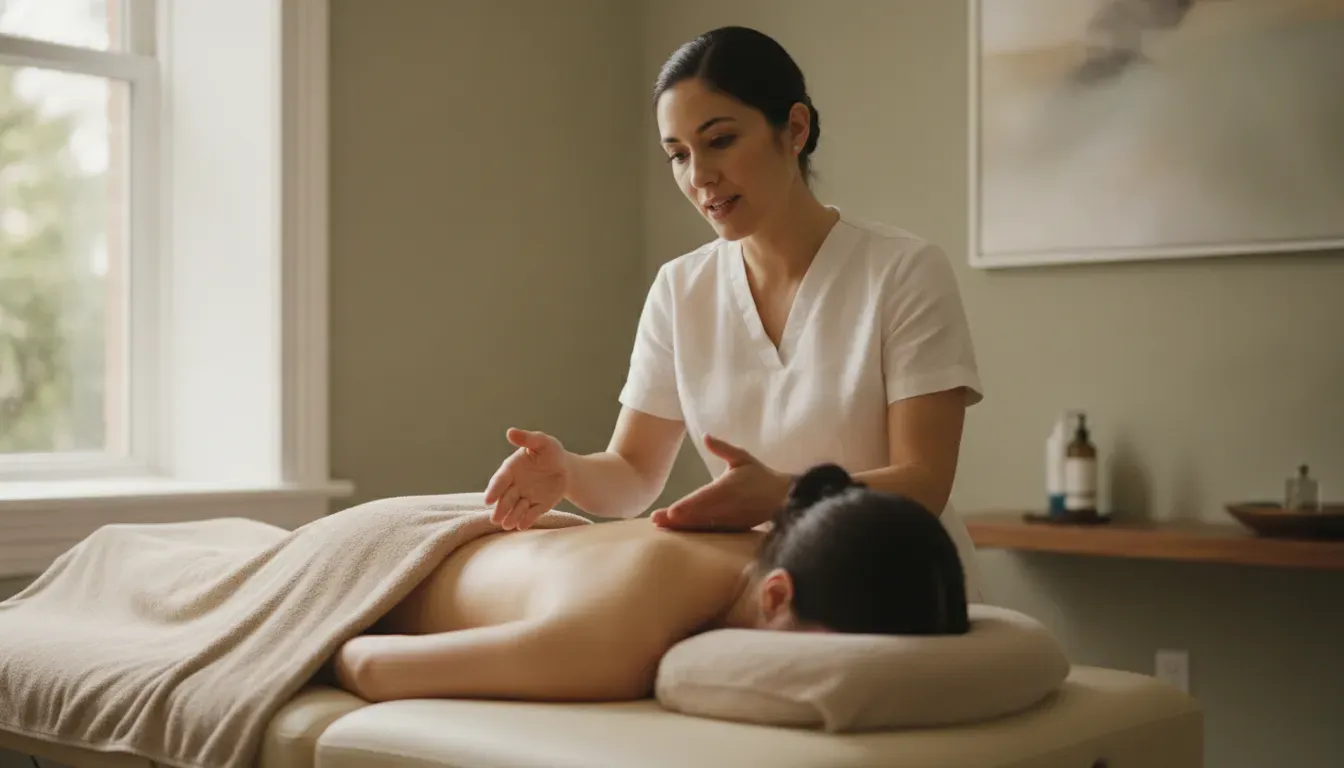

Hesitating to book a deep tissue massage because you’ve heard it has to be painful? Let’s set the record straight. The goal is relief, not an endurance test. A skilled therapist knows the difference between productive pressure that releases a stubborn knot and pain that just makes you tense up. A professional massage, especially for something like chronic neck pain, is a team effort where your comfort is the top priority. We’ll cover what to expect, how to talk to your therapist, and why the whole “no pain, no gain” idea is a myth we need to leave behind.
Key Takeaways
- Deep Tissue Gets to the Root of Your Neck Pain: Unlike a general relaxation massage, this treatment uses targeted techniques to address the deep, underlying muscle layers and connective tissues that cause chronic stiffness and discomfort.
- Create a Regular Schedule for Lasting Results: While one session can help, consistent appointments are what truly keep neck pain from returning. Work with your therapist to find a frequency that breaks the pain cycle and maintains your results over time.
- You Are in Control of the Pressure: An effective deep tissue massage should never be unbearable. It’s a partnership, so always speak up about your comfort level to ensure the pressure is productive and tailored perfectly to you.
How Deep Tissue Massage Soothes Stubborn Neck Pain
If you’re dealing with a stiff, aching neck that just won’t quit, you’ve probably wondered if a deep tissue massage could finally bring you some relief. Unlike more gentle massages focused purely on relaxation, a deep tissue massage is a therapeutic treatment designed to address chronic pain and tension held deep within your muscles and connective tissues. It’s a powerful tool for releasing the stubborn knots that cause persistent discomfort. By applying slow, deliberate strokes and firm pressure, your therapist can reach those underlying sources of pain, helping to restore movement and ease stiffness.
Is It Just a Harder Swedish Massage?
Think of a Swedish massage as a gentle, relaxing experience that works on the surface-level muscles. It’s fantastic for overall stress relief and improving circulation. A deep tissue massage, on the other hand, is much more targeted. It uses firm pressure and slow strokes to reach deeper layers of muscle and fascia, which is the connective tissue surrounding your muscles. This technique is specifically designed to break up scar tissue and release the chronic muscle knots, or trigger points, that cause ongoing pain and stiffness. It’s less about broad relaxation and more about zeroing in on specific problem areas to provide lasting relief from long-term tension.
Reaching the Real Source of Your Neck Pain
That nagging pain in your neck often isn’t just a surface issue. It’s usually rooted in deeper layers of muscle that a standard massage might not reach. Hours spent hunched over a computer or looking down at your phone can create intense, deep-seated tension. A deep tissue massage works by methodically reaching these underlying muscles and tissues. Your therapist uses specialized techniques to release adhesions—those painful, rigid bands of tissue—that restrict movement and cause inflammation. By getting to the true source of the problem instead of just treating the symptoms, a deep tissue massage can provide more significant and longer-lasting relief than a lighter-pressure massage ever could.
Finding Relief for Chronic Pain and Stiffness
Deep tissue massage is a go-to treatment for a reason—it gets results. It’s incredibly effective for a range of issues beyond just neck tension, including persistent back pain, sciatica, and even sports injuries. The focused pressure helps to relax tight, contracted muscles and can stop painful spasms in their tracks. For those with chronic neck pain, regular sessions are key to keeping that discomfort at bay. Consistent massage therapy helps manage pain and maintain muscle health over the long term. Many people find that without their regular deep tissue massages, the familiar aches and stiffness start to creep back in, making it an essential part of their wellness routine.
Is Deep Tissue Right for Your Neck Pain?
One of the biggest myths about deep tissue massage is that it has to be painful to be effective. While the pressure is certainly firm, it should never be unbearable. A skilled massage therapist will always work within your comfort level and encourage open communication throughout your session. You should feel free to speak up if the pressure is too much. Remember, “deep” refers to the muscle layers being targeted, not the amount of pain you should endure. You don’t have to grit your teeth to get the results you want. An effective deep tissue massage is a partnership between you and your therapist to release tension comfortably and effectively.
When to Be Cautious: Is Deep Tissue Massage Right for You?
While deep tissue massage is a powerful tool for pain relief, it’s not the right fit for everyone. Your health and safety are the top priorities, which is why a thorough conversation with your massage therapist before your session is so important. Certain health conditions require a modified approach or a different type of massage altogether. Being open about your medical history allows your therapist to customize the treatment to your specific needs, ensuring you get all the benefits without any of the risks. A professional therapist will always conduct a detailed intake to make sure the session is both safe and effective for you.
Health Conditions to Discuss With Your Therapist
Before your massage begins, you must let your therapist know about any underlying health issues. According to the experts at Brown Rogers Physical Therapy, it’s crucial to mention conditions like cancer, heart problems, diabetes, or epilepsy. This information helps your therapist tailor the session to your body’s needs. Additionally, if you have any recent injuries, surgeries, or skin conditions like rashes, eczema, or sunburn, be sure to point them out. The goal is to work with your body, not against it, and open communication is the first step toward a safe and therapeutic experience that promotes healing rather than causing irritation or further injury.
Blood Clots and Circulatory Issues
Deep tissue massage uses firm pressure that can affect your circulatory system, so it’s essential to be cautious if you have certain conditions. Breeze Academy, a leading training institution, warns that people with a history of blood clots or deep vein thrombosis (DVT) should generally avoid this type of massage. The direct pressure could potentially dislodge a clot. The same caution applies to those with severe varicose veins or other blood vessel diseases. If you are taking any blood-thinning medications, you must inform your therapist, as the firm pressure could increase your risk of bruising or other complications related to circulation.
Bone Health, Injuries, and Skin Conditions
If you’re dealing with any issues related to your bones, muscles, or skin, a deep tissue massage might need to be adjusted or postponed. This includes conditions like osteoporosis, where bones may be more fragile and susceptible to fracture from firm pressure. If you have a recent injury such as a sprain, strain, or broken bone that is still healing, deep tissue work on that area should be avoided to prevent further damage. Similarly, the massage should not be performed over areas with open wounds, infections, or severe skin conditions, as the pressure and lotions could cause irritation or spread infection.
Other Medical Considerations
Beyond the major categories, other medical factors can influence whether deep tissue massage is appropriate for you. For instance, if you have a fever or are feeling unwell, it’s best to reschedule your appointment. Your body is already working hard to fight off illness, and an intense massage can sometimes exacerbate your symptoms. Conditions like nerve damage or recent surgery also require special consideration. Always err on the side of caution and disclose everything on your intake form. A knowledgeable therapist can then make an informed decision about the best way to proceed with your treatment for optimal results.
Deep Tissue Massage During Pregnancy
Pregnancy brings a host of changes to the body, and massage can be a wonderful way to alleviate some of the associated aches and pains. However, when it comes to deep tissue work, extra care is required. While it can be beneficial, Breeze Academy emphasizes that it “must be done by a therapist specially trained in pregnancy massage.” These therapists understand the anatomical changes that occur during pregnancy and know which areas to avoid and what techniques are safe for both mother and baby. At Nola Bliss, our therapists are skilled in providing safe and effective prenatal massages to support you through this special time.
Potential Side Effects and What to Expect After
It’s completely normal to feel some lingering effects after a deep tissue massage, especially if it’s your first one or it’s been a while. Think of it like a workout for your muscles. According to Breeze Academy, it’s common to “feel a bit sore or stiff (like after exercise), have light bruising, or feel tired/have a mild headache for 1-2 days after the massage.” This is a sign that your body is processing the deep work that was done. To help ease this soreness, be sure to drink plenty of water after your session to help flush out metabolic waste released from your muscles.
Alternatives to Deep Tissue for Neck Pain
If deep tissue massage doesn’t sound like the right fit for you, don’t worry. There are plenty of other effective massage therapies that can address your neck pain without the intense pressure. The best massage for you depends on your specific needs, pain level, and personal preferences. Whether you’re looking for gentle relaxation to ease stress-related tension or a unique therapy that offers deep relief in a different way, there’s a perfect option out there. Exploring these alternatives can help you find a treatment that not only feels great but also delivers the lasting relief you’re searching for.
Swedish Massage
If the intensity of deep tissue is a concern, a Swedish massage is an excellent alternative for soothing neck pain. It’s what most people picture when they think of a classic massage—long, flowing strokes, gentle kneading, and circular movements designed to relax the entire body. As we explain on our services page, a Swedish massage is a “gentle, relaxing experience that works on the surface-level muscles.” This approach is fantastic for reducing overall stress, which is often a major contributor to neck tension, and for improving circulation to tired, sore muscles without the focused, intense pressure of deep tissue work.
Ashiatsu Deepfeet Bar Therapy
For those who want deep pressure without the poking sensation of elbows and thumbs, Ashiatsu Deepfeet Bar Therapy is a game-changer. In this unique modality, the therapist uses their feet to deliver long, gliding, deep strokes while using overhead bars for balance and support. This technique allows for a much broader, more consistent pressure that can feel incredibly deep yet surprisingly comfortable. It’s an amazing way to release chronic tension in the neck, shoulders, and back. At Nola Bliss, we specialize in this powerful therapy, which many clients find provides profound relief that traditional deep tissue massage can’t match.
Other Therapeutic Modalities
Beyond Swedish and Ashiatsu, several other specialized massage techniques can offer relief for neck pain. Each modality has a unique approach, targeting different systems in the body to promote relaxation and healing. From the gentle warmth of heated stones to the specific techniques used in sports and lymphatic massage, these therapies provide a range of options to suit various needs. Finding the right one might involve a bit of exploration, but the result is a personalized treatment that effectively addresses the root cause of your discomfort, helping you feel your best and move more freely.
Hot Stone Massage
A hot stone massage combines the relaxing strokes of a Swedish massage with the soothing heat of smooth, heated stones. The therapist places the warm stones on key points of the body and may also use them to massage the muscles. The heat helps to relax and warm up tight muscles, allowing the therapist to work more deeply and effectively without intense pressure. This is a great option for melting away tension in the neck and shoulders. At Nola Bliss, you can enhance your experience with our Hot Himalayan Salt Stones, which add mineral benefits to the soothing warmth.
Sports Massage
While often associated with athletes, a sports massage can be beneficial for anyone with chronic pain or restricted range of motion from repetitive activities—like sitting at a desk all day. This therapy focuses on specific muscle groups related to your activity, using a variety of techniques to reduce tension, increase flexibility, and prevent injury. If your neck pain is related to a specific strain or overuse, a sports massage can provide targeted relief that helps restore function and get you back to your daily activities without discomfort, helping you regain your full range of motion.
Lymphatic Massage
A lymphatic massage, also known as manual lymphatic drainage, is a very gentle technique designed to support your body’s natural detoxification process. It uses light, rhythmic strokes to encourage the movement of lymph fluids, which can help reduce swelling, inflammation, and fluid retention. While it’s not a deep pressure massage, it can be incredibly effective for certain types of neck pain, especially if related to sinus pressure, post-surgery recovery, or general inflammation. This gentle approach can provide relief by calming the nervous system and reducing swelling that may be contributing to your discomfort.
Common Techniques for Releasing Neck Tension
A truly effective deep tissue massage for neck pain isn’t just about applying firm pressure. It’s about a skilled therapist using a combination of specific techniques to address the root cause of your discomfort. Think of it as a toolkit—your therapist will select the right tools for your specific needs, whether it’s a stubborn knot behind your shoulder blade or general stiffness that limits your movement. These targeted methods are what set a professional, therapeutic massage apart from a more superficial experience. At Nola Bliss, our experienced therapists are trained to identify which techniques will bring you the most relief, creating a session that is both restorative and deeply effective. They listen to your body and adapt their approach to release tension layer by layer, ensuring the treatment is tailored perfectly to you.
Using Trigger Point Therapy to Release Knots
Have you ever felt a small, tender “knot” in your neck or shoulder that, when pressed, sends a jolt of pain to another area, like your head? That’s a trigger point. These are tight spots in the muscle fibers that can cause significant discomfort and even lead to tension headaches. Trigger point therapy involves your massage therapist applying direct, sustained pressure to these specific points. The goal is to deactivate the knot, encouraging the muscle to release and relax. This focused approach is incredibly effective for relieving the sharp, specific pains that often accompany chronic neck tension, helping to restore normal muscle function and reduce those frustrating referred pain patterns.
Smoothing Out Fascia with Myofascial Release
Your muscles aren’t just floating around on their own; they’re wrapped in a thin, strong web of connective tissue called fascia. When you experience stress, injury, or inflammation, this fascia can become tight and restricted, pulling on your muscles and causing pain and stiffness. Myofascial release is a technique that uses gentle, sustained pressure to slowly stretch and lengthen this connective tissue. By easing these restrictions, your therapist helps your muscles move more freely. This is a crucial part of a comprehensive deep tissue massage, as it addresses the underlying framework that contributes to chronic neck pain and limited mobility.
Applying Cross-Fiber Friction to Break Up Adhesions
Sometimes, chronic tension or past injuries can cause adhesions—bands of painful, rigid tissue—to form in your muscles, tendons, and ligaments. These are like internal scar tissue that can restrict movement and cause persistent pain. To address this, therapists use a technique called cross-fiber friction. This involves applying deep, precise strokes against the grain of the muscle. This friction helps break down the adhesions and realign the tissue fibers, which can significantly reduce pain and improve flexibility. It’s a powerful method for targeting the deeper sources of chronic neck pain and restoring healthy tissue so you can feel better long-term.
Restoring Movement with Assisted Stretching
A great massage doesn’t end with pressure-based techniques. To truly release tension and restore mobility, your therapist will often incorporate gentle stretching into your session. This isn’t like the stretching you do before a workout; it’s a form of passive stretching where the therapist carefully moves your head and neck through their natural range of motion. This helps to lengthen the muscles that have just been worked on, reduces stiffness, and reinforces the benefits of the deep tissue work. By combining deep pressure with targeted stretching, your therapist provides a more complete treatment that not only relieves pain but also helps you move more freely.
How Often Should You Get a Massage for Neck Pain?
One of the most common questions we hear is, “How often do I really need a massage?” While a single deep tissue massage can provide incredible relief, the true, lasting benefits come from consistency. Think of it like exercise or healthy eating—what you do regularly has the biggest impact. The effects of deep tissue massage are cumulative, meaning each session builds on the progress of the last.
Your ideal massage schedule depends on several factors, including the severity of your pain, your daily activities (like sitting at a desk all day), and your overall wellness goals. Whether you’re dealing with a sudden crick in your neck or a long-term ache, establishing a regular rhythm for your massage therapy is the key to managing pain and keeping it from coming back. Your therapist will work with you to create a personalized plan, but here are some general guidelines to help you find the right frequency for your needs.
What’s the Right Massage Schedule for You?
So, what’s the magic number? While it varies for everyone, research offers a solid starting point. To achieve the best and most durable relief from neck pain, studies suggest that therapeutic massages should be done regularly, such as twice a month. This frequency seems to hit the sweet spot for breaking the pain cycle and allowing your muscles to fully recover and retrain. For many of our clients, scheduling a massage every two to three weeks provides consistent relief and helps manage the tension that builds from daily life. A consistent schedule helps your therapist track your progress and adjust your treatment for the best results.
How Often to Go for Acute vs. Chronic Pain
Your treatment plan will look different depending on whether your neck pain is acute or chronic. Acute pain, like from sleeping in an odd position, might only require one or two sessions spaced closely together to resolve. Chronic pain, which lasts for months or even years, requires a more structured approach. Research shows that people who received massages twice a month reported the lowest pain levels. In contrast, those who only got a massage once a month experienced higher pain. This tells us that for persistent issues, more frequent deep tissue massage is more effective at keeping chronic pain under control.
How Maintenance Massages Keep Pain Away
Once you’ve gotten your neck pain under control, the goal is to keep it that way. This is where maintenance massages come in. Think of it as proactive care for your body. Regular massage therapy is crucial for maintaining pain relief; if you stop getting massages, the pain and stiffness will likely return. A maintenance schedule, perhaps once a month or every six weeks, prevents the deep knots and tension from building back up to a painful level. It’s an investment in your long-term comfort and mobility, helping you stay ahead of the pain instead of just reacting to it.
Listen to Your Body: Signs You Need a Massage
Your body is pretty good at telling you what it needs—you just have to listen. If you start noticing that familiar stiffness when you turn your head, tension headaches creeping in, or a dull ache settling in your shoulders, it’s probably time to book your next appointment. Don’t wait until the pain is severe. Catching it early makes it much easier to manage. Of course, if your neck pain is persistent and doesn’t improve with massage, it’s always a good idea to consult a doctor or physical therapist who can create a more specialized treatment plan for you.
What to Expect During Your Deep Tissue Neck Massage
Walking into a massage appointment, especially for something as specific as deep tissue work on your neck, can feel a little mysterious if you’ve never done it before. Knowing what the process looks like from start to finish can help you relax and get the most relief from your session. Your massage is more than just the time spent on the table; it’s a collaborative process between you and your therapist, designed to meet your specific needs.
From the moment you arrive, the focus is on you. We’ll start with a conversation to understand your pain, then move to the hands-on treatment, where your feedback is essential. Afterward, a little self-care can extend the benefits of your massage long after you’ve left the studio. Think of your therapist as your partner in wellness. Our team of highly experienced therapists is dedicated to creating a comfortable environment where you feel heard and cared for. This entire experience is structured to ensure you feel safe, understood, and ultimately, much better than when you walked in.
Choosing a Qualified Massage Therapist
The success of your deep tissue massage depends almost entirely on the person performing it. Finding the right therapist is about more than just booking an appointment; it’s about finding a professional with the right training, experience, and approach for your specific needs. Look for a licensed massage therapist who has dedicated their career to the practice and has extensive experience with therapeutic techniques. At Nola Bliss, our team of therapists is highly trained and passionate about their craft, understanding that an effective massage is a blend of skill and intuition. A truly great therapist won’t just apply firm pressure; they will use a combination of specific techniques to address the root cause of your discomfort, ensuring the treatment is both safe and effective.
Communication is the cornerstone of a great therapeutic relationship. An effective deep tissue massage is a partnership, and you should feel completely comfortable speaking up if the pressure is too intense or not enough. A qualified therapist will encourage this feedback and will check in with you throughout the session to ensure the pressure is productive, not painful. They will listen to your goals, ask about your health history, and create a session tailored to you. This client-centered approach is essential for releasing tension comfortably and effectively, turning your massage into a truly restorative experience where you feel heard and cared for every step of the way.
The First Step: Your Consultation
Before your massage begins, your therapist will sit down with you for a brief but important chat. This is your time to share what’s been going on. Are you dealing with a stiff neck from sitting at a desk, a lingering ache from an old injury, or just a lot of built-up tension? Point out exactly where it hurts and describe the type of pain you’re feeling. You’ll also discuss your health history and what you hope to achieve from the session. This conversation is the foundation for a personalized treatment that addresses your unique issues safely and effectively. Don’t be shy—the more information you provide, the better your therapist can tailor the massage to you.
Speaking Up: How to Communicate About Pressure
Once the hands-on work begins, communication remains just as important. A deep tissue massage involves firm pressure and slow strokes to reach deeper layers of muscle and fascia, but it should always be within your comfort zone. Your therapist will check in with you, but you are the expert on your own body. We encourage you to speak up at any time. If the pressure is too intense, let us know. If you’d like a little more pressure on a particularly stubborn knot, just say the word. A great deep tissue massage is a partnership, and your feedback ensures we find that perfect, effective pressure that feels right for you.
Does Deep Tissue Have to Hurt? (A Common Myth)
Let’s clear up a common misconception: deep tissue massage does not have to be painful to work. While you’ll likely feel a more intense sensation than you would during a Swedish massage, it shouldn’t be excruciating. The goal is to release chronic muscle tension, not to make you grit your teeth. There’s a difference between a “good hurt”—that satisfying feeling of a knot being worked out—and “bad pain,” which is sharp, searing, or makes you tense up. An effective deep tissue massage works with your body, not against it. If you find yourself holding your breath or tensing your muscles, it’s a sign the pressure is too much, and you should let your therapist know immediately.
Your Post-Massage Care Plan
The benefits of your massage don’t stop when the session ends. To help your body process the deep work, a little self-care is key. The most important thing you can do is drink plenty of water. During a massage, metabolic waste is released from your muscles, and staying hydrated helps your body flush it all out. You might feel a little sore for a day or two, similar to how you’d feel after a good workout. This is completely normal. A warm bath with Epsom salts can help soothe any tenderness. Try to take it easy and avoid strenuous activity for the rest of the day to let your muscles recover and integrate the work.
Checking In: When to Follow Up After Your Session
Listen to your body in the days following your massage. As mentioned, some mild soreness is normal, but it should fade within 48 hours, leaving you with less tension and better mobility. If your neck pain was chronic, one session will likely provide significant relief, but a series of appointments may be needed to fully address the underlying issues. Your therapist can recommend a treatment plan based on your specific condition and goals. If your pain persists or worsens, it’s a good idea to check back in. Consistent care is often the key to achieving long-lasting relief from chronic neck pain.
Related Articles
Frequently Asked Questions
Will I be sore after a deep tissue massage for my neck? It’s very common to feel some mild soreness for a day or two after a deep tissue massage, much like you would after a challenging workout. This happens because your therapist has worked on muscles that were tight and holding a lot of tension. This feeling is completely normal and is actually a sign that your body is beginning to heal. The soreness should fade within 48 hours, leaving you with a greater range of motion and less stiffness.
How long should my massage session be to effectively address neck pain? For work focused specifically on your neck and shoulders, a 60-minute session provides enough time for your therapist to thoroughly address the key areas of tension. However, if you have the time, a 90-minute massage is often even better. Neck pain is frequently connected to tightness in your back and shoulders, and a longer session allows your therapist to treat your body as a whole system, leading to more comprehensive and lasting relief.
Can deep tissue massage help with my tension headaches too? Absolutely. Many tension headaches are directly caused by trigger points, or tight knots, in the muscles of your neck and upper back. When these muscles are chronically tense, they can refer pain up into your head. A deep tissue massage is designed to locate and release these specific trigger points, which can significantly reduce the frequency and intensity of your headaches.
Is deep tissue the best option, or should I consider something like Ashiatsu massage for my neck pain? Both are fantastic choices for relieving deep-seated neck pain, and the best one for you often comes down to personal preference. A traditional deep tissue massage uses hands, knuckles, and forearms to apply precise, targeted pressure. Ashiatsu massage uses the therapist’s feet to deliver broad, consistent, and deep pressure. Many people find Ashiatsu to be even deeper yet more comfortable than deep tissue. The best approach is to discuss your specific pain with your therapist so they can recommend the ideal treatment for you.
What if I have a specific injury? Is deep tissue massage still safe for me? This is a great question, and it highlights why the pre-massage consultation is so important. Deep tissue massage can be incredibly beneficial for healing from certain injuries by breaking up scar tissue and improving circulation. However, it’s crucial that you tell your therapist about any acute injuries, chronic conditions, or recent surgeries. They can then modify the techniques to work around sensitive areas and ensure your massage is both safe and therapeutic.