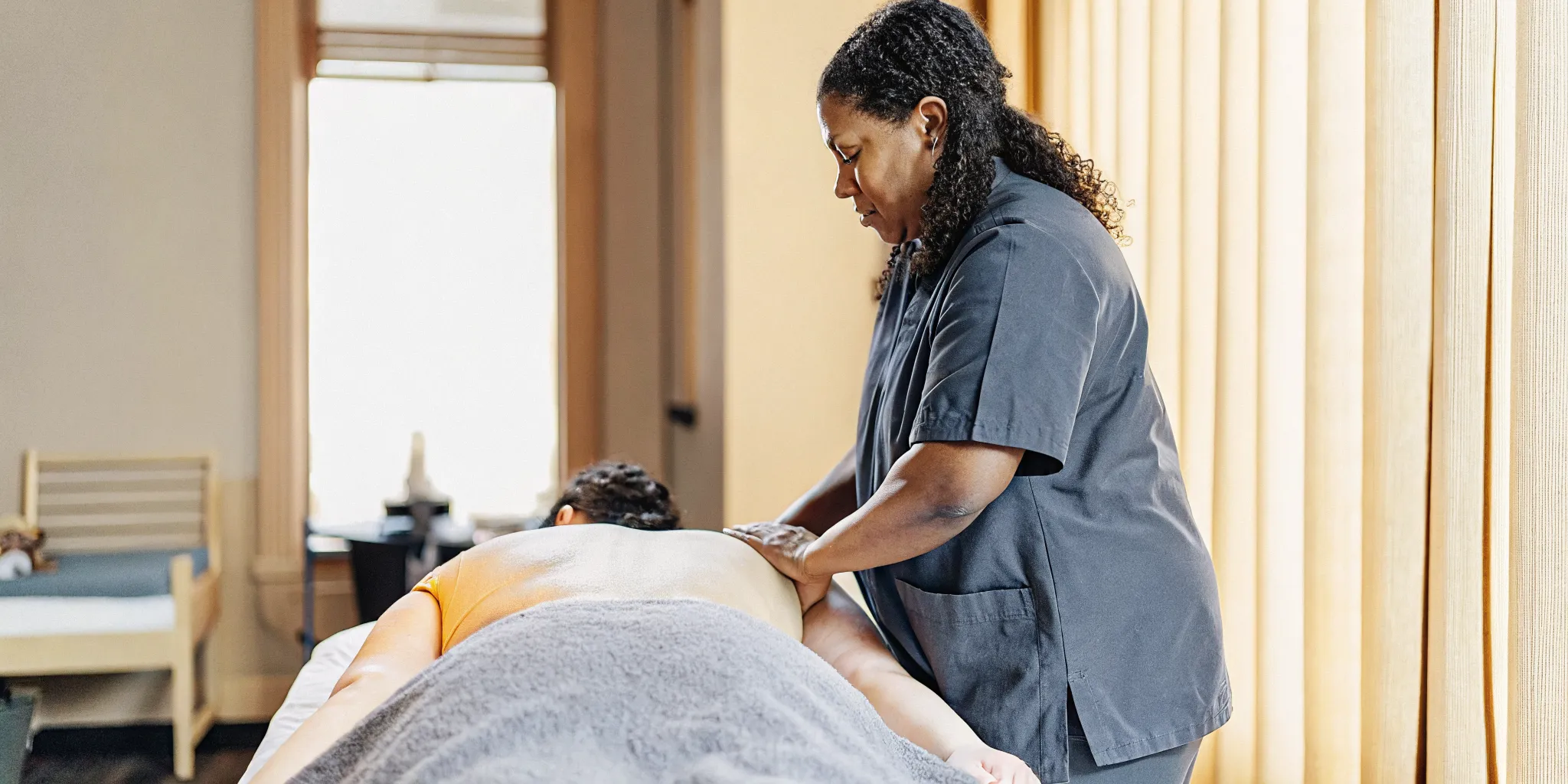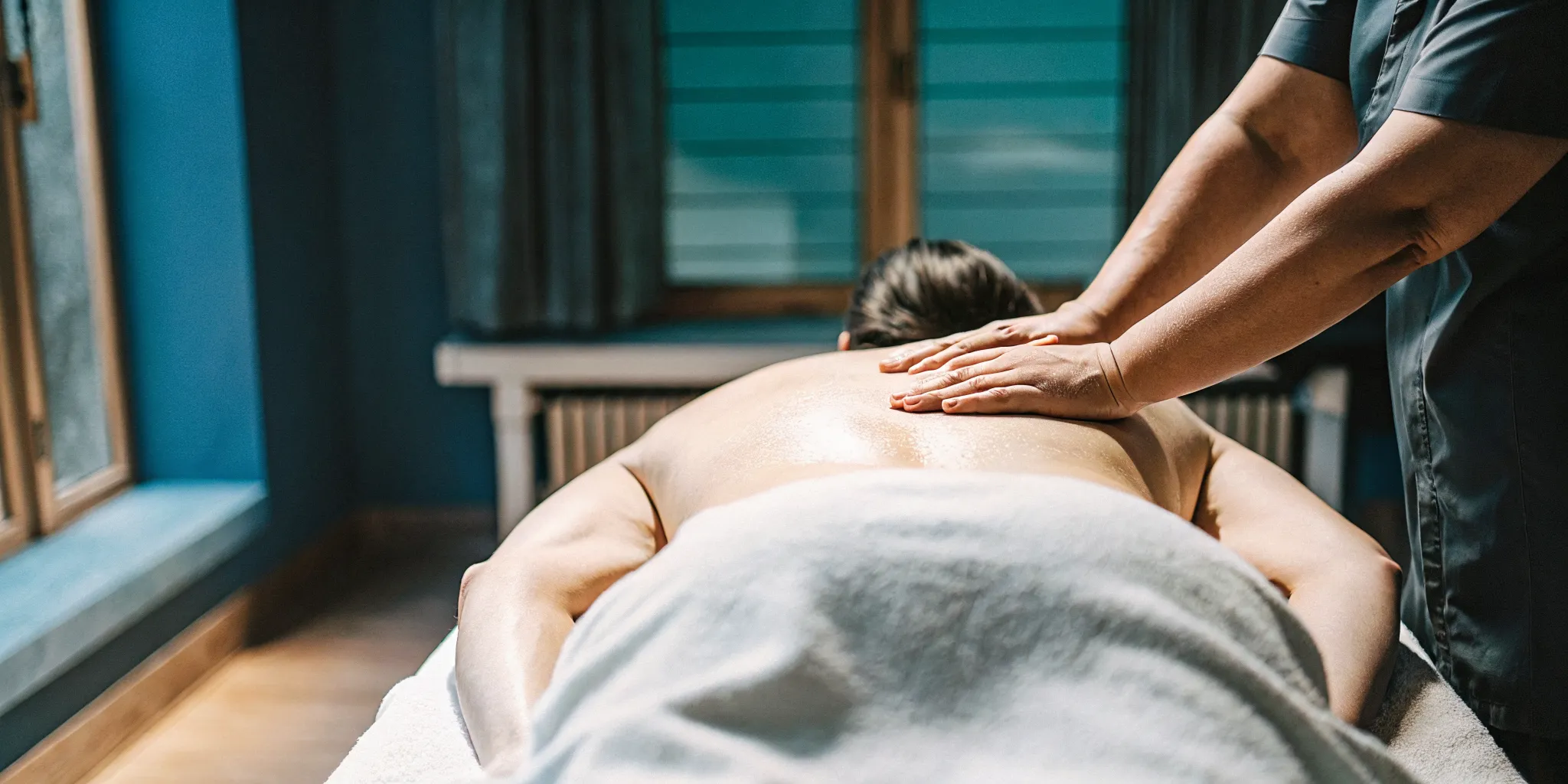

Let’s clear up the biggest myth right away: a deep tissue massage does not have to be a painful, grin-and-bear-it experience to be effective. While the pressure is firm and focused, the goal is always to release tension, not punish your muscles. A skilled therapist knows the difference. They use slow, deliberate strokes to unlock those chronic knots you can’t seem to shake. Finding a practitioner who truly listens to your body is the key to a successful session. If you’re looking for a therapeutic deep tissue massage in New Orleans, this guide will help you understand what to expect and how to find the right therapist for you.
Key Takeaways
- Focus on Targeted Relief, Not Pain Tolerance: A true deep tissue massage is about applying slow, deliberate pressure to release deep-seated tension. It’s a targeted treatment, so speak up about your pressure preferences to ensure the session is effective, not just intense.
- It’s Ideal for Chronic Aches and Pains: This massage style is most effective for addressing specific issues like stubborn knots, chronic stiffness, or muscle recovery from physical activity. For the best results, seek out an experienced therapist who understands anatomy and can tailor the work to your body.
- Make the Benefits Last with Simple Aftercare: What you do after your session matters just as much as the massage itself. Hydrate well, consider a warm Epsom salt bath to ease any soreness, and do some light stretching to help maintain your newfound mobility and relief.
What is a Deep Tissue Massage, and Is It Right for You?
If you’ve ever said, “I have a knot that just won’t go away,” a deep tissue massage might be exactly what you need. Unlike a classic Swedish massage that focuses on broad, relaxing strokes, deep tissue work zeroes in on the deeper layers of your muscles and connective tissues. It’s a more focused and intense approach designed to address chronic aches and pains.
This type of massage is perfect for releasing stubborn tension, but it’s not for everyone. Let’s look at what it really involves, who benefits most, and clear up some common misconceptions so you can decide if it’s the right choice for your body.
Why Deep Tissue Massage Actually Works
Think of deep tissue massage as a way to untangle the tight, painful knots in your muscles. These knots, technically called adhesions, are bands of rigid tissue that can disrupt circulation, cause pain, and limit your movement. A skilled therapist uses slow, deliberate strokes and deep pressure to break up these adhesions and restore normal function.
The primary goal is to relieve pain and stiffness associated with chronic issues. By releasing tension, this massage can help reduce inflammation and improve blood flow, bringing more oxygen and nutrients to your muscles. The result is lasting relief from things like a stiff neck, a sore lower back, or tight shoulders. At Nola Bliss, our therapists are experts in applying these techniques to provide targeted, therapeutic relief.
Who Should Get a Deep Tissue Massage?
Deep tissue massage is especially helpful for people who put their bodies through a lot of stress. Athletes, runners, and anyone with a physically demanding job often find it essential for muscle recovery and injury prevention. It’s also a fantastic solution for those of us who carry tension from sitting at a desk all day, which can lead to chronic upper back and neck pain.
You don’t have to be an athlete to benefit, though. This massage is ideal for anyone dealing with chronic muscle pain, postural problems, or recovering from an injury. If you have conditions like sciatica or fibromyalgia, a deep tissue massage can be an effective part of your pain management plan.
Common Deep Tissue Myths, Busted
The biggest myth about deep tissue massage is that it has to hurt to be effective. While the pressure is certainly more intense than a Swedish massage, it should never feel like a punishment. You might experience some discomfort when the therapist works on a particularly tight spot, but it should feel like a “good hurt”—the kind that brings relief. It’s a targeted technique, not a test of your pain tolerance.
Another misconception is that it’s just a really hard massage. In reality, it requires a great deal of skill and anatomical knowledge. Our highly trained therapists understand how to work with the deeper muscle layers safely and effectively. The key is open communication, so always let your therapist know if the pressure is too much.
What Happens During Your First Deep Tissue Massage?
So, you’ve decided to book a deep tissue massage. Great choice! It’s a fantastic way to address chronic aches and tension. If you’re feeling a little unsure about what’s in store, don’t worry. Knowing what happens during your session can help you relax and get the most relief possible. Unlike a purely for-relaxation Swedish massage, a deep tissue session is more targeted and therapeutic. Your therapist’s goal is to release tension in the deeper layers of your muscle and connective tissues.
The experience is focused and intentional, designed to work through knots and stiffness that can build up from stress, exercise, or just daily life. Your therapist will check in with you, create a comfortable environment, and tailor the session to your specific needs. It’s a collaborative process aimed at helping you feel better long after you leave the table.
What Techniques Will Your Therapist Use?
Think of deep tissue as a more focused, powerful version of a classic massage. To reach the deeper layers of muscle, your therapist will use much slower, more deliberate strokes with more sustained pressure. They’ll use their thumbs, knuckles, forearms, and even elbows to apply concentrated force to tight areas and muscle knots, also known as adhesions.
This isn’t about rushing through a routine. The pace is slow because it allows your muscles to relax and the therapist to work through the layers without causing resistance. They might use techniques like stripping, which involves deep, gliding pressure along the muscle fibers, and friction, which applies pressure across the grain of a muscle to break up adhesions. The entire process is designed to be a therapeutic experience that provides lasting relief from chronic pain.
How to Communicate with Your Therapist About Pressure
Let’s clear up the biggest myth about deep tissue massage: it does not have to be painful to be effective. While you’ll certainly feel a more intense and focused pressure than you would in a Swedish massage, you should never be gritting your teeth in agony. The feeling is often described as a “good hurt,” but the line between therapeutic pressure and outright pain is one you should never feel shy about defining.
Your therapist is a professional, but they aren’t a mind reader. Communication is key. If the pressure is too much, simply say so. A good therapist will welcome your feedback and adjust their technique immediately. The goal is to release tension, not create more by making your body tense up against the pain. You are always in control of your session.
How Long Should Your Session Be (And How Often Should You Go)?
Deep tissue massages typically last between 60 and 90 minutes. A 60-minute session is great for focusing on one or two problem areas, like your neck and shoulders or your lower back. If you’re looking for a full-body treatment or have multiple areas that need attention, booking a 90-minute session is a better bet, as it gives the therapist ample time to work thoroughly without rushing.
How often you should get one really depends on your goals. If you’re dealing with a specific injury or chronic pain, your therapist might suggest coming in more frequently at first, perhaps every one to two weeks. For general maintenance and to keep chronic tension at bay, once a month is a common and effective schedule. Your therapist can give you a personalized recommendation after your first massage service based on what they find.
Where to Find the Best Deep Tissue Massage in New Orleans
New Orleans is full of places to get a massage, but finding a studio that truly excels at deep tissue work requires a little more research. You want a place with experienced therapists who understand anatomy and can deliver real, lasting relief. Whether you’re a local dealing with chronic tension or a visitor with sore muscles from exploring the city, here are some of the top spots to consider for your next deep tissue massage.
Nola Bliss Massage: Ashiatsu & Traditional Deep Tissue
If you’re looking for a truly therapeutic experience, Nola Bliss is a standout. Located in the Warehouse District, this studio is known for its team of highly skilled and dedicated massage therapists. They offer a fantastic traditional deep tissue massage that gets right to the source of your pain. What really sets them apart, though, is their specialization in Ashiatsu Deepfeet Bar Therapy, a unique technique where the therapist uses their feet to deliver deep, consistent pressure. It’s an incredible option for anyone who loves deep work without the sharp pain that can sometimes come from elbows and thumbs. The focus here is on high-quality, personalized care that gets results.
Woodhouse Spa
For those seeking a luxurious, all-in-one spa day, Woodhouse Spa on Canal Street is a popular choice. It’s a beautiful, serene space where you can bundle a deep tissue massage with other treatments like facials, manicures, and body wraps. While they offer a solid deep tissue massage, the overall vibe is more about general relaxation and pampering than targeted therapeutic work. If you’re looking to escape for a few hours and treat yourself from head to toe, Woodhouse provides a wonderful and comprehensive spa experience. It’s a great option for a special occasion or when you just need a full day of unwinding.
Key Policies to Know
Before you book, it’s smart to check a few key policies to make sure the studio is the right fit for your schedule and budget. For instance, cancellation policies can vary widely. A luxury spa might require 24 to 48 hours’ notice to avoid a fee, which is important to know if your plans might change. Also, consider the overall approach to care and pricing. Some places aim to make massage more accessible and affordable, which is great for a quick refresh. Others, like Nola Bliss, operate by appointment only to ensure each client receives dedicated, high-quality therapeutic care from an experienced professional, reflecting a different value proposition focused on results over volume.
Unique Services and Amenities
The “best” massage really depends on what you’re looking for, as different studios offer unique specialties. Some locations focus on a customizable experience with a menu of add-ons like cupping or hot stones. Others, like Woodhouse Spa, provide a full luxury day-spa experience with services ranging from facials to pedicures. If you need more clinical or orthopedic work, you can find studios that specialize in that. At Nola Bliss, our focus is on providing truly therapeutic massage, which is why we specialize in unique and effective modalities like Ashiatsu Deepfeet Bar Therapy. This allows us to offer a level of deep, consistent pressure that’s hard to achieve with hands alone, providing profound relief for chronic pain.
The NOLA Spa
Nestled in the French Quarter, The NOLA Spa offers a peaceful retreat from the hustle and bustle of the city. They provide a range of wellness services, including deep tissue massage, with flexible session lengths from 60 to 120 minutes. This makes it a convenient option for both tourists and locals looking to fit some self-care into their day. The atmosphere is calm and inviting, designed to help you relax the moment you walk in. While they offer a variety of services, including facials and waxing, their massage treatments are a core part of their menu, making it a reliable choice for a quality session in a convenient location.
The NOW Massage
With a chic, modern aesthetic, The NOW Massage in Downtown New Orleans offers a more streamlined, accessible approach to massage. Their model is built around customization. You start by choosing one of their three signature massage styles, and from there, you can incorporate enhancements to meet your needs. If you’re looking for targeted relief, you can add a Deep Tissue enhancement to your session. This makes it a great option for someone who wants the benefits of deep work but prefers a more contemporary, less clinical spa environment. It’s ideal for a quick, effective session when you need to fit some muscle relief into a busy day.
Lakeview Massage and Therapy
For those seeking a highly clinical and therapeutic approach, Lakeview Massage and Therapy is a top choice. This clinic focuses on recovery, relaxation, and improved physical performance, making it a go-to for athletes or anyone dealing with specific injuries. They specialize in Orthopedic Massage and customize each session to the client’s unique needs, drawing from a wide range of techniques like myofascial release and trigger point therapy. If you’re looking for a massage that feels less like a spa treatment and more like a targeted physical therapy session, their expert-driven approach is designed to deliver precise, rehabilitative results for complex pain and mobility issues.
How to Choose the Right Massage Studio
When you’re searching for the right deep tissue massage, remember this: it doesn’t have to hurt to be effective. One of the biggest myths about deep tissue massage is that you have to grit your teeth through the pain to get results. A skilled therapist knows how to apply firm, slow pressure that works deep into the muscle layers without causing unnecessary discomfort. The best studios employ therapists who listen to you and tailor the session to your specific needs and pressure preferences. Look for a place that prioritizes communication and has a reputation for experienced, knowledgeable practitioners who are focused on healing.
How Much Does a Deep Tissue Massage Cost in New Orleans?
Let’s talk about the numbers. Investing in your well-being is always worth it, but it’s helpful to know what to expect financially. In New Orleans, the cost of a deep tissue massage can vary quite a bit. Generally, you can expect an hour-long session to fall somewhere between $50 and $150. This range is influenced by several key factors, including the studio’s location, the therapist’s level of expertise, and any special enhancements you choose to add to your service.
A high-end spa in a downtown hotel will likely have different pricing than an independent studio. Similarly, a therapist with decades of specialized training in therapeutic techniques will command a higher rate than a novice practitioner—and for good reason. Their skill directly translates to a more effective and beneficial massage. At Nola Bliss, we focus on providing exceptional value through our team of highly experienced therapists who are dedicated to the art of healing. When you book a deep tissue massage with us, you’re investing in professional, high-quality care designed to deliver real results.
What Affects the Price of a Massage?
Several elements contribute to the final price of your massage. The length of your session is a primary factor; a 90-minute massage will naturally cost more than a 60-minute one. You can also personalize your experience with enhancements, such as soothing Hot Himalayan Salt Stones or CBD oil, which will adjust the total cost.
The therapist’s experience and the studio’s reputation also play a significant role. Finally, remember that the price of your service does not typically include a tip for your therapist. Gratuity is a personal choice and a way to show appreciation for excellent service, so it’s a good idea to budget for it separately.
How to Save Money with Packages and Memberships
If you plan to make massage a regular part of your wellness routine, look into packages and memberships. Many studios, including Nola Bliss, offer special deals if you plan to visit often. Buying a series of massages upfront or signing up for a monthly membership can significantly lower the cost of each individual session. It’s a fantastic way to commit to your health while being mindful of your budget. Think of it as a wellness subscription that pays you back in pain relief and relaxation. Check out our massage services to see what options might work best for you.
Understanding Tipping Etiquette
Figuring out how much to tip can feel a bit awkward, but it doesn’t have to be. In the massage world, the standard hospitality rate is generally between 15% and 20% of the service price. Think of 15% as a great starting point for a session you were happy with, and 20% or more for a therapist who delivered an exceptional experience that really addressed your needs. Tipping is a direct way to show your appreciation for the therapist’s skill, effort, and personalized care. It’s a customary gesture that acknowledges the physically demanding and highly skilled nature of their work, ensuring they feel valued for helping you feel your best.
Can You Use Insurance or an HSA for Your Massage?
Did you know that your massage might be covered by your health benefits? If your deep tissue massage is intended to treat a specific medical condition, like chronic back pain or a sports injury, it may be considered a therapeutic expense. It’s always recommended to check with your insurance provider to see if they cover massage therapy, as some plans may reimburse you for the cost.
Additionally, you can often use funds from a Health Savings Account (HSA) or Flexible Spending Account (FSA) to pay for your sessions. You may need a prescription or a letter of medical necessity from your doctor, so be sure to look into the specific requirements of your plan administrator.
How to Get the Most Out of Your Massage
A great massage is a partnership between you and your therapist, and a little prep work and aftercare can turn a good session into a fantastic one. To make sure you walk away feeling your absolute best, here are a few simple steps you can take before, during, and after your appointment. This approach ensures you get the full benefit of any of our massage services, from a relaxing Swedish to an intensive Ashiatsu treatment.
What to Do Before Your Massage
First, try to arrive a few minutes early to settle in without rushing. It’s also a good idea to be well-hydrated. Before your session begins, take a moment to chat with your therapist. Point out any specific areas of tension or pain and share your goals for the massage. One of the biggest myths is that deep tissue has to be painful to work, but that’s not true. While the pressure is firm, you should always feel comfortable. Don’t hesitate to speak up if the pressure is ever too much—your therapist is there to help you, not hurt you. Open communication is the key to getting the results you need.
After Your Massage: Tips for Lasting Relief
What you do after your massage is just as important as the session itself. Your muscles have been worked, so they need a little TLC to recover and help the benefits last longer. The most important thing is to drink plenty of water to help flush out any metabolic waste released from your muscles. You might also feel a little sore, which is completely normal. A warm bath with Epsom salts can work wonders for any lingering tenderness. Gentle stretching can also help maintain flexibility. These simple aftercare practices can significantly extend the feeling of relief and relaxation you get from your session.
When to Schedule Your Next Session
Many people wonder how often they should get a massage. The answer really depends on your body and your goals. If you’re dealing with chronic pain or a specific injury, you might benefit from more frequent sessions, perhaps every week or two to start. For general wellness and stress management, once a month is a great rhythm to maintain. The best approach is to listen to your body. Pay attention to how you feel in the days and weeks after your appointment. Your massage therapist can also give you a personalized recommendation based on what they found during your session. Making massage a regular part of your routine, whether it’s a solo session or a couples massage, is an investment in your long-term well-being.
Related Articles
Frequently Asked Questions
What’s the real difference between a deep tissue and a Swedish massage? Think of a Swedish massage as a full-body reset designed for relaxation. It uses long, flowing strokes to ease general tension. A deep tissue massage is more like a focused repair session. It uses slow, deliberate pressure to target specific knots and chronic pain in the deeper layers of your muscles and connective tissues. If you have a particular problem area, deep tissue is designed to address it directly.
Is a deep tissue massage supposed to be painful? No, it should not be a painful experience. While the pressure is certainly more intense than a Swedish massage, it should feel productive and relieving, not agonizing. You might feel some discomfort when your therapist works on a particularly stubborn knot, but you should always be able to breathe comfortably through it. Your therapist will check in with you, and you should always speak up if the pressure is too much.
Why might I feel sore the day after my massage? It’s very common to feel a little tender the day after a deep tissue massage, much like you would after a challenging workout. Your therapist has worked to release long-held tension and break up adhesions in your muscles, which can create some temporary soreness as your body processes the work. This feeling is normal and usually subsides within a day or so.
How do I know if I need a deep tissue massage instead of something else? If you’re dealing with a specific, persistent issue like a stiff neck, chronic lower back pain, or tightness from an old injury, a deep tissue massage is an excellent choice. It’s designed to provide targeted relief for those kinds of problems. If your primary goal is simply to relax and de-stress, a classic Swedish massage might be a better fit for you.
How is Ashiatsu different from a traditional deep tissue massage? Ashiatsu is a unique and powerful form of deep tissue massage where the therapist uses their feet to apply pressure while holding onto overhead bars for balance. This technique allows for a much broader and more consistent deep pressure than can be achieved with hands, thumbs, or elbows. Many people find it provides all the intensity they need without the sharp or poky feeling, making it a deeply therapeutic and relaxing experience.