You don’t have to be a professional athlete to get the benefits of therapeutic bodywork. Let’s bust a big myth: a deep tissue sports massage isn’t just for marathon runners, and it definitely doesn’t have to be painful to be effective. This powerful treatment is for anyone, from office workers with chronic shoulder tension to weekend warriors with a nagging injury. The goal is always therapeutic release, not an endurance test. Here, we’ll show you how these techniques work to provide lasting relief, without the unnecessary agony.
Key Takeaways
- Choose the right massage for your specific goals: A deep tissue massage is ideal for targeting chronic pain and stubborn knots for anyone, while a sports massage is specifically designed to support athletic performance and recovery.
- Communicate to find your perfect pressure: Therapeutic massage should feel effective, not agonizing. You are always in control, and speaking with your therapist about pressure ensures you get the relief you need comfortably.
- Verify a therapist’s expertise before you book: Look for a state-licensed professional with specialized training that matches your needs. Investing in a qualified therapist is the best way to ensure you receive a safe and effective treatment.
Deep Tissue vs. Sports Massage: Which Do You Need?
You’ve probably heard the terms “deep tissue” and “sports massage” used to describe intense, therapeutic bodywork. While they share some similarities, they aren’t the same thing, and knowing which is which can help you get the results you’re looking for. Understanding the difference helps you choose the right session to meet your specific goals, whether you’re dealing with a nagging injury, chronic pain, or just want to feel your best. Let’s break down what sets them apart so you can book your next appointment with confidence.
How Do These Massages Actually Work?
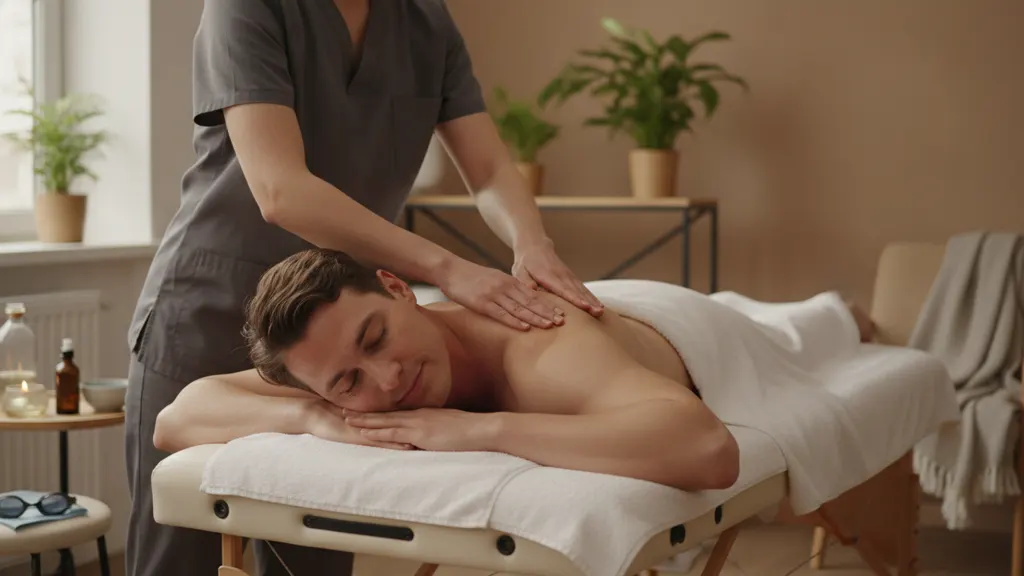
Think of a deep tissue massage as a focused treatment for your most stubborn knots and tight spots. Instead of a general, full-body relaxation massage, your therapist concentrates on the deeper layers of your muscles and connective tissues. They use slow, deliberate strokes with firm pressure to target specific areas where you hold tension. This approach is designed to address chronic aches and pains, limited mobility, and postural problems. It’s an ideal choice if you have a specific area, like a stiff neck or a sore lower back, that needs dedicated attention to release built-up tension and restore comfortable movement.
Key Differences: A Side-by-Side Comparison
The biggest difference between these two styles is the primary goal. A sports massage is tailored specifically to athletes and active individuals. Its purpose is to support training, improve performance, prevent injury, and speed up recovery. A deep tissue massage, on the other hand, is for anyone experiencing chronic muscle pain or tightness, regardless of their athletic activity. It focuses on releasing deep-seated tension and knots to relieve pain and restore normal movement. While an athlete might certainly benefit from deep tissue work, you don’t have to be one to need it.
Common Massage Myths, Busted
One of the most common myths is that a deep tissue massage has to be painful to work. That’s simply not true. While the pressure is firm and targets sensitive areas, it should never feel unbearable. The goal is therapeutic release, not an endurance test. A skilled therapist will communicate with you throughout the session to find a pressure level that is effective but still comfortable for you. Our team of professionals is trained to listen to your body and your feedback, ensuring the experience is healing and restorative, not agonizing. You are always in control of the session.
What Are the Benefits of a Deep Tissue Sports Massage?
Deep tissue and sports massage are about so much more than just feeling good for an hour. These therapeutic techniques deliver real, lasting results that can change how your body moves and feels every day. Whether you’re training for a marathon, dealing with a nagging injury, or just trying to undo the effects of sitting at a desk, this type of bodywork offers some incredible advantages. It’s a proactive way to care for your body, helping you perform better, hurt less, and move more freely.
Enhance Athletic Performance and Recovery
For anyone active, from weekend warriors to professional athletes, deep tissue massage is a game-changer. It helps speed up recovery by increasing blood flow to your muscles, which clears out metabolic waste and delivers fresh oxygen and nutrients. This means less soreness and a quicker return to your training schedule. Regular sessions can also help prevent injuries by keeping your muscles pliable and addressing minor issues before they become major problems. It’s an essential tool for maintaining your body, allowing you to push your limits safely. Our Ashiatsu Deepfeet Bar Therapy is especially effective for athletes seeking intense, consistent pressure.
Reduce Delayed Onset Muscle Soreness (DOMS)
If you’ve ever felt that intense muscle ache a day or two after a new or strenuous workout, you’ve experienced Delayed Onset Muscle Soreness, or DOMS. It’s a sign that you’ve challenged your muscles, but it can also sideline you from your next activity. This is where a targeted massage can make a huge difference. Research from the American College of Sports Medicine confirms that sports massage can significantly lessen muscle soreness that shows up after exercise. By flushing out metabolic waste and reducing inflammation, a therapeutic massage helps your muscles repair themselves more efficiently. This means you can get back to your routine faster and with less discomfort, making it an essential part of any active person’s recovery plan.
Find Relief from Chronic Pain and Tension
If you live with chronic pain or persistent muscle tightness, you know how draining it can be. A deep tissue massage specifically targets the deeper layers of muscle and connective tissue where tension is often held. Your therapist uses slow, deliberate strokes and focused pressure to release knots and adhesions in areas like your neck, shoulders, and lower back. This isn’t just a temporary fix. By addressing the root of the tension, this massage can provide significant, long-lasting relief from conditions like sciatica, fibromyalgia, and postural strain. It’s a powerful way to manage discomfort and reclaim your quality of life.
Help Prevent Injury and Break Down Scar Tissue
One of the most important benefits of deep tissue massage is its ability to prevent future injuries. When muscles are tight and full of knots, they don’t function properly, which can lead to strains and sprains. This massage helps break down scar tissue from previous injuries, which can restrict movement and cause pain. By releasing these adhesions and reducing muscle spasms, your body can move more efficiently. This process enhances your overall strength and flexibility, making you less susceptible to injury. Our skilled therapists understand how to work with these issues to restore healthy muscle function.
Increase Flexibility and Your Range of Motion
Feeling stiff and restricted in your movements? Deep tissue massage can make a huge difference. By releasing chronic tension in muscles, tendons, and ligaments, it helps restore your body’s natural flexibility. This improved range of motion isn’t just for athletes. It makes everyday activities easier, from reaching for something on a high shelf to simply getting out of a chair without groaning. The massage also helps correct postural imbalances that develop over time from sitting or repetitive movements. Our therapeutic massage services are designed to help you move with greater ease and freedom in your daily life.
Address Specific Conditions and Injuries
Beyond general muscle soreness, a therapeutic massage is a powerful tool for addressing specific physical issues. It’s a focused approach to managing pain and dysfunction caused by injuries, chronic conditions, or the repetitive strains of daily life. By targeting the exact muscles and connective tissues that are causing problems, a skilled therapist can help release tension, reduce inflammation, and restore proper function. This is about creating a targeted treatment plan for your body’s unique needs, offering a non-invasive path toward lasting relief and improved mobility.
From Repetitive Strain to Pinched Nerves
If you’re dealing with nagging pain from sitting at a desk or a sharp, radiating sensation from a pinched nerve, deep tissue work can offer incredible relief. This type of massage is effective for a wide range of issues, including chronic neck and back pain, shoulder problems, and muscle strains. Your therapist uses precise techniques to release the tight muscles and fascia that may be compressing nerves or causing referral pain. By breaking down these restrictions, the massage helps alleviate the pressure, reduce inflammation, and restore comfortable movement, addressing the root cause of your discomfort rather than just masking the symptoms.
Improve Your Mental Well-being
The benefits of a deep tissue massage extend far beyond your muscles. The connection between your body and mind is powerful, and therapeutic touch has a profound impact on your mental and emotional state. While the physical release of tension is a primary goal, the process also helps calm your entire nervous system. It’s a dedicated time to disconnect from daily stressors and allow your body to enter a state of deep relaxation, which can lead to a clearer mind, a better mood, and a greater sense of overall well-being.
Lower Stress Hormones
Life is full of stressors that can keep your body in a constant state of high alert, flooding your system with the stress hormone cortisol. Over time, elevated cortisol can contribute to anxiety, poor sleep, and other health issues. A restorative massage is a direct antidote, signaling to your nervous system that it’s safe to relax. This type of therapy can significantly lower cortisol levels, helping to shift your body out of “fight-or-flight” mode. Adding enhancements like Hot Himalayan Salt Stones can deepen this relaxation, helping to melt away tension and promote a profound sense of calm that lasts long after your session ends.
Improve Sleep and Energy Levels
If you struggle to get a good night’s rest, the combination of pain relief and stress reduction from a massage can be transformative. By easing physical discomfort and calming your nervous system, your body is better prepared for deep, restorative sleep. Massage can also help your body regulate hormones like serotonin, which is a precursor to the sleep hormone melatonin. When you sleep better, you wake up feeling more refreshed and energized. This creates a positive cycle, as improved energy makes it easier to stay active and manage stress. Our team of experienced therapists understands how to facilitate this healing process, helping you feel more rested and vibrant.
Is a Deep Tissue Sports Massage Right for You?
When you hear “deep tissue massage,” you might picture a serious athlete on a training table, wincing through an intense session. While this type of massage is definitely a powerful tool for athletes, its benefits reach far beyond the sports world. The truth is, a deep tissue massage can be a game-changer for almost anyone carrying stress, tension, or chronic pain in their body. It’s a focused, therapeutic approach designed to work on the deeper layers of your muscle and connective tissue, releasing the adhesions and knots that cause discomfort.
So, who is this massage really for? It’s for the weekend warrior who pushed a little too hard, the office worker with persistent neck and shoulder pain, and the person dealing with old injuries that still cause trouble. It’s less about all-over relaxation (though you’ll feel that too) and more about targeting specific problem areas. If you have stubborn knots that a lighter massage can’t seem to touch, or if you’re dealing with stiffness that limits your movement, a deep tissue massage could be exactly what you need. This technique is about creating lasting change in your body, not just temporary relief. Let’s look at how it can help different people with different lifestyles.
If You’re an Athlete or Highly Active
If you regularly push your body through workouts, runs, or sports, deep tissue massage is one of the best things you can do for yourself. While a sports massage is often timed around a specific event, deep tissue work is fantastic for ongoing maintenance and recovery. This therapy helps speed up recovery by increasing blood flow to tired muscles and flushing out metabolic waste. It’s also incredibly effective at preventing future injuries by keeping your muscles and joints moving freely. By releasing adhesions and tension, you maintain your body’s optimal function, allowing you to train harder and perform better.
If You Have Chronic Pain or Muscle Tension
Living with chronic pain, whether it’s a nagging lower backache or constant tension in your shoulders, is exhausting. Deep tissue massage offers targeted relief by focusing on the root of the problem. Unlike a full-body Swedish massage, your therapist will concentrate on the specific areas where you hold deep-seated tension. By applying slow, firm pressure, they can reach the underlying layers of muscle and fascia to relieve chronic pain and stiffness. This focused approach helps release trigger points and break up knots that contribute to your discomfort, offering lasting relief that goes beyond the surface.
Special Considerations for Conditions like Ehlers-Danlos Syndrome (EDS)
If you live with a condition that affects your connective tissues, like Ehlers-Danlos Syndrome (EDS), you might wonder if deep tissue massage is safe for you. It absolutely can be, but it requires a special approach. The key is to work with a therapist who understands how to soothe muscles without putting stress on hypermobile joints. While formal research on massage for EDS is limited, clinical experience has shown it can provide incredible pain relief. Techniques like gentle direct pressure, slow gliding, and a modified myofascial release can be very effective. A skilled therapist will create a personalized plan just for you and use a focused approach that avoids any rough movements, even if you like firm pressure. It’s all about clear communication to ensure you get the therapeutic benefits safely.
If You Work a Desk Job
Spending hours hunched over a computer can do a number on your body, leading to poor posture, a stiff neck, and a sore lower back. Deep tissue massage is an excellent way to counteract the effects of a sedentary job. It works to release the tight muscles in your neck, shoulders, and back that become strained from prolonged sitting. This can help correct postural issues and improve your range of motion. If you’re looking for another incredible deep pressure option, Ashiatsu Deepfeet Bar Therapy uses the therapist’s body weight to deliver broad, consistent pressure that melts away tension.
When to Avoid a Deep Tissue or Sports Massage
While deep tissue and sports massage offer incredible benefits, they aren’t always the right choice. Your safety and well-being are the top priorities, and there are specific situations, known as contraindications, where an intense massage could be unhelpful or even harmful. It’s essential to know when to modify a session or postpone it altogether. Being open and honest with your therapist about your health is the first step to ensuring you have a safe, effective, and healing experience. A true professional will always appreciate your honesty and adjust the treatment accordingly, ensuring your session is both beneficial and completely safe.
Understanding Contraindications for Your Safety
Think of contraindications as a stop sign for massage. Sometimes, that sign applies to a specific area of your body. For example, your therapist should avoid working directly on open wounds, fresh bruises, rashes, or areas with inflammation or recent injury. However, they can still safely massage the rest of your body. Other times, the stop sign applies to the entire session. If you have a fever, a contagious illness, or a systemic condition that’s flaring up, it’s best to reschedule your appointment. An intense massage can put extra stress on a body that’s already working hard to fight something off.
Pregnancy and Massage: Why a Specialized Approach Matters
If you are pregnant, you should avoid traditional deep tissue and sports massage. The deep pressure and specific techniques used in these styles are not recommended during pregnancy, as certain areas and pressure points can pose a risk. However, this doesn’t mean you have to forgo the benefits of massage. Instead, you should opt for a specialized prenatal massage. Our therapists trained in prenatal care use modified techniques and supportive positioning to safely relieve the aches and pains associated with pregnancy. It’s a wonderful way to find comfort, but always be sure to consult your doctor before booking any massage while pregnant.
What Techniques Will Your Therapist Use?
A truly therapeutic massage is more than just a set of routine movements. It’s a conversation between your therapist’s hands and your muscles. Our licensed massage therapists are fluent in a variety of advanced techniques, and they know how to combine them to address your specific needs, whether you’re dealing with an old injury, chronic stiffness, or post-workout soreness.
Think of your therapist as a skilled artisan with a toolbox of specialized instruments. They don’t just use one tool for every job. Instead, they carefully select the right approach for each unique area of tension. This is what sets a professional, results-oriented massage apart. Below, we’ll walk through some of the core techniques our team uses to help you find lasting relief and improved mobility. Understanding these methods can help you better communicate your needs during your session.
Stripping and Cross-Fiber Friction, Explained
When you think of a deep tissue massage, you’re likely picturing techniques like stripping and cross-fiber friction, even if you don’t know them by name. Stripping involves applying deep, gliding pressure along the length of a muscle fiber. Imagine your therapist slowly tracing the path of the muscle to smooth it out and release tension.
Cross-fiber friction, on the other hand, works against the grain. Your therapist applies short, precise strokes across the muscle. This technique is incredibly effective for breaking down adhesions, often called “knots,” and scar tissue that can restrict movement and cause pain. Both methods require a deep understanding of anatomy to be performed safely and effectively.
An Intro to Trigger Point and Myofascial Release
Have you ever had a knot in your shoulder that caused a headache? That’s a trigger point: a tight spot in a muscle that refers pain to another area of the body. Trigger Point Therapy involves applying direct, sustained pressure to these specific points to deactivate them and release the referred pain. It’s a targeted approach that can provide immense relief.
Myofascial release is another sophisticated technique that addresses the body’s connective tissue, or fascia. This web-like tissue wraps around every muscle and organ. When it becomes tight, it can restrict movement and cause discomfort. Myofascial release uses gentle, sustained pressure to slowly stretch and soften the fascia, restoring mobility and easing pain.
Advanced and Specialized Modalities
Beyond the Basics: PNF, IASTM, and More
A truly therapeutic massage is a dynamic experience tailored to your body’s unique needs on any given day. Beyond the foundational techniques, our therapists are trained in advanced modalities that can be integrated into your session to achieve specific results. You might experience techniques like Proprioceptive Neuromuscular Facilitation (PNF), a stretching method that can rapidly increase your flexibility by contracting and relaxing muscles. Or, your therapist may use Instrument Assisted Soft Tissue Mobilization (IASTM), which employs specialized tools to gently break down scar tissue and fascial restrictions. These aren’t add-ons you have to request; they are simply part of the extensive toolkit our expert therapists draw from to give you the most effective treatment possible.
Ashiatsu: A Unique Approach to Deep Pressure
If you love deep pressure but find elbows and thumbs to be too sharp or intense, you need to experience Ashiatsu. This unique modality is one of our specialties, and we’re proud to be the only certified training center for it on the Gulf Coast. During an Ashiatsu Deepfeet Bar Therapy session, your therapist uses overhead bars for balance while applying deep, broad, and consistent pressure with their feet. This allows for a level of deep tissue work that is both incredibly effective and surprisingly relaxing. The wide surface of the foot melts away tension without the “pokey” feeling, making it a favorite for athletes and anyone seeking profound relief from muscle tightness.
How to Communicate About Pressure During Your Session
The phrase “deep tissue” can sometimes sound intimidating, but it should never mean “painful.” The goal is to work with your body, not against it. A key part of any of our massage services is open communication. Your therapist will check in with you about the pressure level to ensure it’s therapeutic without being unbearable.
You are always in control of your session. We encourage you to speak up if the pressure is ever too intense or if you’d like more in a certain area. The most effective massage happens when you can relax into the work, and that requires trust and clear communication. Our therapists are experts at adjusting their technique to meet your comfort level while still achieving effective results.
Your First Appointment: What to Expect
Walking into a massage appointment for the first time can feel a little mysterious, but it doesn’t have to be. Knowing what happens from start to finish can help you relax and get the most out of your session. At Nola Bliss, our entire process is designed around you, your comfort, and your wellness goals. From the moment you arrive, we focus on creating a calm, professional environment where you can feel at ease.
Your appointment is more than just the time spent on the massage table. It starts with a conversation and ends with a plan to help you feel your best long after you leave. We believe a great massage is a partnership between you and your therapist. This means clear communication, a personalized approach, and a commitment to addressing your specific needs, whether you’re dealing with a sports injury, chronic tension from sitting at a desk, or general stress. We’ll guide you through every step, ensuring you feel heard, respected, and cared for throughout your visit.
How to Prepare for Your Session
What to Wear and Discuss Beforehand
Getting ready for your massage is simple and mostly comes down to clear communication. Arrive a few minutes early in comfortable, loose-fitting clothes to give yourself time to unwind and handle any initial paperwork without feeling rushed. The most important step happens before the massage even begins: talking with your therapist. Take a moment to share what you hope to get out of the session. Are you dealing with a nagging shoulder injury, chronic lower back pain, or just need to de-stress? Point out any specific areas of concern and be open about your goals. This conversation helps us tailor our therapeutic massage services to you, ensuring the pressure and techniques are just right. Remember, you are always in control, so don’t hesitate to speak up. Also, be sure to drink plenty of water before and after your appointment to help your muscles recover and flush out toxins.
The Pre-Session Consultation and Assessment
Your massage begins before you even get on the table. Every appointment starts with a pre-session consultation where you and your therapist will chat about what brought you in. This is your time to share your goals, point out any areas of pain or tension, and discuss your preferences for pressure. Our highly trained therapists are experts at listening and will use this information to create a session tailored specifically for you. Don’t be shy; the more you share, the better we can address your needs. This conversation sets the foundation for an effective and comfortable massage experience.
A Holistic Look at Your Posture and Lifestyle
Your therapist will also ask about your daily habits and lifestyle. Are you sitting at a desk all day, training for a race, or constantly on your feet? This information is crucial because it helps us understand the root cause of your discomfort. For example, prolonged sitting often leads to tight shoulders and postural imbalances that a generic massage might miss. By taking a holistic view, we can tailor your session to counteract the specific strains your body endures every day. This approach allows us to provide a truly therapeutic massage that addresses the underlying issues, leading to more significant and lasting relief from chronic pain and tension.
During the Massage: Finding the Right Pressure
One of the biggest myths about deep tissue work is that it has to be painful to be effective. That’s simply not true. While the pressure is firm, it should always feel productive, not punishing. Your therapist will start with lighter strokes to warm up your muscles before gradually applying deeper pressure to target specific knots and tension. Your comfort is our top priority, so we encourage you to speak up at any point. A simple “a little more pressure, please” or “that’s a bit too much” is all it takes. A great deep tissue massage is a dialogue between you and your therapist, ensuring you get relief without unnecessary discomfort.
Using the Pain Scale for Effective Communication
It can be tough to find the right words to describe pressure when you’re on the massage table. To make it simple, try using a pain scale from 1 to 10. Think of a 1 as barely any pressure and a 10 as sharp, unbearable pain. Your therapist isn’t aiming for a 10. The magic happens in the 6-8 range—what we often call “good hurt.” It’s that deep, therapeutic pressure where you can feel the muscle releasing, but you can still breathe comfortably through it. Anything higher, and your body will tense up, which is counterproductive. Communicating with numbers gives your therapist precise feedback, ensuring your therapeutic massage is perfectly tailored to you.
After Your Session: Essential Recovery Tips
What you do after your massage is just as important as the massage itself. It’s normal to feel a little sore for a day or two, much like you would after a good workout. This is a sign that your muscles are releasing long-held tension. To help with recovery, be sure to drink plenty of water to hydrate your muscle tissue. You can also apply a heat pack or take a warm bath with Epsom salts to soothe any tender spots. Gentle stretching can also help maintain the flexibility you’ve gained. Following these simple steps will extend the benefits of your therapeutic massage and help you feel better, faster.
Creating a Post-Session Plan for Lasting Results
To make sure the benefits of your massage last long after you leave our studio, it helps to have a simple game plan. Think of the 24 hours following your session as the final, crucial step of your treatment. Your body just did some serious work releasing old tension, so give it some support. The most important thing you can do is drink plenty of water to help your muscles recover and flush out toxins. It’s also totally normal to feel a bit tender, like after a good workout. A warm Epsom salt bath or a heat pack on any sore spots will feel amazing. While you should skip the intense workout for a day, some gentle stretching will help you hold onto that wonderful new flexibility. Combining this simple aftercare with regular massage sessions is the secret to achieving real, lasting change and keeping your body feeling great.
How Often Should You Get a Massage for the Best Results?
While a single massage can provide significant relief, consistency is the key to achieving long-term results. The ideal frequency of your appointments depends entirely on your goals. If you’re recovering from an injury or managing chronic pain, you might benefit from weekly or bi-weekly sessions initially. For general wellness and stress management, once a month might be perfect. Your therapist will work with you to create a personalized treatment plan that fits your body, your lifestyle, and your budget. Think of massage not as a one-time fix, but as an essential part of your ongoing wellness routine.
How to Choose the Right Massage Therapist
Finding the right massage therapist is a personal journey. It’s about more than just booking an appointment; it’s about finding a professional who understands your body, your goals, and your comfort level. A great massage can be a game-changer for pain relief, stress reduction, and athletic performance, but the experience hinges on the skill of the therapist. So, how do you find the right person? It comes down to doing a little homework. By checking their qualifications, asking about their specific skills, and understanding their pricing, you can find a provider who is a perfect match for your needs. This ensures you not only enjoy the experience but also get the lasting results you’re looking for.
Always Verify Licensing and Qualifications
First things first, let’s talk about the basics: licensing. In Louisiana, as in most states, massage therapists are required to be licensed to practice. This isn’t just a piece of paper; it’s your assurance that the therapist has met rigorous educational and ethical standards. A licensed professional is trained in anatomy, physiology, and contraindications, ensuring your session is both safe and effective. Don’t be shy about asking to see a license or looking up a therapist on the state board’s website. At Nola Bliss, we pride ourselves on our team of highly trained and experienced therapists, and we believe transparency is the foundation of trust.
The Importance of Working with a Licensed Professional
Beyond just verifying a license, it’s helpful to understand why it’s so crucial for getting the results you want. A licensed professional has invested hundreds of hours studying anatomy, physiology, and contraindications—the specific situations where massage could be harmful. This knowledge is what allows them to work deeply and effectively without causing injury. It’s the key difference between a relaxing but superficial rubdown and a truly therapeutic session that addresses the root cause of your pain. When you book with a qualified therapist, like any member of our dedicated team, you’re investing in a safe, effective treatment from someone who has made healing their life’s work.
Ask About Their Specialized Training and Experience
Beyond the basic license, many therapists pursue advanced certifications in specific modalities. If you’re dealing with a sports injury, chronic pain, or are looking for a great prenatal massage, you’ll want someone with specialized skills. A general relaxation massage is wonderful, but it won’t address deep-seated muscle knots the same way a deep tissue massage will. Ask potential therapists about their continuing education and what techniques they specialize in. For example, finding a therapist certified in a unique modality like Ashiatsu Deepfeet Bar Therapy can offer a completely different level of deep, consistent pressure. A passionate therapist is always learning and refining their craft to better serve their clients.
Get Clear on Pricing and Package Options
When it comes to massage, you often get what you pay for. While it can be tempting to go for the cheapest option, remember that pricing usually reflects a therapist’s level of experience, training, and the quality of the facility. Specialized programs can require hundreds of hours of study, and that expertise is valuable. Think of it as an investment in your health. A highly skilled therapist can often achieve better results in a single session than a less experienced one might in several. Be sure to look at the full menu of massage services to see what fits your budget and needs, and ask if they offer packages or memberships for regular clients to make ongoing care more affordable.
Understanding Session Lengths and Payment Options
Let’s talk about the practical side of things: how long should your session be? The length of your massage directly impacts its effectiveness. A 60-minute session is great for a full-body tune-up or for focused work on one or two problem areas. If you want both a full-body massage and dedicated time for those stubborn knots, a 90-minute session is often the most popular and effective choice. It gives your therapist plenty of time to warm up your muscles and address deeper issues without feeling rushed. For anyone with multiple areas of concern or seeking deep recovery, a 120-minute session allows for the most comprehensive work.
Pricing will naturally reflect both the session’s length and the therapist’s expertise. While it can be tempting to look for a bargain, it’s helpful to remember that a skilled therapist can often accomplish more in one focused session than a less experienced one might in several. Once you find a professional you connect with, ask about their payment options. Many studios offer packages or memberships to make regular care more affordable. You can explore different session lengths and pricing on our site to find a plan that aligns with your wellness goals and budget, making it easier to invest in your long-term health.
Questions to Ask Before You Book an Appointment
To feel confident in your choice, have a few questions ready before you book. A good therapist will be happy to answer them.
- Start with your goals: “I’m dealing with lower back pain from sitting at a desk all day. What approach would you recommend?”
- Inquire about their experience: “How often do you work with athletes/pregnant clients/people with chronic headaches?”
- Ask about their style: “Do you typically incorporate stretching or trigger point therapy into your sessions?”
- Discuss pressure: “How do you communicate with clients about pressure during the massage to make sure it’s comfortable?”
A brief conversation can tell you a lot about a therapist’s knowledge and whether their approach is right for you.
Related Articles
- Ashiatsu | Nola Bliss Massage Therapy
- Massage Services | Nola Bliss Massage Therapy
- Couples Massage | Nola Bliss Massage Therapy
Frequently Asked Questions
What’s the main difference between a deep tissue and a sports massage? The biggest difference really comes down to the goal of the session. A sports massage is designed specifically for athletes to help with performance, injury prevention, and recovery related to their training. A deep tissue massage, however, is for anyone dealing with chronic pain, stubborn knots, or limited mobility, regardless of their activity level. While an athlete can certainly benefit from deep tissue work, you don’t need to be one to need it.
Does a deep tissue massage have to be painful to work? Absolutely not. This is one of the most common misconceptions about deep tissue massage. While the pressure is firm and focused on sensitive areas, it should always feel productive, not unbearable. The goal is to release tension, and that can’t happen if your body is tensing up against the pain. A skilled therapist will communicate with you to find a pressure that is effective for you, and you should always feel comfortable speaking up if it’s too much.
I’m not an athlete, but I have a lot of tension from my desk job. Is this massage for me? Yes, this is exactly the kind of situation where a deep tissue massage can make a huge difference. It’s an ideal treatment for counteracting the effects of sitting for long hours, like persistent neck stiffness, shoulder pain, and lower backaches. The techniques are designed to target and release the deep-seated tension that builds up from postural strain.
How often should I get a massage to see lasting results? The best frequency really depends on your personal goals. If you’re working through a specific injury or trying to manage chronic pain, you might find that weekly or bi-weekly sessions are most helpful at first. For general maintenance and stress relief, once a month is a great routine. Your therapist can talk with you about your lifestyle and needs to recommend a schedule that makes sense for you.
What should I do after my appointment to feel my best? After your massage, it’s important to drink plenty of water to help hydrate your muscles and flush out any toxins that were released. It’s normal to feel a little sore for a day or so, similar to how you might feel after a workout. Taking a warm Epsom salt bath or using a heating pad can help soothe any tender spots. Gentle stretching can also help you maintain the increased flexibility and range of motion from your session.
Look for Collaboration with Other Healthcare Providers
A truly great massage therapist understands they are part of your larger wellness team. They recognize the value of working alongside other healthcare professionals, like your doctor, physical therapist, or chiropractor, to ensure you receive comprehensive care. This collaborative mindset is a sign of a true professional who is invested in your long-term health. They see massage not just as a standalone service, but as a treatment that can support training and speed up recovery from injuries. A therapist who is willing to communicate with your other providers is focused on one thing: helping you achieve the best possible outcome. This integrated approach is key to getting lasting results.