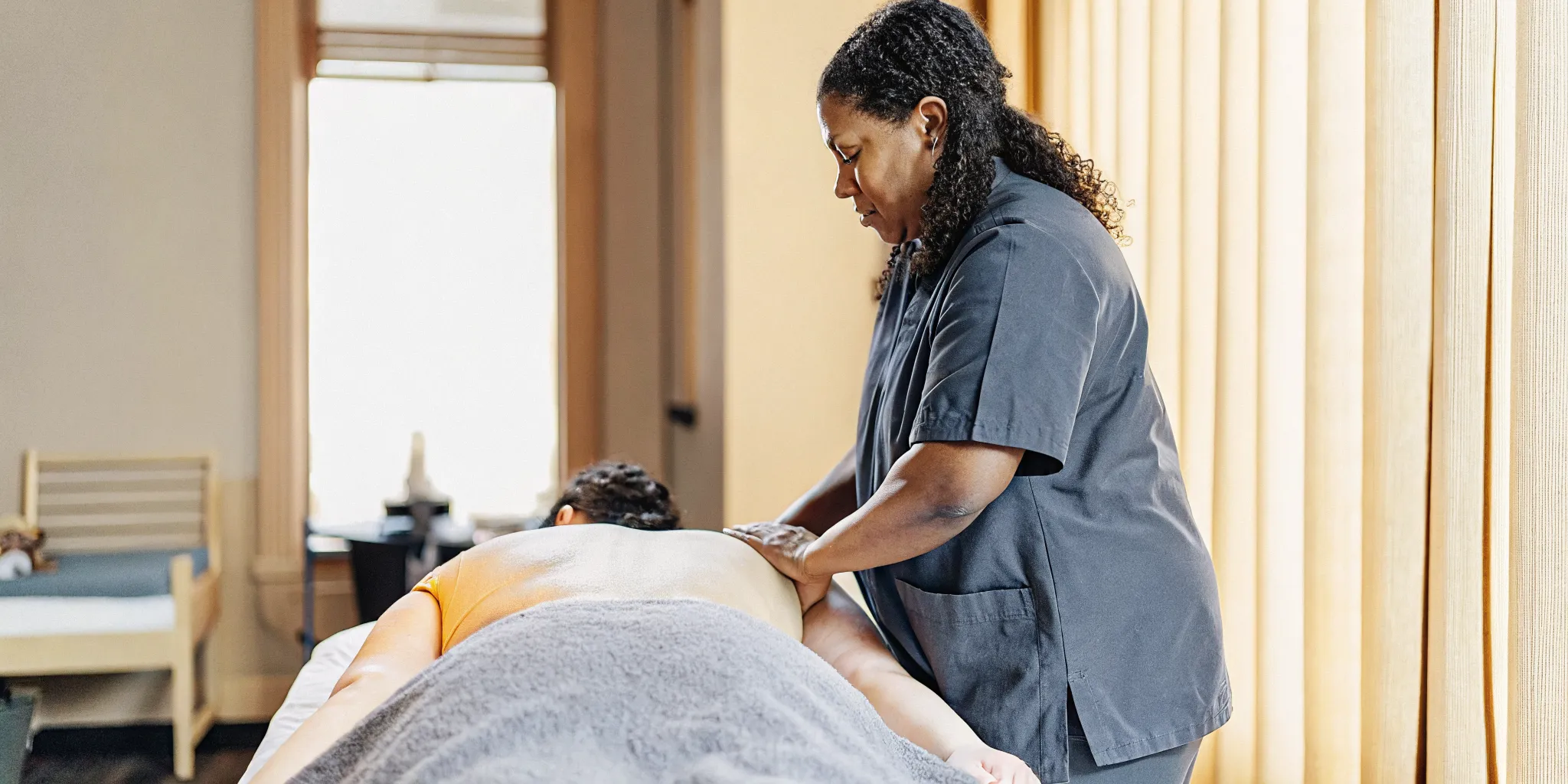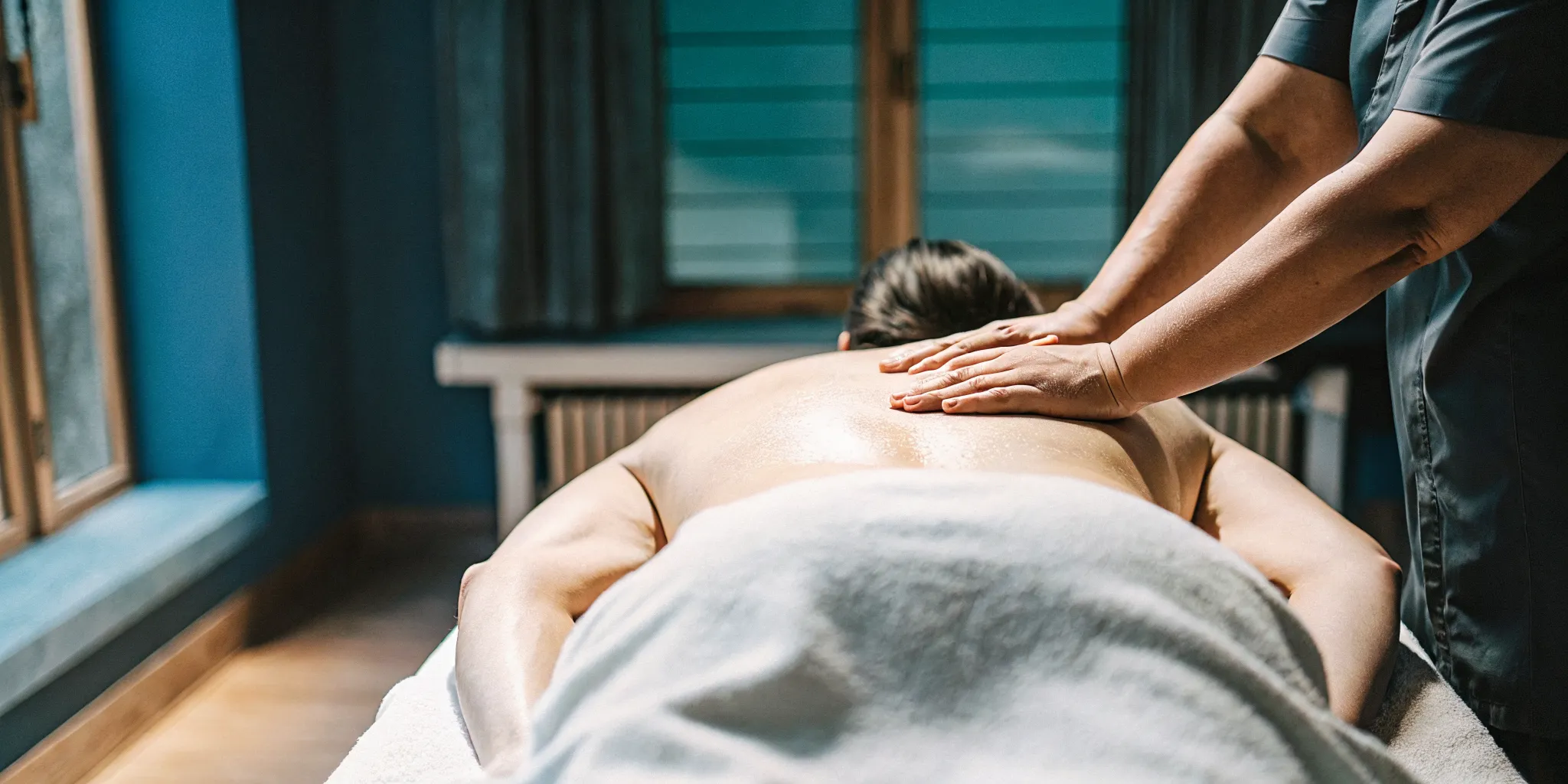

You have a stubborn knot in your shoulder, and you know a gentle, relaxing massage just won’t cut it. But when you look at the menu, two options for serious relief jump out: deep tissue and sports massage. Which one is right? While both use firm pressure to tackle muscle pain, they are fundamentally different tools for different jobs. A deep tissue massage is designed to target chronic, deep-seated knots with precision. A sports massage, however, is focused on preparing your body for—or helping it recover from—athletic activity. Let’s clear up the deep tissue vs sports massage confusion so you can confidently choose the right therapy for your body.
Key Takeaways
- Deep Tissue Targets Chronic Pain, Sports Massage Supports Activity: Think of deep tissue as the solution for persistent aches from daily life, like a stiff neck or sore back. Sports massage is your go-to for preparing your body for physical challenges and helping it recover afterward.
- Your Pain’s Origin Story Matters: The right massage depends on why you hurt. Deep tissue is ideal for releasing tension built up over time from posture or stress, while sports massage addresses the specific strains and recovery needs of an active body.
- When in Doubt, Talk It Out with a Pro: You don’t need to be an expert to book the right session. Explain your goals and problem areas to your therapist, and they will help you choose the best approach—or even combine techniques—for a truly personalized treatment.
What Is a Deep Tissue Massage?
If you’ve ever had a stubborn knot in your shoulder that just won’t quit, a deep tissue massage might be exactly what you need. This isn’t your typical relaxation massage; it’s a focused, therapeutic technique designed to work on the deeper layers of your muscle and connective tissue, also known as fascia. Think of it as a methodical approach to releasing chronic muscle tension and adhesions—those painful, tight spots that build up from stress, old injuries, or even just sitting at a desk all day.
A deep tissue massage is perfect for zeroing in on specific problem areas. Whether you’re dealing with a stiff neck, a nagging lower backache, or tight shoulders, this style uses intense, deliberate strokes to get to the root of your discomfort. It’s a powerful tool for anyone struggling with persistent pain and limited mobility. While the pressure is certainly firm, a skilled therapist will always work within your comfort level, communicating with you to make sure the treatment is effective without being unbearable. The goal is lasting relief, and sometimes that requires a bit more intensity to achieve.
How Do the Techniques Actually Work?
So, what’s actually happening during a deep tissue massage? Your massage therapist will use slow, firm, and concentrated pressure to reach the muscles that lie far beneath the surface. Instead of the long, gliding strokes you might find in a Swedish massage, the techniques here are much more specific and intentional. Therapists often use their knuckles, forearms, and even elbows to apply sustained pressure to tight spots. This method helps to physically break down the adhesions in your muscles, which can restrict circulation and cause pain. By releasing these knots, the massage helps restore normal movement and brings relief to those targeted areas.
What to Expect During and After Your Session
Knowing what to expect can make all the difference in your massage experience, especially when you’re opting for a more intense therapy like deep tissue. It’s not just about lying on a table and hoping for the best; it’s a collaborative process between you and your therapist. From the moment the session begins, the focus is on preparing your body for deep work and ensuring you feel comfortable and in control. A great therapist will communicate with you throughout, adjusting pressure and technique to meet your specific needs. And just as important is knowing what to do after you leave the studio to manage any soreness and extend the benefits of your treatment.
The Process: From Warm-Up to Deep Work
A deep tissue massage doesn’t just jump straight into the intense part. Your therapist will begin with lighter, more gentle strokes, similar to what you’d experience in a Swedish massage. This initial phase is crucial for warming up your muscles and preparing the tissue for deeper work. According to the American Massage Therapy Association, this warm-up allows your body to relax, making it more receptive to the targeted pressure that follows. Once your muscles are ready, your therapist will gradually increase the pressure, using slow, deliberate strokes to address the specific areas of tension you discussed beforehand. This methodical approach ensures the treatment is both effective and safe.
Common Techniques Your Therapist May Use
To release those stubborn knots, your therapist will employ a variety of specialized techniques. You might hear terms like trigger point therapy, which involves applying direct pressure to tight spots to release them, or myofascial release, which focuses on stretching and loosening the connective tissue surrounding your muscles. Another common method is cross-fiber friction, where the therapist works against the grain of the muscle to break down adhesions. At Nola Bliss, our experienced therapists are masters of these techniques, using their hands, knuckles, and even forearms to precisely target and relieve chronic tension, ensuring you get the most effective treatment possible.
Managing Soreness After Your Massage
It’s completely normal to feel some soreness for a day or two after a deep tissue massage. Think of it like the feeling you get after a good workout—it’s a sign that your muscles have been worked and are beginning to heal. To help ease any discomfort, experts suggest drinking plenty of water to help flush out any metabolic waste released from your muscles. You can also apply a heating pad or a cold pack wrapped in a towel to the tender areas. A warm bath with Epsom salts can also work wonders. This temporary soreness will soon give way to a feeling of lasting relief and improved mobility, making it well worth it.
What Are the Real Benefits?
The benefits of deep tissue massage go far beyond a temporary feeling of relaxation. This technique is a powerhouse for managing chronic pain and stiffness. By increasing blood flow and helping to reduce inflammation, it can provide significant relief from conditions like sciatica and fibromyalgia. Many people also find they have improved flexibility and a better range of motion after a session. Plus, it’s fantastic for helping to correct postural issues that develop from our daily habits. The focused pressure helps loosen tight muscles, which in turn allows your body to settle into a healthier, more natural alignment and can address pain from multiple sources.
Conditions That Respond Well to Deep Tissue Massage
Deep tissue massage is a fantastic tool for a wide range of issues, especially those involving long-lasting pain or restricted movement. It’s particularly effective for people recovering from injuries like whiplash or falls, as it targets the specific muscles that have become tense and guarded. This technique is also a go-to for repetitive strain injuries, such as carpal tunnel syndrome, which can develop from daily activities like typing. According to the National University of Health Sciences, it’s also beneficial for managing the pain associated with osteoarthritis, fibromyalgia, and persistent muscle spasms. If you’re dealing with any of these stubborn conditions, a deep tissue session can offer targeted, meaningful relief.
What the Science Says About Pain Relief
It’s one thing to hear that a massage feels good, but it’s another to know that science backs up its benefits for pain relief. Research has shown that deep tissue massage is more than just a temporary fix. For instance, a 2014 study found that it was as effective for reducing chronic low back pain as combining massage with common anti-inflammatory drugs. The reason it works so well is that the focused pressure helps to increase blood flow and reduce inflammation in the affected areas. This process can provide significant relief from nerve-related pain like sciatica and widespread discomfort from conditions like fibromyalgia, making it a powerful and legitimate therapy for managing chronic pain.
So, What Is a Sports Massage?
If you picture a “sports massage,” you might imagine an Olympic athlete getting a vigorous rubdown on the sidelines. While that’s not entirely wrong, this type of massage is a specialized therapy designed for anyone with an active lifestyle—from marathon runners to weekend yoga enthusiasts. It’s a targeted approach that focuses on muscles relevant to a particular sport or activity. The goal isn’t just relaxation; it’s about preparing the body for peak performance, helping it recover after intense exertion, and preventing injuries along the way. Think of it as a key part of a training regimen, a tool to keep your body working like a well-oiled machine so you can keep doing what you love.
The Specific Techniques for Athletes
A sports massage is much more dynamic than a typical relaxation massage. Your therapist will use a combination of techniques tailored to your specific needs and sport. This often includes deep, focused pressure similar to a deep tissue massage, along with invigorating strokes, compression, and friction to warm up and loosen muscle fibers. What really sets it apart is the inclusion of stretching. Your therapist might guide you through passive stretches or ask you to engage certain muscles, actively moving your limbs to increase range of motion. It’s an interactive session designed to address the specific muscles you rely on most.
Why It’s a Win for Your Body
The benefits of sports massage go far beyond a post-workout cooldown. Regular sessions can be a game-changer for your physical health and athletic performance. This targeted therapy helps speed up recovery by increasing blood flow to tired muscles, which reduces soreness and stiffness. It’s also a powerful tool for injury prevention, as it helps identify and treat muscle imbalances before they become bigger problems. By improving flexibility and range of motion, sports massage can help you move more efficiently and powerfully. Whether you’re looking to recover from a specific strain or simply maintain your body, exploring therapeutic massage services is a proactive way to stay in top form.
Deep Tissue vs. Sports Massage: What’s the Difference?
At first glance, deep tissue and sports massage might seem similar. Both involve firm pressure and focus on working out muscle tension, but their goals and methods are quite different. Think of it like choosing between a restorative yoga class and a high-intensity training session—both are good for you, but they serve distinct purposes. Understanding these differences is the key to picking the massage that will give you the results you’re looking for, whether that’s relief from a nagging desk-job ache or support for your active lifestyle. Let’s break down the key distinctions to help you decide which approach is the perfect fit for you.
It All Comes Down to Your Goal
The biggest difference between these two styles is their primary objective. A deep tissue massage is designed to address chronic muscle pain and tension. Its goal is to release tight muscle knots and adhesions that can cause discomfort and limit your range of motion. It’s an excellent choice for anyone dealing with persistent issues like a stiff neck, sore shoulders, or lower back pain, regardless of their activity level.
On the other hand, sports massage is specifically tailored to athletes and active individuals. Its main purpose is to prevent and treat injuries, improve flexibility, and enhance athletic performance. A sports massage therapist focuses on the muscle groups you use most in your sport or activity, helping you prepare for an event or recover more quickly afterward.
How Does It Compare to a Swedish Massage?
If deep tissue is the specialist you see for a specific problem, think of Swedish massage as your go-to for general wellness and relaxation. The primary goal of a Swedish massage is to melt away stress and calm your nervous system using long, gliding strokes, kneading, and gentle circular movements. It’s the classic massage experience that leaves you feeling blissfully relaxed from head to toe. It focuses on the superficial layers of muscle and is perfect for first-timers or anyone looking to simply unwind.
Deep tissue massage, on the other hand, is much more focused. It uses strong, deep pressure and slow strokes to reach the inner layers of your muscles and connective tissues, as noted by experts at Healthline. Unlike the full-body flow of a Swedish session, this technique zeroes in on fixing specific problems like chronic pain or stubborn knots. When you book a deep tissue or Swedish massage, the key difference is the intent: one is for overall relaxation, and the other is for targeted, therapeutic relief.
Comparing Pressure, Pace, and Technique
While both massages can feel intense, the way your therapist applies pressure is different. Deep tissue massage uses slow, deliberate strokes with sustained pressure to work through the superficial muscles and reach the deeper layers of muscle and connective tissue. The pace is unhurried, allowing your muscles time to release. Your therapist will use their knuckles, forearms, and elbows to target specific problem areas.
Sports massage incorporates a wider variety of techniques. It often includes faster-paced strokes, compression, and friction, along with assisted stretching to improve flexibility. The goal is to increase blood flow and warm up the muscles. This dynamic approach helps prepare your body for activity or flush out lactic acid after a tough workout, making it a more active and invigorating experience than a typical therapeutic massage.
Full Body vs. Specific Target Areas
Another key distinction is the scope of the treatment. A deep tissue massage can be a full-body session, or it can concentrate on specific areas where you hold chronic tension, like your shoulders or hips. The focus is on relieving patterns of tension that have built up over time from things like poor posture or repetitive stress.
A sports massage is almost always targeted. Your therapist will concentrate on the specific muscles and joints that are most affected by your sport or physical activity. For example, a runner might receive focused work on their hamstrings, quads, and glutes, while a tennis player might need more attention on their shoulders, arms, and back. The session is customized to address the unique demands your activity places on your body.
Which Massage Is Best for Pain Relief?
When you’re in pain, you just want relief. Both deep tissue and sports massage are fantastic for easing aches, but they approach the problem from different angles. The right choice for you really depends on the source of your discomfort. Are you dealing with a persistent, nagging ache from daily life, or are you trying to recover from an injury or intense workout? Understanding the root cause of your pain is the first step in choosing the massage that will give you the most effective and lasting relief. Let’s look at how each modality targets pain, so you can make an informed decision for your body.
How Deep Tissue Massage Eases Chronic Pain
If you’re struggling with long-term muscle tension, stiffness, or soreness, a deep tissue massage is often the best solution. This type of massage uses slow, deliberate strokes and firm pressure to reach the deeper layers of your muscles and connective tissues. The goal is to release chronic tension patterns that build up over time from stress, poor posture, or old injuries. By increasing blood flow to these tight areas, a deep tissue massage helps loosen stubborn knots and reduce inflammation, providing significant relief from conditions like lower back pain, stiff necks, and sore shoulders.
Using Sports Massage for Injury Recovery
For athletes and active individuals, pain is often tied to performance and recovery. Sports massage is designed to address the specific needs of a body in motion. It helps active people recover faster, prevent injuries, and maintain flexibility. This is achieved through a combination of techniques, including deep strokes, compression, and targeted stretching. The focus is on improving circulation and making muscles more pliable. While sports massage is a specific modality, many of the therapeutic techniques used in our other massage services can be adapted to help you bounce back from a tough workout or heal from a sports-related strain.
Breaking Down Knots and Scar Tissue
Both massage types are effective at working out knots, but deep tissue massage truly excels at breaking down scar tissue and adhesions. These are bands of rigid, painful tissue that can form after an injury or from chronic tension. A deep tissue massage aims to get rid of this deep muscle tension by applying sustained pressure to release knots in the deeper layers of muscle and fascia. For an even more profound approach, Ashiatsu Deepfeet Bar Therapy uses the therapist’s body weight to deliver broad, consistent pressure that can effectively iron out the most stubborn adhesions and restore movement.
Should You Get a Deep Tissue Massage?
If you think of massage as just a light, relaxing experience, a deep tissue massage might surprise you. It’s a powerful therapy designed to address pain and discomfort that lives far below the surface. This isn’t about just feeling good for an hour; it’s about creating lasting change in your muscles and connective tissues. Think of it as a reset button for areas that have been tight and sore for way too long. While the pressure is more intense than a Swedish massage, it should never be painful. A skilled therapist will communicate with you to find the right level of pressure that is both effective and comfortable, working with your body, not against it.
This type of massage is ideal for people with chronic pain, limited mobility, or postural problems. It’s also great for recovering from injuries where adhesions or scar tissue have formed. If you’re constantly dealing with a stiff neck, a nagging lower backache, or tight shoulders from daily life, a deep tissue massage could be exactly what your body needs to feel right again. It’s a focused treatment that gets to the root of chronic discomfort, helping you move more freely and with less pain.
If You Have Chronic Tension and Stress
Life comes with stress, and our bodies often keep the score. That constant pressure can lead to chronic muscle tension, causing persistent aches, stiffness, and fatigue. A deep tissue massage is designed to tackle this head-on. Using slow, deliberate strokes and firm pressure, your therapist works to reach the deeper layers of muscle and the connective tissue surrounding them. This technique helps release long-held patterns of tension, breaking up knots and restoring movement. It’s an effective way to manage muscle pain and find relief from the physical toll of ongoing stress.
For Anyone Who Sits at a Desk All Day
Do you spend your days hunched over a computer? If so, you’re probably familiar with the “desk worker posture”—rounded shoulders and a complaining lower back. This posture puts a huge strain on your neck, shoulder, and back muscles, leading to chronic pain. Deep tissue massage is particularly helpful for these issues. Your therapist first works to relax the superficial muscles to then access the deeper sources of your pain. By applying focused pressure, they can release the tight muscles in your back, glutes, and shoulders that are pulling your body out of alignment, helping to counteract the effects of sitting all day.
When Your Aches Aren’t Sports-Related
You don’t have to be a marathon runner to have muscle pain that calls for a deep tissue massage. This therapy is for anyone experiencing long-lasting muscle tension, whether it’s from an old injury, repetitive movements, or even sleeping in the wrong position. If you have a specific problem area—like a stiff neck or a tight lower back—deep tissue can provide targeted relief. It’s a versatile treatment that addresses the root cause of everyday aches and pains. Our experienced therapists can tailor any of our massage services to focus on what your body needs most.
When to Be Cautious: Risks and Contraindications
While deep tissue massage is a powerful tool for pain relief, it’s not the right fit for everyone or every situation. Because it involves intense pressure on deep layers of muscle, it’s important to know when to proceed with caution or choose a different type of therapy. Your safety and well-being are always the top priority, and a professional massage therapist will conduct a thorough intake to make sure the session is tailored to your specific health needs. Open communication is key, so always be upfront about any medical conditions or concerns you have before your massage begins. This ensures you get all the benefits without any of the risks.
Who Should Avoid Deep Tissue Massage?
Deep tissue massage isn’t recommended for individuals with certain health conditions. If you have a history of blood clotting disorders, like deep vein thrombosis (DVT), or if you are taking blood-thinning medication, the intense pressure could be risky. People with severe varicose veins or other blood vessel diseases should also steer clear. It’s essential to be cautious if you have a high risk of bone fractures from conditions like osteoporosis. The best first step is always to talk to your doctor to get clearance for this type of bodywork. A professional therapist needs to know your full health history to keep you safe and provide an effective treatment.
Special Considerations for Pregnancy
Pregnancy brings a lot of changes to the body, and while massage can be incredibly beneficial, deep tissue work requires a special approach. The standard techniques are generally not recommended for expectant mothers because of an increased risk of blood clots in the legs and the need to protect the abdomen. However, that doesn’t mean you have to live with aches and pains. A prenatal massage is a safe and wonderful alternative, performed by a therapist specifically trained to address the unique needs of pregnancy. They use modified techniques and positioning to provide relief from back pain, reduce swelling, and ease tension, ensuring both you and your baby are comfortable and safe.
Is a Sports Massage What You Need?
If you lead an active lifestyle, you’ve probably wondered if sports massage is the right choice for you. While deep tissue massage is fantastic for general chronic pain, sports massage is specifically designed with the athlete in mind. It’s a targeted approach that focuses on muscles relevant to your particular sport or activity. Whether you’re training for the Crescent City Classic, a regular at your CrossFit box, or just love your weekend tennis matches, sports massage can be a game-changer for your physical health and performance. It’s all about helping you stay active, prevent injuries, and feel your best while doing what you love.
If You’re an Athlete Looking for an Edge
Think of sports massage as part of your training toolkit. This style of massage is tailored specifically for athletes to help prevent injuries, aid in healing, and improve overall performance. It’s not just for professionals; it’s for anyone who regularly pushes their body physically. By focusing on the specific muscle groups you use most, a skilled therapist can help increase your range of motion, improve flexibility, and reduce muscle tension that might be holding you back. Regular sessions can give you a competitive edge by ensuring your body is in prime condition to perform. Our therapists are experts in various massage services that can be customized to support your athletic goals.
For Pre-Event Prep and Post-Workout Recovery
Sports massage is incredibly versatile and can be used both before and after physical activity. A pre-event massage is typically shorter and more stimulating, designed to warm up your muscles and prepare your body for optimal performance. It can help improve circulation and get you mentally focused for the challenge ahead. After your workout or competition, a post-event massage helps your body wind down and begin the recovery process. This session focuses on reducing muscle soreness, flushing out metabolic waste, and calming the nervous system. Incorporating massage into your routine helps you recover faster so you can get back to training sooner and more effectively.
To Help Maintain an Active Lifestyle
Consistent physical activity puts a lot of demand on your body. Sports massage is an essential tool for long-term maintenance, helping you manage the wear and tear of an active life. It focuses on addressing specific problem areas and preventing minor issues from turning into chronic injuries. By regularly breaking down adhesions and improving muscle elasticity, you can maintain flexibility and keep your body functioning smoothly. For athletes who need deep, consistent pressure, Ashiatsu Deepfeet Bar Therapy can be an especially powerful option. Making massage a regular part of your wellness plan is a proactive way to support your body and ensure you can stay active for years to come.
How to Choose the Right Massage for You
Okay, so you know the difference between deep tissue and sports massage, but the big question remains: which one should you book? The answer isn’t always black and white, as the best massage for you depends entirely on your body, your lifestyle, and what you hope to accomplish. Think of it less like picking from a menu and more like finding the perfect key for a specific lock. To find your perfect fit, you just need to consider a few key things about yourself. Let’s walk through how to make the right choice, so you can walk out of your appointment feeling exactly the way you want to.
First, What Are Your Personal Goals?
First, ask yourself: what am I trying to achieve with this massage? Are you looking for a way to manage the stress of a demanding job? Or are you hoping to soothe chronic pain in your lower back or shoulders? If your goal is general relaxation or relief from long-term tension, a deep tissue massage is likely your best bet. On the other hand, if you’re an athlete or someone who engages in regular, intense physical activity, your goals might be more specific. A sports massage can help you prepare for a big event, treat an injury, or simply help your body recover and perform better. Defining your primary goal is the most important first step.
Next, Consider Your Activity Level
Your day-to-day life plays a huge role in what your body needs. If you spend most of your day sitting at a desk, you might be dealing with stiffness in your neck and shoulders or tightness in your hips. For these kinds of general muscle issues that come from posture and daily routines, a deep tissue massage is designed to work out those stubborn knots and improve blood flow. But if your daily routine involves training for a 10K, hitting the gym hard, or playing a sport, your body has different demands. A sports massage is tailored specifically for the active body, focusing on the muscle groups you use most to prevent injury and maintain peak condition.
Still Not Sure? Talk to a Pro
Still not sure which path to take? That’s completely normal, and it’s exactly why we’re here. The best resource you have is a licensed massage therapist. A brief conversation before your session can make all the difference. You can explain your goals, your pain points, and your activity level, and they can recommend the ideal approach for you. Sometimes, the best treatment might even be a blend of techniques. Our dedicated team of therapists has years of experience and a passion for healing, so don’t hesitate to lean on their expertise to create a session that’s perfectly customized for your body’s needs.
Finding a Qualified Massage Therapist
Choosing the right type of massage is only half the battle; finding the right therapist is what truly makes the difference. A great massage therapist has a deep understanding of anatomy and can adapt their techniques to what your body needs. When you’re looking for a provider, don’t hesitate to ask about their experience, especially with the specific type of massage you want. Inquiring about their background and the conditions they typically treat will give you a good sense of their expertise. The secret to a truly therapeutic experience lies with a professional who has dedicated their career to the practice, which is why we’re so proud of our dedicated team of highly trained specialists.
Once you’re on the table, communication is everything. A qualified therapist will check in with you, but it’s also important for you to speak up. If the pressure is too intense or not firm enough, let them know. As the American Massage Therapy Association points out, open dialogue ensures the session is both effective and comfortable for you. Before you even begin, be prepared to share your medical history and any health concerns. A true professional will want this information to tailor the treatment safely to your needs and avoid any potential issues. Finding a therapist you can trust and communicate with openly is the key to a safe and profoundly healing experience.
Related Articles
Frequently Asked Questions
Will a deep tissue massage be painful? This is the number one question people have, and it’s a great one. While deep tissue massage involves firm, intense pressure, it should never feel sharply painful or unbearable. You might experience some discomfort, especially when the therapist works on a stubborn knot, but it’s often described as a “good hurt.” The key is to communicate openly with your therapist. They can adjust the pressure to a level that is effective for releasing tension but still within your comfort zone.
Do I need to be a professional athlete to get a sports massage? Not at all. Sports massage is designed for anyone with an active lifestyle. Whether you’re training for a marathon, enjoy a weekly yoga class, or play tennis on the weekends, this type of massage can help your body perform better and recover faster. It’s all about addressing the specific muscles you use in your chosen activity to prevent injury and maintain your physical health so you can keep doing what you love.
What if I have both chronic pain from my desk job and soreness from my workouts? This is a very common scenario, and it’s the perfect opportunity for a customized massage. You don’t have to choose strictly between one style and another. The best approach is to talk to your massage therapist before your session begins. They can create a hybrid treatment that uses deep tissue techniques to address the chronic tension in your neck and shoulders while also incorporating sports massage methods to help your legs recover from a long run.
Can I get a deep tissue massage on just one problem area? Absolutely. Deep tissue massage is incredibly effective for targeted work. If you have a specific issue, like persistent lower back pain or a tight knot in your shoulder, you can definitely have your therapist focus the entire session on that area. This allows them to methodically work through the layers of muscle and connective tissue to provide focused relief right where you need it most.
How will I feel the day after a deep tissue or sports massage? It’s normal to feel a little sore for a day or two after an intense massage, much like you might feel after a challenging workout. This happens because the therapist has worked on deep-seated muscle tension and encouraged blood flow to those areas. To help with this, be sure to drink plenty of water after your session. A little gentle stretching or a warm Epsom salt bath can also feel wonderful and help ease any lingering tenderness.