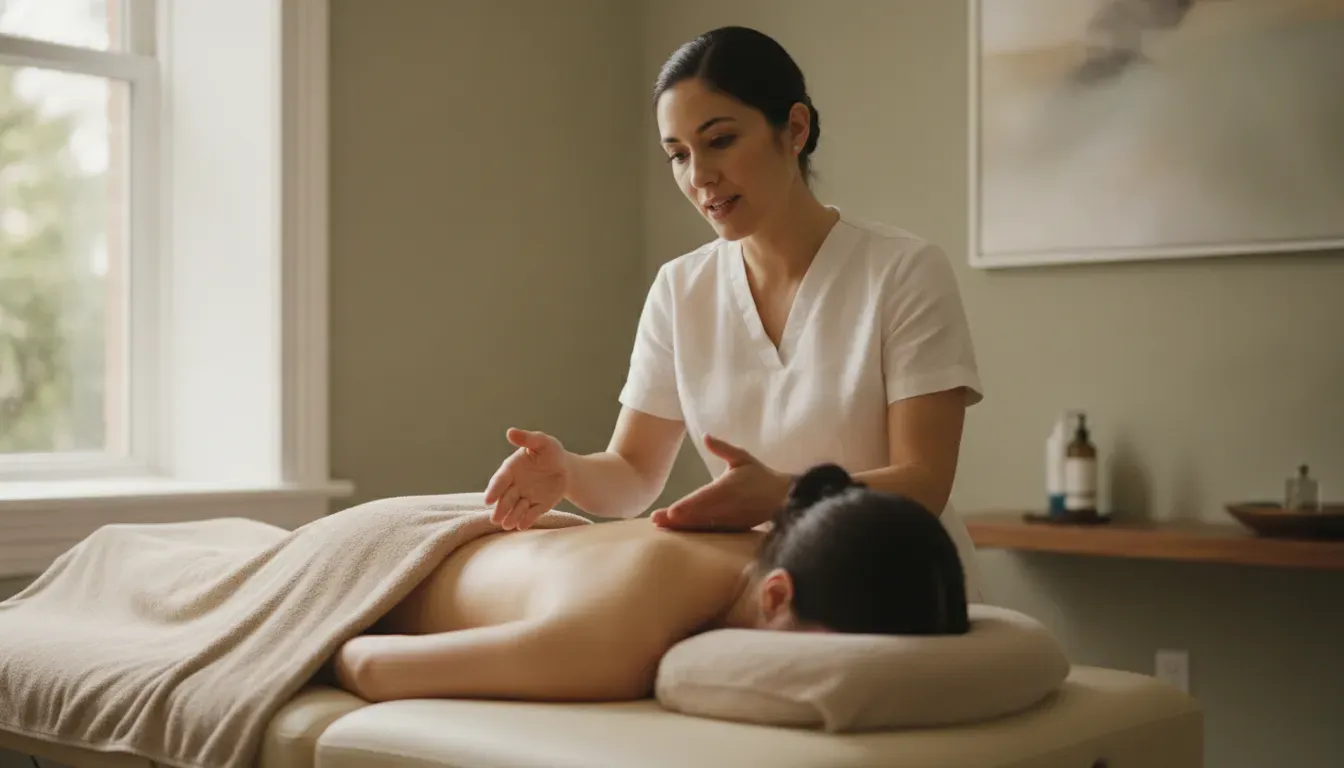

You booked a massage for that nagging pain in your back, expecting to walk out feeling brand new. But what happens when you leave feeling just as tight as before? While Swedish massage is fantastic for melting away stress, its gentle nature often isn’t enough for deep, chronic issues. This is one of the primary disadvantages of Swedish massage; it’s designed for relaxation, not for breaking up stubborn knots. If you’ve ever felt disappointed after a session, it’s likely a mismatch in technique. This guide will explain what Swedish massage truly excels at and when you should consider a more targeted therapy.
Key Takeaways
- Speak Up to Customize Your Session: Your feedback is essential for a great massage. Always communicate with your therapist about pressure preferences, comfort levels, and any health concerns to ensure the experience is perfectly tailored to you.
- Your Safety Comes First: While massage is beneficial for most, it’s wise to check with your doctor first if you have certain health conditions, like heart issues or a history of blood clots, or if you are pregnant.
- Plan for Post-Massage Care: What you do after your session matters. Help your body recover and reduce soreness by drinking plenty of water, resting, and avoiding strenuous activity for the rest of the day.
Understanding the Basics of Swedish Massage
When you picture a classic massage, you’re most likely thinking of a Swedish massage. It’s one of the most popular and widely practiced forms of massage therapy in the Western world, and for good reason. It’s designed to relax the entire body, improve circulation, and soothe aching muscles through a systematic approach. But it’s more than just random rubbing; a true Swedish massage is built on a foundation of five core techniques. Understanding these strokes can help you appreciate the skill involved and better communicate with your therapist about what your body needs.
The Five Core Techniques Explained
A skilled massage therapist uses five fundamental strokes to create a balanced and effective Swedish massage. Each technique serves a specific purpose, and they are often layered and combined to address your unique needs, from warming up the muscles to targeting specific knots. According to health resources like WebMD, these movements work together to release tension, stretch muscles, and promote an overall sense of well-being. Let’s break down what each one does so you know what to expect during your session.
Effleurage (Gliding Strokes)
Think of effleurage as the introduction and conclusion of your massage. These are the long, sweeping, gliding strokes that your therapist uses to apply oil and warm up your muscles at the beginning of a session. This initial contact allows the therapist to feel for areas of tension and helps your body begin to relax into the treatment. The pressure can range from light to firm, depending on the goal. These strokes are also used to transition smoothly between other, more targeted techniques during the session, ensuring the entire experience feels connected and fluid from start to finish.
Petrissage (Kneading)
Petrissage is the technique that feels like kneading dough. It involves lifting, rolling, and squeezing the muscles to work on deeper layers of tissue. This movement helps to release stubborn knots, stretch muscle fibers, and increase blood flow to the area. By flushing out metabolic waste from the muscles, petrissage is excellent for relieving tension and improving flexibility. It’s one of the more therapeutic components of a Swedish massage, directly addressing muscle tightness and promoting a deeper sense of release that you can feel long after you leave the table.
Tapotement (Tapping)
Tapotement consists of rhythmic, percussive movements, such as tapping, cupping, or hacking with the sides of the hands. While it might sound intense, a skilled therapist performs it in a way that is stimulating and invigorating rather than painful. This technique is fantastic for waking up the nervous system and increasing local blood circulation, which can help re-energize tired muscles. It’s often used toward the end of a massage to leave you feeling refreshed and alert, providing a nice contrast to the more relaxing strokes used earlier in the session.
Friction (Rubbing)
When your therapist needs to address a specific, tight spot or a “knot,” they’ll likely use friction. This technique involves deep, circular or linear movements applied with the thumbs, fingertips, or even elbows directly to the problem area. The goal is to create heat and break down adhesions, which are bands of painful, rigid tissue that can restrict movement and cause discomfort. Friction helps to realign muscle fibers and is very effective for releasing chronic tension, making it a crucial tool for targeted relief within a broader relaxation massage.
Vibration (Shaking)
Vibration is a technique where the therapist uses their hands or fingertips to create a rapid shaking or trembling motion on a specific muscle group. This can be done for a few seconds or longer, depending on the goal and the area being worked on. The movement helps to loosen muscles, stimulate nerves, and can create a deep sense of relaxation throughout the body. It’s a gentle yet powerful way to release lingering tension, especially in areas that are sensitive to deeper pressure, and it adds a soothing final touch to the massage.
What Really Happens After a Swedish Massage?
Finishing a massage feels incredible, but the experience doesn’t end the moment you step off the table. Your body continues to process the therapeutic work for hours, and sometimes even a day or two, afterward. Most people leave feeling relaxed and refreshed, but it’s also normal to experience a few other physical and emotional responses as your body adjusts. Knowing what to expect can help you get the most out of your session and understand the healing process. Think of it as your body’s way of responding to the positive changes initiated during your Swedish massage. From mild soreness to a wave of emotion, these post-massage feelings are typically temporary and a sign that your body is releasing long-held tension.
Is It Normal to Feel Sore After a Massage?
If you feel a bit tender the day after your massage, don’t be alarmed. This is completely normal, especially if your therapist worked on tight, knotted muscles. Much like a good workout, massage manipulates muscles that may not be used to it, leading to a type of soreness called delayed onset muscle soreness (DOMS). During your session, the pressure helps release metabolic waste, like lactic acid, from your muscle tissues. This flushing-out process can cause temporary tenderness, but it’s a positive sign that your body is clearing out toxins and beginning to heal. The feeling usually subsides within a day or two, leaving your muscles feeling looser and more relaxed than before.
Should You Worry About Bruising and Redness?
While a Swedish massage is known for its gentle, flowing strokes, some people may notice slight skin redness or, in rare cases, minor bruising. Redness is simply a result of increased blood flow to the area and typically fades quickly. Bruising is uncommon but can sometimes occur if you have sensitive skin, are prone to bruising, or if deeper pressure was needed to release a stubborn knot. This is one reason why open communication with your massage therapist is so important. At Nola Bliss, our therapists are experts at adjusting pressure to match your comfort level, ensuring your experience is both effective and safe. Always let us know if the pressure feels too intense.
Feeling Dizzy or Tired? Here’s Why
Have you ever felt a little lightheaded or sleepy after a massage? This is a common and temporary response. During a massage, your body enters a deep state of relaxation, which can cause a slight drop in blood pressure and heart rate. When you get up from the table, it might take a moment for your body to readjust, leading to a brief feeling of dizziness. You might also feel tired as your body shifts from a state of high alert to one of rest and repair. Staying hydrated before and after your appointment can help minimize these sensations. We always recommend taking a few deep breaths and moving slowly as you get up after your session.
Why You Might Feel Nauseous or Have a Headache
It might seem strange to feel a little off after an experience designed for relaxation, but a mild headache or a touch of nausea can occasionally follow a massage. This isn’t a sign that something went wrong; rather, it’s an indication that your body is having a strong therapeutic response. As your muscles release deep-seated tension, your body begins a process of clearing out metabolic byproducts that have been stored in the tissues. This internal “house cleaning” can sometimes be intense, leading to these temporary and completely normal symptoms. Think of it as your system rebooting. The feeling usually passes within a few hours, especially if you focus on resting and hydrating after your session.
The Role of the Lymphatic System and Toxin Release
So, what’s happening on a physiological level? During a massage, the manipulation of your muscles increases blood flow and stimulates your body’s lymphatic system, which is responsible for filtering out waste and toxins. As circulation improves, these stored byproducts are released into your bloodstream to be processed and eliminated. This sudden influx can make you feel a bit sick, similar to how you might feel during a detox. It’s a positive sign that your body is flushing out what it no longer needs. The best way to support this process and ease any discomfort is to drink plenty of water, which helps your kidneys and liver efficiently clear everything out, leaving you feeling refreshed and renewed once the initial effects subside.
An Increase in Urination Is Also Possible
If you find yourself making a few extra trips to the restroom after your massage, that’s another positive sign that the treatment was effective. Just as the lymphatic system is stimulated to release waste, your circulatory system becomes more efficient at moving fluid throughout your body. This process encourages your kidneys to filter out the metabolic waste and excess fluids that were mobilized from your muscle tissues during your Swedish massage. Increased urination is simply your body’s most direct way of expelling these substances. It’s a natural and healthy response, so be sure to replenish your fluids by drinking water throughout the rest of the day to help the detoxification process along and keep yourself properly hydrated.
Can a Massage Make You Feel Emotional?
It might surprise you, but it’s not unusual to feel a surge of emotion during or after a massage. Our bodies often store emotional stress in our muscles—think of how your shoulders tense up when you’re anxious. The physical act of releasing that muscle tension can sometimes trigger an emotional release as well. You might feel overwhelmingly happy, a bit weepy, or just more sensitive than usual. This is a healthy and natural part of the healing process. It’s a sign that your massage is not only addressing physical tension but also helping you let go of stored emotional weight, creating a deeper sense of well-being.
How Massage Affects Your Hormones
That emotional release we just talked about isn’t just in your head; it’s rooted in your body’s chemistry. The therapeutic touch of a massage sends powerful signals to your brain, influencing your overall hormonal balance. Research shows that massage therapy can reduce levels of cortisol, the hormone responsible for stress. At the same time, it encourages the production of serotonin and dopamine, the neurotransmitters that create feelings of happiness and well-being. It can also increase oxytocin, often called the “love hormone,” which fosters a sense of connection and calm. This hormonal shift is why you leave a massage feeling not just physically looser, but also mentally clearer and emotionally lighter. It’s a tangible chemical reset that helps your body move from a state of stress to one of deep relaxation.
Is a Swedish Massage Right for Everyone?
A Swedish massage is a fantastic way to relax and de-stress, but it’s not always the right fit for every person or every situation. Your health and safety are the most important part of any massage experience, so it’s crucial to know when you might need to take extra precautions or perhaps explore other options. Think of it as a partnership between you, your body, and your massage therapist. Open communication is key to ensuring your session is both beneficial and completely safe.
Before you book an appointment, it’s a good idea to consider your current health. Certain conditions require a little extra care or a different approach altogether. Let’s walk through a few situations where you should check in with your doctor before getting a Swedish massage.
Medical Conditions That Require Caution
Your well-being comes first, and some health conditions just don’t mix well with Swedish massage. If you have heart problems or issues with circulation, the increased blood flow from a massage could potentially put extra strain on your system. It’s always best to get the green light from your doctor before scheduling a session. This isn’t about scaring you away from the massage table; it’s about making sure you can relax fully, knowing you’re in good hands and that the treatment is right for your body’s specific needs.
Bone Health and Conditions Like Osteoporosis
If you have a condition that affects bone density, like osteoporosis, it’s important to approach massage with care. The pressure applied during a massage, even a gentle Swedish one, could pose a risk. As some experts advise, individuals with osteoporosis should avoid pressure that could potentially cause fractures. This doesn’t mean massage is completely off the table, but it does mean a conversation with your doctor is a must. You should also be very clear with your massage therapist about your condition before the session begins. A skilled therapist can modify techniques, using lighter strokes and avoiding specific areas to ensure your session is both safe and relaxing.
Autoimmune Disorder Flare-Ups
For those dealing with chronic pain from conditions like fibromyalgia or an autoimmune disorder, a standard Swedish massage might not provide the relief you’re looking for. While it’s excellent for general relaxation, its gentle nature might not be strong enough to address deep, persistent muscle pain. If you need more targeted, therapeutic work to manage your symptoms, you might find a deep tissue massage or even Ashiatsu to be more effective. It’s all about matching the right modality to your specific needs to get the best results and ensure you leave feeling better, not just relaxed.
Fever and Active Illness
When you’re feeling under the weather, a massage might seem like a comforting idea, but it’s best to wait until you’ve fully recovered. If you have a fever or an active infection, massage can actually make things worse. The manipulation of your muscles and tissues can accelerate circulation, which might spread the infection throughout your body and intensify your symptoms. It’s much better to give your body the rest it needs to fight off the illness. Once you’re feeling healthy again, a massage can be a wonderful way to address any lingering muscle aches and get back to feeling your best. Just be sure to reschedule your appointment for when you’re no longer contagious.
What If You Have Blood or Circulation Issues?
Good circulation is one of the great benefits of massage, but it can be a double-edged sword if you have certain conditions. For anyone with a history of blood clots, like deep vein thrombosis (DVT), massage can pose a risk. The pressure and movements are designed to get your blood flowing, but this could potentially dislodge a clot. If you have any concerns about blood clotting or related circulatory issues, a conversation with your doctor is a must. They can help you understand if massage is a safe choice for you.
A Note on Blood-Clotting Disorders
If you’re thinking about getting a Swedish massage, it’s really important to consider your full health picture, especially if you have a history of blood-clotting disorders. This is particularly true for anyone with a history of deep vein thrombosis (DVT) or those who take blood-thinning medication. While the flowing strokes of a Swedish massage are great for circulation, that same increase in blood flow could potentially dislodge a clot, which can be very dangerous. Your safety is our number one priority, which is why we always recommend talking with your doctor before booking an appointment if you have any concerns. They can give you the all-clear and help you understand if massage is a safe choice for you, ensuring your experience is both relaxing and completely safe.
Can You Get a Swedish Massage While Pregnant?
Pregnancy is a special time, and your body needs special care. While massage can be incredibly helpful for easing aches and pains, a standard Swedish massage isn’t the way to go. It’s essential to work with a therapist who is certified in prenatal massage. These specialists are trained to use safe techniques, position you comfortably, and avoid pressure points that could cause complications, especially during the first trimester. A properly trained therapist can provide immense relief and relaxation while keeping both you and your baby safe.
Massage After an Injury or Surgery: Is It Safe?
Your body is amazing at healing itself, but it needs time and the right conditions. If you’ve recently had surgery or sustained an injury, a massage might interfere with that natural healing process. Applying pressure to a tender, healing area can be counterproductive and cause more harm than good. It’s best to wait until you’re fully recovered and have been cleared by your doctor. Once you get the okay, a massage can be a wonderful tool for addressing any lingering stiffness or scar tissue.
Infections, Rashes, and When to Reschedule
If you’re dealing with any kind of skin issue—be it a rash, burn, open wound, or infection—it’s best to postpone your massage appointment. Massaging an affected area can cause further irritation and even spread the infection to other parts of your body. Let your skin heal completely first. Your massage therapist will thank you, and your body will be much more receptive to the benefits of the massage once your skin is healthy and intact. Waiting until you’re healed ensures a comfortable, safe, and truly relaxing experience.
Are There Disadvantages to a Swedish Massage?
Swedish massage is incredibly safe and beneficial for most people, but it’s not a one-size-fits-all solution. Like any form of bodywork, there are a few situations where it’s best to proceed with caution or check with your doctor first. Being informed helps you and your therapist create the safest, most effective session possible. Think of this as a partnership in your wellness journey. Your health history is a key piece of the puzzle, and sharing it ensures your massage experience is nothing but positive.
It’s important to remember that a professional massage therapist is trained to understand these contraindications. Our goal at Nola Bliss is to provide a therapeutic experience that supports your overall health. That’s why we always start with a thorough intake process. By understanding your unique health profile, we can tailor the massage to your specific needs, modify techniques, or even suggest a different type of massage if Swedish isn’t the best fit for you right now. Open communication is the best way to make sure you get all the amazing benefits of massage without any of the worries.
Is Massage Safe for Your Heart?
One of the primary effects of a Swedish massage is improved circulation. While that’s a huge plus for most of us, it’s something to be mindful of if you have certain heart conditions. The increased blood flow can sometimes put extra demand on the heart. If you have a history of heart issues, high blood pressure, or other circulatory conditions, it’s always a smart move to have a quick chat with your doctor before booking a massage appointment. They can give you the green light and offer any specific guidance, ensuring your time on the table is both relaxing and completely safe for your body’s needs.
Can Massage Cause Blood Clots?
This is an important one to be aware of. If you have a history of blood clots, such as deep vein thrombosis (DVT), massage can pose a serious risk. The pressure and manipulation of the muscles can potentially dislodge a clot, allowing it to travel to other parts of the body like the lungs or brain. Because of this, massage is generally not recommended for anyone with known blood clots or a high risk of developing them. Your safety is the top priority, so always disclose this information to your therapist and consult your physician to understand what types of bodywork are safe for you.
When Is the Pressure Too Much?
Even though Swedish massage is known for being gentle, everyone’s body is different. Sometimes, you might experience a bit of muscle soreness or even minor bruising, especially if the pressure is deeper than you’re used to or if a particularly sensitive area gets a lot of attention. This is a perfect example of why communication during your session is so important. Your therapist can adjust the pressure at any time. Never hesitate to speak up if something feels too intense. A great massage is one that feels good to you, and our Swedish massage sessions are always customized to your comfort level.
Can You Get Massages Too Often?
It’s a great question, especially when a massage leaves you feeling so good. While regular massage is fantastic for your well-being, there can be too much of a good thing. Think of it like a workout routine; your muscles need rest days to repair and grow stronger. Similarly, your body needs time to process the therapeutic work from a massage. Getting sessions too frequently can sometimes lead to muscle fatigue or persistent soreness, preventing you from experiencing the full benefits of recovery. The key is to listen to your body’s response. While some tenderness after a deep session is normal, if you find you’re constantly sore, it might be a sign to add a little more time between your appointments.
Could Your Medications Interact with Massage?
Did you know that some medications can affect how your body responds to massage? Certain drugs, like blood thinners or pain relievers, can make you more prone to bruising or might influence how your body processes the physical work of a massage. In some cases, you might feel a little lightheaded or dizzy afterward. It’s not something to be alarmed about, but it is something to be aware of. When you fill out your intake form, be sure to list any medications you’re taking. This gives your therapist the full picture, allowing them to tailor the session and provide the best post-massage care advice for you.
How to Ensure a Safe and Relaxing Massage
A great massage experience starts before you even step into the treatment room. Taking a few simple steps to prepare can make a world of difference, ensuring your session is not only deeply relaxing but also completely safe. Think of it as setting the stage for your body and mind to get the most out of your time with us. By communicating clearly and taking care of yourself before and after, you help our therapists provide the best possible therapeutic experience tailored just for you.
First, Talk to Your Doctor
Your health and safety are our top priorities. While massage is beneficial for most people, it’s always wise to check in with your doctor first if you have any underlying health conditions. If you’re managing issues like heart problems, osteoporosis, recent injuries, or blood disorders, a quick conversation with your physician can confirm that a Swedish massage is a safe choice for you. This is especially important during pregnancy, as your body has unique needs. Our therapists are expertly trained in prenatal massage, but we always recommend getting your doctor’s approval beforehand to ensure a safe and comfortable session for you and your baby.
What to Tell Your Massage Therapist
Communication is key to a perfect massage. Don’t be shy—your therapist wants to know what you need! Before your session begins, we’ll chat about your goals, but feel free to speak up about anything on your mind. Always tell your massage therapist about your comfort level with pressure, any allergies you have, or if you have sensitive skin. Our dedicated team is here to listen and adjust their technique to fit your specific needs. Whether you want to focus on a particular area of tension or prefer a lighter touch, letting us know helps us create an experience that feels just right for your body.
Disclosing Allergies and Skin Sensitivities
It might seem like a small detail, but letting your therapist know about any allergies or skin sensitivities is incredibly important for a safe and comfortable session. We use high-quality oils and lotions to help our hands glide smoothly over your skin, but these products can contain ingredients like nut oils, essential oils, or other botanicals that might trigger a reaction. Always tell your massage therapist if you have known allergies or sensitive skin so they can choose a hypoallergenic or alternative product for you. This ensures your experience is purely relaxing, without the worry of itchiness or a rash later. Your comfort is our priority, and this simple piece of information helps us tailor every aspect of the massage just for you.
What to Do Before Your Appointment
To get the most from your massage, a little prep goes a long way. Start by drinking plenty of water throughout the day before your appointment. Proper hydration helps your muscles respond better to the massage and aids in flushing out any toxins that are released during the session. Try to avoid eating a heavy meal right before you come in, as it can sometimes cause discomfort when you’re lying down. Arriving about 10-15 minutes early will also give you a chance to use the restroom, fill out any necessary paperwork, and begin to unwind without feeling rushed.
What to Do After Your Massage
The benefits of your massage don’t have to end when you walk out the door. To help your body integrate the therapeutic work, plan for some quiet time after your session. Rushing back to a stressful environment can undo all that wonderful relaxation. Continue to drink lots of water to help your system process the work done on your muscles. You might feel a little sore, which is completely normal, but a warm Epsom salt bath later in the evening can soothe any tenderness. Gentle movement and stretching can also feel great and help you maintain that blissful, relaxed state.
When to Stop a Massage or Call a Doctor
While massage is incredibly safe, there are a few situations where it should be avoided. If you have a fever, a contagious illness, or an active skin infection, it’s best to reschedule your appointment to allow your body to heal. It’s also crucial to avoid massage if you have blood clots (like Deep Vein Thrombosis) or a history of them. The increased circulation from a massage could potentially dislodge a clot, which can be dangerous. If you have any concerns at all, it’s always best to err on the side of caution and discuss them with your doctor and your massage therapist before your session.
What If a Swedish Massage Isn’t for You?
Swedish massage is one of the most popular and well-known types of massage for a reason—it’s a fantastic way to relax and ease muscle tension. But what if it just doesn’t feel right for you? That’s completely okay. Your body is unique, and your massage experience should be, too. The goal is always to find a treatment that leaves you feeling better, not one you have to endure. Sometimes, the classic Swedish techniques might not align with your personal preferences, your body’s current needs, or your wellness goals.
The good news is that you have so many options. Think of a Swedish massage as a starting point, not the final destination. A great massage experience is a partnership between you and your therapist. At Nola Bliss, our therapists are experts at listening to your needs and helping you find the perfect fit. Whether it means making a few simple adjustments to a Swedish session or guiding you toward a completely different modality, we’re here to help you explore our full range of massage services. The most important thing is that you leave feeling comfortable, cared for, and deeply relaxed.
When Swedish Massage Isn’t Enough for Chronic Pain
If you’re dealing with persistent, deep-seated pain, you might find that a Swedish massage only scratches the surface. While it’s wonderful for general relaxation and easing mild tension, its gentle, gliding strokes aren’t always enough to break up the stubborn, chronic knots that cause long-term discomfort. For conditions like sciatica, fibromyalgia, or deep-rooted back pain, you often need a more focused approach to reach those deeper layers of muscle and connective tissue. This is where other modalities shine. Therapies like deep tissue massage or our specialty, Ashiatsu, provide the targeted pressure needed to release chronic tension and offer more lasting relief. It’s all about matching the right therapy to your specific needs.
Ask for a Modified Massage
You don’t have to stick to a by-the-book Swedish massage. One of the best things about working with an experienced therapist is their ability to modify techniques on the fly. If you love the long, gliding strokes of a Swedish massage on your back but find the kneading motion too intense for your calves, just say so. Your session can be completely customized. A therapist can blend different styles, focusing on relaxation in some areas while providing more targeted relief in others. You can also incorporate enhancements like Hot Himalayan Salt Stones to add gentle, soothing heat that helps muscles release without requiring deeper pressure.
Gentler Massage Styles to Try Instead
While Swedish massage is known for being gentle, everyone’s tolerance is different. If you find yourself tensing up on the table, it might be a sign that your body needs an even softer approach. Some people can experience temporary side effects like fatigue or even nausea when tension is released, and a gentler massage can help minimize this. A pure relaxation massage that focuses solely on calming the nervous system with smooth, flowing strokes and minimal deep muscle work can be incredibly restorative. Remember, the goal is to feel good. There’s no award for toughing out a massage that feels too intense for your system.
Don’t Be Afraid to Ask for Lighter Pressure
Pressure is perhaps the most important variable in any massage, and you are always in control. While Swedish massage typically uses light to medium pressure, that’s just a guideline. Some people experience temporary soreness if the pressure is too firm for their muscles. Your therapist will check in with you, but never hesitate to speak up if you want the pressure adjusted. Whether you need it lighter or deeper, your feedback is essential. This communication ensures the massage is both effective and enjoyable. It also helps you find your sweet spot, which might be different from the deep, sustained compression you’d find in an Ashiatsu Deepfeet Bar Therapy session.
How to Find the Right Massage for You
Ultimately, the best massage is the one that addresses your specific needs on any given day. If you’re looking for something more than general relaxation, it might be time to explore other options. For chronic knots and deep-seated tension, a Deep Tissue massage might be a more effective choice than a classic Swedish. If you’re an expecting mother, the safety and comfort of a specialized Prenatal Massage are non-negotiable. The best way to find your perfect match is to have a conversation with a professional. Our team of highly trained therapists can help you find the ideal treatment to support your wellness journey.
How to Handle Discomfort During and After Your Massage
A great massage should leave you feeling relaxed and rejuvenated, but sometimes your body needs a little time to adjust. It’s completely normal to experience some mild effects as your muscles release tension. Think of it like the feeling after a good workout—your body did important work! Knowing how to respond to these sensations will help you get the most out of every session and ensure your experience is as comfortable as possible from start to finish.
Good Sore vs. Bad Sore: How to Tell
It’s common to feel some muscle soreness after a Deep Tissue or Swedish Massage, especially if your therapist worked on tight knots. This happens as metabolic waste, like lactic acid, is released from your muscle tissues. This “good” soreness feels like you’ve had a satisfying workout and typically fades within a day or two. However, you should never feel sharp, shooting, or intense pain. That’s your body’s signal that something isn’t right. True therapeutic massage should be a healing experience, not a painful one, so it’s important to recognize the difference between productive muscle tenderness and actual pain.
Understanding Post-Exercise vs. Post-Massage Soreness
Think of the tenderness you feel after a massage in the same way you think about post-workout soreness. It’s a very similar process known as Delayed Onset Muscle Soreness, or DOMS. When a therapist works on your muscles, especially during a Deep Tissue massage, they are manipulating tissues that may have been tight or underused. This process, much like exercise, creates micro-tears in the muscle fibers that your body then repairs, making them stronger and more flexible. It also helps flush out metabolic waste that has built up in the tissue. This is a sign of productive, healing work. The key difference is that unlike a workout, you get to just lie back and relax while the therapist does all the work! This beneficial soreness should feel like a dull ache and fade within 24 to 48 hours, leaving you feeling looser and more mobile.
How to Ease Post-Massage Soreness
Your post-massage care is just as important as the massage itself. The best thing you can do is drink plenty of water. Hydrating helps your body flush out the toxins that were released from your muscles during the session, which can reduce soreness and prevent headaches. It’s also a good idea to take it easy for the rest of the day. Avoid any strenuous activities or intense workouts to give your muscles time to recover and integrate the work that was done. A warm bath, perhaps with some Epsom salts, can also be a wonderful way to soothe any lingering tenderness and prolong that blissful, relaxed feeling.
When to Speak Up During Your Session
Your massage is your time, and your comfort is the top priority. Open communication with your therapist is the key to a great experience. If the pressure ever feels too intense or causes sharp pain, please speak up immediately. Our dedicated team of therapists wants your feedback! They can adjust their technique to suit your needs perfectly. You should also let them know if you start to feel dizzy, lightheaded, or unwell at any point. We are here to create a safe and healing environment for you, and your input allows us to customize the session to what your body needs at that moment.
What to Do If Discomfort Lingers
Listening to your body is crucial in the hours and days after your massage. If you feel a bit tired or notice mild soreness, that’s your cue to rest and continue hydrating. These feelings are temporary and a normal part of the healing process. However, if you experience discomfort that feels severe, lasts for more than a couple of days, or just doesn’t feel right, don’t hesitate to reach out to your therapist or consult your doctor. Understanding how your body responds will help you and your therapist plan future massage services and adjust the frequency or intensity of your sessions to ensure you always get the best results.
Related Articles
- Ashiatsu | Nola Bliss Massage Therapy
- Massage Services | Nola Bliss Massage Therapy
- About Us | Nola Bliss Massage Therapy
Frequently Asked Questions
Is it normal to feel a little sore the day after a Swedish massage? Yes, it’s completely normal to feel some tenderness, much like you would after a good workout. This happens when your muscles, especially tight ones, release stored tension and metabolic waste. This mild soreness is a positive sign that your body is processing the therapeutic work. The feeling is temporary and should fade within a day or two, leaving you feeling looser and more relaxed.
What’s the main difference between a Swedish and a Deep Tissue massage? Think of it in terms of goals. A Swedish massage is your go-to for overall relaxation. It uses long, flowing strokes to ease muscle tension, improve circulation, and calm your nervous system. A Deep Tissue massage, on the other hand, uses more focused and intense pressure to target chronic knots and tension in the deeper layers of your muscle tissue. If you’re not sure which is right for you, we can always talk it over before your session to match the massage to your needs.
How often should I get a massage? This really depends on what you’re looking to achieve. For general wellness and stress management, a monthly massage is a fantastic way to maintain balance. If you’re addressing a specific issue like chronic pain or recovering from an injury, you might find that more frequent sessions, perhaps every week or two, are more beneficial at first. We can help you create a schedule that supports your personal health goals.
Do I have to get completely undressed for my massage? Your comfort is our top priority. You should only undress to the level you feel comfortable with. You will be securely covered by a sheet and blanket for the entire session, and your therapist will only uncover the specific area they are working on at that moment. We always provide complete privacy for you to get on and off the table.
What happens if I fall asleep on the table? Honestly, we consider it a compliment! Falling asleep is a wonderful sign that your body and mind are relaxed enough to let go, which is the ultimate goal of a massage. Don’t worry about snoring or twitching; it’s a natural response to deep relaxation. Your therapist will simply continue the session and gently wake you when it’s time to finish.