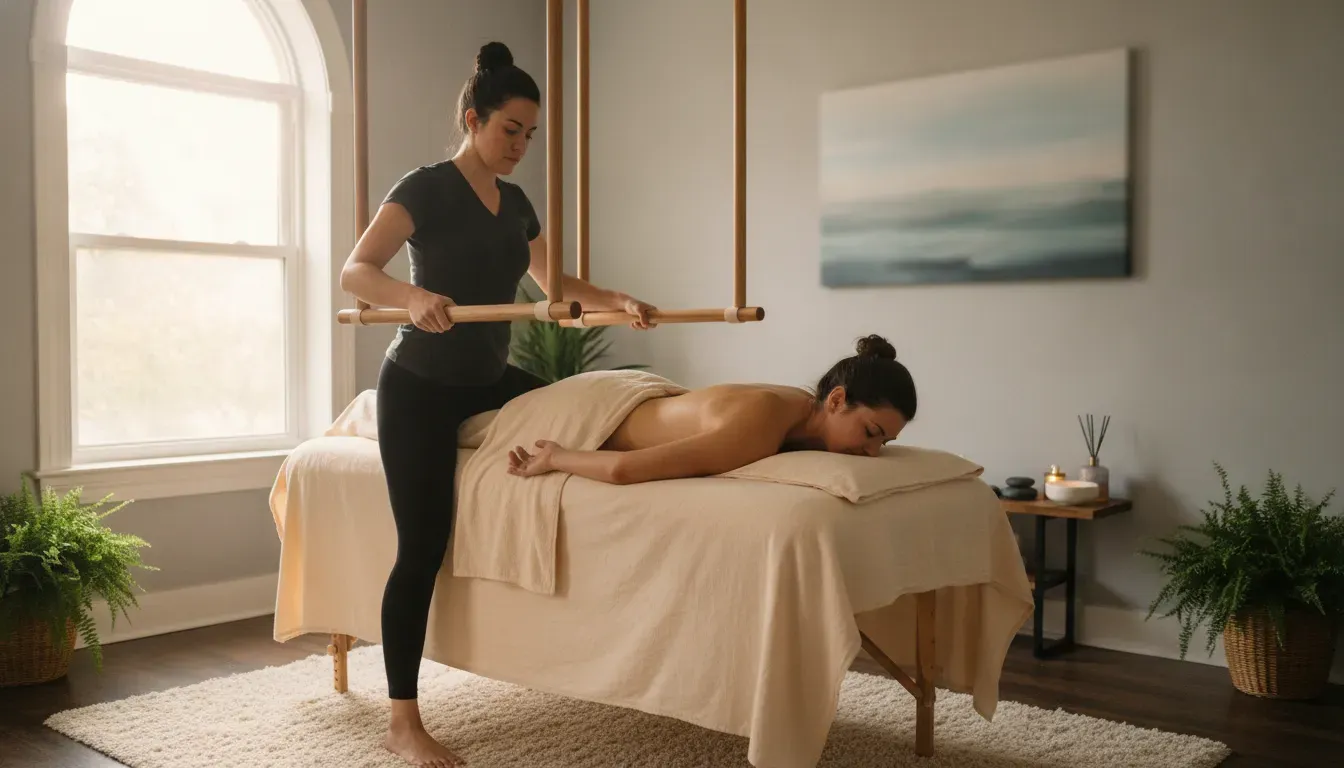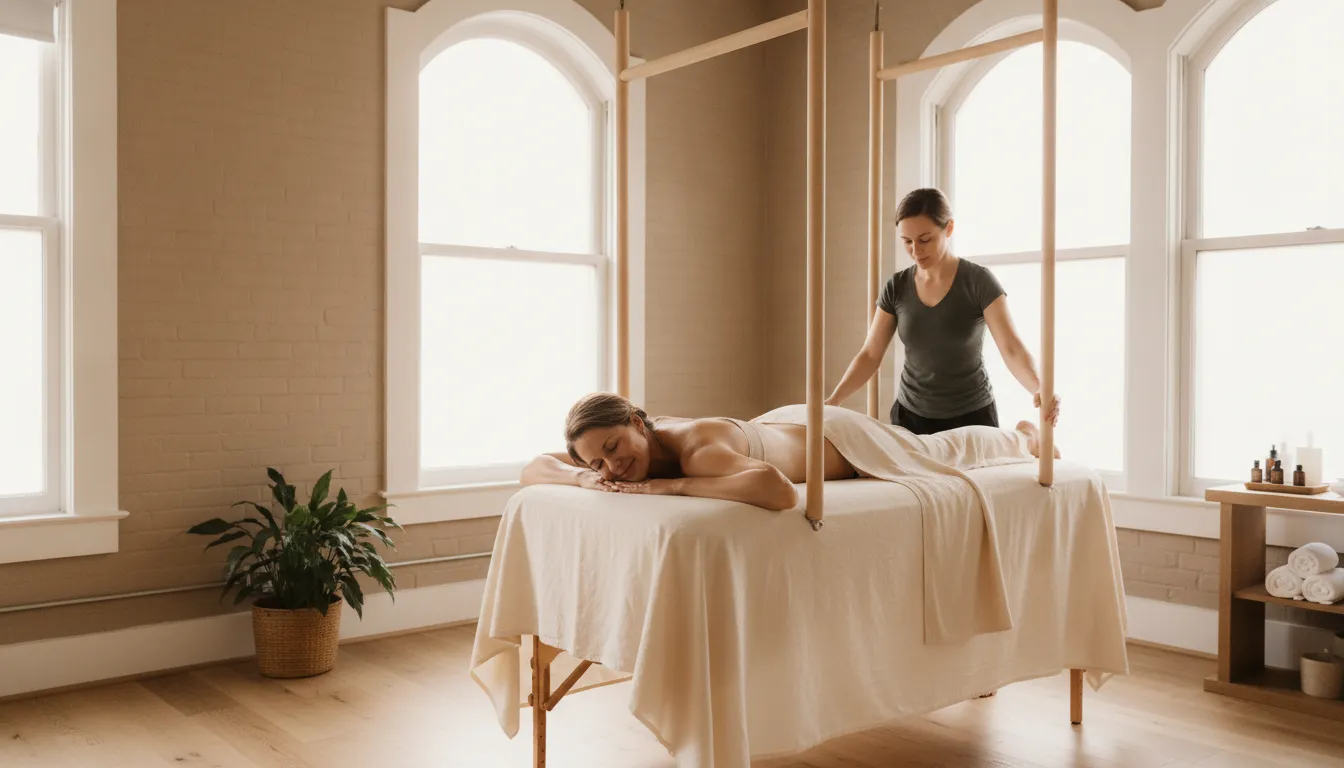

Long days exploring the city, indulging in amazing food, and maybe a few late nights—it’s the New Orleans way. But all that fun can leave you feeling puffy and tired. A lymphatic massage is the perfect way to hit the reset button. This specialized, gentle treatment helps reduce fluid retention and supports your body’s natural detoxification. You’ll feel less sluggish and bloated almost immediately. For a therapeutic experience that leaves you feeling lighter and refreshed, a lymphatic massage in New Orleans is a must. Here’s everything you need to know before you book.
Key Takeaways
- Understand the gentle purpose: Unlike deep tissue massage, lymphatic drainage uses a very light, rhythmic touch. Its goal is to encourage your body’s natural fluid circulation to reduce swelling and support your immune health, not to work out muscle knots.
- Prioritize credentials and experience: A safe and effective lymphatic massage requires specific skills. Look for a therapist with certifications in Manual Lymphatic Drainage (MLD) and feel confident asking about their training and background.
- Prepare for a better experience: Simple actions can make a big difference in your results. Arrive for your appointment well-hydrated, and plan to drink plenty of water and take it easy for the rest of the day to support your body’s healing process.
What Is Lymphatic Massage and Why Should You Try It?
If you’ve heard people talking about lymphatic massage, you might be curious about what it is. Unlike the deep work of a Swedish or deep tissue massage, this technique supports one of your body’s most important systems. It’s a gentle, rhythmic massage that can have a profound effect on your overall sense of well-being.
How Your Lymphatic System Works for You
Think of your lymphatic system as your body’s internal cleaning crew. This complex network of vessels and nodes collects excess fluid and waste from your tissues so your body can filter it out. The system is also a cornerstone of your immune health, producing and transporting cells that help you fight off infections. When it’s flowing smoothly, it helps maintain fluid balance and keeps your immune defenses strong.
What Are the Real Benefits of Lymphatic Drainage?
The goal of a lymphatic drainage massage is to encourage the natural movement of lymph fluid. Using very light, specific strokes, a trained therapist can help clear congestion and get things flowing properly. This is especially helpful for reducing swelling and puffiness, whether from a long flight or a tough workout. Many people report feeling lighter and less sluggish after a session. It’s also a great way to support your body’s natural defense mechanisms.
Improves Skin Appearance
We’ve all had those mornings where our face looks a little puffier than usual, especially after enjoying the rich cuisine and vibrant nightlife of New Orleans. This is often due to fluid retention, and it’s where lymphatic massage can make a visible difference. The technique helps reduce swelling and fluid buildup beneath the skin. By encouraging better circulation, it can diminish puffiness around your eyes and jawline, leading to a more defined and refreshed appearance. Over time, this improved flow can also enhance your skin’s texture, giving it a healthier and more radiant look. It’s a natural way to support your skin from the inside out.
Lessens Heaviness in Limbs
After a long day of walking through the French Quarter or standing at a festival, it’s common for your legs and arms to feel heavy and tired. That sensation is often caused by lymph fluid that has pooled in your limbs. A lymphatic massage is specifically designed to address this by gently moving the fluid along. This process helps lessen the swelling, also known as edema, that can build up in your system. By clearing this congestion, the massage can relieve that feeling of heaviness, helping your limbs feel lighter and more comfortable. It also supports your body’s ability to remove toxins and reduce inflammation, which contributes to a greater sense of overall well-being and faster recovery.
Let’s Clear Up Some Lymphatic Massage Myths
There are a few myths about lymphatic massage worth clearing up. It’s not the same as a regular massage; while a deep tissue massage uses firm pressure, lymphatic drainage requires a specialized, feather-light touch. Another misconception is that it’s a “detox” that flushes toxins out. A more accurate way to think about it is that the massage supports your body’s own detoxification processes, helping your natural systems do their job more effectively.
Myth: Lymphatic Massage Is the Same as Incision Drainage
A significant and potentially harmful misconception is that lymphatic massage is a form of incision drainage, especially after cosmetic surgery. This is incorrect. Lymphatic massage is a gentle, non-invasive technique that supports the body’s natural process of moving fluid through the lymphatic system. A trained therapist uses light, rhythmic strokes on the surface of the skin to reduce swelling and improve circulation. It is a wellness treatment designed to support your immune system and help with general fluid retention. Incision drainage, on the other hand, is a separate medical procedure that should only be performed by a qualified healthcare provider. Confusing the two can be risky, so it’s essential to understand that a lymphatic massage is a supportive therapy, not a post-operative intervention for draining wounds.
Is Lymphatic Massage Right for You?
While lymphatic massage is known for its role in medical recovery, its benefits are not just for patients. It’s a wonderful option for anyone looking to reduce swelling, ease feelings of heaviness, or simply support their body’s wellness. If you find deep pressure massages too intense, the gentle nature of lymphatic drainage could be a perfect fit. Our team of experienced therapists can help you decide if this treatment aligns with your personal health and wellness goals.
Who Can Benefit from Lymphatic Massage?
Lymphatic massage is a great choice for a wide range of people, not just those recovering from surgery. If you’re dealing with swelling from travel, have recently been sick, or simply feel sluggish and puffy, this gentle treatment can help. It’s also beneficial for anyone looking to support their body’s natural circulation and immune function as part of a general wellness routine. Many people find it incredibly relaxing and report feeling lighter and more clear-headed afterward. Because it’s so gentle, it’s an excellent alternative for those who find deeper massage services too intense but still want a therapeutic experience.
When to Be Cautious Before Booking
While lymphatic massage is safe and gentle for most people, there are times when you should be cautious. If you have an active infection, certain blood vessel problems, or a serious long-term health condition, it’s important to talk with your doctor before booking an appointment. The goal is to support your body, and in some cases, stimulating the lymphatic system might not be advisable. Your health and safety are the top priorities, so always communicate openly with your massage therapist about your health history. A well-trained professional will know when to proceed and when to recommend you seek medical advice first.
Your First Lymphatic Massage: What to Expect
If you’re new to lymphatic massage, it’s natural to have questions about what the experience will be like. Unlike the deep pressure you might associate with other massages, this technique is incredibly gentle and rhythmic. Your appointment is a time for your body to rest and reset, so knowing what’s coming can help you relax and get the most out of your session. From the moment you walk in, the focus is on creating a calm, healing environment.
What Does the Massage Actually Feel Like?
The first thing you’ll notice about a lymphatic drainage massage is its light touch. The goal isn’t to work out knots in your muscles, but to gently encourage the movement of lymph fluid just below the skin. Your therapist will use slow, rhythmic, and precise hand movements on specific areas of your body. This helps direct fluid toward your lymph nodes, where it can be properly filtered. The pressure is often described as feather-light, making it a deeply relaxing and soothing experience. It’s a fantastic, non-invasive way to support your body’s natural detoxification process and reduce swelling.
Understanding Session Details: Length, Frequency, and Cost
How Long Are Sessions and How Often Should You Go?
Lymphatic massage sessions are tailored to your specific needs, typically lasting between 30 and 90 minutes. The right session length depends on whether you’re focusing on a specific area, like your face or legs, or seeking a full-body treatment. For general wellness, you might schedule a massage whenever you feel sluggish or puffy. However, if you’re addressing a particular concern, such as recovery from surgery or chronic swelling, your therapist might recommend a series of sessions scheduled closer together to achieve the best outcome. This consistent approach helps retrain your lymphatic pathways and maintain fluid balance over time. Your therapist will work with you to create a plan that aligns with your goals and lifestyle.
Managing Expectations for Results
It’s helpful to know what to expect from your lymphatic massage. Many people report feeling lighter and more relaxed after just one appointment, but the full benefits often build over a series of treatments. The goal is to support your body’s natural processes, and consistency is key to maintaining those results. To help your body get the most from each session, simple preparation can make a big difference. Arriving well-hydrated and continuing to drink plenty of water after your massage will enhance the results by supporting your system as it moves and filters fluid. Remember to give yourself time to rest afterward and allow your body to fully integrate the work.
How to Prepare for Your Session
To make your appointment as stress-free as possible, plan to arrive about 10 to 15 minutes early. This gives you plenty of time to find our studio, settle in, and complete any necessary paperwork without feeling rushed. Arriving with a few minutes to spare allows you to transition from the hustle of your day into a state of calm before your session even begins. It’s also a good idea to be well-hydrated beforehand. Taking these simple steps helps you fully embrace the relaxing experience our team of therapists works hard to provide.
Planning for Post-Surgical Massage
If you’re considering lymphatic massage to support your recovery after surgery, a little planning goes a long way. It’s a good idea to book your sessions two to three weeks before your surgery date, which ensures you have your appointments secured and can focus on resting. Depending on your procedure, you might benefit from a series of treatments over a few months to effectively manage swelling and support healing. Most importantly, make sure you find a therapist with specific certifications in Manual Lymphatic Drainage (MLD). This specialized training is key to a safe and effective post-surgical recovery. To get the most from your massage, remember to drink plenty of water beforehand and plan for a quiet, restful day afterward to help your body with the healing process.
Caring for Yourself After Your Session
After your massage, the best thing you can do for your body is to continue hydrating. Drinking plenty of water helps your lymphatic system flush out the toxins that were moved during your session. You might also want to take it easy for the rest of the day; avoid strenuous exercise and allow your body time to process the treatment. For long-term benefits, especially if you’re addressing a specific issue like post-surgery swelling, consistency is key. Regular sessions can make a significant difference in your overall wellness. You can explore all of our massage services to build a routine that works for you.
How You Might Feel Afterwards
Immediately after your lymphatic massage, you’ll likely feel deeply relaxed. Many people also report feeling lighter and less sluggish, as the gentle movements help reduce fluid retention and support your body’s natural processes. It’s also completely normal to feel a little tired afterward. This is just a sign that your body is processing the treatment and your systems are hard at work. This is why continuing to drink water throughout the day is so important. Proper hydration gives your lymphatic system the support it needs to effectively move and filter the fluid that was stimulated during your session, helping you get the most out of your experience.
Lifestyle and Nutritional Support for Your Lymphatic System
A lymphatic massage is a great way to support your body, and you can continue that support with a few simple daily practices. Since your lymphatic system doesn’t have a central pump like your heart, it relies on muscle movement to keep fluid circulating. Incorporating gentle exercise into your routine, like a daily walk, stretching, or yoga, can make a huge difference in maintaining healthy lymphatic flow. Staying hydrated and eating a balanced diet also plays a key role. Foods rich in antioxidants and vitamins help strengthen your immune system, which is closely tied to your lymphatic health. These healthy habits work together with your massage to help your body’s natural systems function at their best.
How to Find a Great Lymphatic Massage in New Orleans
Finding the right massage therapist is key to having a great experience, especially for a specialized service like lymphatic drainage. New Orleans has many options, but knowing what to look for will help you choose a provider who can deliver the results you want. The goal is to find a professional who is not only skilled in the technique but also understands your individual needs, ensuring you leave feeling refreshed and cared for. A little research upfront can make all the difference in your wellness journey.
What Makes a Provider Stand Out?
When you’re looking for a lymphatic massage, focus on the therapist’s qualifications and experience. A standout provider will have specialized training and certification in Manual Lymphatic Drainage (MLD). This isn’t just a variation of a standard massage; it’s a precise technique that requires a deep understanding of the lymphatic system. An experienced therapist knows how to apply the right amount of gentle pressure to encourage fluid movement without overwhelming your system. Ask about their background, especially if you’re seeking treatment for post-surgical swelling or other specific conditions. A truly great provider will be happy to discuss their expertise and how they can help you meet your wellness goals.
How We Do Lymphatic Drainage at Nola Bliss
At Nola Bliss, we see lymphatic drainage as a vital part of a holistic wellness plan. Our therapists are trained in a gentle and effective approach designed to help your body’s natural detoxification process. By stimulating your lymphatic system, our massage helps reduce water retention and flush out waste products, leaving you feeling lighter and more revitalized. We believe in personalized care, which is why our dedicated team takes the time to understand your needs before every session. We are committed to providing a therapeutic experience that supports your body’s health from the inside out, helping you feel your absolute best.
How to Choose the Perfect Therapist
Finding the right massage therapist is a personal decision, especially for a specialized treatment like lymphatic drainage. The connection you have with your therapist and their expertise can make all the difference. This guide will help you find a professional you can trust.
What Credentials Should Your Therapist Have?
First, check for credentials. A qualified lymphatic massage therapist needs specialized training beyond a standard massage license. Look for professionals who are Certified Lymphedema Therapists (CLTs), which means they’ve completed in-depth training. Many also have training in Complete Decongestive Therapy (CDT), the gold standard for lymphedema treatment. Don’t hesitate to check a therapist’s bio or ask the studio about their team’s specialized training and qualifications. It’s your assurance you’re in knowledgeable hands.
Key Questions to Ask Your Therapist
A great therapist will welcome your questions. Before booking, prepare a short list to gauge their experience. Ask about their certifications in Manual Lymphatic Drainage (MLD) and where they trained. It’s also helpful to ask about their experience with clients who have similar needs, whether for post-surgical recovery or general wellness. Their answers should be clear and confident, helping you find the right fit for your therapeutic massage goals.
How to Read Reviews Like a Pro
Online reviews are a great resource, but it helps to know what to look for. Go beyond the star rating and read what people are saying. Look for comments that mention the therapist’s professionalism, knowledge, and gentle touch. Reviews describing how the therapist listened and tailored the session are a fantastic sign. Pay attention to recurring themes. If multiple clients praise a therapist for being attentive and effective, you can feel more confident. Specific feedback about results is much more telling than generic praise.
Red Flags to Watch Out For
It’s just as important to know what to avoid. Be cautious of any therapist who promises miraculous cures or uses aggressive, deep-pressure techniques for lymphatic drainage. True lymphatic massage is exceptionally gentle, designed to stimulate a delicate system just beneath the skin. If a provider claims their technique should be painful to be effective, that’s a major red flag. Also, be wary of anyone who isn’t transparent about their credentials. Your comfort and safety are the top priorities, so trust your gut.
Ready to Book Your First Session?
You’ve done your research and know what you’re looking for. Now comes the best part: scheduling your appointment and getting the relief you deserve. Making that final choice can feel like a big step, but a few practical considerations will help you book with total peace of mind. Think about what works best for your schedule, what kind of experience you want, and what will make you feel most comfortable and cared for.
Finding a Time and Place That Works for You
Your massage should reduce stress, not add to it. Finding a conveniently located studio is key, especially if you’re a visitor exploring the city or a local fitting self-care into a busy day. Our studio in the Warehouse District is just a short walk from the Convention Center, major downtown hotels, and the French Quarter, making it easy to find your moment of bliss. While some services offer in-home massage, a dedicated studio provides a serene, professional environment free from distractions, allowing you to fully immerse yourself in the experience. We are open by appointment only but can often accommodate same-day bookings to fit your schedule.
Should You Add Enhancements to Your Massage?
A great massage can be made even better with thoughtful enhancements that target your specific needs. Many studios offer add-ons that can deepen your relaxation and increase the therapeutic benefits of your session. For example, if you’re dealing with muscle tension and inflammation, you might consider adding CBD oil to your massage. For an incredibly soothing experience that melts away stress, you can request Hot Himalayan Salt Stones. These additions allow you to customize your session and are a wonderful way to get more out of your time on the table.
Book Your Appointment with Confidence
Finally, you should feel completely confident in the provider you choose. Confidence comes from knowing you’re in the hands of skilled professionals who are passionate about their work. Look for a studio with a dedicated team of experienced, licensed massage therapists who are committed to the art of healing. When you book at a place known for its high standards and exceptional team of therapists, you can relax knowing you’ll receive a safe, effective, and deeply therapeutic treatment. Choosing a provider with a stellar reputation allows you to simply show up and let go.
Related Articles
Frequently Asked Questions
How is lymphatic massage different from a deep tissue massage? The main difference is the pressure and the goal. A deep tissue massage uses firm, strong pressure to target muscle knots and tension deep within the muscle layers. A lymphatic massage, on the other hand, uses an extremely light, gentle, and rhythmic touch to stimulate the flow of fluid just beneath the skin, which is where your lymphatic system operates.
Will the massage be painful? Not at all. In fact, it’s one of the most gentle forms of massage you can receive. The pressure is feather-light and rhythmic, designed to be soothing and deeply relaxing. If you ever feel discomfort, you should always let your therapist know, but this technique is specifically designed to be non-invasive and comfortable.
Who can benefit from a lymphatic massage? While it’s well-known for helping with recovery after surgery, its benefits are much broader. It’s a wonderful choice for anyone looking to reduce puffiness or swelling, ease feelings of sluggishness, or simply support their body’s overall wellness. If you find other types of massage too intense, the gentle nature of lymphatic drainage could be perfect for you.
What should I do after my appointment to get the best results? The most important thing is to drink plenty of water throughout the day. This helps your body continue the process of flushing everything out. It’s also a good idea to take it easy and avoid any intense activity for the rest of the day. Giving your body time to rest allows you to fully absorb the benefits of the session.
How do I know if a therapist is properly trained for this? A qualified therapist will have specialized certification in Manual Lymphatic Drainage (MLD). This is advanced training that goes beyond a standard massage therapy license. You should feel comfortable asking about a therapist’s credentials and their specific experience with lymphatic work. A true professional will be happy to share their qualifications with you.