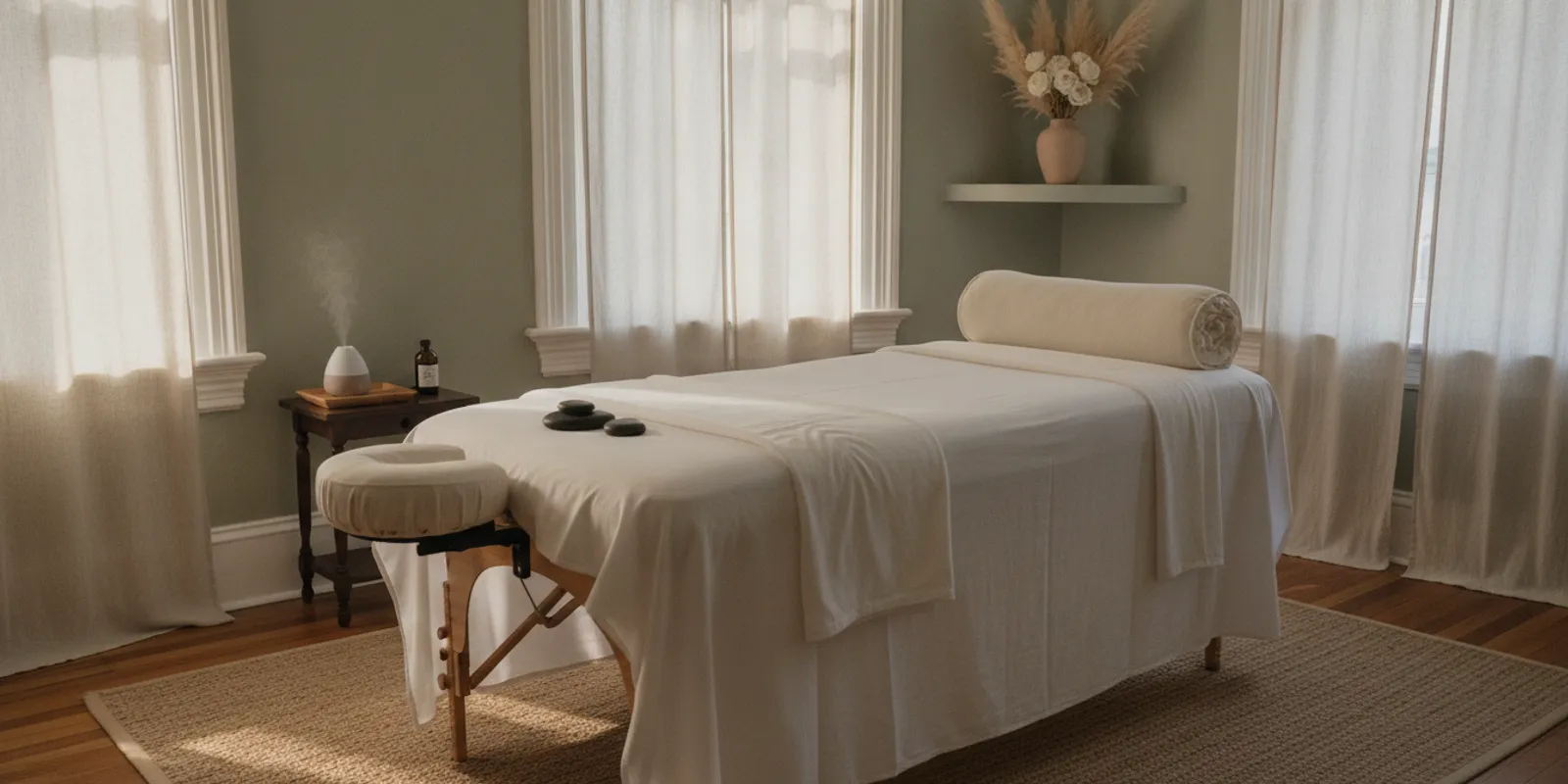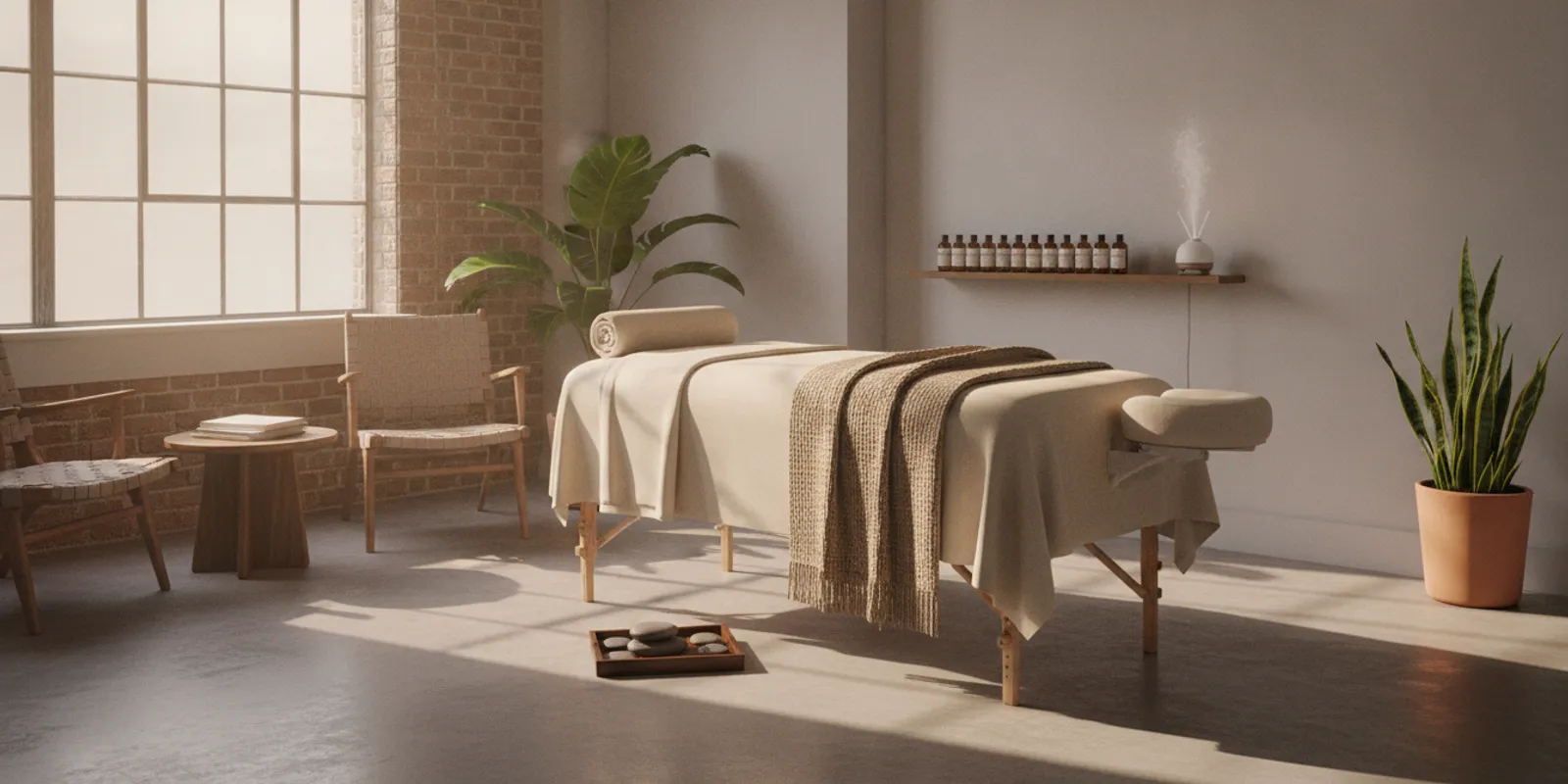

Swedish massage for relaxation is often chosen for its flowing strokes, adaptable pressure, and room to shape the session around personal preferences. It is not a test of how much pressure you can tolerate, and it does not have to follow one fixed routine. A useful first step is to decide what kind of experience you want, then tell the therapist what feels comfortable and what should be avoided.
Ask about scheduling a massage
What does Swedish massage involve?
Swedish massage is a broad approach that may include long gliding strokes, kneading, rhythmic tapping, gentle shaking, or movement of the joints. The therapist can vary the pace, sequence, and pressure based on your goals and feedback. One appointment may emphasize a quiet, light-pressure experience across much of the body; another may include more attention to the shoulders or back while remaining comfortable for the client.
You do not need to know the technical names of massage techniques to explain what you want. Everyday descriptions are useful: “I would like a calm full-body session,” “Please use light pressure,” or “I would like to avoid my lower back today.” If you are unsure what to request, say that you are new to massage and ask what to expect.
Relaxation is not measured by how much pressure you can withstand. If pressure feels sharp, causes you to brace, or simply does not feel right, ask for a change. You may request lighter or firmer pressure, a slower pace, a different technique, a pause, or no work on a particular area. Feedback is part of shaping the session, not an interruption.
Massage research covers different methods, populations, and outcomes, so it cannot promise the same result for every person. The National Center for Complementary and Integrative Health overview of massage therapy research describes evidence and limitations across conditions. Treat a massage as a personal wellness experience rather than a guaranteed answer to a medical problem.
How can Swedish massage support a relaxing experience?
A relaxing appointment depends on more than the service name. Your comfort with the setting, the pace of the work, the pressure, and the ability to communicate all matter. Telling the therapist what you prefer gives the session a more useful starting point than silently hoping the routine will match your expectations.
For example, imagine that you have spent a full day traveling and want to unwind rather than focus intensely on one muscle. You might ask for a general session with light-to-moderate pressure, a slower pace, and care around any sensitive area. A visitor attending a downtown conference may also want to leave enough time to arrive without rushing. These are practical preferences, not demands for a particular outcome.
Someone else may want a calming session while mentioning tension around the neck and shoulders. That does not automatically mean that firmer or deeper pressure is the right choice. Explain what you notice and let the therapist discuss what approach could fit. Stronger pressure is not inherently more effective or more relaxing.
A published study available through PubMed Central compared Swedish and Thai massage in relation to physiological and psychological measures. A study can offer context, but its results do not predict how one appointment will feel for you. Research participants, methods, and measures differ from an individual client’s circumstances.
How can you tell whether this style fits your goal?
Begin with the experience you want rather than a result you expect a massage to guarantee. Swedish massage may be worth discussing if you want flowing, adaptable work across the body, a calmer pace, or room to adjust pressure. If you have a new injury, unexplained symptoms, or a medical concern, seek appropriate clinical guidance before treating massage as the next step.
Massage styles can overlap, and a therapist may adjust emphasis after hearing your preferences. NOLA Bliss offers Swedish and deep tissue massage, as well as Ashiatsu and prenatal massage. Review the massage services to learn about available approaches. If a distinct foot-based method interests you, the Ashiatsu massage information can help you prepare questions.
Before choosing, consider these points:
- Your main goal: Are you looking for a general calming session, focused attention, or help deciding between approaches?
- Your pressure preference: Do you usually prefer light, moderate, or firmer touch? You can revise your request at any time.
- Areas to avoid: Note sensitive areas, recent injuries, skin concerns, or places you do not want touched.
- Need for clinical guidance: If you have a significant health concern or are unsure whether massage is appropriate, ask a qualified healthcare professional.
How do common massage approaches compare?
This comparison is a starting point for a conversation, not a guarantee of how any appointment will feel. The therapist, your stated preferences, and relevant health information can all affect the plan. Ask questions before booking if you are uncertain.
| Approach | Common emphasis | Question to consider |
|---|---|---|
| Swedish | Flowing strokes, kneading, and adaptable pressure | Would I like a calmer general session with room to adjust pressure? |
| Deep tissue | More focused attention and often firmer pressure in selected areas | Do I have a specific goal, and can I communicate when pressure should change? |
| Ashiatsu | A distinct method using the therapist’s feet, with pressure discussed and tailored | Would I like to learn how this approach works before choosing it? |
| Prenatal | Massage adapted for pregnancy, comfort, and relevant guidance | What guidance from my healthcare professional should I share? |
There is no universal winner. A person seeking flowing, adaptable work may prefer to discuss Swedish massage, while someone with a specific focus may ask about deep tissue or Ashiatsu. A pregnant client should discuss appropriate care and any medical guidance before scheduling. The useful choice is one that fits your preferences and can be provided safely.
What should you tell the therapist before the session?
The intake conversation helps the therapist understand your goals and comfort. Be direct about preferred pressure, areas that feel uncomfortable, and any position that may be difficult. Mention if you are new to massage or would like the therapist to explain how the appointment works.
Relevant information may include recent injuries or procedures, pregnancy, significant health conditions, medications relevant to your concerns, allergies, and skin areas to avoid. You do not need to diagnose yourself. Share what you know and ask whether a change or postponement is appropriate. Medical questions belong with a qualified healthcare professional.
Communication can continue throughout the session. Useful phrases include:
- “Please use lighter pressure here.”
- “That area is sensitive; please skip it.”
- “Could you slow down?”
- “That pressure is comfortable; please keep it around this level.”
- “I need a pause.”
You do not need to apologize for giving feedback. A clear request helps the therapist adjust the session and helps you remain comfortable. If your preference changes, say so rather than trying to endure an experience that no longer feels right.
How should you prepare for Swedish massage for relaxation?
Preparation can be simple. The goal is to arrive with enough time to settle in and to communicate clearly about comfort.
- Choose a realistic goal. Decide whether you want general relaxation, light attention to a particular area, or help discussing which service may fit.
- Make a short health and comfort list. Note injuries, procedures, pregnancy, health conditions, allergies or skin concerns, and areas to avoid.
- Plan your pressure request. Start with the level you think you prefer, remembering you can change it at any time.
- Allow time to arrive. If you are coming from a hotel, workplace, or event, review the studio’s parking and access information so you can plan your arrival.
- Wear practical clothing for travel. The therapist can explain changing and draping; focus on arriving comfortable and ready to talk.
At the beginning, the therapist can explain how to get comfortable and how draping works. You remain appropriately covered, with only the area being worked exposed. Ask questions if anything is unclear. You can decline work on an area, request a position change, or end the session if you no longer feel comfortable.
A simple example can help you prepare: “I would like a quiet, general session with light pressure. My shoulders are a little sensitive, and I would prefer no work on my right knee.” This gives clear direction without requiring you to choose a detailed sequence. If the therapist asks follow-up questions, answer as specifically as you can.
What can you expect during and after the appointment?
During a relaxing session, you may notice your breathing settle or your attention move away from the day’s demands. You may also notice that an area is more sensitive than expected. Both observations are useful. Tell the therapist what you are experiencing instead of silently enduring it.
Massage should not require you to brace against pain. If you feel sharp pain, dizziness, nausea, numbness, unusual shortness of breath, or another concerning symptom, ask the therapist to stop and seek appropriate help. You can always pause to reassess whether to continue.
People respond differently afterward. You may feel calm, refreshed, tired, or temporarily tender. Allow a little transition time when possible, and drink according to your normal thirst. Do not assume one response predicts every future session. If a symptom is severe, unusual, or persistent, contact a qualified healthcare professional.
Massage is not a substitute for medical evaluation or treatment. If you have a fever, skin infection, a new injury, unexplained pain, a blood-clot concern, or another serious symptom, ask a healthcare professional whether massage is safe and appropriate before scheduling. Postponing an appointment can be the responsible choice when clinical guidance is needed first.
How can you choose a massage studio in New Orleans?
Look for clear communication, respectful boundaries, and a willingness to discuss how the session can be adapted. It should be possible to ask about pressure, draping, scheduling, and differences between services before you commit. Learn more about NOLA Bliss Massage on its about page, then use the service information to prepare specific questions.
Location may matter when you are arranging a visit around work, a hotel, or a convention. NOLA Bliss is in the Warehouse District of Downtown New Orleans. Its Convention Center massage information may help visitors planning around an event. For a shared appointment, review the details for couples massage.
When you contact the studio, explain that your priority is Swedish massage for relaxation and share any important preferences. You can ask which appointment option may fit, what pressure can be discussed, and what to expect on arrival. This direct conversation is more useful than assuming a service label guarantees a particular experience.
Frequently asked questions
Is Swedish massage always gentle?
No. Swedish massage is commonly associated with flowing strokes and adaptable pressure, but each session can vary. Tell the therapist whether you prefer light, moderate, or firmer pressure, and speak up if you want a change.
Can I ask for light pressure throughout?
Yes. State that preference before the session and repeat it if needed. You can also request a slower pace, a different technique, or no work on a particular area.
Should I choose Swedish or deep tissue massage?
Base the discussion on your goal, comfort, and conversation with the therapist. Swedish massage may suit a flowing, adaptable session, while deep tissue is often more focused. Review the available massage options and ask which approach fits your needs.
How often should I book a massage?
There is no schedule that suits everyone. Consider your preferences, budget, response to the appointment, and any guidance from a healthcare professional. You can begin with one session and decide later whether another visit makes sense.
Can I book while visiting New Orleans?
Visitors can contact the studio to ask about availability and the service that matches their preferences. If you are attending a convention or staying downtown, plan travel time and review access details before your visit.
Contact NOLA Bliss to discuss your visit
A comfortable Swedish massage for relaxation begins with an honest conversation about what you want, what you do not want, and how the pressure feels along the way. With those preferences in view, you can make a more confident choice for your next session.