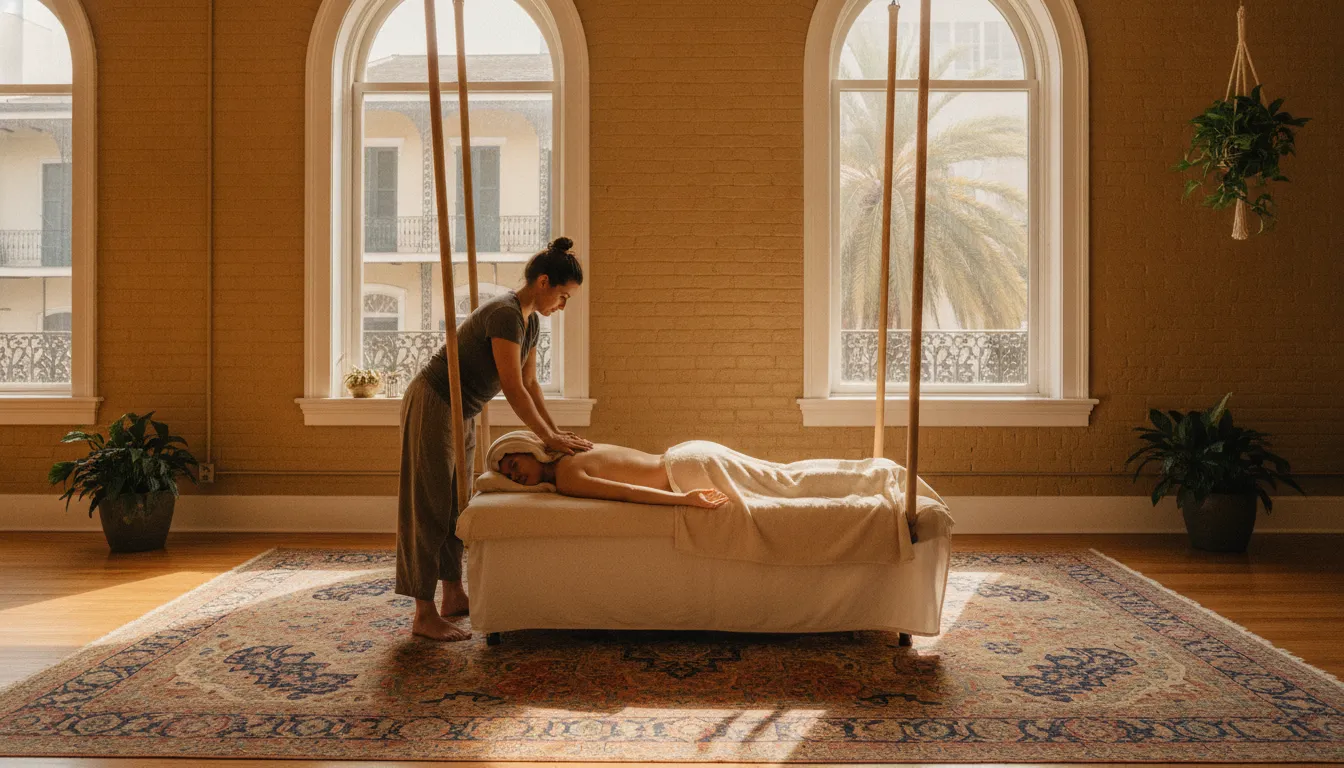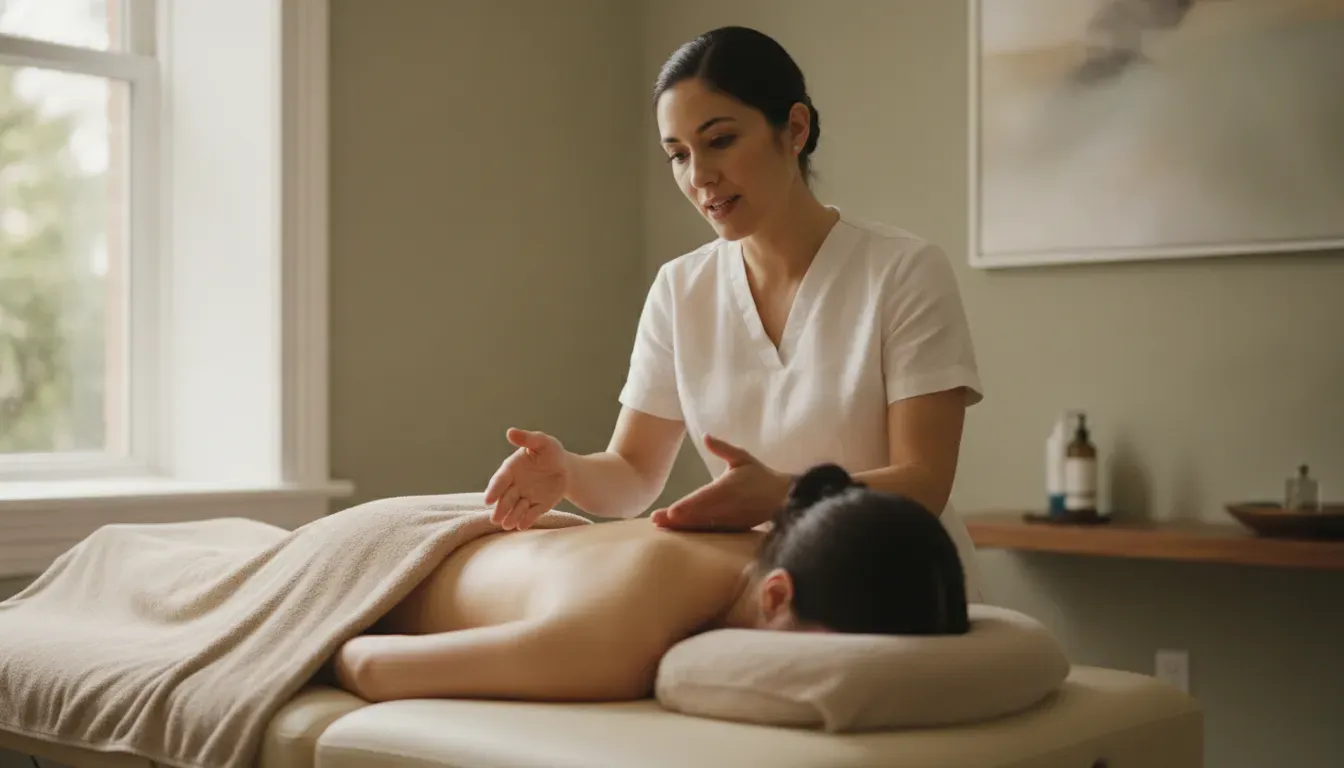
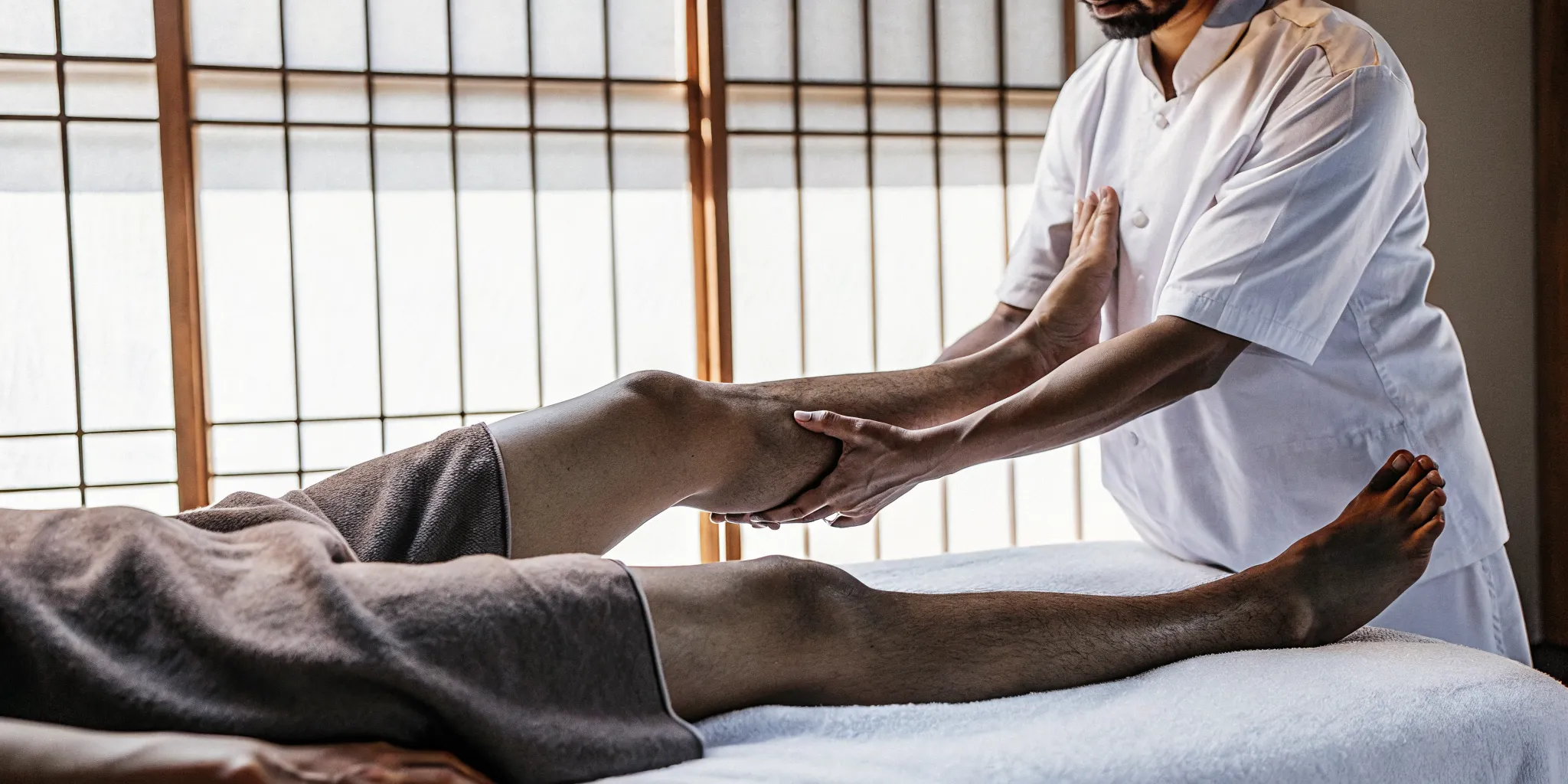
Should you schedule a massage before or after marathon day? The answer depends on your goal. A light session three to five days before the race can help you feel relaxed and mobile. Gentle work 24 to 48 hours afterward can support comfort while soreness settles. Deep pressure belongs later, after acute tenderness and swelling have eased.
Book a therapeutic massage at NOLA Bliss Massage and tell your therapist your race date so the session can be tailored to your training or recovery stage.
Massage before or after marathon: the short answer
Picking a massage before or after marathon depends on your main goal. Most runners find that both choices offer good perks during race week. A pre-race session helps you feel loose and ready for the start line. A post-race session focuses on healing and easing the deep ache that comes after 26.2 miles. Our team of experts can help you pick the best plan for your body.
Timing your pre-marathon session
You should book a pre-race massage about three to five days before your big run. This lead time lets your muscles settle and feel fresh for the race. It is best to stick with light, steady strokes that boost blood flow but do not cause new pain. This approach helps you stay calm and keeps your legs feeling light as you taper your training.
Avoid deep work or strong pressure right before your marathon. Hard work can leave your muscles feeling heavy or sore for a few days. If you have not had many sports massages, do not try a new, deep style just before the race. We can help you with choosing the right massage for recovery if you are not sure which type to book. It is safer to wait and use deeper pressure once the race is done.
Best time for post-race care
Wait 24 to 48 hours after you finish the race to get a massage. Your body needs a short break to settle down from the high stress of the run. A gentle session during this time helps to ease muscle pain and lower fatigue. Research shows that massage after hard exercise helps lower soreness and helps your muscles work better. It is a key step for any runner who wants to get back to their routine faster.
A light touch soon after the race can also help move fluid and reduce swelling. This type of care is a major part of the sports massage benefits for runners that we see at our studio. We offer same-day spots and free downtown parking to make your visit as smooth as possible. Focusing on healing early can help you avoid long-term aches and keep your joints moving well.
| Criteria | Pre-Marathon | Post-Marathon |
|---|---|---|
| Best Timing | 3 to 5 days before | 24 to 48 hours after |
| Pressure Level | Light to medium | Very light and gentle |
| Primary Goal | Loosen tight spots | Ease muscle pain |
| Main Benefit | Better range of motion | Faster muscle healing |
| Best Technique | Steady strokes | Light flushing |
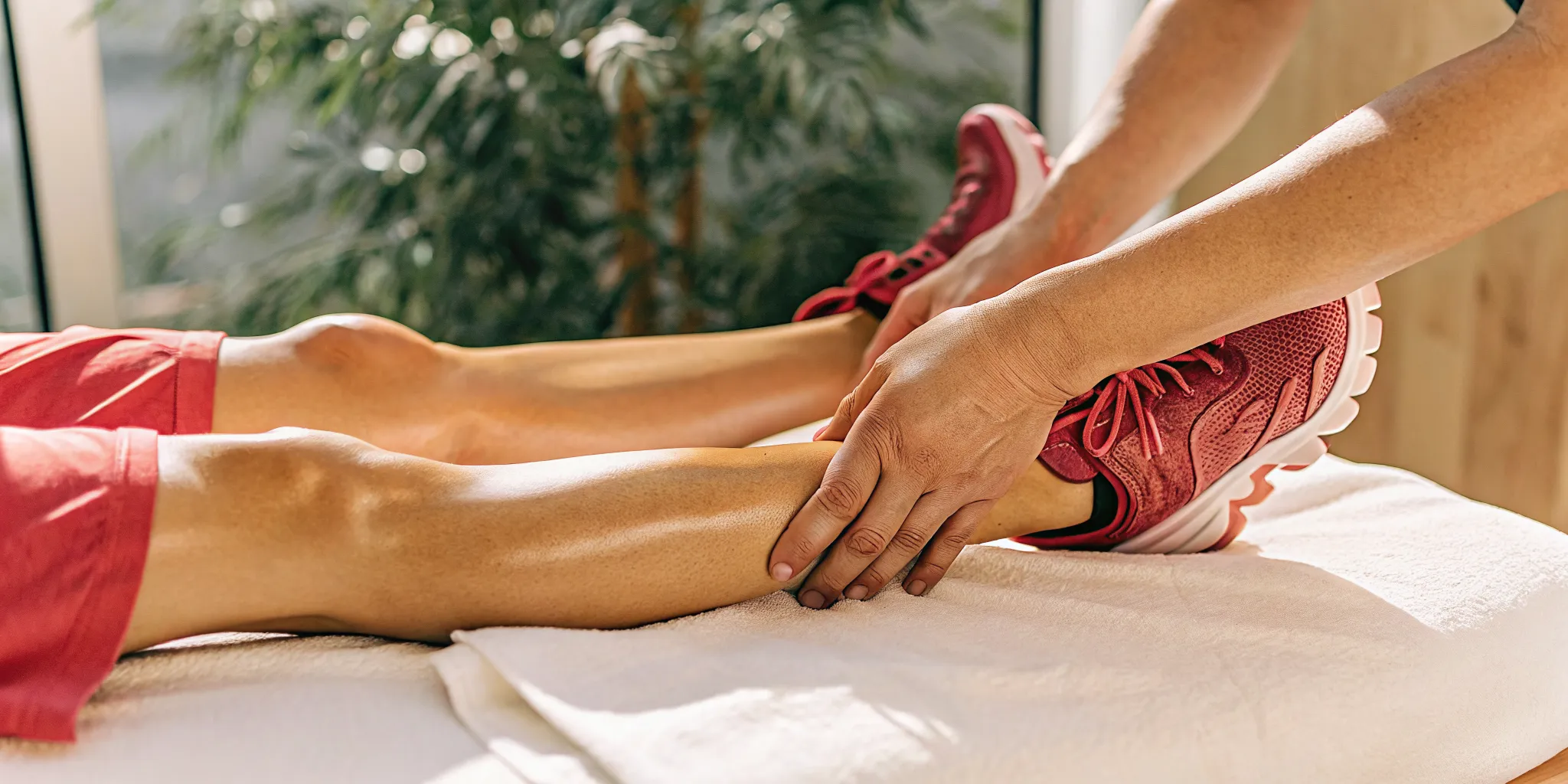
Explore NOLA Bliss Massage services to choose pressure and timing that fit your race plan.
Choosing what works for you
Your choice should match how you feel and what you have done in the past. If you feel stiff during your taper, a pre-race rub can help you move with more ease. If you often have very sore legs after long runs, save your session for a few days after the finish. Both options work best when you drink plenty of water and get good rest.
Talk with your therapist about your goals, race date, and any spots that feel unusually tight.
When should you get a massage before a marathon?
For most runners, the best pre-marathon massage is light to moderate and scheduled three to five days before race day. The goal is comfort, mobility, and relaxation, not fixing a stubborn knot. Avoid unfamiliar techniques and deep pressure close to the race because any resulting tenderness can interfere with your taper.
The ideal timing window
Most experts suggest booking your last massage about 3 to 5 days before the race. This gap gives your body enough time to rest and reset. If you are not used to sports massage, you should wait even longer. In that case, try to go 7 to 10 days before your event. This buffer ensures that any light aches from the session fade before you reach the start line. You want to feel light and quick, not sore.
Going too close to the race day can be risky for your run. A session just 24 hours before might leave your legs feeling dull. You want your muscles to have their real snap and spring when the gun goes off. By giving yourself a few days of rest, you allow the sports massage gains for runners to take full effect. This also helps you stay calm.
Prioritize light pressure and rest
A pre-race massage should be light and gentle. It is best to avoid deep tissue work or very hard pressure right before a marathon. Hard work can cause minor tears in the muscle fibers. This can lead to extra soreness that slows you down. Stick to Swedish styles or light effleurage to move fluid and calm your nerves. This moves blood without adding stress.
The focus should stay on keeping your muscles loose and limber. An expert therapist can tailor the pressure and focus of a session based on what you need. They can help you stay calm so you sleep better in the final nights before the race. This mental rest is just as vital as the body help for a long run. A calm mind helps you handle race nerves.
What to tell your therapist
When you arrive for your visit, be clear about your goals. Tell your therapist that you are about to run a marathon. Mention any spots that feel tight like your quads or calves. This helps them know which parts of your body need a soft touch and which areas to avoid. Talk about any recent aches to keep the session safe. Good talk leads to a better session and a safer race.
If you have a regular routine, stick with it. Do not try a new, intense style of bodywork for the first time right before your race. Knowing what to expect helps your body stay in a steady state. When you work with an expert, they can help you find the best balance of work and rest. This path leads to a strong finish and a healthy healing phase after you cross the line.
How long after a marathon should you wait for massage?
Wait about 24 to 48 hours after a marathon for a gentle recovery massage, provided you have no injury warning signs. Save deep tissue or Ashiatsu work for at least three to five days later, when acute tenderness and swelling have eased. Your therapist should reduce pressure if an area feels painful rather than merely sore.
The first 24 hours after your race
Right after you cross the finish line, your body is in a state of high stress. Your muscles may have small tears and some swelling. A light, gentle massage soon after the marathon can help with quick pain. This style helps move blood flow and lowers muscle tension. It should use a very light touch to flush out waste from your legs. Your tissues are too sore for heavy pressure at this early stage.
Use this first day to focus on rest and good fuel. Eating high-quality proteins and foods that fight swelling helps your body refuel. These foods help repair your tissue so you can move better. Staying well hydrated is also a key part of this first phase of recovery. An expert therapist can help you track how your body feels during these first hours.
The optimal window for recovery
Many runners find that the best time for an expert session is about 24 to 48 hours after the race. Research shows that massage therapy after hard work is good for muscle soreness. This window lets your system settle and lets the first swelling go down. By waiting a day or two, your therapist can use a bit more pressure without causing more pain.
This timing is best for reducing soreness that often peaks a few days post-race. An expert can help lower your fatigue and move fluid through your limbs. Getting a session during this time may also help you feel stronger as you get back to your daily life. At NOLA Bliss Massage, we offer same-day bookings if you find you need relief soon after your race. Our downtown studio has free parking to make your visit easy.
Deep tissue and barefoot techniques
If you want deep pressure or barefoot work like Ashiatsu massage, you should wait at least three to five days. Fluids can build up in your muscles and skin for nearly a week after a long run. For a full session that targets deep knots, waiting four to seven days is often the best choice. This gives your muscle fibers time to mend before they face intense pressure.
When choosing the right massage for healing, always tell your therapist about any pain. They can change the session to match your needs and how sore you feel. Experts at our studio can help you manage sports injuries and lower tension. This long-term view of healing helps you stay healthy for your next big race. You can even book a couples session to recover with a friend.
A practical post-marathon recovery timeline
Recovery after a 26.2-mile race takes time and a clear plan. Your body needs care from the moment you cross the finish line to the weeks that follow. This guide shows how to manage your recovery steps to get back to feeling your best.
Immediate post-race steps
The first few hours after the race are vital for setting the stage for repair. Focus on gentle movement and basic needs first. You should start with a slow walk for 10 to 15 minutes to help your heart rate drop slowly. This keeps blood moving and helps your legs feel less stiff. Drink water and sports drinks based on your thirst and your race plan to start fixing your fluid levels. Eat a small snack with carbs and protein within an hour of finishing to help repair your tissues.
The first 48 hours
Your goal during the first two days is to ease soreness and let your systems settle. It is common for fluids to build up in your muscles and tissues for three to five days after a long run. You can use light tools like foam rollers or get a very soft massage during this time. A light, gentle touch can help boost blood flow and ease tension without causing more strain. If you are looking for professional sports massage in New Orleans, wait at least 24 hours to let your body stabilize after the hard effort.
-
Finish line to 2 hours: Keep moving with a slow walk and start sipping fluids. Change into dry clothes and eat a small, balanced snack to begin refueling.
-
2 to 24 hours: Take a nap or aim for a full night of sleep to let your body repair. You can use ice baths or light stretching if it feels good, but avoid deep work.
-
24 to 48 hours: Eat anti-inflammatory foods like fresh fruit and high-quality protein. This is a good time to book a gentle massage to help with muscle soreness.
-
3 to 7 days: Start very low-impact activities like biking or swimming. Research shows that massage therapy can lower pain and fatigue during this window.
-
1 to 2 weeks: Give your body a full break from high-impact running. Stick to light walks and focus on full rest before you start a new training plan.
Timing your return to run
Do not rush back into hard training. A one- to two-week break from running is best for your body to heal from the stress of the race. Use this time for low-impact work like walking or the elliptical. When you choose your massage for recovery, remember that deeper work like Ashiatsu or deep tissue is best once the initial race soreness has faded. Listen to your body and only add miles when you feel strong and pain-free.
When should a runner skip massage?
Skip massage and seek medical guidance when post-race pain is sharp, focal, worsening, or paired with major swelling, numbness, fever, chest pain, faintness, or an open wound. Massage is appropriate for ordinary soreness, not a suspected injury or medical emergency. When in doubt, delay the appointment and speak with a clinician.
Knowing when to wait will keep you safe and help you get back to running faster. If you are unsure, talk to your doctor before you look for an expert sports massage in New Orleans. Being smart about your health is the first step in a good recovery.
Identify sharp or focal pain
After a long race, most runners feel a dull ache in their legs. This is common and usually safe for massage. But if you have pain that is sharp or stays in one small spot, you should be careful. This is often called focal pain. It can mean you have a bone bruise or even a small break.
Pressure on an injured bone or a torn muscle can cause more damage. If you see big bruises or a lot of swelling, skip the table for now. These signs show that your body has a fresh injury that needs time to calm down. Choosing the right massage for recovery means waiting until the worst of the swelling is gone.
Health signs that signal a no-go
You should never get a massage if you have a fever or feel ill. When you are sick, your immune system is working hard. Massage can move fluids through your body in a way that makes you feel much worse. It can lead to more aches and a longer time to get well. It is also not fair to your therapist or other guests to spread germs.
Check your skin for any issues as well. Do not go to your appointment if you have open cuts, a rash, or a skin infection. Rubbing these areas can spread the infection or make the skin tear. Wait for these spots to heal before you book. Your health and safety are more important than a quick rub down.
Systemic and nerve red flags
Pay close attention to any loss of feeling in your legs or feet. If you feel numb or have “pins and needles” that stay for a long time, stop. These can be signs of nerve pressure. Pushing on a pinched nerve can lead to lasting harm. You should see a medical expert to find the cause of these feelings first.
Systemic issues like chest pain or feeling faint are also serious. Never try to use a massage to fix these problems. Experts at the Mayo Clinic state that while massage helps many conditions, it is not a fix for an emergency. If your heart feels like it is racing or you feel light-headed, get medical help right away. A safe recovery plan always puts your vital signs first.
Which type of massage is best for runners?
The best massage for a runner matches the training phase and pressure tolerance. Choose light Swedish-style work near race day, focused sports massage during training, and deeper tissue or Ashiatsu only after post-race tenderness settles. A skilled therapist should adjust the session to your race date, soreness, injuries, and previous massage experience.
Sports massage for focused training
Sports massage is a top choice for those who run often. This style works on the parts of the body that runners use the most. This includes the legs and hips. It uses a mix of stretching and firm strokes to keep muscles loose. Many runners use this style as part of their weekly plan to help with these goals:
- Keep blood moving to the legs.
- Less tension in the hips and quads.
- More range of motion in the joints.
Timing is a big factor when you book this work. A light session a few days before a race can help your muscles feel ready. But you should not try a new, deep style right before a big event. This could make you sore on race day. Instead, use these sessions during your training weeks to help your body adapt to the miles.
Deep tissue for long term healing
Deep tissue work is not like a usual spa visit. It targets the deep layers of muscle where knots and tight spots live. For a runner, this often means work on the calves and lower back. Research shows that massage after hard work can help lower muscle soreness and help you run better. It works by reaching the spots that a light touch might miss.
If you have long-term pain or old wounds, this style might be the best fit. It helps break up scar tissue. This lets your muscles move more freely. You can see our list of massage services to find a session that fits your plan. Just keep in mind that you may feel a bit tender for a day or two. This is a normal part of the healing process as your body repairs the tissue.
Ashiatsu for deeper pressure
Ashiatsu is a deep style where the expert uses their feet to apply pressure. This allows for long, deep strokes that cover a large area of the body at once. It is a great way to work on the quads and hamstrings. These are the main power sources for runners. Since the expert can use more weight, they can get deep into the muscle. This happens without the sharp pain sometimes felt with thumb or elbow work.
You should be careful with the timing of ashiatsu massage during race week. Because it is so deep, it is best to get this work done at least a week before the race. You could also wait a few days after your marathon. Your muscles need time to rest after such a strong session. When done at the right time, it can help flush out waste. This leaves your legs feeling light for your next run.
Many runners in New Orleans choose this style for its deep gains. It is a great way to handle the high stress that long runs put on the body. By working with an expert who knows the needs of athletes, you can build a plan. This plan keeps you running strong all year long.
How to plan your runner’s massage in New Orleans
Getting ready for a big race in New Orleans is about more than just miles on the road. You also need to think about how your body will feel before and after you cross the finish line. An expert massage can help you stay loose and heal faster. Whether you are a local runner or a guest for a race, planning your visit is key to getting the best results.
Choosing the best time for your session
One of the most common questions is whether to book a massage before or after marathon events. If you want a session before the race, aim for three to five days prior. This timing helps reduce muscle tension without making you feel too sore on race day. You should avoid deep work right before the run, as it can cause fatigue that might slow you down.
For healing, many experts suggest waiting about 24 to 48 hours after you finish. This gap lets your body settle after the intense stress of the race. Research shows that massage therapy after hard workouts is helpful for reducing muscle soreness and boosting power. If you feel very stiff right away, a light and gentle session on the same day can help move fluid and boost blood flow.
What to tell your therapist
To get the most out of your visit, you must talk with your therapist about your goals. Tell them when your race was or when it will be. Share any new pains or old injuries that are bothering you. This info helps them choose the right tools and pressure for your needs.
If you like deep pressure, you might want to try Ashiatsu. This method uses the feet to provide deep and broad strokes that are great for large leg muscles. You can learn more about sports massage help for runners to see which style fits your training plan. Being clear about your symptoms will help the expert focus on the areas that need it most.
Your downtown recovery at NOLA Bliss
Our studio is in the heart of the Downtown Warehouse District. This makes it easy to reach from many local hotels. We know that race plans can change, so we offer same-day spots for those who need last-minute relief. You do not have to worry about the stress of city driving, as we provide free downtown parking for all our clients.
Our expert team has years of skill helping athletes through major events. We focus on healing results to help you get back to your routine quickly. You can check our full list of healing services to find the best match for your needs. Let our award-winning staff help you manage the physical demands of running in New Orleans.
Frequently Asked Questions
Can massage help you heal faster after a marathon?
Yes, studies show that massage can help your body heal faster after a long run. A study on PubMed shows that massage works well to lower muscle aches and help you move better. It works by moving fresh blood to your muscles and easing tight spots. This can help you get back to your training plan with less pain. Many runners also find that it lowers the tired feeling after a hard race.
Why should I avoid deep tissue work right before a race?
Deep tissue work uses strong pressure to reach deep layers of muscle. If you get this done just before your marathon, it can leave your legs feeling heavy or tired. This can cause a tired feeling that might slow you down at the start line. Experts suggest booking a gentle session instead to keep your muscles loose without causing new pain. This way, your body feels fresh and ready to run on race day.
Should I get a massage if I have never tried one before?
It is best not to try new care right before a big race. If you have not had a sports massage during your training, your body may not know how to react. A new style could cause more aches that last for a few days. Instead, use these sessions as part of your training weeks. This lets you see how your muscles respond. If you want a first session, book it at least ten days before the race.
Does massage help with muscle swelling and fluid after a long run?
Yes, a gentle massage can help reduce fluid build-up after a marathon. Research shows that fluid can stay in your muscles for up to five days after a long run. A light touch helps move these fluids and ease swelling in your skin and tissues. This help makes your legs feel lighter and eases tight spots. It is a great way to handle the stress that 26.2 miles puts on your body.
Ready to book a therapeutic massage in New Orleans?
If you skip your post-race care, you risk dealing with stiff muscles and small pains that can soon turn into very lasting and painful injuries. Waiting to treat your sore body only slows your return to the track and makes it much harder to reach your next big fitness goal. Starting your recovery now helps your body clear out waste and fix tight fibers while they are fresh so you can get back to training.
Ready to book a therapeutic massage in New Orleans? Our expert team in the Warehouse District offers same-day slots to help you heal after the race. Book a therapeutic massage in New Orleans to speed up your recovery and feel your best today.