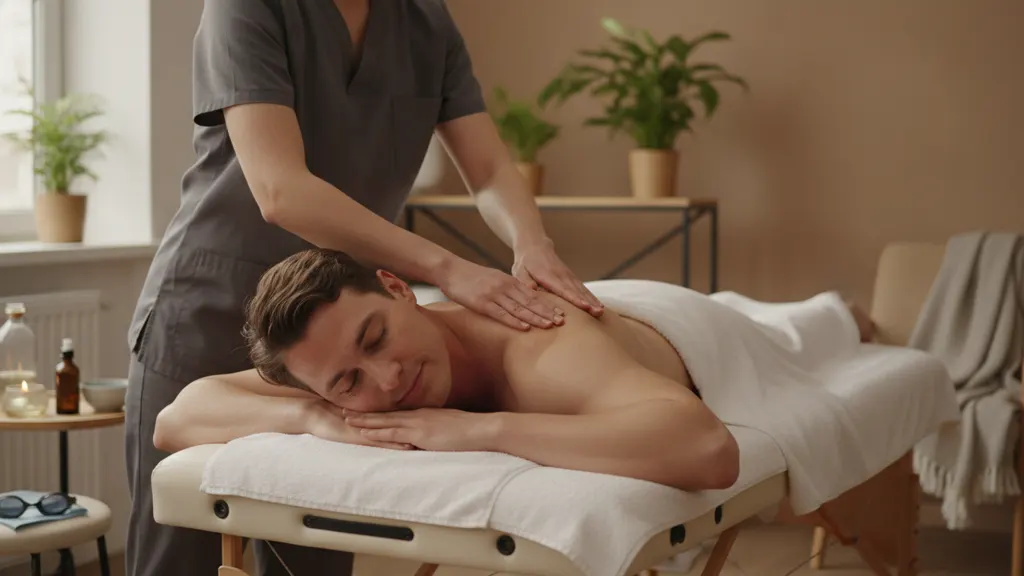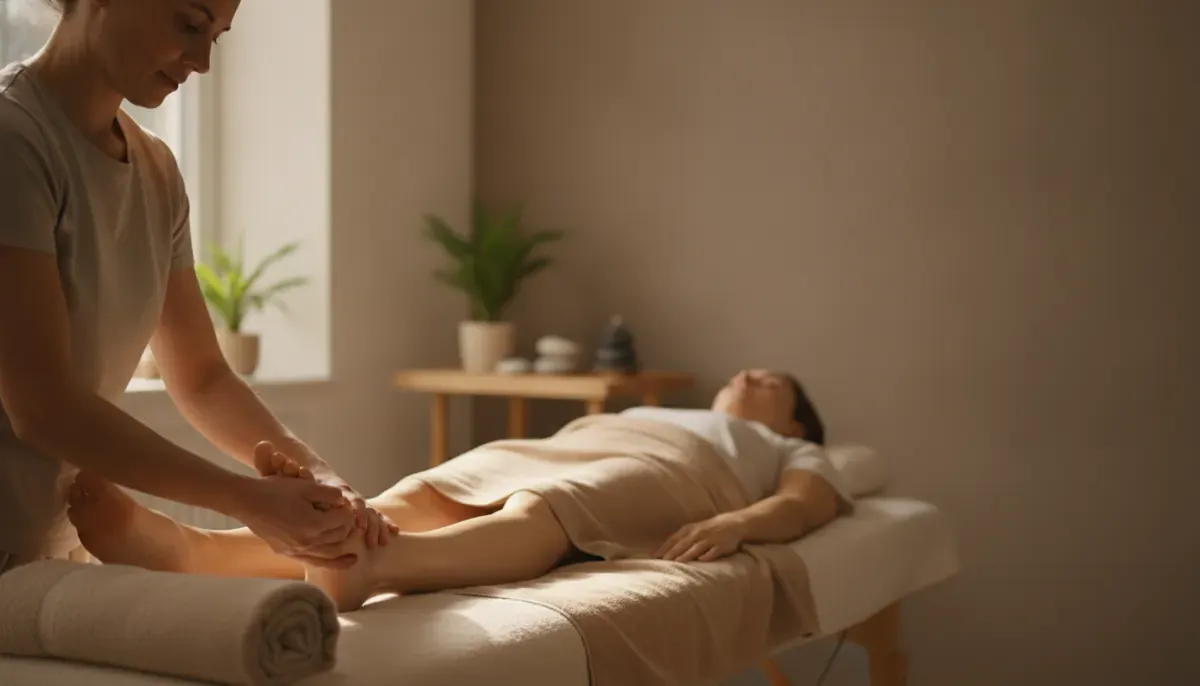

For any athlete, the biggest fear isn’t losing a game—it’s getting sidelined by an injury. That’s why prevention is everything. Proactive bodywork is essential, helping you stay in the game. Regular massage keeps your muscles pliable and balanced, making them less susceptible to the strains and tears that can derail your season. A skilled therapist can even identify and address tension before it becomes a real problem. Think of a consistent massage for athletes as an investment in your longevity. It’s the maintenance that keeps your body finely tuned, allowing you to train harder and safer.
Key Takeaways
- Go beyond relaxation for real results: A sports-focused massage is a strategic tool that improves flexibility, speeds up recovery, and helps prevent injuries. It’s an essential part of maintaining your body for peak athletic performance.
- Make your massage schedule work for you: The key to long-term benefits is consistency. Plan for regular maintenance sessions and time them strategically around your competitions—lighter work before an event and deeper, restorative massage after.
- Match the massage to your athletic needs: Not all massages are created equal. Work with a qualified therapist to choose the right techniques—like targeted Deep Tissue or ultra-deep Ashiatsu—to address your specific training demands and recovery goals.
What Is a Sports Massage, Really?
If you have an active lifestyle, you know the feeling of pushing your body to its limits. Whether you’re a professional athlete, a dedicated marathon runner, or a “weekend warrior” who loves a good game of tennis, your muscles and joints handle a lot of stress. That’s where sports massage comes in. Think of it as a specialized form of massage therapy designed specifically for the active body.
Sports massages are a powerful tool to help you perform better and recover smarter. Unlike a general relaxation massage, this treatment is more targeted and often deeper. The goal is to address the specific strains that athletic activity puts on your system. A skilled therapist will focus on the muscle groups you use most, working to release tension, improve flexibility, and support your body’s natural healing processes. It’s a proactive way to care for your body, helping you stay in the game and feel your best while doing what you love.
Sports Massage vs. Regular Massage: What’s the Difference?
While any massage can feel great, a sports massage is fundamentally different from a standard full-body session. The biggest distinction is its purpose and adaptability. A regular Swedish or Deep Tissue Massage aims for general relaxation or relieving widespread tension. A sports massage, on the other hand, is highly customized to your specific athletic needs. Your therapist can change the session to focus on a nagging injury, incorporate stretches to improve your range of motion, or target the muscles you’ll be using in an upcoming event. It’s a strategic approach tailored to your body and your goals.
Why Does Sports Massage Actually Work?
There’s solid science behind why sports massage is so effective. When you exercise, your muscles work hard, leading to micro-tears, inflammation, and the buildup of metabolic waste like lactic acid. Research shows that a targeted massage can significantly lessen muscle tension, stiffness, and fatigue after a workout. By increasing circulation, massage helps flush out waste products faster, which reduces that post-workout soreness. It also helps prevent injuries by making you more flexible and improving your body’s range of motion. Different techniques offer unique benefits, with methods like deep tissue massage being particularly effective for reducing long-lasting muscle pain and stiffness.
The Science and Stats Behind Sports Massage
Sports massage isn’t just a feel-good treat; it’s a powerful tool grounded in real science. When you push yourself during a workout, your muscles build up metabolic waste products, like lactic acid, which is what causes that familiar post-exercise soreness. Targeted massage therapy is proven to significantly reduce muscle tension, stiffness, and fatigue by getting your circulation moving. This increased blood flow helps to quickly flush out all that gunk, meaning you experience less discomfort and can get back to your training schedule faster. It’s a strategic part of recovery that supports your body’s natural healing process, helping you perform at your best without being held back by unnecessary pain.
Beyond just speeding up recovery, regular sports massage can play a crucial role in injury prevention. Consistent bodywork helps improve your flexibility and range of motion, making your muscles and joints more resilient to the demands of your sport. This is where having a truly experienced therapist makes all the difference. A skilled professional can identify and focus on specific areas of excessive tension—those little knots and tight spots you might not even notice—before they escalate into a more serious strain or tear. Think of it as essential maintenance for your body. This proactive approach not only keeps you healthy but also supports your long-term athletic goals by keeping you off the sidelines and in the game.
How Massage Can Improve Your Athletic Performance
For any athlete, from the weekend warrior to the seasoned pro, massage is much more than a simple indulgence. It’s a powerful tool for maintaining your body, speeding up recovery, and pushing your performance to the next level. Think of it as essential maintenance for your body’s engine. Regular therapeutic massage helps keep your muscles pliable, your joints mobile, and your mind focused, allowing you to train harder and more consistently.
The benefits are backed by science. Research shows that massage therapy can significantly improve how well you perform and how quickly you bounce back after a tough workout. By increasing blood flow, breaking down adhesions in muscle tissue, and calming the nervous system, massage addresses the physical and mental demands of athletic activity. Whether you’re preparing for a marathon, recovering from a Saints game, or just trying to stay active and pain-free, incorporating professional massage into your routine can make all the difference. Our team of licensed massage therapists is experienced in working with athletes to achieve their specific goals.
Gain an Edge with Better Flexibility and Performance
One of the most immediate benefits of massage for athletes is a noticeable improvement in flexibility and range of motion. Tight, overworked muscles can restrict movement, making you less efficient and more prone to injury. Massage works by lengthening muscle fibers, releasing tension, and breaking down scar tissue. This allows your joints to move more freely, giving you a greater range of motion for activities like running, lifting, or swinging a golf club. As experts at Henry Ford Health note, sports massages can make your body more flexible and improve how much you can move your joints. This not only helps you perform better but also makes your movements feel smoother and more powerful.
Speed Up Recovery and Say Goodbye to Soreness
We’ve all felt it: that deep muscle soreness that sets in a day or two after an intense workout. This is known as Delayed Onset Muscle Soreness (DOMS), and it can seriously derail your training schedule. Massage is one of the most effective ways to combat it. According to the American Massage Therapy Association, research shows that massage can help reduce muscle soreness. It does this by increasing circulation to your tired muscles, which helps flush out metabolic waste products like lactic acid that contribute to pain and stiffness. This means you’ll spend less time feeling sore and more time feeling ready for your next challenge. A Deep Tissue Massage is particularly effective for targeting those deep layers of muscle and speeding up recovery.
Reduce Swelling and Inflammation
Intense physical activity naturally causes micro-tears in your muscle fibers, leading to inflammation and swelling. While this is a normal part of the muscle-building process, too much inflammation can slow down your recovery. Massage therapy helps manage this response by improving circulation. This increased blood flow helps to efficiently clear out the metabolic byproducts that cause swelling and discomfort. A skilled therapist can use specific techniques to gently encourage lymphatic drainage and reduce fluid buildup in the tissues. For an added anti-inflammatory effect, consider an enhancement like our Hot Himalayan Salt Stones, which can help soothe irritated muscles and further calm your system after a demanding workout.
Support Your Immune System Post-Exercise
Pushing your body to its limits can be rewarding, but it also puts a temporary strain on your immune system. Immediately following a strenuous workout, there’s often a brief period where your body’s defenses are lowered, making you more susceptible to illness. The last thing any athlete wants is to be sidelined by a cold. As the AMTA points out, massage helps your body recover from this temporary dip in immune function. By promoting relaxation and reducing stress hormones like cortisol, massage helps your system rebalance, keeping you healthy so you don’t have to miss valuable training days.
Regulate Heart Rate and Blood Pressure
After the intensity of a competition or a tough training session, your body needs to transition from a state of high alert back to one of rest and recovery. Massage is incredibly effective at facilitating this shift. It helps activate your parasympathetic nervous system—the “rest and digest” system—which works to calm your body down. This process helps your heart rate and blood pressure return to their normal resting levels more quickly. This calming effect not only aids physical recovery but also provides a mental reset, helping you de-stress and fully absorb the benefits of your hard work. It’s a crucial step in ensuring your body is ready for the next challenge.
Stay in the Game by Preventing and Managing Injuries
The best way to deal with an injury is to avoid it in the first place. Regular massage is a proactive strategy for injury prevention. Your therapist can identify and address areas of excessive tension or muscular imbalance before they develop into more serious problems like strains or tears. By keeping your muscles supple and healthy, massage makes them less susceptible to injury. If you’re already dealing with a nagging issue, massage can be a key part of your rehabilitation plan. It helps break down scar tissue from old injuries and restores mobility, getting you back in the game safely. Consistent maintenance work is key to a long and healthy athletic life.
Sharpen Your Focus and Mental Clarity
Athletic performance is as much about mental strength as it is about physical ability. The pressure of training and competition can take a toll, leading to stress and anxiety that can hinder your performance. Massage is an incredible tool for calming the mind and sharpening your focus. It helps lower cortisol (the stress hormone) levels while increasing serotonin and dopamine, which contribute to feelings of well-being. This can lead to lower blood pressure, better sleep, and a greater sense of calm. Stepping onto the field or into the gym with a clear, relaxed mind gives you a significant competitive edge. It’s the mental reset you need to perform at your peak.
Boost Mood with Endorphin Release
The physical benefits of massage are clear, but the mental lift you get is just as important for your overall performance. When you receive a therapeutic massage, your body responds by releasing endorphins—often called “happy chemicals.” As noted by sports therapy experts, these endorphins naturally reduce stress and anxiety. This process helps calm your nervous system, creating a sense of well-being that extends far beyond the massage table. It’s not just about feeling good in the moment; it’s about creating a more positive and resilient mindset that you can carry into your training and competitions. This natural mood improvement can be a game-changer, helping you stay motivated, focused, and mentally prepared for whatever challenges come your way.
Which Type of Massage Is Best for Athletes?
When you hear “massage,” you might picture a gentle, relaxing spa day. But for an athlete, massage is a powerful tool for maintenance, recovery, and performance. The right type of massage can help you train harder, recover faster, and stay in the game longer. Think of it as a crucial part of your training regimen, not just an occasional treat. Different techniques target specific issues, from chronic muscle tightness to pre-race preparation. Let’s look at some of the most effective types of massage for athletes.
Sports Massage
A sports massage is a targeted approach designed specifically for the demands placed on an athlete’s body. It’s less about all-over relaxation and more about focusing on the specific muscle groups you use most in your sport. Your therapist will use a variety of techniques, including deep pressure, stretching, and friction, to address your unique needs. This type of massage can be adapted for different goals, whether you need to warm up your muscles before a big event, flush out lactic acid after a tough workout, or work on a nagging injury during your off-season. It’s a dynamic and essential part of any serious athlete’s routine.
Deep Tissue Massage
If you struggle with chronic knots, stiffness, and muscle pain, a deep tissue massage is your best friend. This technique uses firm pressure and slow, deliberate strokes to reach the deeper layers of your muscles and connective tissues. It’s incredibly effective at breaking up scar tissue and releasing the tension that can limit your flexibility and lead to injury. By increasing blood flow to your muscles, a deep tissue massage helps speed up healing and reduce soreness. It’s an intense but highly rewarding experience that can make a huge difference in your mobility and overall comfort.
Ashiatsu Deepfeet Bar Therapy
For athletes who need serious, deep pressure, Ashiatsu Deepfeet Bar Therapy is a game-changer. In this unique style, the therapist uses their feet to deliver long, gliding, and incredibly deep strokes while using overhead bars for balance and support. The broad surface of the foot provides a deep, consistent pressure that can’t be replicated by hands, elbows, or thumbs. This makes it perfect for athletes with dense muscle mass, as it can effectively release tension in large muscle groups like the glutes, hamstrings, and back without causing discomfort. It’s the deepest, most luxurious massage you’ll ever experience.
Trigger Point and Myofascial Release
These are highly specific techniques that a skilled therapist will often incorporate into your massage. Trigger point therapy focuses on finding and deactivating tight “knots” in your muscles that can cause pain both at the site and in other parts of your body. Myofascial release, on the other hand, targets the fascia—the web of connective tissue that surrounds your muscles. When fascia becomes tight, it can restrict movement and cause pain. By applying gentle, sustained pressure, your therapist can stretch and soften this tissue, restoring your body’s natural movement and relieving pain.
Swedish Massage
Often considered the classic massage, a Swedish massage is a fantastic option for athletes looking for full-body maintenance and relaxation. This technique uses long, flowing strokes with varying amounts of pressure to ease muscle tension and improve circulation. It’s especially great for runners or anyone new to massage therapy. By increasing blood flow, a Swedish massage helps deliver oxygen and nutrients to your muscles while flushing out metabolic waste, which is key for recovery. While it might feel less intense than a deep tissue session, its benefits for reducing muscle stress and promoting overall relaxation are essential for any training program.
Active Release Technique (ART)
Active Release Technique, or ART, is a highly specific method that a therapist can use to address stubborn muscle issues. It’s a hands-on approach where the therapist evaluates the texture and movement of your muscles to identify and break up scar tissue and adhesions. This technique is incredibly effective for treating common sports injuries like shin splints, plantar fasciitis, and persistent hamstring problems. By applying precise tension while you move the muscle through a specific range of motion, ART helps restore smooth, unrestricted movement and can provide significant relief from chronic pain and tightness.
Shiatsu Massage
Rooted in traditional Chinese medicine, Shiatsu massage is another powerful tool for athletes. This technique involves applying pressure to specific points on the body, along with gentle stretching and joint mobilization. For an athlete, the primary benefit of Shiatsu is its ability to improve joint mobility and flexibility, which is crucial for preventing injuries. As described by experts in sports therapy, it helps your joints move better and can prevent long-term problems. By working to balance your body’s energy, Shiatsu not only addresses physical tightness but also contributes to a greater sense of overall well-being, helping you feel more centered and ready for your next performance.
How Often Should an Athlete Get a Massage?
One of the most common questions we hear is, “How often should I actually be getting a massage?” The honest answer is: it depends. There’s no magic number that works for every athlete. The right frequency for you hinges on your sport, training intensity, competition schedule, and personal recovery needs. Think of massage not as a one-off treat, but as a flexible and essential part of your overall training plan. Let’s find the right rhythm for your body.
Sync Your Massage Schedule with Your Training Cycle
Your training log is your best guide for scheduling massages. The harder you train, the more your body will thank you for regular bodywork. Many athletes find that a deep tissue massage every two weeks is a great rhythm for managing muscle fatigue and keeping their body in peak condition. This consistency helps address minor issues before they become major problems and supports your muscles as they adapt. If your training is less intense, a monthly session might be all you need to stay loose and pain-free. Listen to your body—it knows when it’s time for a tune-up.
Pre-Event vs. Post-Event: When to Schedule Your Massage
When you schedule your massage is just as important as how often you get one, especially around a big race or game. A pre-event massage should be lighter and aimed at warming up the muscles. It’s crucial not to get a deep sports massage less than two days before your event, as you might feel sore afterward. Save the deeper work for after the competition. A post-event massage is your secret weapon for recovery. Getting one soon after you compete helps your body recover faster by flushing out metabolic waste and soothing tired muscles, which can significantly reduce soreness.
Why a Consistent Maintenance Plan Is Key
The most effective way to use massage is not just for acute pain, but as a consistent part of your maintenance routine. Regular massage is a proactive strategy that helps prevent injuries, improves flexibility, and keeps your body balanced. The key is to work with your therapist to create a plan tailored to your body and goals. By having an open conversation about your training, your therapist can customize your massage services to support your athletic journey for the long haul. Consistency is what turns a good massage into a game-changing habit.
Finding Your Ideal Massage Frequency
So, what’s the magic number? The truth is, your ideal massage frequency is as unique as your training plan. The key to getting long-term benefits is consistency, which means finding a rhythm that works for your body, your schedule, and your budget. The right schedule for you will depend on a few things: how intensely you’re training, the specific demands of your sport, and whether your main goal is recovery, injury prevention, or performance. A marathon runner in peak training season will have very different needs than a golfer playing on the weekends. The goal is to create a proactive plan that keeps you feeling your best, rather than just reacting to pain.
A great way to start is by looking at your training log. If you’re training hard five or six days a week, your body will benefit from more frequent sessions, perhaps every one to two weeks. For those with a more moderate training schedule, a monthly therapeutic massage is often a perfect maintenance schedule to manage muscle fatigue and stay ahead of potential issues. The most important step is to have a conversation with your massage therapist. By understanding your goals and training cycle, they can help you create a personalized plan that keeps you balanced and ready for whatever comes next. This collaborative approach ensures your body gets the support it needs, exactly when it needs it.
Your First Sports Massage: What to Expect
If you’ve only ever had a classic relaxation massage, walking in for a sports massage can feel a little different. The goal here isn’t just to help you unwind; it’s to support your body’s recovery, improve your flexibility, and get you ready for your next athletic challenge. The entire experience is more interactive and targeted. From the moment you walk in, the focus is on your specific athletic needs and goals. Think of it less as a passive treatment and more as an active part of your training regimen.
What to Tell Your Therapist Before You Start
Your massage begins with a conversation. Before you even get on the table, your therapist will want to chat about your training, recent competitions, and any specific issues you’re facing. Are you dealing with shin splints from running? Is your shoulder tight from swimming? This is your time to share. The more information you give, the better your therapist can tailor the session. Our dedicated team of experienced therapists uses this conversation to create a customized plan that addresses your unique needs, ensuring you get the most out of every minute of your massage.
Will It Hurt? What to Expect on the Table
A sports massage is typically more intense than a Swedish massage. The pressure is often deeper and more focused on specific muscle groups that are overworked or tight from your sport. Your therapist might incorporate a variety of techniques, including stretching, to help release tension and improve your range of motion. While some moments might feel intense, it should never be painful. Always communicate with your therapist about the pressure. The goal is to work through muscle knots and adhesions, not to cause discomfort. It’s a focused, therapeutic experience designed to produce real results for your body.
Your Post-Massage Game Plan for Recovery
What you do after your massage is just as important as the massage itself. The first rule is to hydrate. Drinking plenty of water helps your body flush out the metabolic waste, like lactic acid, that was released from your muscle tissues during the session. This process is key to reducing post-workout soreness and helping you feel better, faster. It’s also a good idea to take it easy for the rest of the day. A light walk or some gentle stretching can be beneficial, but avoid any strenuous activity. This gives your muscles the time they need to fully recover and integrate the work that was just done.
When Should You Avoid a Sports Massage?
As much as we believe in the power of a great massage, timing and context are everything. A therapeutic massage is a powerful tool for your body, and like any tool, it needs to be used correctly. Pushing through certain health conditions or ignoring your body’s signals can do more harm than good. Before you book your next session, it’s important to know when a massage is the perfect remedy and when it’s better to wait. Your safety and well-being are the top priorities, so let’s cover a few situations where you should pause and check in with a professional first.
Red Flags: When to Talk to Your Doctor First
While massage is beneficial for most people, it’s not for everyone. If you have certain health conditions, it’s essential to get a green light from your doctor before getting a sports massage. According to Henry Ford Health, you should talk to your doctor first if you have bleeding disorders, low blood platelet counts, cancer, or have recently had surgery. The same goes for pregnancy; while a specialized prenatal massage can be wonderful, your doctor can advise if it’s right for you. Think of your massage therapist and your doctor as key members of your wellness team—keeping them both in the loop ensures you get the best and safest care.
Specific Conditions and Contraindications to Know
Beyond the major health conditions that require a doctor’s sign-off, there are other times when it’s best to reschedule your massage. You should always avoid massage if you have a fever, a contagious illness, or any kind of skin infection. Applying pressure over open wounds, recent bruises, or areas with acute inflammation (like a freshly sprained ankle) can interfere with healing and cause more damage. The same goes for conditions like varicose veins or recent fractures. The American Massage Therapy Association emphasizes that open communication with your therapist is crucial. Always let them know about any new injuries or health changes. This ensures they can adjust the session for your safety or advise you to wait. It’s all about making sure the massage helps you, rather than harms you.
Listen to Your Body: When to Skip a Session
Timing your massage around a big event is crucial. A deep, intensive sports massage can sometimes leave you feeling a bit sore for a day or two as your muscles recover. That’s why it’s smart to avoid scheduling a deep tissue session within 48 hours of a major competition or race. You want to be at your peak, not feeling the after-effects of your bodywork. Instead, schedule your massage for after the event. A post-race or post-game massage is a fantastic way to kickstart the recovery process, soothe overworked muscles, and address any new aches or pains that popped up.
Can You Get a Massage If You’re Injured?
If you’re dealing with an injury, you might wonder if massage can help. The answer is often yes, but it requires a careful approach. Massage can increase blood flow to injured areas, which can speed up healing. However, for acute injuries like fresh sprains or tears, direct massage on the area is a no-go. A skilled therapist can work on surrounding muscles to relieve compensatory tension without disturbing the injury itself. If you have ongoing pain or a chronic issue, it’s always best to consult with a healthcare professional first. Be sure to communicate openly with your massage therapist about any injuries so they can tailor the session to support your body’s healing process safely.
Massage for Specific Conditions like Hernias
When dealing with specific medical conditions like a hernia, it’s natural to wonder if massage is a safe option. In some cases, it can be surprisingly beneficial. For instance, research from the University of Rochester Medical Center suggests that gentle massage and pressure can help reduce certain types of hernias, like inguinal hernias, by carefully guiding them back into place. However, this is highly specialized work that requires a skilled therapist and, most importantly, a green light from your doctor. The key is always open communication. Discussing your condition with both your healthcare provider and your massage therapist ensures that any bodywork you receive is not only safe but also tailored to support your specific health needs, rather than working against them.
How to Find the Right Massage Therapist for You
Finding the right massage therapist is a game-changer for any athlete. The right professional does more than just go through the motions; they become a key part of your performance and recovery team. But how do you find someone who truly understands what your body needs? It comes down to looking for the right credentials, experience, and a studio that prioritizes therapeutic results.
What Qualifications Should Your Therapist Have?
First things first: always make sure your therapist is a Licensed Massage Therapist (LMT). This is the baseline qualification that ensures they have the professional training to work on your body safely and effectively. For an athlete, you’ll want to look beyond that. Ask about advanced certifications or specific training in sports massage or deep tissue techniques. A therapist committed to continuing education is a therapist committed to their craft. At Nola Bliss, our dedicated team is made up of highly experienced LMTs who have devoted their careers to the art of therapeutic massage.
Why You Need a Therapist Who Understands Athletes
A great massage therapist for an athlete speaks your language. They understand the difference between pre-event preparation and post-event recovery. They know the common strain patterns for runners versus weightlifters and can tailor a session to your specific sport and training cycle. A therapist who specializes in working with athletes will ask the right questions about your goals and recent workouts. This understanding allows them to move beyond a generic routine and provide a truly customized treatment that helps you perform better and recover faster. They become a partner in your athletic journey, helping you stay in the game.
Does a Specialized Sports Studio Really Matter?
Where you get your massage matters. While a hotel spa might be convenient, a specialized massage studio offers a more focused and effective experience. Studios like ours are built around therapeutic results, not just superficial relaxation. We invest in advanced training and equipment, offering powerful massage services that you won’t find at a typical chain. Choosing a specialized studio means you’re getting a therapist whose passion is healing and performance enhancement. The entire environment is designed to support your recovery, ensuring you get the high-quality, professional care your body deserves.
Upgrade Your Massage: Add-Ons for Peak Recovery
A great massage is already a game-changer for athletic recovery, but sometimes your body needs a little extra support. Think of massage add-ons as specialized tools in your recovery toolkit. They work with your massage to target specific issues like stubborn muscle tension or post-workout inflammation. These enhancements can amplify the benefits of your session, helping you get back to your training faster and feeling stronger. Let’s look at how a couple of key additions can fit into your routine.
Hot Himalayan Salt Stones for Deep Muscle Relief
Instead of traditional basalt stones, a Hot Himalayan Salt Stone massage uses smooth, heated stones carved from pure Himalayan salt. The gentle heat helps your muscles relax more deeply, allowing your therapist to work more effectively on tight spots. This warmth also promotes better blood flow, which is crucial for flushing out metabolic waste and delivering oxygen to your muscles to accelerate recovery. The stones themselves contain dozens of trace minerals that can be absorbed through the skin, and many people find the experience incredibly grounding. It’s a fantastic way to soothe sore muscles after a tough workout or competition.
Calm Inflammation with a CBD Add-On
You’ve likely heard about CBD for its calming effects, but it’s also a powerful tool for physical recovery. When added to your massage, CBD can help reduce inflammation directly at the source. This is because it interacts with your body’s endocannabinoid system, which helps regulate pain and inflammatory responses. For athletes, this can mean less muscle soreness and a quicker bounce-back time after intense training. Adding CBD to your deep tissue massage can provide targeted relief for overworked muscles and joints, helping you manage the physical stress of your sport and stay on top of your game.
Putting It All Together: Your Ultimate Massage Routine
Think of massage not as a one-time treat, but as a core part of your training regimen. Just like you schedule your workouts and plan your nutrition, creating a consistent massage routine is what truly makes a difference in your performance and longevity as an athlete. A well-planned approach helps you get the specific support your body needs, exactly when it needs it. It’s about moving from reactive care—fixing problems as they arise—to proactive maintenance that keeps you at the top of your game.
How to Plan Massages Around Your Sports Season
Your massage needs aren’t static; they change with your training cycle. During your off-season, you have the perfect window to focus on deeper, more intensive bodywork. This is the time to address lingering imbalances and chronic tightness. A session of Ashiatsu Deepfeet Bar Therapy, for example, can work through deep-seated tension to restore mobility. As you move into your competitive season, the focus shifts. Massages become more about maintenance and quick recovery, helping your muscles flush out metabolic waste and stay pliable. These sessions are typically less intense to avoid any post-massage soreness that could interfere with your performance.
Make Massage a Habit for Lasting Results
One massage feels great, but a consistent routine is what builds lasting results. When you make massage a regular habit, you’re investing in your body’s resilience. Regular sessions can help you prevent injuries by keeping your muscles flexible and identifying potential problem areas before they sideline you. For many athletes, a massage every two to four weeks is a great rhythm for managing muscle fatigue and maintaining peak condition. This consistency improves how well you perform and helps you recover faster. Think of it as essential maintenance that keeps your body finely tuned and ready for whatever challenges you throw its way.
Related Articles
Frequently Asked Questions
Will a sports massage be painful? This is a common concern, and the short answer is that it shouldn’t be. A sports massage is more intense and targeted than a relaxation massage, so you will likely feel deep pressure and focused work on tight spots. You might experience some therapeutic discomfort as the therapist works through knots, but it should always feel productive, not painful. The key is communication. A great therapist will check in with you about the pressure to make sure it’s effective without being overwhelming.
I’m more of a “weekend warrior” than a pro athlete. Is a sports massage still right for me? Absolutely. You don’t need to be a professional athlete to benefit from a massage designed for an active body. If you play tennis on Saturdays, run a few times a week, or just love staying active, your muscles are still working hard and dealing with stress and strain. A sports massage can help you recover from your activities, prevent common injuries, and address the specific aches that come from your favorite hobbies, keeping you in the game and feeling great.
What’s the real difference between a sports massage and a deep tissue massage? Think of it this way: deep tissue is a specific technique, while a sports massage is a customized session. A deep tissue massage focuses on using firm pressure to release chronic tension in the deeper layers of your muscles. A sports massage is a broader approach that often uses deep tissue techniques, but may also incorporate stretching and other methods. The session is tailored to your specific athletic goals, whether that’s preparing for an event, recovering from one, or maintaining your body during your training season.
How close to a big game or race can I get a deep massage? This is a crucial question of timing. You should avoid getting a deep tissue or intense sports massage within 48 hours of a major event. This type of deep work can sometimes leave your muscles feeling a bit tender for a day or two, which is the last thing you want on game day. Save the deep, restorative work for after your competition to help your body recover. If you want a massage right before, opt for a lighter session focused on circulation to warm up your muscles.
How do I know which type of massage is best for my specific needs? The best way to figure this out is to have a conversation with your massage therapist. When you come in, talk to them about your sport, your training schedule, and any specific areas of pain or tightness you’re experiencing. A skilled therapist can then recommend the best approach for you. They might suggest the powerful, consistent pressure of Ashiatsu for overall deep muscle work or a more targeted deep tissue session to break up stubborn knots. Your goals will guide the session.