
That floaty, blissed-out feeling after a great massage isn’t just in your head. It’s a real biological shift happening inside your body, setting the stage for incredible sleep. When you’re stressed, your body is stuck in “fight or flight” mode. A massage flips the switch to “rest and digest,” lowering your heart rate and relaxing your muscles. It also encourages your body to produce more serotonin, the chemical needed to create the sleep hormone melatonin. This article breaks down the science of using massage for better sleep, showing you exactly how it quiets your mind and prepares your body for deep, restorative rest.
Key Takeaways
- Massage resets your body for sleep: It helps lower cortisol (the stress hormone that keeps you awake) and supports the production of serotonin, which your body uses to create melatonin. This natural chemical shift signals to your brain that it’s time to rest.
- Choose the right massage for your specific need: The best technique depends on what’s keeping you up. A calming Swedish massage is ideal for a racing mind, while a deep tissue or Ashiatsu massage can provide profound relief from the chronic pain that makes it hard to get comfortable.
- Make your habits and home work for you: The benefits of a professional massage last longer when you support them with a consistent routine. Simple at-home self-massage and creating a cool, dark, and quiet bedroom reinforce the relaxing effects and help you build a reliable path to better sleep.
Can a Massage Really Help You Sleep Better?
If you’ve ever felt that incredible, floaty feeling after a great massage, you already know how relaxing it can be. But that sense of calm isn’t just a fleeting moment of bliss; it’s a powerful tool for achieving deeper, more restorative sleep. Massage works by addressing the root causes of sleeplessness, like stress and pain, helping your body and mind unwind so you can finally get the rest you need. It’s a natural way to reset your internal clock and improve your overall well-being.
Understanding Insomnia and Its Impact
What is Insomnia?
Insomnia is more than just a single rough night; it’s a persistent sleep problem that makes it difficult to fall asleep, stay asleep, or get good-quality rest. Most experts agree that adults function best on seven to nine hours of sleep each night, but for someone with insomnia, hitting that target can feel impossible. This can leave you feeling exhausted and irritable during the day. The issue might be temporary, lasting for a few days or weeks due to stress or a change in your routine. Or, it can become a chronic problem that sticks around for months, significantly impacting your health and daily life. Understanding what you’re dealing with is the first step toward finding a solution that works.
The Scope of Sleep Problems in the U.S.
If you’re struggling to get enough rest, you are far from alone. It’s estimated that between 50 and 70 million Americans deal with sleep issues that affect their health and quality of life. This isn’t just about feeling tired the next day. Consistently poor sleep can contribute to serious long-term health conditions, including heart disease, diabetes, and depression. It also has immediate consequences, impairing your focus and reaction time, which can lead to dangerous situations like drowsy driving. Recognizing the widespread nature of sleep deprivation highlights just how crucial it is to find effective ways to manage it for our collective well-being.
How Massage Gets Your Body Ready for Rest
When you’re stressed, your body produces cortisol, a hormone that keeps you alert and ready for action. While helpful in a crisis, high cortisol levels at night can make it nearly impossible to fall asleep. Massage therapy helps lower cortisol while encouraging your body to release endorphins, which are natural mood-lifters and pain relievers. This shift from a state of high alert to one of deep relaxation is a key part of what makes massage so effective. It’s a clear signal to your nervous system that it’s time to power down, making it easier to drift off peacefully.
What the Research Says About Massage and Sleep
That post-massage bliss isn’t just in your head—there’s solid science to back it up. Research confirms that massage therapy is a powerful tool for improving sleep by lowering your levels of cortisol, the stress hormone that keeps you wired at night. At the same time, it helps your body release more serotonin, a key chemical for feeling calm that your body uses to produce melatonin—the hormone that tells your brain it’s time to wind down. This biochemical shift is especially beneficial if chronic pain is what’s keeping you awake. A targeted deep tissue massage can ease that underlying discomfort, allowing your body to finally get the restorative rest it needs.
Balancing Hormones for Deeper Sleep
Beyond just reducing stress hormones, massage can also help regulate the chemicals that directly manage your sleep-wake cycle. A good massage can increase your body’s production of serotonin, a neurotransmitter that contributes to feelings of well-being and happiness. Your body then uses that serotonin to produce melatonin, the hormone responsible for telling your body when it’s time to sleep. By supporting this natural process, massage helps establish a healthier and more consistent sleep rhythm, making it easier to fall asleep at night and wake up feeling refreshed.
Massage and Sleep: Myths vs. Facts
It’s easy to dismiss massage as a simple luxury, but that overlooks its significant health benefits. Many people believe the relaxing effects are temporary, but regular massage therapy can create long-lasting improvements in your sleep quality. It’s more than just a pampering session; it’s a legitimate practice used to manage pain, reduce stress, and improve circulation. While it is incredibly relaxing, massage is also a powerful tool for addressing specific issues like chronic pain or injury recovery, both of which can be major barriers to getting a good night’s sleep.
Which Massage Style Is Best for Sleep?
Not all massages are created equal when it comes to preparing you for a night of deep rest. The best technique for you depends on what’s keeping you awake. Are you dealing with a racing mind, sore muscles from a long flight, or the general discomforts of pregnancy? Understanding your specific needs will help you and your therapist choose the right approach from a range of massage services. Let’s look at a few of our most effective massage styles for improving sleep.
Massage therapy works by calming the sympathetic nervous system, which is responsible for your “fight or flight” response. When you’re stressed or in pain, this system is often in overdrive, making it nearly impossible to relax. A good massage encourages your body to switch to the parasympathetic nervous system, or the “rest and digest” state. This shift lowers your heart rate, slows your breathing, and tells your muscles it’s safe to let go. It also helps your body release serotonin, a neurotransmitter that is a precursor to melatonin, the hormone that regulates your sleep-wake cycles. By creating this ideal internal environment, massage doesn’t just make you feel good in the moment; it actively prepares your body and mind for restorative sleep.
Drift Off with a Gentle Swedish Massage
If stress and anxiety are the main culprits behind your sleepless nights, a Swedish massage might be your perfect match. This classic technique is known for its long, flowing strokes, gentle kneading, and rhythmic tapping. The primary goal is to relax your entire body, which in turn helps to quiet your mind. By calming your nervous system and reducing levels of the stress hormone cortisol, a Swedish massage can ease you into a peaceful state, making it much easier to drift off to sleep and stay asleep through the night. It’s a wonderful choice for anyone new to massage or seeking pure, uncomplicated relaxation.
Ease Aches and Pains with Deep Tissue
Sometimes, the reason you can’t sleep is simple: you’re in pain. Chronic tension, old injuries, or just a stiff neck can make finding a comfortable position feel impossible. This is where a deep tissue massage can make a world of difference. This technique targets the deeper layers of your muscles and connective tissues, using slow, firm pressure to release stubborn knots and tightness. While it can be more intense than a Swedish massage, the relief it provides is profound. By addressing the root cause of your physical discomfort, a deep tissue massage helps your body fully let go, paving the way for a more restorative and pain-free sleep.
Try Ashiatsu for Full-Body Restoration
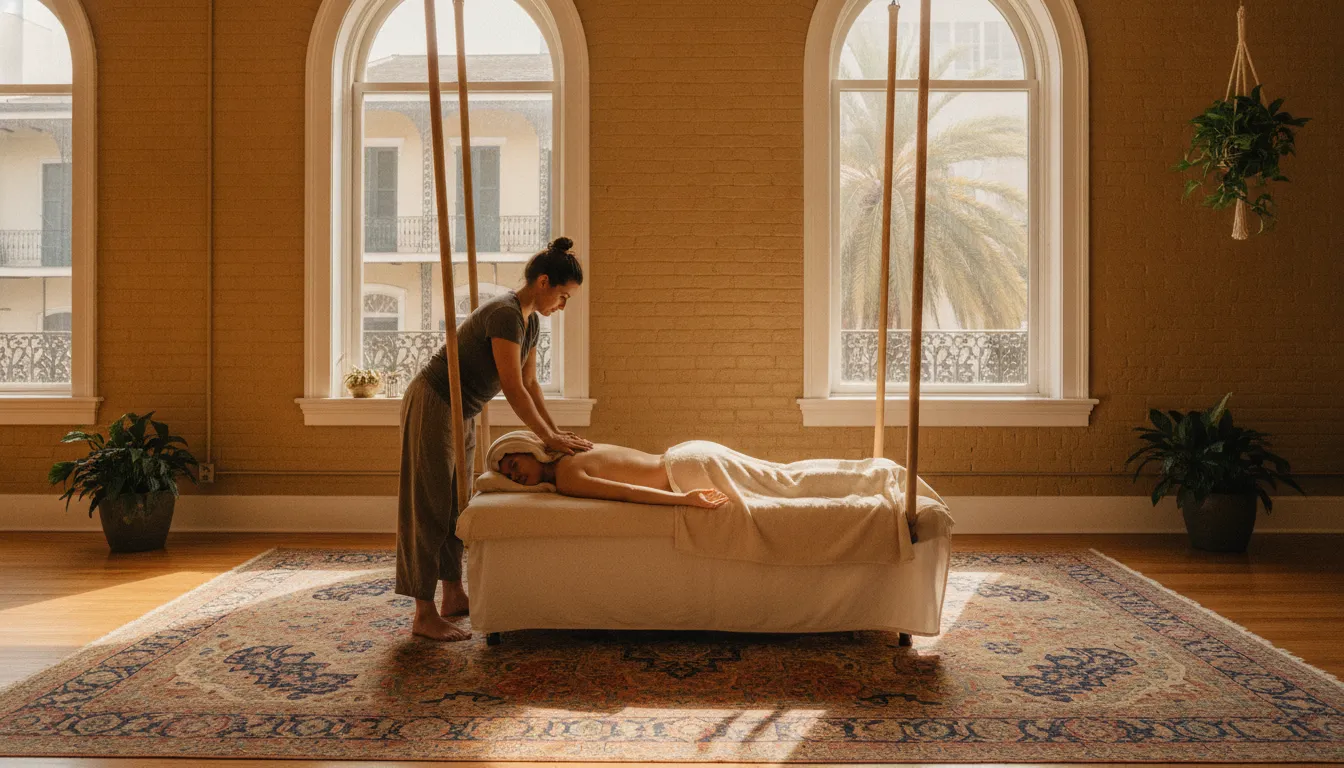
For a truly unique and deeply effective experience, consider Ashiatsu therapy. In this technique, the therapist uses their feet to deliver long, gliding, and consistent pressure. Don’t worry, it’s incredibly controlled and feels amazing. The broad surface of the foot allows for a deeper, more comfortable pressure than you might get with hands or elbows, effectively releasing tension from large muscle groups like your back, glutes, and legs. This profound release helps reset your nervous system and melt away physical stress. If you feel like your whole body is wound tight, Ashiatsu Deepfeet Bar Therapy can provide the deep restoration you need to achieve quality sleep.
Safe and Sound Sleep with Prenatal Massage
Getting comfortable enough to sleep can be a real challenge during pregnancy. Aches, pains, and added stress are common, but you don’t have to just endure them. A prenatal massage is specifically designed to address the unique needs of expectant mothers. Using safe and supportive positioning, your therapist will focus on relieving common discomforts like lower back pain, swollen ankles, and shoulder tension. This gentle, nurturing approach not only eases physical strain but also provides a much-needed emotional release. By soothing both body and mind, a prenatal massage can significantly improve your sleep quality, helping you get the rest you and your baby need.
Target Knots with Trigger Point Therapy
If you have specific, stubborn knots that seem to be the source of all your discomfort, trigger point therapy can offer targeted relief. These tight spots in your muscles can refer pain to other areas and keep your nervous system on high alert, making deep sleep feel out of reach. This technique involves applying direct, sustained pressure to these knots to encourage them to release. By breaking the cycle of tension and pain, trigger point therapy helps calm your body’s “fight or flight” response. Our skilled therapists can incorporate this focused work into a deep tissue massage, addressing the root cause of your discomfort and creating the ideal internal environment for your body and mind to finally find restorative sleep.
Which Pressure Points Help You Sleep?
If you’ve ever found yourself staring at the ceiling at 2 a.m., you know how frustrating a sleepless night can be. A simple and effective technique you can try is acupressure. Rooted in traditional Chinese medicine, acupressure involves applying firm but gentle pressure to specific points on your body. The idea is that stimulating these points can help calm your nervous system, release muscular tension, and quiet a racing mind, making it easier to drift off to sleep.
Think of it as a targeted self-massage. By focusing on these key areas, you can send signals to your body that it’s time to relax and unwind. While you can easily practice these techniques on yourself at home, a professional therapist can incorporate them into a full session for even deeper, more lasting results. During our massage services, our skilled therapists can target these points to help address your specific sleep concerns, whether it’s stress, anxiety, or physical discomfort keeping you awake. Learning a few key points gives you a powerful tool to use anytime you need a little help finding your way to dreamland.
Your Wrists and Arms: Easy-to-Reach Sleep Points
Your wrists and arms hold some of the most powerful pressure points for calming your mind. The first is called the Inner Frontier Gate. To find it, place three fingers on your inner forearm, right below the crease of your wrist. The point is located right in the middle, between the two main tendons. Applying steady pressure here in a circular motion for a few seconds can help with insomnia and also eases nausea and anxiety.
Another key spot is the Spirit Gate. You can find this point on the crease of your outer wrist, in the small hollow space directly in line with your pinkie finger. Gently pressing this area for two to three minutes before bed is believed to calm the spirit and help you fall asleep more peacefully.
Ease into Sleep: Points at the Base of Your Skull
Tension in the neck and shoulders is a common reason for poor sleep. The Wind Pool pressure points are perfect for targeting this area. You’ll find them at the back of your neck, in the two hollow spots where your neck muscles attach to the base of your skull. To stimulate them, clasp your hands together and place them behind your head, letting your head rest comfortably. Then, use your thumbs to apply deep, firm pressure toward your skull, either in small circles or by pressing up and down for four to five seconds. This can relieve headaches and stiffness, and it’s especially helpful if breathing issues interrupt your sleep.
The An Mian Pressure Point
Another incredibly effective spot for promoting sleep is the An Mian point, which fittingly translates to “Peaceful Sleep.” You can find this point in the soft depression just behind your earlobe, right where your neck meets the base of your skull. To use it, gently press your index or middle finger into this spot and massage in a slow, circular motion for a few minutes before you get into bed. This simple action is fantastic for quieting a racing mind and releasing the tension that often gathers in your neck and head. Making this a part of your nightly routine can be a powerful signal to your body that it’s time to let go of the day’s stress and prepare for a truly restful night.
Soothe Your Legs and Feet for Better Rest
Your lower body also has key points for promoting rest. The Three Yin Intersection is located on your inner leg. To find it, place four fingers just above your ankle bone; the point is slightly behind your main leg bone (the tibia). Applying deep pressure here for four to five seconds can help with insomnia and other pelvic issues.
Another fantastic point is the Bubbling Spring, found on the sole of your foot. Curl your toes inward, and you’ll see a small depression appear just above the middle of your foot. This is the spot. Pressing firmly here for a few minutes is thought to ground your energy and draw it away from your head, promoting deep, restorative sleep. It’s a foundational technique in our Ashiatsu Deepfeet Bar Therapy.
Detailed Foot Reflexology Techniques
Foot reflexology is based on the idea that specific points on your feet act like a remote control for the rest of your body. By applying pressure to these spots, you can help release tension in corresponding areas. For sleep, the “Bubbling Spring” point is a great place to start. As mentioned, you can find it in the depression that forms on the sole of your foot when you curl your toes. Using your thumb, apply firm, steady pressure to this point for a minute or two. Pressing firmly here is thought to ground your energy and draw it away from your head, promoting deep, restorative sleep. You can make this a part of your nightly routine to signal to your body that it’s time to wind down.
Important Safety Warning for Pregnant Women
While acupressure is a fantastic tool, it’s critical to be aware of certain points that should be avoided during pregnancy. Specifically, the Three Yin Intersection point on the inner leg can be problematic. According to health experts, you should NOT use this pressure point if you are pregnant, as it can induce labor. This is why it’s so important to work with a therapist who is certified in prenatal care. A trained professional understands the body’s changes during pregnancy and knows exactly which techniques are safe and which to avoid. If you are expecting, always choose a specialized prenatal massage to ensure the safety and comfort of both you and your baby.
Temples and Chest: Points for a Quiet Mind
For a racing mind, a gentle temple massage can work wonders. Using your fingertips, apply light pressure to your temples and massage in slow, circular motions for about 30 seconds while taking deep, even breaths. This simple action helps reduce mental stimulation and encourages your brain to switch into relaxation mode.
Another important point for emotional balance is located in the center of your breastbone, about four finger widths up from the base of the bone. This area is considered the heart and chest center. Gently massaging this spot can help soothe anxiety and calm emotional distress, which are often the hidden culprits behind a restless night. It’s a simple way to reconnect with yourself and prepare your body for sleep.
The “Sea of Tranquility” (CV17) Point
The “Sea of Tranquility,” or CV17, is a powerful pressure point located right in the center of your breastbone; you can find it about four finger-widths up from the base of the bone. This spot is known for its ability to help calm emotional distress and anxiety, which often keep your mind racing when you should be resting. To use this point, apply steady, gentle pressure in a circular motion for a few minutes while taking slow, deep breaths. This simple action helps release physical tension in your chest and sends a calming signal through your nervous system. Gently massaging this area can soothe inner turmoil, making it easier to unwind and prepare for sleep, and it’s a great way to reinforce the benefits of your professional massage sessions.
Easy Self-Massage Techniques for Bedtime
While nothing compares to the touch of a professional massage therapist, you can still find significant relief and prepare your body for sleep with a few simple techniques at home. These practices are perfect for winding down after a long day or for maintaining a sense of calm between your professional massage appointments. Think of it as a little bit of self-care you can access anytime you need it.
How to Massage Your Head, Neck, and Shoulders
So much of our daily stress settles in our upper body, leading to tension headaches and stiffness that can keep you up at night. To counter this, start by gently rubbing your temples in slow, circular motions. Next, drop your chin to your chest and slowly roll your head from side to side to stretch your neck. You can also use your fingertips to apply firm pressure at the base of your skull. These simple movements can significantly reduce tension and promote relaxation. For deep-seated knots, a professional deep tissue massage can work wonders, but these at-home techniques are a great way to manage daily strain.
The Simple Shoulder Squeeze
This is a classic for a reason. So much of our stress gets stored in the trapezius muscles, which run from your neck out to your shoulders. To release this tension, sit comfortably and use your right hand to reach over to your left shoulder. Gently squeeze the fleshy area at the base of your neck and hold for a count of five, then release. Repeat this three to five times, focusing on breathing deeply with each squeeze. Then, switch sides. This simple movement helps to manually release the tightness you’ve been holding all day, sending a powerful signal to your nervous system that it’s safe to relax. By doing this, you actively help your body lower stress hormones, creating the ideal internal environment for deep, restorative sleep.
The Perfect 5-Minute Hand and Foot Massage
We often forget how hard our hands and feet work until they ache. Giving them some attention before bed can have a calming effect on your entire body. Foot massages are especially effective for relaxation because your feet are full of sensitive pressure points. Try sitting comfortably and using your thumbs to press and knead the soles of your feet for five to ten minutes. For your hands, gently pull on each finger and use your thumb to massage your palm in a circular motion. This simple routine helps prepare your body for sleep and is a wonderful way to complement the full-body pressure of an Ashiatsu therapy session.
How to Apply Acupressure for Sleep
Acupressure is a technique where you apply firm pressure to specific points on the body to ease tension. You don’t need to be an expert to try it. For better sleep, focus on a point called the Spirit Gate, located on the crease of your outer wrist, just below your pinky finger. Gently press this spot for a minute or two. Another key point is the Wind Pool, found in the two small hollows at the base of your skull where your neck muscles attach. Applying gentle pressure here can help quiet your mind. Our therapists are trained in how the body’s systems are connected, which is why our massage services are so effective at promoting overall wellness.
Massage Tools You Already Have at Home
You don’t need fancy equipment to enhance your self-massage. Simple tools, like a tennis ball or a foam roller, can help you reach tight spots and apply consistent pressure. Try placing a tennis ball between your back and a wall, then gently roll up and down to release tension in your shoulders and upper back. You can do the same thing for your feet by rolling a ball under your arch while seated. Using these tools can help target specific areas of tension and make it easier to relax. It’s a great way to mimic the targeted relief you might get from professional enhancements like our Hot Himalayan Salt Stones.
Massage for Children’s Sleep
It’s not just adults who have trouble winding down. Children can also struggle with the transition from a busy day to a restful night. Just like for grown-ups, massage can be a wonderful tool to help kids relax, feel secure, and drift off to sleep more easily. A gentle bedtime massage doesn’t have to be complicated; it’s a simple, loving way to connect with your child while calming their nervous system. This practice helps them become more aware of their own bodies and teaches them how to release tension, a valuable skill they can carry with them for life.
Tips for a Calming Bedtime Massage
Creating a soothing bedtime massage routine is simple. Start by making the environment calm and comfortable with dim lighting and minimal noise. You can use a small amount of a child-safe lotion or oil to help your hands glide smoothly. Use gentle, slow strokes on their back, arms, and legs, always paying attention to their reactions and what feels good to them. A short, 10- to 15-minute massage is often all it takes to help them relax. This nightly ritual not only promotes deeper sleep but also strengthens your bond, with research showing it plays a key role in supporting children’s physical, emotional and social well-being.
When to Avoid Massaging a Child
While massage is generally safe and beneficial, there are times when it’s best to wait. It is important to avoid massaging a child who has a fever, rash, open sores, or any acute injury, as the increased circulation from massage could worsen their condition. If your child has a specific medical issue, such as a heart condition or a chronic illness, it’s essential to talk with their pediatrician before starting a massage routine. Trust your instincts—if your child seems uncomfortable or says they don’t want a massage, it’s always best to respect their wishes. Safety and comfort should always be the top priorities.
Create the Perfect Environment for Sleep
A great massage does more than just relax your muscles; it signals to your entire nervous system that it’s time to rest. You can extend that feeling of calm long after you leave the studio by turning your bedroom into a true sleep sanctuary. Think of it as continuing your therapy at home. Creating a peaceful environment reinforces the benefits of your massage, making it easier for your mind and body to slip into a deep, restorative sleep every night. By paying attention to what you see, smell, and hear, you can design a space that actively supports your journey to better rest.
How to Make Your Bedroom a Calming Space
Your bedroom should be a haven dedicated to rest and rejuvenation, not a multi-purpose room filled with clutter and distractions. Start by removing anything that reminds you of work or stress, like laptops, paperwork, or exercise equipment. A tidy space helps create a tidy mind. Invest in soft, comfortable bedding and consider using blackout curtains to block out disruptive light. Remember that massage therapy is a legitimate healthcare practice aimed at improving your overall well-being. Treating your bedroom with the same intention as a professional therapy room helps your brain associate the space exclusively with peace and sleep.
Which Essential Oils Are Best for Sleep?
Our sense of smell is directly linked to the parts of our brain that control memory and emotion, making aromatherapy a powerful tool for relaxation. Introducing calming scents into your pre-sleep routine can significantly enhance the stress-relieving effects of massage. Lavender, chamomile, and bergamot are excellent choices known for their sleep-promoting properties. You can use an essential oil diffuser, add a few drops to a warm bath, or lightly spritz your pillows with a linen spray. Just as adding Hot Himalayan Salt Stones can deepen your massage experience, adding aromatherapy to your room prepares your senses for a night of deep rest.
Getting the Temperature, Light, and Sound Just Right
Your environment plays a huge role in sleep quality, and fine-tuning it can make a world of difference. Most experts agree that a cool room, typically between 60 and 67 degrees Fahrenheit, is ideal for sleeping. Ensure your room is as dark as possible, as even small amounts of light can disrupt your natural sleep cycle. Finally, manage the soundscape. If outside noise is an issue, a white noise machine or a fan can create a consistent, soothing hum that masks disturbances. Optimizing these elements helps your body fully absorb the healing benefits of massage, as a tranquil setting can improve the results of your treatment.
Good Sleep Habits to Adopt During the Day
What you do during the day sets the stage for how well you sleep at night. Think of it as building a foundation for rest. A huge part of this is managing stress before it builds up. Regular massage is incredibly effective for this, as it helps lower cortisol, the stress hormone that can keep you wired and awake. To support these benefits, try to get some natural sunlight in the morning, which helps regulate your body’s internal clock. Gentle movement or exercise can also make a big difference, just be sure to avoid intense workouts too close to bedtime. Finally, be mindful of stimulants like caffeine, which can disrupt your ability to fall asleep hours later. These daily practices work together with your massage sessions to create a consistent routine for deep, restorative rest.
Creating Your Perfect Pre-Sleep Massage Ritual
Now that you know some effective techniques, let’s put them into practice. Creating a consistent pre-sleep massage routine is simpler than you might think, and it can make a huge difference in your sleep quality. It’s all about finding what feels right for you and making it a habit. Think of it as a special ritual, a way to thank your body for its hard work and prepare it for a night of deep, restorative rest. A few minutes of focused self-care can signal to your brain that the day is done and it’s time to switch off.
When Is the Best Time for a Pre-Sleep Massage?
The best time for a sleep-focused massage is right before you plan to drift off. By making it the last thing you do before closing your eyes, you send a clear signal to your body that it’s time to wind down. This simple act helps transition your mind from the busyness of the day to a state of calm. If you happen to wake up in the middle of the night with a racing mind, a gentle massage can also help you get back to sleep. A few minutes of focused touch can quiet the mental chatter and ease you back into rest.
How Long and How Deep Should You Go?
You don’t need to set aside an hour for your pre-sleep massage. In fact, starting small is often the most effective approach. Begin with a simple 5 to 10-minute massage each night. This makes the habit easy to stick with, even on busy days. As you get more comfortable, you can extend the time if it feels good. Pay close attention to how your body responds. The goal is relaxation, not discomfort, so use a pressure that feels soothing. Listening to your body is the most important part of the process.
Pairing Your Massage with Deep Breathing
To get the most out of your massage, pair it with intentional breathing. As you work on a pressure point or knead a tight muscle, focus on taking slow, deep breaths. Try to breathe in and out through your nose, allowing your belly to rise and fall with each breath. This combination is incredibly powerful because it helps activate the vagus nerve, a key part of your body’s relaxation response. When the vagus nerve is stimulated, it helps slow your heart rate and tells your system it’s safe to relax, preparing you perfectly for sleep.
Why a Professional Massage Makes a Difference
While self-massage is a fantastic tool for daily maintenance, there’s simply no substitute for the skill and intuition of a licensed massage therapist. A professional can identify and work on deep-seated tension you might not even know you have, using techniques that are difficult or impossible to perform on yourself. Investing in professional sessions can create profound, lasting changes in your body and mind, paving the way for truly restorative sleep. It’s not just a luxury; it’s a powerful practice for your overall well-being.
How Often Should You Get a Massage for Sleep?
Think of professional massage like personal training for your muscles. A single session feels great, but consistency is what creates real change. Regular massages help re-educate your muscles, improve your posture, and release chronic tension that builds up from daily life. This cumulative effect addresses the root causes of many sleep problems, from nagging back pain to a constantly whirring mind. By making professional massage a part of your routine, you’re not just treating the symptoms of poor sleep. You’re actively building a foundation for better rest by helping your body find and maintain its natural state of balance and calm.
Targeting Specific Sleep Problems with Massage
One of the biggest advantages of working with a professional is getting a treatment tailored specifically to you. An experienced therapist can assess your needs and apply specialized techniques to target the source of your sleep troubles. If deep-seated knots and chronic pain are keeping you up, a deep tissue or Swedish massage can provide immense relief. For a unique and profoundly deep experience, Ashiatsu Deepfeet Bar Therapy uses the therapist’s body weight to deliver consistent, broad pressure that melts away tension. This personalized approach ensures you get the most effective treatment for a peaceful night.
Who Can Benefit from Massage for Sleep?
You might be wondering if massage is the right solution for your specific sleep issues. The great news is that its benefits are incredibly far-reaching, helping a wide variety of people find the rest they need. In fact, research shows that massage can improve sleep for everyone from adults with chronic lower back pain and postmenopausal women with insomnia to caregivers feeling the strain of their responsibilities. It’s also a wonderful tool for older adults and even children, who can benefit from a gentle massage as part of a calming bedtime routine. Whether you’re recovering from surgery, managing a condition like fibromyalgia, or simply looking for a natural way to quiet a stressed mind, massage therapy offers a versatile and effective path to better rest.
Sleeping Better, Together: The Couples Massage
Sharing a relaxing experience with a partner can be a wonderful way to prepare for better sleep. A couples massage allows you both to unwind in a calm, shared space, letting go of individual and mutual stressors. This shared sense of tranquility can deepen your connection and lower stress hormones for both of you, creating a peaceful state of mind that you carry home. It’s a unique opportunity to disconnect from the outside world and reconnect with each other, setting the stage for a night of deep and restful sleep together.
Are You Making These Pre-Sleep Massage Mistakes?
A great massage can feel like a magic button for better sleep, but a few common missteps can get in the way of a truly restful night. To make sure you get the most out of every session, whether at home or with a professional, it helps to know what to avoid. Thinking about timing, pressure, and consistency will help you turn a good massage into a powerful tool for deep, restorative sleep. By sidestepping these simple mistakes, you can create a routine that reliably prepares your body and mind for rest.
Too Late, Too Light: Getting Timing and Pressure Right
Massage is a legitimate practice that can manage pain, reduce stress, and improve well-being. But for sleep, timing is everything. An invigorating morning massage won’t help you rest that night. Schedule your session for the late afternoon or early evening to give your body time to relax before bed. The right pressure is also key. A skilled therapist can find the perfect balance, ensuring the massage is both effective and deeply relaxing, setting the stage for a peaceful night.
Why ‘No Pain, No Gain’ Doesn’t Apply Here
Many people believe that for a massage to be effective, it has to hurt. This is a common myth. While techniques like deep tissue massage use firm pressure to release chronic tension, pain should never be the goal. Overly intense pressure is counterproductive for sleep, causing muscles to tense up. A great therapist will communicate with you to find a pressure that feels right for your body. True relaxation happens when your body feels safe, not when it’s bracing against discomfort.
Why One Massage Isn’t Enough
A single massage can help you sleep better for a night or two, but the real benefits come from consistency. Think of it like exercise; what you do regularly has the biggest impact. Regular massages allow a therapist to learn your body’s unique patterns of tension. This ongoing work helps re-educate your muscles, improve posture, and create a more profound sense of calm over time. Building a relationship with a trusted therapist who understands your goals is key to enhancing your long-term sleep quality.
Related Articles
Frequently Asked Questions
How often should I get a massage to see a real difference in my sleep? While a single massage can certainly help you get a great night’s rest, the most significant and lasting improvements come from consistency. Think of it as training your body to relax. For most people, getting a professional massage once or twice a month creates a cumulative effect. It helps manage chronic tension, keeps stress hormones in check, and establishes a pattern of deep relaxation that your body learns to return to more easily.
What if a deep massage makes me feel sore? Won’t that make it harder to sleep? It’s a common concern, but any mild soreness you might feel after a deep tissue or Ashiatsu massage is actually a positive sign. It means your muscles have released long-held tension. This feeling is temporary and usually fades within a day. You can help it along by drinking plenty of water and taking a warm bath. Most people find that this initial soreness gives way to profound relief and some of the most restorative, pain-free sleep they’ve had in a long time.
Is it better to get a massage right before bed or earlier in the day? For the best sleep-related results, I recommend scheduling your massage for the late afternoon or early evening. This gives your body and mind plenty of time to settle into a state of deep calm without the pressure of having to fall asleep immediately. You can go home, have a light meal, and ease into your bedtime routine while still enjoying the profound sense of relaxation from your session.
I’m not sure which massage to book. How do I choose the right one for my sleep issues? The best choice really depends on what’s keeping you awake. If a racing mind and general stress are the culprits, a classic Swedish massage is a perfect way to soothe your nervous system. If specific aches and pains are making it hard to get comfortable, a deep tissue massage can target and release that tension. For a unique and deeply restorative experience that addresses full-body tightness, Ashiatsu is an incredible option. You can always speak with your therapist before your session to decide on the perfect approach together.
What can I do right after my massage to get the best possible sleep that night? To extend the benefits of your massage, plan for a quiet and gentle evening. Make sure to drink plenty of water, as this helps your body process the work that was done on your muscles. Avoid screens, caffeine, and heavy meals. Instead, try taking a warm bath, listening to calming music, or reading a book. Treating the hours after your massage as a “cool-down” period helps your body fully integrate the relaxation and prepares you for a night of deep, uninterrupted rest.
When to See a Doctor About Sleep Issues
While massage and healthy habits are powerful tools for improving rest, it’s important to recognize when sleep problems might be a sign of something more. Sometimes, despite your best efforts, a stubborn sleep issue persists, and that’s your cue to bring in a medical professional. Knowing when to seek a doctor’s advice isn’t a sign of failure; it’s a proactive step toward taking care of your overall health. A physician can help identify underlying causes that lifestyle changes alone can’t address, ensuring you get the right diagnosis and a targeted treatment plan.
When Sleepiness Disrupts Your Daily Life
One of the clearest signs that you need to see a doctor is when your sleep issues start to interfere with your daytime activities. If you consistently feel exhausted during the day, even after spending seven or eight hours in bed, it’s a red flag. This isn’t just about feeling a little groggy; it’s about a level of fatigue that makes it hard to concentrate at work, stay alert while driving, or simply enjoy your day. Feeling excessively tired could point to an underlying sleep disorder, like sleep apnea or narcolepsy, that requires medical attention.
If the Problem Becomes Chronic
Everyone has a bad night or even a rough week of sleep now and then. But if your sleep problems have become a regular occurrence, it’s time to get them checked out. Experts suggest that if you’ve had trouble sleeping for more than three months, you should see a sleep specialist. This could mean you consistently struggle to fall asleep, wake up frequently throughout the night, or wake up far too early and can’t get back to sleep. A persistent pattern indicates that the issue is unlikely to resolve on its own and may benefit from a professional evaluation to uncover the root cause.
When You Notice Physical Symptoms or Have Other Health Conditions
Certain physical symptoms are strong indicators of a potential sleep disorder. If your partner mentions that you snore loudly, gasp, or stop breathing momentarily during sleep, it’s crucial to see a doctor, as these are classic signs of sleep apnea. Additionally, if you have existing health conditions like high blood pressure, diabetes, or heart problems, you should be evaluated for a sleep disorder. These conditions are often linked, and treating a sleep issue can sometimes improve your other health markers. A doctor can help you connect the dots and create a comprehensive plan for your well-being.