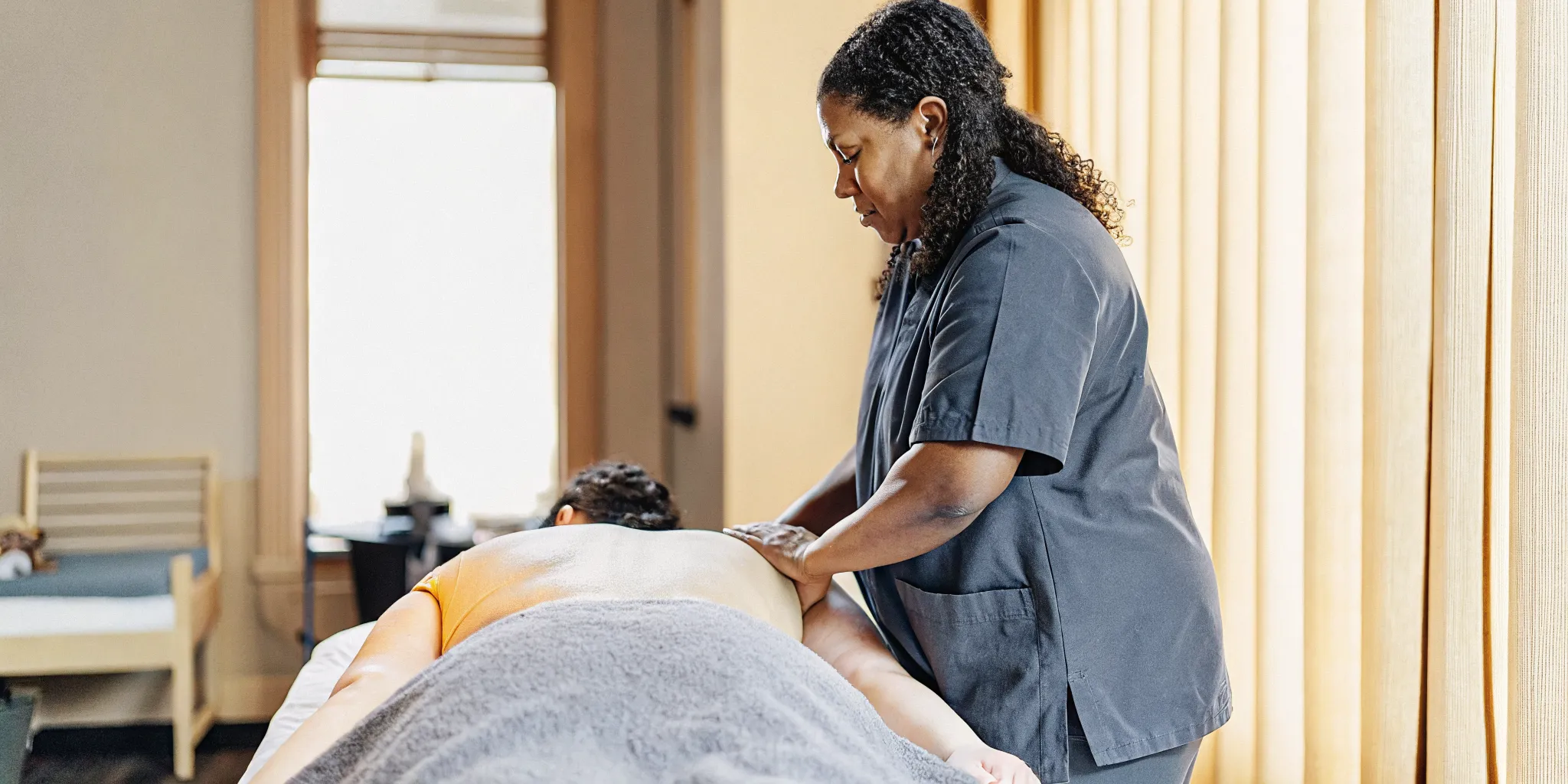

You know the difference between a generic cup of coffee and a perfectly crafted espresso. Massage is the same way. When you need relief from head pain, the right therapist makes all the difference. A quick session at a chain spa might feel good, but a therapeutic massage for headaches from a dedicated professional provides real, lasting change. Our therapists at Nola Bliss understand the complex muscle patterns that cause headaches. We use specialized techniques like Deep Tissue, Trigger Point Therapy, and Ashiatsu to release that deep-seated tension, helping you finally feel like yourself again.
Key Takeaways
- Match the massage to your specific headache: The most effective relief comes from tailoring the massage to your headache type, whether it’s a deep tissue session for tension headaches or targeted trigger point therapy for pain originating in your neck.
- Massage addresses the root causes of pain: Therapeutic massage goes beyond temporary relief by targeting the underlying issues—like tight muscles, restricted blood flow, and stress—that trigger headaches in the first place.
- Consistency is the key to long-term relief: Think of massage as ongoing care rather than a one-time fix. Regular sessions help manage your headache triggers, leading to fewer and less intense episodes over time.
The Impact of Headaches and the Power of Massage
How Common Are Headaches?
If you feel like you’re constantly battling headaches, you’re far from alone. It’s an incredibly common issue, with over 37 million Americans experiencing them on a regular basis. That’s a staggering number of people dealing with pain that can derail an entire day, making it hard to focus at work, enjoy time with loved ones, or simply relax. While it’s easy to think of headaches as just a part of life, they don’t have to be. Understanding how widespread this problem is also highlights the need for effective, non-invasive solutions. This is where therapeutic massage comes in, offering a powerful way to find not just temporary relief, but a path toward managing and reducing headache frequency for good.
What the Research Says About Massage for Headaches
The good news is that the relief you feel from a great massage isn’t just in your head—science backs it up. Research has shown that regular massage therapy can significantly cut down the frequency of chronic tension headaches. One notable study found that participants who received massage focused on the neck and shoulder muscles—common culprits for headache pain—experienced fewer headaches than those who didn’t. This highlights a key point: effective headache relief comes from targeted, therapeutic work. A skilled therapist knows how to identify and release the specific trigger points and deep-seated tension that refer pain to your head, offering a much more profound and lasting solution than a simple shoulder rub.
You don’t necessarily need a 90-minute session to feel a difference. Studies also suggest that even focused 30-minute massages can provide significant, immediate relief from headache pain. This is because massage therapy gets to the root of the problem. It helps manage common headache triggers by easing muscle tension, improving blood flow to the head and neck, and lowering overall stress levels. By incorporating regular massage into your routine, you’re not just treating a headache when it strikes; you’re taking a proactive step to prevent them from happening in the first place. Over time, this consistent care can lead to fewer, less intense headaches, giving you more control over your well-being.
Which Headaches Respond Best to Massage?
If you deal with regular headaches, you know how much they can disrupt your life. While reaching for a pain reliever is a common reflex, therapeutic massage offers a powerful, non-medicinal approach to find relief. Massage therapy isn’t a one-size-fits-all solution; its effectiveness often depends on the type of headache you’re experiencing. By targeting the root causes—like muscle tension, stress, and poor circulation—a skilled therapist can help reduce both the frequency and intensity of certain headaches. Let’s look at the specific types of headaches that respond well to massage.
Easing the Grip of Tension Headaches
This is the most common type of headache, and it often feels like a constant ache or a tight band squeezing your head. Tension headaches are frequently triggered by stress and tight muscles in your neck, shoulders, and upper back. The good news is that this is exactly what massage excels at treating. A therapeutic massage helps soothe your nervous system, which reduces stress and allows those knotted muscles to release. Studies show that massage can effectively lessen muscle spasms and tightness, providing significant relief. A focused Swedish or deep tissue massage can work wonders by directly addressing the muscular tension that causes these headaches in the first place.
Soothing Migraine Pain
Migraines are more complex than tension headaches, often involving severe throbbing pain, nausea, and sensitivity to light and sound. While massage isn’t a cure, it can be an incredible tool for managing migraine triggers. Many people find that stress and muscle tightness are major contributors to their migraine attacks. Regular massage can help keep these triggers in check by promoting deep relaxation and lowering stress hormones. By addressing the tension in your neck, shoulders, and back, massage may help prevent future migraines before they start. It’s best to receive a massage between migraine attacks as part of a preventative care plan.
Addressing Neck-Related (Cervicogenic) Headaches
Have you ever had a headache that feels like it starts in your neck and travels up one side of your head? You might be experiencing a cervicogenic headache. Unlike tension headaches or migraines, these headaches originate from a structural issue in your neck or the base of your skull. Because the source of the pain is musculoskeletal, massage therapy can be particularly effective. A skilled therapist can use specific techniques to release tension in the deep muscles of your neck, which can reduce the frequency of headaches and alleviate the associated pain. This targeted approach addresses the root cause rather than just the symptoms.
Relieving Pressure from Sinus Headaches
When your sinuses become inflamed and congested, the pressure can cause a painful headache, typically felt around your forehead, eyes, and cheeks. While massage can’t cure the underlying infection or allergy, it can provide welcome relief from the pressure. A gentle massage focused on the face, neck, and upper chest can help stimulate lymphatic flow and encourage fluid drainage. This can ease the feeling of fullness and reduce the pain associated with sinus pressure. By also relaxing the surrounding muscles in the head and neck, the massage can help you feel more comfortable while your body recovers.
Understanding Cluster Headaches
Cluster headaches are in a league of their own when it comes to pain. They are less common but are known for their excruciating intensity, often described as a severe, burning sensation behind one eye. These headaches tend to happen in cyclical patterns, or “clusters,” and can be accompanied by symptoms like a stuffy nose or a watery eye on the affected side. While massage can’t stop a cluster headache in its tracks, it can play a supportive role in your overall management plan. By focusing on reducing chronic tension in the neck, shoulders, and upper back, regular massage may help decrease the overall stress on your system, which could potentially influence the frequency of these debilitating attacks.
Managing Post-Traumatic Headaches
Headaches that develop after a head injury are known as post-traumatic headaches, and they can mimic the symptoms of both tension headaches and migraines. Because they often involve muscle strain and trauma to the soft tissues of the neck and head, massage therapy can be a valuable part of the recovery process. A skilled therapist can use targeted techniques to gently release muscle tension and improve circulation to the affected areas, which can help soothe the pain. It’s crucial to have open communication with your massage therapist about your injury and symptoms so they can tailor the session to your specific needs, ensuring the treatment is both safe and effective for your situation.
A Note on Traction-Inflammatory Headaches
It’s important to know that some headaches are red flags for more serious underlying conditions. Traction-inflammatory headaches are rare and can be a symptom of an issue like an infection or tumor. Because these headaches are not caused by muscle tension, massage is not an appropriate treatment and could be harmful. If you experience a headache that is sudden, severe, and different from any you’ve had before, or is accompanied by other concerning symptoms, it’s essential to seek medical attention right away to get a proper diagnosis.
How Does Massage Actually Relieve Headaches?
It can feel like magic when a headache finally melts away during a massage, but the relief is grounded in real physiological changes. A professional massage addresses the root causes of many headaches by working with your body’s own systems. From easing tight muscles to calming your nervous system, here’s a closer look at how a therapeutic massage provides such effective relief.
It Starts by Releasing Muscle Tension
If you carry stress in your neck and shoulders, you know how that tension can creep up and turn into a full-blown headache. This is one of the most direct ways massage helps. A skilled therapist works to relax tense muscles in your head, neck, and shoulders that are often the primary culprits behind tension headaches. When these muscles are chronically tight, they can restrict movement and refer pain to your head. By manually stretching and loosening these muscle fibers, a massage can restore flexibility and stop the pain signals at their source.
Better Blood Flow Means Less Pain
Proper blood flow is essential for a healthy, pain-free head. When muscles are tight and knotted, they can constrict blood vessels, reducing circulation. This can contribute to the throbbing pain of a headache. Massage therapy helps by manually stimulating the area, which encourages better blood flow. This improved circulation delivers more oxygen and vital nutrients to tired tissues and helps flush out metabolic waste products that can accumulate and cause pain. Restoring healthy circulation is a key step in breaking the headache cycle.
Reducing Stress and Releasing Natural Painkillers
Stress is a major headache trigger for so many of us. A massage provides a powerful antidote by helping your body shift from a “fight-or-flight” state to a “rest-and-digest” mode. This calming effect lowers levels of the stress hormone cortisol. At the same time, the physical touch of a massage encourages your brain to release endorphins—your body’s natural painkillers and mood elevators. This powerful combination not only eases current headache pain but can also help reduce the frequency of future headaches by managing common triggers like stress and anxiety.
Deactivating Painful Trigger Points
Have you ever felt a specific, tender “knot” in your shoulder that, when pressed, sends a jolt of pain up into your head? That’s a trigger point. These are tight, painful spots in your muscles that can refer pain to other parts of your body. Research shows that treating these ‘trigger points’ is a major reason why massage is so effective for chronic tension headaches. Our experienced therapists are trained to locate and deactivate these points using targeted pressure, providing lasting relief that you often can’t achieve on your own.
Top Massage Techniques for Headache Relief
When you’re dealing with a headache, the right kind of massage can feel like a lifesaver. Different techniques target the root causes of head pain in unique ways, from tight neck muscles to overall stress. A skilled massage therapist can pinpoint the source of your discomfort and use specific methods to provide relief. Understanding these techniques can help you communicate exactly what you need during your session. Let’s look at some of the most effective massage styles for easing headache pain.
Deep Tissue Massage
If your headaches feel like they stem from deep, persistent knots in your neck and shoulders, a deep tissue massage might be the answer. This technique uses firm pressure and slow strokes to reach deeper layers of muscle and fascia. By focusing on these chronically tense areas, your therapist can release tightness that contributes to head pain. This approach helps by relaxing tense muscles, which in turn improves blood flow and reduces the stress signals that can trigger a headache. It’s an excellent choice for tackling the physical tension that builds up from long hours at a desk or physical strain.
Trigger Point Therapy
Have you ever felt a specific, tender “knot” in a muscle that, when pressed, sends a jolt of pain elsewhere—like your head? That’s a trigger point. Trigger point therapy is a focused technique where a therapist applies direct, sustained pressure to these irritable spots. This pressure deactivates the trigger point, interrupting the pain signals it sends to your brain. It’s particularly effective for headaches that originate in the neck and upper back. By releasing these tight bands of muscle, your therapist can often provide immediate relief from the referred pain that manifests as a headache.
Key Muscles Involved in Headaches
Headaches often feel like they’re starting deep inside your head, but the real source of the pain is frequently the muscles in your neck, shoulders, and upper back. When key muscles like your trapezius—that large muscle connecting your neck and shoulders—or the small suboccipital muscles at the base of your skull get tight, they can send pain signals straight to your head. This is a common issue, especially if you spend hours at a desk or looking down at your phone. A professional massage therapist understands this complex network and knows exactly how to target these specific areas to release the deep-seated tension that’s causing your headache.
The Mastoid Process Trigger Point
Just behind your earlobe, you can feel a small, bony bump known as the mastoid process. This spot is home to a surprisingly powerful trigger point that is often linked to tension headaches. For many people, applying firm, steady pressure here can create a sensation that travels up the side of the head and behind the eye, often bringing a wave of relief. This is a perfect example of referred pain, where a knot in one area causes discomfort somewhere else. An experienced therapist can locate this precise point and use targeted pressure to deactivate the trigger point, which helps interrupt the pain signals being sent to your brain and can provide almost immediate relief.
Suboccipital Release for Neck Tension
The suboccipital muscles are a small group of muscles located right at the base of your skull, connecting your head to your neck. Tension in this area is a very common cause of headaches, especially those that feel like a tight band around your head. A suboccipital release is a gentle but profound technique where the therapist applies steady pressure to these muscles. This encourages them to relax, relieving the compression on nerves and blood vessels that can lead to pain. It’s a simple yet powerful method that can provide a sense of release and openness in the head and neck.
Swedish Massage
Not all headache-relieving massages need to be intense. If your headaches are primarily brought on by stress and general muscle tightness, a classic Swedish massage can work wonders. This style uses long, flowing strokes, kneading, and gentle circular movements to promote full-body relaxation. By calming your nervous system and easing overall muscle tension, a Swedish massage helps lower stress levels, which is a major headache trigger for many people. It’s a fantastic option if you’re looking for a soothing experience that addresses both the physical and mental components of your head pain.
Ashiatsu Deepfeet Bar Therapy
For a truly deep and consistent pressure that can tackle even the most stubborn tension, Ashiatsu Deepfeet Bar Therapy is an incredible option. In this unique modality, the therapist uses their feet to deliver long, gliding strokes while holding onto overhead bars for balance and control. This allows for a much broader and deeper pressure than hands can typically provide. Ashiatsu is highly effective at releasing tightness throughout the back, shoulders, and neck—the very areas that often harbor the tension causing your headaches. The sustained, deep compression can melt away knots and restore flexibility, offering profound relief.
Scalp and Facial Massage
Don’t underestimate the power of a massage that focuses directly on your head and face. Tension can build up in the small muscles of your scalp, temples, and jaw, all of which can contribute to headaches. A targeted scalp and facial massage helps relax these specific muscles, easing pain and promoting a sense of calm. This technique can be especially helpful for tension headaches and pain related to TMJ dysfunction. Getting regular massages may even reduce the frequency and severity of your headaches over time, making it a great addition to any treatment plan.
Other Effective Modalities
Beyond the well-known techniques, several other specialized modalities can offer significant headache relief. These approaches work on different systems in the body, from connective tissue to energy pathways, providing more tools in the fight against head pain. Exploring these options with your therapist can help you find a truly customized approach that addresses the specific source of your discomfort, leading to more effective and lasting results.
Myofascial Release
Sometimes, the source of your headache isn’t just in the muscle but in the fascia—the thin web of connective tissue that wraps around every muscle and organ. When this tissue becomes tight and restricted, it can pull on muscles and create tension that refers pain to your head. Myofascial release is a technique that uses gentle, sustained pressure to stretch and loosen this connective tissue. This process helps restore mobility and ease tension. By manually stimulating the area, the therapy encourages better blood flow, which delivers more oxygen and vital nutrients to tired tissues and helps flush out waste products that cause pain.
Shiatsu and Reflexology
Rooted in traditional Eastern medicine, both Shiatsu and reflexology work with the body’s energy pathways to relieve pain and restore balance. Shiatsu, a form of Japanese bodywork, uses finger and palm pressure on specific points to address blockages. This technique helps to release muscle tension and improve blood flow, which can provide significant relief from headache pain. Similarly, reflexology involves applying pressure to specific points on the feet, hands, and ears that are believed to correspond to different parts of the body. For headaches, a therapist might focus on points related to the head, neck, and spine to alleviate discomfort.
Prenatal Massage for Expecting Mothers
Pregnancy can bring a host of new aches and pains, including headaches, at a time when many medications are off-limits. A prenatal massage is a safe and wonderful way for expecting mothers to find relief. Performed by a specially trained therapist, this massage focuses on areas of the body that are under particular strain during pregnancy, such as the neck, shoulders, and back. The gentle techniques help ease muscle tension that can trigger headaches. For ongoing management, regular massages are often suggested to help relax tense muscles and keep stress levels low, making your pregnancy journey more comfortable.
The Importance of a Therapeutic Environment
When you have a headache, you’re often sensitive to light, sound, and other stimuli. The environment where you receive your massage plays a huge role in how effective it will be. A skilled therapist knows to create a calm space by making the room quiet and dark, which helps ease pain from the very start. This is why the setting matters so much. A session in a dedicated studio like Nola Bliss, designed for healing and tranquility, is worlds away from a noisy salon or impersonal hotel spa. Every element is controlled to support your comfort and relaxation, allowing your nervous system to calm down so the therapeutic work can be truly effective.
Match the Massage to Your Headache Type
Not all headaches are the same, and the right massage for you depends on the type you’re experiencing. A throbbing migraine requires a different approach than a dull, persistent tension headache. Understanding the source of your pain helps your therapist choose the most effective techniques to bring you relief. By matching the massage to your specific headache, you can move beyond temporary fixes and address the root cause, whether it’s muscle tightness, stress, or a problem in your neck.
Best Massage for Tension Headaches
Tension headaches often feel like a tight band squeezing your head, and they’re usually caused by muscle strain in your neck, shoulders, and upper back. The best approach is a massage that focuses on releasing that built-up tension. A Swedish or Deep Tissue massage is perfect for this. Your therapist will use long, flowing strokes and targeted pressure to work out knots and ease muscle spasms. This helps relax the overworked muscles that are pulling on your head and scalp, improving blood flow and melting away the stress that contributes to these common headaches.
What Massage Helps with Migraines?
When it comes to migraines, prevention is key. Getting a massage during a full-blown migraine attack can sometimes be too much due to heightened sensitivity to touch and sound. However, regular massage can be a powerful tool for reducing the frequency and intensity of your migraines. The goal is to manage common triggers like stress and muscle tension. A gentle, relaxing massage can help calm your nervous system and lower stress hormones. By keeping your neck and shoulder muscles loose and relaxed, you can help prevent the tension that often precedes a migraine episode.
Soothing Cervicogenic Headaches at the Source
Cervicogenic headaches don’t actually start in your head—they originate from a structural issue in your neck. The pain is referred from tight muscles and joints in your cervical spine. Because of this, the most effective treatment involves targeted work on the neck. Techniques that release specific trigger points are incredibly helpful. An Ashiatsu Deepfeet Bar Therapy session, for example, can provide deep, sustained pressure to release the stubborn knots in your neck and shoulders that are sending pain signals to your head. By addressing the source of the problem, you can find lasting relief.
Beyond the Massage Table: Self-Care for Headache Prevention
Regular massage is a cornerstone of effective headache management, but the work doesn’t stop when you leave the studio. The habits you build between your appointments play a huge role in preventing headaches before they even start. Think of it as a partnership: your therapist helps release deep-seated tension and addresses acute pain, while your daily self-care routine maintains that progress and tackles triggers head-on. By incorporating a few simple practices into your life, you can extend the benefits of your massage and take an active role in keeping head pain at bay. It’s about creating a lifestyle that supports a clear, comfortable head.
The Role of Hydration
It sounds almost too simple, but one of the most common headache triggers is something we can easily control: hydration. When your body doesn’t have enough water, your brain can temporarily contract from fluid loss, which causes it to pull away from the skull, resulting in pain. The National Headache Foundation notes that staying hydrated is crucial, as dehydration can cause headaches. Making sure you drink enough water throughout the day is a foundational step in prevention. Keep a water bottle with you, and if you find plain water unappealing, try infusing it with fruit. Staying hydrated also helps your muscles stay pliable and makes your massage sessions even more effective.
Managing Emotional Stress
Emotional tension and physical tension are deeply connected. When you’re stressed, your shoulders creep up toward your ears, your jaw clenches, and your neck muscles tighten—all common culprits behind headaches. As one publication points out, consistent massage can help reduce stress and promote relaxation, which is essential for managing these triggers. Beyond the massage table, simple self-care practices can make a big difference. Focus on maintaining good posture at your desk, take short breaks to stretch, and practice mindful breathing when you feel overwhelmed. Don’t hesitate to ask your therapist for specific stretches or self-massage tips you can use at home to keep tension from building up between your appointments.
Self-Massage Techniques You Can Try at Home
While nothing replaces the skilled hands of a professional massage therapist, you aren’t helpless when a headache strikes at home or work. Learning a few simple self-massage techniques can provide immediate relief and help you manage symptoms between your professional appointments. These methods are designed to target the common sources of headache pain, like tight muscles in your neck, shoulders, and head. Think of it as first aid for your headache.
These techniques are easy to learn and can be done almost anywhere—at your desk, on your couch, or before you go to bed. They are a great way to complement the benefits of your regular therapeutic massage sessions. By taking a few minutes to address the tension as it builds, you can often stop a headache in its tracks or reduce its intensity, giving you back control of your day. Remember to be gentle with yourself and stop if you feel any sharp pain.
Gently Massage Your Temples and Forehead
This is a classic for a reason. When a tension headache starts to build, the muscles around your temples and forehead often feel tight and tender. To address this, place your index and middle fingers on your temples, the soft spot on either side of your head. Apply gentle, steady pressure and move your fingers in slow circular motions. You can experiment with the direction and size of the circles to see what feels best. Breathe deeply as you do this for a minute or two. This simple action can help ease headache attacks by relaxing the muscles that are working overtime.
Find Relief at the Base of Your Skull
A lot of headache-related tension is stored where your neck muscles connect to your skull. To find this spot, trace your fingers up the back of your neck until you feel the bony ridge of your skull. Just underneath this ridge, in the hollow areas on either side of your spine, are key pressure points. You can use your thumbs to apply firm, sustained pressure to these points for up to a minute. For a deeper release, gently tuck your chin toward your chest while applying pressure. This area contains pressure points that, when released, can provide significant relief from tension headaches.
How to Release Neck and Shoulder Tension
Your neck and shoulders are often the culprits behind a nagging headache, especially if you spend a lot of time at a computer. To start, sit up straight and drop your right ear toward your right shoulder, feeling a gentle stretch along the left side of your neck. Hold for 30 seconds, then repeat on the other side. Next, use your right hand to gently squeeze and knead the muscle on the left side of your neck and shoulder (the upper trapezius). Work your way from the base of your skull down to the top of your shoulder. Spend a few minutes here, then switch sides. This helps to lessen muscle spasms and release built-up stress.
The LI-4 Acupressure Point for Quick Relief
This powerful acupressure point is located in the fleshy web of skin between your thumb and index finger. It’s a go-to spot for general pain relief, including headaches. To use it, simply pinch this area on your left hand with the thumb and index finger of your right hand. Apply firm pressure for about 30 seconds to a minute, making small circles with your thumb if that feels good. You should feel a dull, achy sensation. Repeat on your other hand. This is a wonderfully discreet technique you can use in a meeting or on the go to find quick relief. Note: Avoid this point if you are pregnant.
Simple Scalp Massages You Can Do Now
Don’t underestimate the power of a good scalp massage. Tension can spread across your entire scalp, contributing to that tight, constricted feeling of a headache. To relieve it, spread your fingertips across your scalp like you’re shampooing your hair. Apply firm but comfortable pressure and move your hands in small, circular motions, making sure to cover the front, back, and sides of your head. This not only feels amazing but also helps improve blood flow and release tension you might not have even realized you were holding. Take a few minutes to do this, closing your eyes and breathing deeply for maximum relaxation.
Massage for Headaches: Myths vs. Facts
When you’re dealing with persistent headaches, you’ll try almost anything for relief. Massage therapy is a fantastic tool, but there’s a lot of misinformation out there. Let’s clear up a few common myths so you can approach your treatment with realistic expectations and get the best possible results.
Myth: Massage Is a Magic Cure
It’s easy to hope for a single solution that will make headaches disappear forever. While massage can be incredibly effective, it’s best viewed as a powerful part of a larger wellness strategy, not a standalone cure. Research shows that massage therapy can significantly help with common headache triggers like stress, anxiety, and poor sleep. Think of it as a complementary treatment that works alongside other healthy habits and medical advice. A great massage can reduce the frequency and intensity of your headaches, but it works best when you also address the root causes with a holistic approach to your health.
Fact: Massage Is a Powerful Complementary Therapy
While not a standalone cure, massage is an incredibly effective partner in any headache management plan. Its power lies in its ability to address the root causes of pain, not just the symptoms. Therapeutic massage goes beyond temporary relief by targeting the underlying issues—like tight muscles, restricted blood flow, and stress—that trigger headaches in the first place. By working to lessen muscle spasms and calm the nervous system, regular massage helps create a healthier baseline for your body. This proactive approach can lead to fewer and less intense headache episodes over time, making it a vital component of a holistic wellness strategy.
Myth: Any Type of Massage Will Do
You might think any massage will do the trick, but that’s not the case. Different types of headaches respond to different techniques. A gentle, relaxing Swedish massage might be perfect for a stress-induced tension headache, but a migraine might benefit more from targeted trigger point therapy. An experienced therapist will use specific methods, like a deep tissue massage, to address the unique muscle patterns contributing to your pain. The key is working with a professional who can assess your specific needs and customize the session, ensuring you get the right kind of relief for your type of headache.
Myth: One Session Is All You Need
While you’ll likely feel amazing after just one session, lasting relief from chronic headaches often requires consistency. The benefits of massage are cumulative. One study on chronic tension headaches found that the positive effects, like having fewer headaches, began within the first week of regular treatment and continued as long as the therapy did. Building a sustainable treatment plan is the most effective path forward. Our team of highly experienced therapists can work with you to determine the right frequency to manage your symptoms and help you maintain the progress you make, session after session.
How Often Should You Get a Massage for Headaches?
Finding the right massage schedule for headache relief isn’t about a magic number—it’s about creating a consistent routine that works for you. The ideal frequency depends on the type of headaches you experience, how often they occur, and your overall wellness goals. For some, a monthly massage is perfect for maintenance, while others might need more frequent sessions, especially when first addressing a chronic issue.
The key is to view massage not as a one-time indulgence but as a proactive part of your health care. Regular massage therapy can help manage the underlying causes of headaches, like muscle tension and stress, leading to fewer and less intense episodes over time. Working with a skilled therapist will help you find the perfect rhythm for your body, creating a sustainable plan that keeps you feeling your best.
How Often to Book Based on Your Headache
If you’re dealing with nagging tension headaches, a great place to start is with a massage every four to six weeks. This schedule can effectively manage muscle tension in your neck, shoulders, and upper back before it builds up and triggers a headache. For those with more frequent or intense conditions like chronic migraines or cervicogenic headaches, you might find more relief by coming in every one to two weeks initially. Once your symptoms improve, you can gradually extend the time between sessions to find a maintenance schedule that keeps the pain at bay. A professional therapist can assess your specific needs and recommend a personalized plan.
Creating a Long-Term Massage Plan
Consistency is your best friend when it comes to headache management. Research shows that regular massage can significantly reduce how often chronic tension headaches happen, with many people noticing benefits within the first week of starting treatment. The goal is to create a plan that fits seamlessly into your life, both in terms of time and budget. Think of it as an ongoing wellness practice rather than a quick fix. Our experienced Nola Bliss therapists are dedicated to helping you build a sustainable routine that provides lasting relief, allowing you to stay ahead of your headache triggers and maintain a sense of balance.
Balancing Pro Sessions with At-Home Care
Your massage session doesn’t have to end when you walk out the door. Empower yourself by making at-home care part of your routine. Your massage therapist is an incredible resource, so don’t hesitate to ask them for simple self-massage techniques you can use between appointments. They can show you how to safely work on your temples, scalp, neck, and shoulders to release tension before it escalates into a full-blown headache. This partnership between professional therapeutic massage and at-home maintenance is a powerful combination for long-term headache relief, giving you more control over your symptoms day-to-day.
Ways to Enhance Your Headache Massage
Choosing the right massage technique is a huge step toward finding headache relief, but you can make your session even more effective with a few thoughtful additions. Think of these as tools that help your therapist work more deeply and effectively, targeting the root causes of your headache pain. Enhancements like heat, specialized oils, and aromatherapy work with your massage to soothe your nervous system, reduce inflammation, and melt away the tension that contributes to headaches.
At Nola Bliss, we believe in a personalized approach, and that includes offering enhancements that cater to your specific needs. Adding something extra to your massage isn’t just about luxury; it’s about creating a more powerful, targeted therapeutic experience. Whether it’s the mineral-rich warmth of salt stones or the calming properties of CBD, these additions can help you get more out of every minute on the table and find longer-lasting relief from your headaches.
The Warmth of Hot Himalayan Salt Stones
If you hold a lot of tension in your neck and shoulders, adding Hot Himalayan Salt Stones to your massage can be a game-changer. These smooth, warm stones are used by your therapist to massage your muscles, allowing the heat to penetrate deeply and release stubborn knots. The warmth alone is incredibly soothing and helps ease the muscle tightness that often triggers tension headaches. Plus, Himalayan salt is packed with minerals that can help reduce inflammation in your joints and muscles, providing another layer of relief. The combination of targeted heat and gentle pressure makes this a fantastic option for calming your entire system.
Adding CBD for Extra Relief
You’ve likely heard about the benefits of CBD, and it’s an excellent partner for a headache-focused massage. When a high-quality CBD oil or cream is incorporated into your session, it works with your body’s endocannabinoid system to help reduce pain and inflammation. This is especially helpful for headaches that stem from inflamed muscles or nerve irritation. The CBD doesn’t just work on the surface; it absorbs into the tissue to promote a sense of calm and relaxation throughout your body. Adding CBD can deepen the therapeutic effects of your massage, helping to soothe the tension that contributes to both migraines and tension headaches.
Using Aromatherapy to Soothe Your Senses
Our sense of smell is directly linked to the parts of our brain that control emotions and stress, which is why aromatherapy can be so effective for headache relief. Certain essential oils have properties that are known to ease headache symptoms. For instance, peppermint can help with pain relief, while lavender is famous for its ability to reduce stress and promote relaxation. When these scents are diffused in the room or added to massage oil, they create a multi-sensory experience that helps calm your nervous system. This holistic approach helps your mind and body unwind, making it easier for your therapist to address the physical triggers of your headache.
When to See a Doctor About Your Headaches
While a therapeutic massage can work wonders for many types of headaches, it’s important to recognize when your pain might be signaling a more serious issue. Your well-being is the top priority, and that means knowing when to pause the self-care and call a medical professional. Think of it as a partnership: we’re here to help you manage the muscular and stress-related components of your headaches, but a doctor is the one who can diagnose and treat underlying medical conditions. Our goal is to empower you with the knowledge to care for yourself fully, which includes understanding the difference between a headache that needs a massage and one that needs a medical evaluation.
Certain symptoms act as “red flags,” indicating that your headache isn’t just a typical tension or migraine episode. If you experience a headache that feels drastically different from your usual ones—perhaps it’s the worst pain you’ve ever felt, or it came on with shocking speed—it’s time to get it checked out. The same goes for headaches accompanied by other concerning symptoms. Listening to your body is key, and it’s always better to be safe and seek a professional medical opinion if something feels off. This guide will walk you through some of the key signs that mean it’s time to connect with your doctor.
Headache ‘Red Flags’ You Shouldn’t Ignore
Pay close attention if you experience a headache that is sudden, new, or extremely severe. A “thunderclap” headache, which reaches maximum intensity in under a minute, requires immediate medical attention. It’s also crucial to see a doctor if your headache comes with other symptoms like a high fever, stiff neck, confusion, or weakness on one side of your body. These could be signs of a more serious condition that needs to be addressed right away. For a full overview, the National Headache Foundation provides a helpful list of warning signs to be aware of. Don’t hesitate to seek help if your symptoms match these descriptions.
If You Experience Vision or Neurological Changes
Any change in your vision that accompanies a headache is a reason to consult a healthcare professional. For some people who get migraines, this can manifest as a visual disturbance called an aura, which might look like flashing lights or zig-zag lines. Even if you’ve had auras before, any new or different visual symptoms should be evaluated. Other neurological issues, such as slurred speech, dizziness, or trouble with coordination, are also clear signals to see a doctor. These symptoms aren’t something to wait out, as they can point to more complex issues that need a proper diagnosis from a medical expert.
When a Headache Follows an Injury
If your headache starts after any kind of head injury—whether from a fall, a car accident, or a sports incident—it’s essential to get medical help. A post-injury headache could be a sign of a concussion or another condition that requires immediate care. Even if the impact seemed minor, some injuries don’t show their full effects right away. A doctor can properly assess you to rule out anything serious and give you a plan for safe recovery. The CDC offers clear guidance on concussion symptoms to watch for after an injury, so you can be prepared and informed.
How to Find the Right Massage Therapist for Headaches
Finding the right massage therapist is just as important as choosing the right massage technique. The connection you have with your therapist and their specific expertise can make all the difference in your headache relief journey. You want someone who not only has the technical skills but also listens to your needs and understands the nuances of headache pain. A great therapist will work with you to create a personalized plan, ensuring each session is targeted and effective. This partnership is key to finding lasting relief and improving your overall well-being.
What Qualifications Should They Have?
When you’re looking for a massage therapist to help with headaches, start with the basics: make sure they are licensed and insured. Beyond that, look for someone with experience and specialized training in treating head, neck, and shoulder issues. According to the National Headache Foundation, it’s important to find a professional who understands your specific headache type and goals. An experienced therapist can adapt their techniques to fit your needs, whether you’re dealing with a tension headache or a migraine. Don’t hesitate to check out a studio’s website to learn about the background and training of their team.
Important Questions to Ask Before You Book
Open communication with your therapist is essential for a successful treatment. Before you even book an appointment, feel free to ask a few questions to gauge if they’re the right fit. You can ask about their experience working with clients who have headaches like yours and what specific massage techniques they typically use. It’s also a good idea to share your headache patterns, triggers, and any relevant medical history. This conversation helps the therapist create a safe and effective session tailored just for you. A knowledgeable therapist will welcome your questions and be ready to discuss their approach to your care.
What to Expect at Your First Session
Your first massage session for headache relief will likely begin with a brief chat about your symptoms and goals. The therapist will want to understand where you feel the pain and what might be causing it. During the massage, the focus will be on the areas that commonly contribute to headaches: your neck, shoulders, upper back, and scalp. The goal is to relax tense muscles, improve blood flow, and reduce stress. Your therapist will use techniques like deep tissue or Swedish massage to gently release tension. They should also check in with you about the pressure to ensure you’re comfortable throughout the entire session.
The Importance of a Professional Assessment
To truly address recurring headaches, it’s essential to look beyond the symptoms and uncover the root cause. This is where a professional assessment from a skilled massage therapist makes all the difference. A thorough evaluation goes beyond just asking where it hurts; it involves looking at your body as a whole system to identify the imbalances and tension patterns that are contributing to your pain. At a studio with highly experienced therapists, this assessment is the first step toward creating a truly personalized treatment plan. It’s the difference between a temporary fix and a long-term strategy for relief, ensuring your session is focused on solving the problem, not just masking it.
Postural and Gait Analysis
A key part of this assessment involves looking at your posture and gait—how you hold your body and how you move. Poor posture, whether it’s from hunching over a desk or looking down at your phone, creates chronic strain on the muscles in your neck and upper back, a primary trigger for tension headaches. A therapist can spot these imbalances just by observing how you sit and stand. Similarly, your gait, or the way you walk, can reveal patterns that cause a chain reaction of tension up through your body. By understanding these unique mechanics, a therapist can tailor the massage to address the specific muscles that need release, helping to correct the underlying issues that cause your headaches in the first place.
Related Articles
Frequently Asked Questions
Should I get a massage if I currently have a headache? This is a great question, and the answer depends on the type of headache. If you’re dealing with a tension headache, coming in for a massage can provide immediate relief by releasing the tight muscles causing the pain. However, if you’re in the middle of a severe migraine attack, the sensory input of a massage might be too much. For migraine management, it’s often best to schedule your sessions between attacks as a preventative measure. The most important thing is to communicate with your therapist about how you’re feeling when you arrive.
How will I feel right after a massage for headache relief? Most people feel a sense of deep relaxation and a significant reduction in pain immediately following their session. You might feel a little sleepy or “blissed out” as your nervous system calms down. If your therapist performed deep work on stubborn knots, especially in your neck and shoulders, you might experience some mild soreness for a day or so, similar to how you’d feel after a good workout. This is a normal part of the healing process as your muscles release long-held tension.
Which massage is best if I’m not sure what kind of headache I have? You don’t have to be an expert on your headaches to get help. The best first step is to book a session and talk with your therapist. An experienced professional can assess the tension in your neck, shoulders, and back and recommend the best approach. A customized session that blends the relaxing strokes of a Swedish massage with more targeted Deep Tissue or trigger point work is often a perfect starting point for uncovering and addressing the source of your pain.
Can massage help with headaches caused by jaw clenching or TMJ? Absolutely. Tension in the jaw, temples, and facial muscles is a very common but often overlooked cause of headaches. A skilled therapist can use specific techniques to gently release the tight muscles around your jaw and scalp. This targeted work can provide incredible relief from the pain associated with TMJ dysfunction and teeth grinding, helping to ease the referred pain that shows up as a headache.
How can I make the relief from my massage last longer? The key to long-lasting relief is consistency. Think of massage as a practice rather than a one-time fix. Regular sessions help prevent the chronic muscle tension that leads to headaches from building back up in the first place. You can also extend the benefits by incorporating the self-massage techniques from the post into your daily routine and paying attention to your posture. This partnership between professional care and at-home maintenance is the most effective way to manage your headaches for good.